The faces behind the numbers
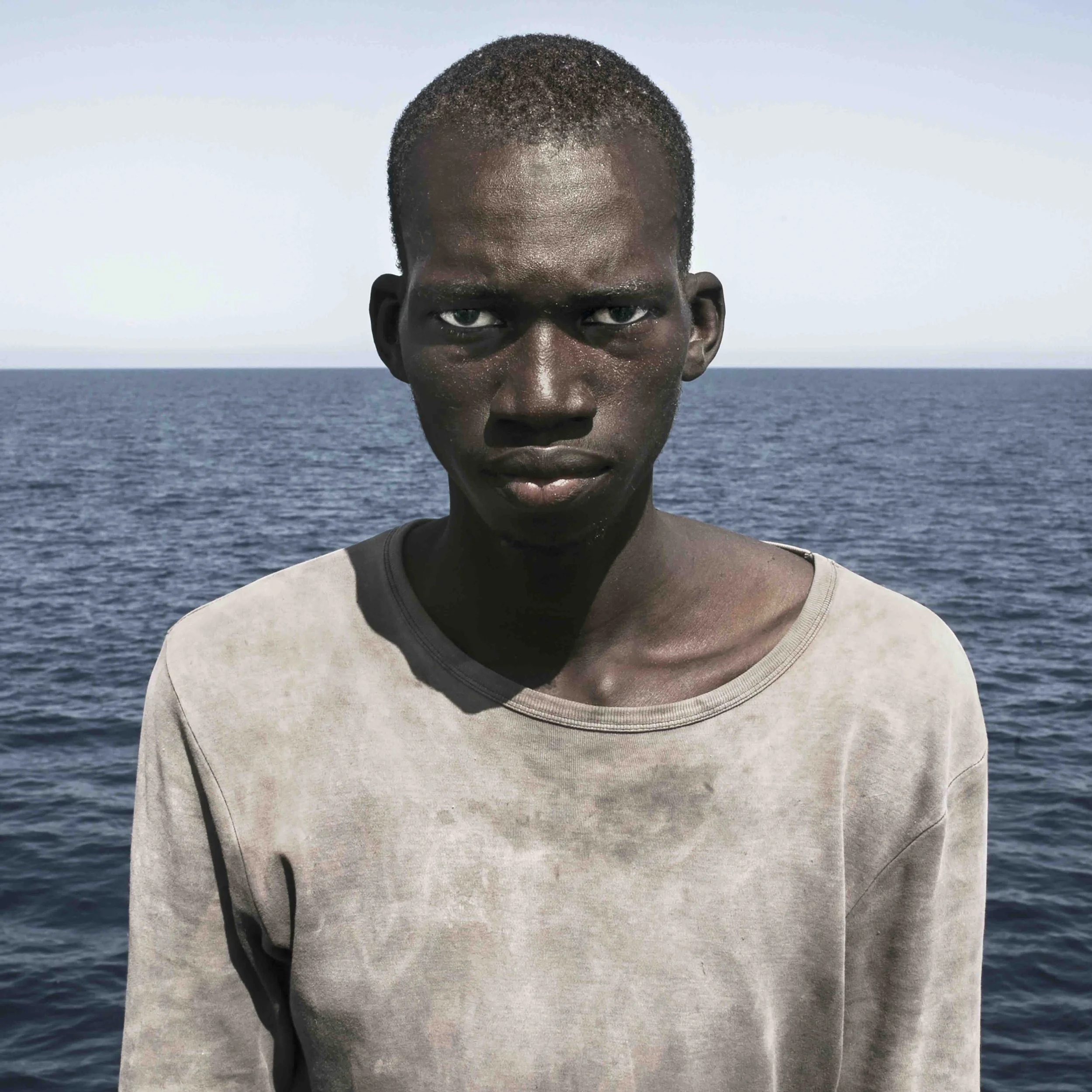
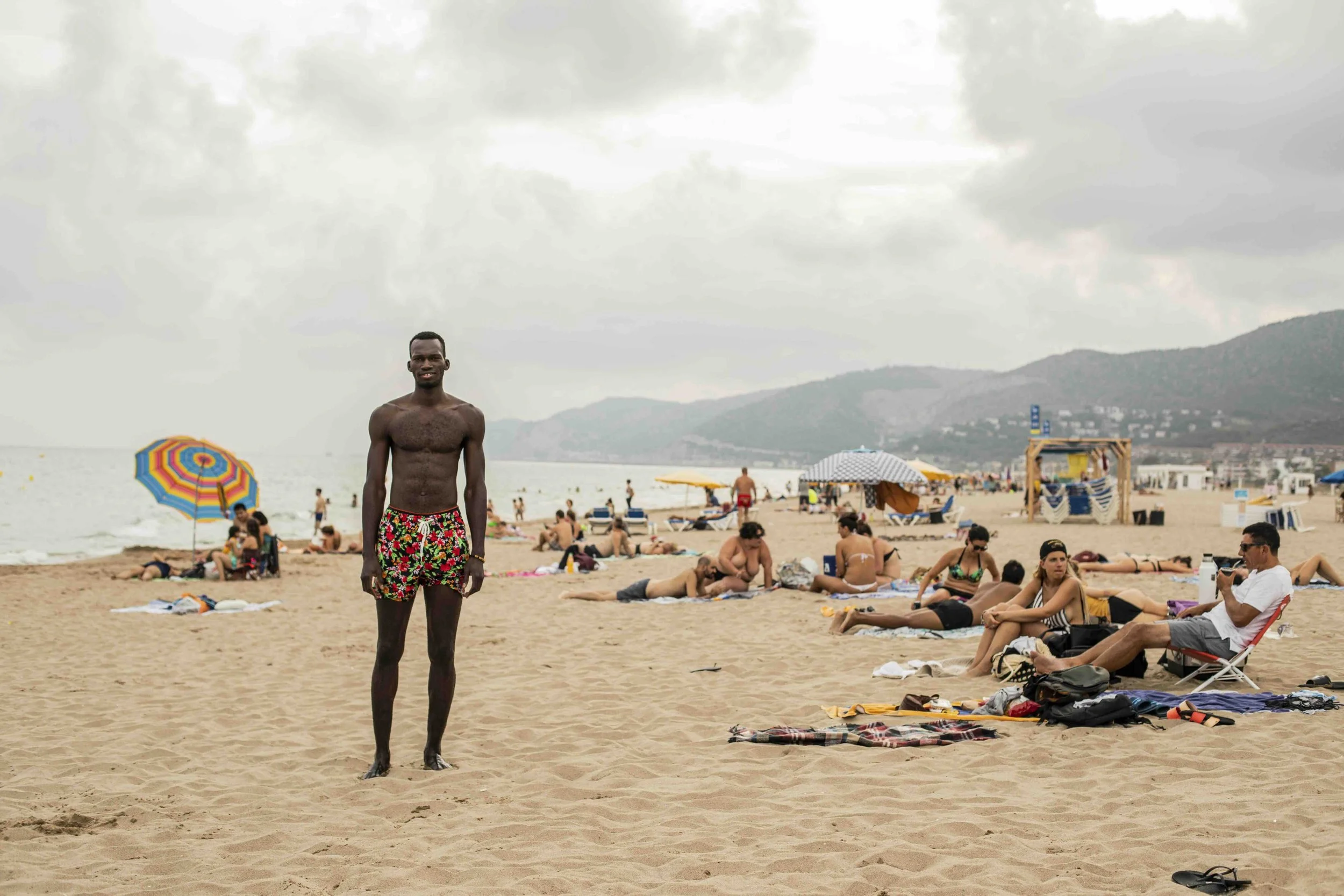
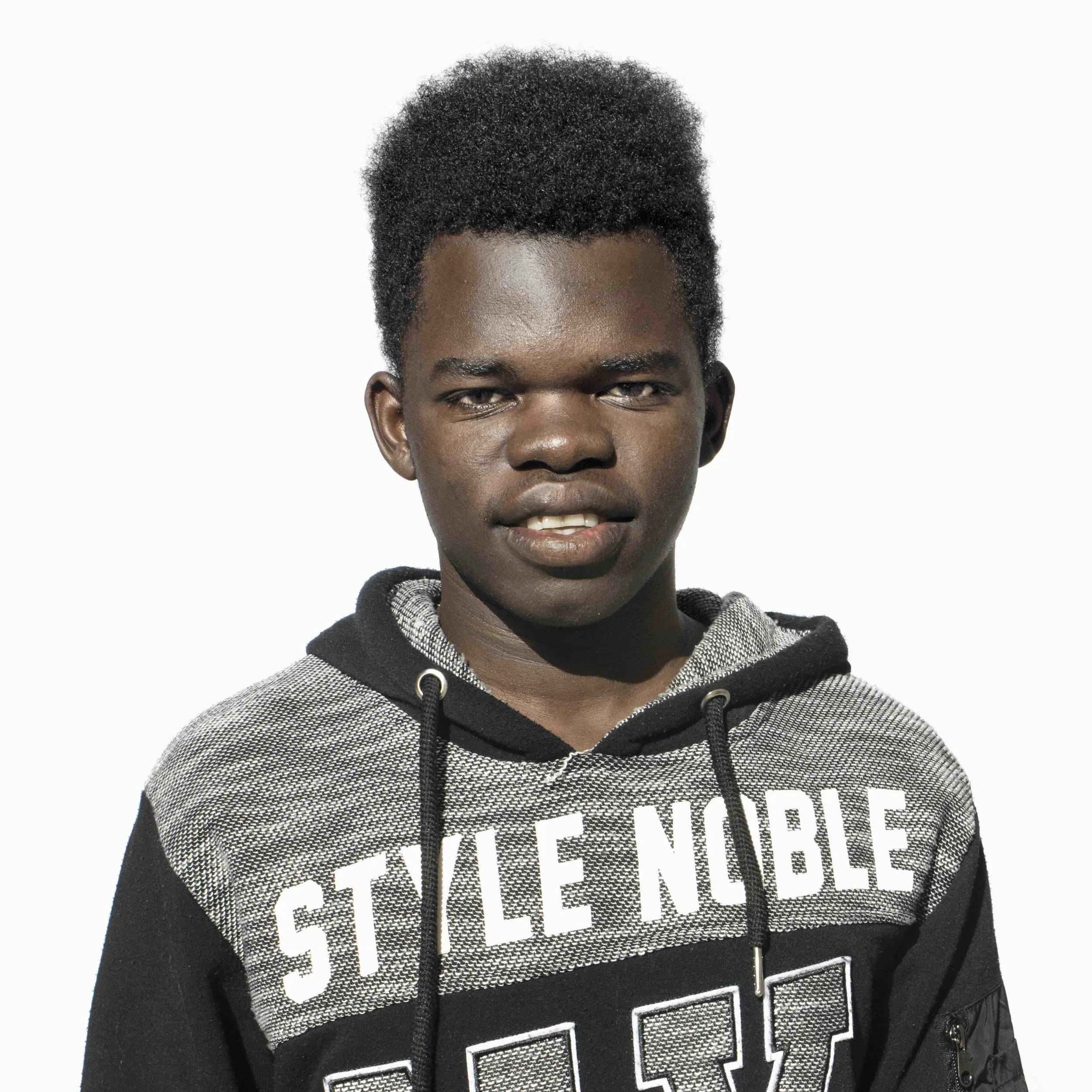
Amadou © Cesar Dezfuli
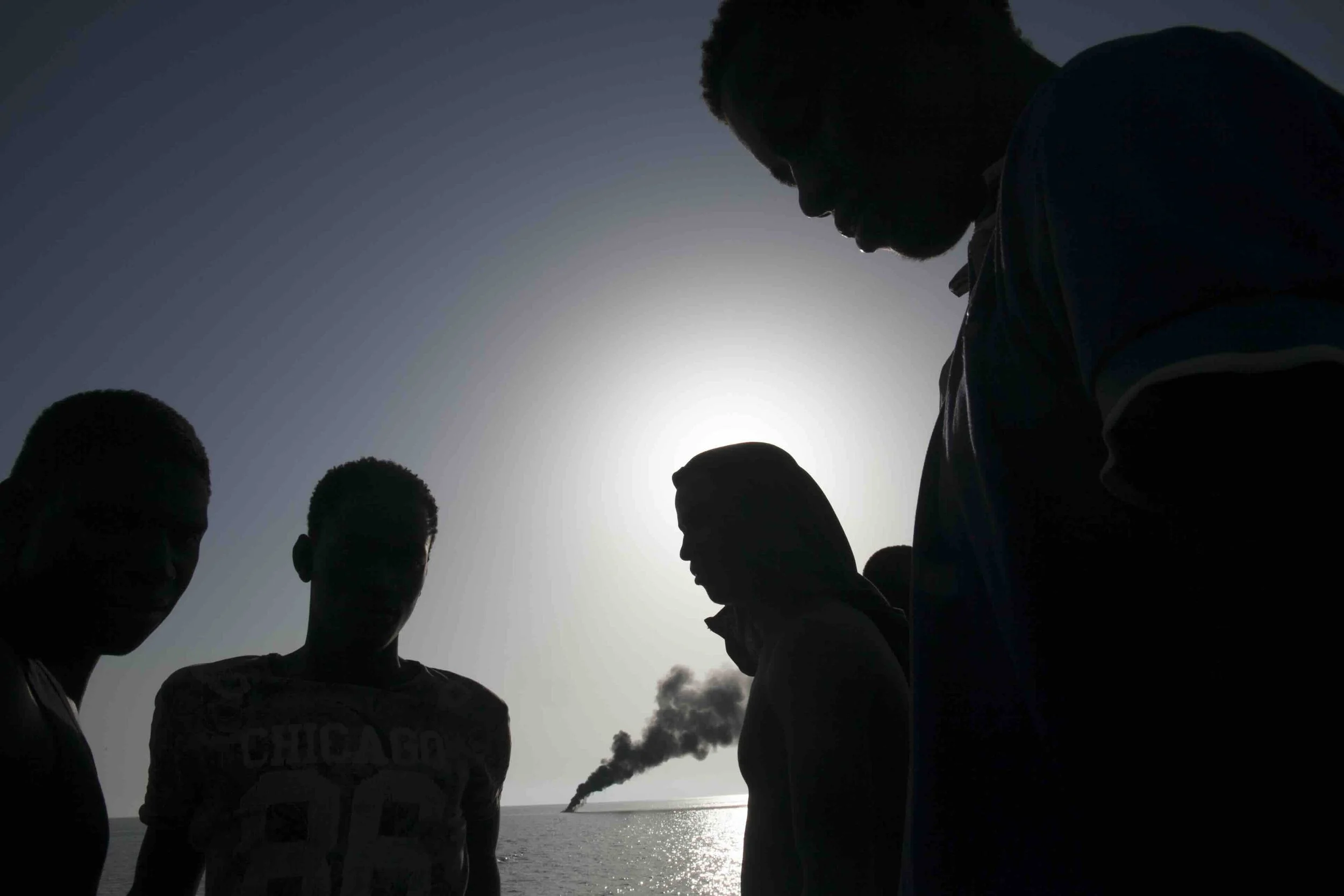
In the summer of 2016, César Dezfuli spent three weeks on board the Iuventa, a former fishing boat operated by the German NGO Jugend Rettet, where he witnessed the rescue vessel assisting people who had risked their lives on the central Mediterranean migration route, the overseas crossing from Libya to Italy. On 1st August, 118 people were rescued from a rubber dinghy drifting twenty nautical miles off the coast of Libya. César photographed all the passengers on the boat minutes after their rescue in an attempt to attach names and faces to this reality, to humanise this tragedy. Shortly afterwards, the migrants disembarked in Italy, in the Sicilian port of Pozzalo.
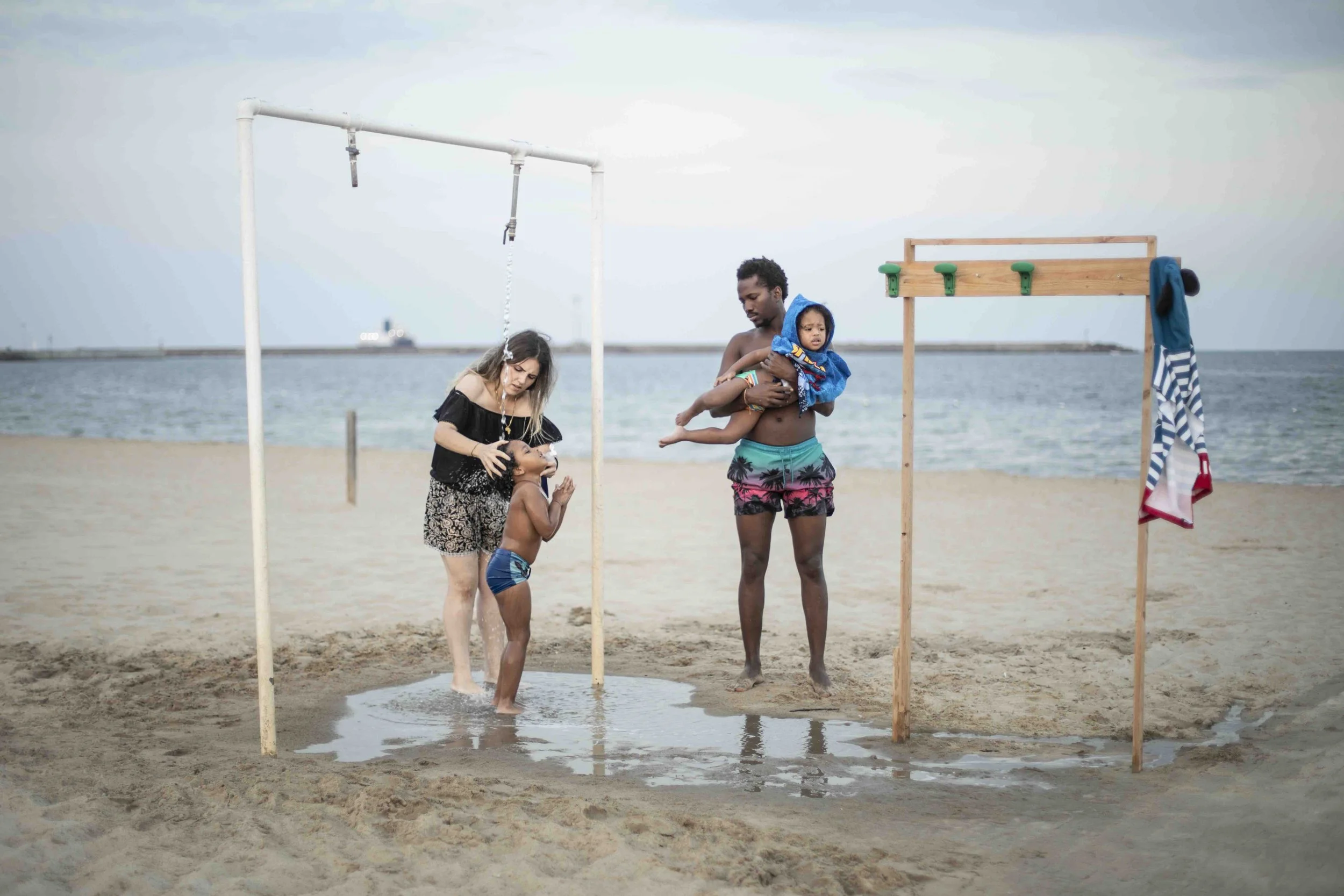
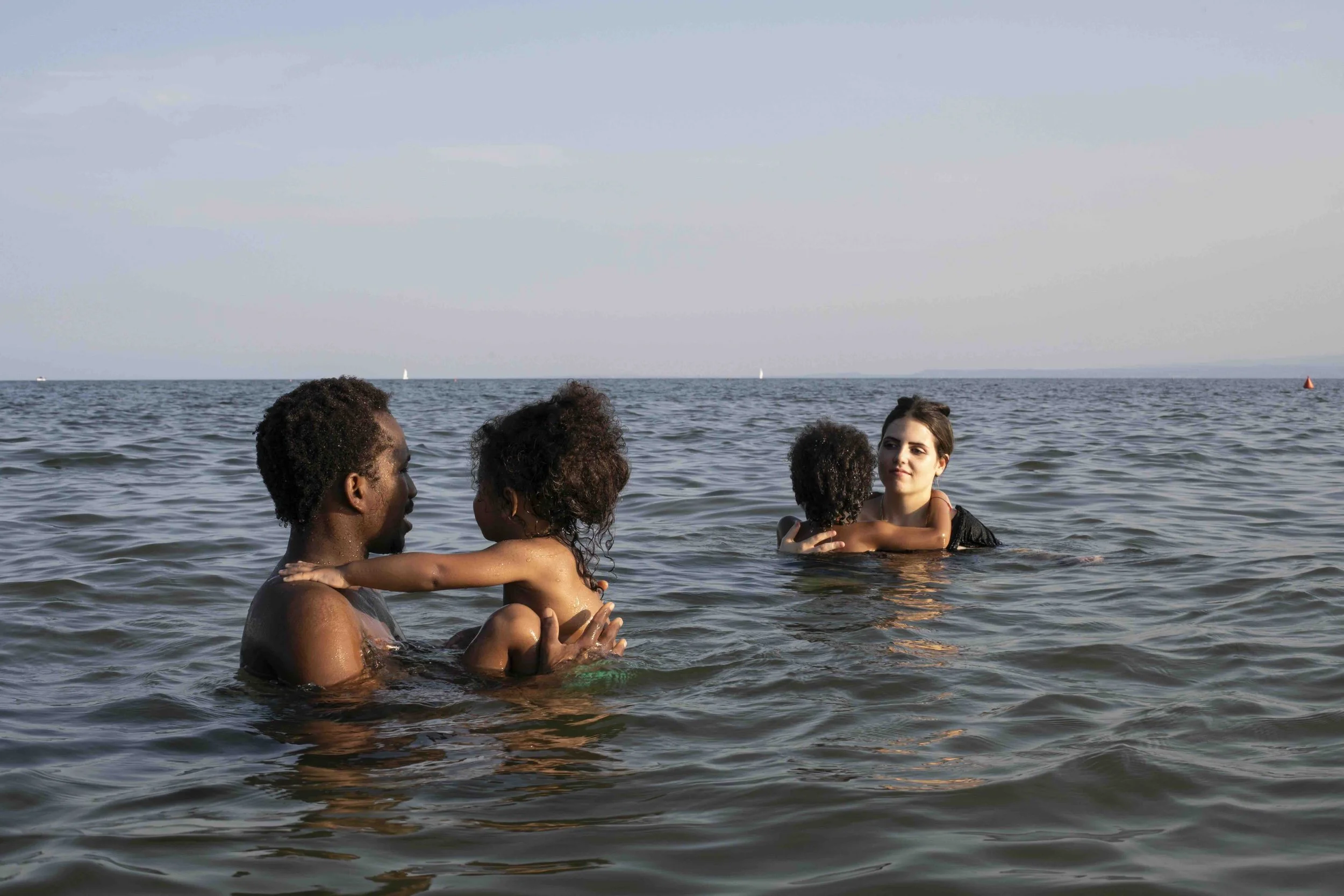
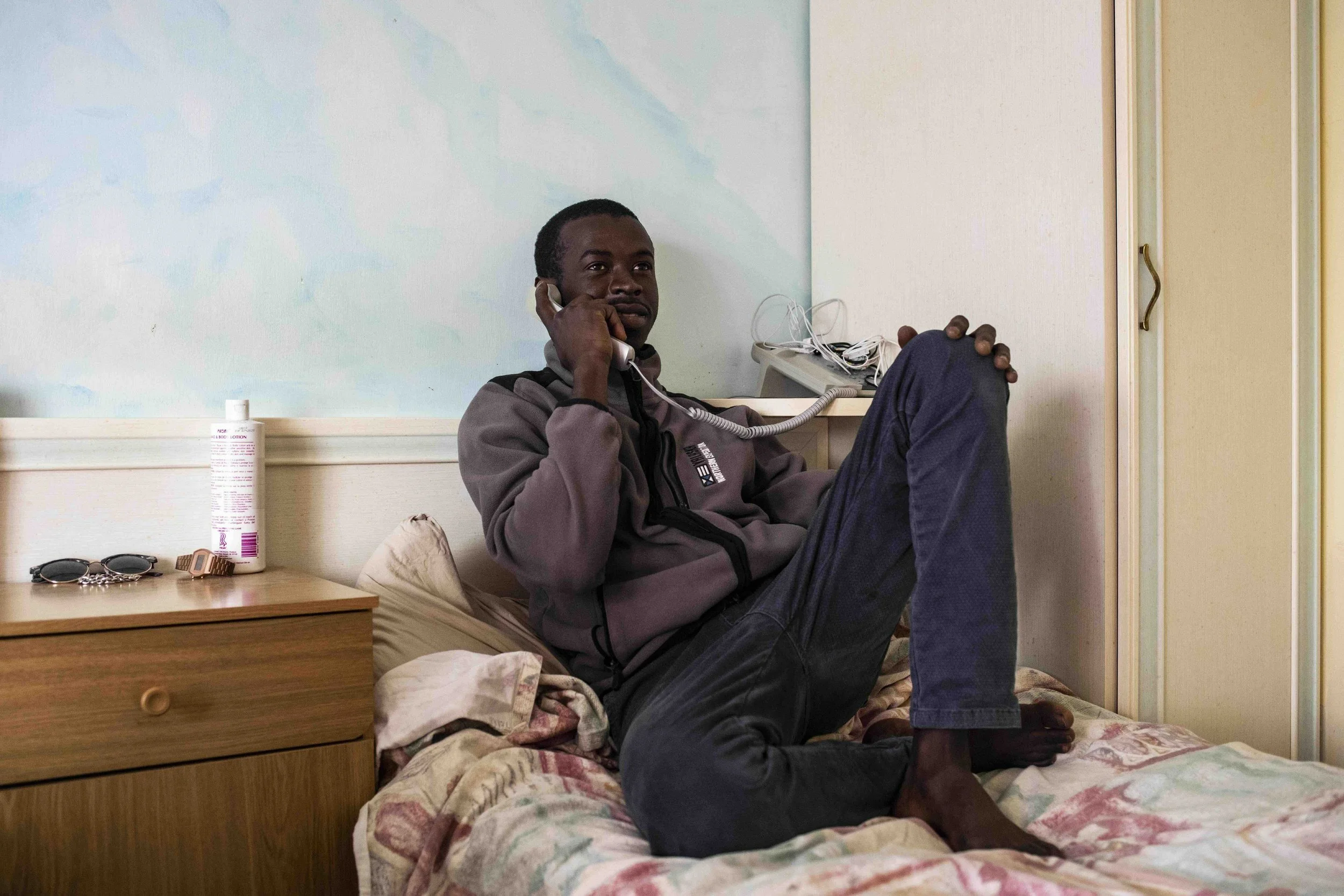
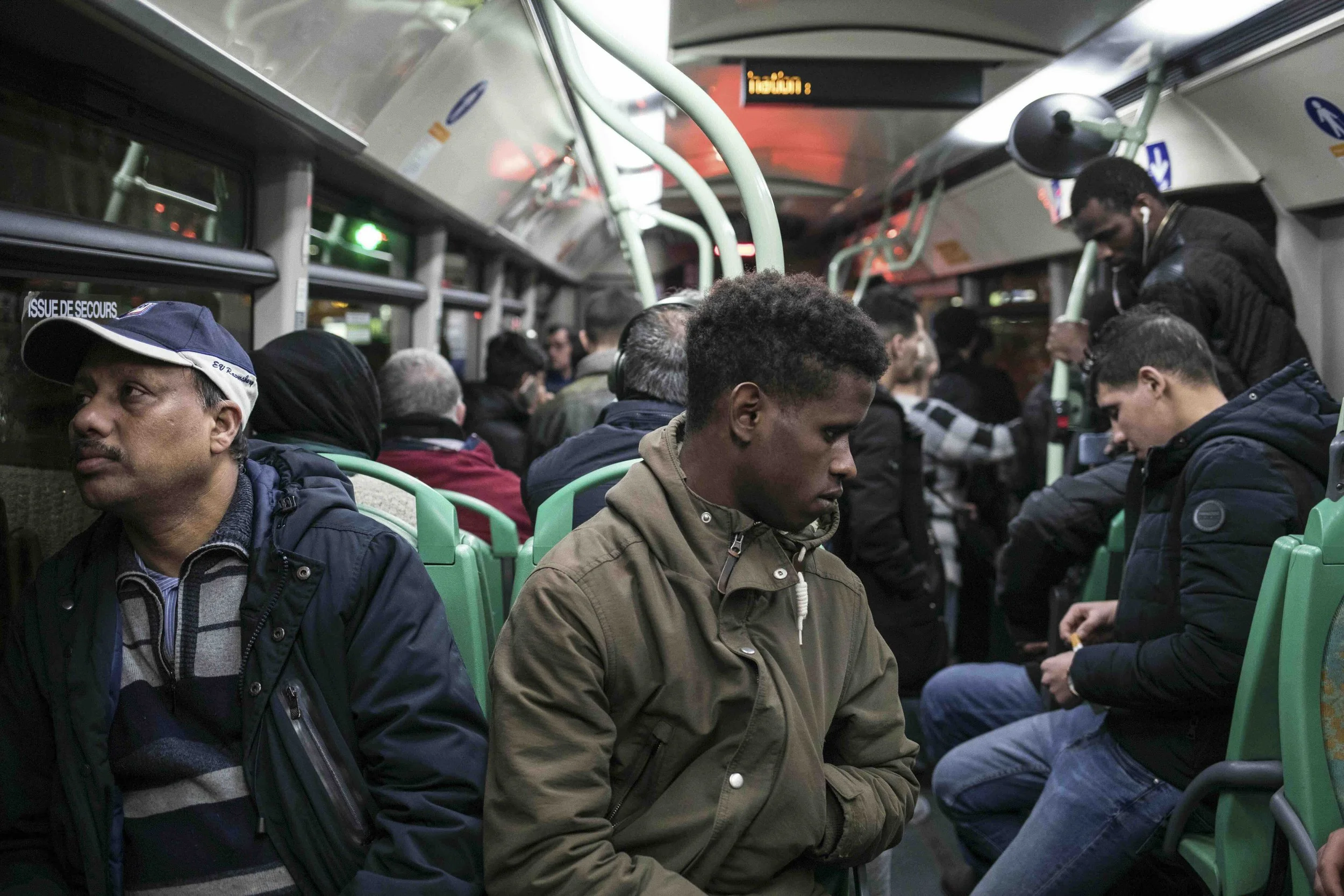
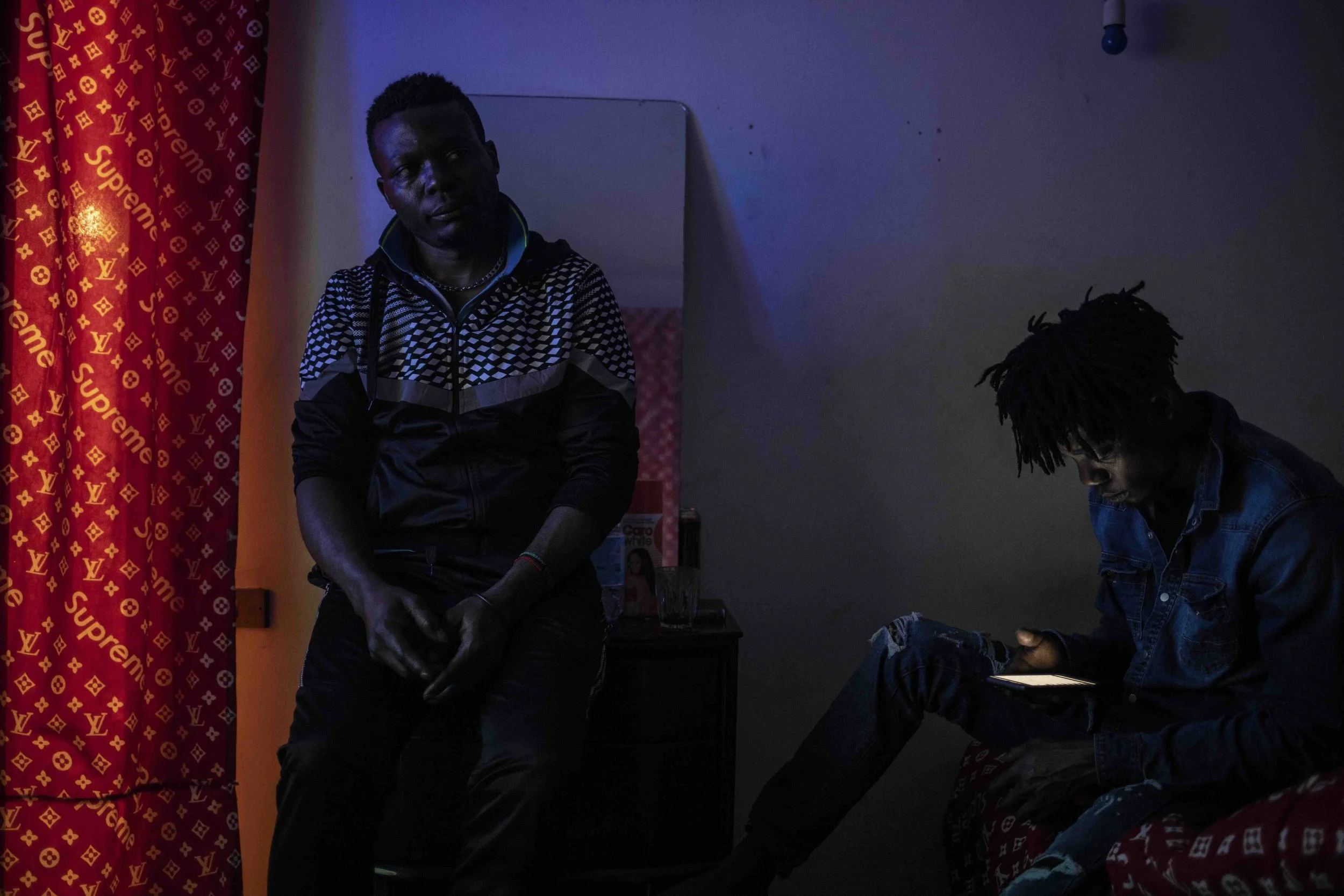
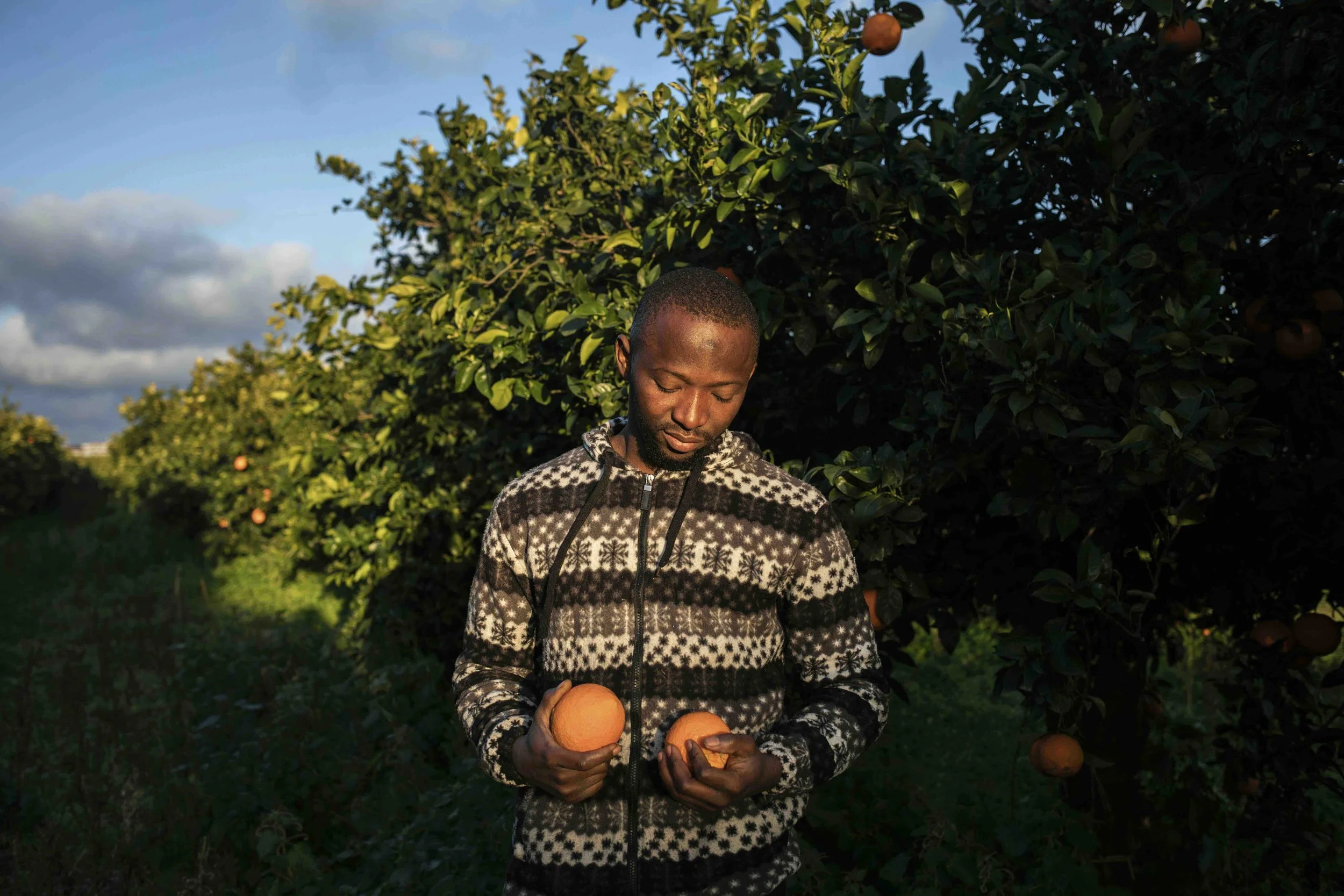
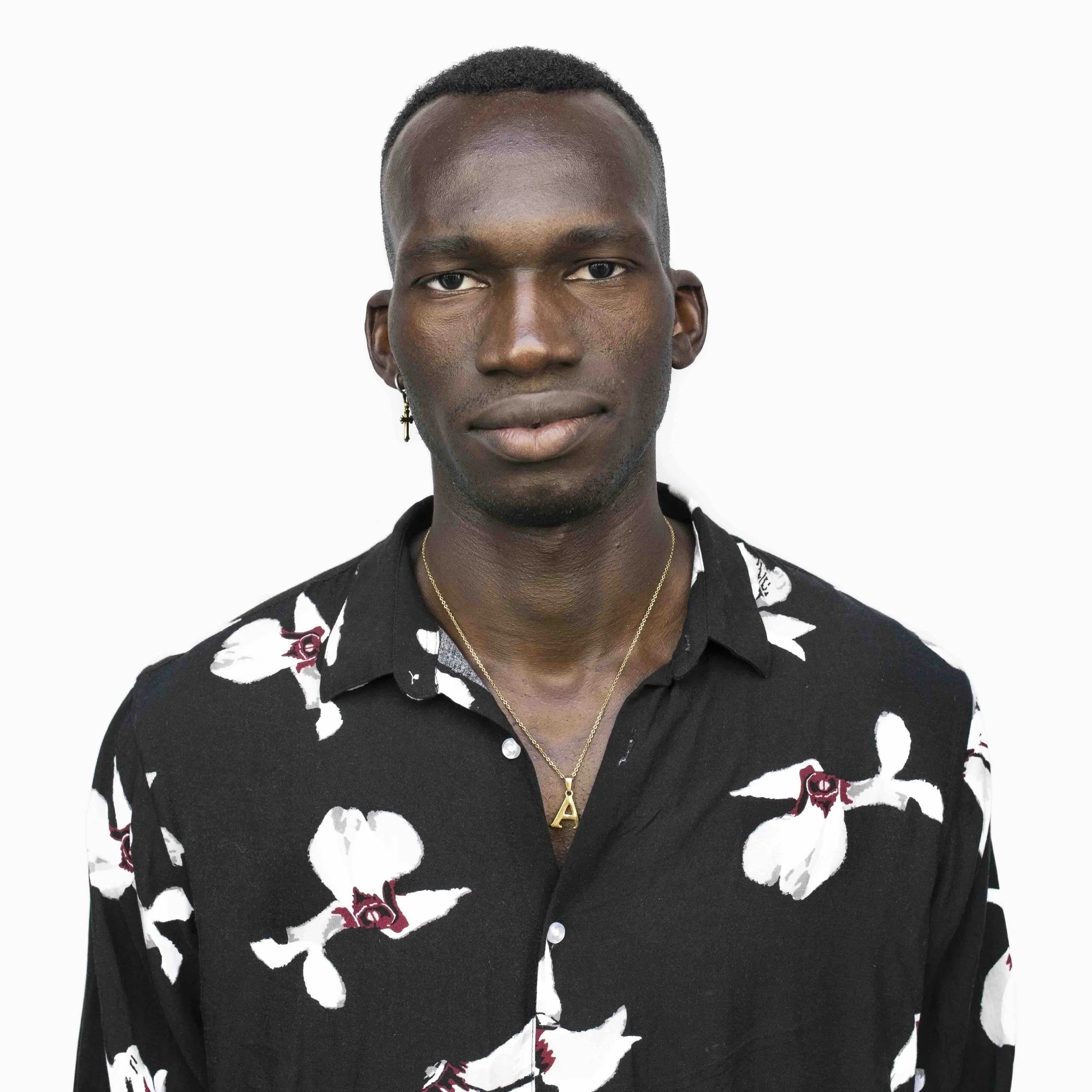
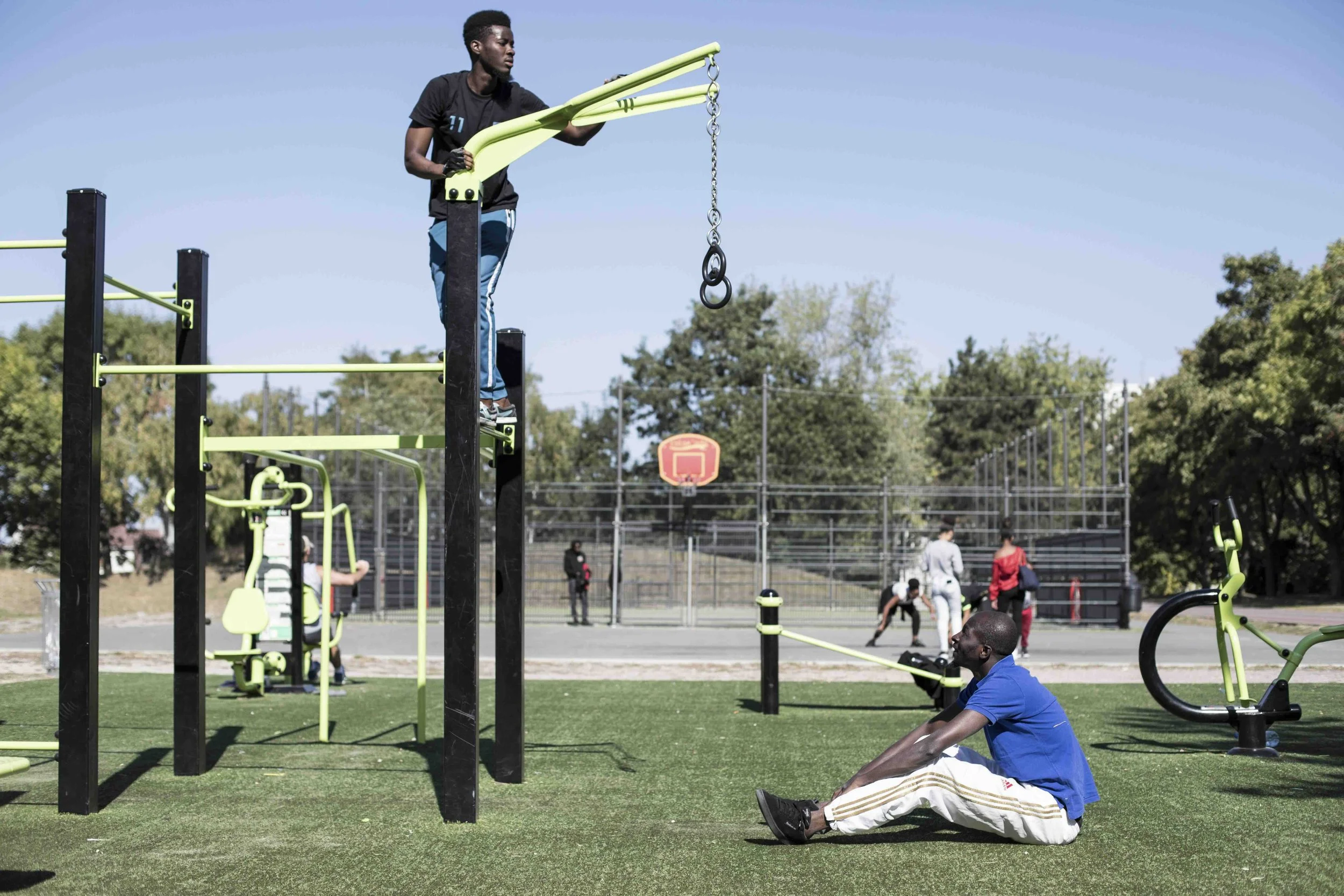
The desire to document the reality of migration, to reclaim identities that remain invisible behind the statistics, led César to a second stage which continues today: the individual stories of the project protagonists needed to be told. He undertook a search for the passengers to find out why they left their countries, what they experienced on the migration route, and how they continued their lives after being rescued at sea. He managed to locate 105 of them, has photographically documented 75 stories.
A decade on, concerns over migration remain a major political issue in most European countries. The causes are complex and vary from country to country.
They typically relate to security, struggling economies and disillusionment with governing parties, all of which have had a major role in shaping attitudes towards those who arrive who are fleeing war, hunger and economic desperation. An increasingly ‘hostile environment’ towards immigrants has fuelled the rise of far-right parties in Europe, and more centrist and even left-wing parties have scrambled to impose controls on migration, fearing electoral defeat by populist right-wingers. The humanitarian crisis nevertheless remains, and the outbreak of new conflicts in and around Europe, Africa and the Middle East has caused new waves of migration which have compounded the issue.
In Passengers, César documents individual stories, the challenges they face in crossing borders, navigating legal and governmental processes, in gaining recognition of their right to sanctuary, and the opportunity of a new life and integration within society. Seeking to build empathy and understanding, he has created a powerful body of work that not only sheds light on the plight of migrants, but delivers a call to action for society to change its perspective on migration, as the movement of people is inherent in human nature. As César puts it, “shifting our focus away from the borders and examining the broader context is essential. It involves understanding what these people’s lives entail after they cross the border.”