Believing is Seeing - contemporary photography from South Korea
The idea in some parts of the world that taking a photograph of somebody amounts to stealing their soul is nothing new.
The term 'Junsinsajo' is used in traditional Korean portrait painting and signifies the replication of a person's shape and spirit. This means that taking a snapshot of a person is not restricted to a replication of their physical likeness, but should also embody the essence of their personality.
It is an idea that endures in contemporary photography and makes for one of the themes explored by the seven photographers incorporated in the Believing is Seeing exhibition, a body of work which also appears to question the very notion of 'Koreanness'.
The collaboration was made possible through the work of curator David Drake and Jiyoon Lee from the SUUM Academy & Project in Korea and was jointly funded by Arts Council Korea and Wales Arts International. The exhibition, presented at Ffotogallery in late 2011, challenged our preconceptions about Korean culture.
Of the exhibition, I said:
"It's a very distinct culture but each artist is very aware of Western arts traditions, influenced by global contemporary art trends but remaining deeply rooted in Korean culture and traditions.
"The work featured in the exhibition also demonstrated the 'natural ambiguity' of the photographic image in that the portraits are no longer just depictions of people, they have a reality of their own and become a screen onto which the viewer projects their own relationships and emotions."
"The exhibition examined some common themes in contemporary Korean photographic art - its performative nature, ideas of duration and transience, nature and constructed reality, memory and illusion.
"Inverting the Western idiom 'seeing is believing', the exhibition featured artists with markedly different strategies in relation to photographic portraiture, but who have in common the rejection of any approach to photography that emphasises visual verification and purely mechanical reproduction."
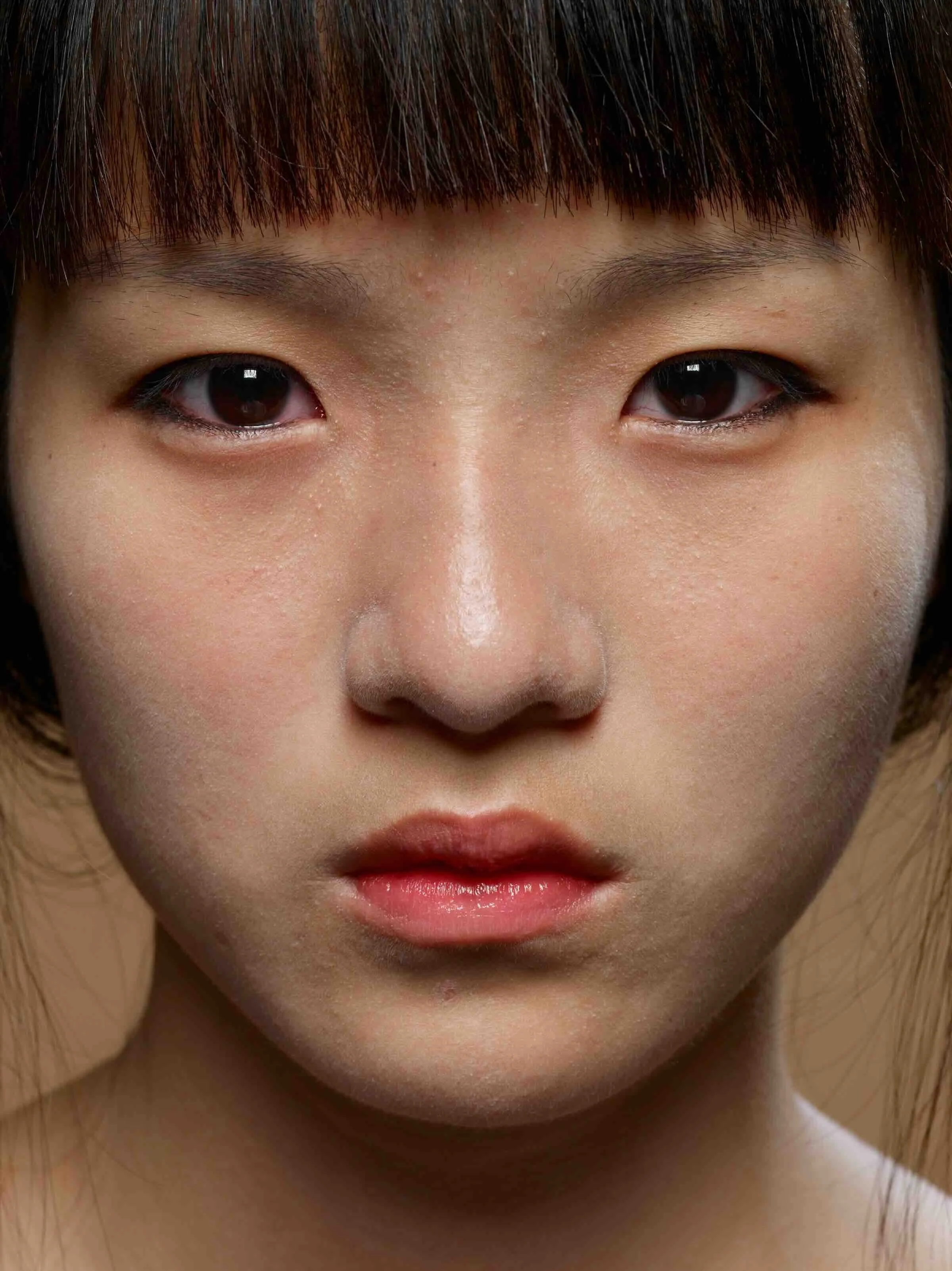
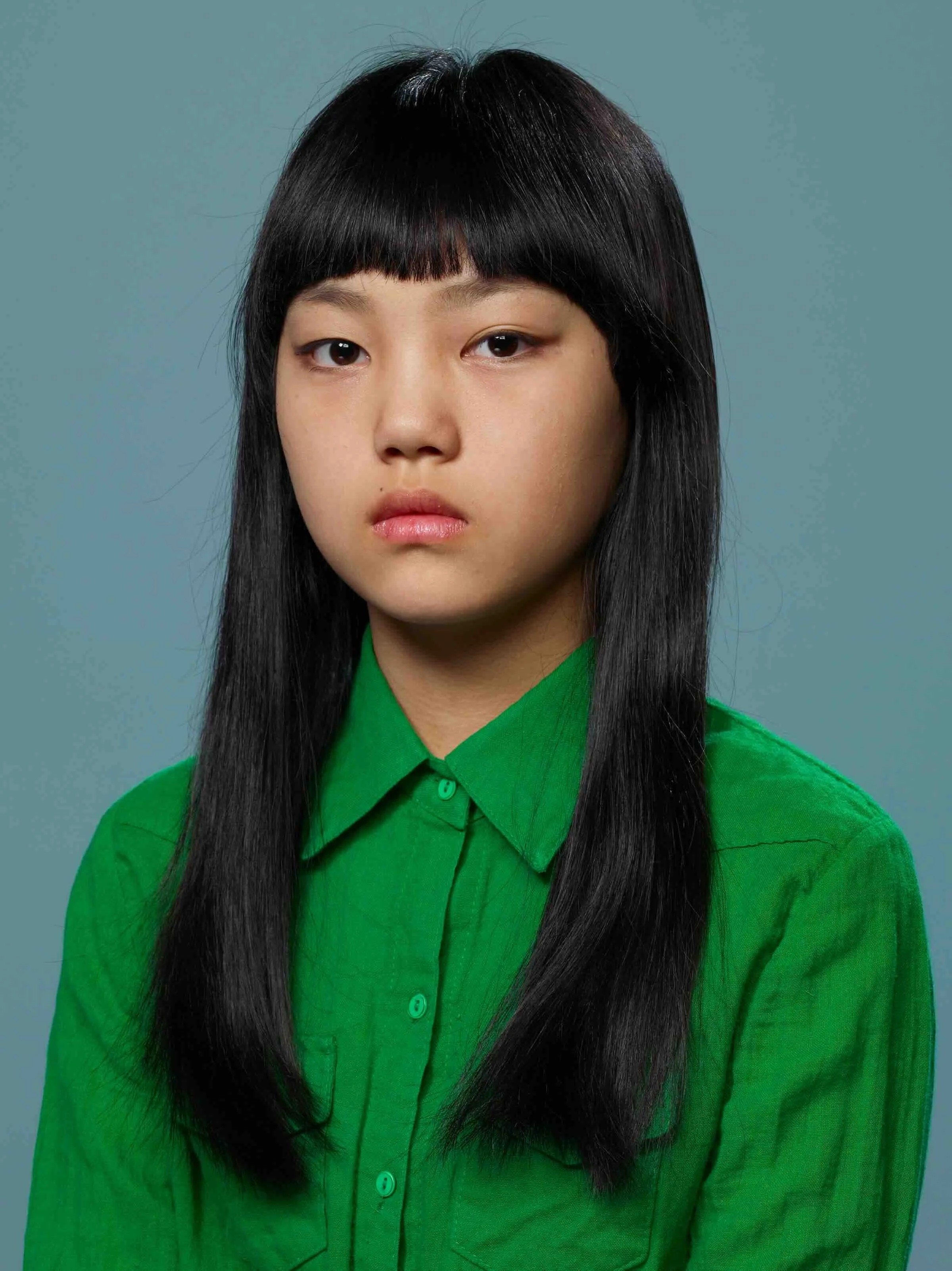
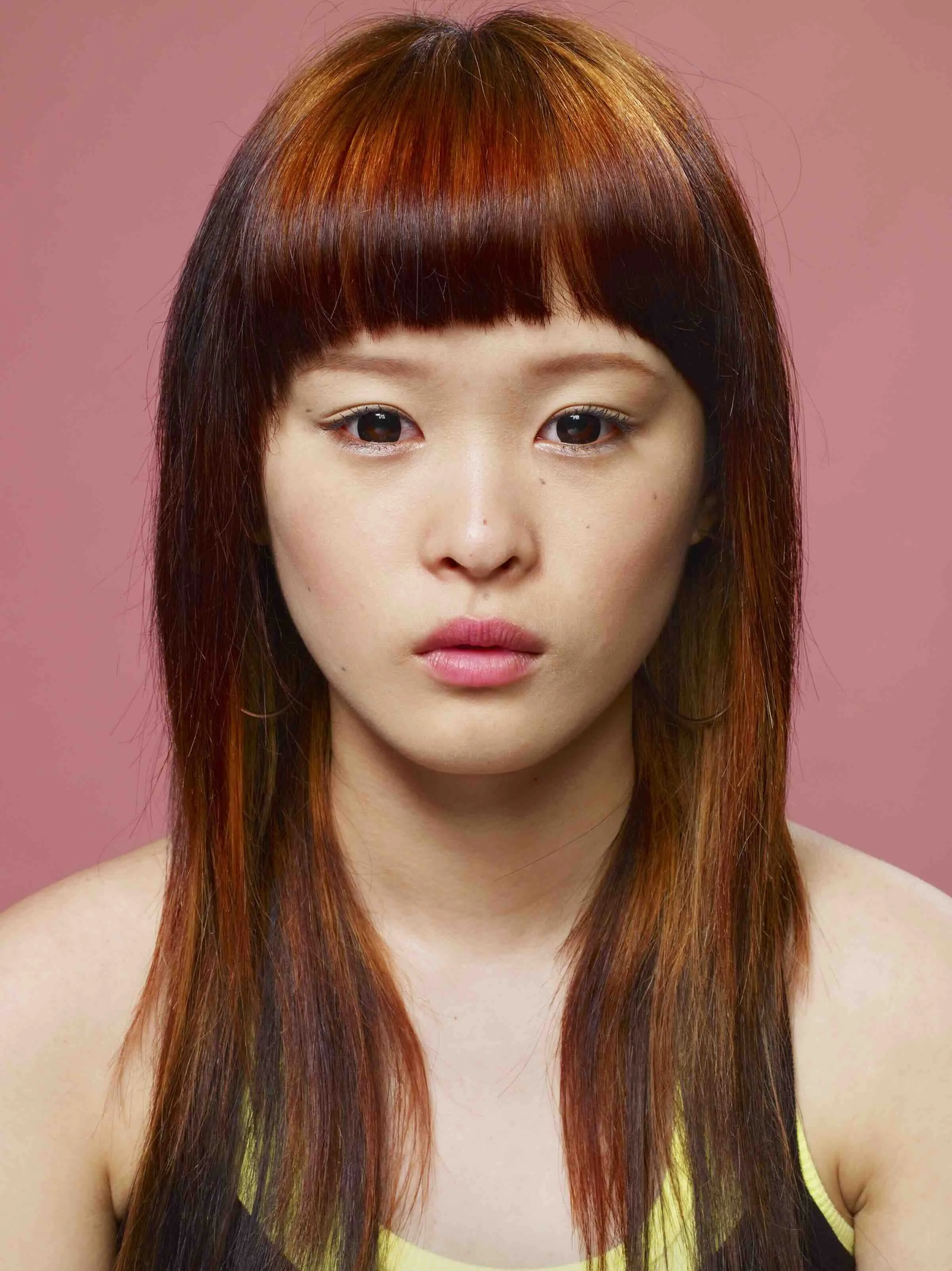
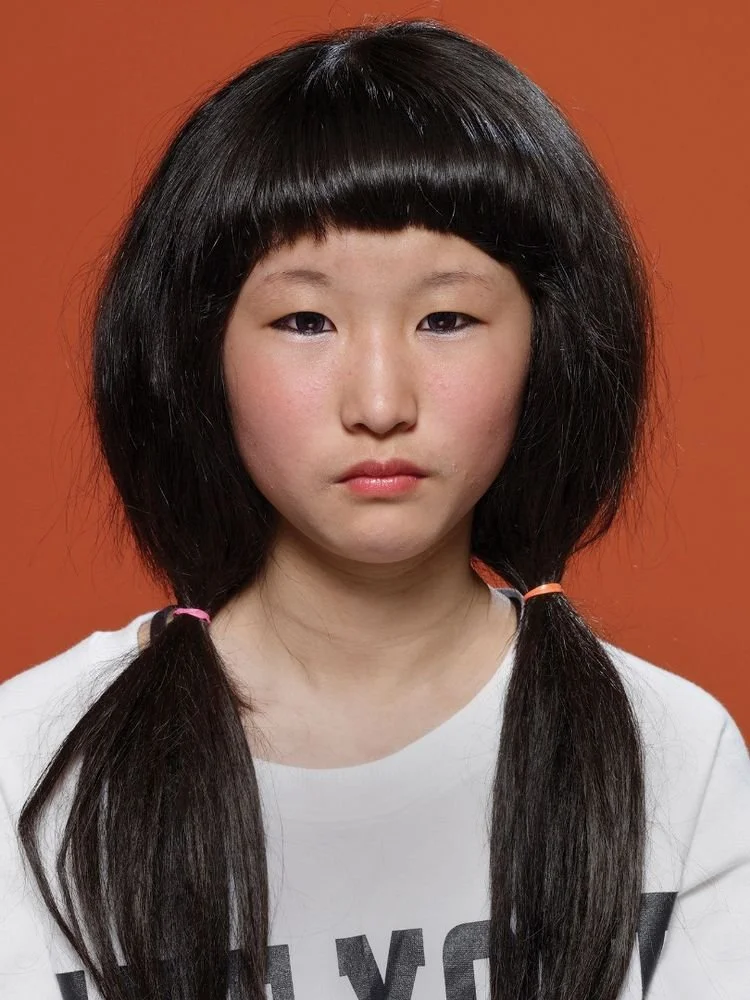
Hein Kuhn Oh’s Cosmetic Girls series is a photographic typology of Korean teenage girls who use make-up and style to create a more feminine and sexualised image of themselves. In close-up and full-figure portraits, placed against colour backgrounds, Oh asks his subjects to maintain the same expression and pose, observing the conventions of photographic representation and highlighting the limits of each girl’s individuality as they conform to social convention.
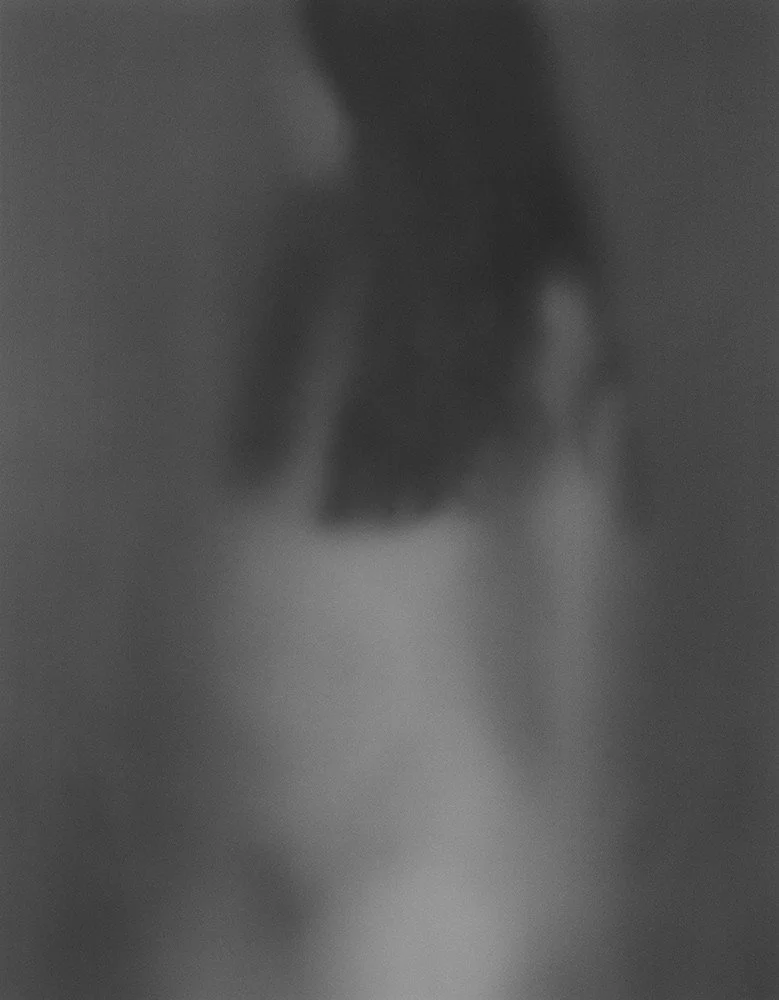
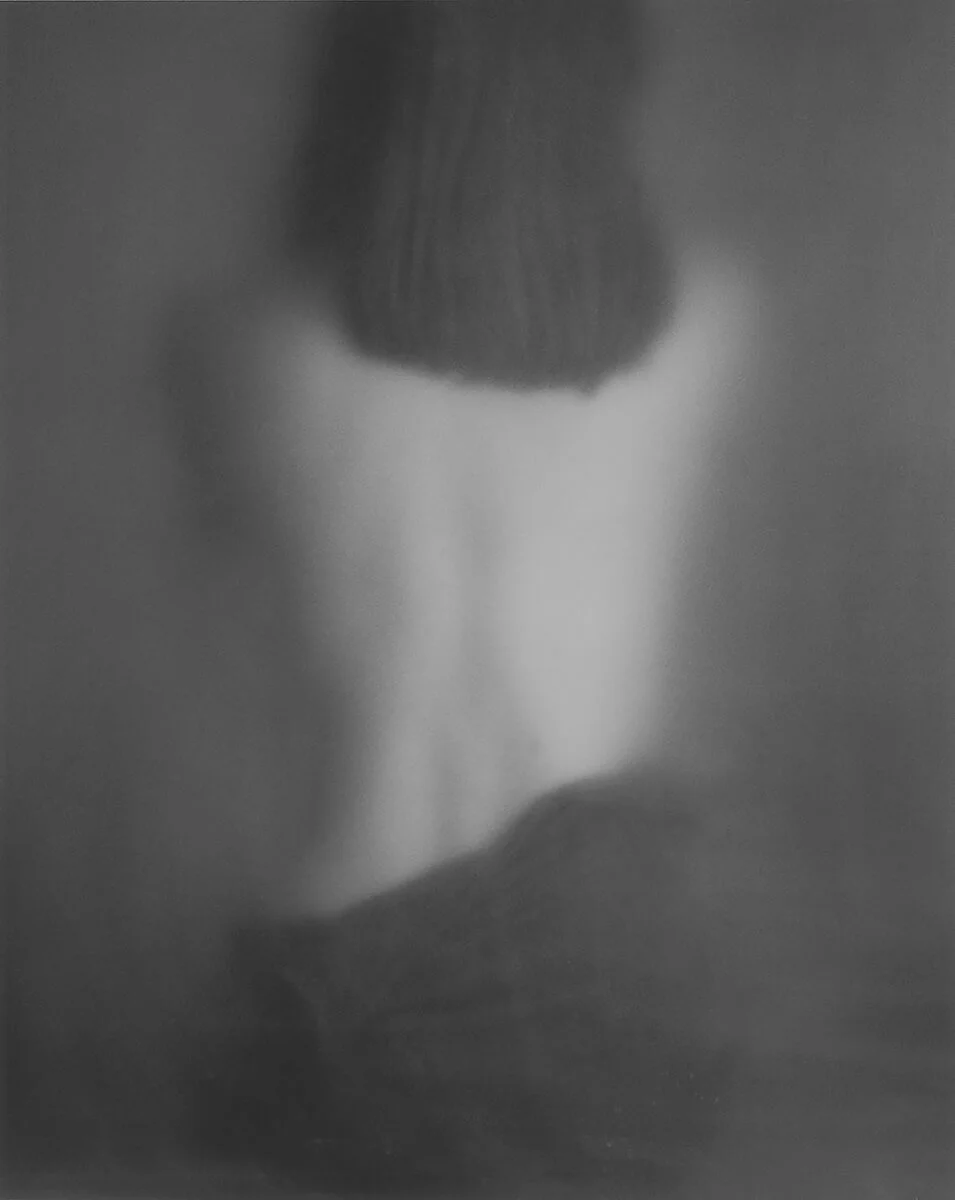
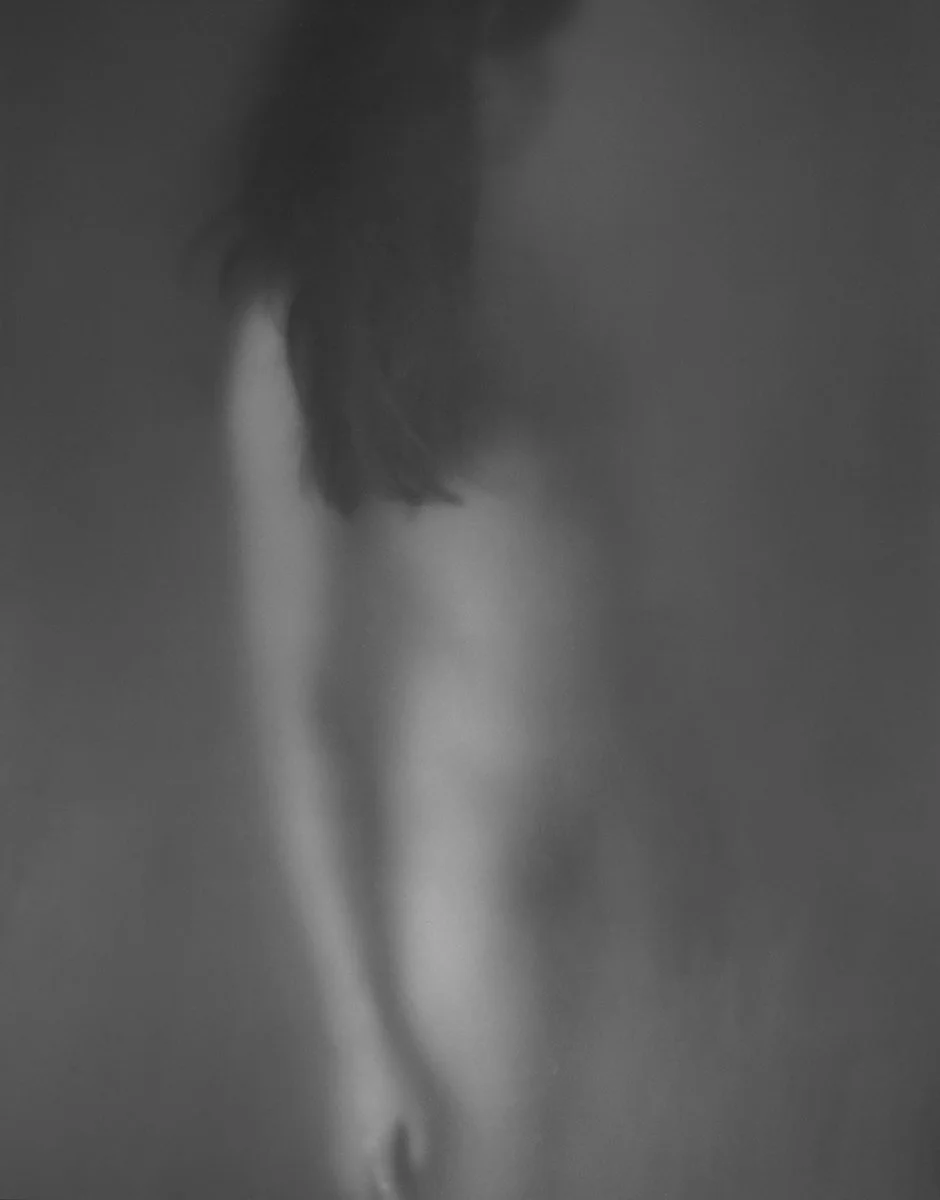
Byung-Hun Min works in traditional black and white photography, mostly using silver gelatin printing. His nude portraits and landscapes have a subtle, meditative quality, revealing a common ground between the lines, contours and textures of the human body and those found in the wild expanses of nature.
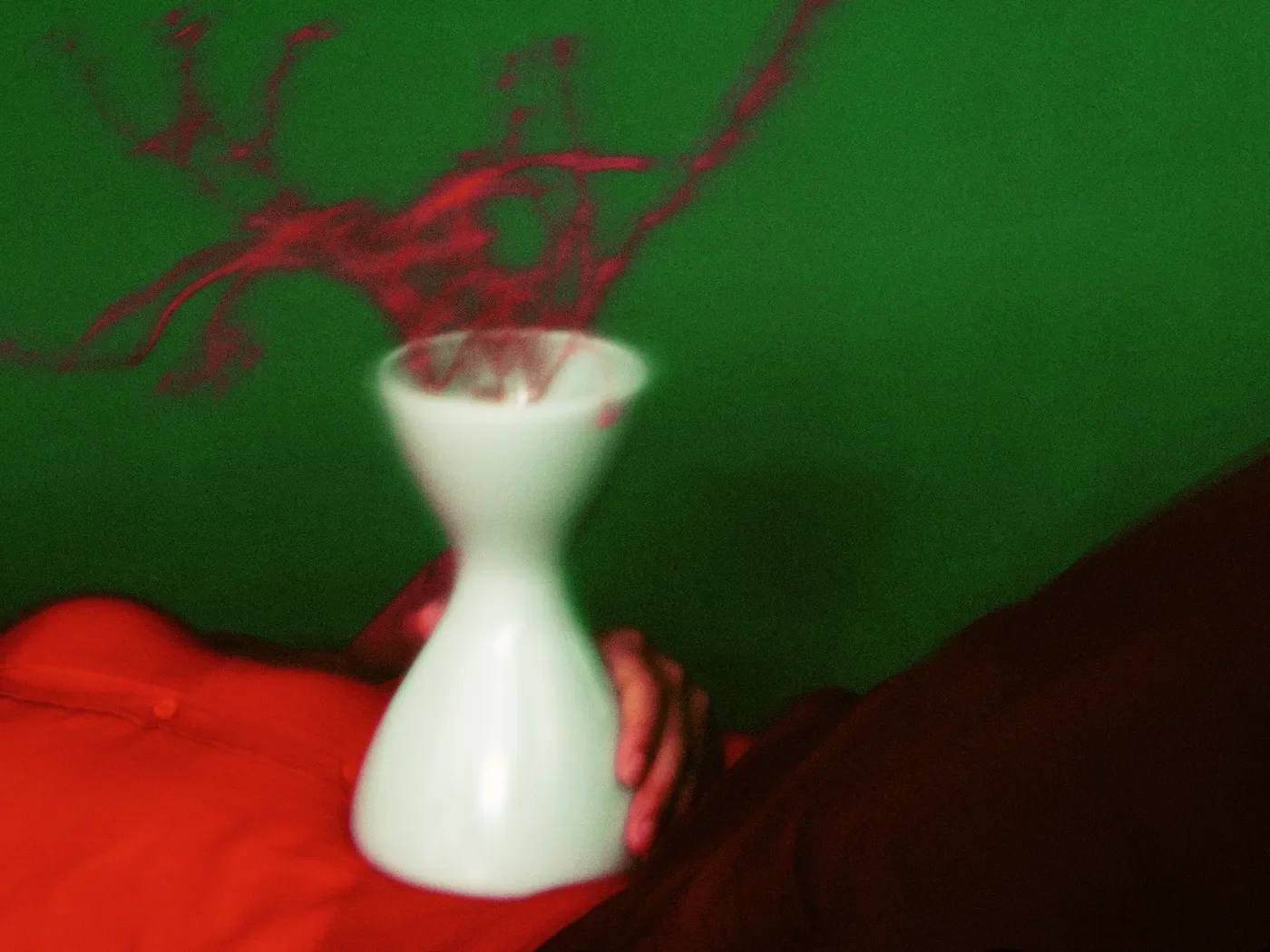
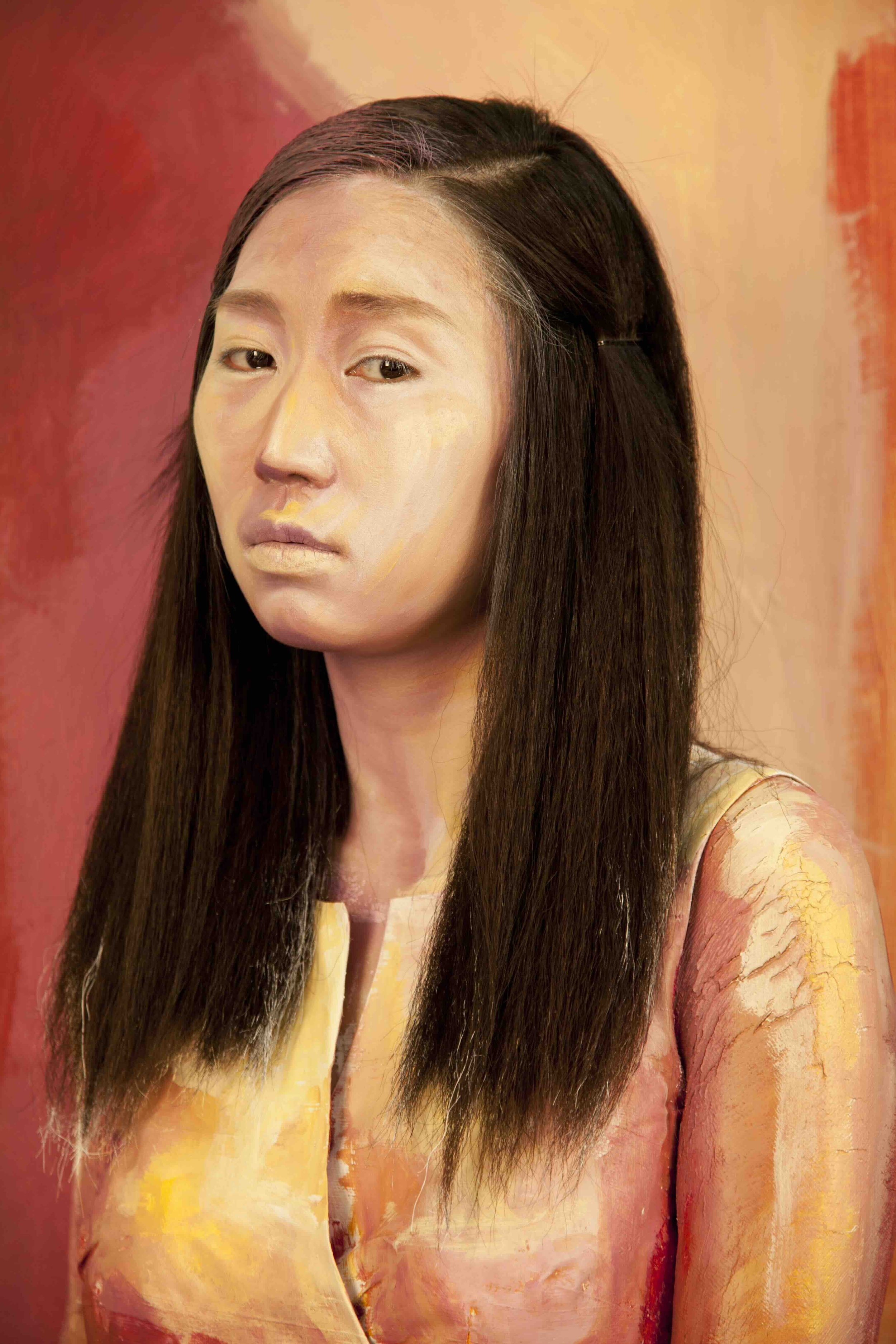
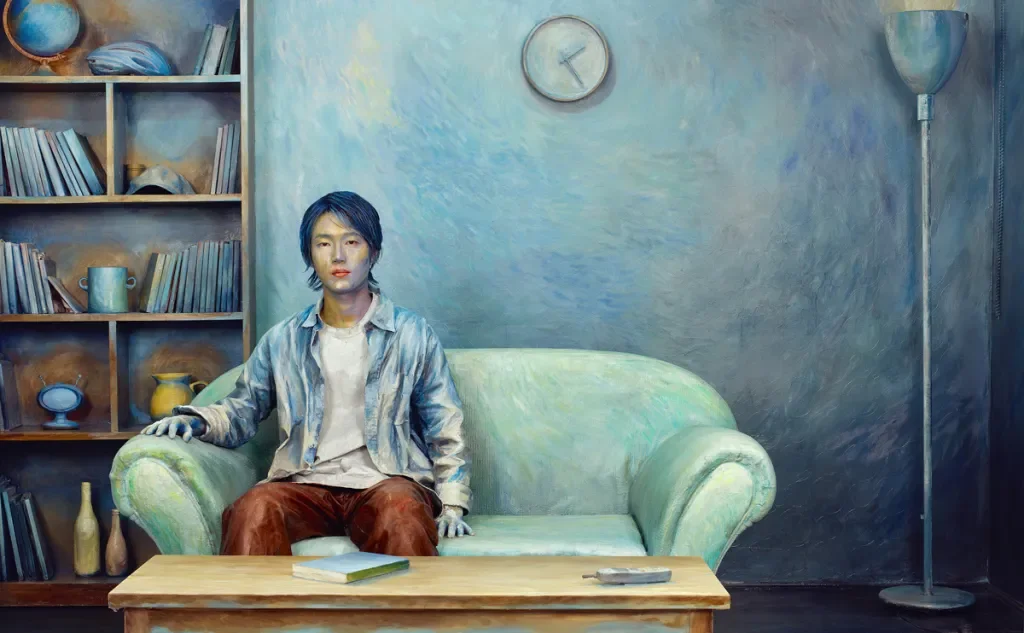
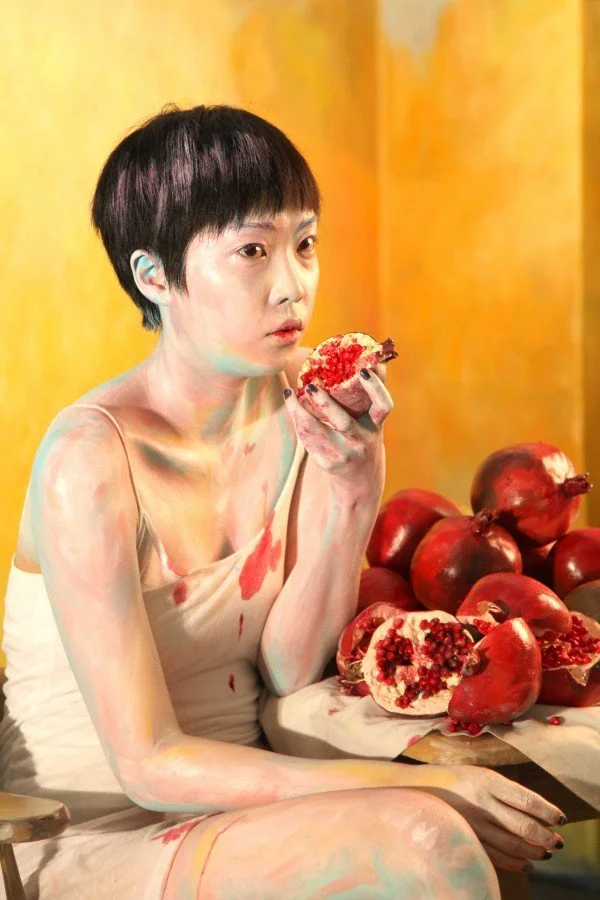
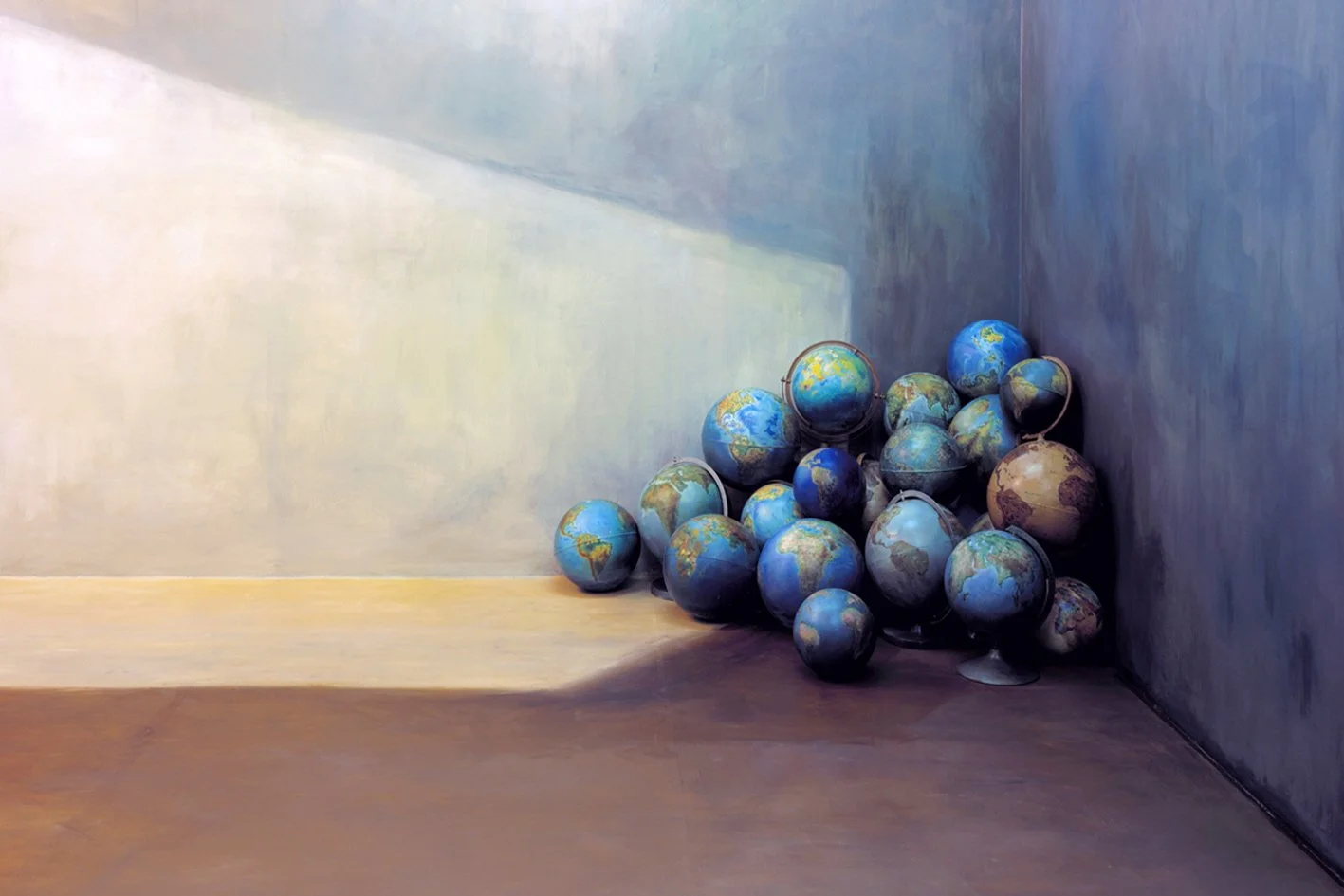
Hyun Mi Yoo’s work embraces painting, sculpture, video and photography, the elements combining to create beautiful and surreal still lives or “tableau vivant” portraits. By using lavishly painted sets and objects, including painting the faces and bodies of the subjects of her portraits, Yoo creates bizarre and imaginative worlds within a three dimensional real space, then reproduces these scenes in the two dimensional plane of the photograph or video screen.
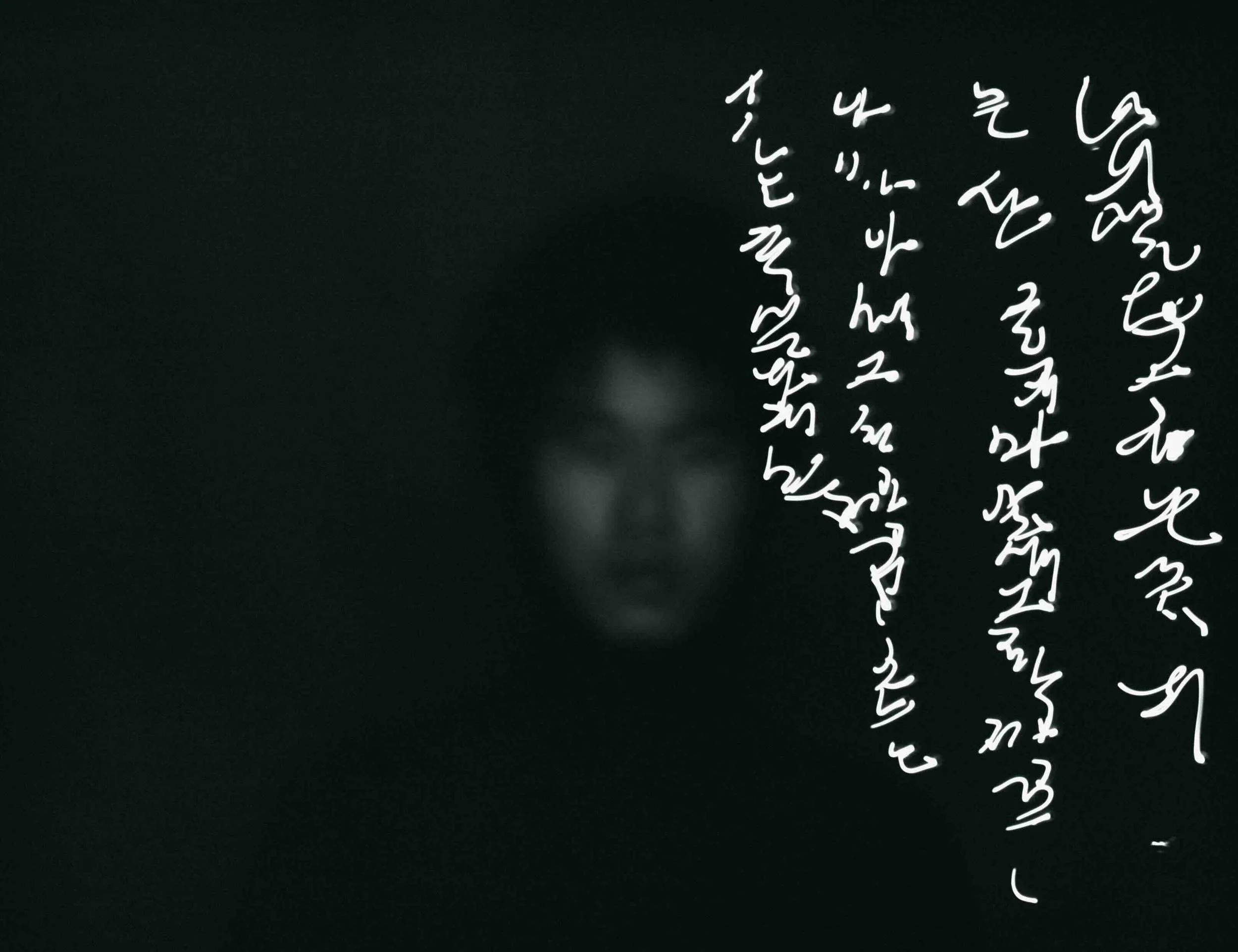
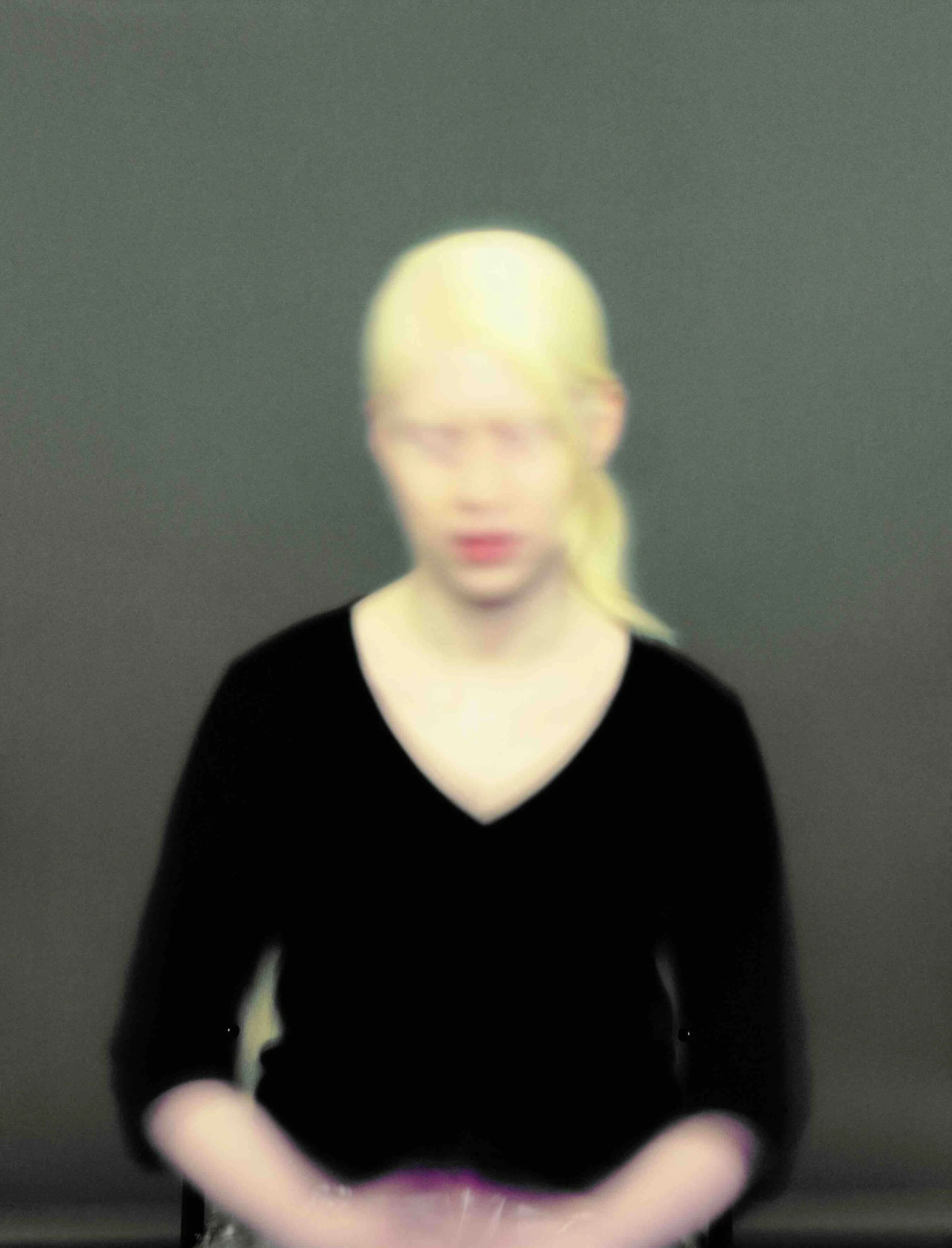
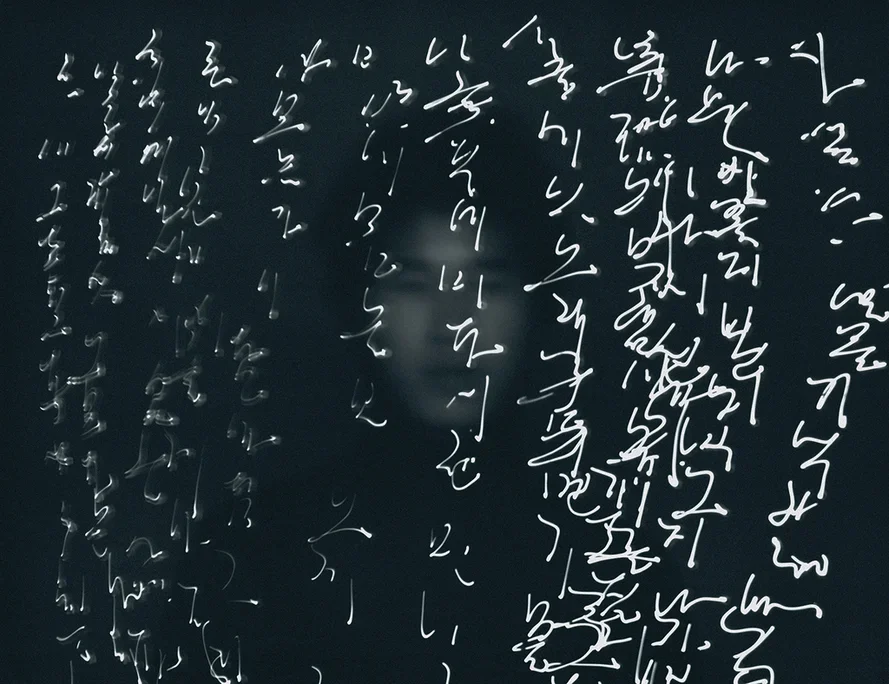
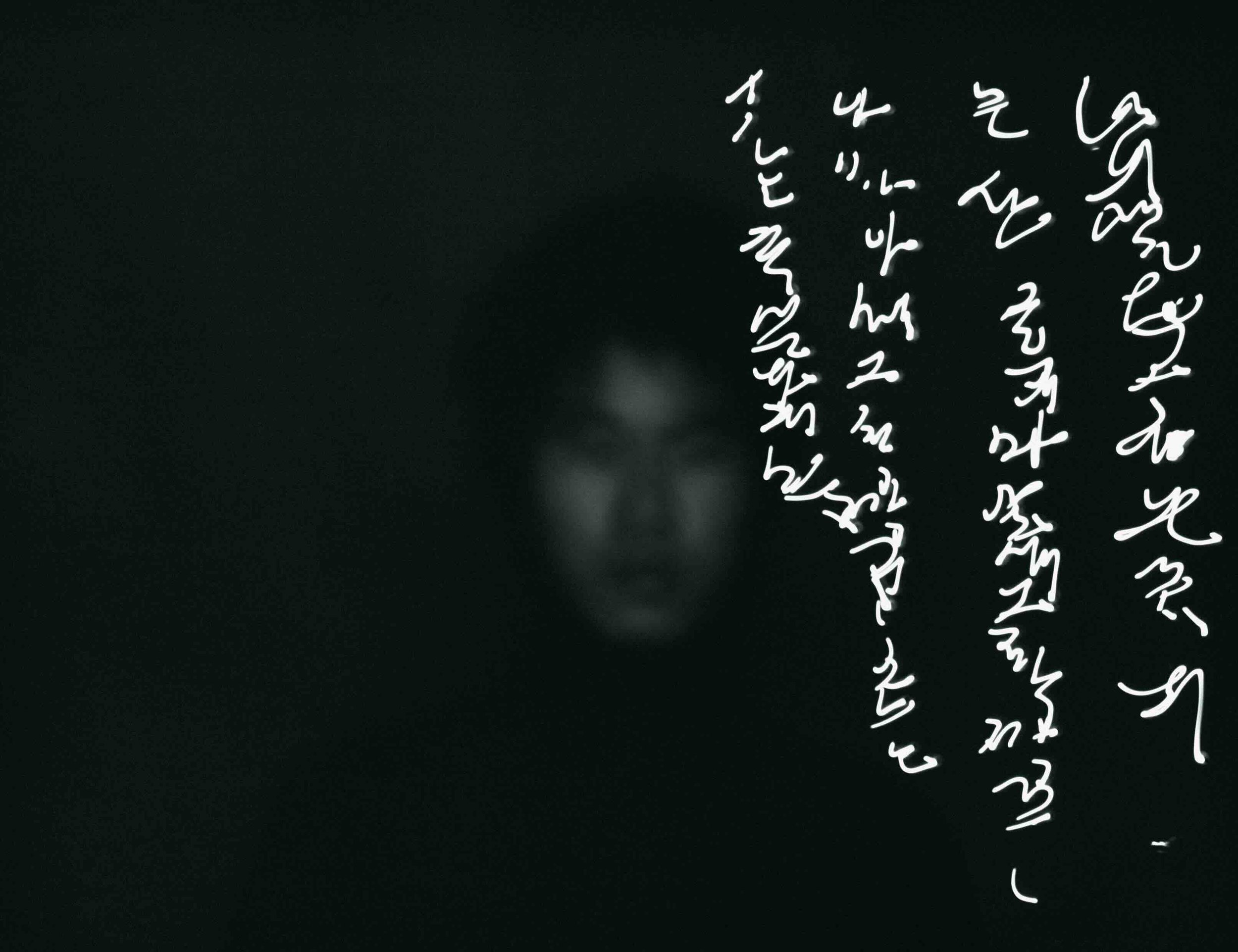
Kyungwoo Chun’s practice has interesting parallels with 19th Century portrait photography, in that he uses low sensitivity film and long exposures, requiring the subject to stay still for a considerably long time. Each photographic project is a participatory event, in which the artist explores with his subject how they are perceived by others, and the thoughts and emotions experienced during the making of the portrait.
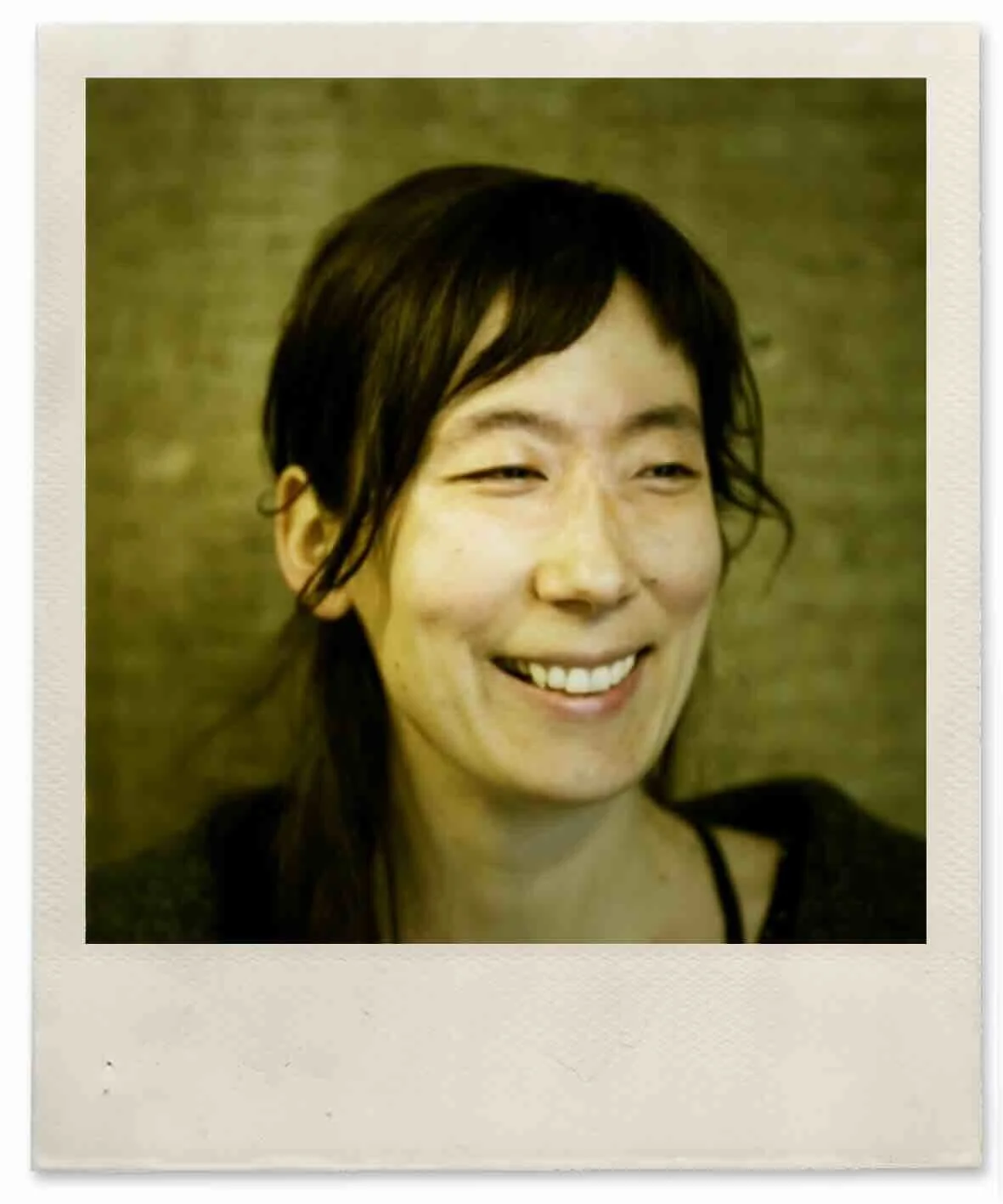
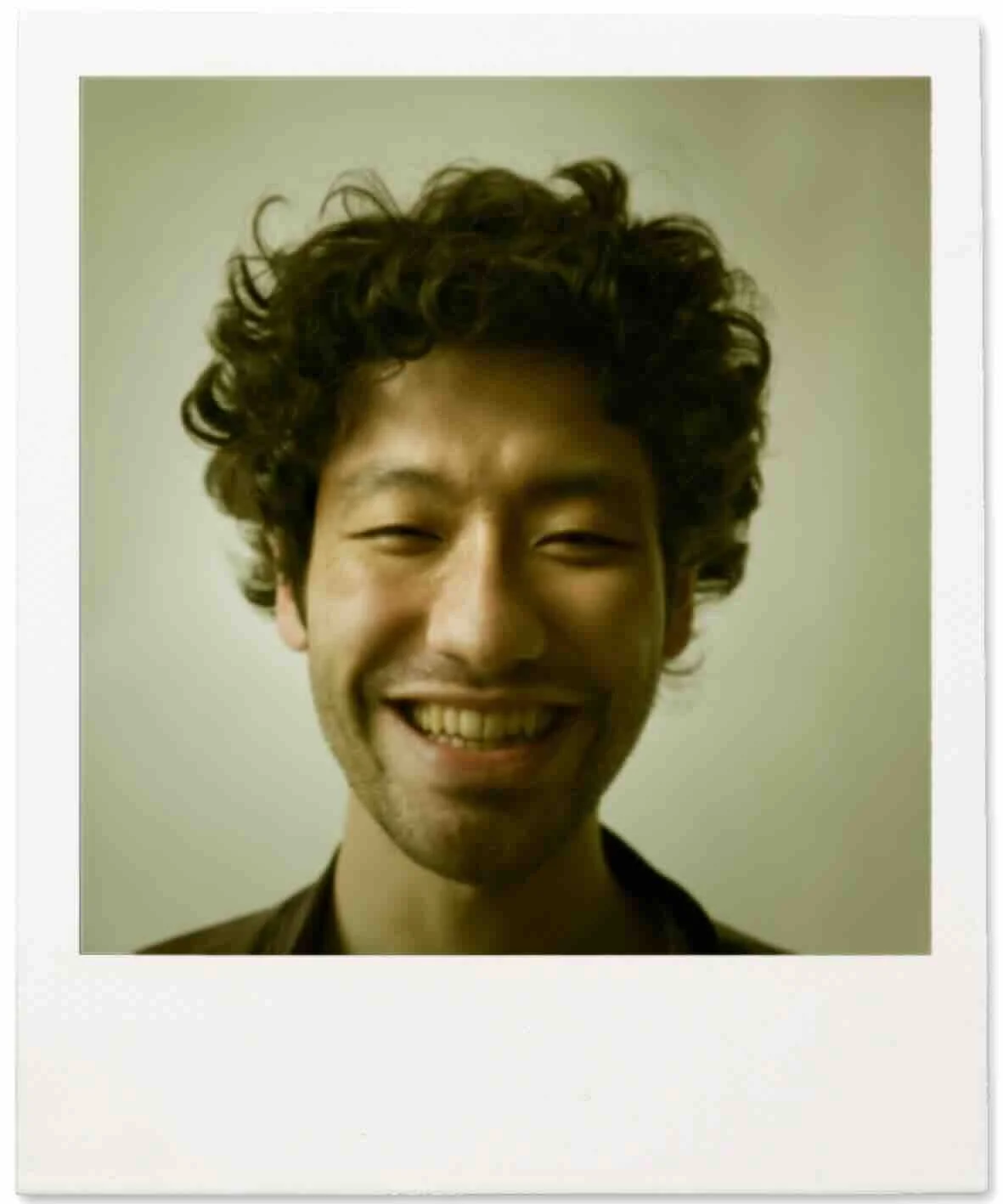
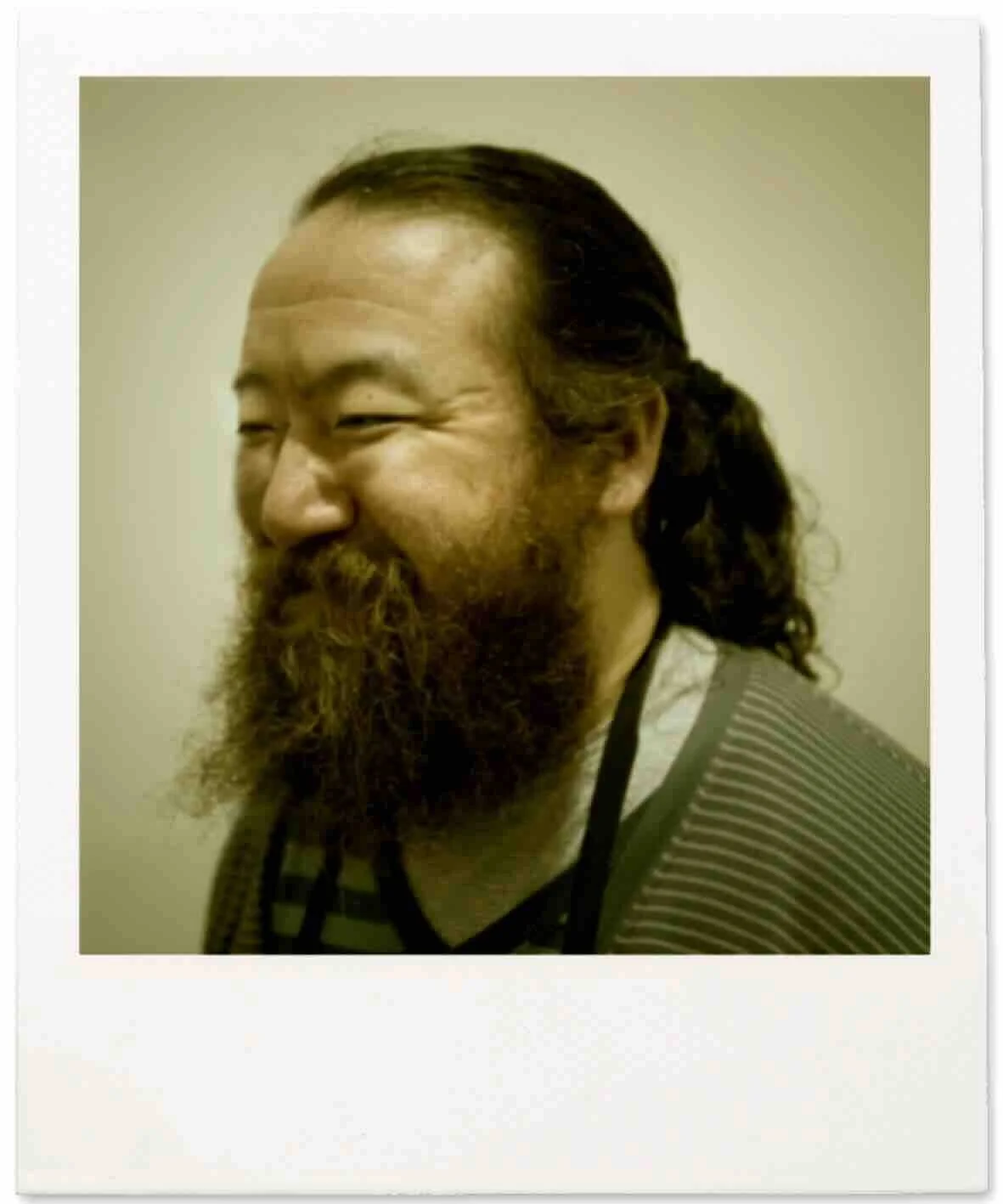
The paradox of Je Baak’s portraits in We Laughed Together is that the people depicted in these apparently authentic Polaroid prints do not actually exist. The artist and his friends took pictures of each other laughing and the individual faces were skilfully merged by digital means to create new composite faces, which were then re-photographed as Polaroids.
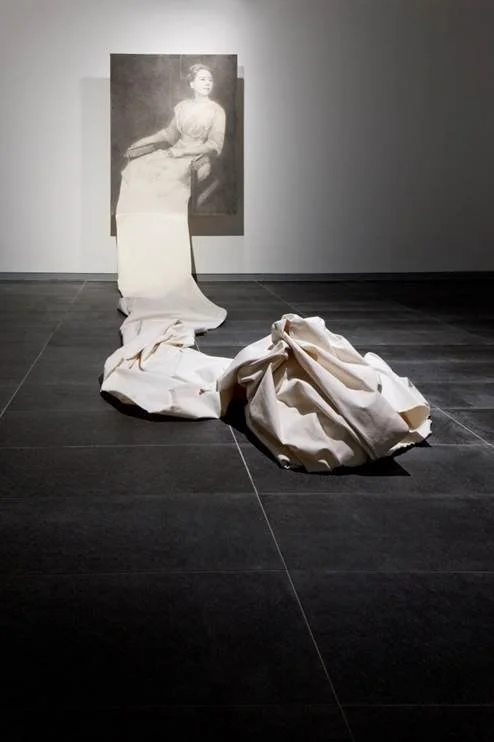
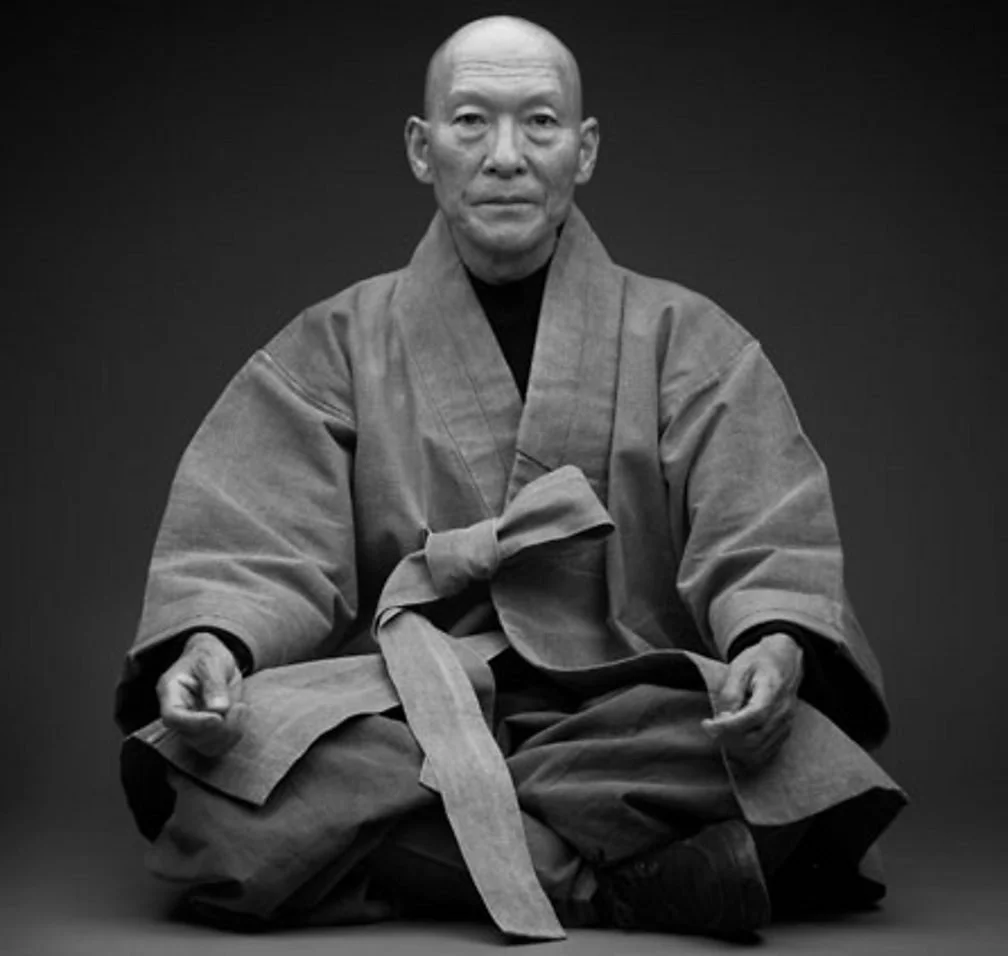
One of Duck Hyun Cho’s works is actually a fine pencil drawing on canvas, combining a photographic portrait of the Queen with one of his mother; the canvas is allowed to hang loose down to the floor, like a royal gown. Both women were born in 1926 but led very different lives in different places. Duck Hyun Cho’s collaborative work with Seihon Cho, shown here for the first time, features a large-scale photograph of Beopjung, the spiritual leader in Korea who developed the concept of ‘non-possession’.
Seihon Cho was the only artist to record the life of Beopjung for the seven years leading up to his death in 2010.