Diffusion 2013 - The Valleys Re-Presented
And Where are We Now?
In 2013 I launched Diffusion, a new biennial photography festival staged in Cardiff, Wales' capital city, showcasing outstanding photographic work from around the world, and providing a major new platform for Welsh artists. The festival used both traditional and new media to create a strong visual presence across existing venues and found spaces. And Where are We Now? was the question I asked artists, cultural producers, curators and programmers to address with their contributions to Diffusion 2013.
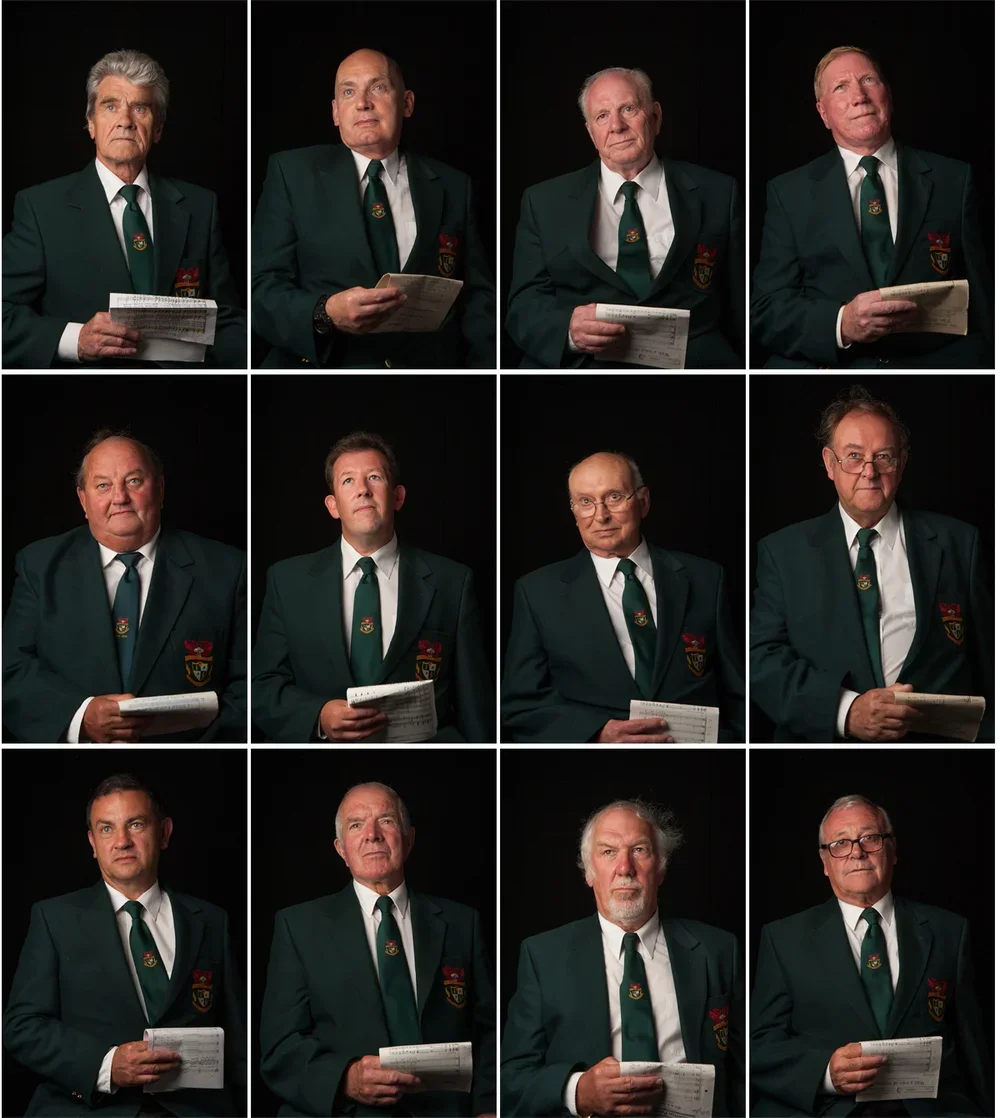
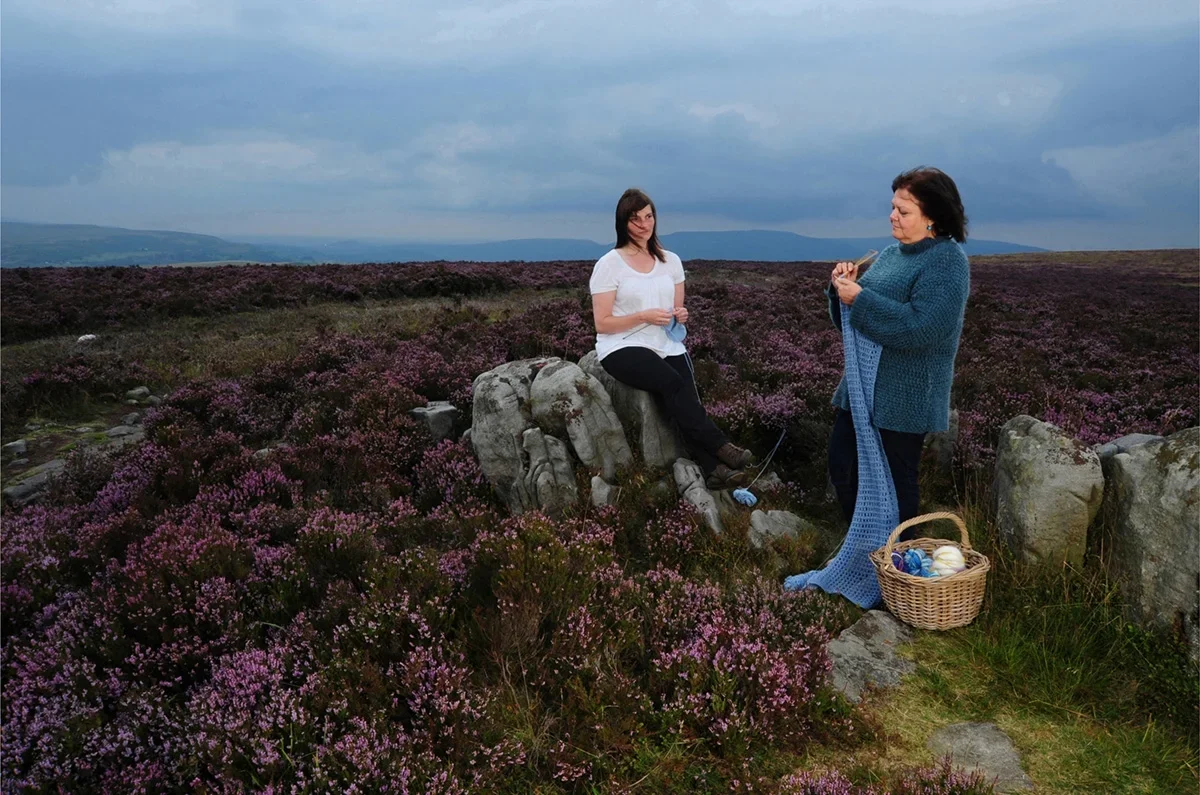
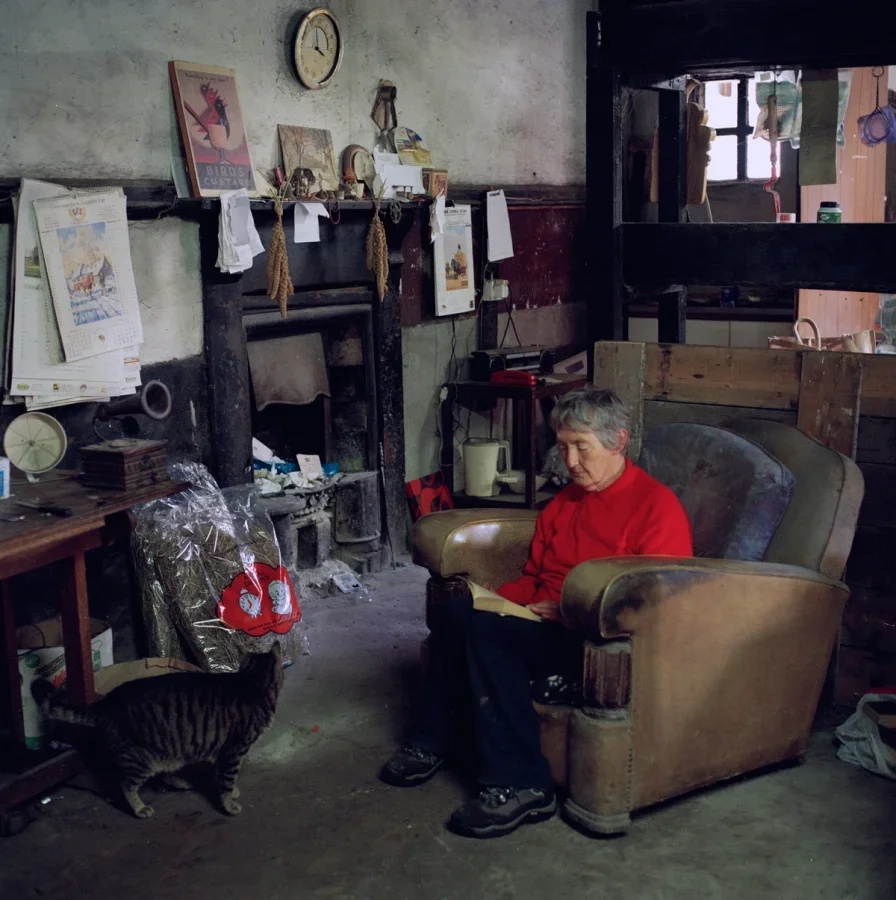
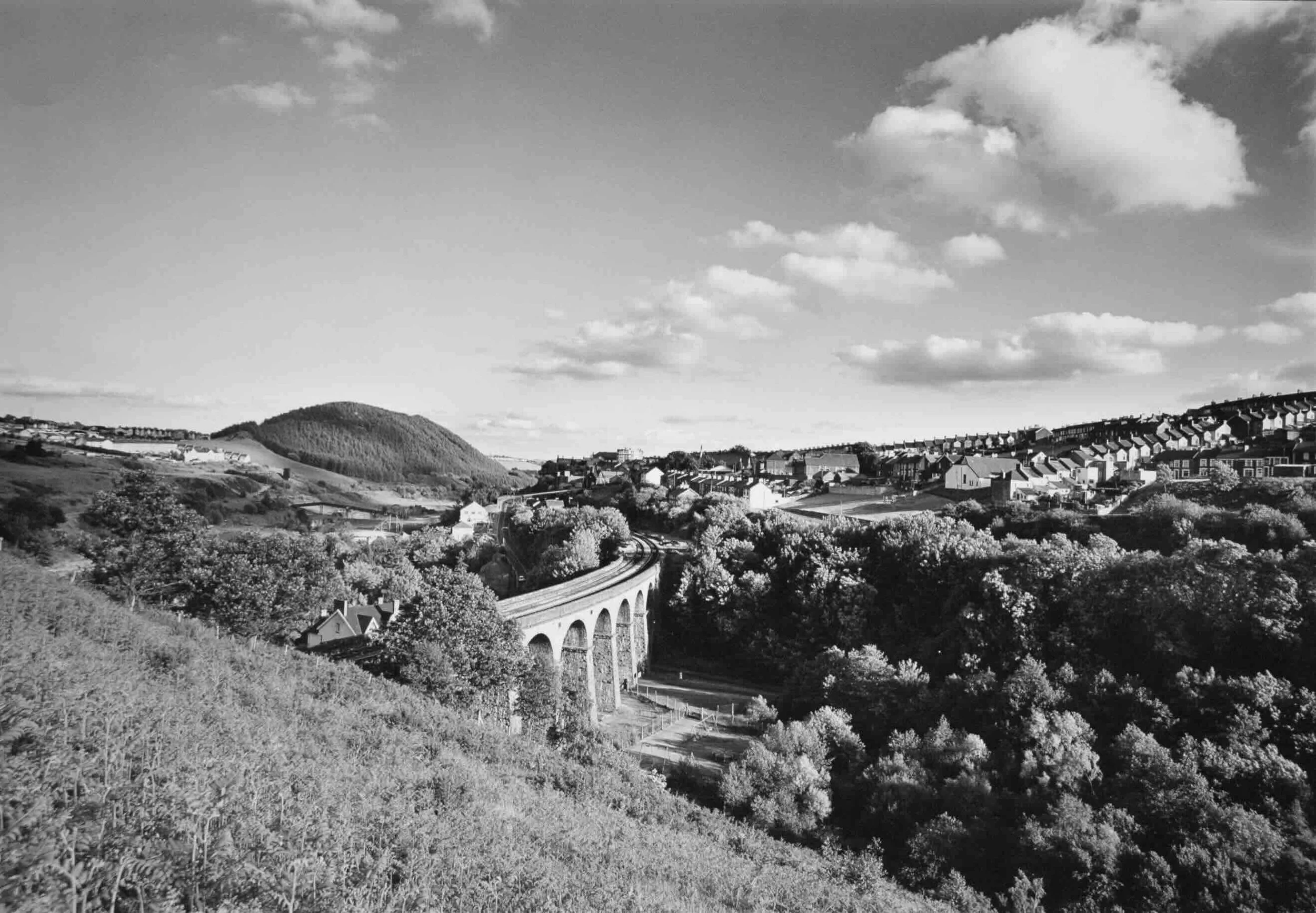
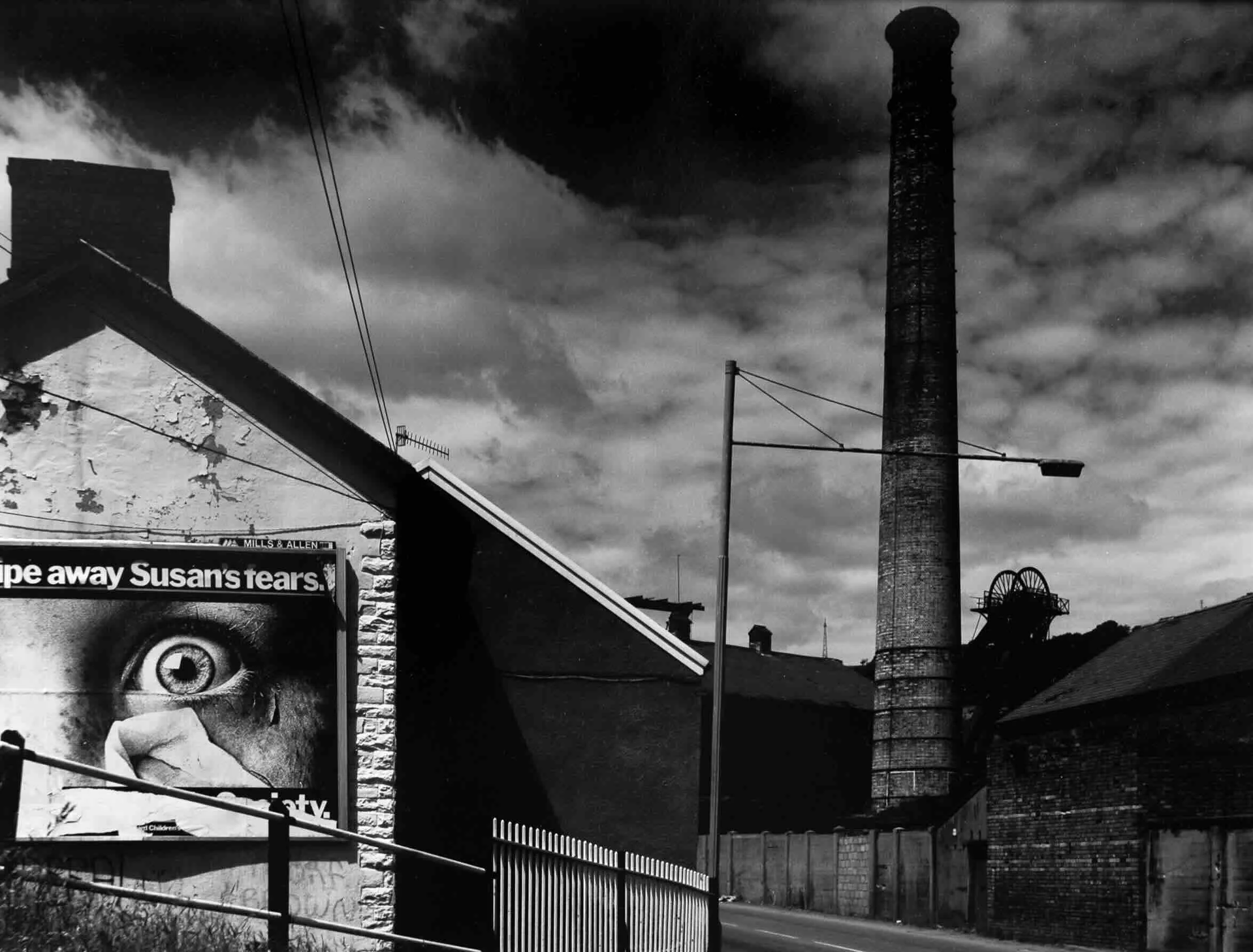
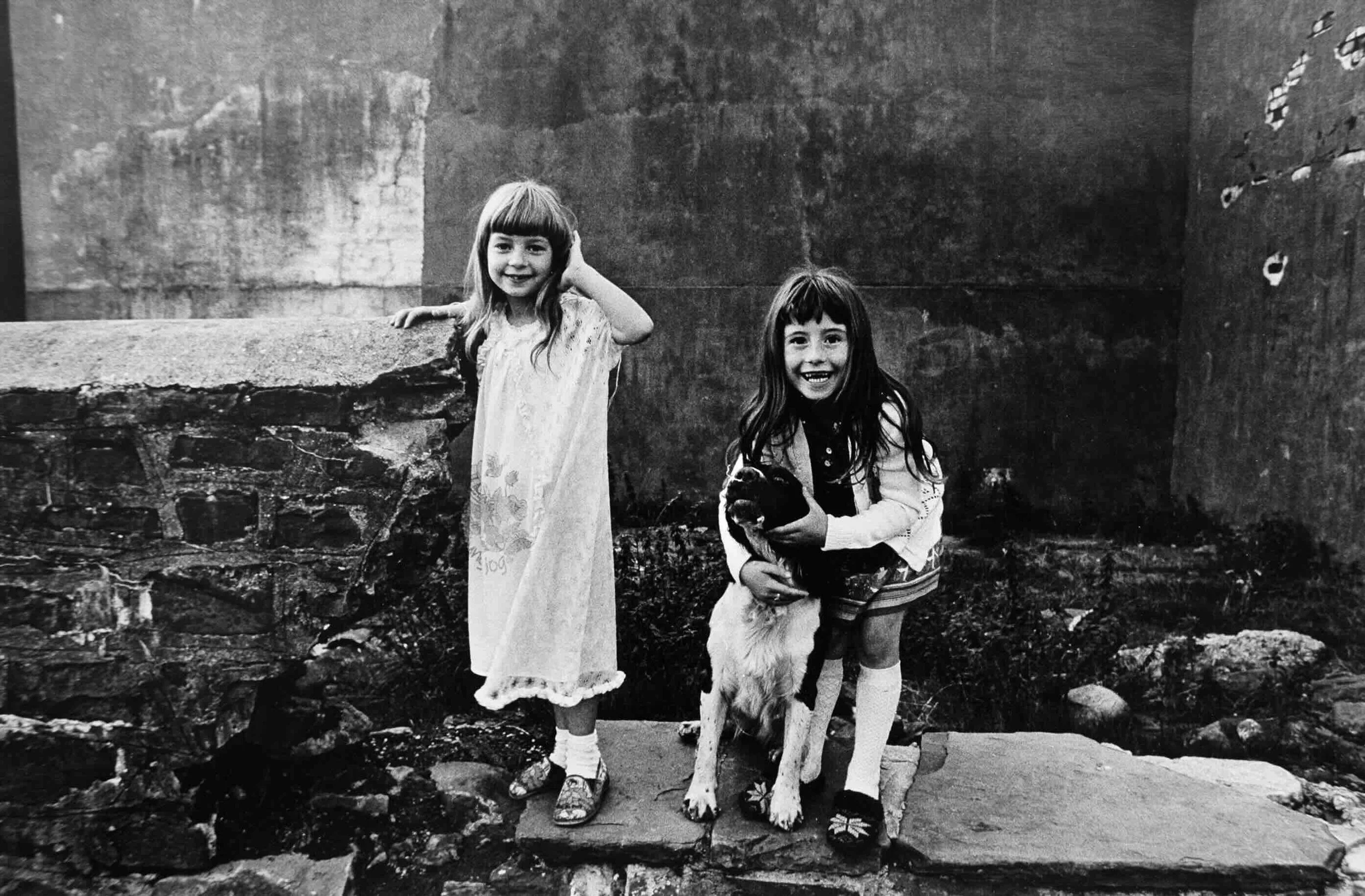
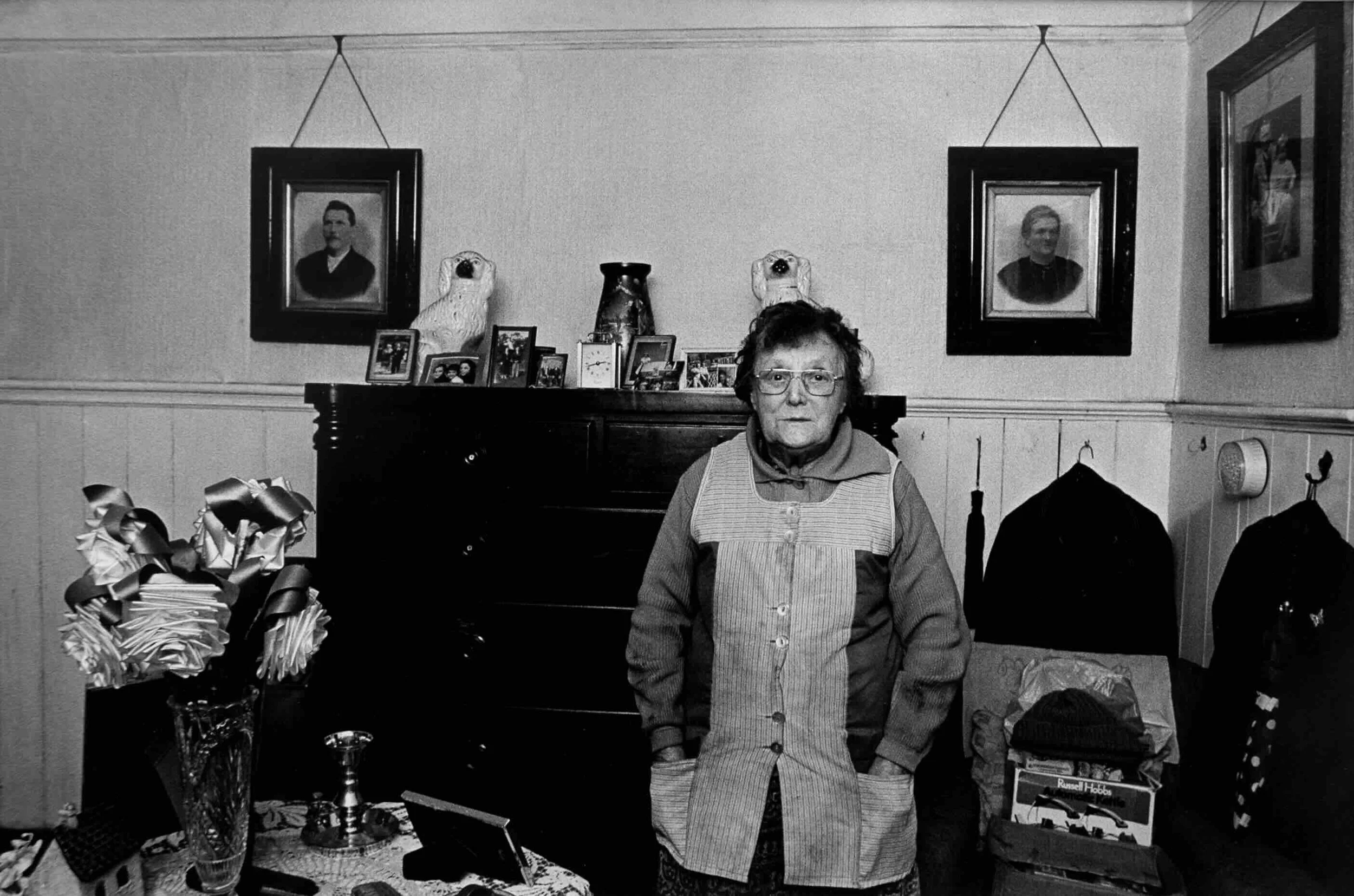
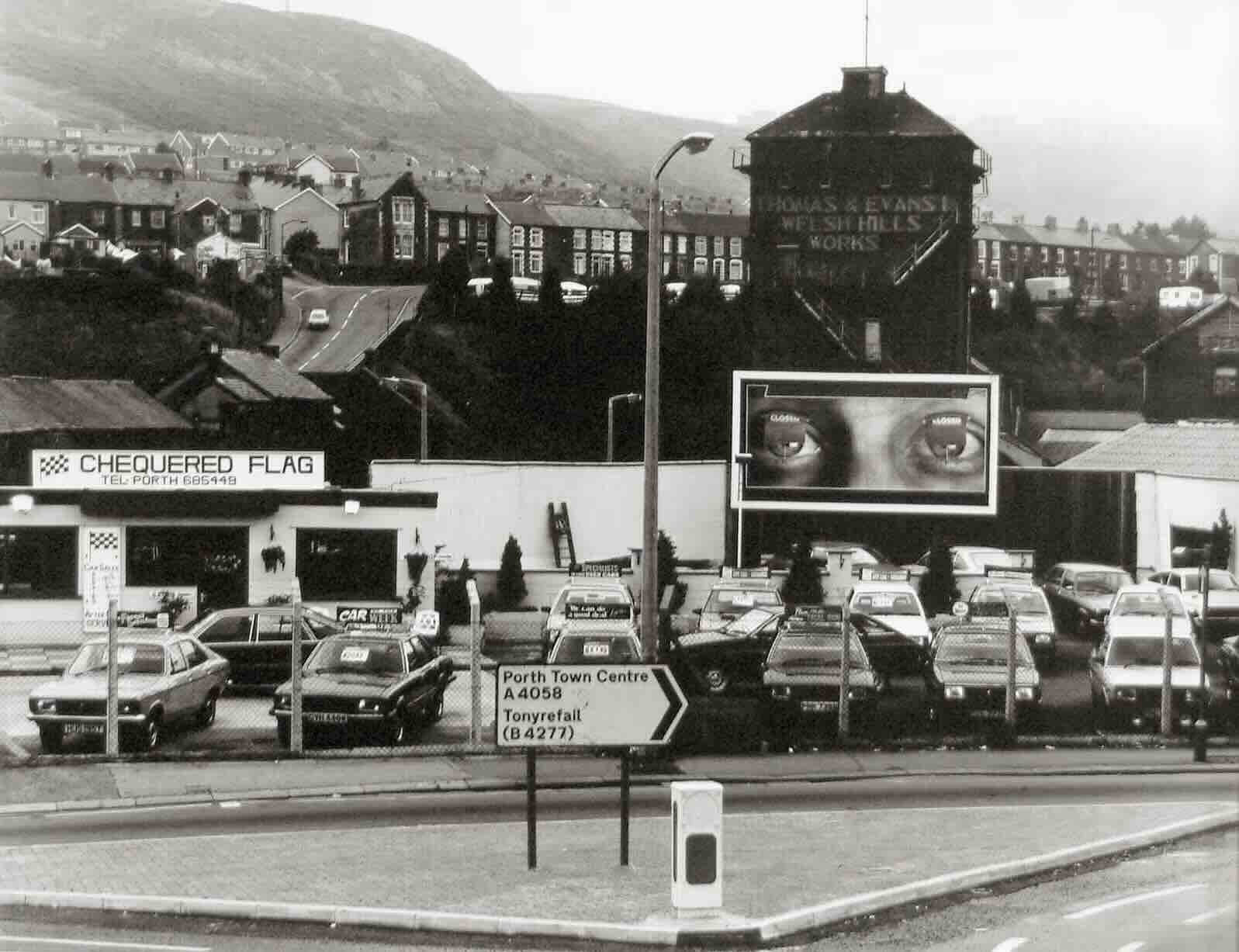
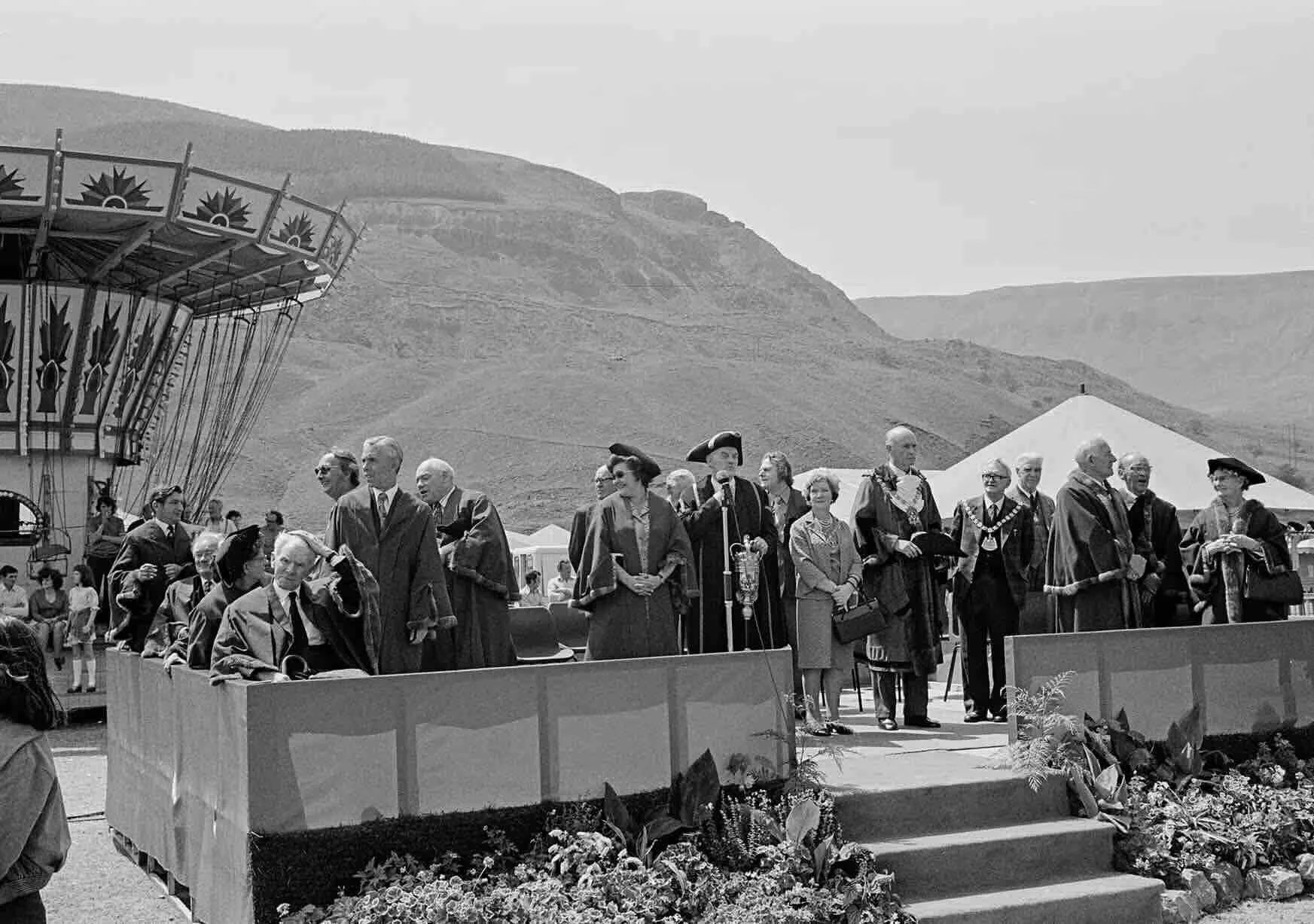
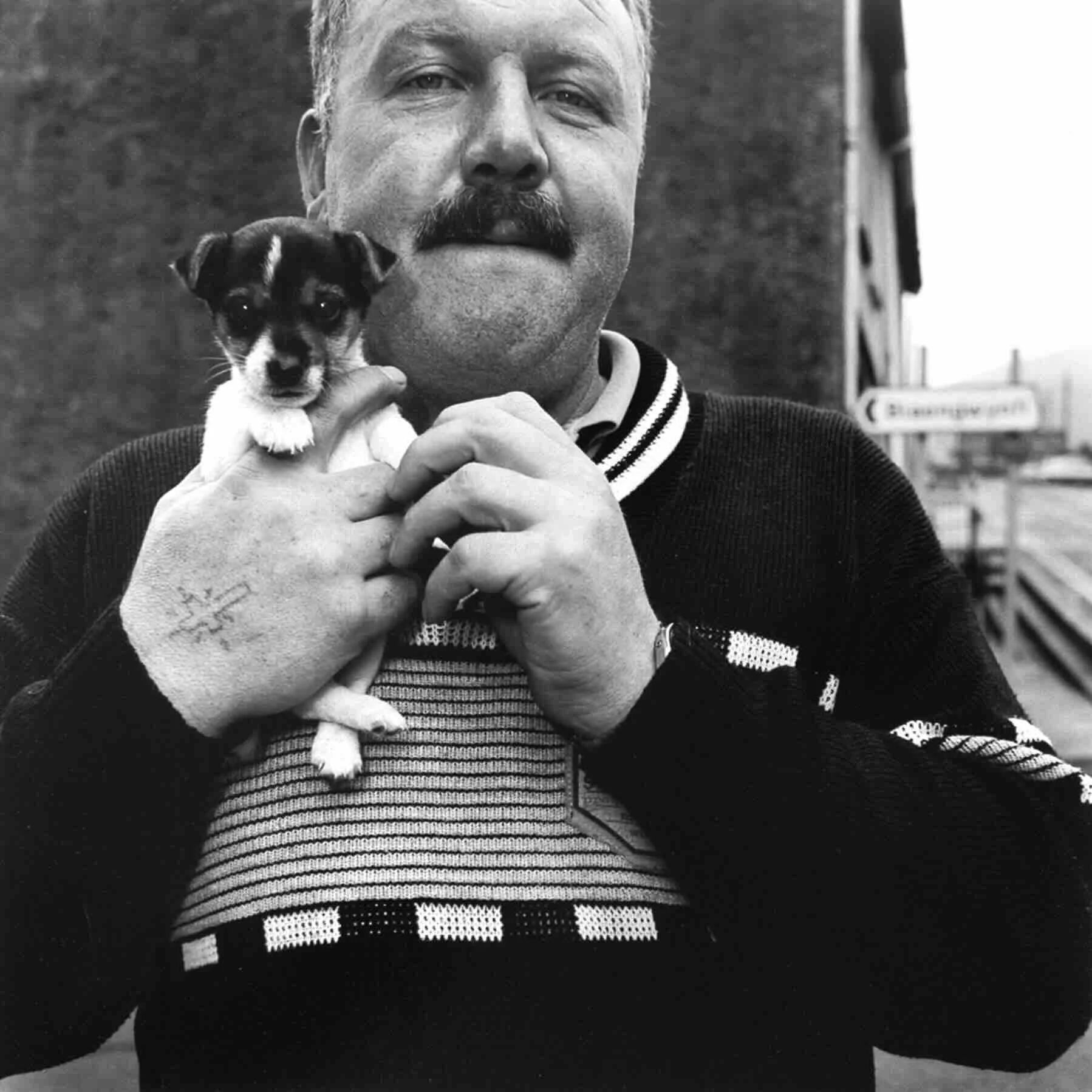
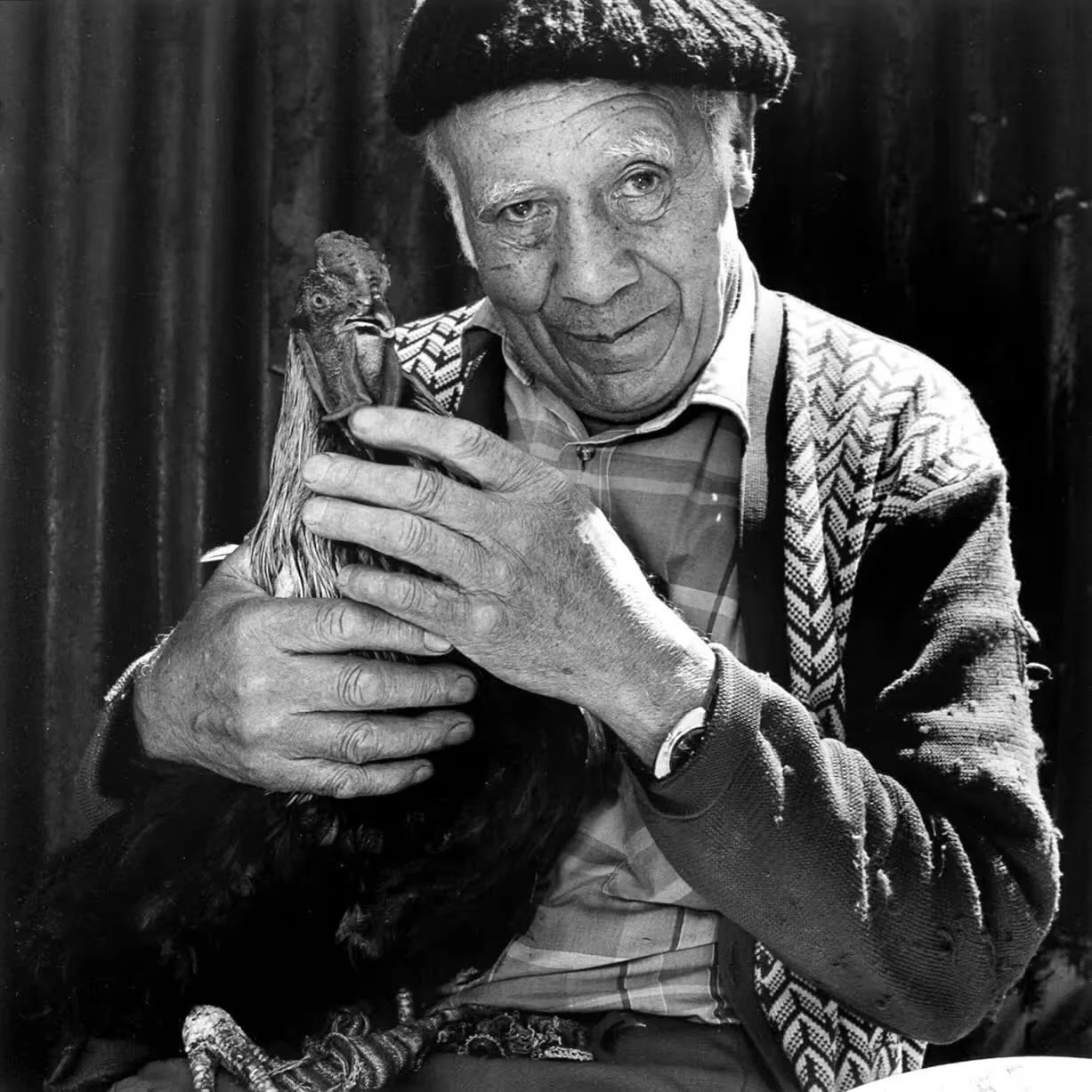
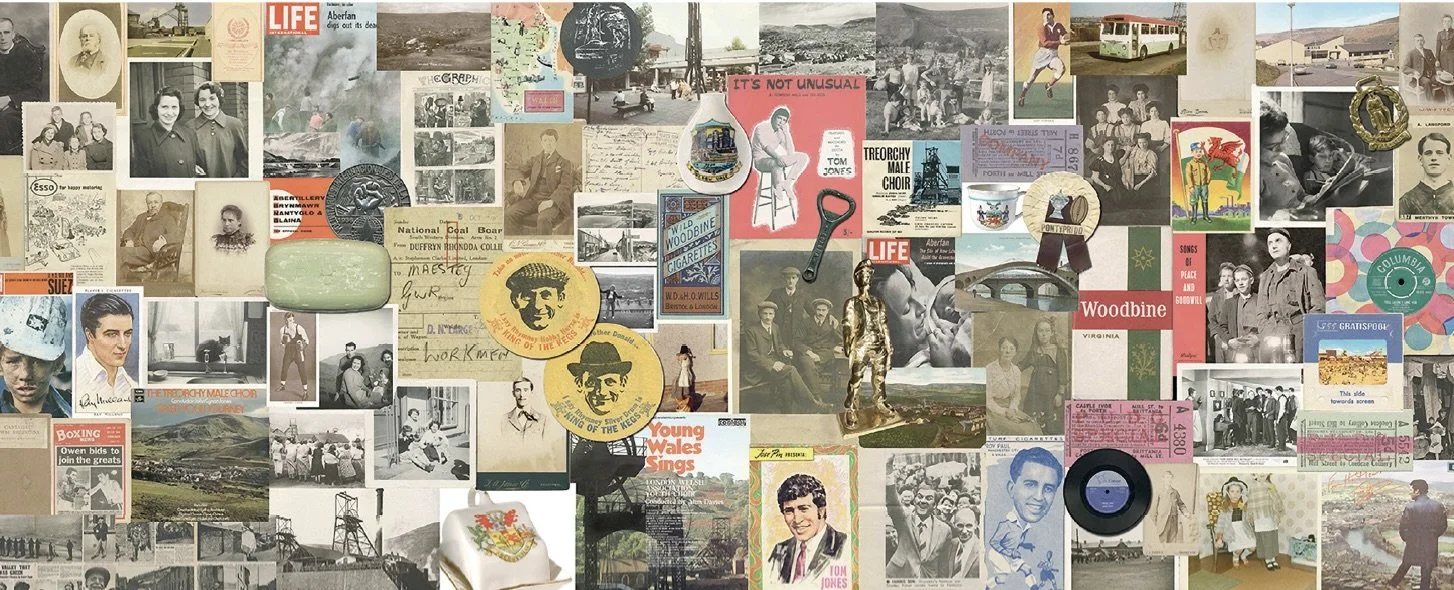
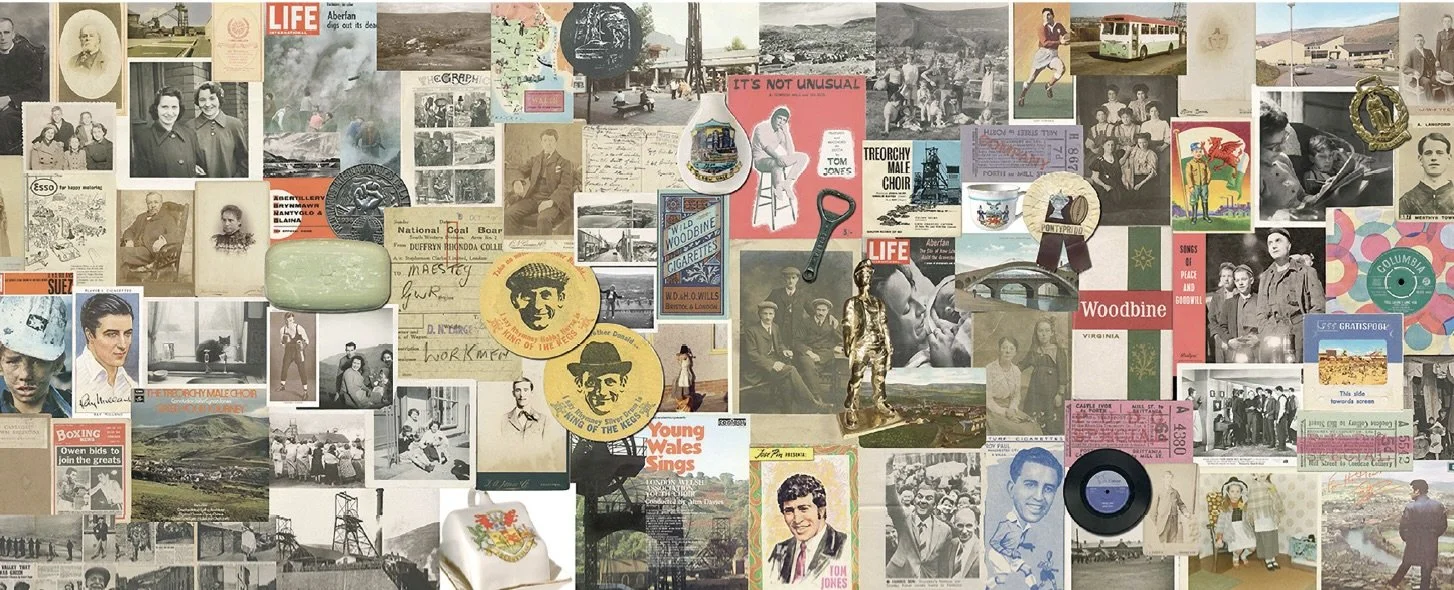
A particular highlight of this inaugural Diffusion was the exhibition The Valleys Re-Presented, which examined different visual narratives and typologies of the South Wales’ Valleys, exploring how the currency of images creates and sustains particular mythologies about the region.
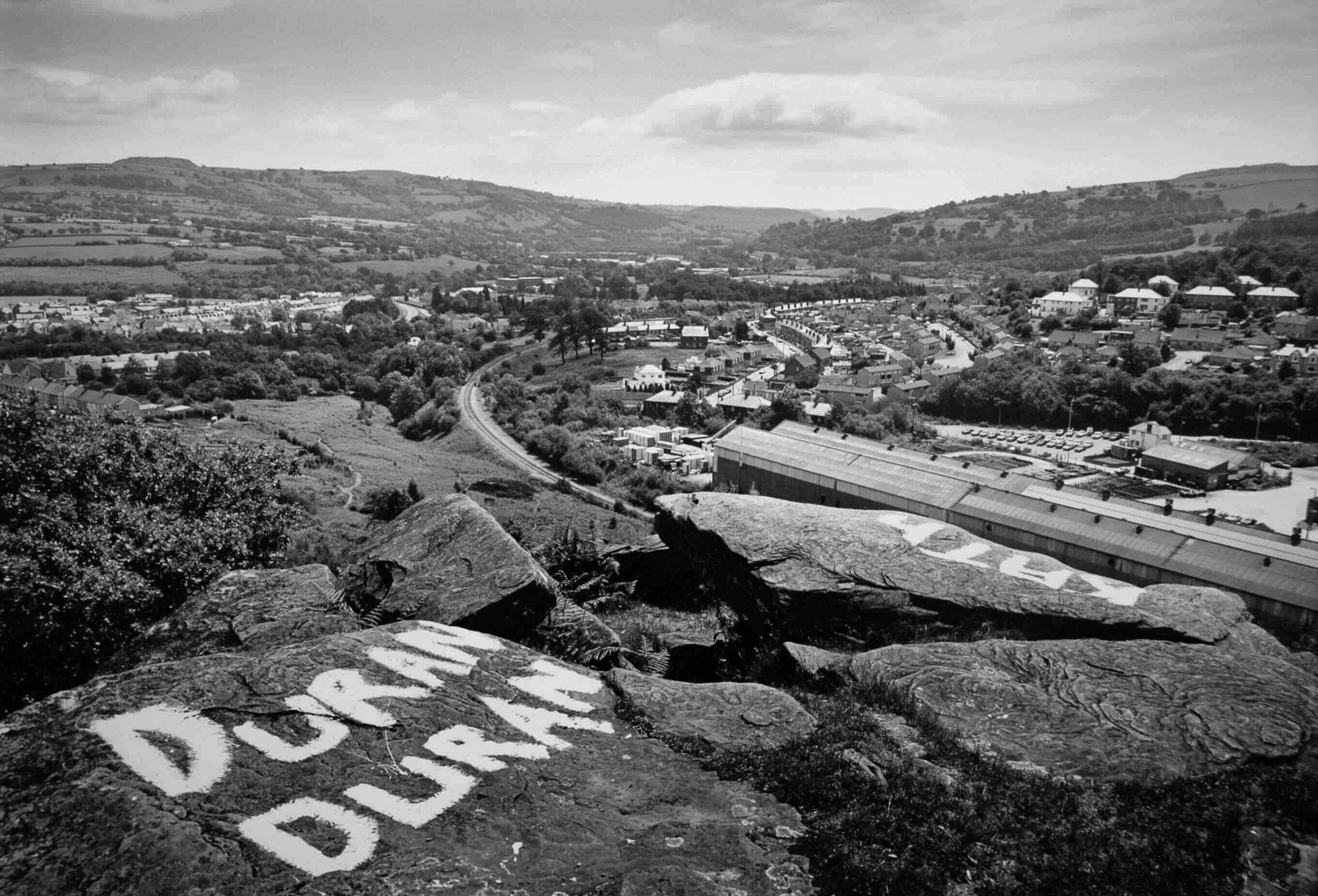
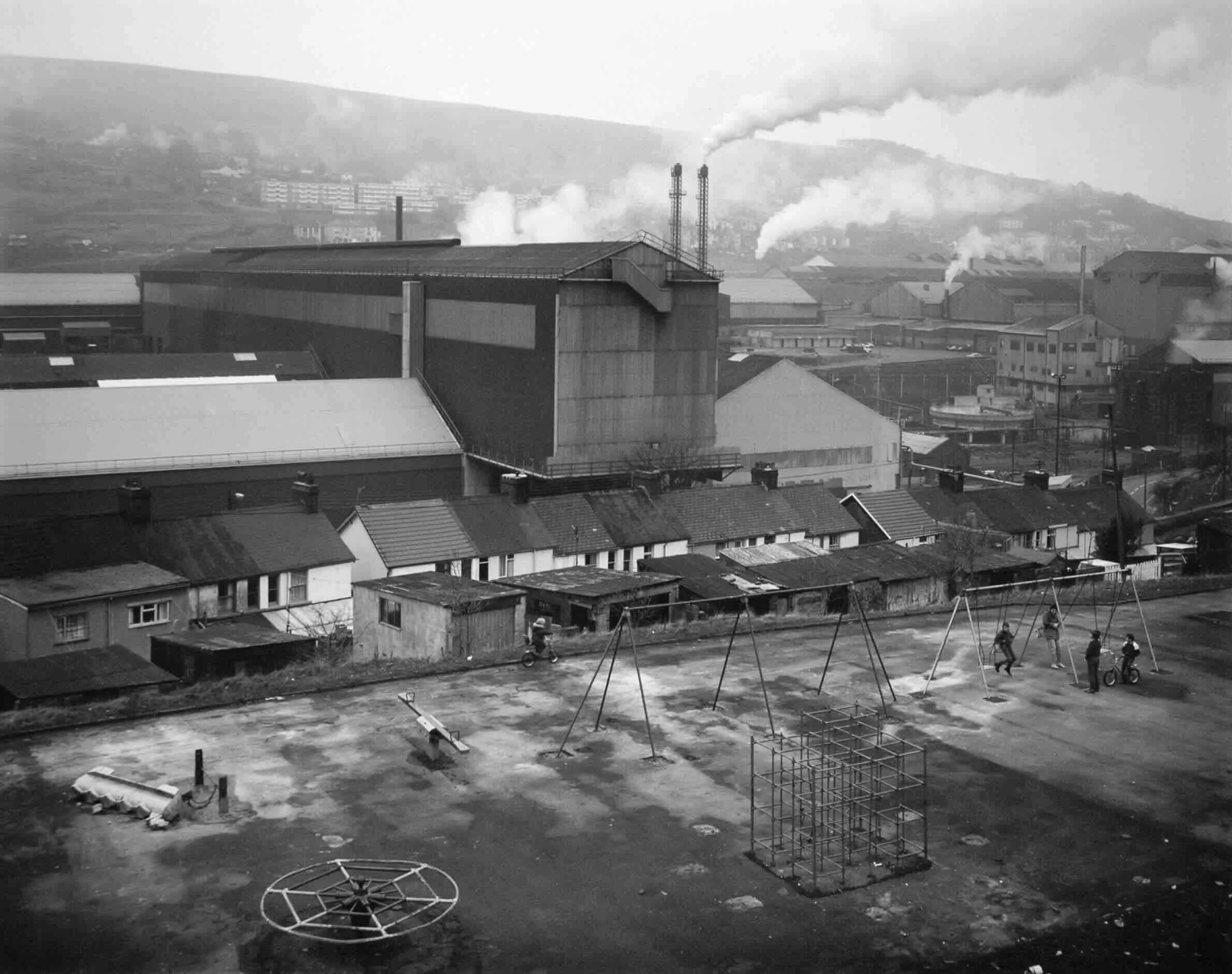
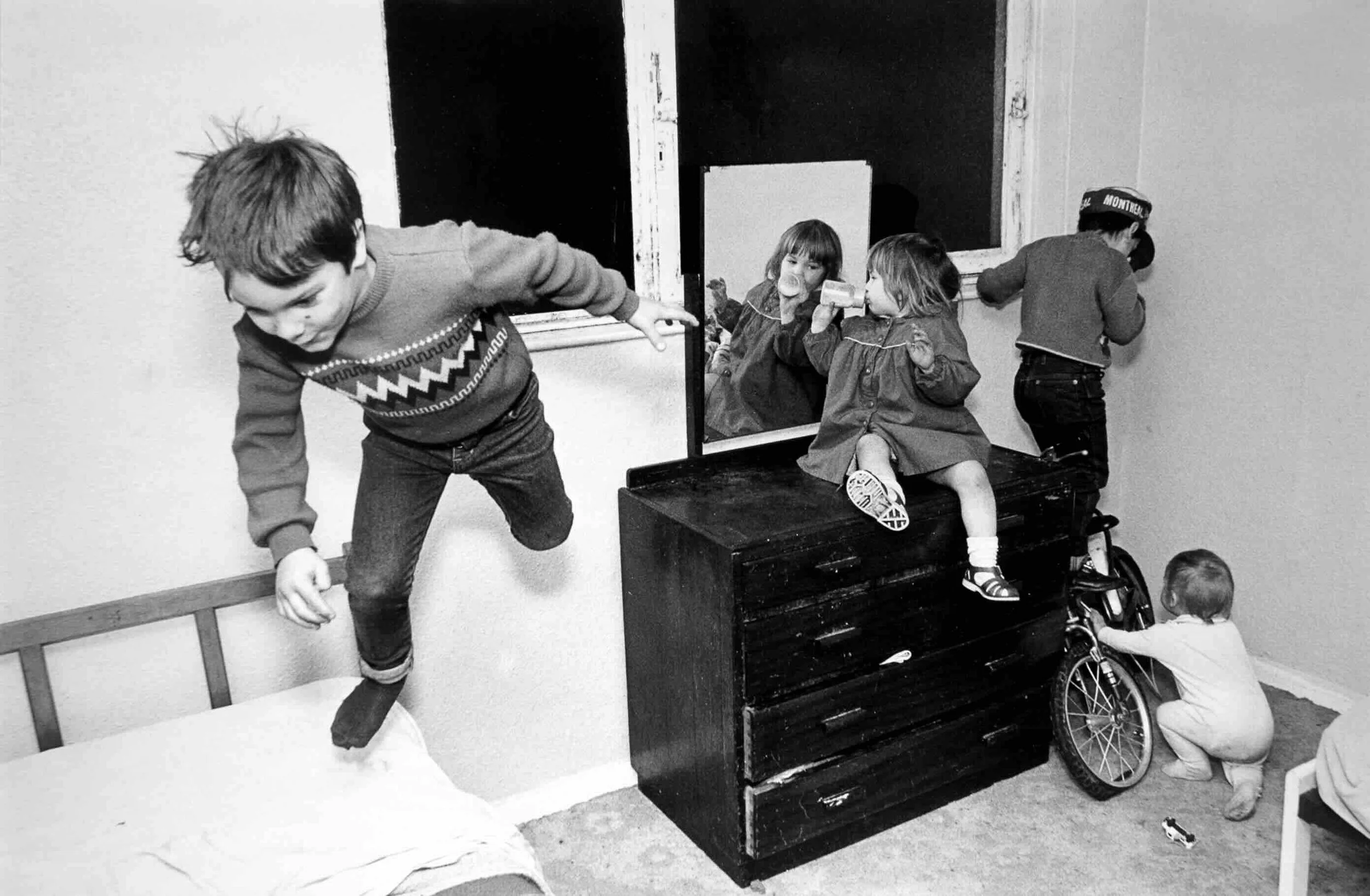
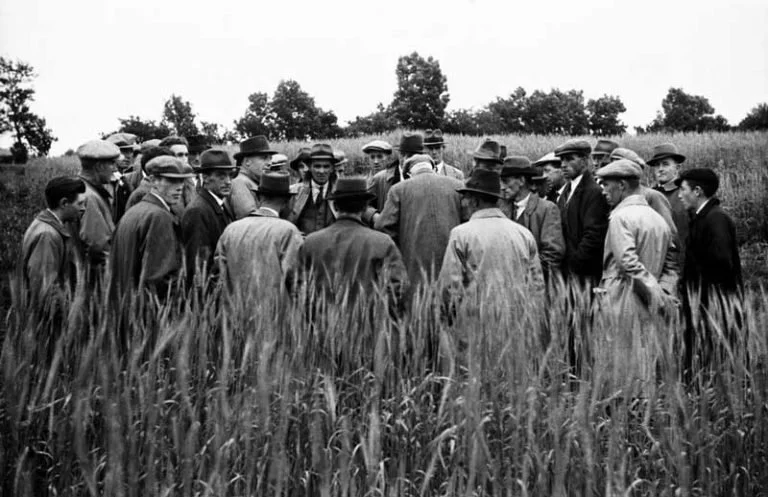
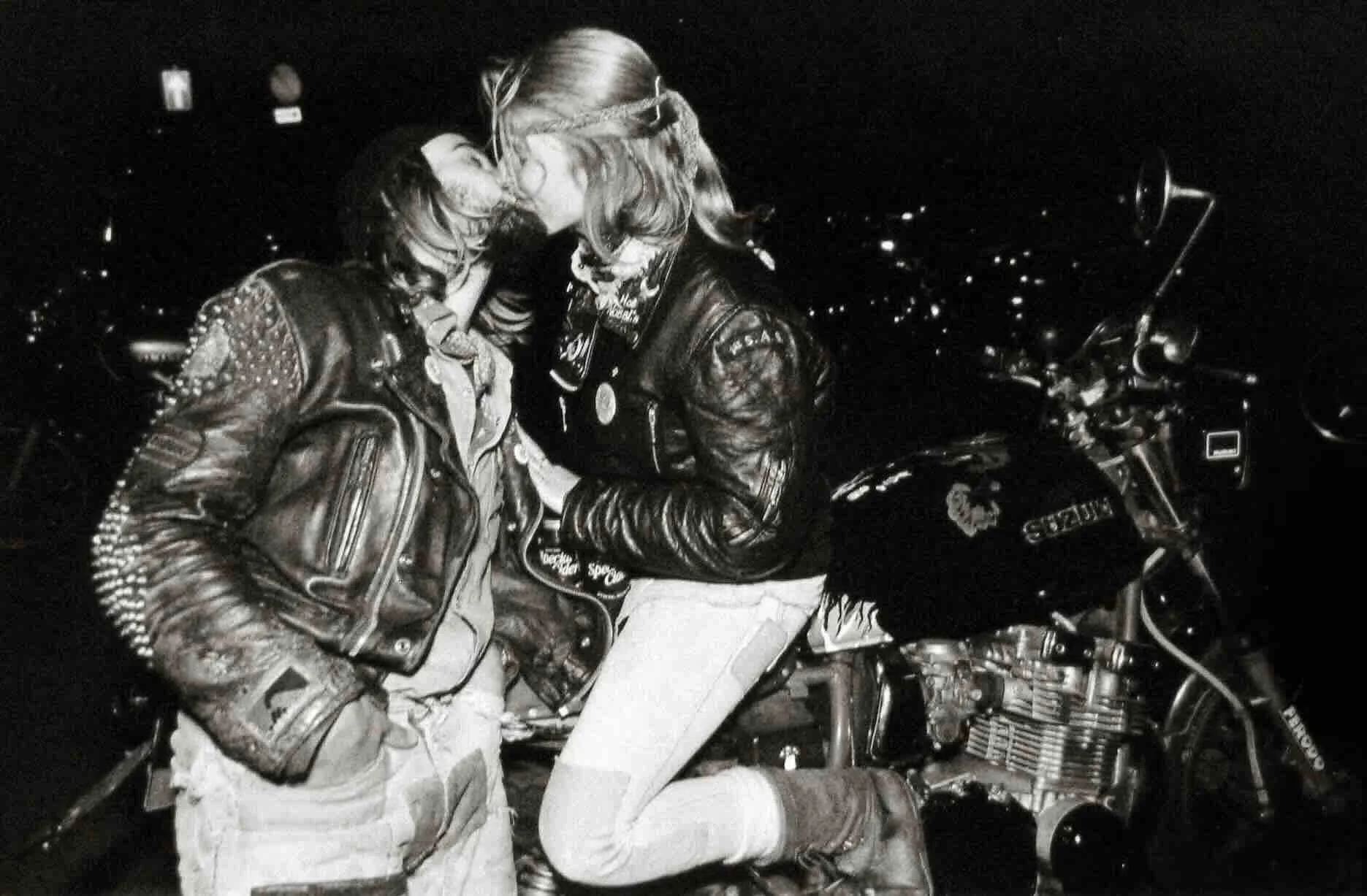
In the 1980s Ffotogallery established the Valleys Project, in which they commissioned ten photographers including David Bailey, John Davies, Peter Fraser, Francesca Odell and Paul Reas to document the life and landscape of the South Wales Valleys. It is an area that since the Second World War had witnessed the steady demise of its mining industry, culminating that year in the announcement of plans to close the pits and the subsequent Miners’ Strikes. Thirty years later, a curated selection of these works was exhibited in The Valleys Re-Presented alongside other photography, film, and vernacular imagery that take this part of the world as their subject.
Emma Lewis’ review of the exhibition for Photomonitor captured well its intentions.
“The works were on display in a temporary space called The Tramshed, a site where machinery, the lingering smell of petrol and even ubiquitous health and safety signage are still present from its usual use. It is an appropriate setting for an exhibition so connected with industry. From John Davies’ incredibly detailed photographs of mining infrastructure and row upon row of terraced houses, to Mike Berry’s images of Glyncorrwg, a region hit by an unemployment rate of 40%, to a copy of LIFE magazine covering the 1966 Aberfan coal tip tragedy, the exhibition centred on industry as lifeblood of local community, and what happens in the fallout of that industry’s demise.
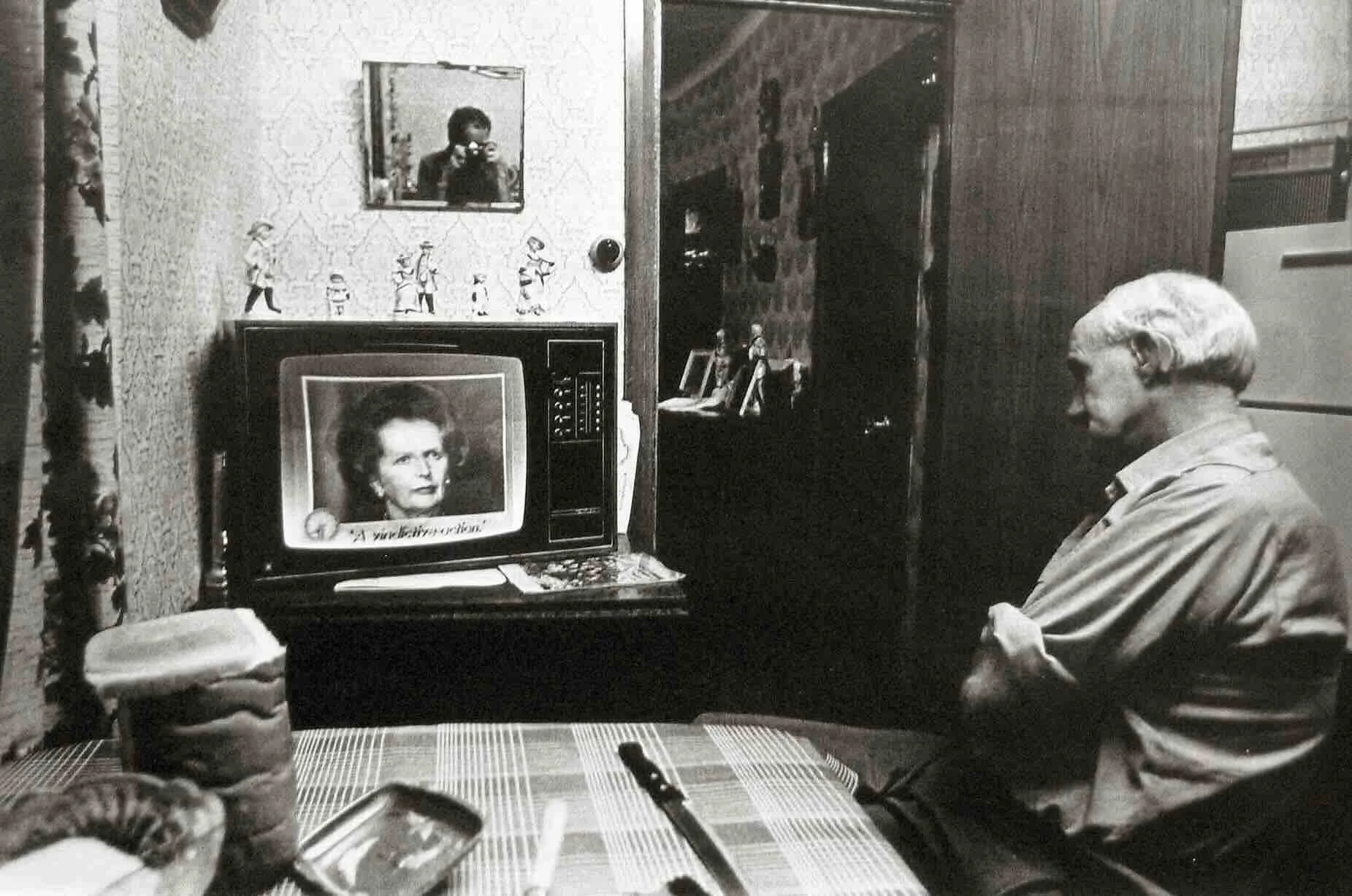
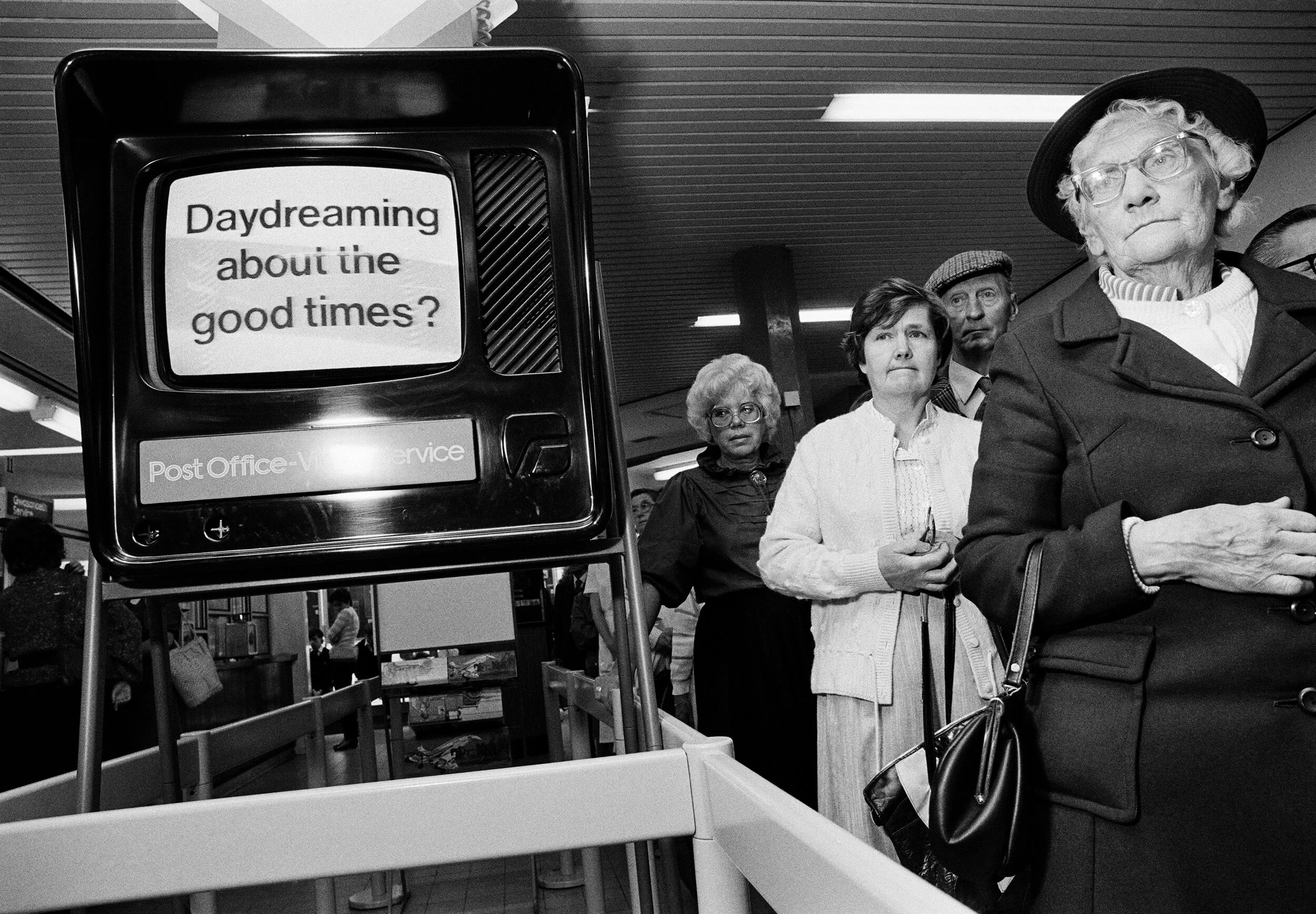
The political framework of this is made explicit in ephemera such as LIFE magazine, or a poignant recent edition of the Western Mail with the headline ‘Thatcher: What Did Her Era Really Mean for Wales?’. For the most part, though, what we see in the works themselves is politics through the personal. Factories and front rooms, parties and parades: the stuff of everyday life. Berry’s images, documenting children clamouring for a sweet shop to open, men playing boules, and Thatcher herself, on the television of an elderly gentleman’s kitchen, are a case in point. Energetic and warm, their tenderness encourages an understanding of community beyond its employment statistics.
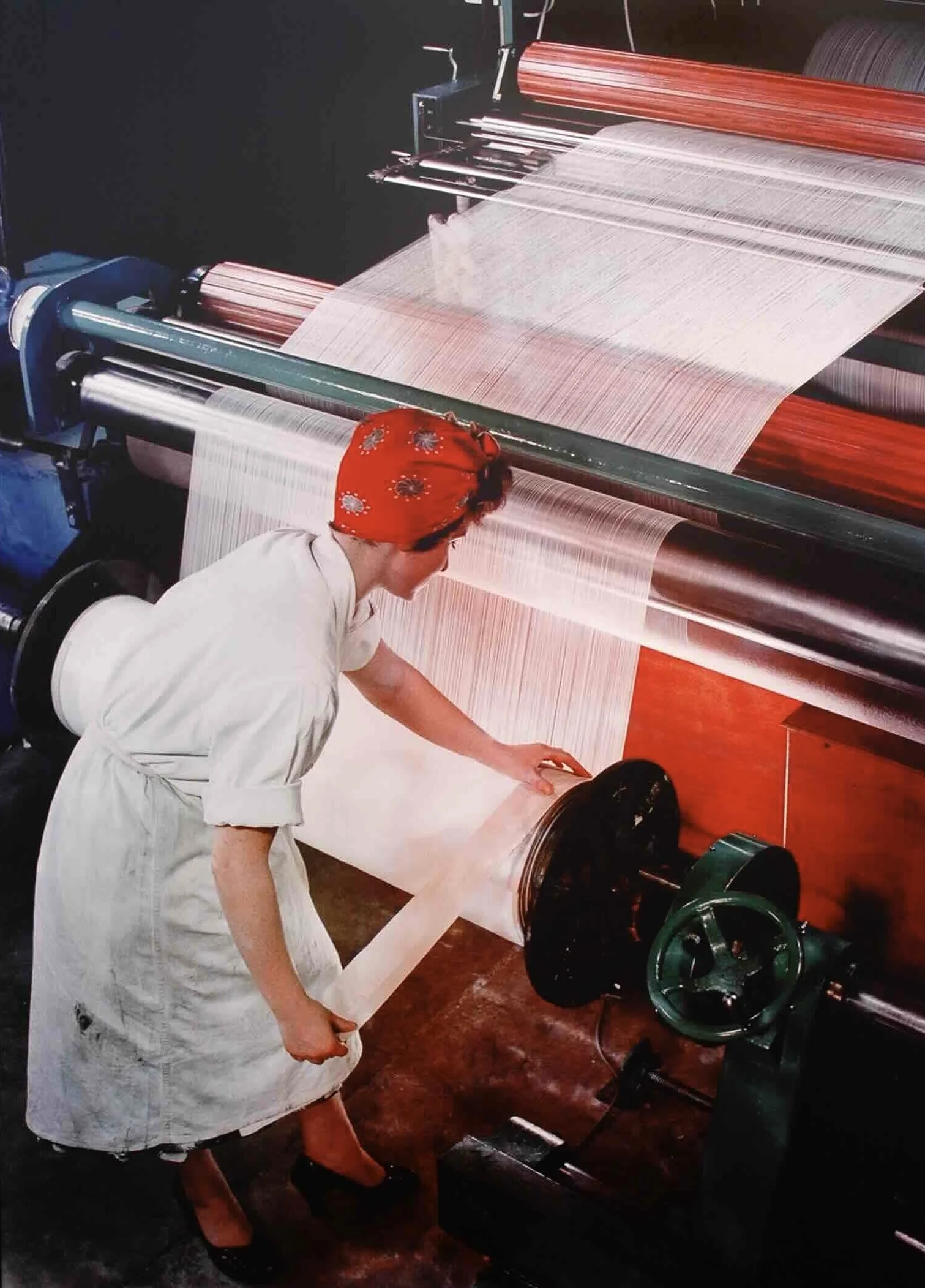
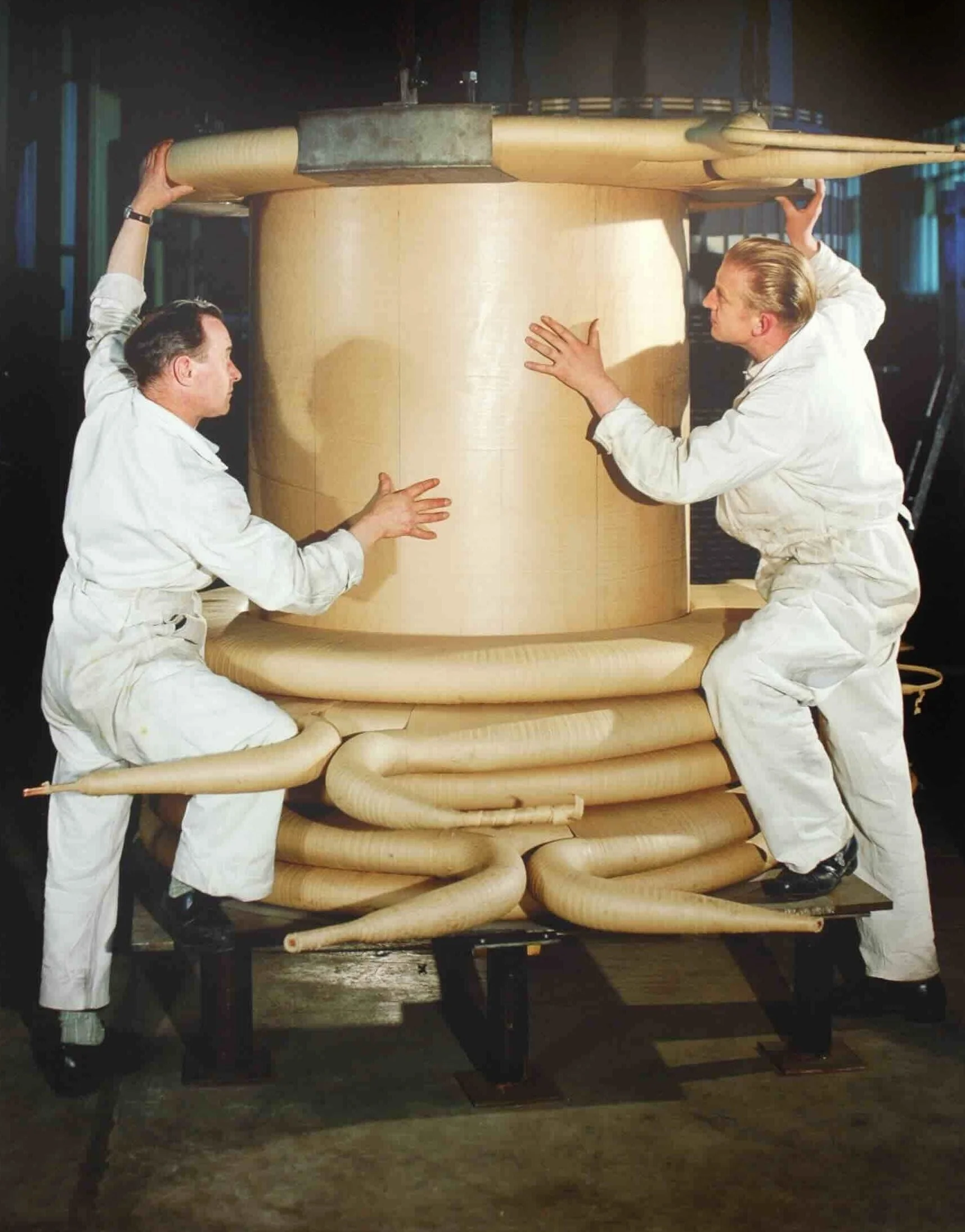
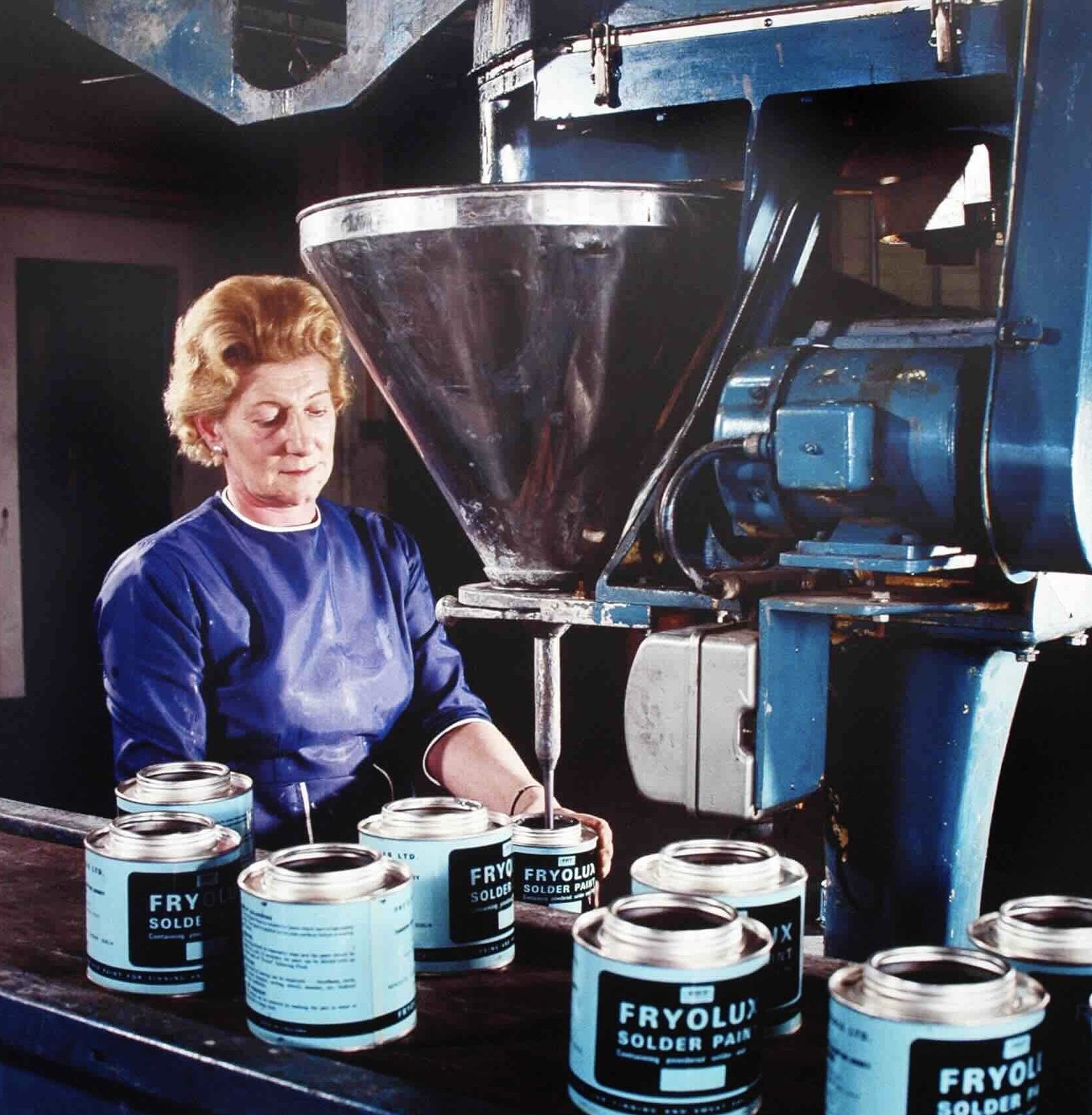
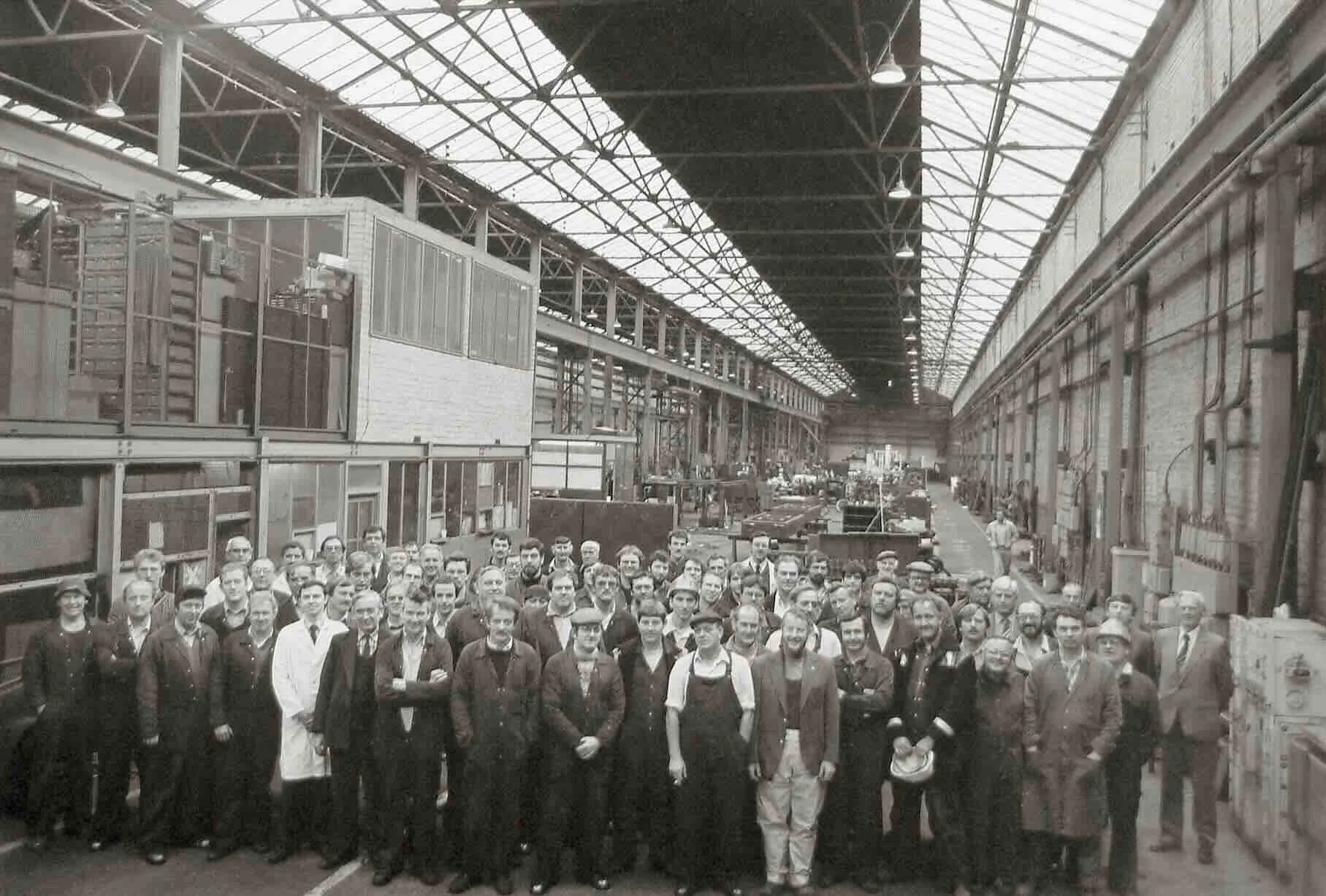
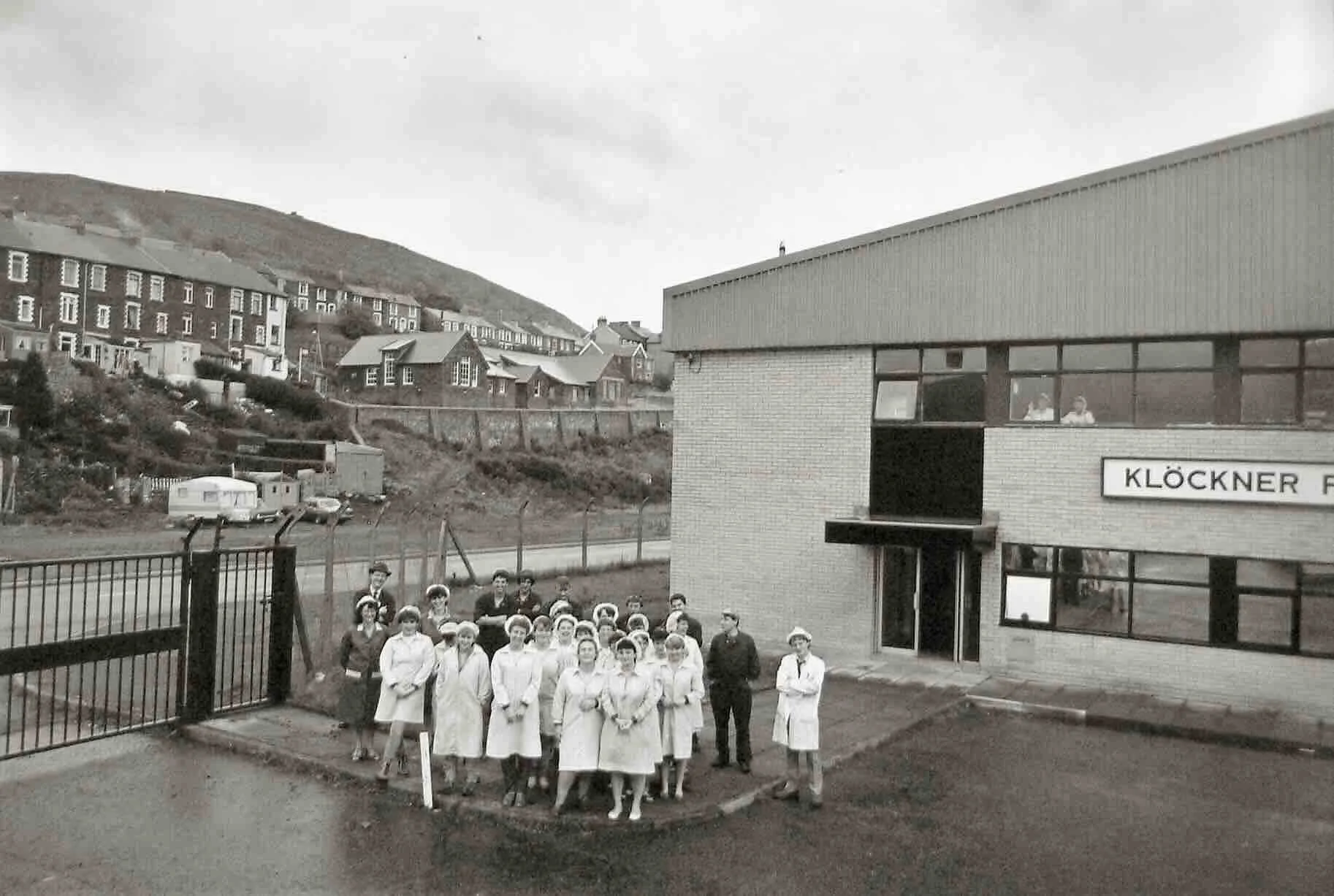
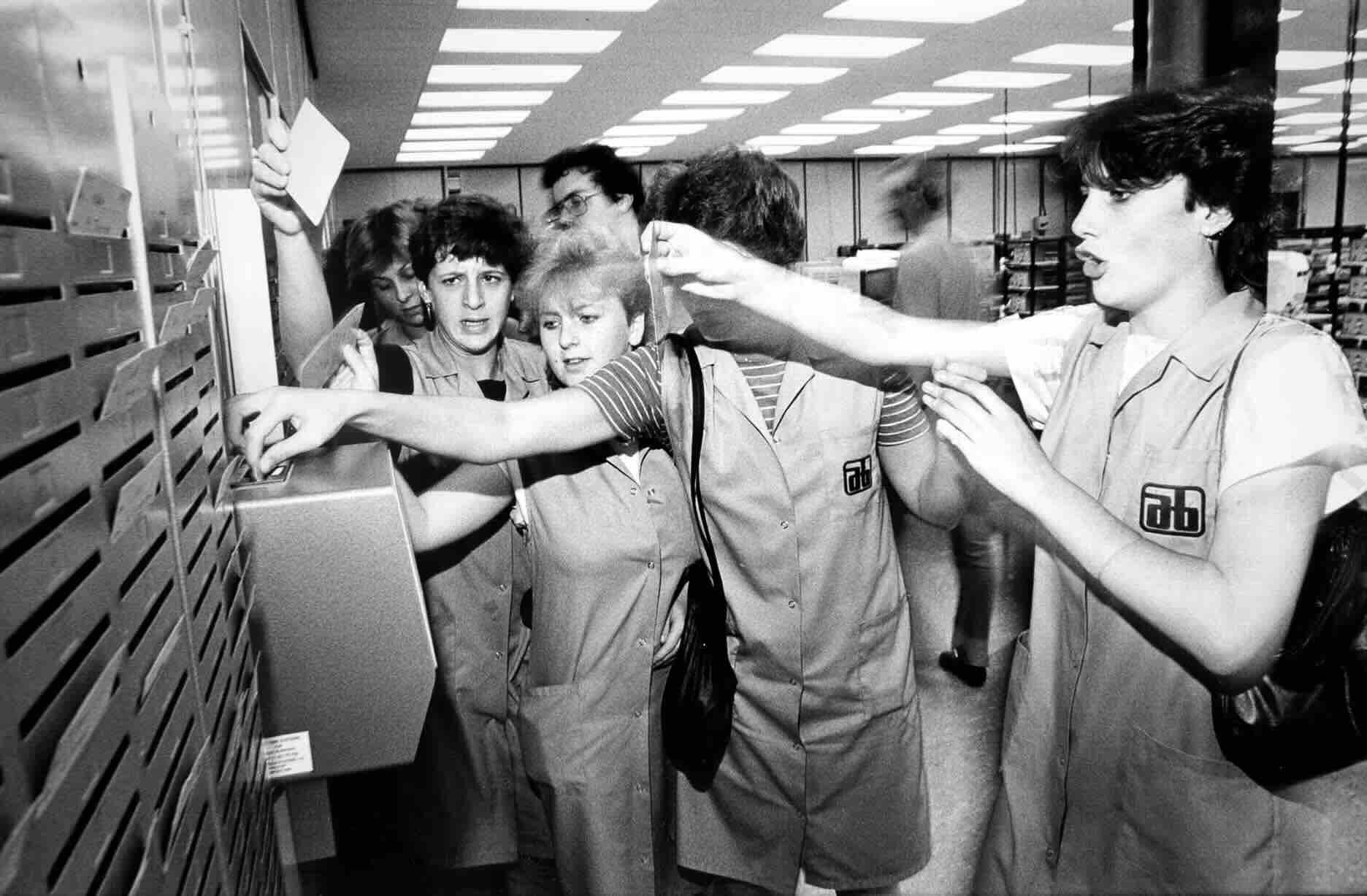
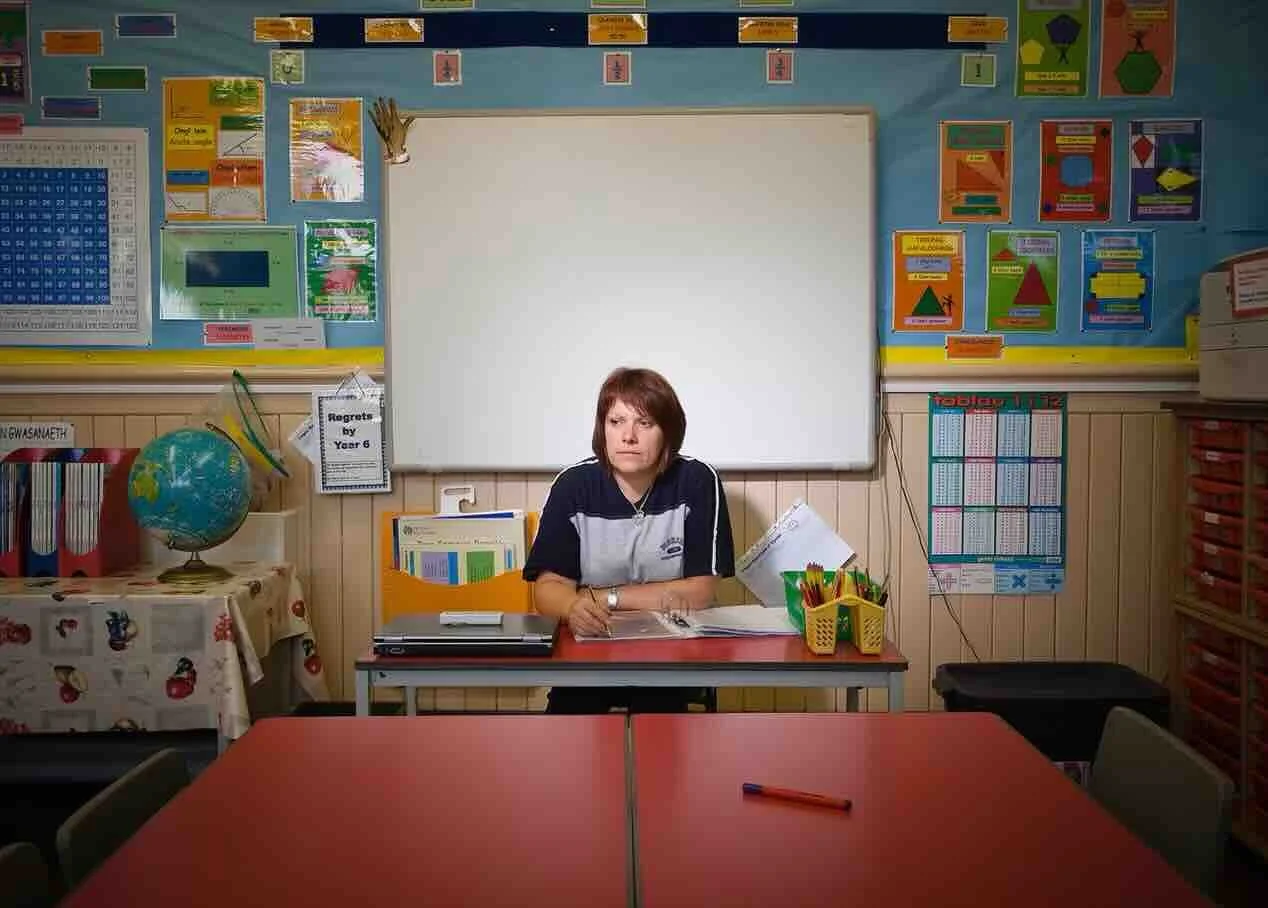
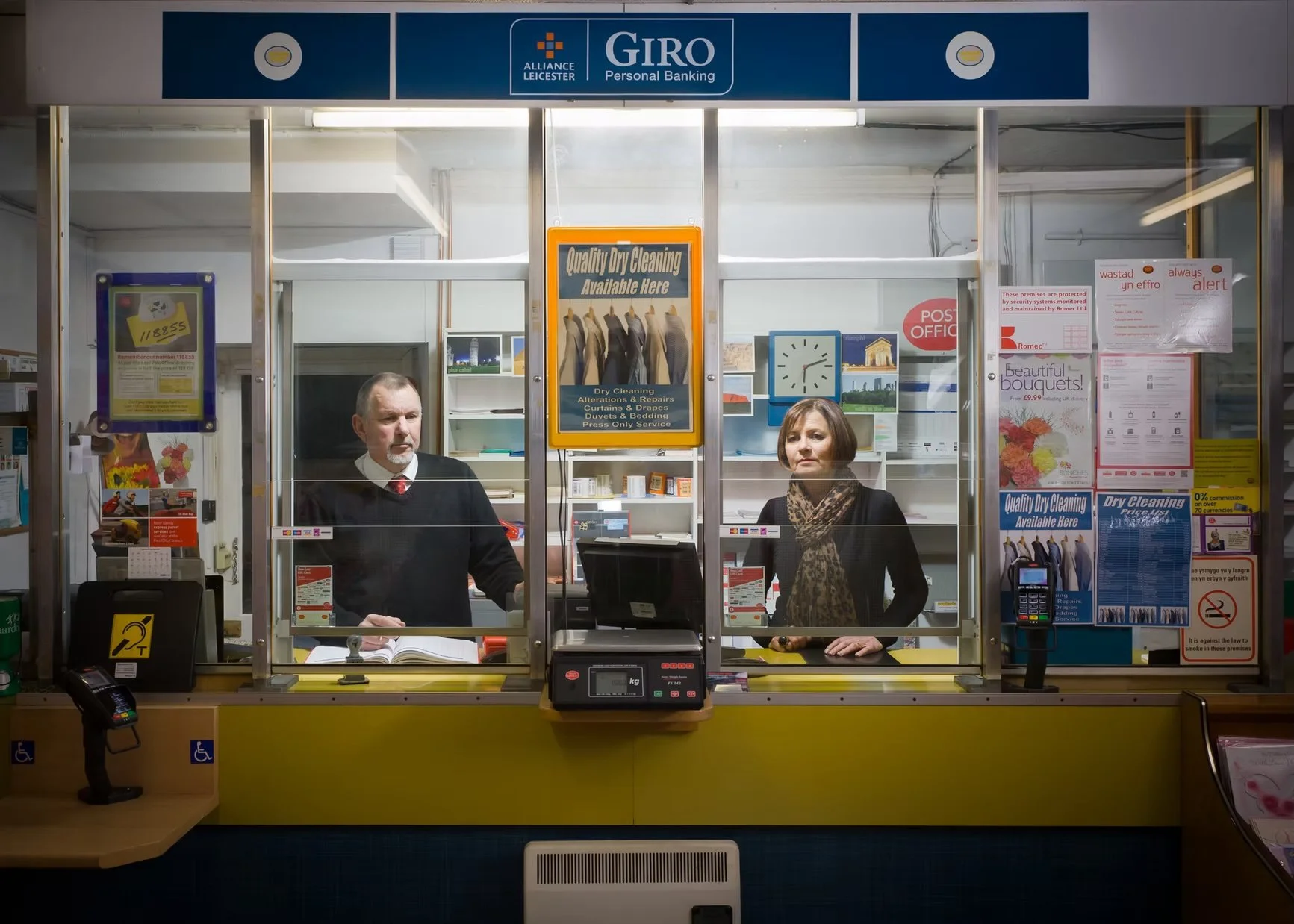
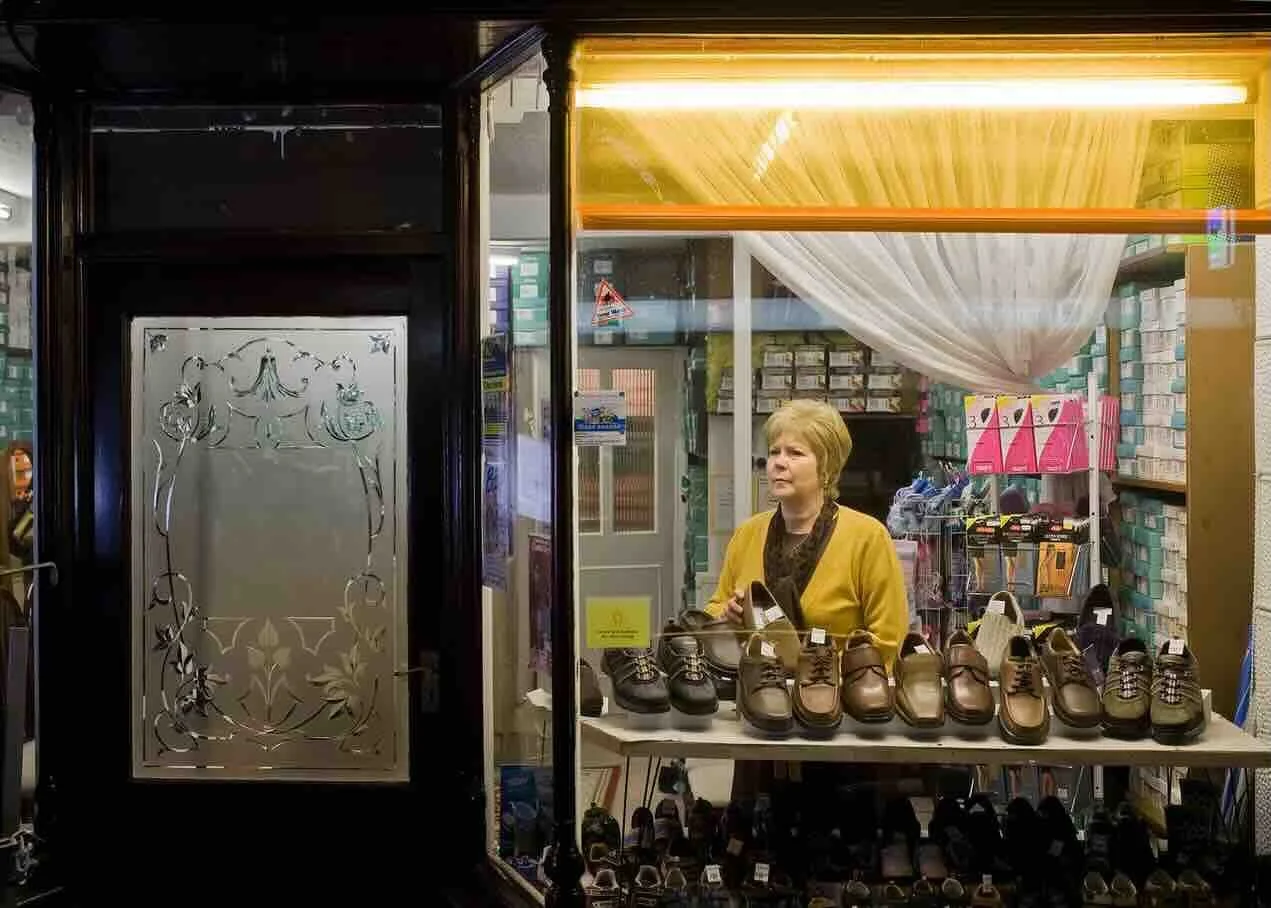
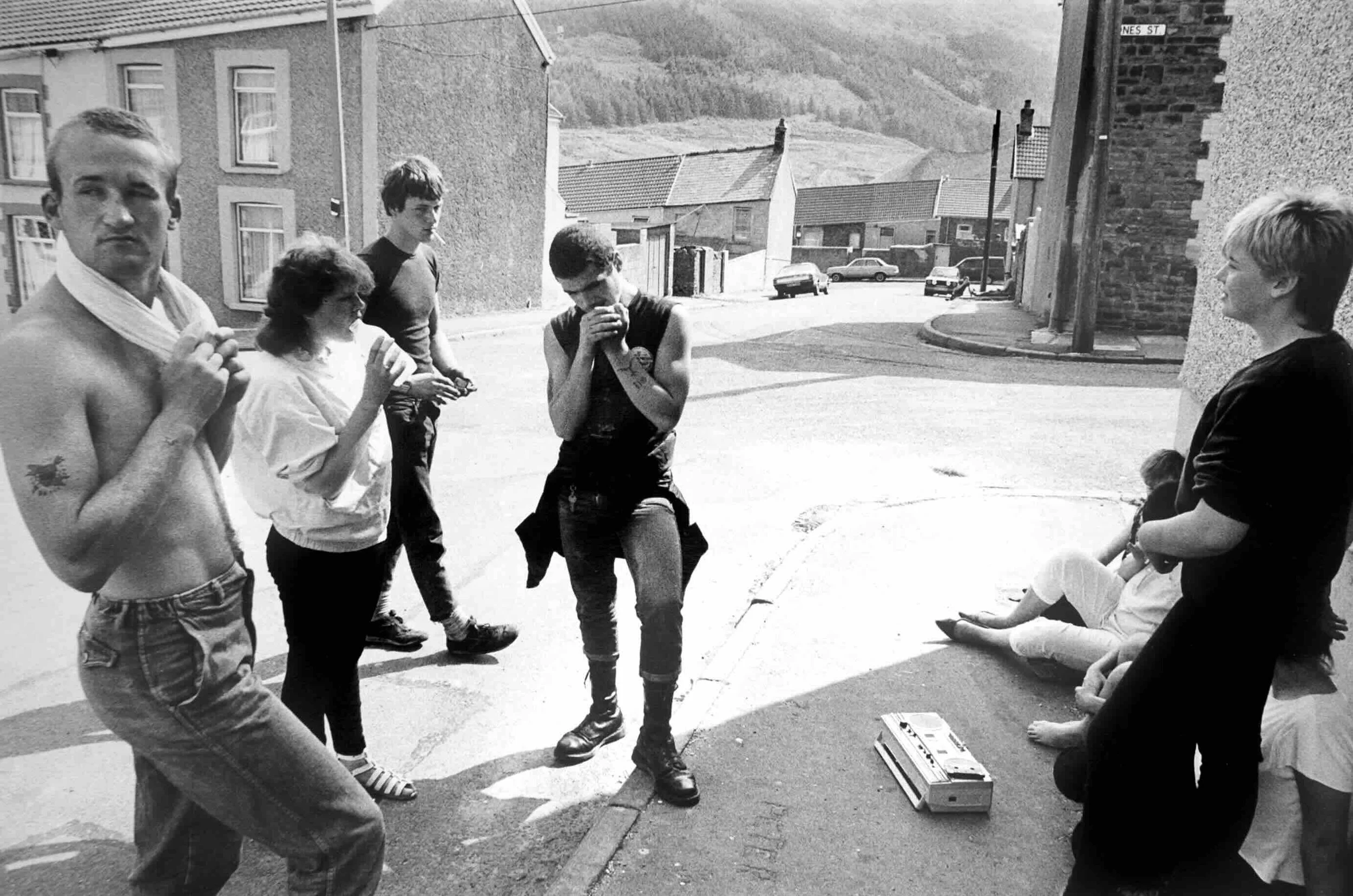
It is hard, though, not to notice work — or the lack of it – in these images. Paul Reas’ factory workers clocking out, Maurice Broomfield’s large-scale colour print of a woman preparing a nylon spinner, and Huw Davies’ vibrant lightboxes of a school teacher and shopkeeper; together they show the changing shape of labour in South Wales. By contrast, Francesca Odell’s 1986 photograph of teenagers hanging around on a quiet street corner captures the interminable boredom and frustration of work’s absence, and gains added significance when shown, as it is here, in close proximity to David Barnes’ contemporary photographs of kids killing time on their estate.
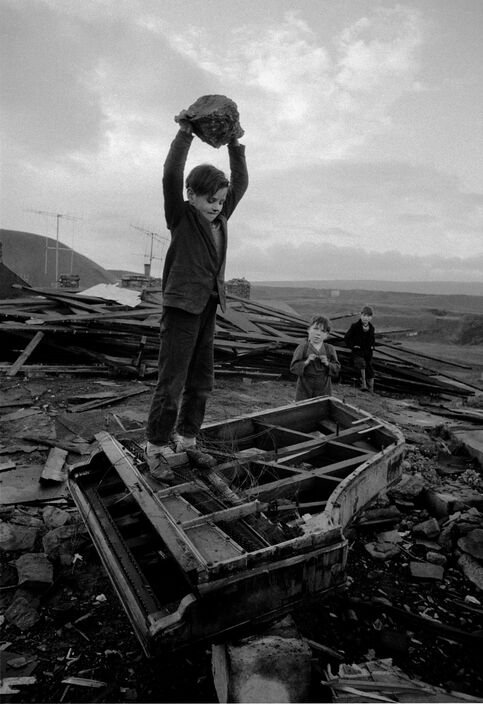
The fact that these works are not displayed chronologically, or next to dates and captions, encourages a drawing out of these kind of cross-temporal relationships. Phillip Jones Griffiths’ famous 1961 photograph of a young boy destroying a piano is exhibited alongside its more recent incarnation on a Suede tour poster, exemplifying how images circulate and become part of the mythology of a place”.
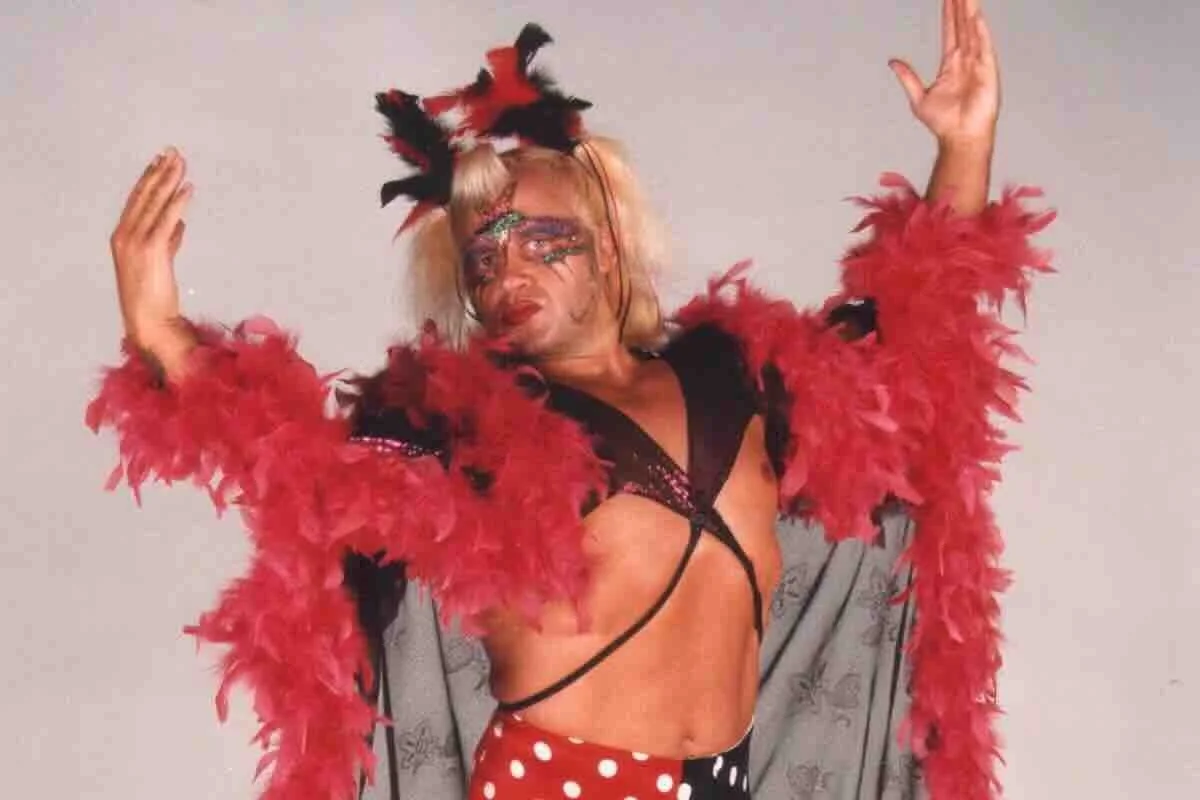
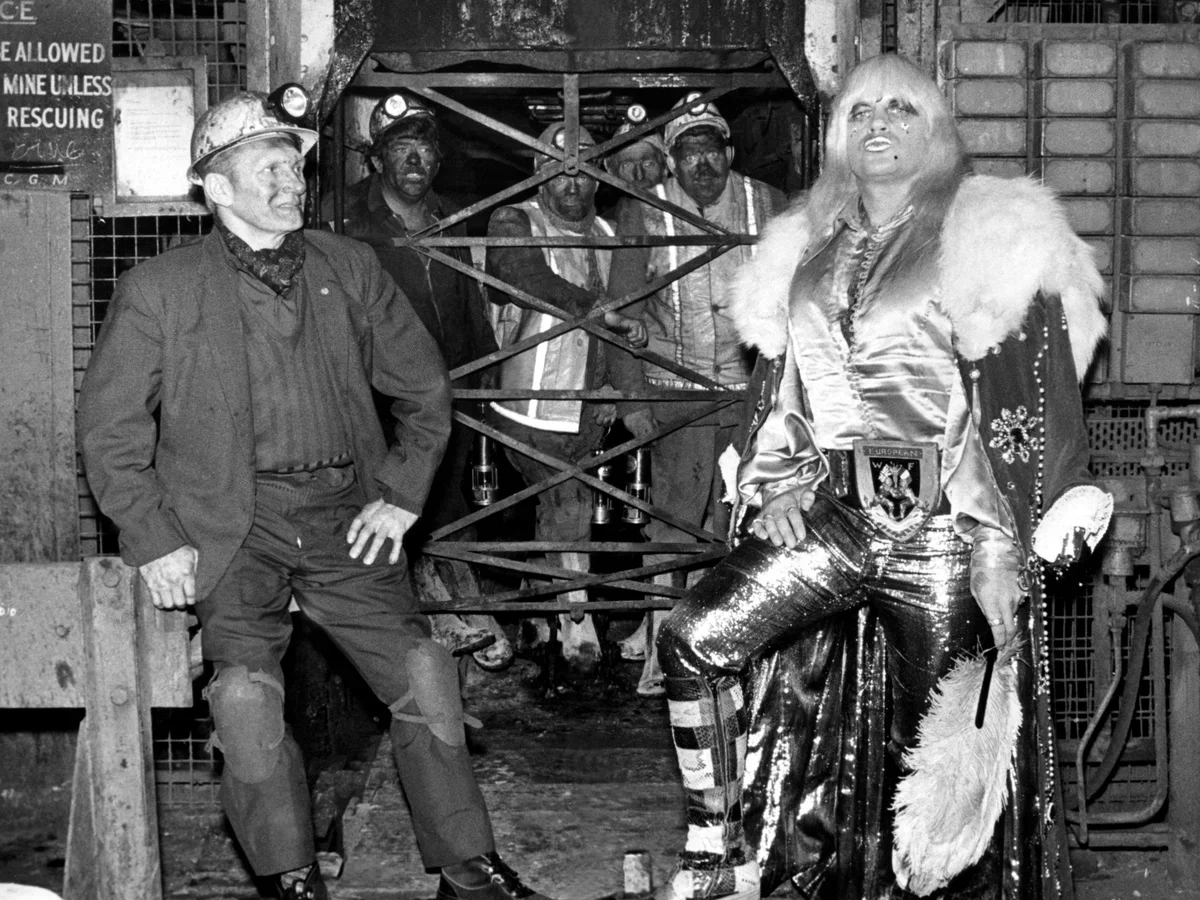
The exhibition also featured newly commissioned works by Alicia Bruce and Zhao Renhui, and a re-staging of Jeremy Deller’s So Many Ways to Hurt You installation about the Welsh wrestler Adrian Street.