How do we represent a city and its cultural life?
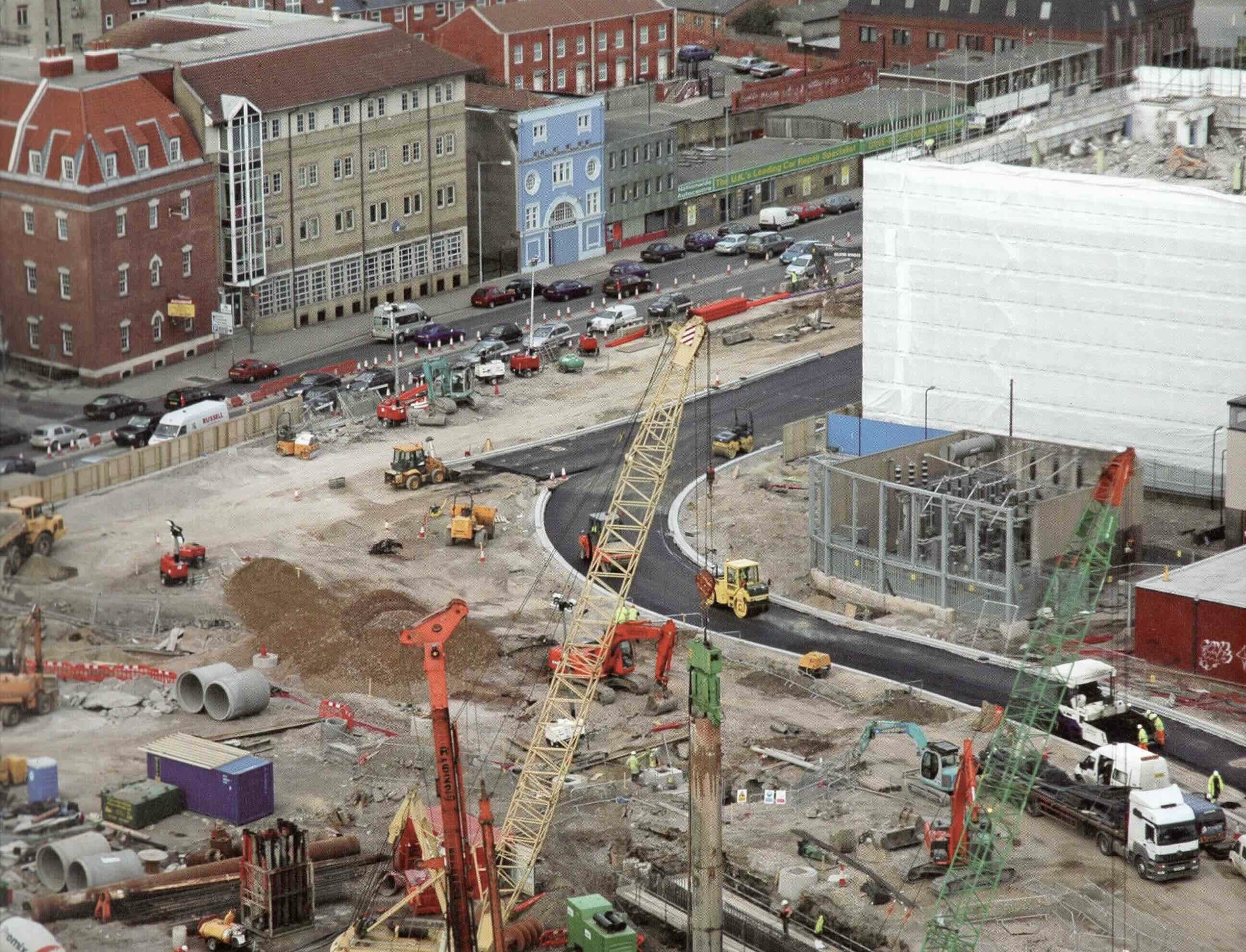
Major cities are complex and multilayered places whose history and character are shaped in part by civic planning decisions and commerce, but equally by the communities that inhabit them.
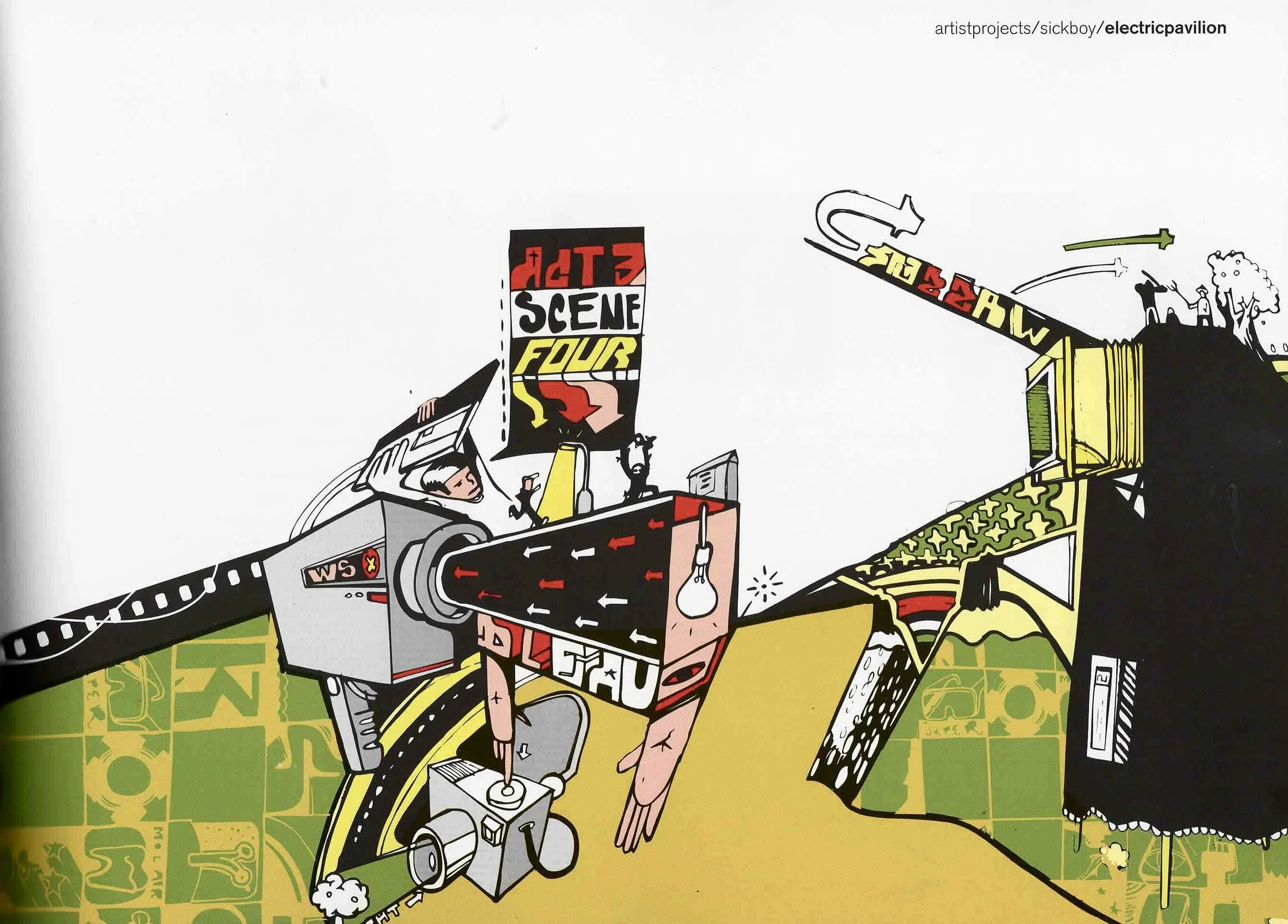
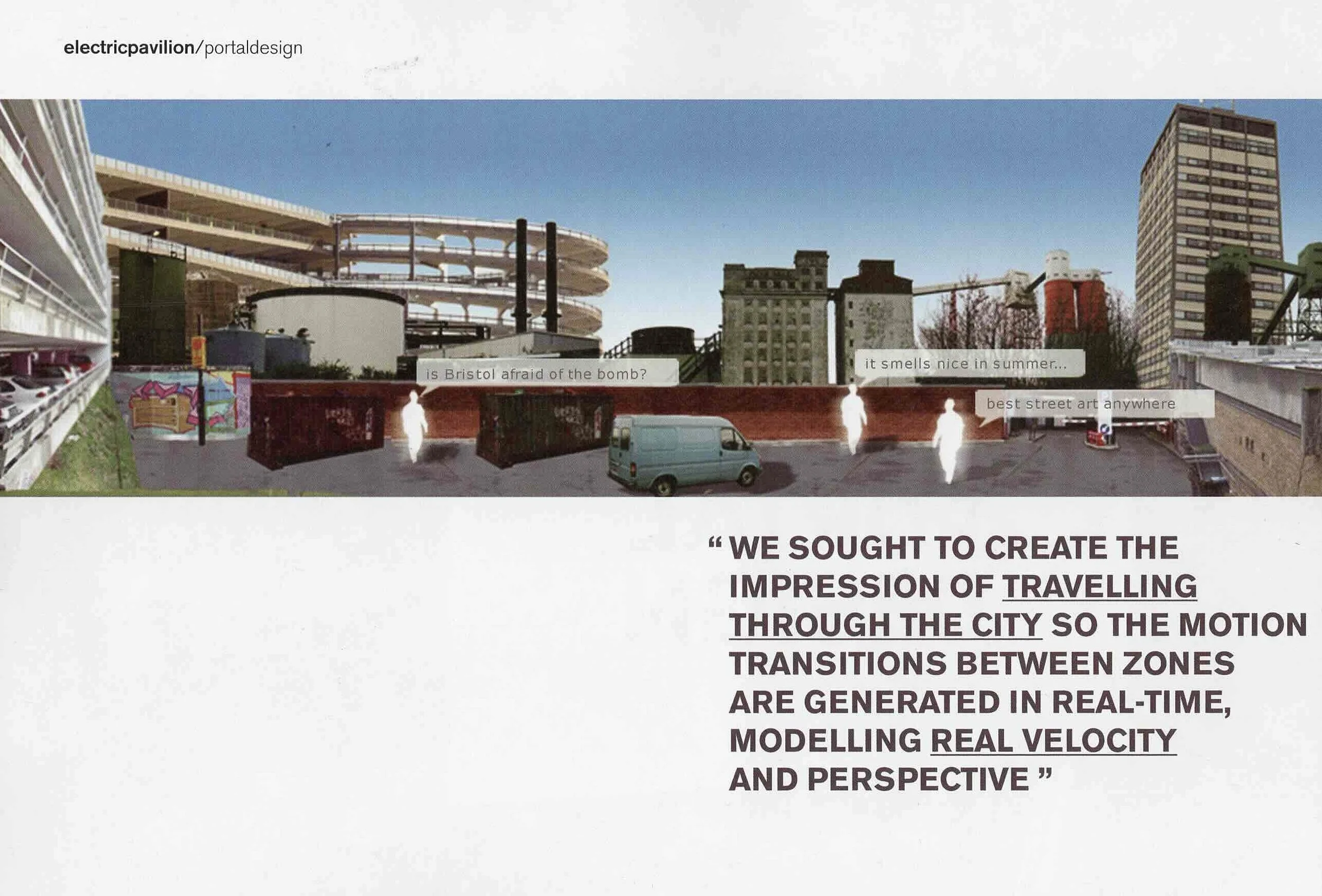
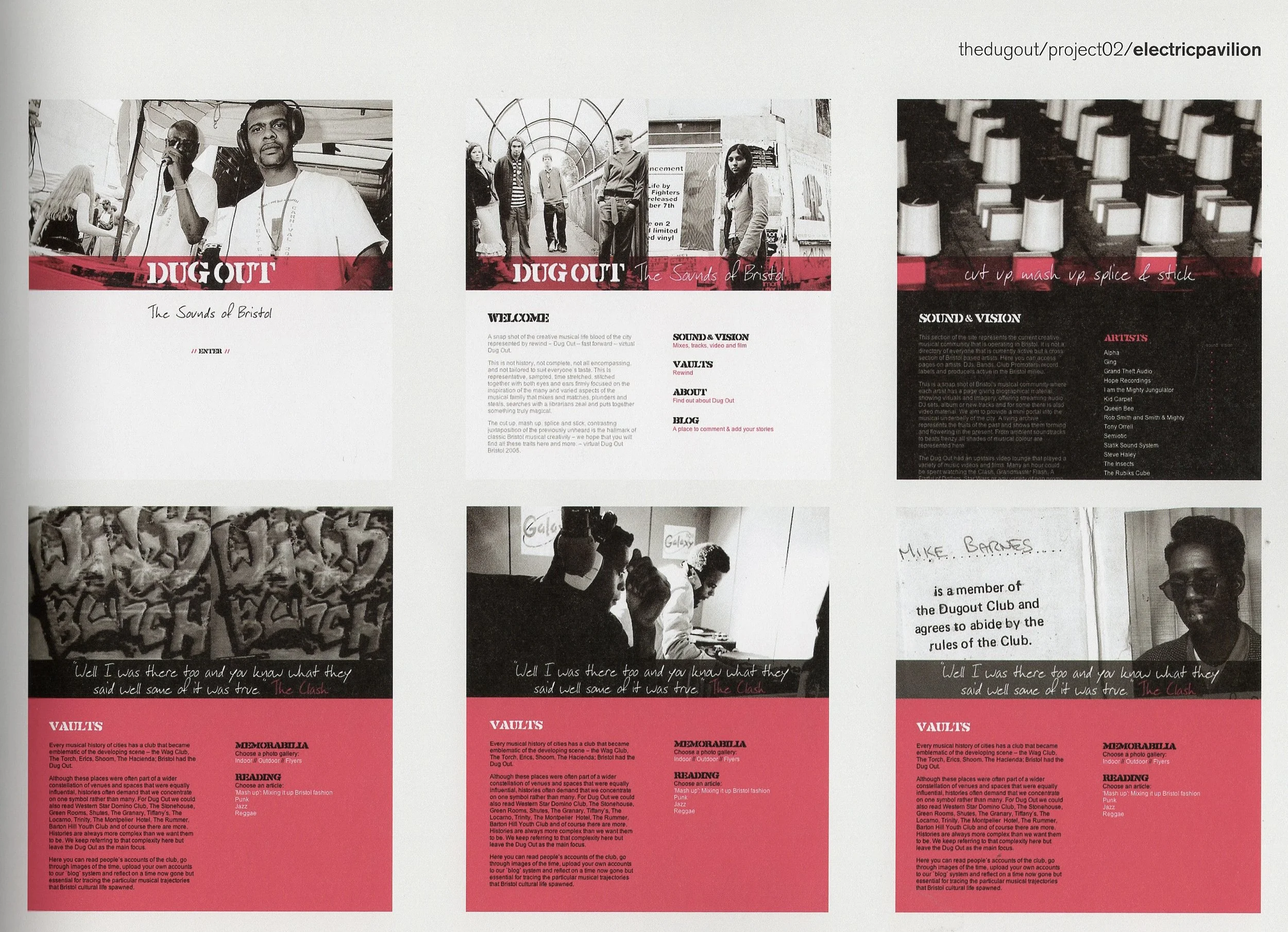
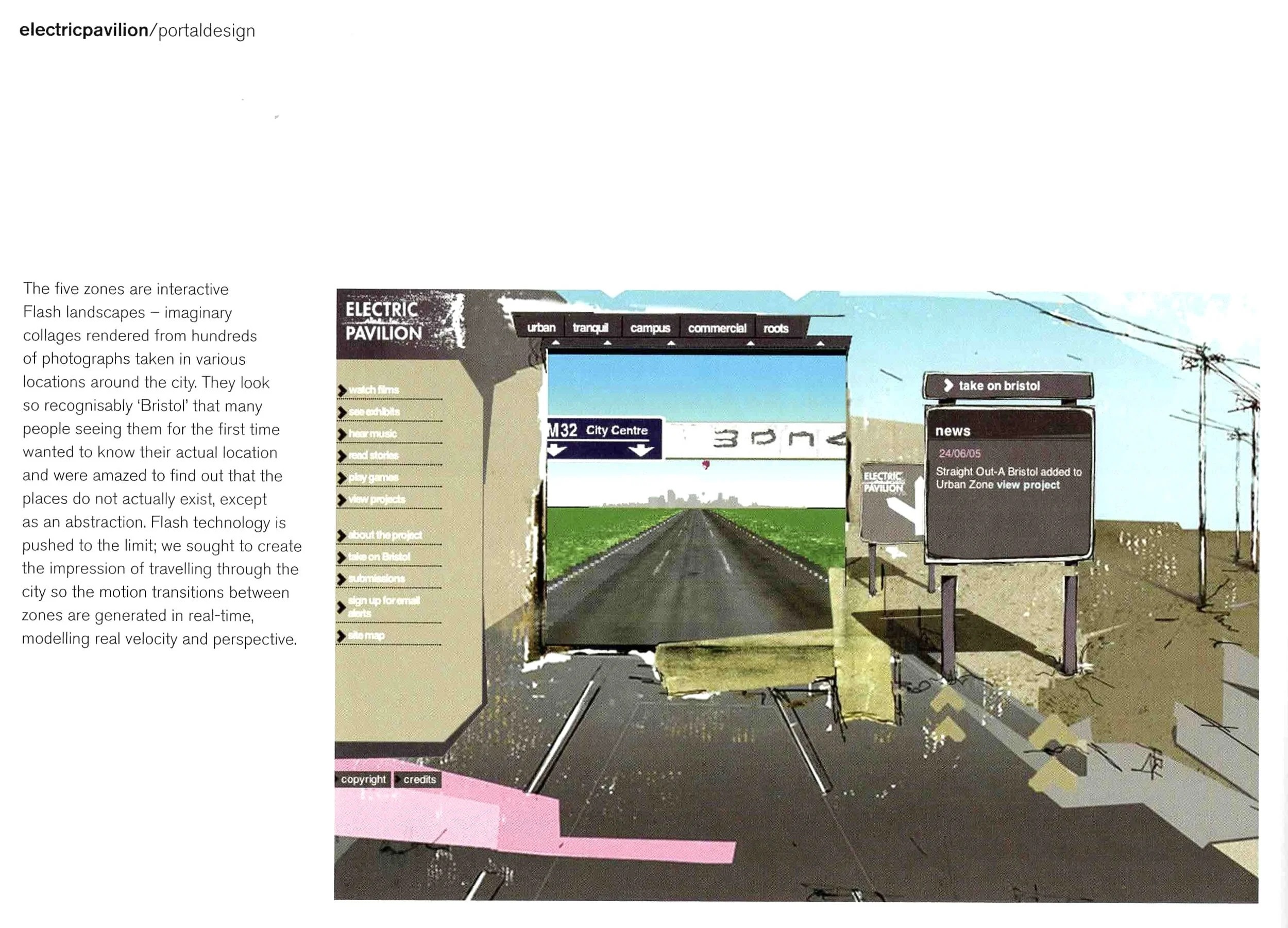
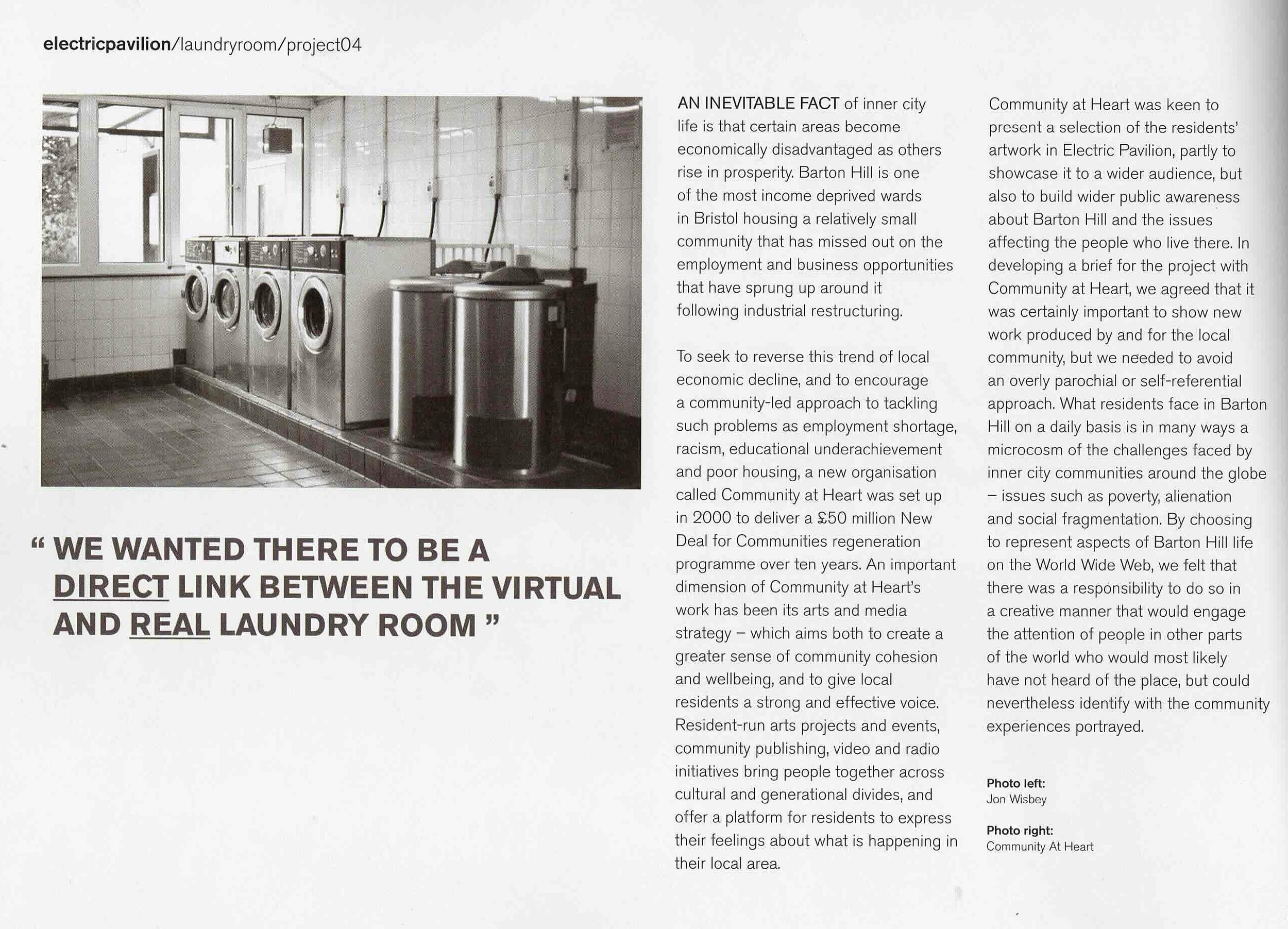
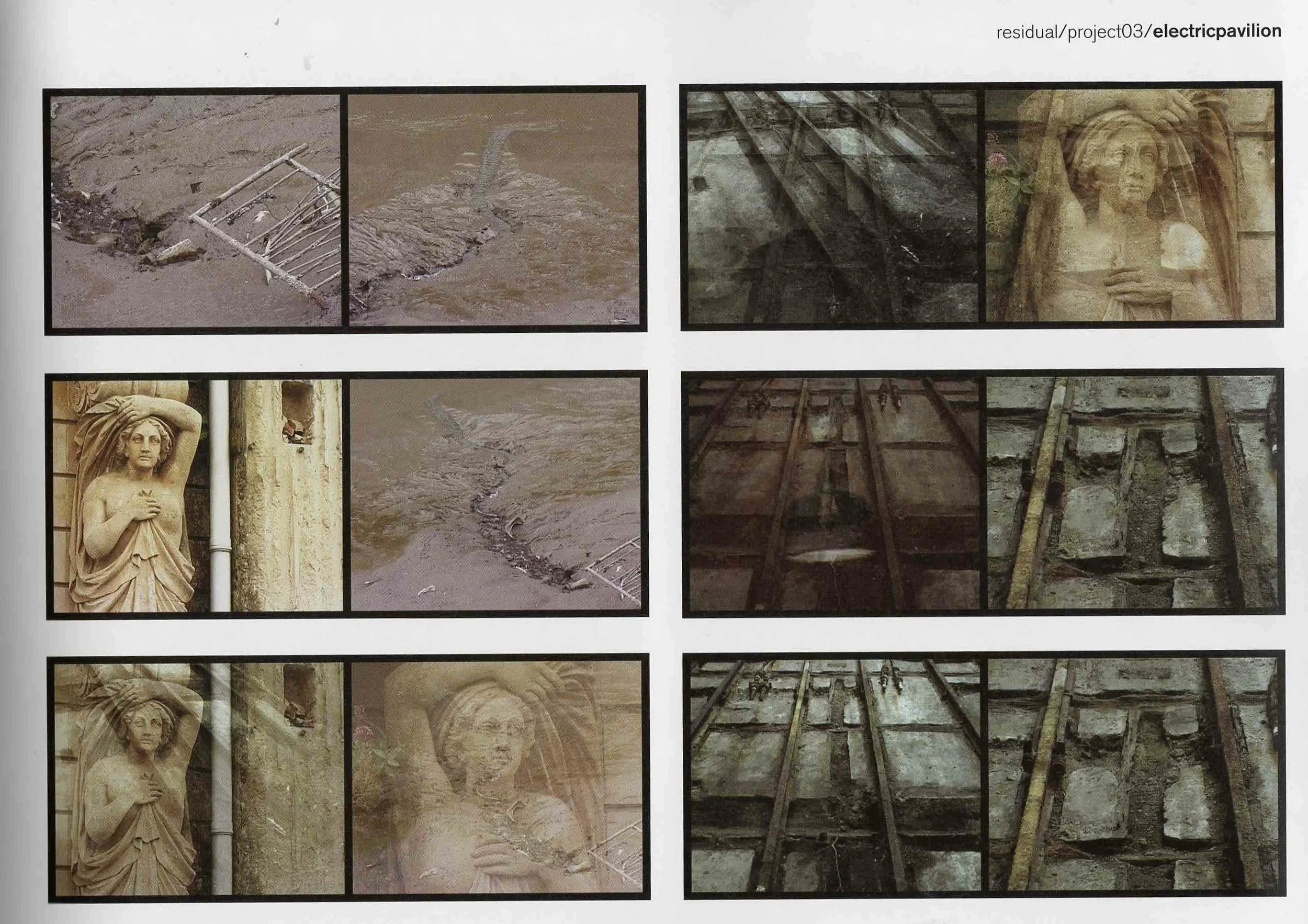
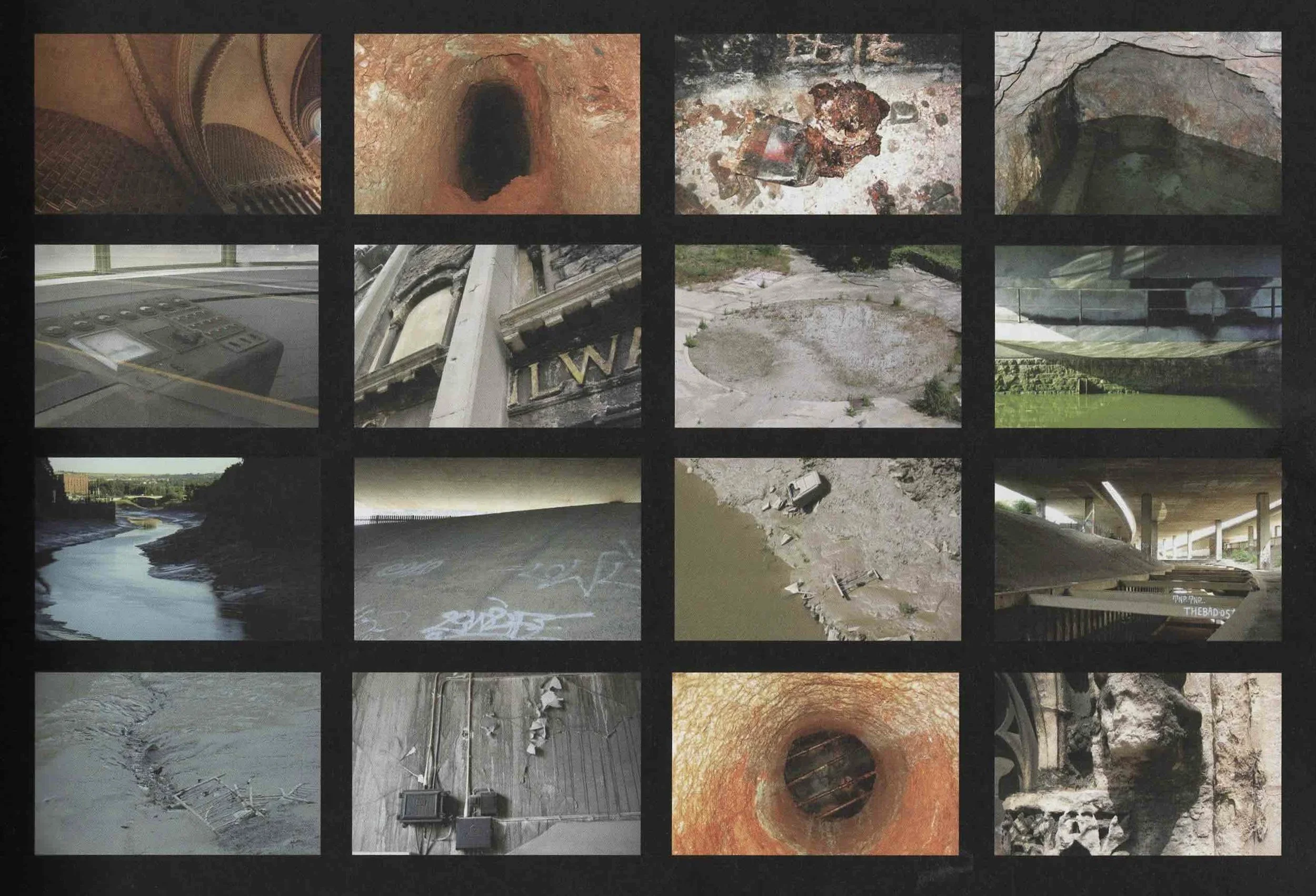
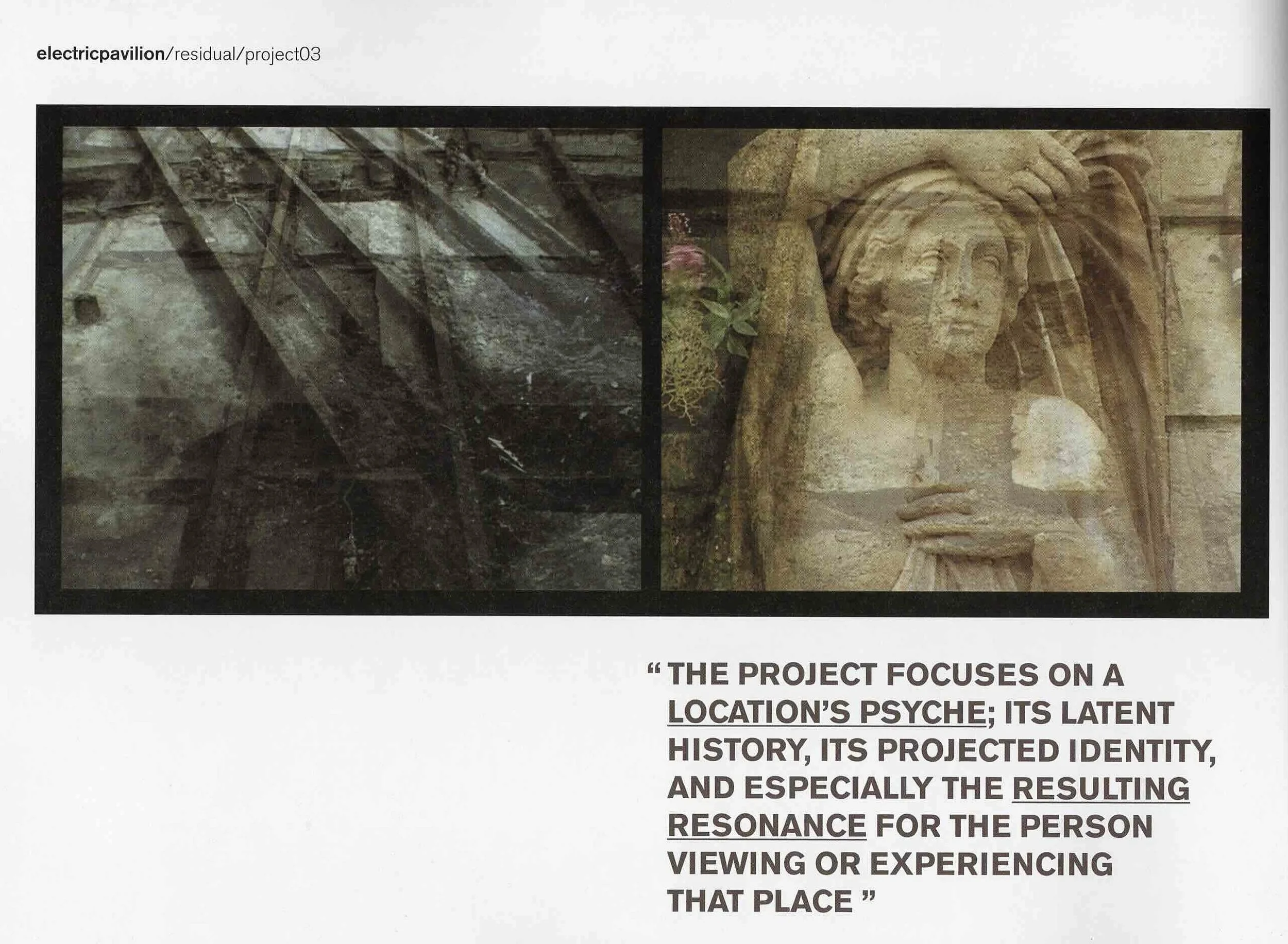
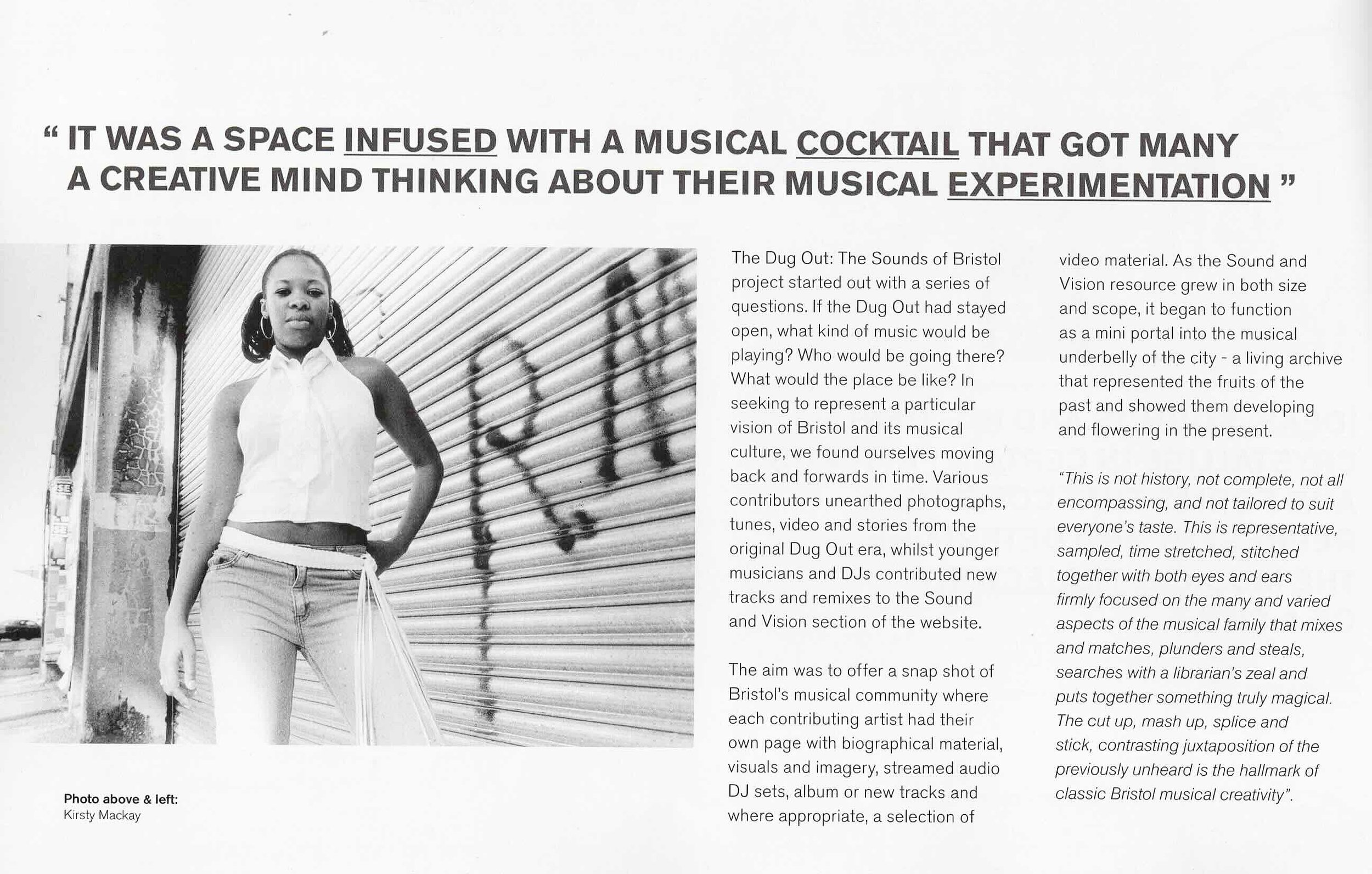
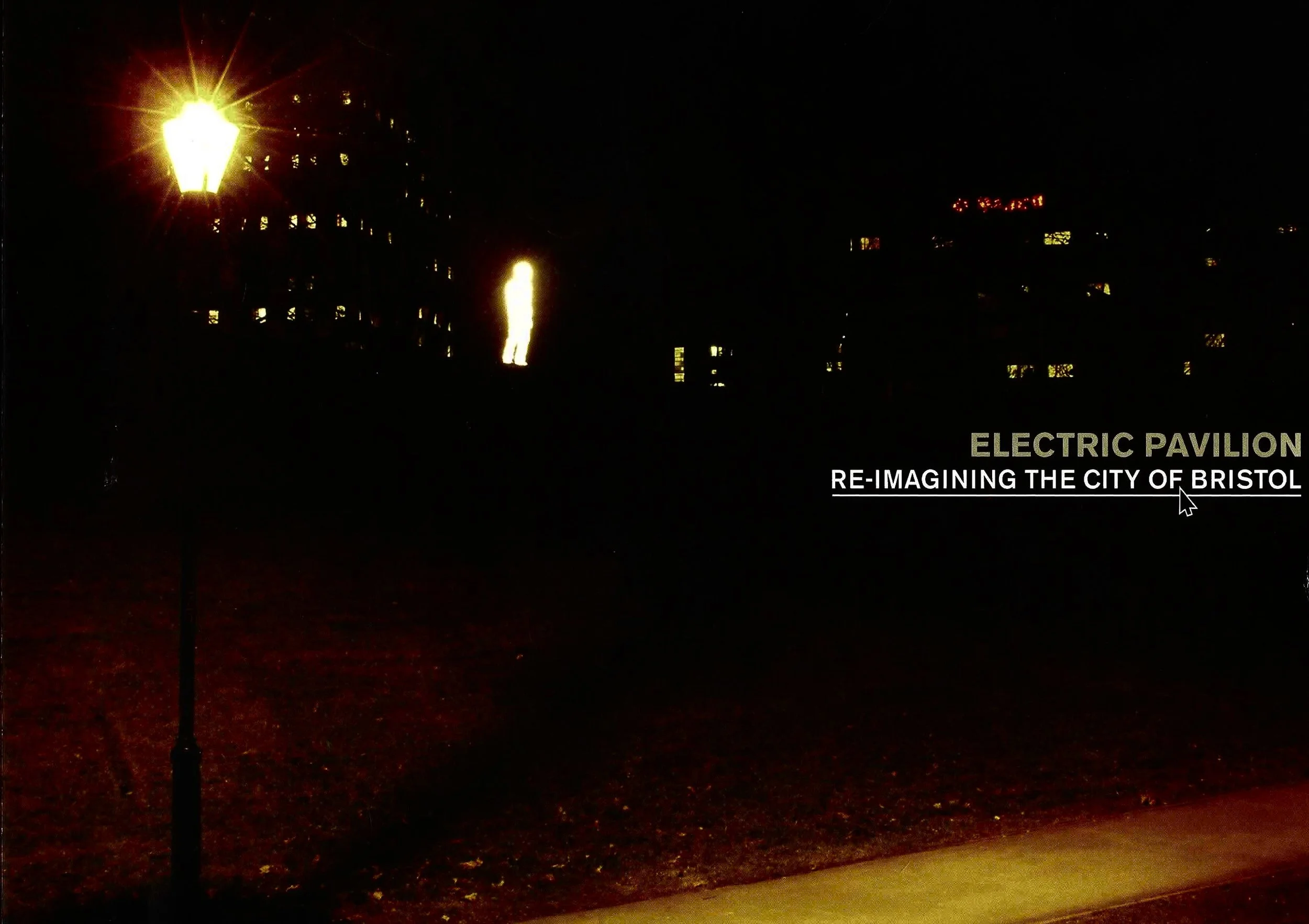
Electric Pavilion was a project that offered an online representation of an evolving modern city, overlaid on the real city of Bristol. The project set out to present the city’s creative talent and energy in all its forms, and to capture the things that make Bristol unique, with its intriguing mix of laid back and edgy, cosmopolitan and introspective, welcoming and uncompromising. Not the city of Bristol in a literal sense – but a ‘re-imagined’ city seen through the eyes of its creative community.
The project came into being as a major contribution by Watershed Media Centre to Creative Bristol, a citywide celebration of creativity in 2005. I was the project lead and overall curator, working freelance for Watershed over a period of three years.
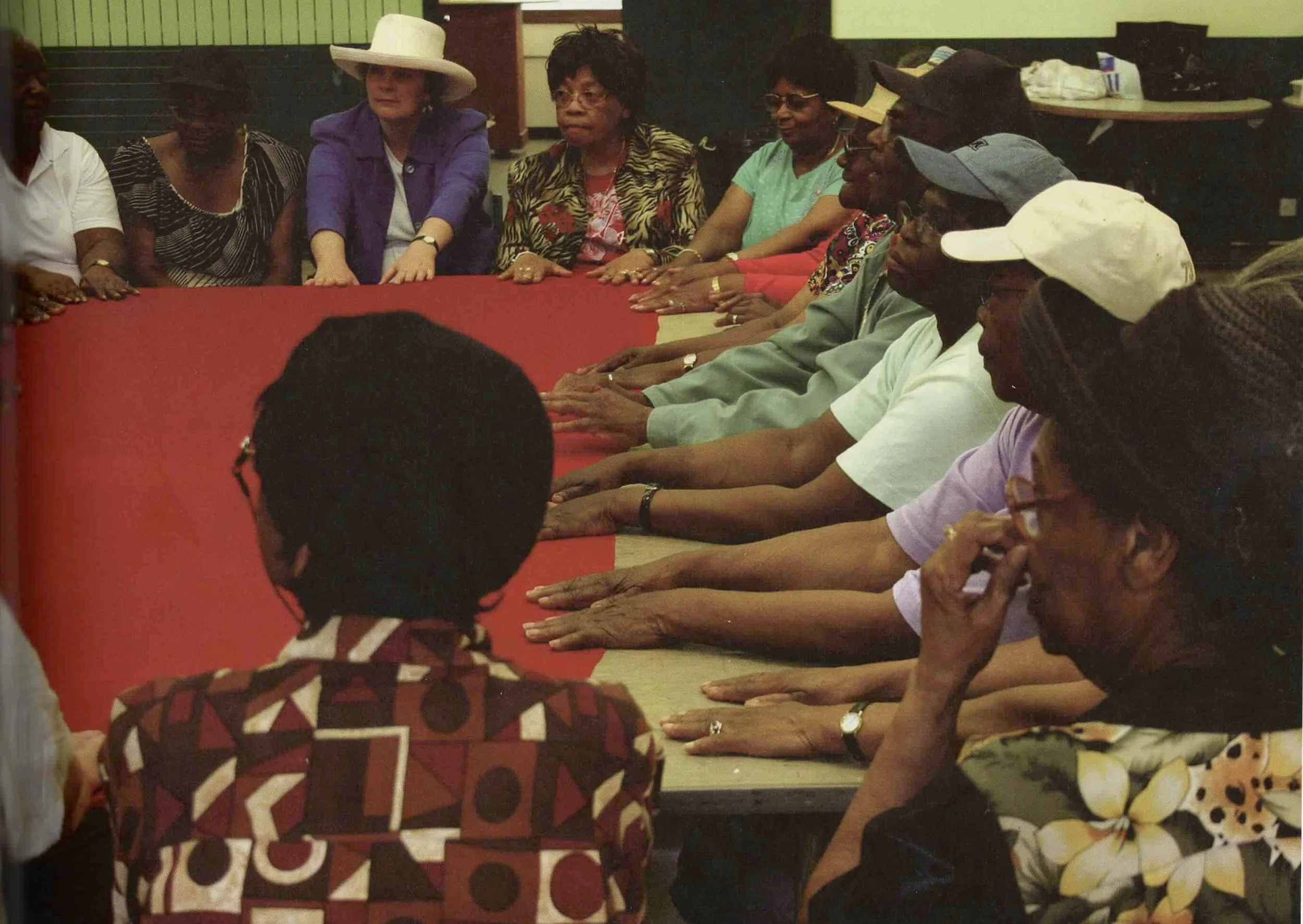
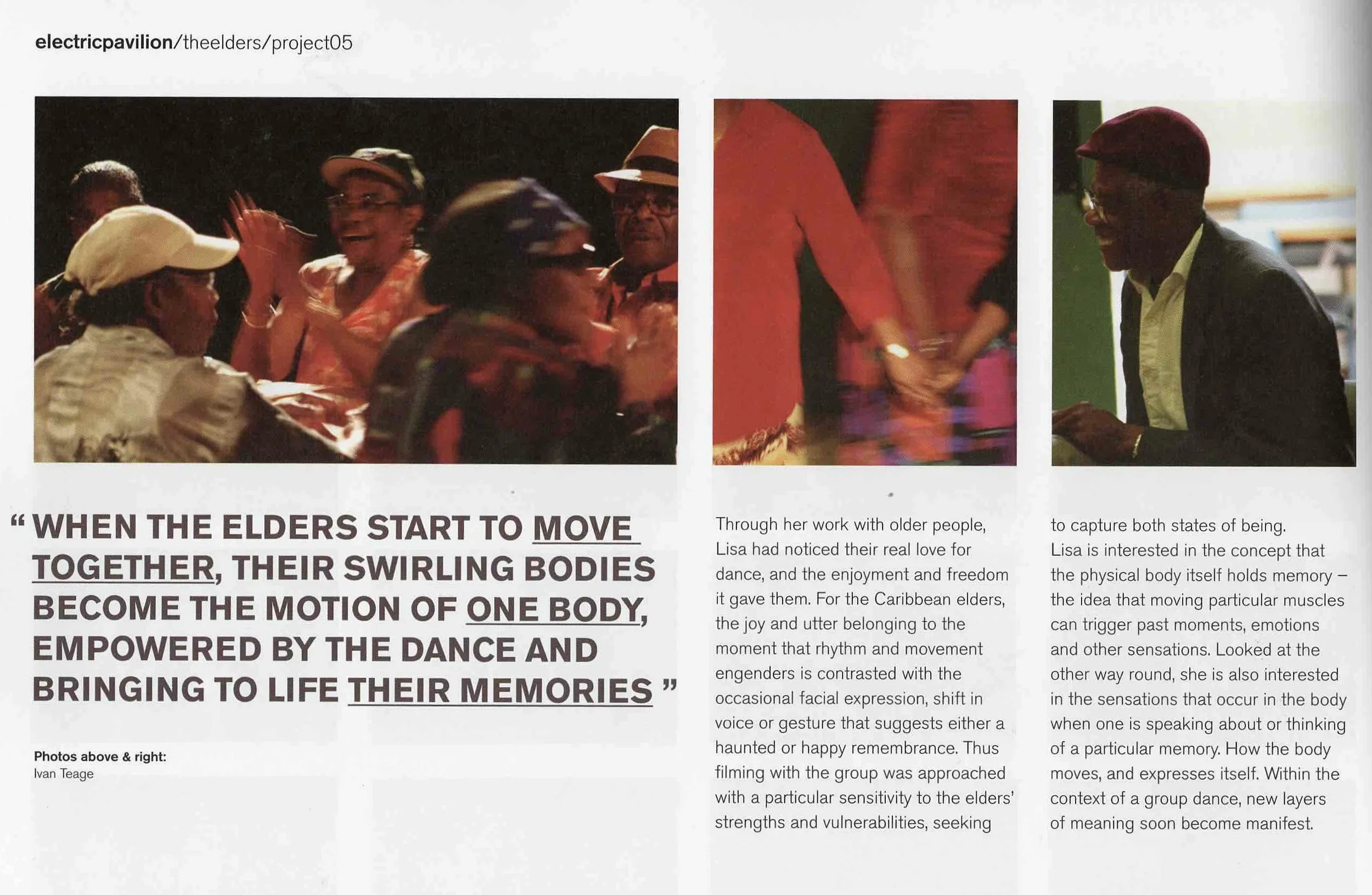
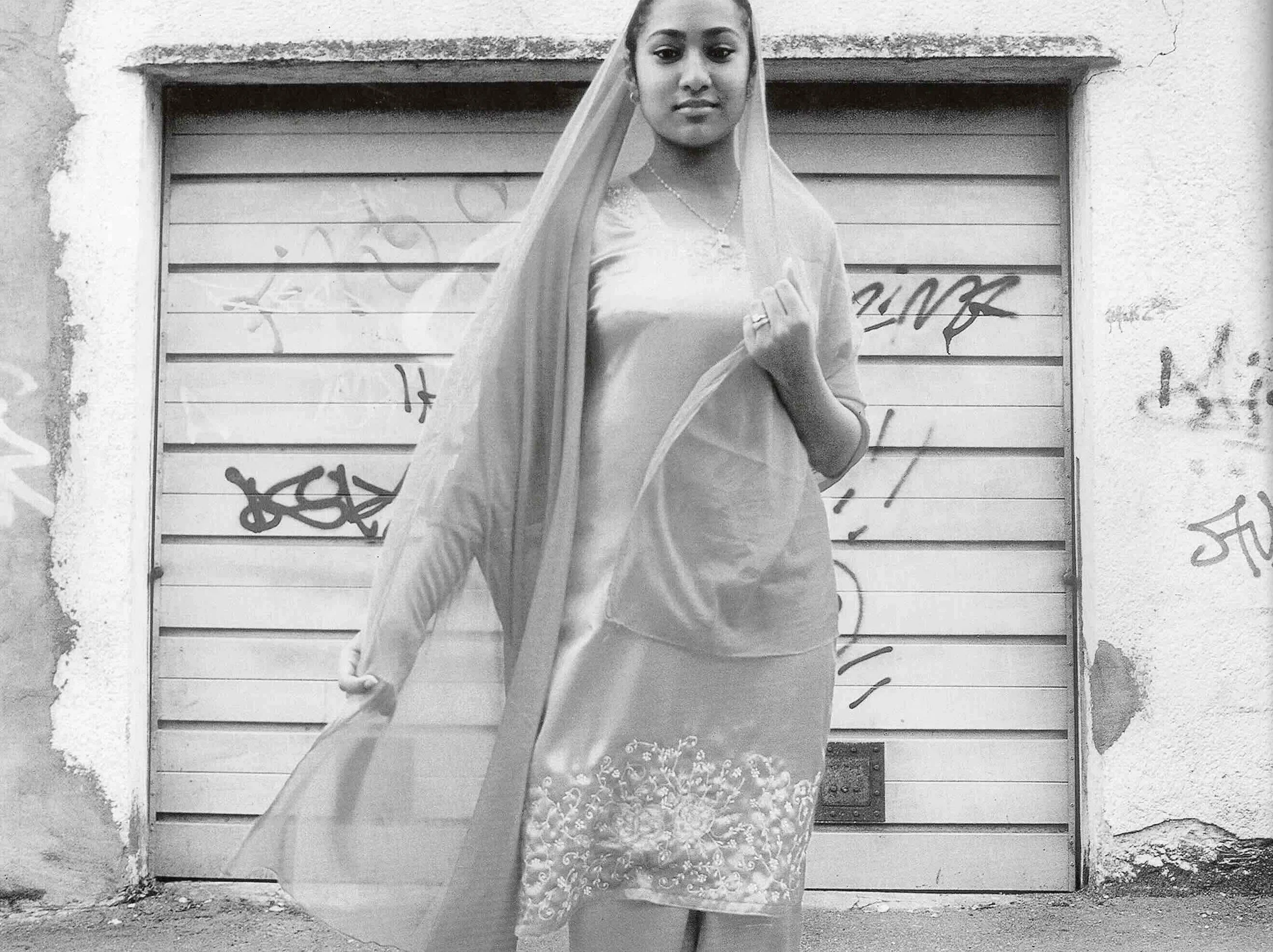
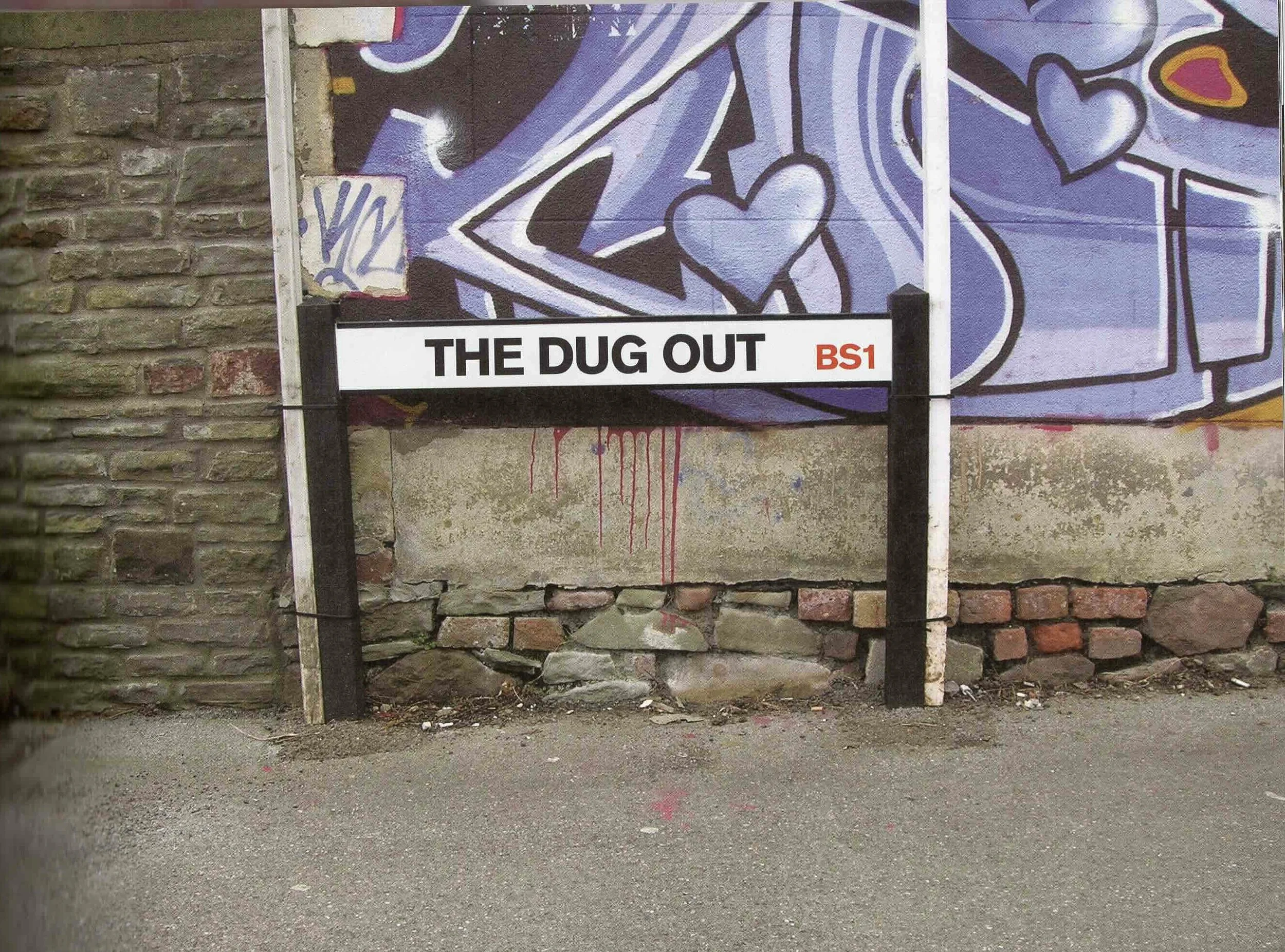
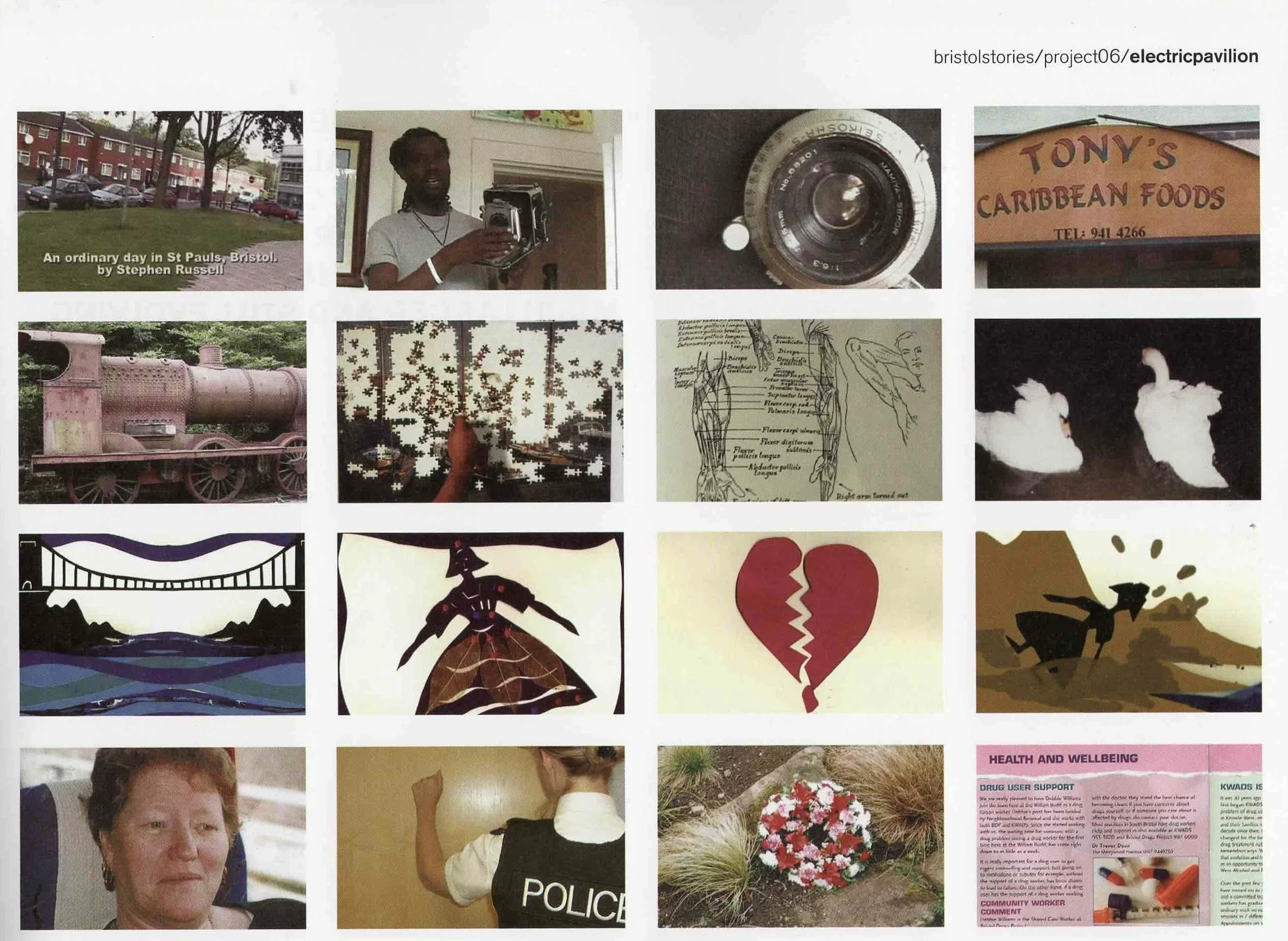
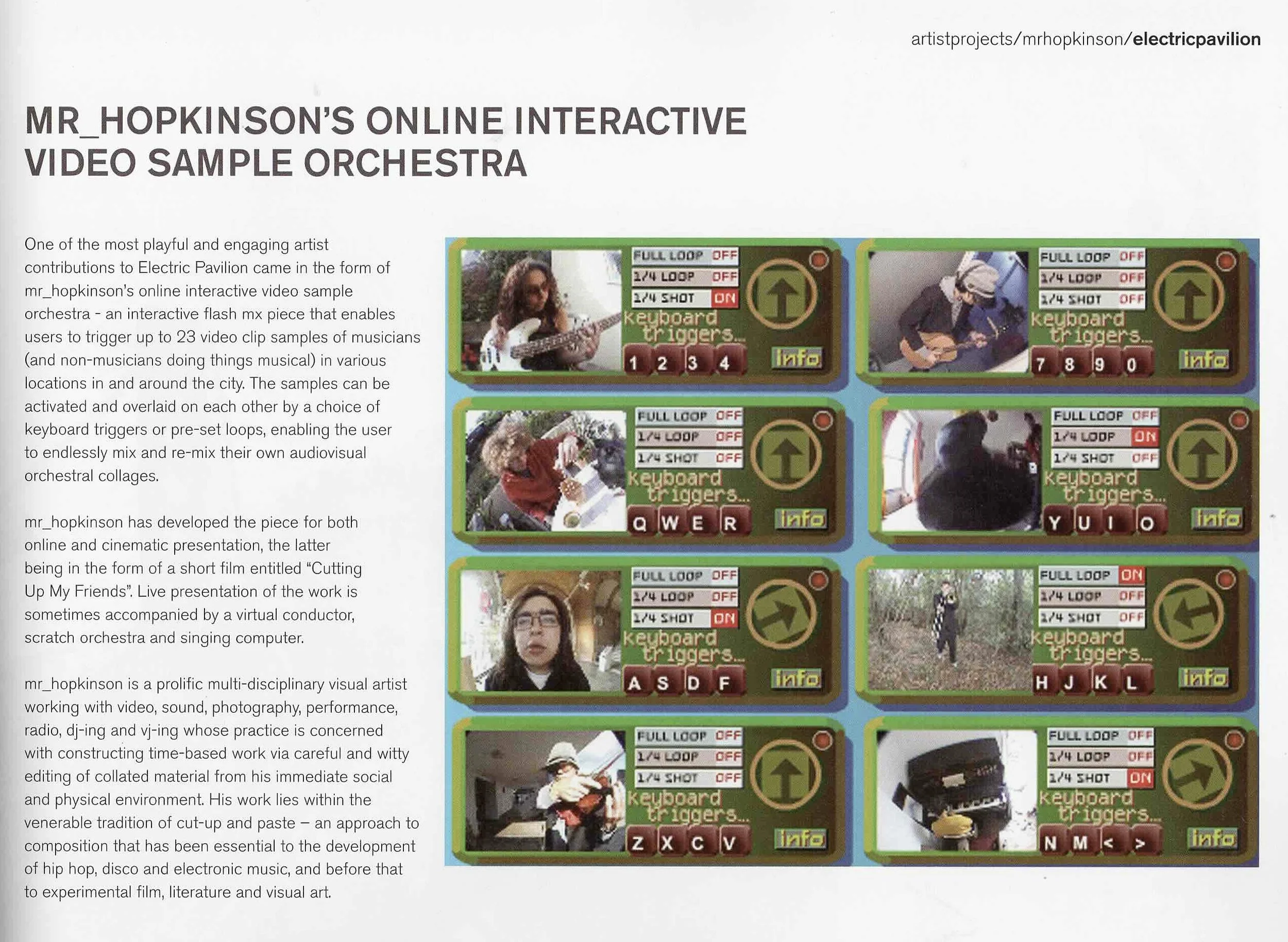
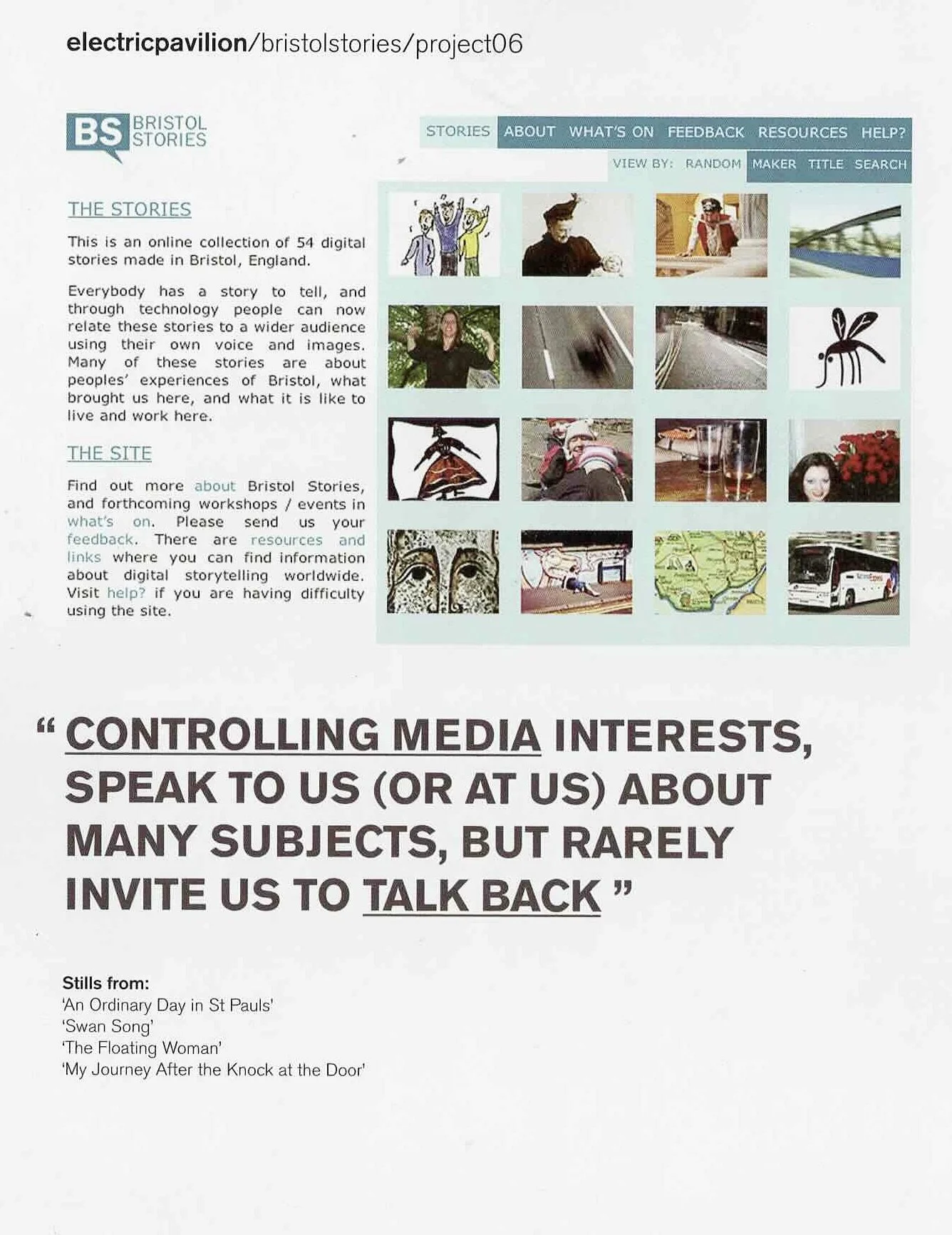
In addition to an unfolding programme of web presentations during 2005, there were exhibitions, performances, screenings and public realm interventions around the city. Over 300 pieces of creative content were produced by artists, designers, filmmakers, performers, architects, community groups and by individual participants on workshops and in commissioned projects. Between April and November 2005, the Electric Pavilion website received 2 million visits from viewers from 80 countries around the world, which was impressive because the project came before social media platforms had become ubiquitous.
Beyond its immediate impact, an important legacy was the project’s role in nurturing new relationships between arts, heritage, media and technology players in the city, wider region and internationally. It also foregrounded the city’s diversity and showed that Bristol does not speak with one voice, but with many. New insights were gained by embracing different ways of seeing and different modes of expression, and by listening to voices of dissent and eccentricity as well as those of civic pride and conformity.
An initial investment in the project of £210,000 from the Urban Cultural Programme yielded an additional £300,000 of cash and in-kind support from various public and private sector sources.