After the Last Sky - Palestinian Lives
Reading the 1986 book After the Last Sky: Palestinian Lives by Edward Said and Jean Mohr, I’m struck by how much his portrayal of Palestinian life and identity resonates today. The brutality and injustice of the Israeli occupation and war cannot eradicate the courage and resilience of the Palestinian people, and despite the deplorable conditions they live in, their spirit and survival instinct offers some measure of hope in the darkest of times.
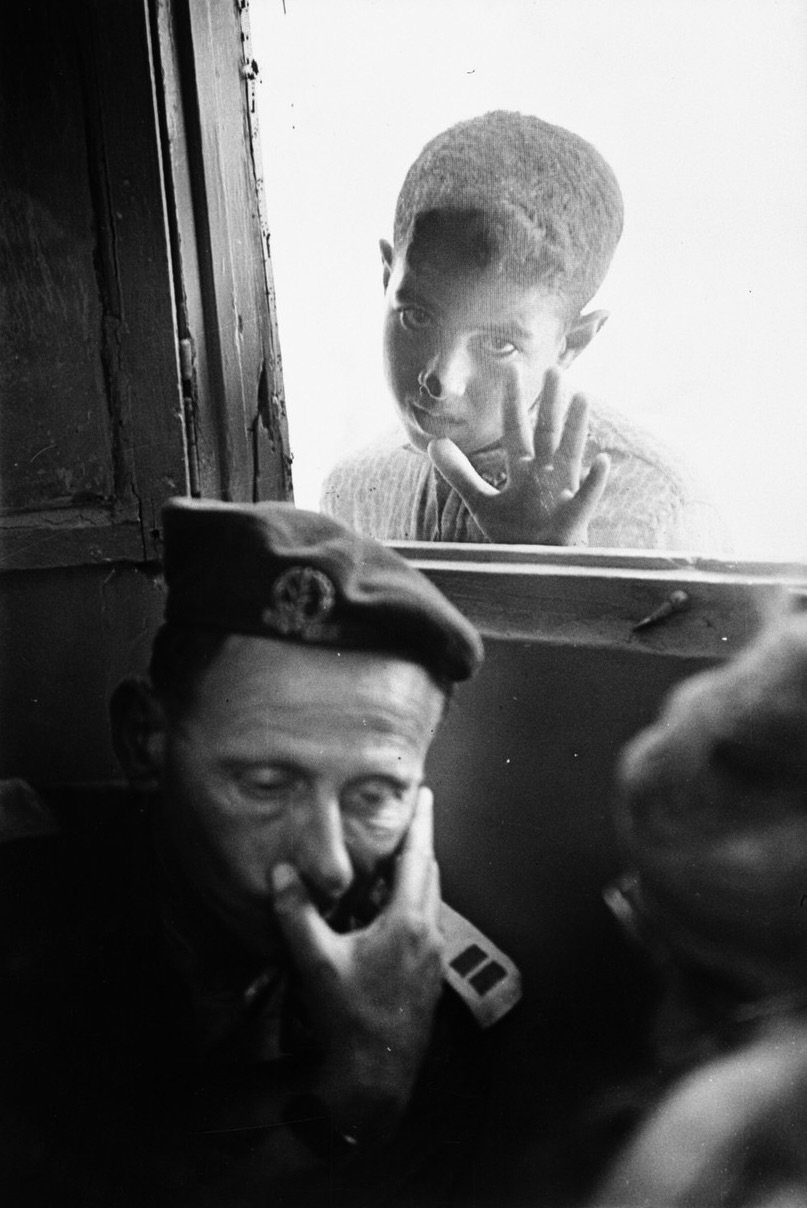
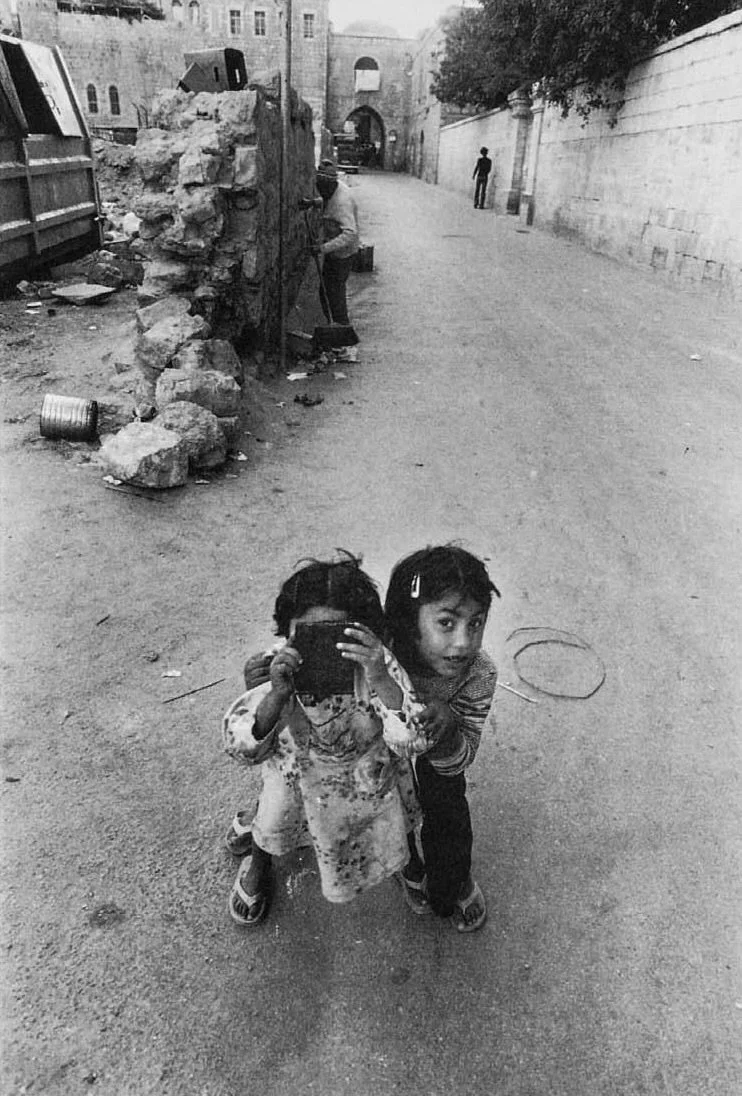
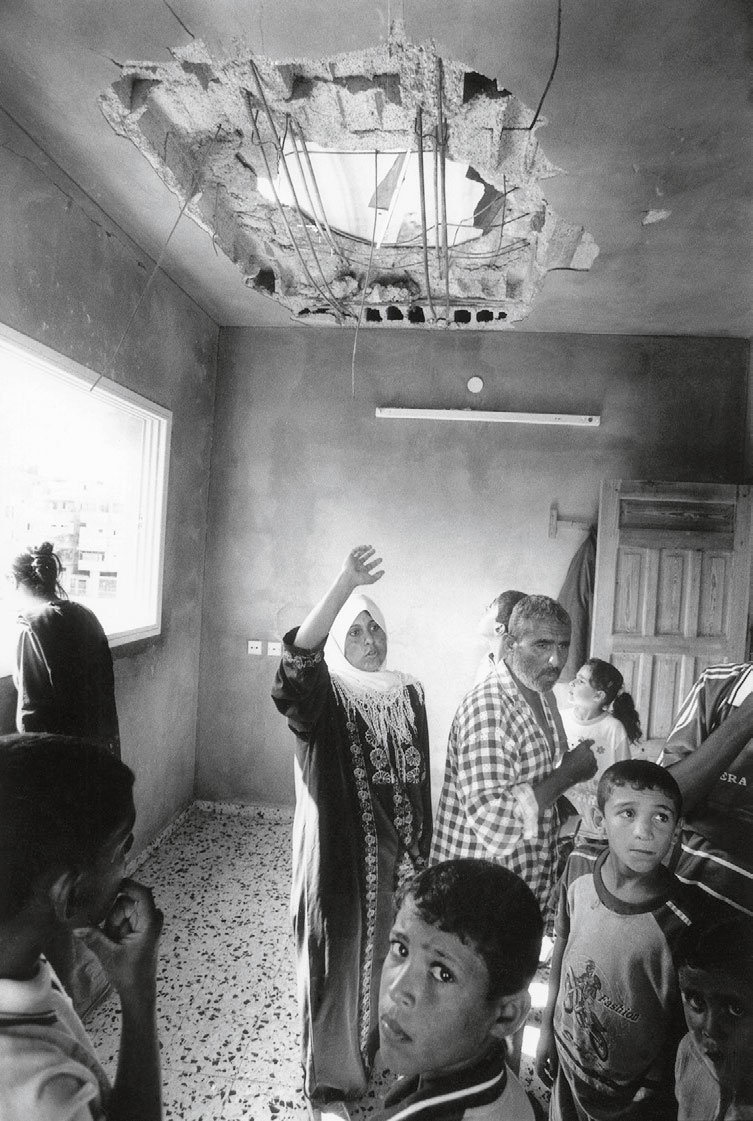
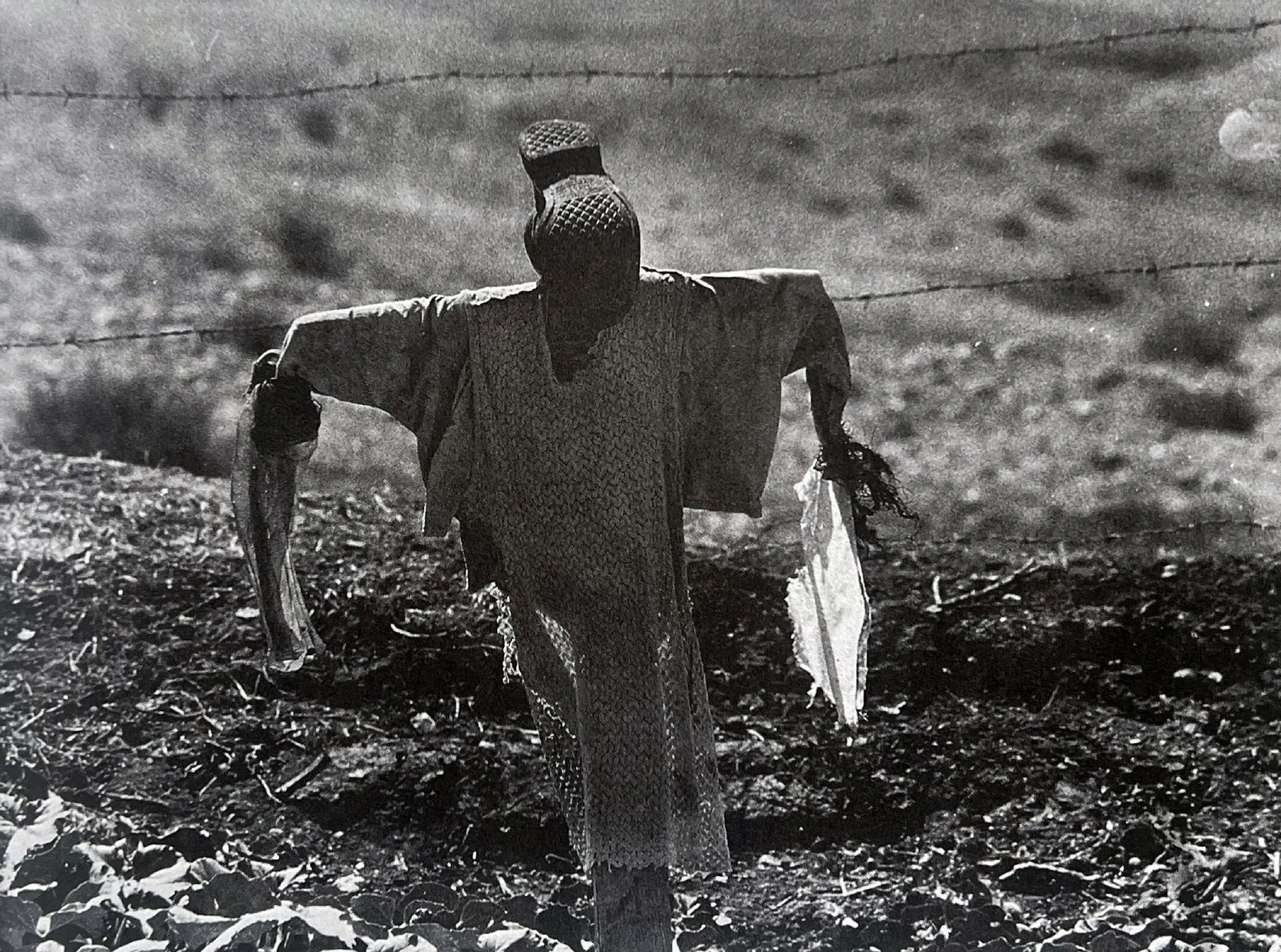
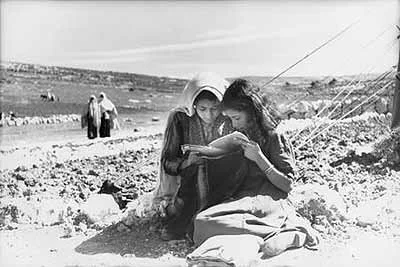
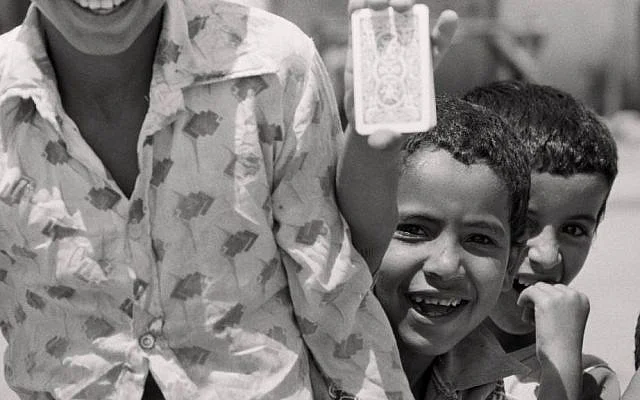
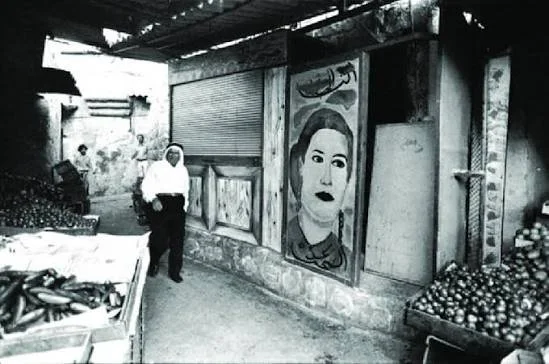
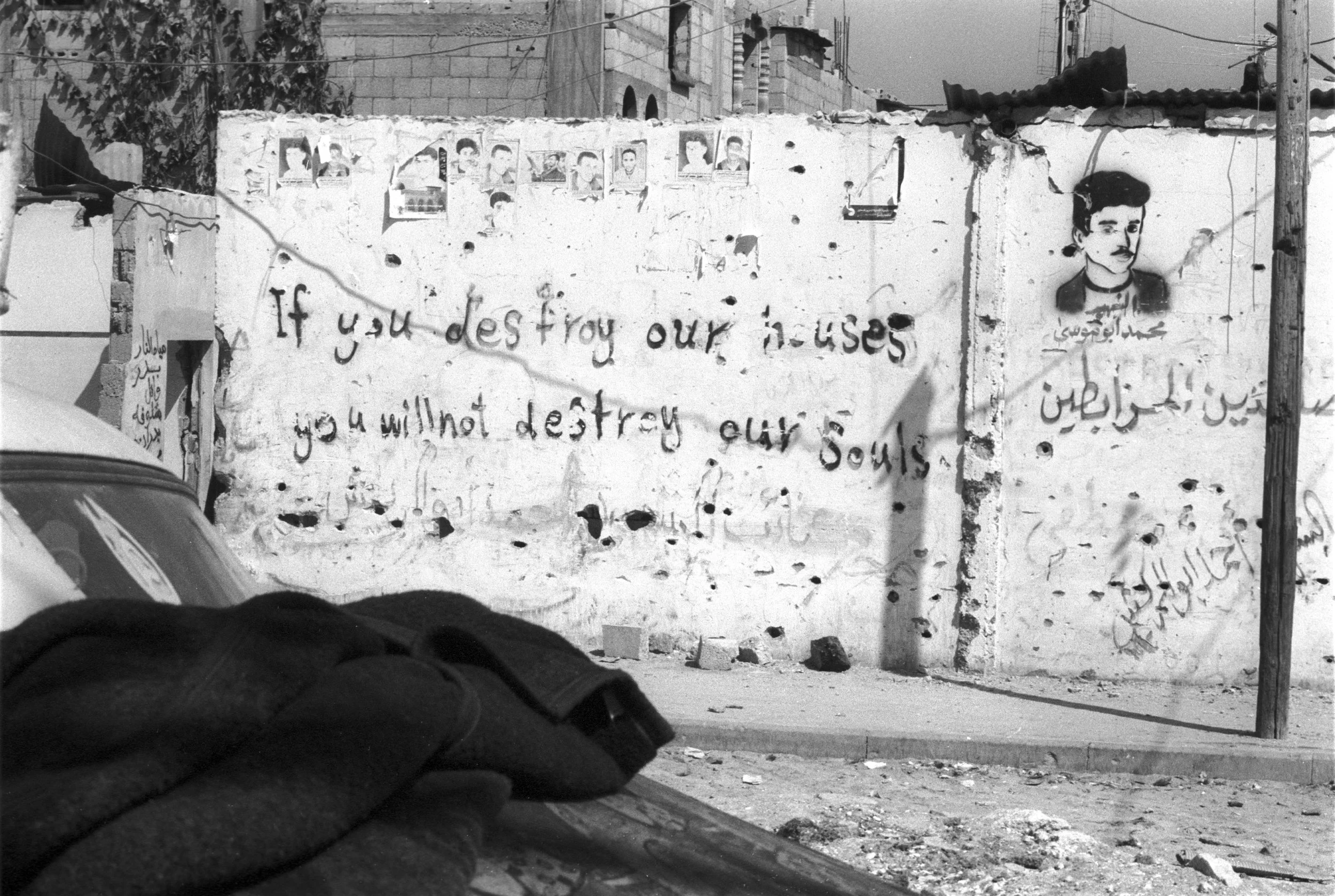
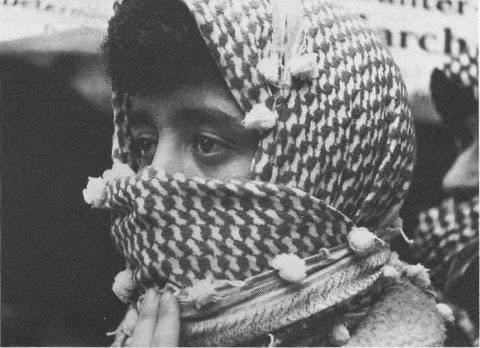
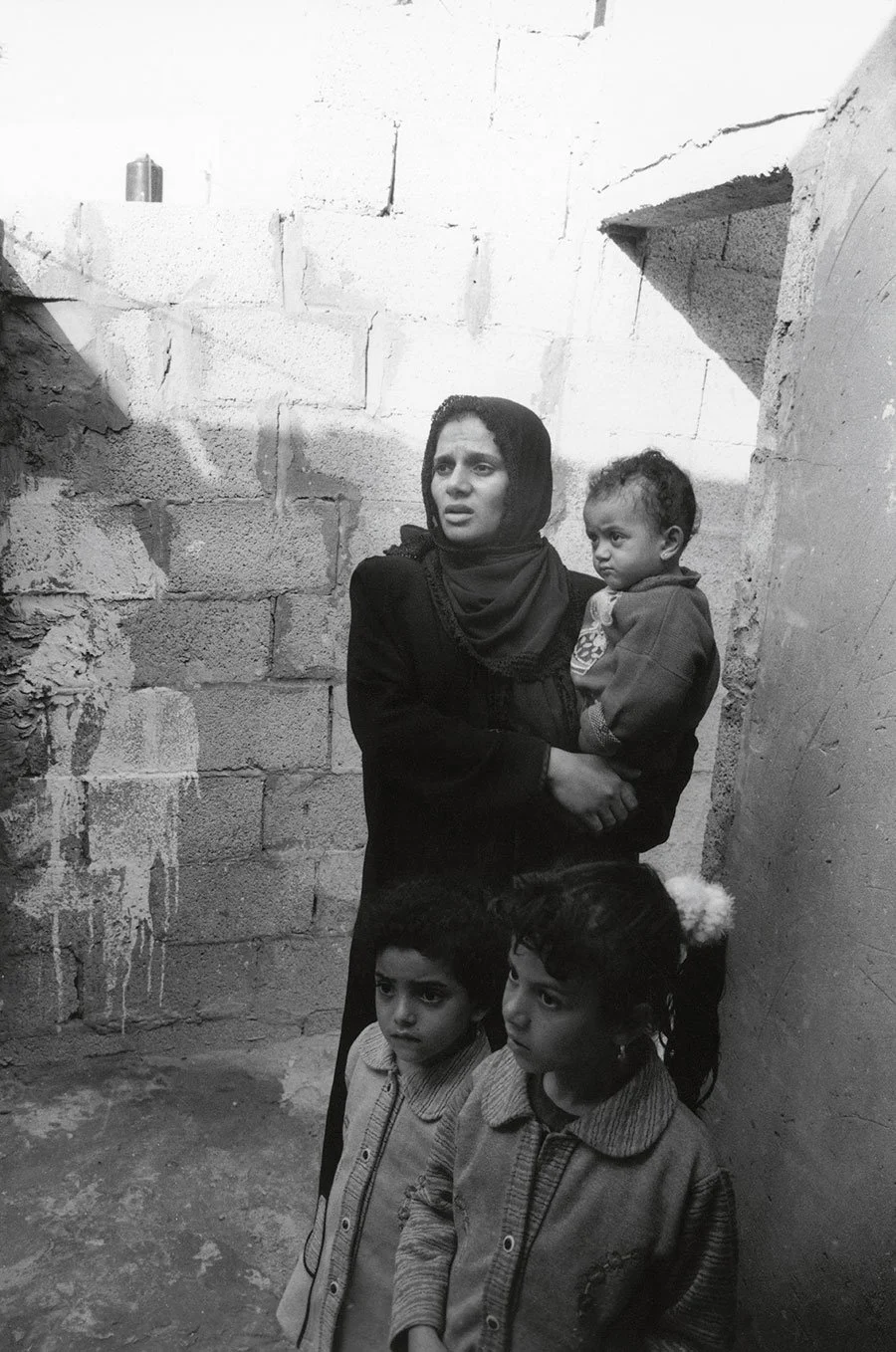
The book is structured around Mohr’s photographs of Palestinians in refugee camps, Lebanon, and the West Bank. Rather than using standard, neutral captions, Said provides deeply personal commentaries.
Said masterfully blends his own personal history of displacement with that of his people. He outlines how the Palestinian experience of losing their homeland has created a condition of perpetual outsidedness and unstable, discontinuous identity.
Said challenges the Western media's tendency to portray Palestinians strictly as either pitiful refugees or violent terrorists. He emphasises that the photographs capture ordinary, vital acts of continuance—people going to work, raising families, and living their lives
“Stateless, dispossessed, decentred, we are frequently unable either to speak the ‘truth’ of our experience or to make it heard. We do not usually control the images that represent us; we have been confined to spaces designed to reduce or stunt us; and we have often been distorted by pressures and powers that have been too much for us”.
The book remains a landmark text for understanding the Palestinian experience. It provides a profound look at how representation shapes identity, turning the narrative of victimhood into a story of resilience, persistence, and awakening community.
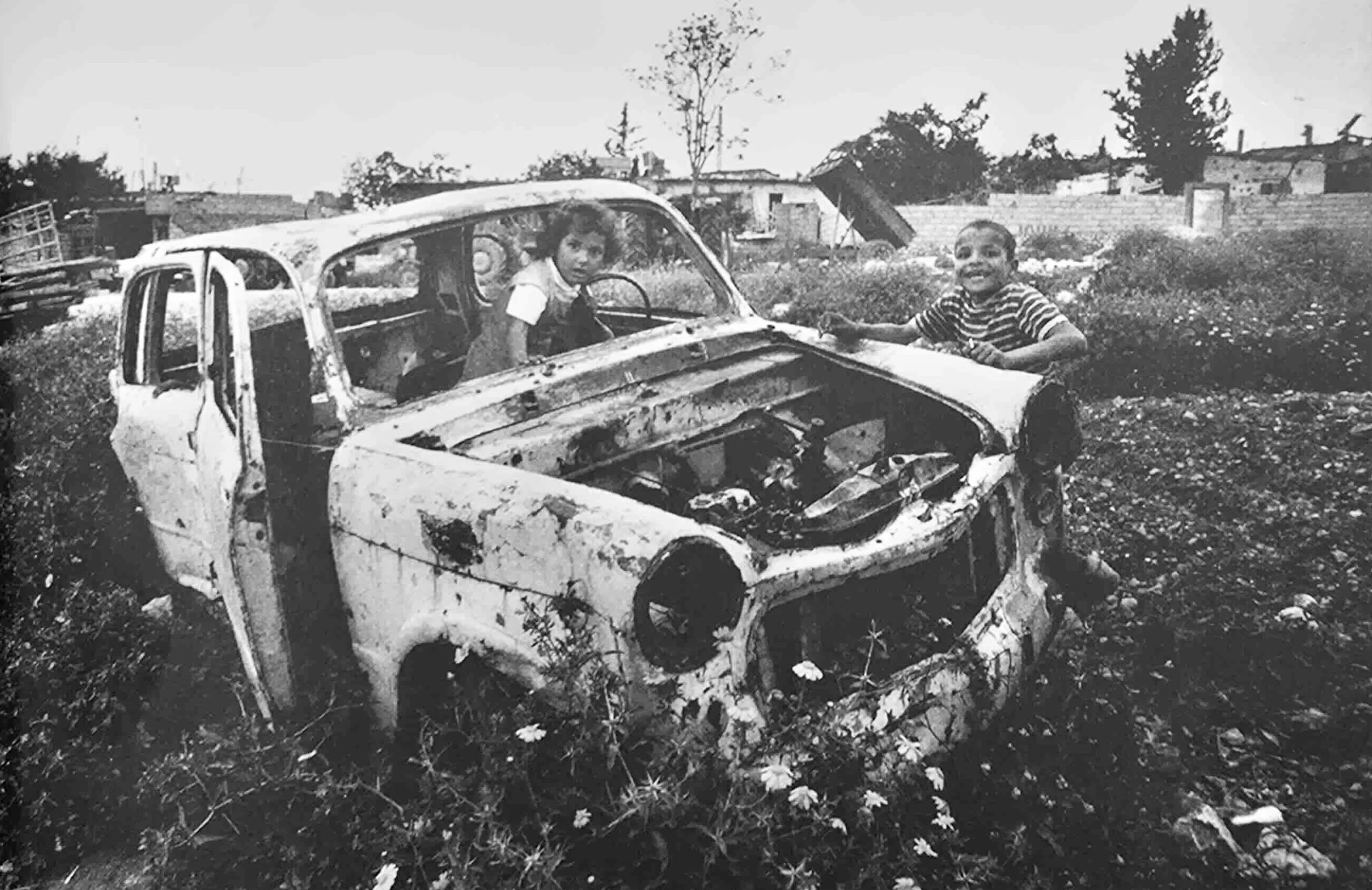
Image by Jean Mohr 1983
"Across our children's lives, in the open fields in which they play, lie the ruins of war, of a borrowed or imported technology, of cast-off or abandoned forms. For where no straight line leads from home to birthplace to school to maturity, all events are accidents, all progress is a digression, all residence is exile. We linger in nondescript places, neither here nor there; we peer through windows without glass, ride conveyances without movement or power. Resourcefulness and receptivity are the attitudes that serve best."
Words by Edward W. Said, photographs by Jean Mohr