The Comfort of Strangers
“There is a sense of mourning in the air. It is thin still, but it is real.
It is as if we are mourning not for what we have already lost, but for what we know we eventually will. For the first time in history humanity is mourning in the future tense.”
Ece Temelkuran
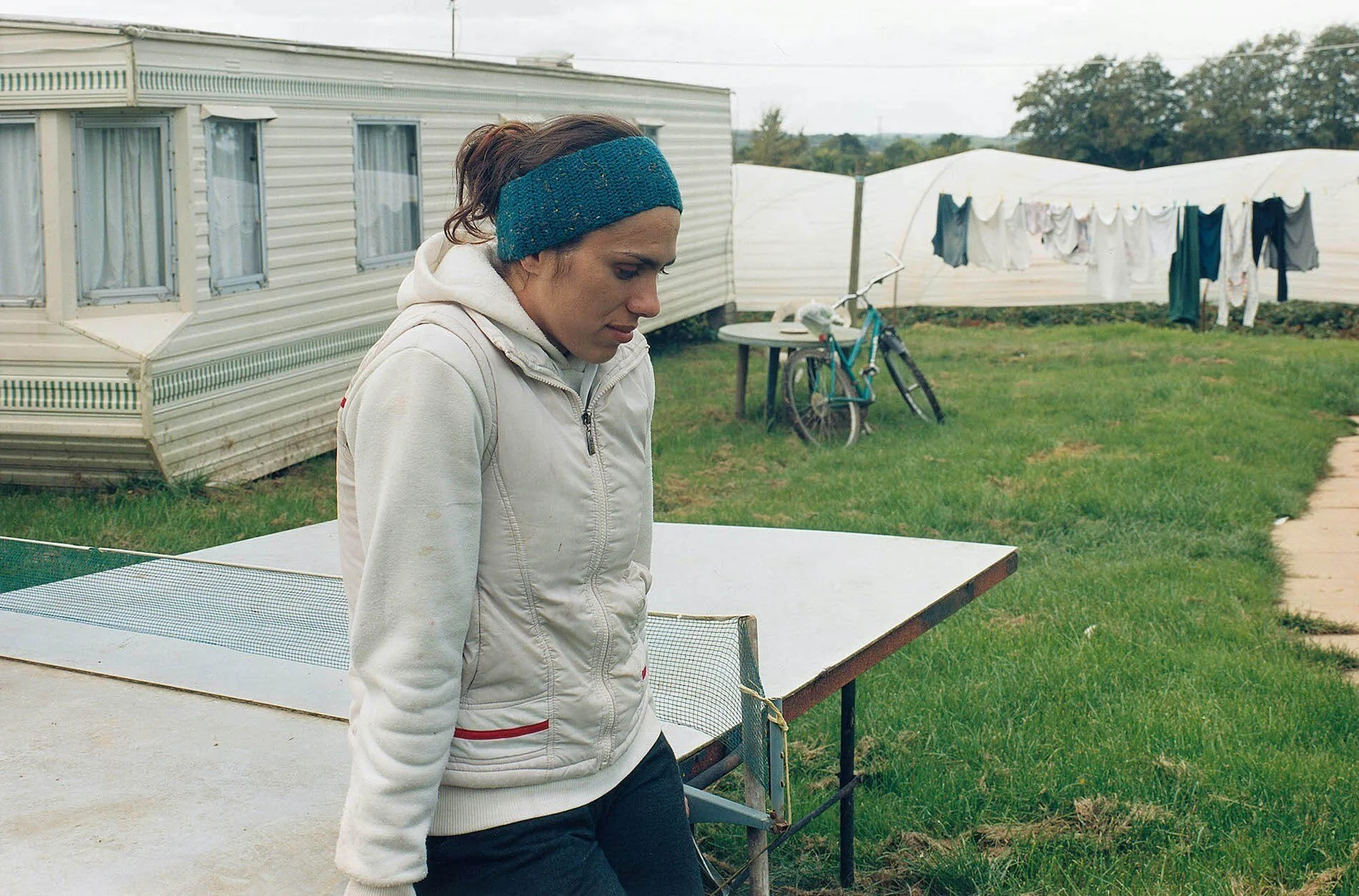
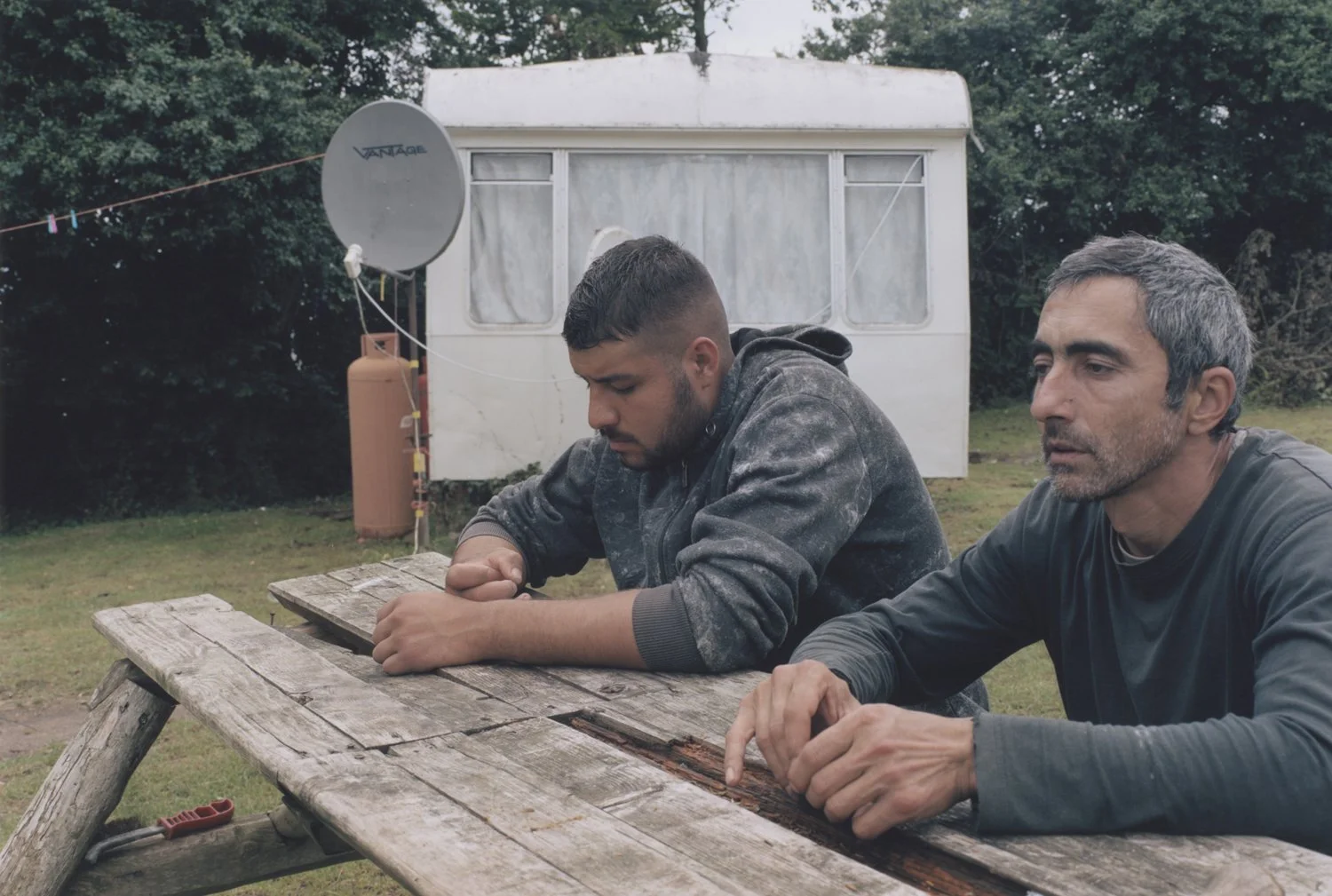
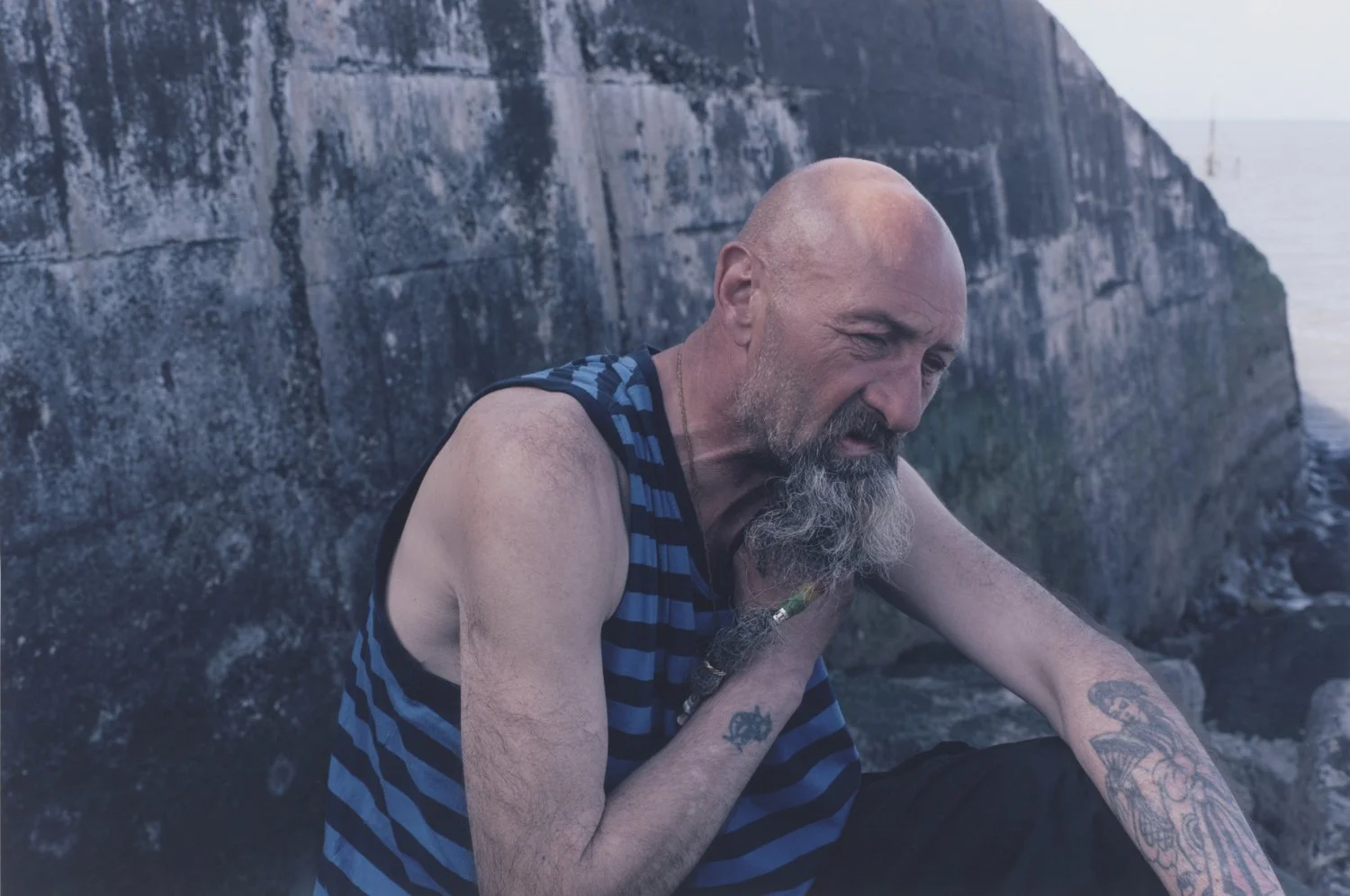
Image of a migrant worker in North Somerset by Tim Richmond, from Love Bites
As a postscript to my last blog post, I have just finished reading Ece Temelkuran’s new book Nation of Strangers. The growing sense of alienation and powerlessness she describes, and our collective anxiety in an uncertain world, are feelings that I have certainly felt in recent months against the backdrop of war, unimaginable levels of human cruelty, fake news and misinformation.
Across the world the number of refugees and exiles, the dispossessed and the displaced, and the politically homeless and the economically excluded is growing. Refugees, misfits, outcasts, outsiders, squatters, drifters, the new poor and those who live outside societal norms, it seems we are all becoming uprooted, ‘unhomed’ and increasingly, in Temelkuran’s words, a ‘Nation of Strangers’.
“When our basic human values don’t match up to the blunt cruelty of the new world order, we become morally homeless. Like rough sleepers do with their belongings in supermarket trolleys, we carry our moral values from one shelter to another, trying to find a temporary home for them during this long night of inhumanity”.
Temelkuran finds a small, but highly significant, ray of light in the ‘new politics of togetherness’ that exists through our interactions with fellow strangers. Her observations in this regard are insightful and beautifully expressed:
“I pause to see the faces. Some of them are wrestling with capitalism, undecided whether to attack it from the margins or transform it from within. Some rescue refugees from the sea, while others save the sea from people. Some are working with the poorest, some with the richest, to steer the course of history from extinction to sustainability. Some think that if enough people can participate in the decisions, it will get better; some believe that the masses have gone too insane to be allowed to participate. Some believe that blowing up a pipeline would do it, and some hope to shake up the masses by throwing paint at masterpieces in museums. All have good reasons, and every one of them does their best.
How are we going to survive while also keeping our humanity intact? Some of us are already answering this question by establishing self-sustaining communities and learning to live off the land. Others find solace in the belief that we can alter the apocalyptic trajectory of history by creating a large enough sense of togetherness through political sensibility and moral values”.
Words by Ece Temelkuran, from Nation of Strangers
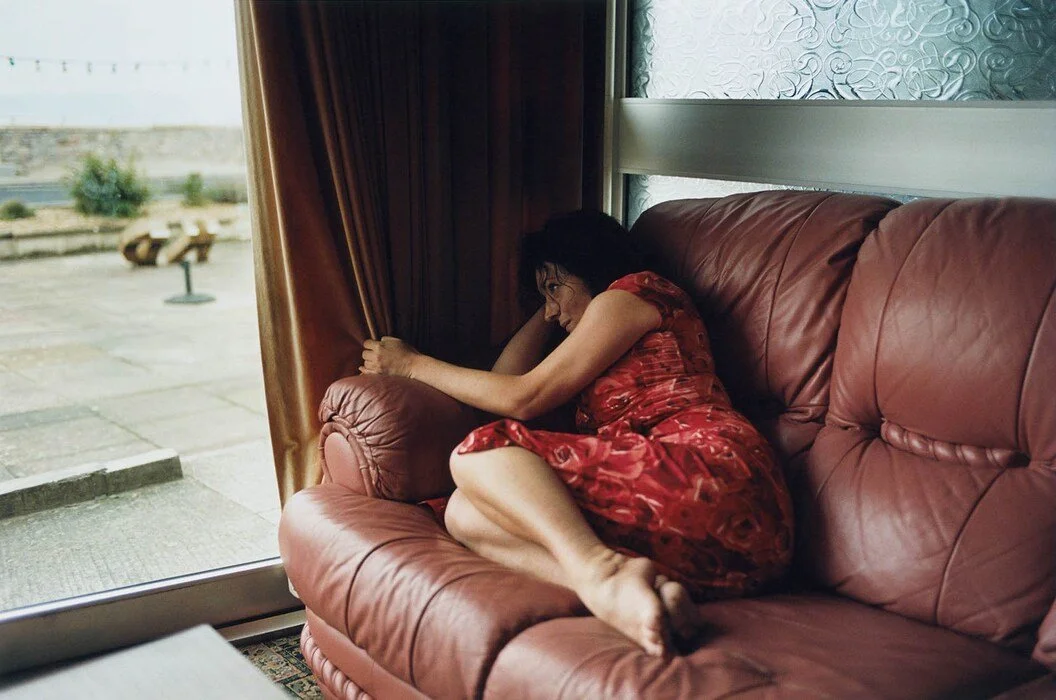
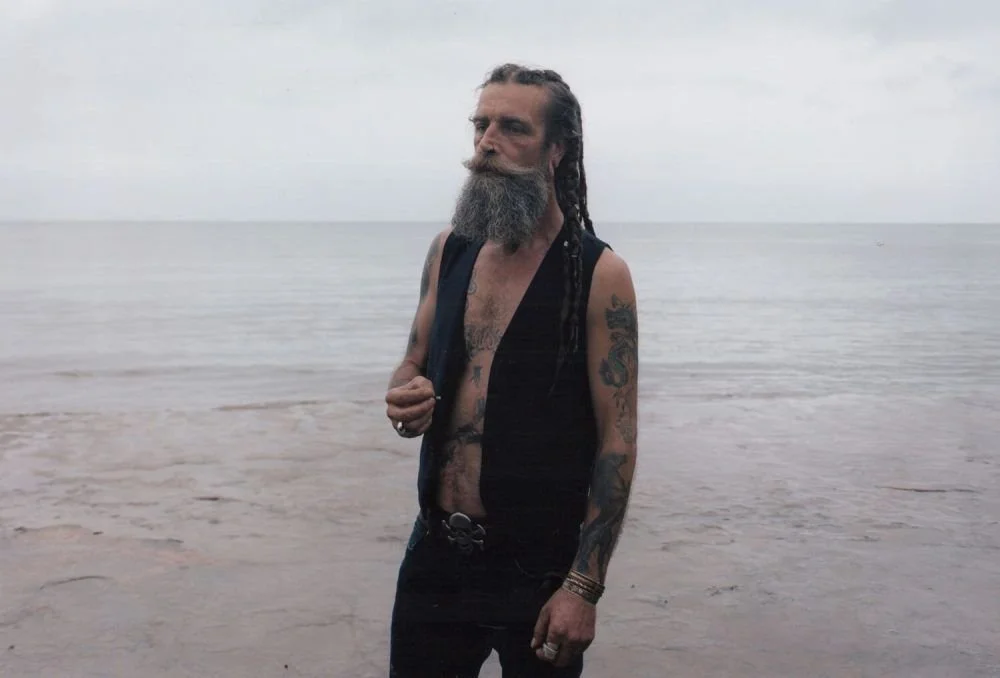
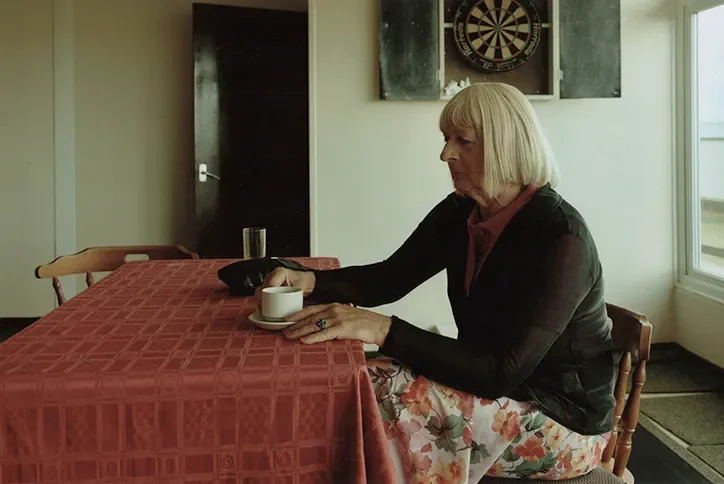
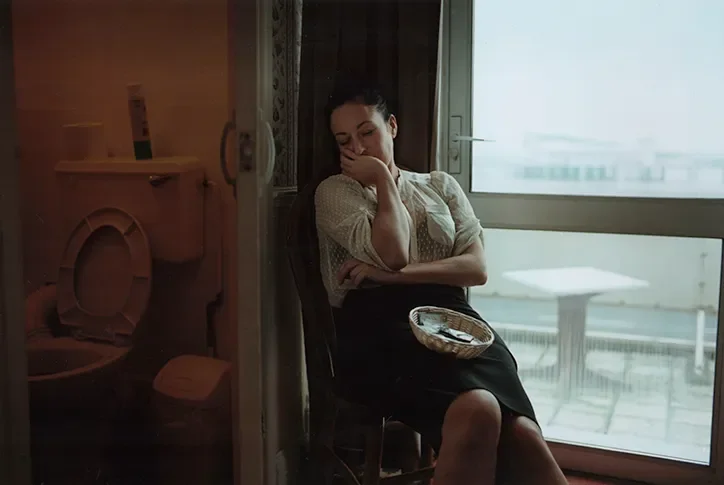
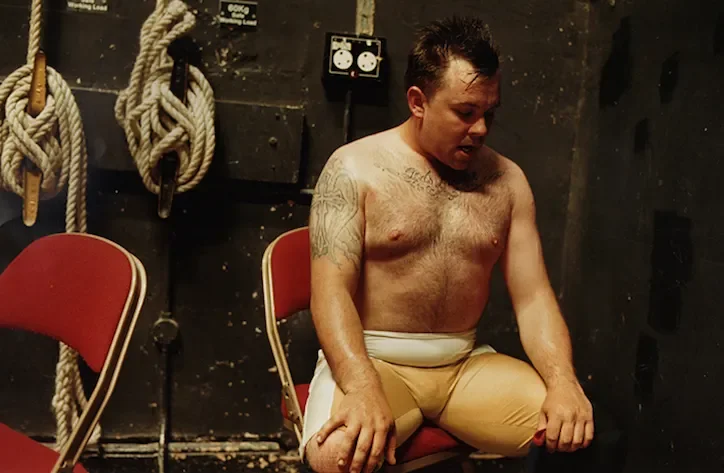
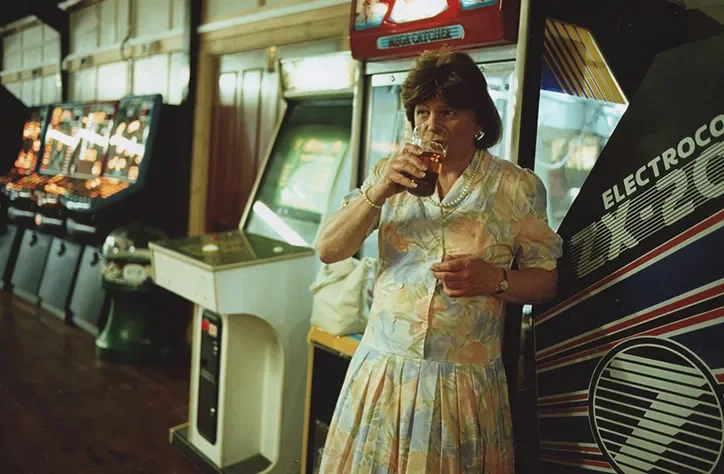
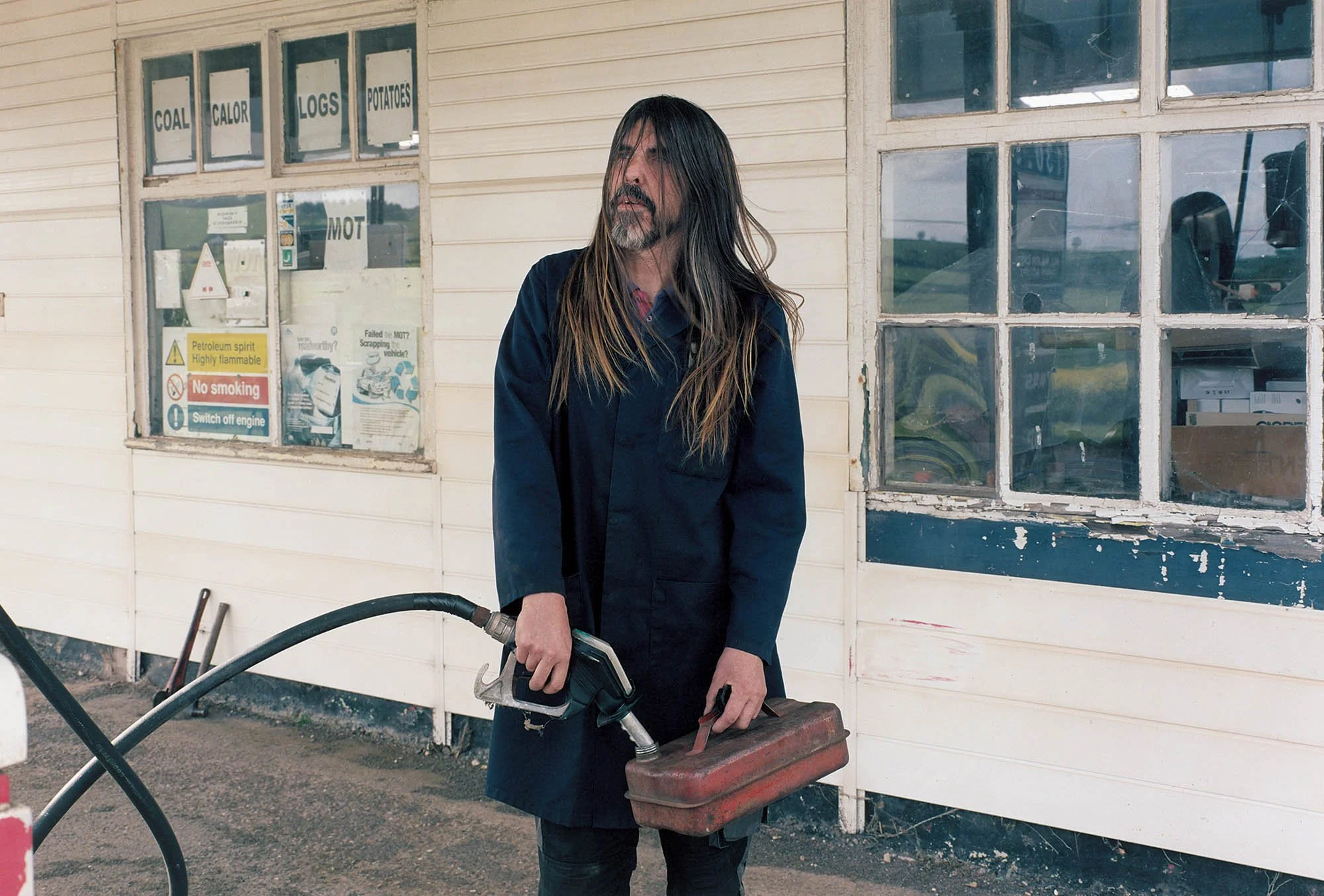
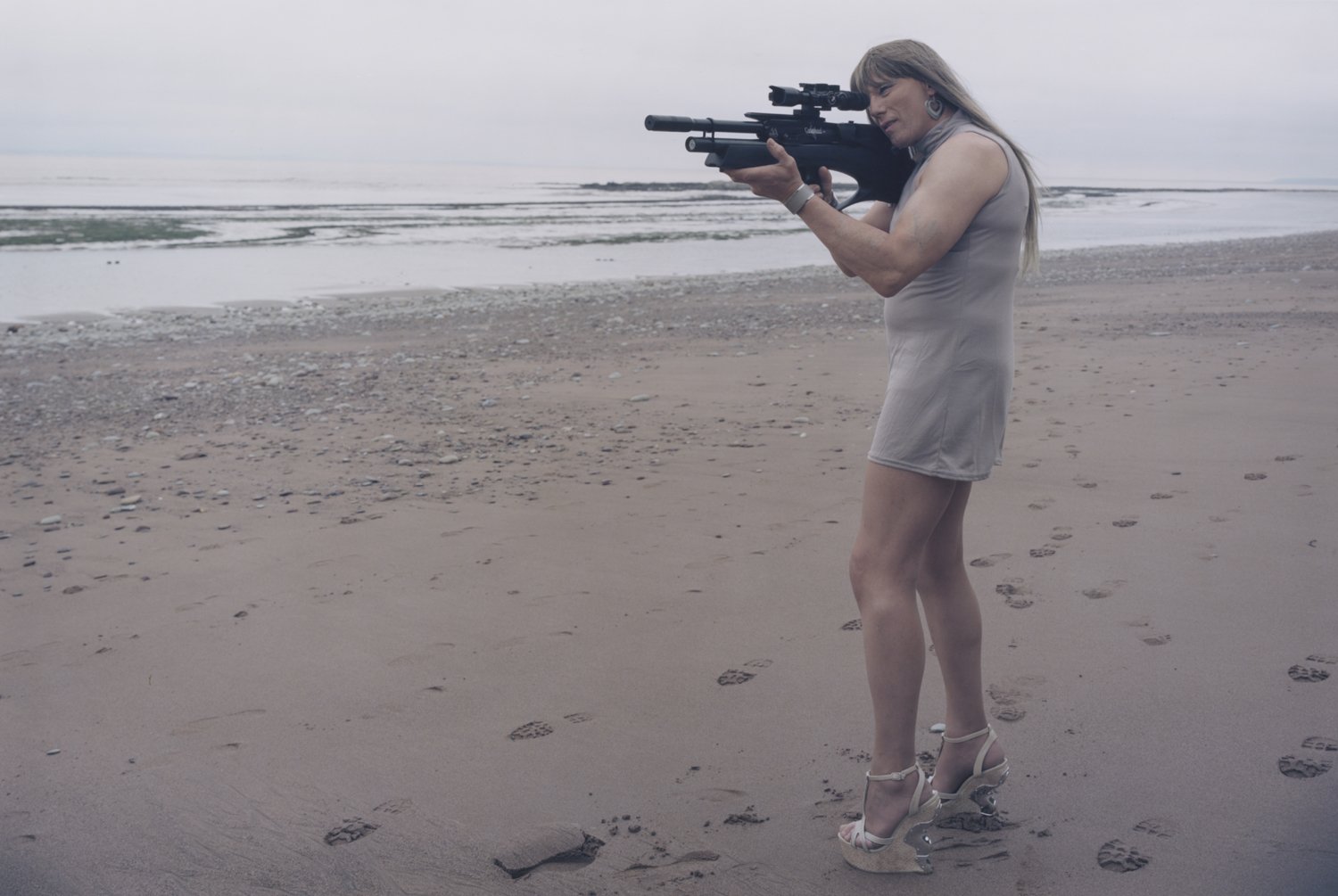
Images by Tim Richmond, from Love Bites