An Enemy of the People - you’re either for us, or against us
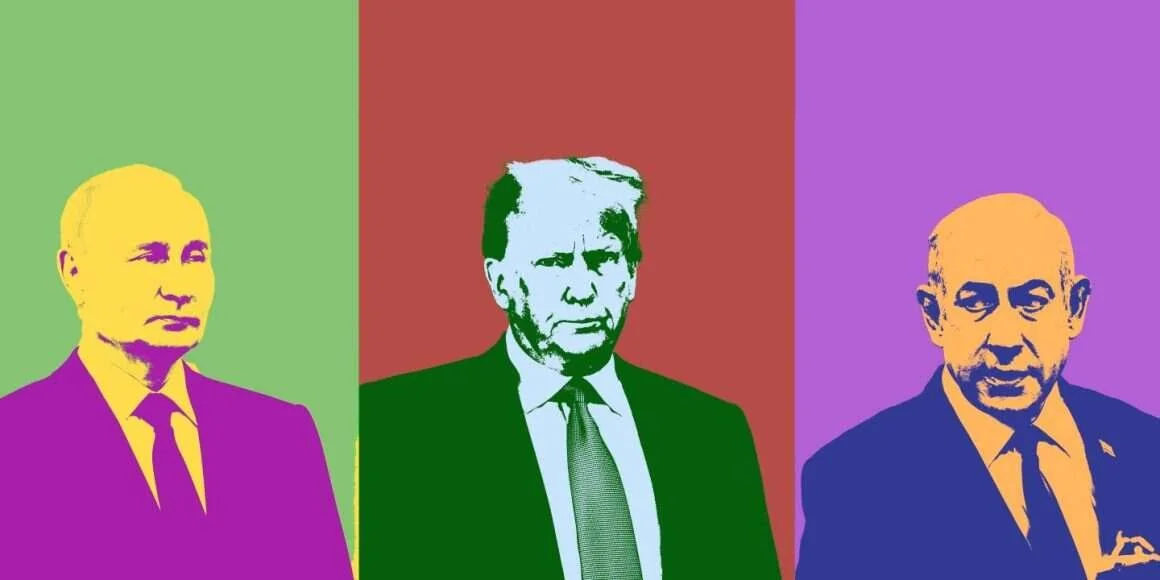
AI generated triptych of Vladimir Putin, Donald Trump and Benjamin Netanyahu
Some 45 years ago, I read Henrik Ibsen’s An Enemy of the People on a long bus journey, a play that warns that society will gladly suppress inconvenient truths when public health and environmental crises clash with financial or political interests. Although written in 1892, the play had a strong resonance with what I felt to be the political zeitgeist in 1980.
In the play, Dr. Thomas Stockmann, a medical officer for the town's newly opened spa baths, receives scientific proof that the water is severely contaminated by industrial runoff and is causing tourists to become ill. Believing he has saved his town from a major public health disaster, he shares his findings with local newspaper editors who promise to champion his cause.
Initially, the townspeople and the media support Dr. Stockmann, viewing the mayor as corrupt and not acting in their best interests. However, the mayor quickly convinces the town's property owners and working class that shutting down the baths will cause heavy tax increases and job losses. Fearing financial ruin, the newspaper editors fold and refuse to publish Thomas’s exposé.
Isolated by the press, Dr. Stockmann calls a town meeting to explain the situation directly to the public. Instead of letting him speak about the contaminated water, the mayor and the townspeople conspire to declare the meeting "unlawful" and successfully deny him the floor. Exasperated, Dr. Stockmann pivots his speech to attack the "compact majority," arguing that society is ruled by corrupt, ignorant fools who value money over moral truth. Following the meeting, the town is whipped into a frenzy and brands Dr. Stockmann an "enemy of the people".
This week I read Ece Temelkuran’s 2019 book How to Lose a Country: The Seven Steps from Democracy to Dictatorship, which addresses how ‘the people’ assemble behind audacious populist leaders who declare that the current political system is dysfunctional and corrupt, and create ‘newly-built, fast-moving vehicles for the rich, a means by which the ruling class get rid of regulations that restrain the free-market economy by throwing the entire field of politics into disarray”.
Right-wing popularist leaders rely on distractions. They say something controversial and watch as the media furore kicks off and people get agitated by it. When people are concentrating on reacting to their absurd pronouncements, they shift the narrative to suit their own ends. Typically being staunch climate emergency denialists, they demonise immigrants, decry international law, attack experts and journalists as ‘liars and fakes’ and declare those who do not agree with their views to be ‘terror supporters’ or unpatriotic left-wing lunatics, de-facto ‘enemies of the people’.
The alarming thing is how readily the public goes along with this blatant manipulation of the truth. We know that technology and propaganda are deeply intertwined. Modern influence operations rely on algorithmic curation, social media reach, and generative AI to shape public opinion and manufacture consent.
Temelkuran argues that it all comes down to dictators wanting idealised citizens who conform to the ‘great’ leader’s vision or cause. They use all the media tools at their disposal to weaponise public anxiety by ‘manufacturing victimhood’. For example, the Brexiteers’ ‘take back control’ mantra convinced large sections of the voting public that being a member of the European Union had somehow deprived Britain of its greatness, and Nigel Farage’s so-called Reform Party is still riding that wave in pursuit of power and political control.
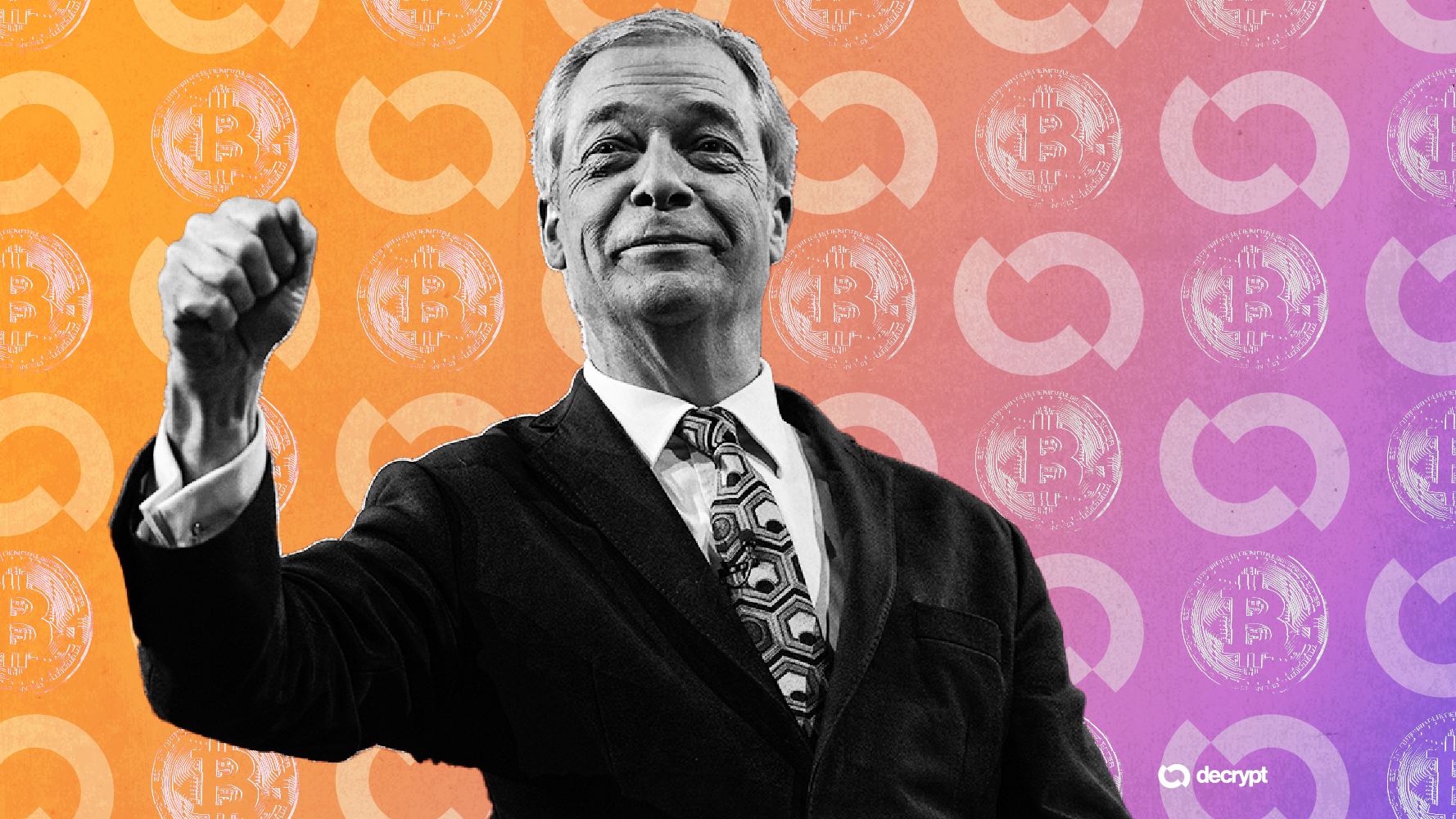
AI generated image of Nigel Farage ‘taking back control’ of his cryptocurrency investments
Vladimir Putin’s narrative of manufactured victimhood is a core political strategy that portrays Russia as an eternal, blameless target of Western aggression. By reversing the roles of aggressor and victim, the Kremlin justifies imperial expansion, masks deep economic vulnerabilities, and demands absolute submission from its citizens.
Netanyahu weaponises historical trauma, particularly the Holocaust and existential threats to the Jewish people, to deflect from internal political crises and to legitimise aggressive military policies, genocide, ecocide and illegal settlement in Palestinian territory.
Manufactured victimhood is a deep-seated part of Trump’s identity and he has successfully leveraged the politics of grievance, blame and hate against marginalised communities while at the same time playing the role of champion of the disenchanted. Trump’s core message throughout the 2024 US election campaign was that Americans were being victimised by the “woke” agenda of a corrupt and politically insincere Biden administration, and that he, Trump—a multi-millionaire turned reality television star turned US president turned demigod of the far-right—was somehow the biggest victim of them all.
Dictatorships have no rigid or set ideology. They morph and reshape the agenda as it suits them. It reminds one of George Orwell’s Animal Farm and the way that the pigs’ messages to all the other animals kept changing throughout the story. "Four legs good, two legs bad" becomes “four legs good, two legs better” once the pigs begin walking on their hind legs and mirroring human behaviour. And then “all animals are equal, but some animals are more equal than others”: the ultimate corruption of the farm's original philosophy, justifying the pigs ruling over and exploiting the other animals. The situation seems laughable, but as the grip of the dictators increases, the laughter becomes a poison in its own right.