Our Friends in Stuttgart - the importance of meaningful international collaboration
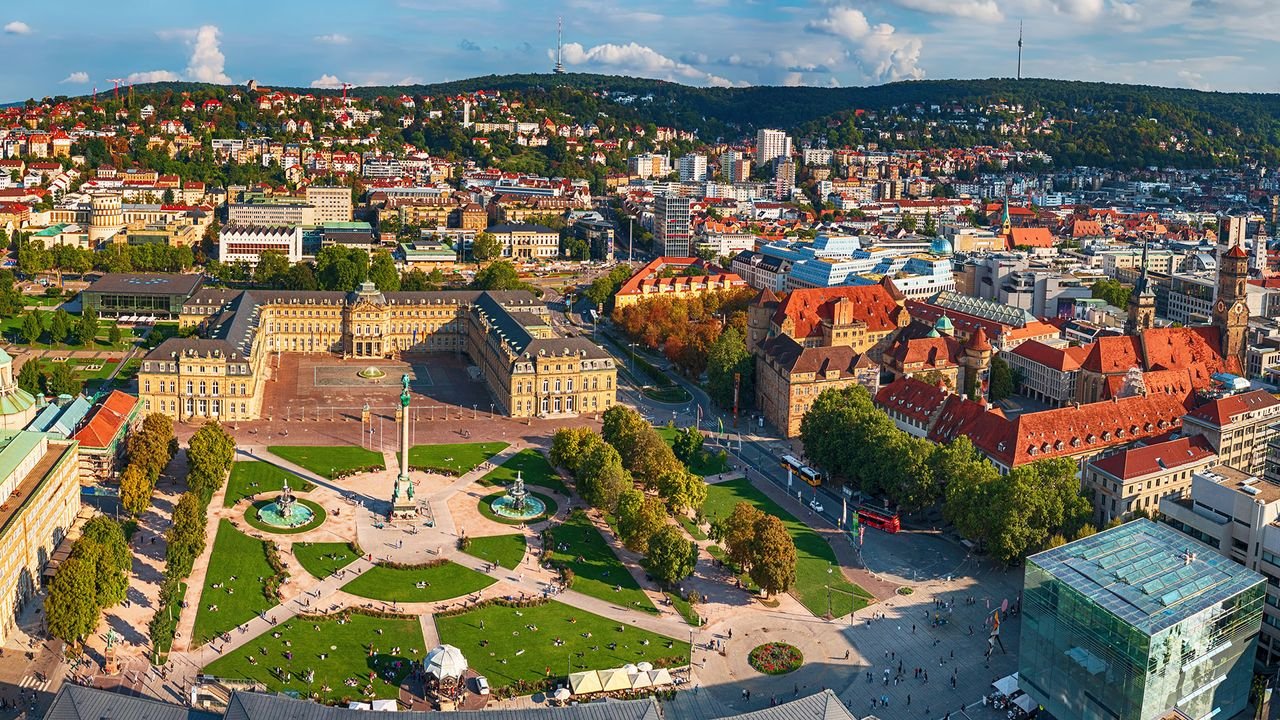
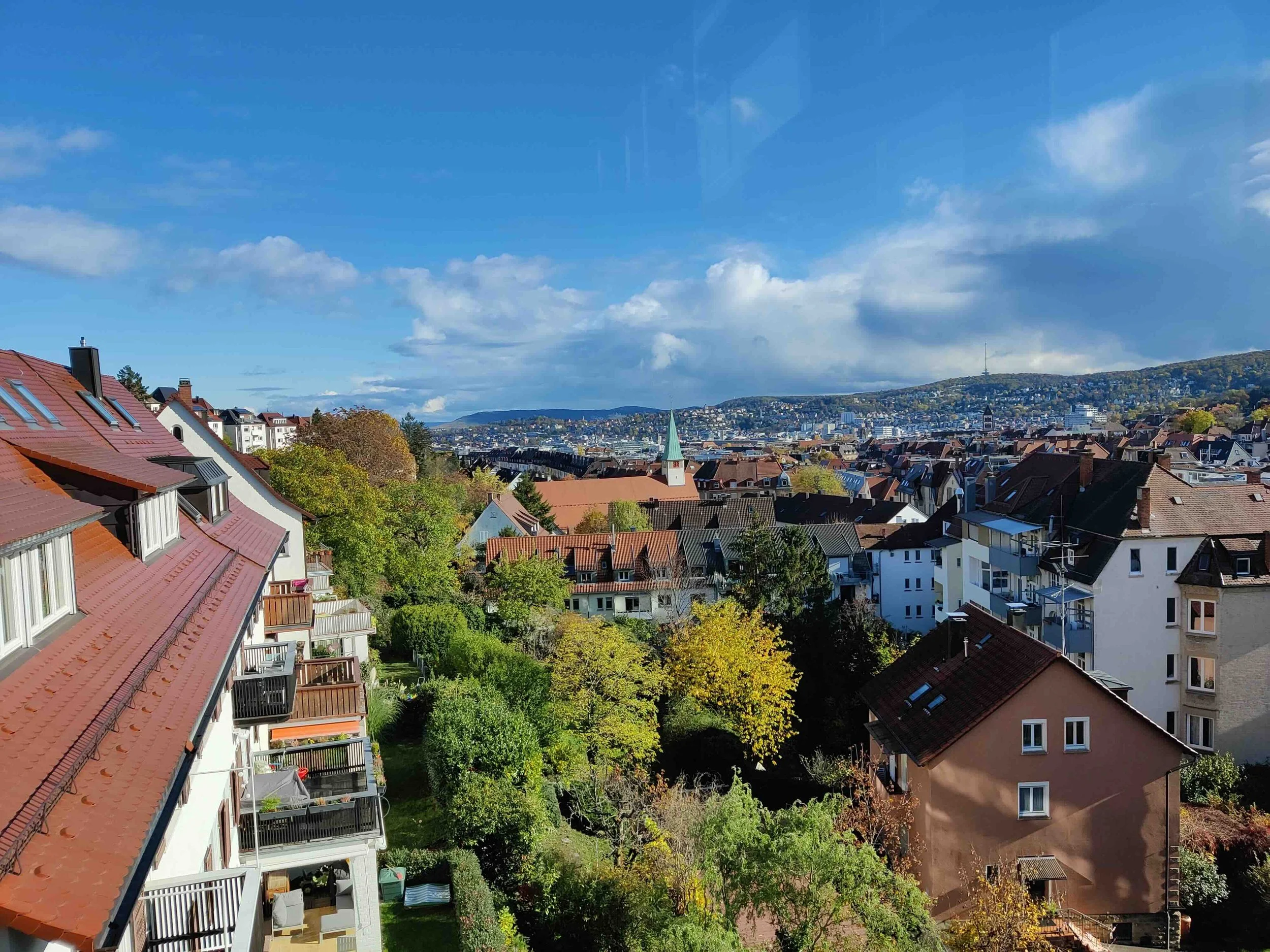
A bird’s eye view of the city of Stuttgart
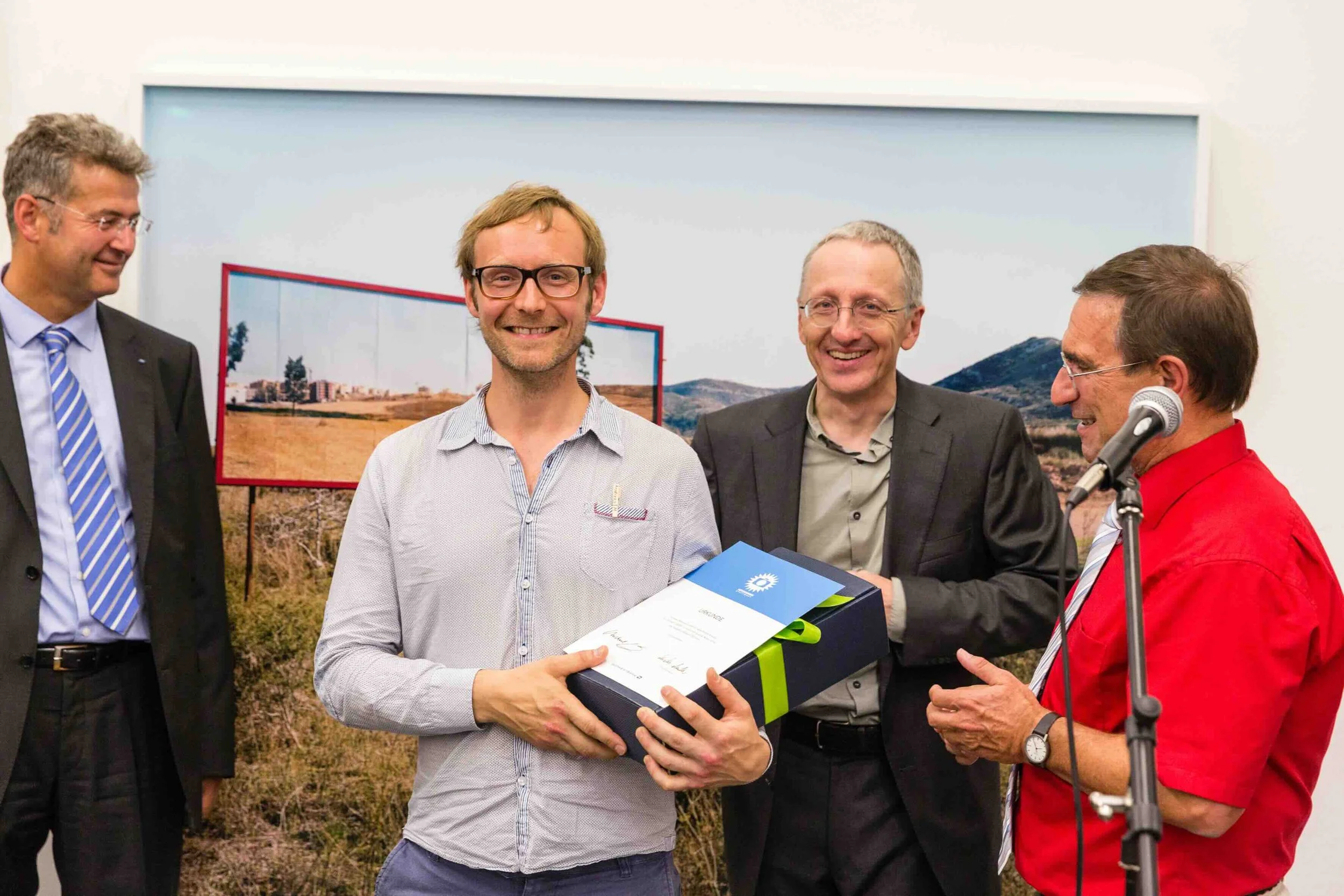
By 2010 Fotosommer Stuttgart, founded in 2002, had developed into the largest festival of photography in Southwest Germany. The organisers sought to build an artistic dialogue with photographers from one or more of Stuttgart’s international twin cities. Cardiff was the partner of choice for the 2010 festival, being home to Ffotogallery, the national development agency for photography and lens-based media in Wales.
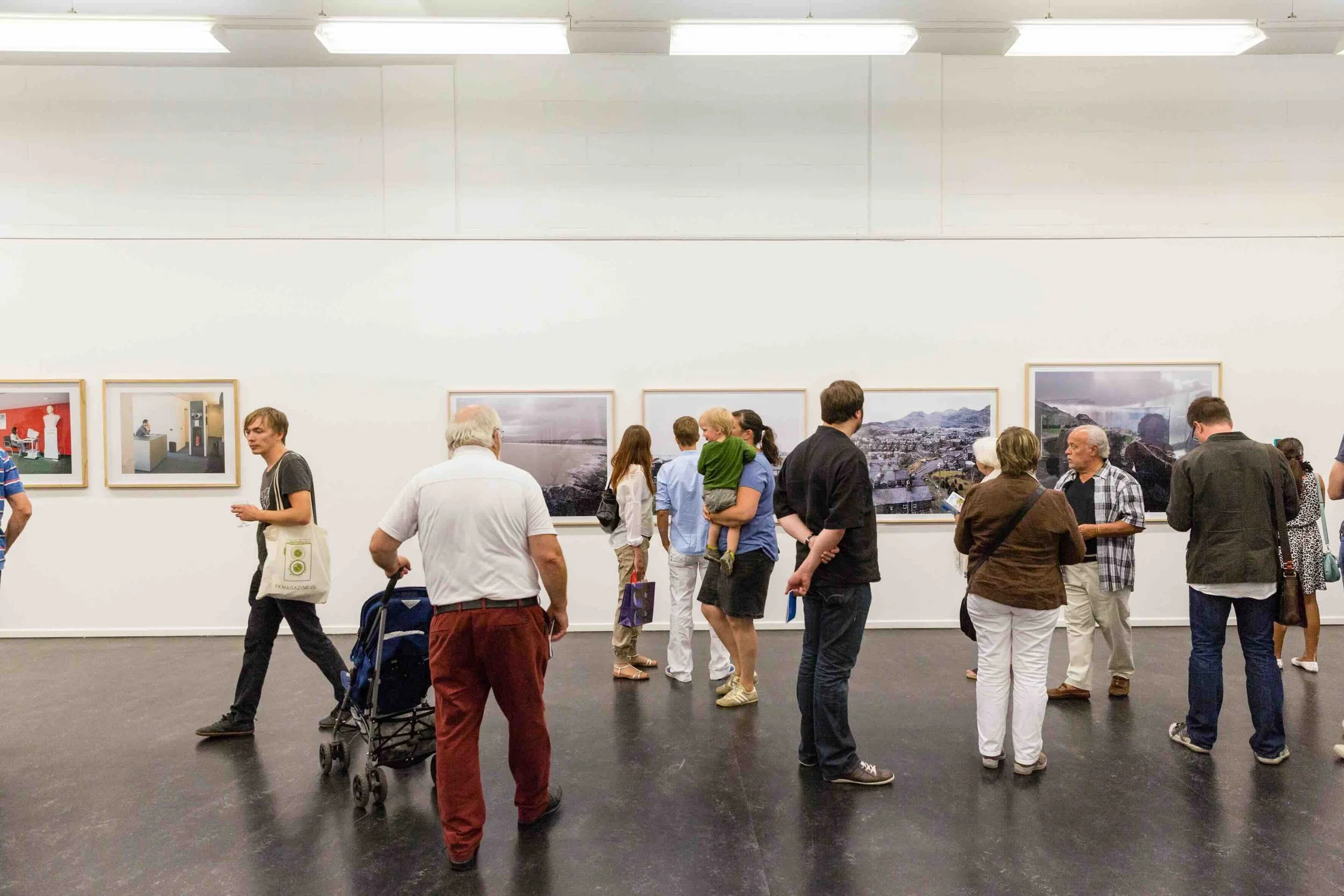
Dyma Ni – Here We Are, an exhibition I curated for Fotosommer 2010, featured eight Wales-based photographic artists who showed their work in Stuttgart’s city hall. Ffotogallery’s presentation within the framework of Fotosommer 2010 became, as it emerged later, the prelude to a lasting cooperation between the two organisations.
Common ground was found, leading to further meetings. Contact was intensified through mutual visits, exchanges and dialogue around our respective curatorial practice and shared values. The prevailing scientific discourse on Europe’s ways of understanding the diverse dimensions of the European concept – which underline that “Europe as imagined and wanted is always connected to the question of Europe as lived in social practice and reality“ (Hartmut Kaelble, René Girault) – led to the further question of whether a possible European deficit of identity might present itself as an 'iconographic deficit'.
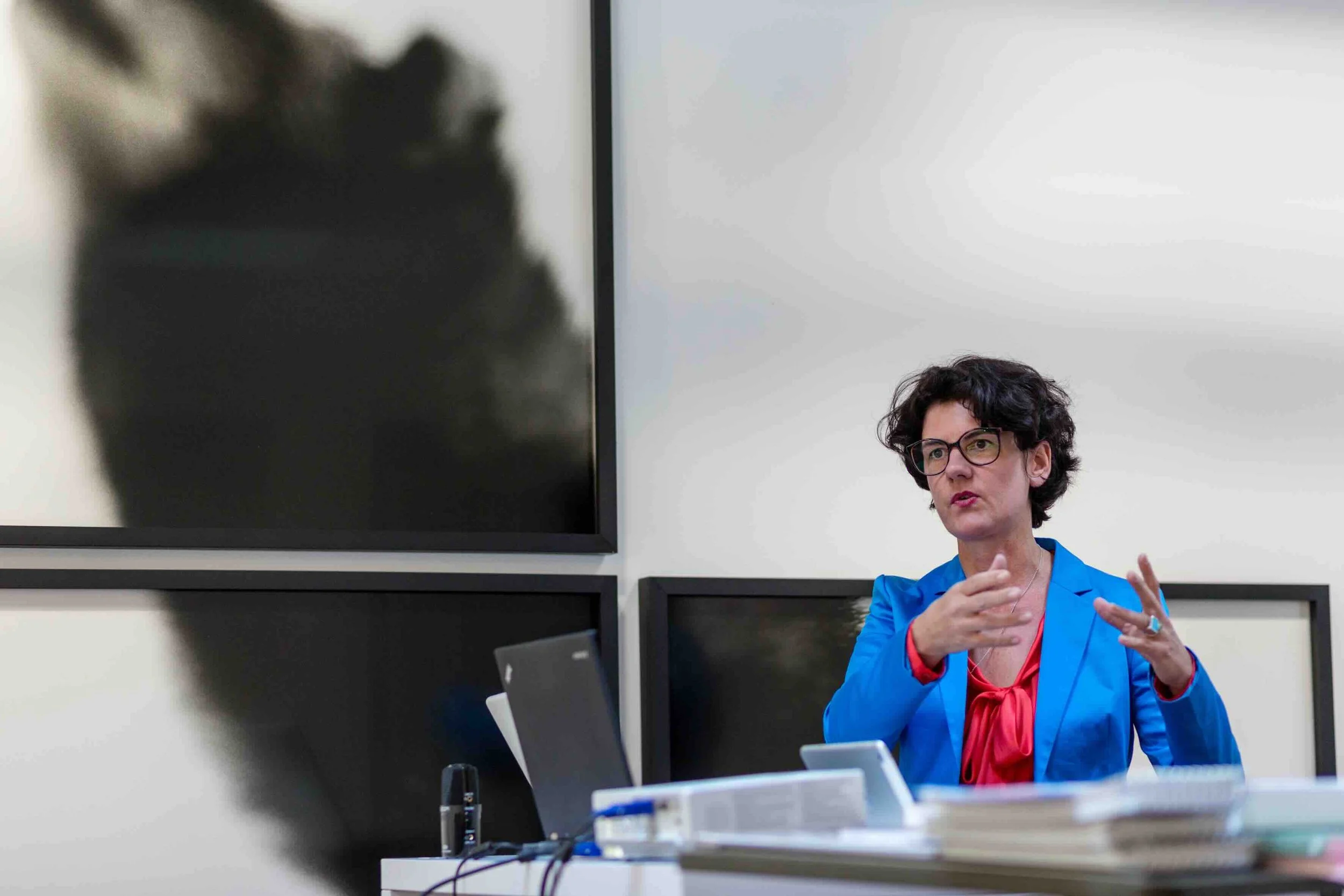
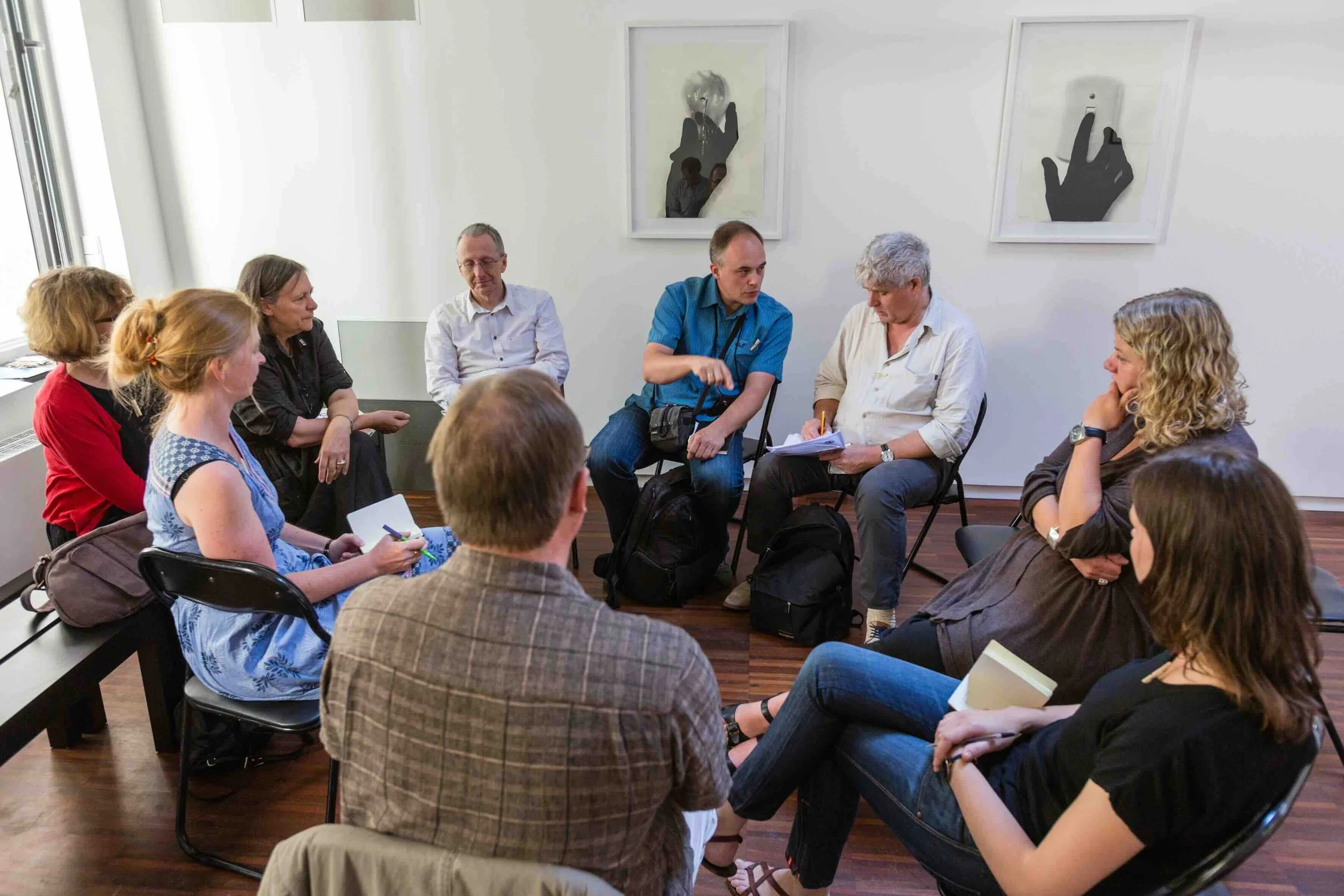
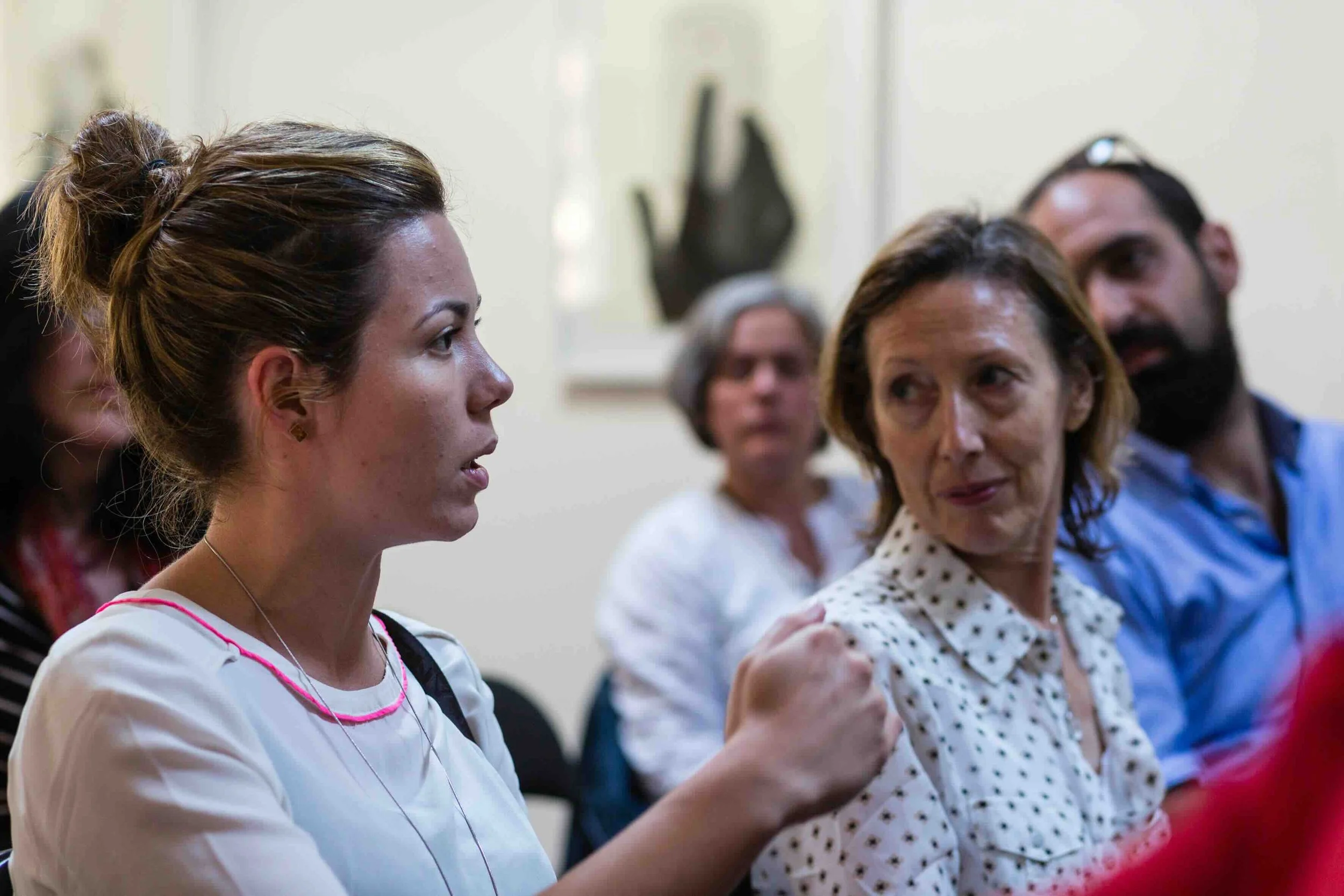
Initial research explored the possibilities of a joint international project. It involved conversations with prospective new partners from European Union member states. Fotosommer Stuttgart sent out invitations for a conference and series of workshops, to be held in Stuttgart in July 2012. This event, organised at The Stuttgart State Academy of Art and Design in collaboration, aimed to open up a continuing dialogue between artists, curators and cultural professionals.
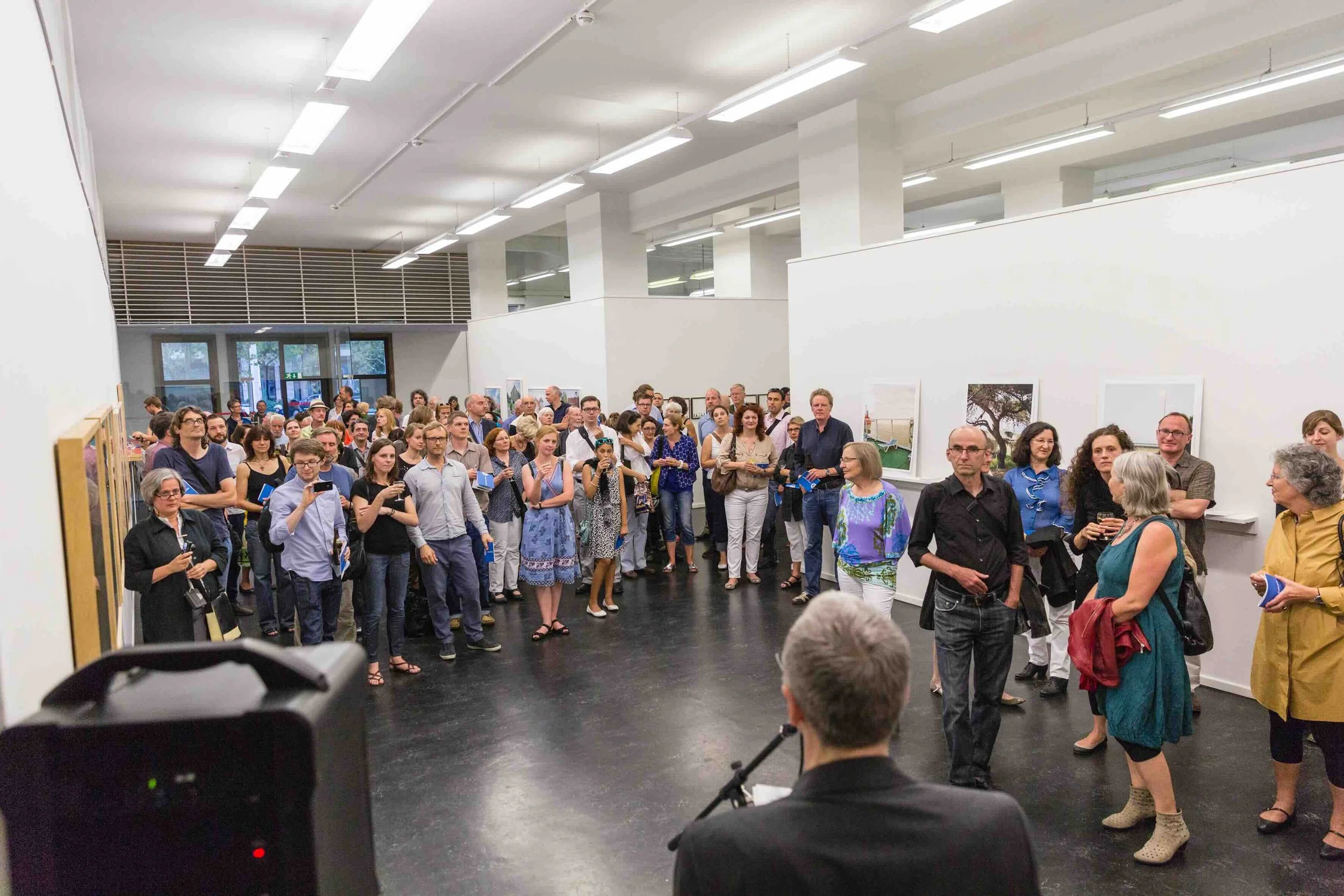
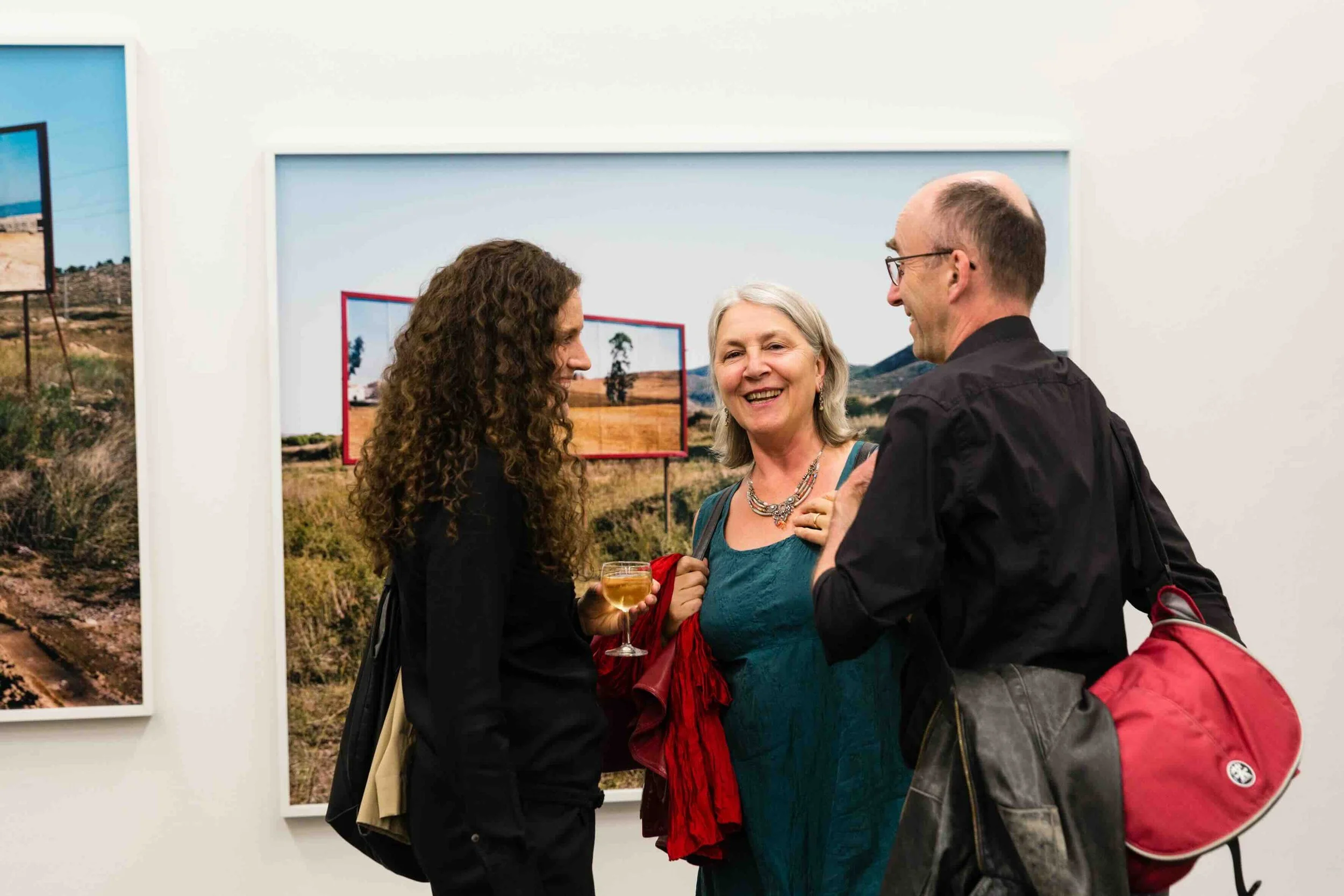
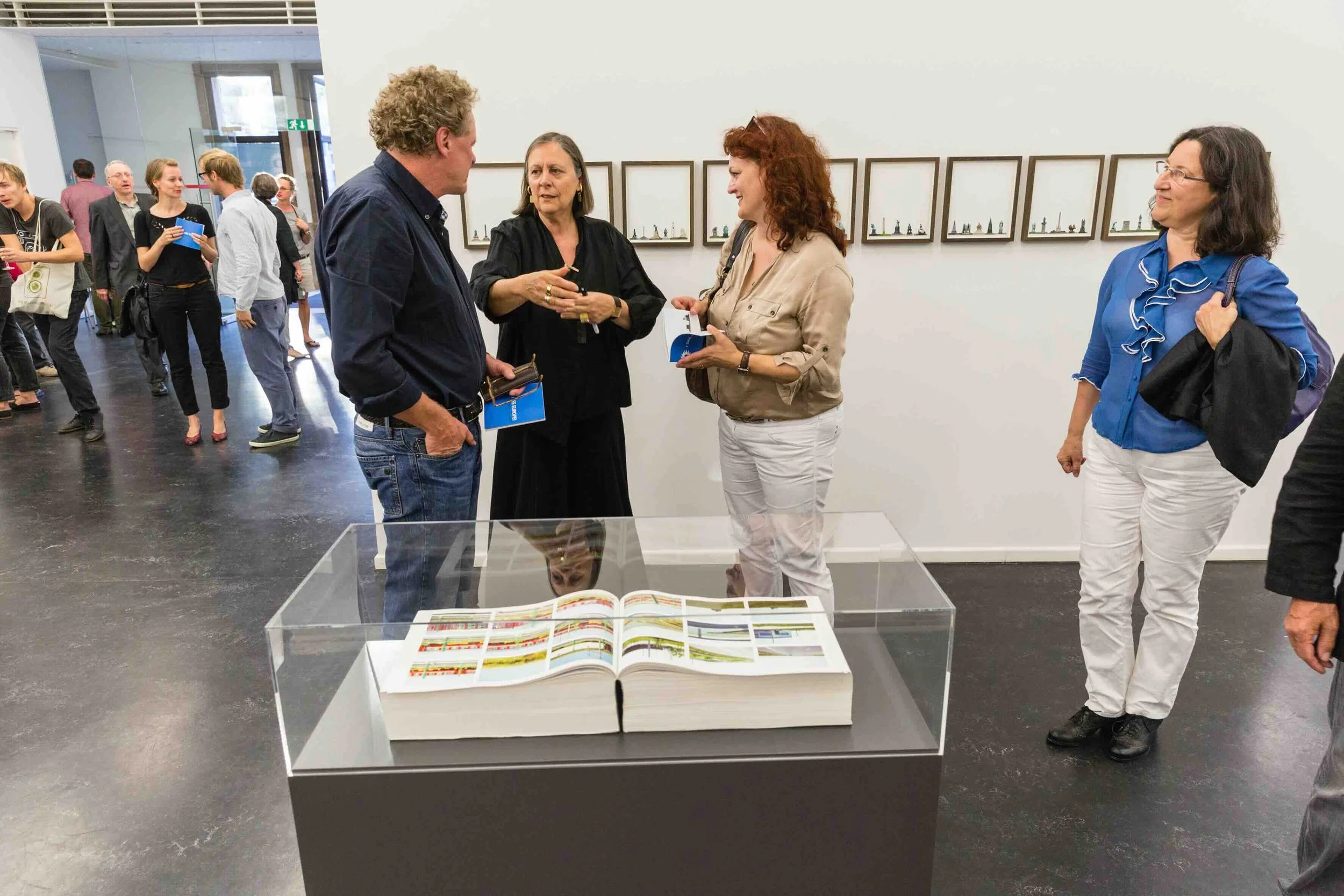
Sixty participants from the partner nations as well as from England, Belgium and the United States came together to discuss the similarities and differences in the perception of ‘Europe’, particularly with regard to the visual representation of the continent and its organisations. The conference was supported by an exhibition of fourteen photographic positions from the participating partner nations, which was shown under the title ‘Europe as lived’. The presentation clearly demonstrated that although European identity had been a topic in various fields of research for a long time, images, and particularly photographic images, had rarely been studied regarding their role in creating a common European identity. A year later, European Commission funding was granted to develop the two-year European Prospects intercultural project.
Coinciding with the I See Europe! Exhibition in 2013 Fotosommer Stuttgart hosted Centre and Periphery: or How to put Yourself on the Map, a seminar which focused on issues around mobility and artist opportunities within Europe. During this three-day workshop artists and curators from around Europe debated questions around visual convergence in an increasingly mobile society and how to become more visible in Europe’s art-world. The event brought together fifty artists and cultural professionals from across Europe.
2015 marked the 60th anniversary of the twinning of Cardiff and Stuttgart, and Ffotogallery was invited by its German partner Fotosommer to co-curate an exhibition looking at the differences and commonalities of the two cities in terms of their post war experience of regeneration. The exhibition A Tale of Two Cities showed at the Kunstbezirk in Stuttgart in August/September 2015, and was presented in Cardiff in the autumn that year. The exhibition brought together the work of 23 photographers, including Martin Parr, David Hurn, Maciej Dakowicz, Hannes Killian and Eva Schmeckenbecher.
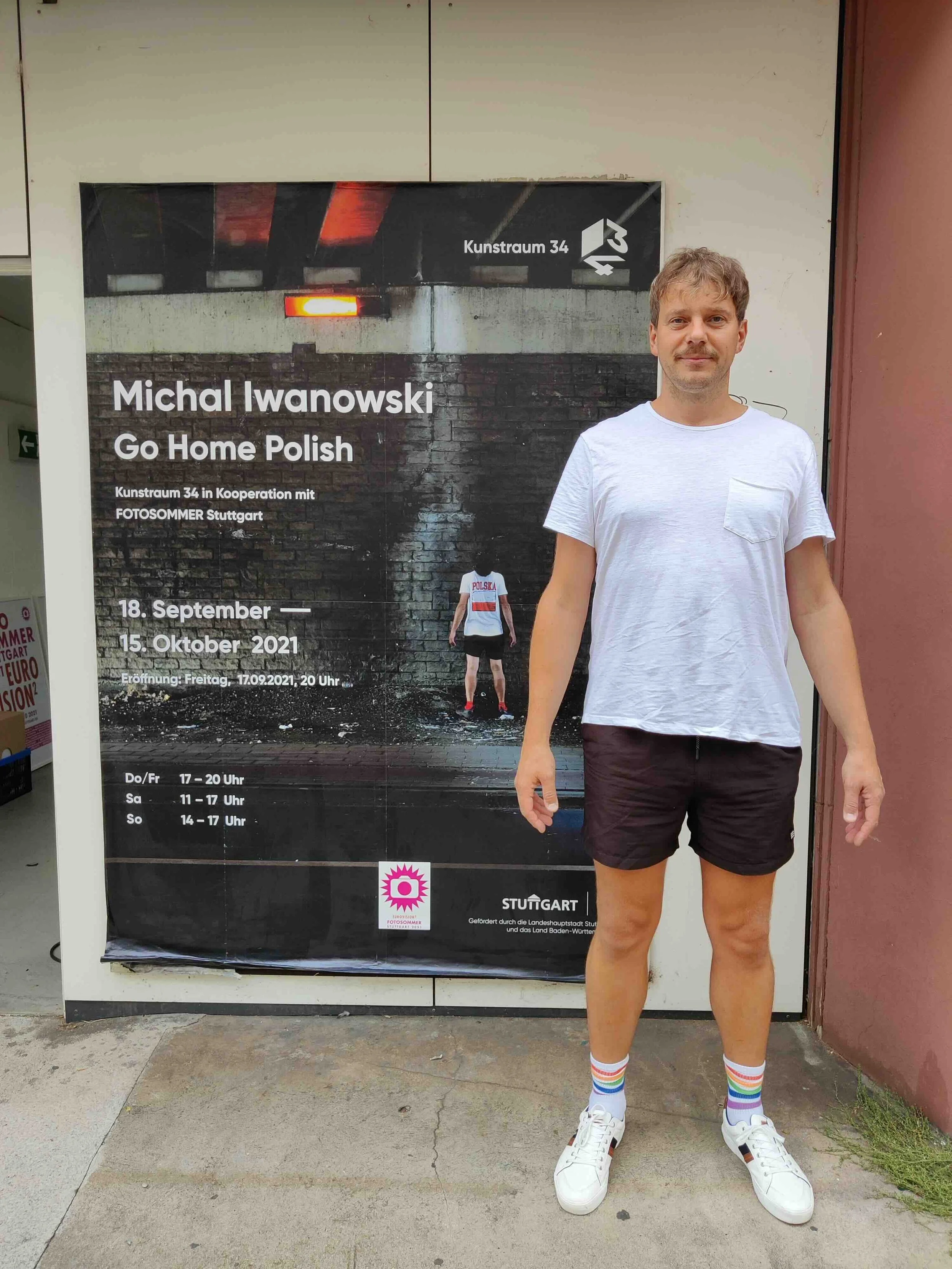
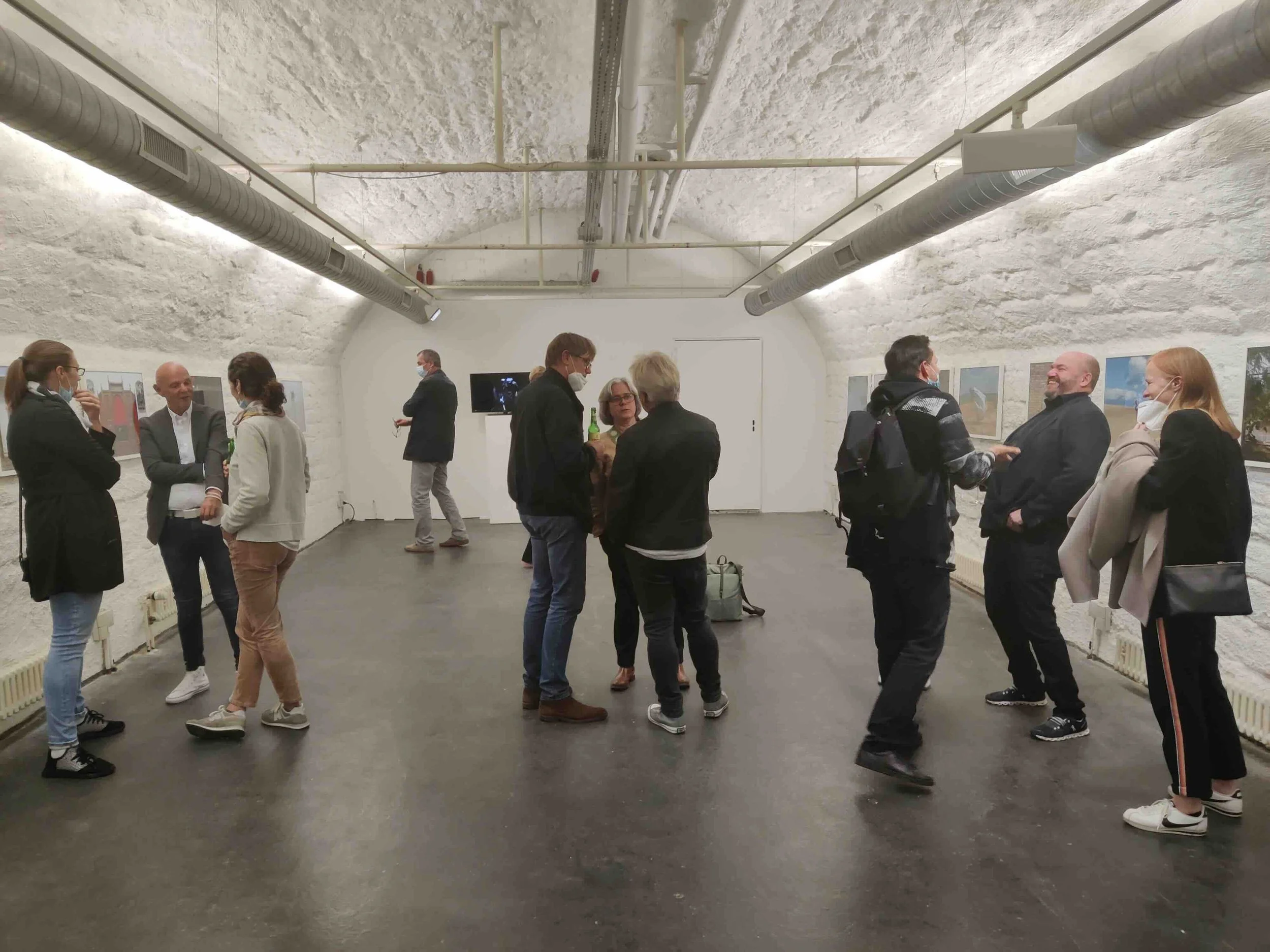
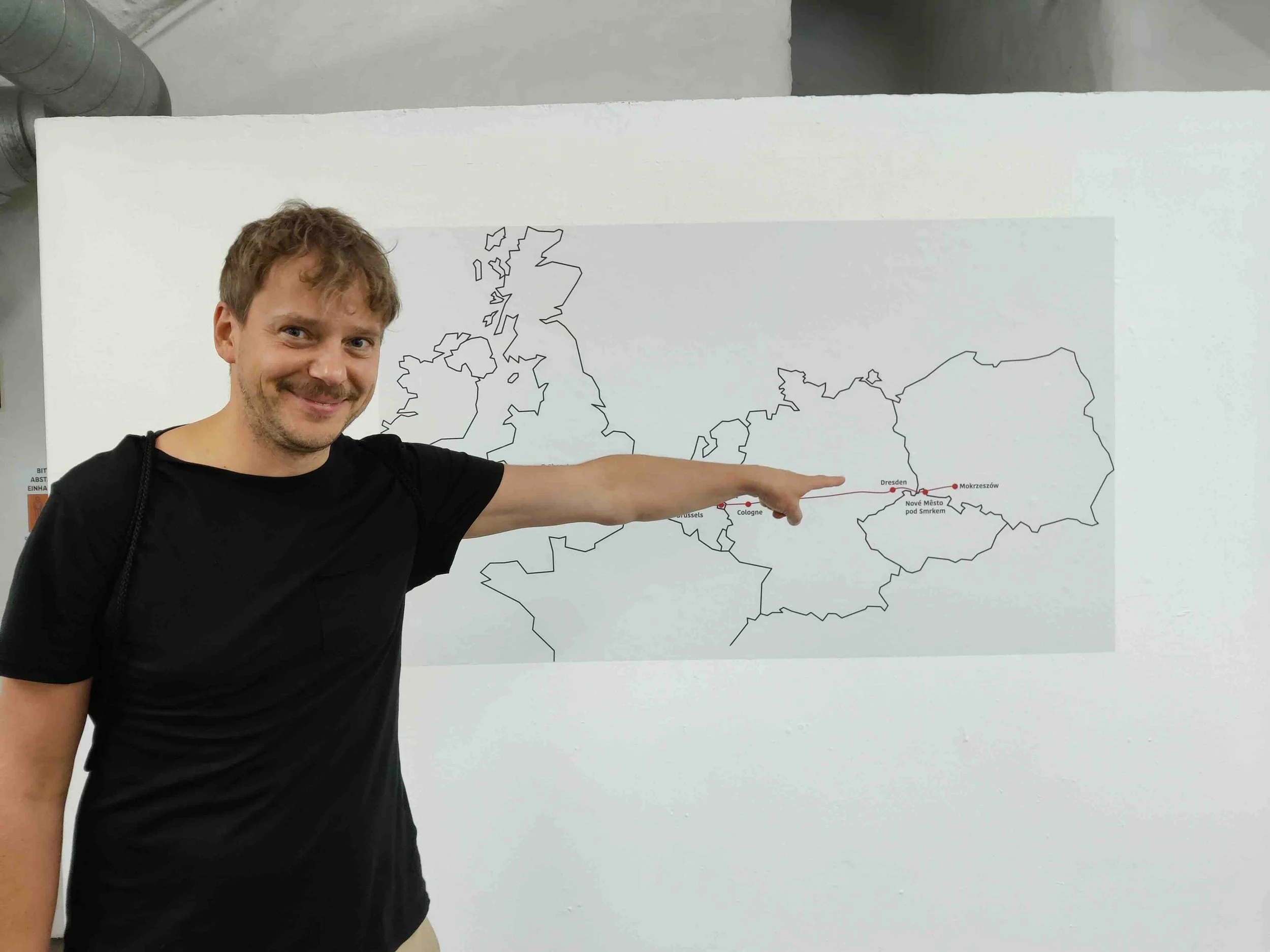
The personal relationships developed through collaboration continue today, with meet-ups in various European cities and a long list of exhibitions that were jointly staged, including a presentation of Michal Iwanowski’s Go Home Polish at Fotosommer 2021, with Brexit underway as we slowly emerged from the dark days of the pandemic.