Museums and De-Colonisation
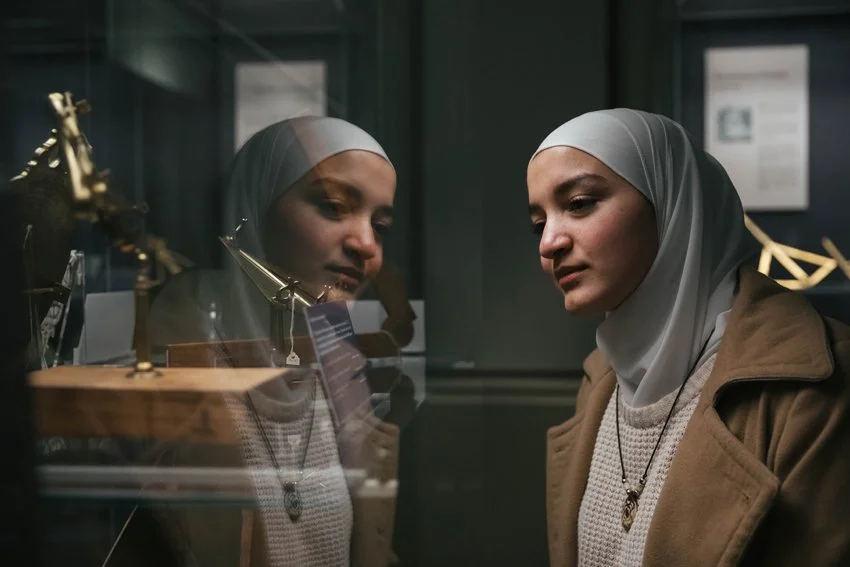
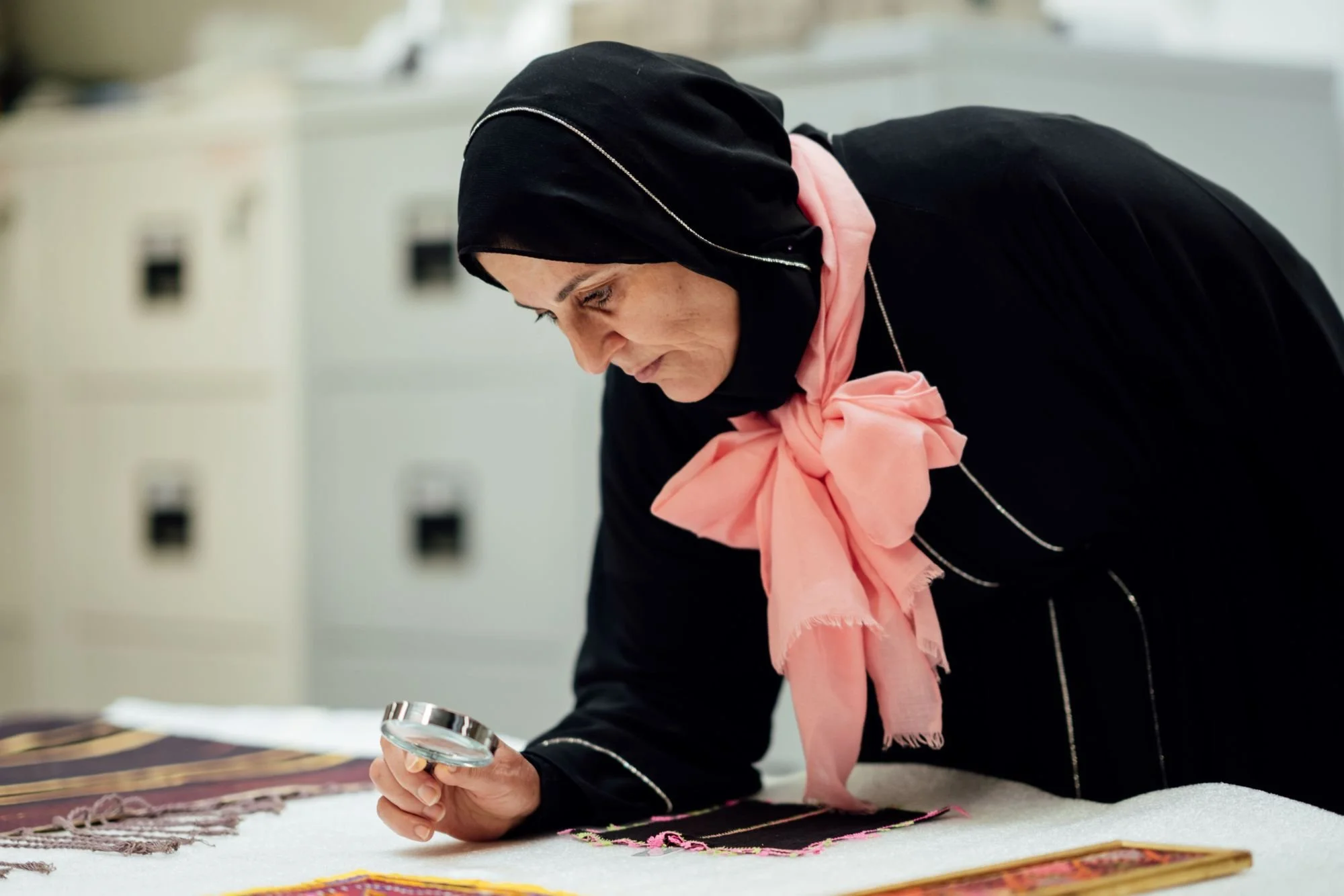
Naifeh from the Al Amari Refugee Camp in Ramallah visiting the Pitt Rivers Museum in Summer 2023
Last week in Oxford I attended the ICOM (international council of museums) UK conference which chose the theme of ‘Museum Diplomacy in Action’. With the recent US-Israeli joint hostilities in the Middle East, currently focused around Iran, Lebanon and the Occupied Palestinian Territory, museums are challenged from many directions in terms of their approach to international working, their commitment to ‘de-colonisation’ of collections, addressing cultural harm and the thorny issue of repatriation of objects to their country of origin. Museums do not stand outside politics; they operate within regimes of selective remembering and forgetting, contested narratives and under the influence of funders and governmental directives.
Sir Tristram Hunt’s keynote was entitled “Museums and Soft Power in an Era of Hard Realities” and he argued that museums like the V & A should champion internationalism through scholarship, collaboration and the exchange of global collections. He feels that museums should be trusted sites of learning, interpretation and engagement, but he is resistant to the prevailing arguments around repatriation, saying that his museum’s legal charter prevented it anyway. He expressed his distaste for cancel culture, saying that social justice causes run counter to a museum's role as trusted narrator of history. This seemed to miss the point that cancel culture is, to a great extent, the result of museums and other institutions not having addressed social injustices.
Dr Laura Van Broekhoven, Director of the Pitt Rivers Museum in Oxford, was more forthright about museums’ obligations in the context of ‘unresolved histories of violence and exploitation’. She argued that not redressing cultural harm and facilitating repatriation of objects of cultural significance, left a museum’s claim of equitable partnership and reciprocity sounding particularly hollow. To those who had experienced colonial-era dispossession, soft power tools such as promises of loans and touring exhibitions fell short of what was needed.
To add to the problem, institutions like museums are operating in a state of radical uncertainty due to the ‘global polycrisis’, the simultaneous occurrence of multiple, intertwined crises—such as climate change, geopolitical conflict, and economic instability—that interact and amplify each other to produce a total impact greater than the sum of its parts. Popularised by historian Adam Tooze, the term highlights how interconnected modern systems such as health, finance, media, political interference and environmental threat create a "tangled web" that overwhelms traditional, siloed management approaches.
To be fair to the Pitt Rivers Museum, the institution has been very proactive in addressing complex, post-colonial issues such as the returning of Maori human remains in their collection to New Zealand, the Maasai Living Cultures Project and now the creation of an About Palestine: Pieces of Me digital exhibition developed with MultakaOxford, based at the museum.
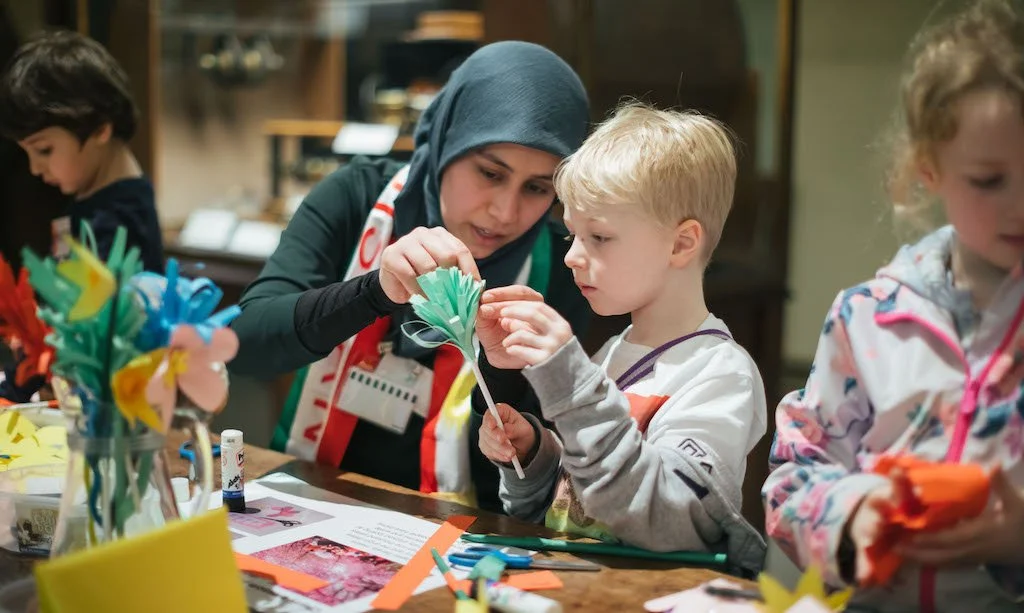
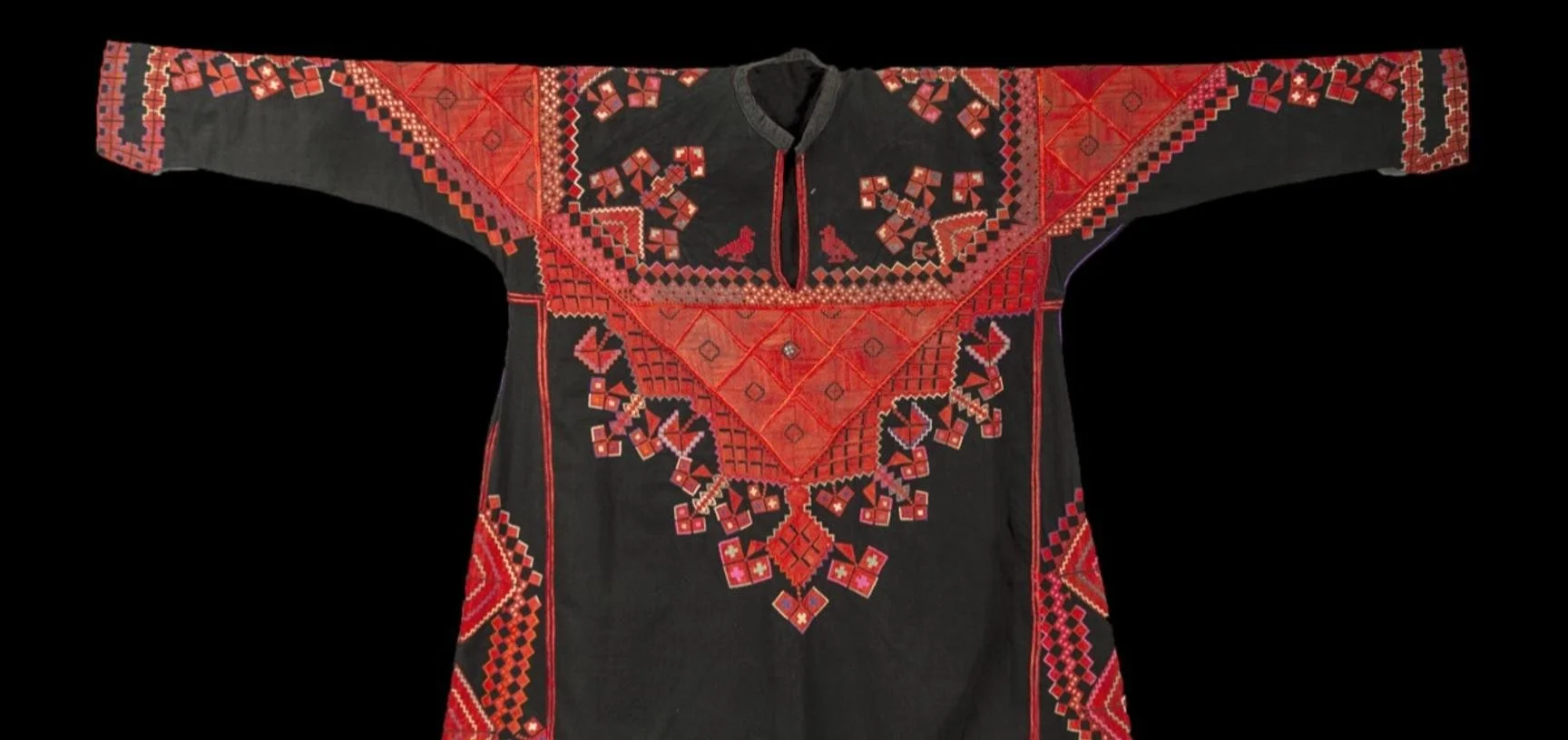
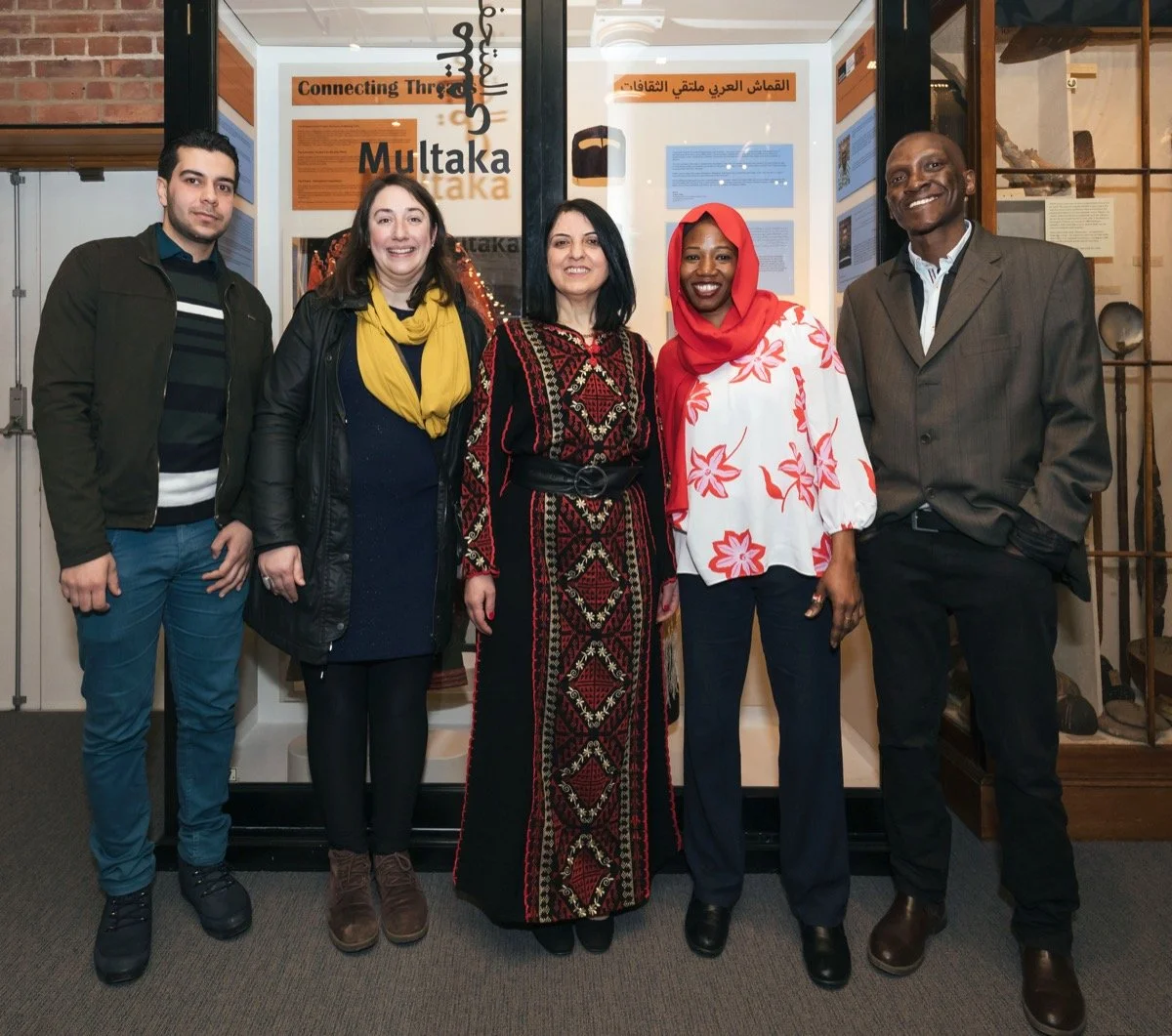
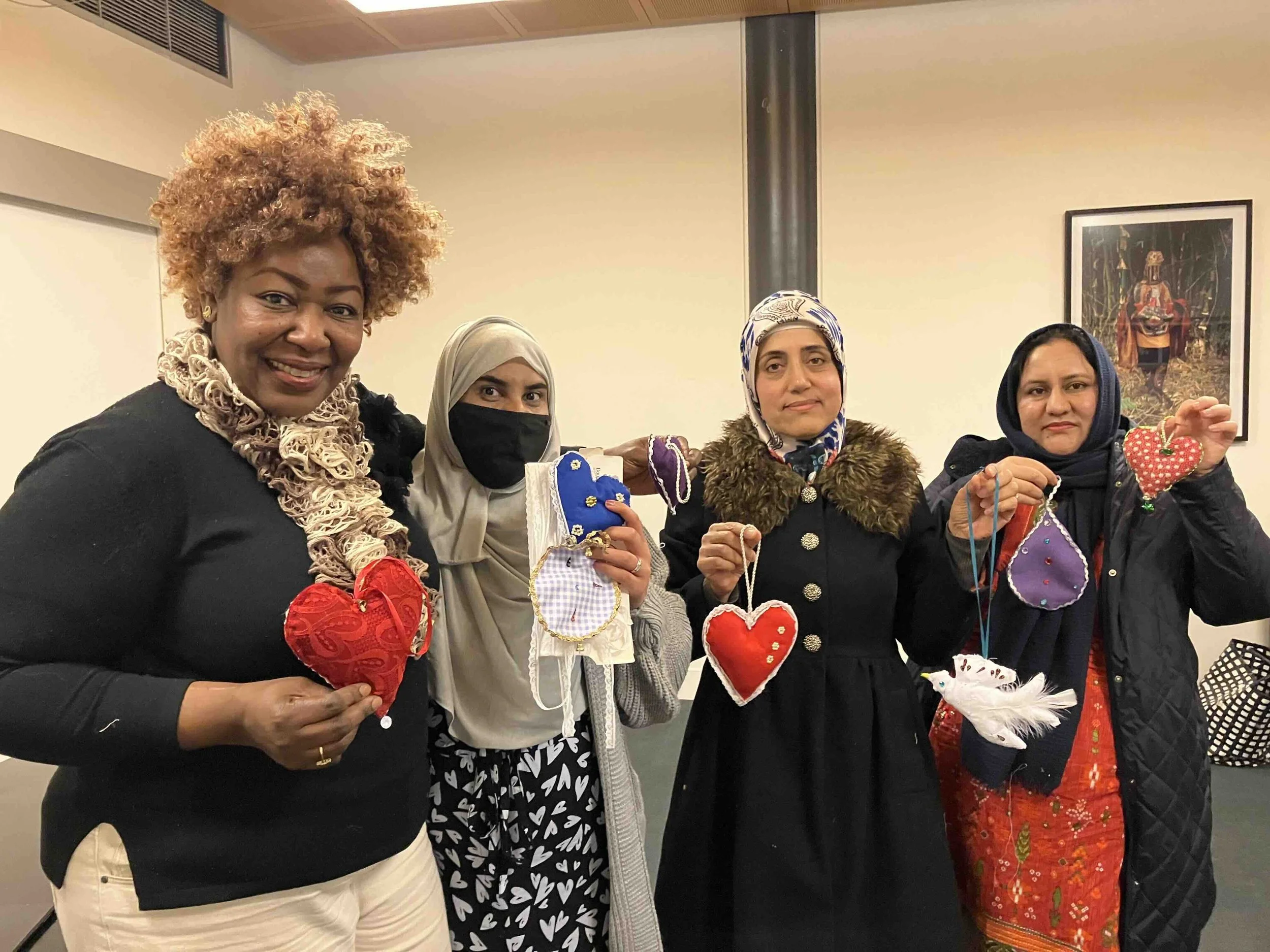
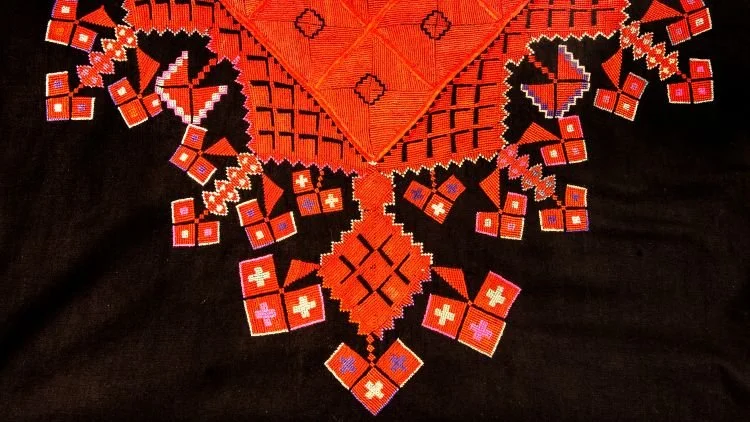
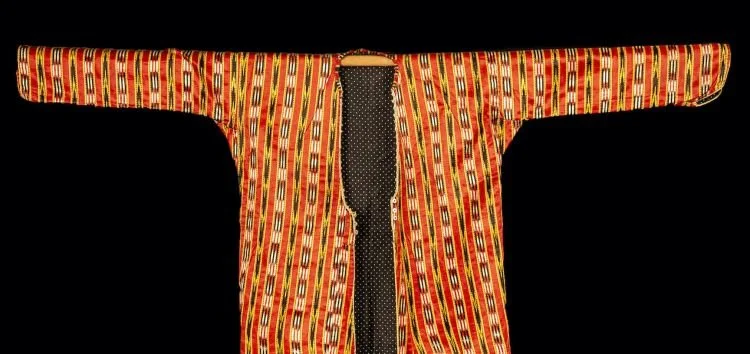
This exhibition is a legacy created to illustrate Multaka’s longstanding partnerships with two organisations, Al Amari Women’s Program Centre and the Oxford Ramallah Friendship Association. In the summer of 2023, expert embroiderers from the women’s centre, based in Al Amari Refugee Camp in Ramallah visited Oxford to share the power and beauty of Palestinian cultural heritage and tatreez with local communities. Collaborating with the artists, Oxford Ramallah Friendship Association and Palestinian communities and organisations based in Oxfordshire, the museum facilitated a series of tatreez museum research sessions, workshops and a pop exhibition. The events were a celebration of Palestinian stitching, craft and culture from before the Nakba through to the present day.
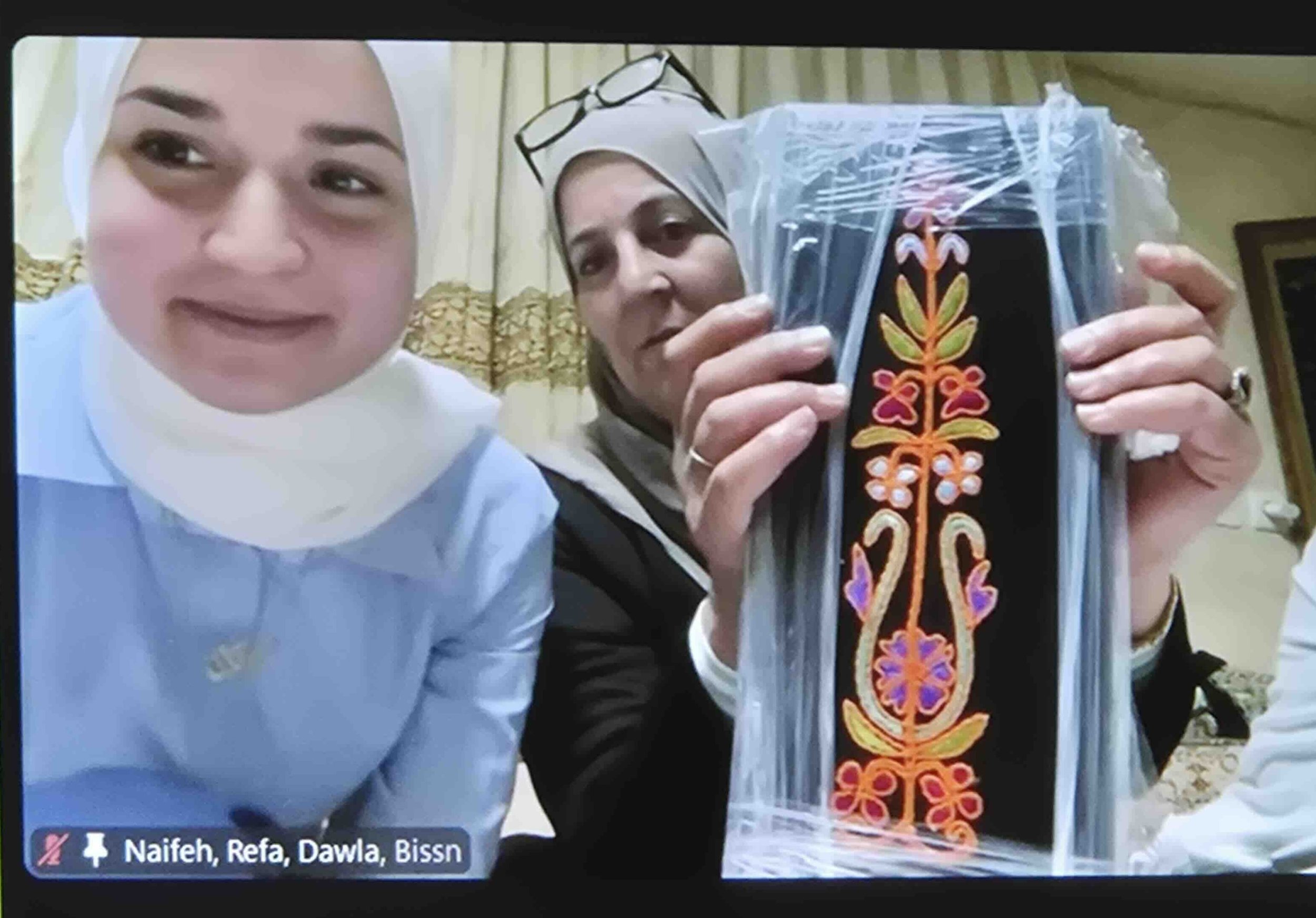
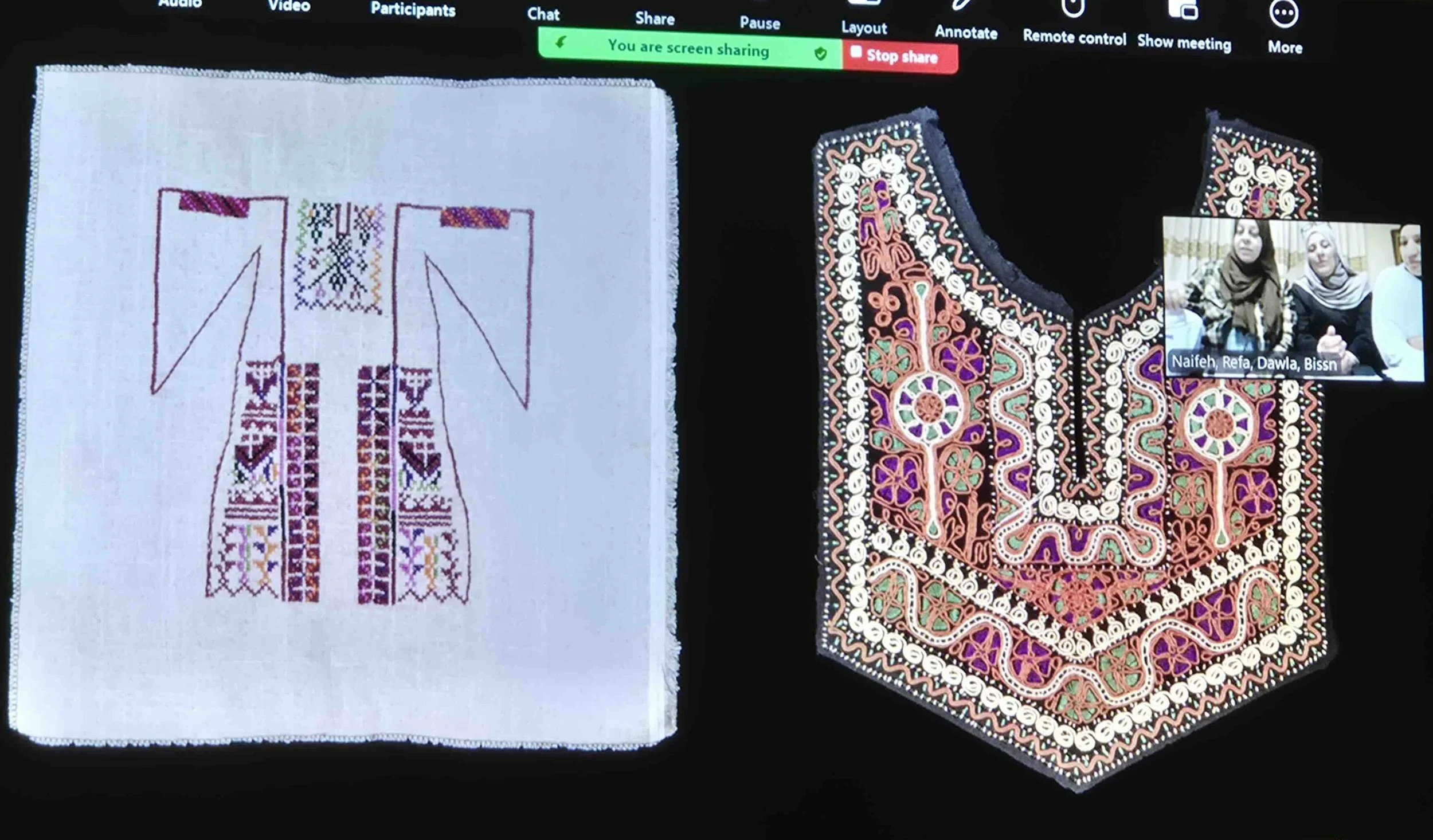
The final session on the second day of the ICOM conference involved a zoom link-up with a group of women in the Al Amari Refugee Camp during which we heard first-hand accounts of what is happening in the West Bank and Gaza. Their message of Sumud (steadfastness) underlined why holding the roots of Palestinian homelands which are being continually fragmented and destroyed is as important as ever.