Cultural Radicalism in London in the 1980s revisited
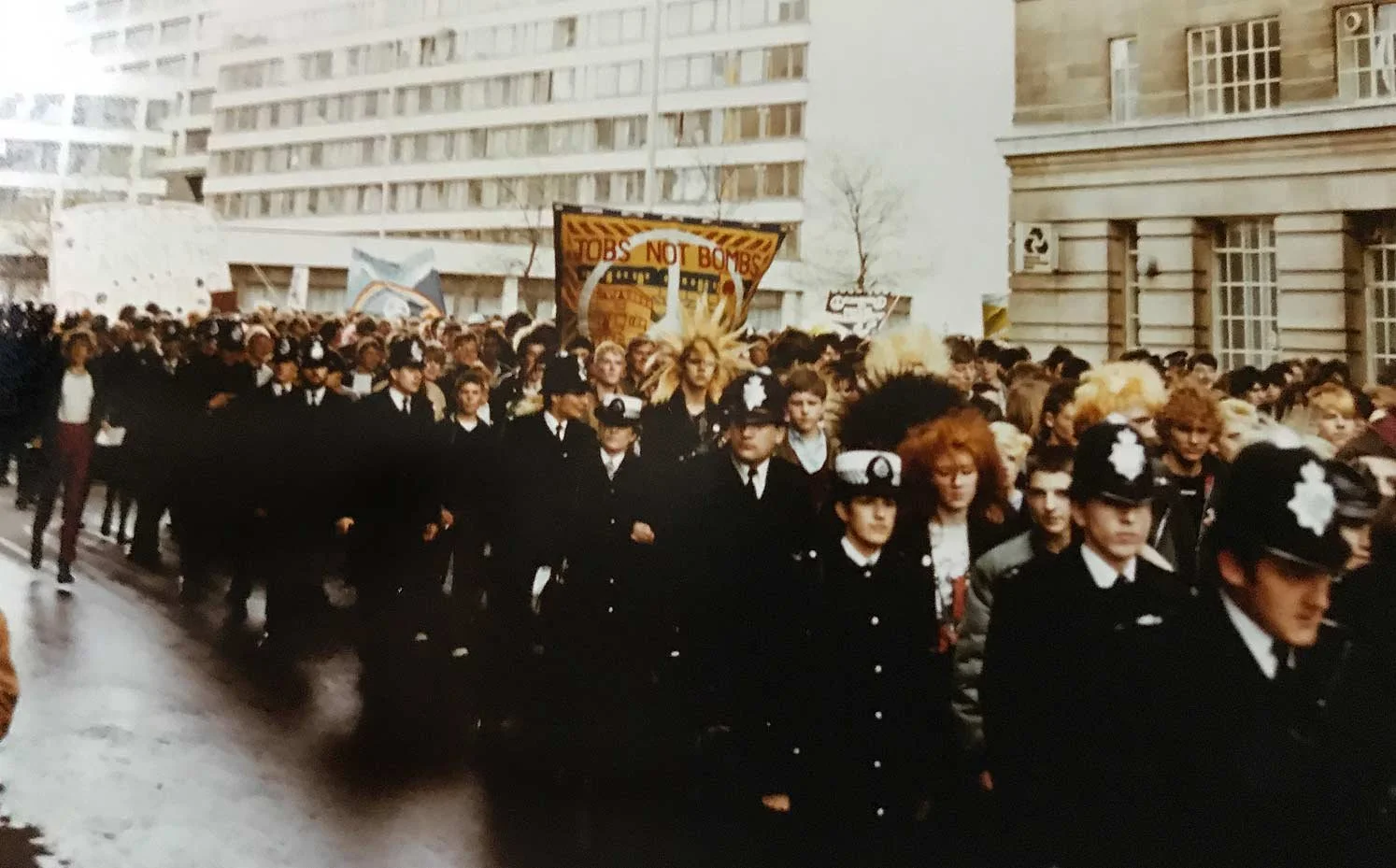
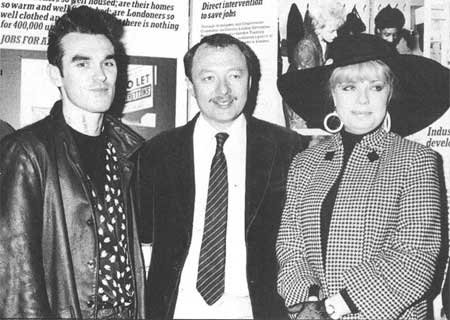
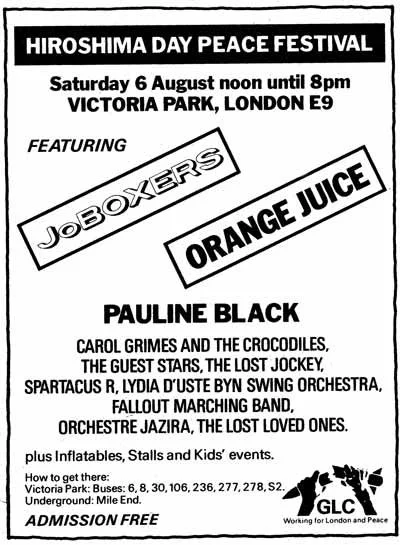
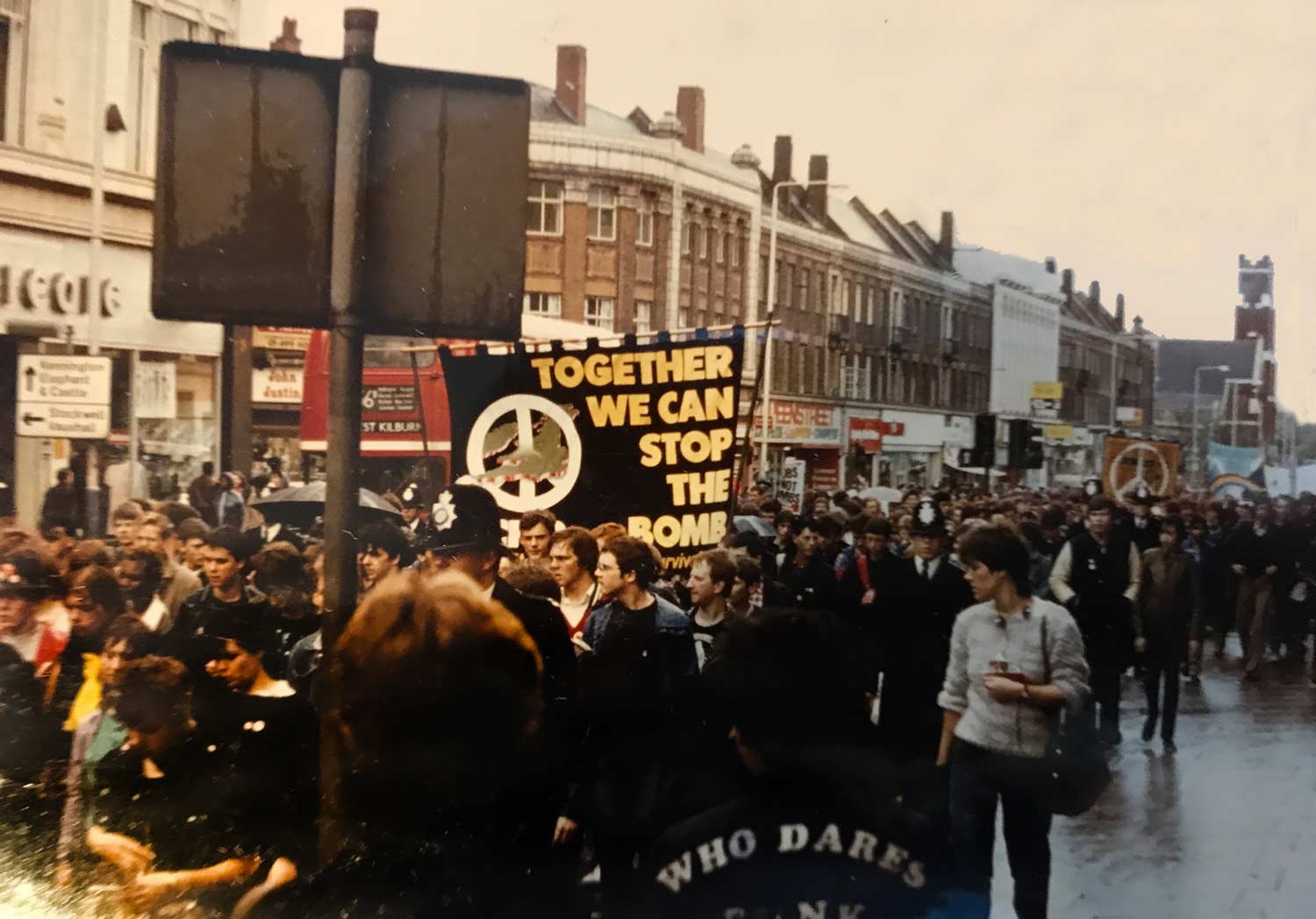
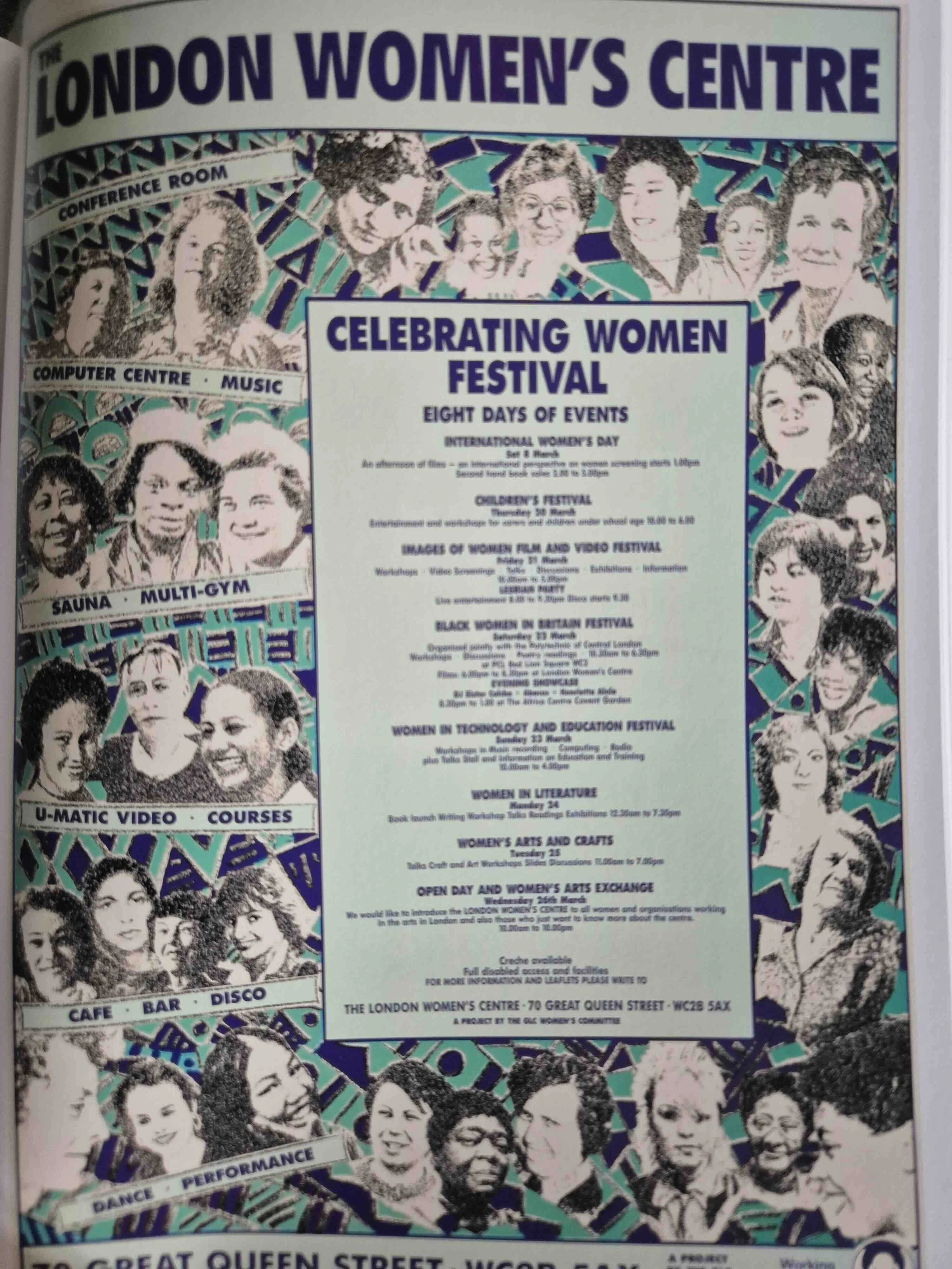
When I look at how centralised and unimaginative funding for arts and culture is today, I remember how different things were in London during the GLC-years 1981 – 1986.
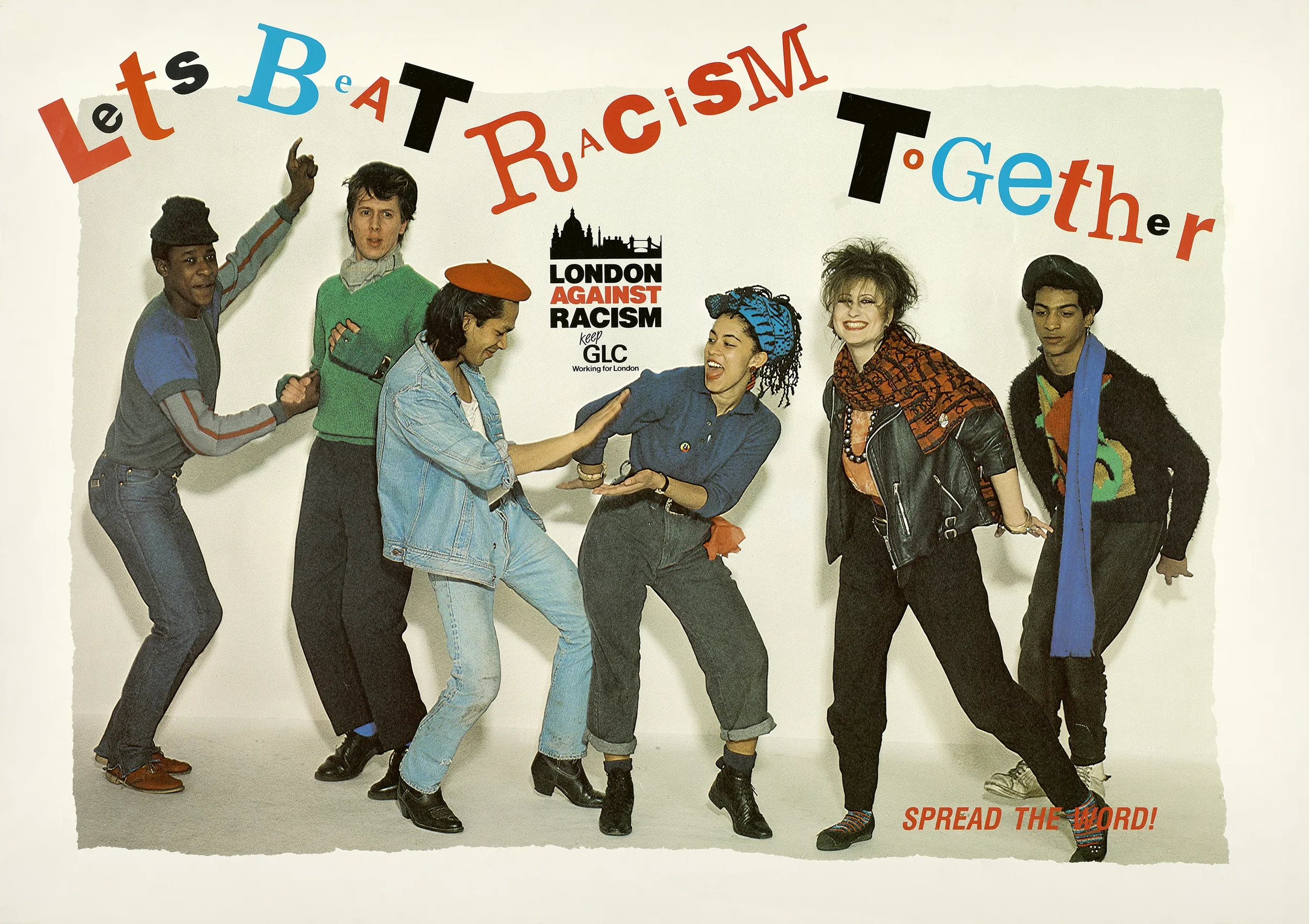
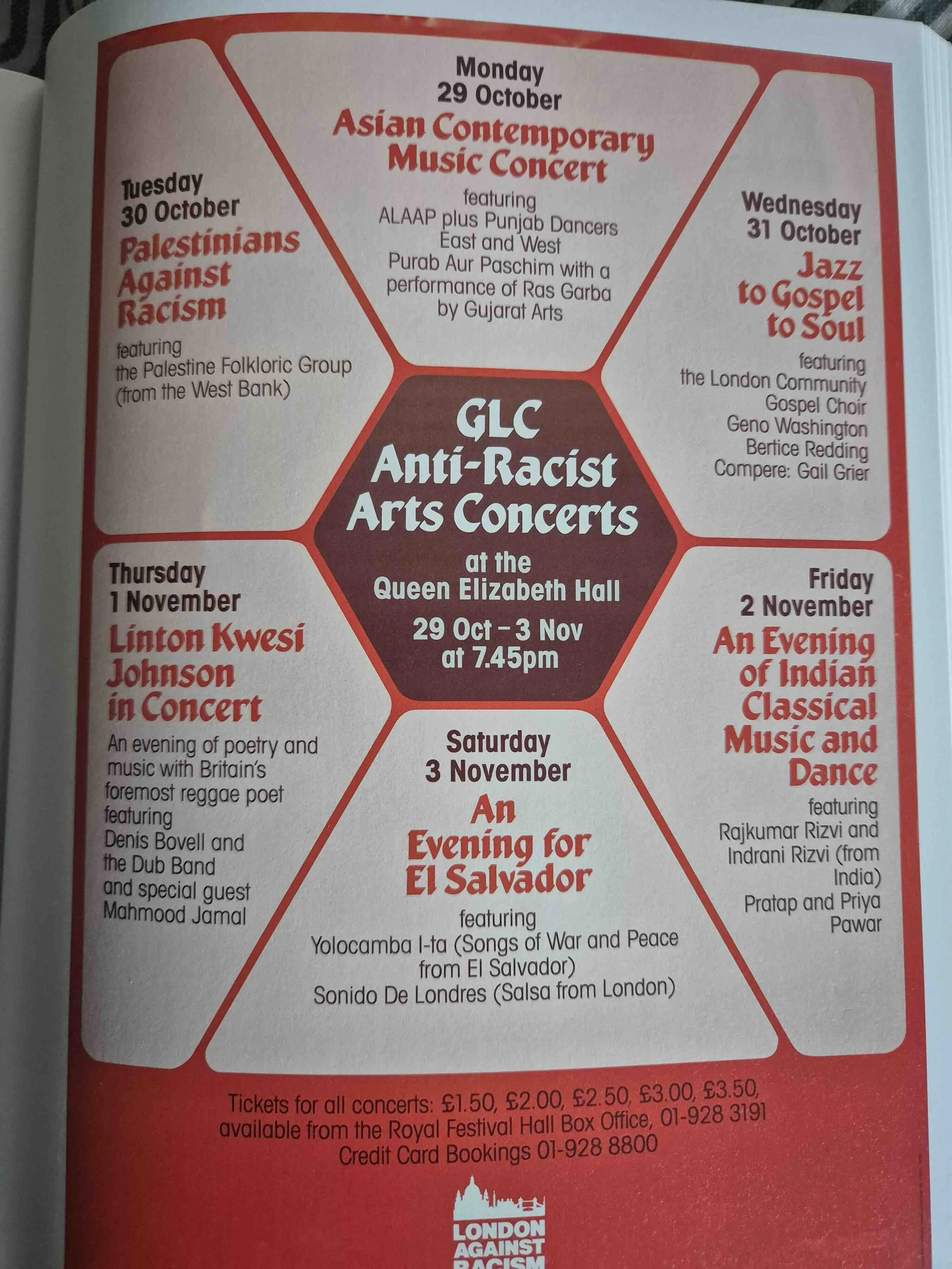
Owen Hatherley has commented: Ken Livingstone’s GLC was “the post-1968 generation in politics”. It was “gloriously, explicitly anti-racist, anti-homophobic, anti-imperialist; it was celebratory, creative and propagandistic”.
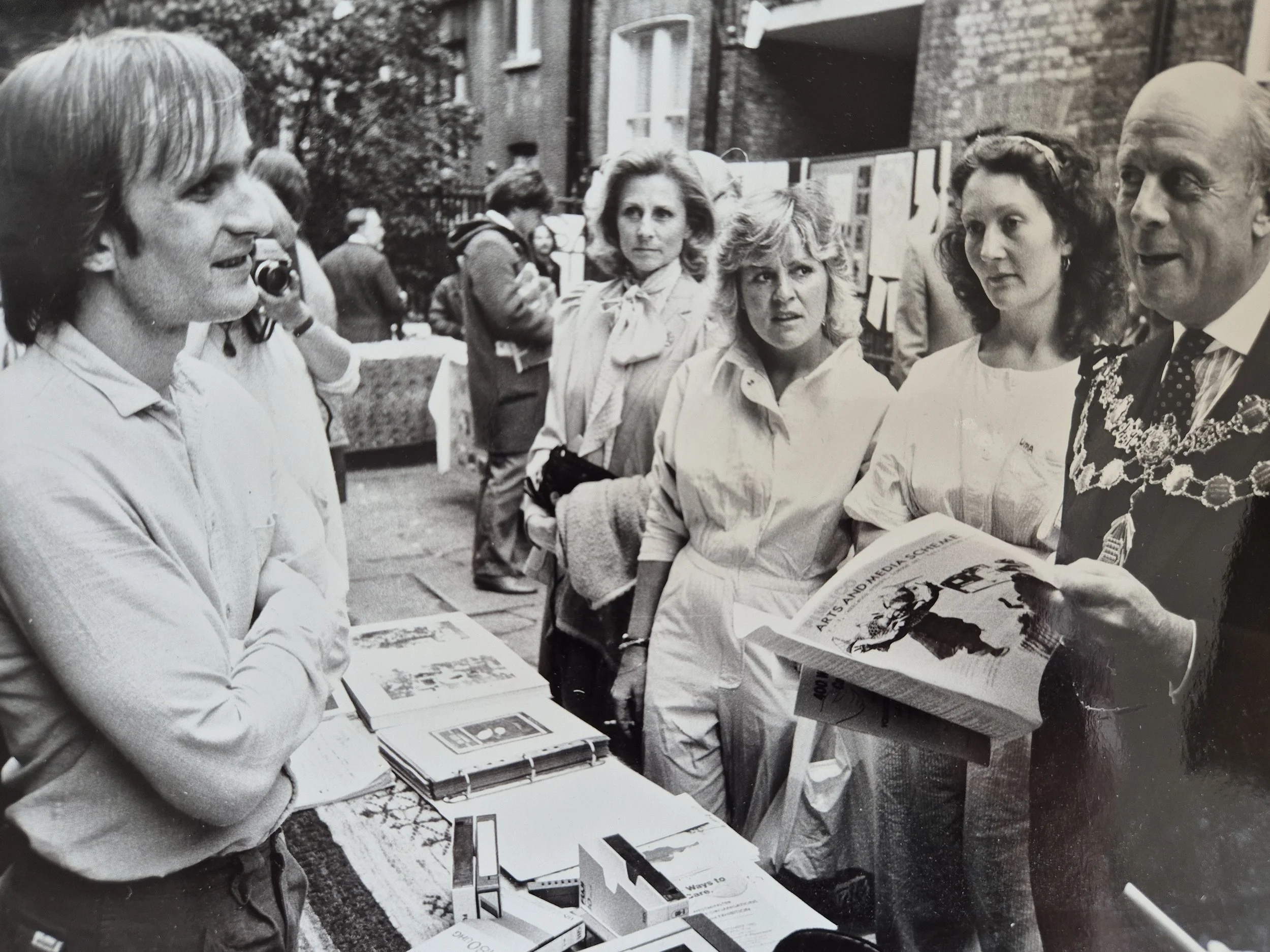
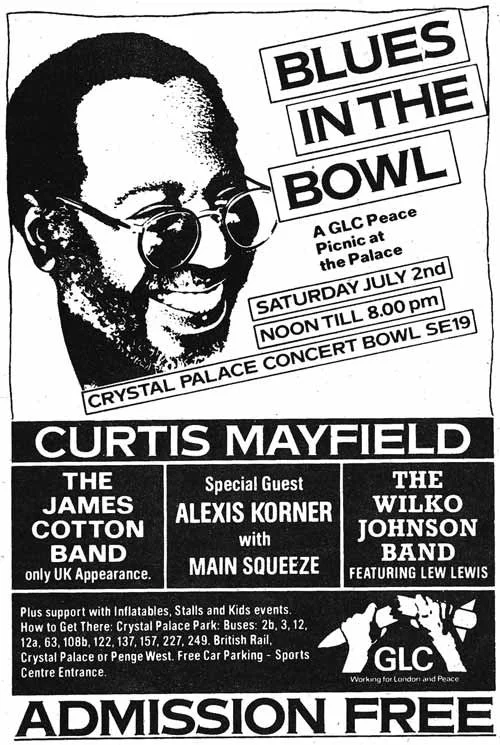
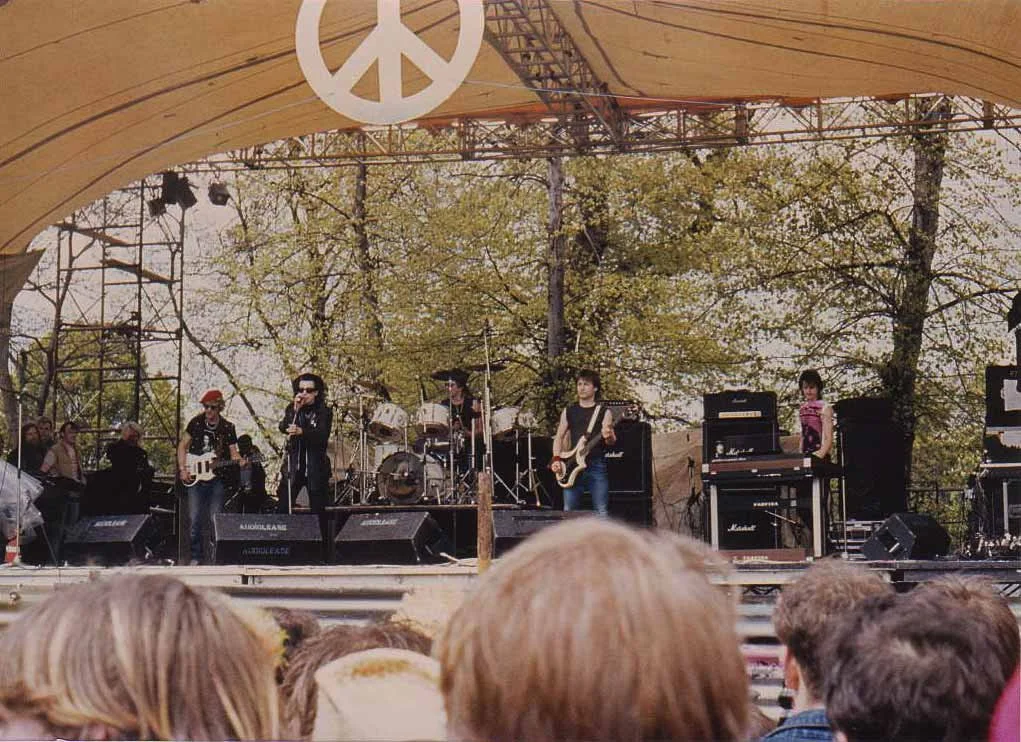
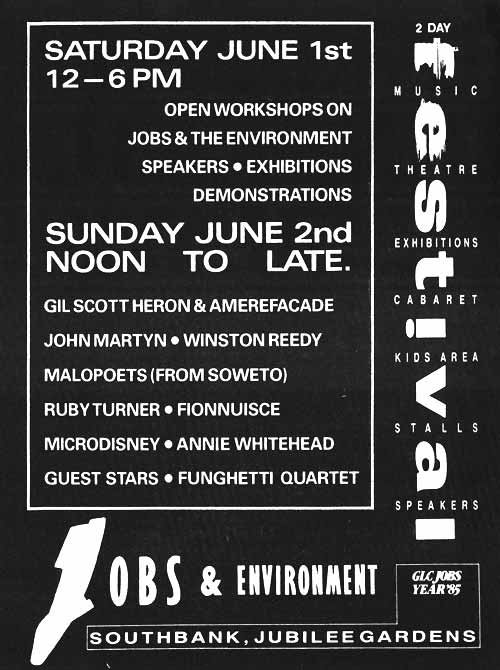
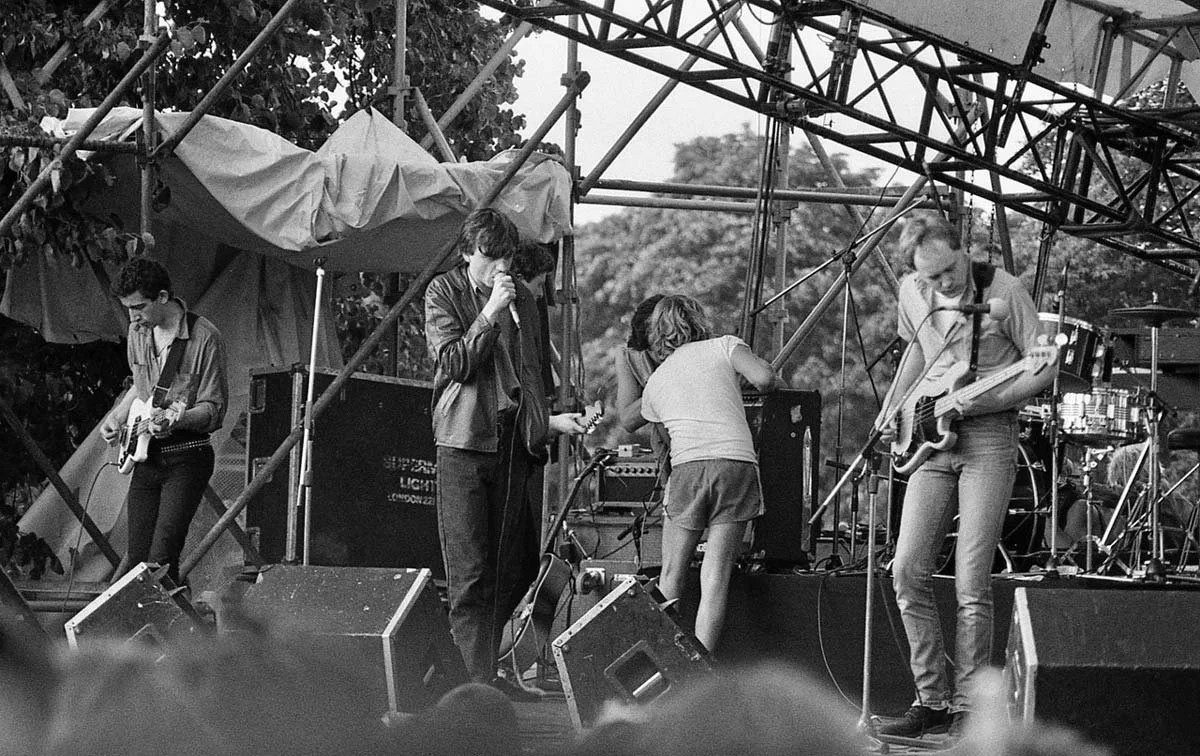
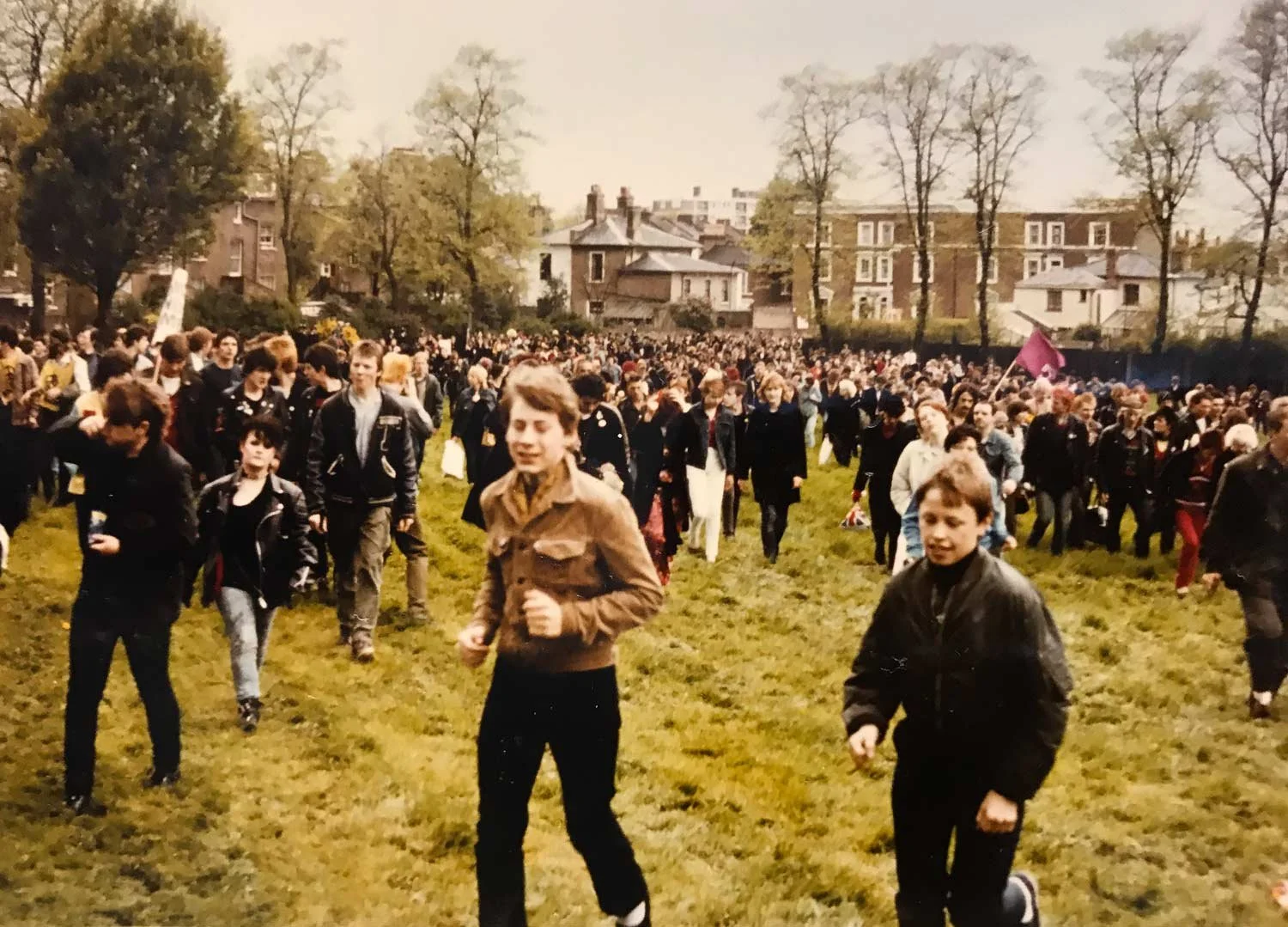
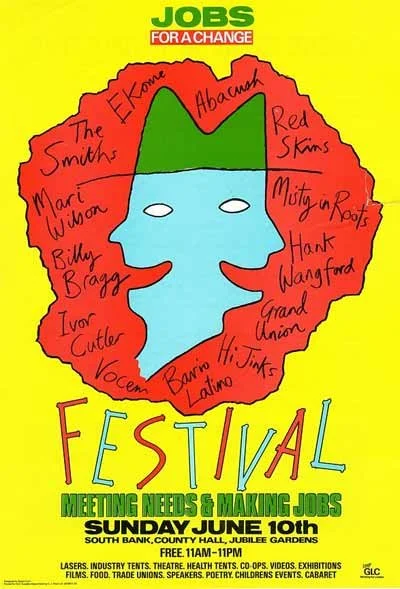
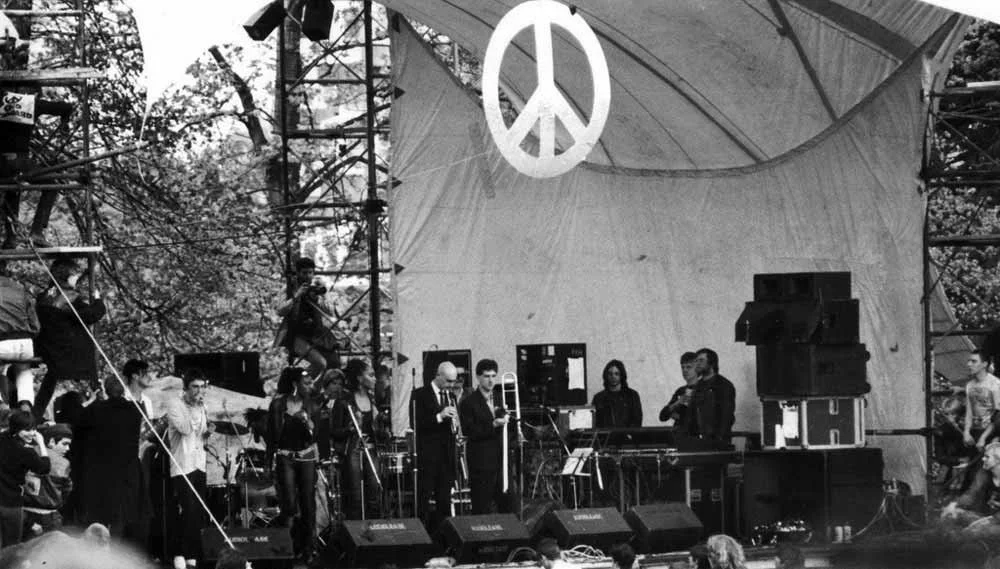
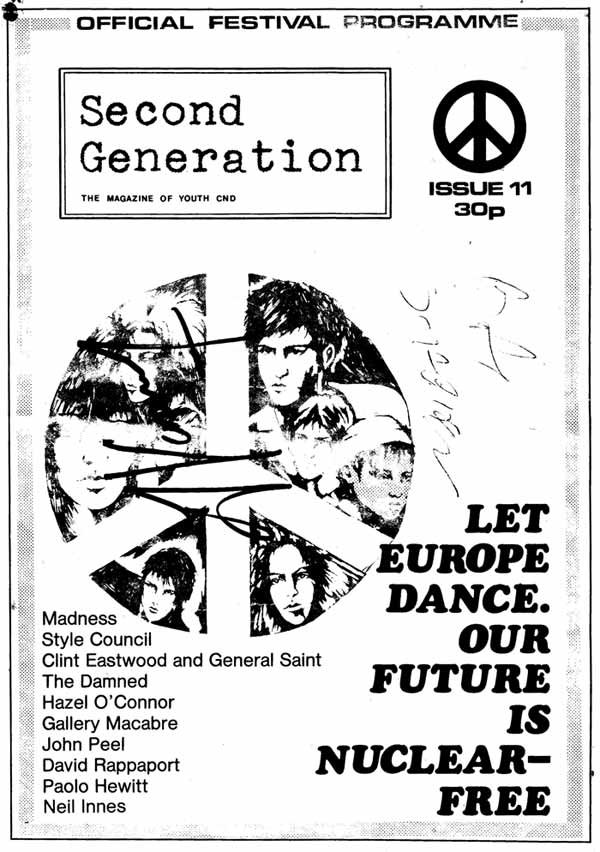
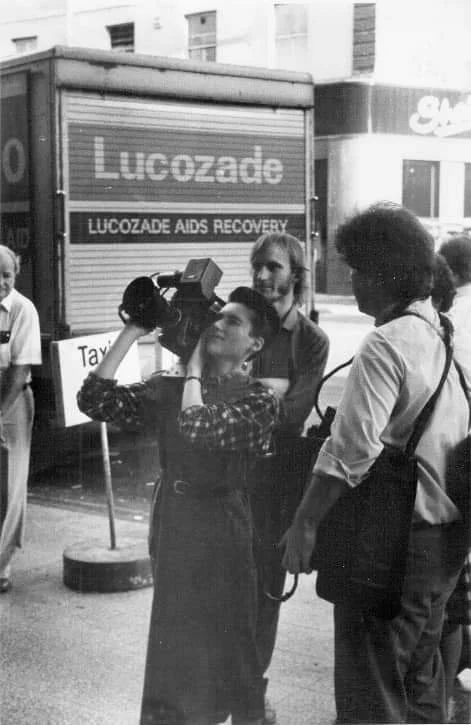
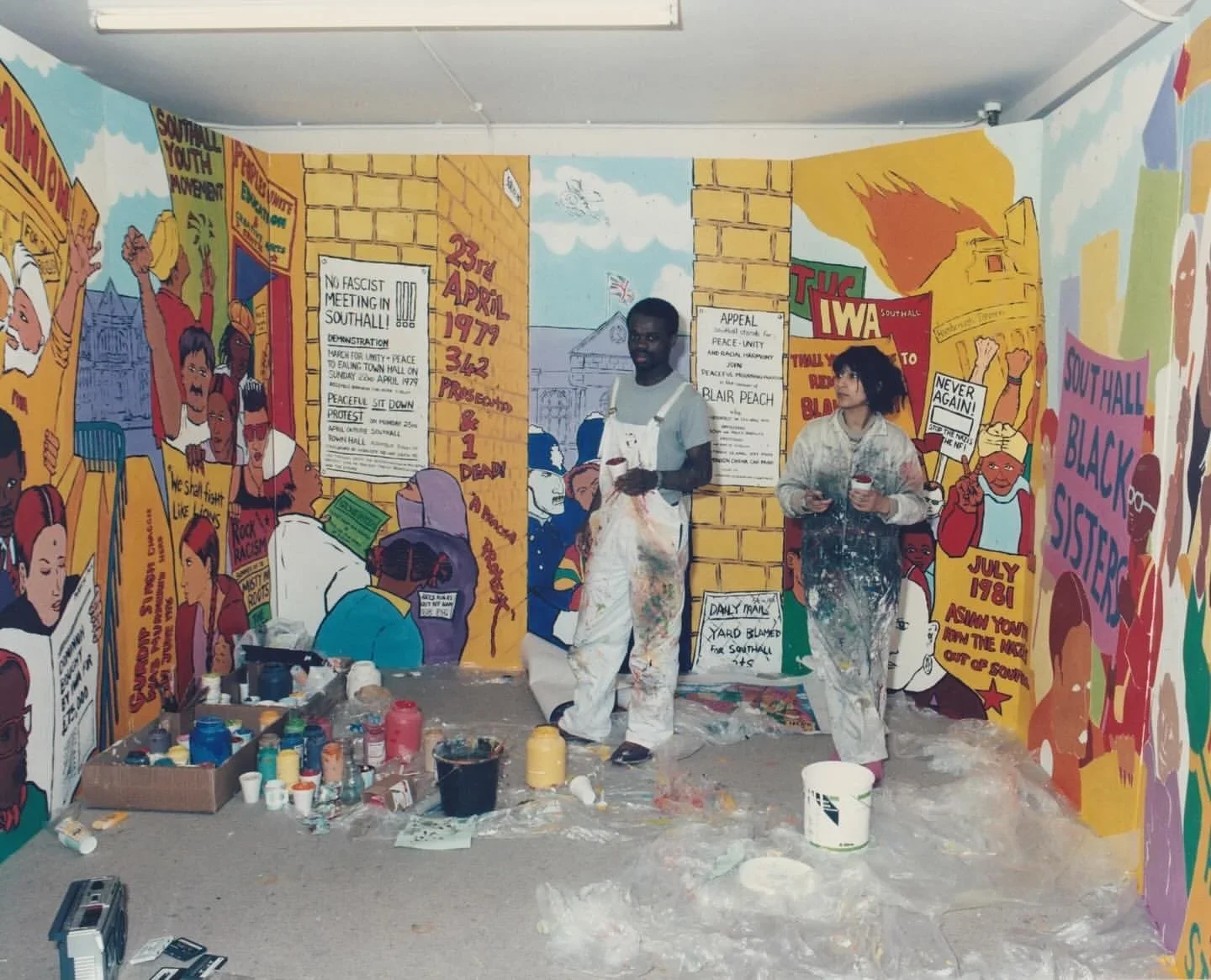
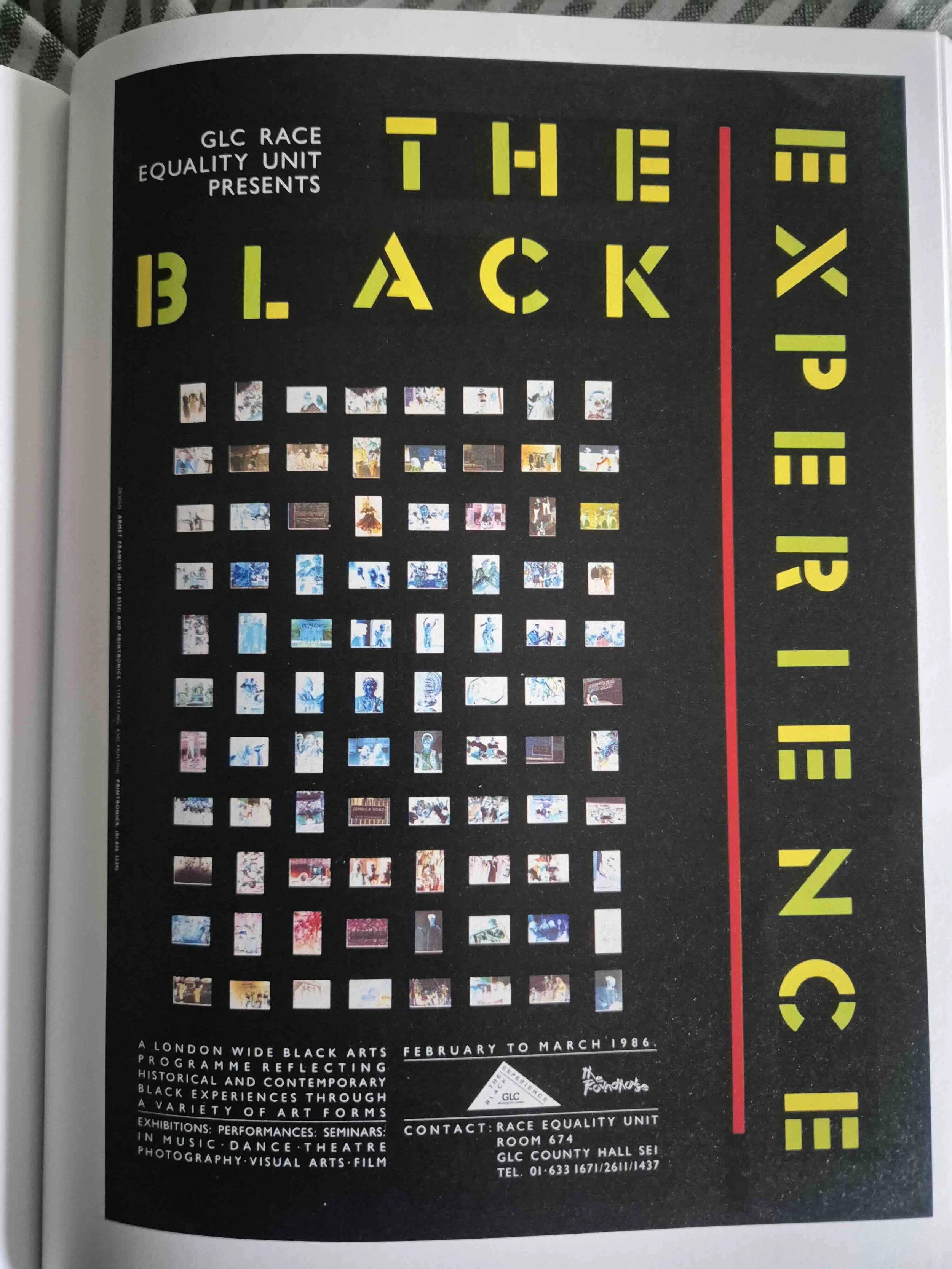
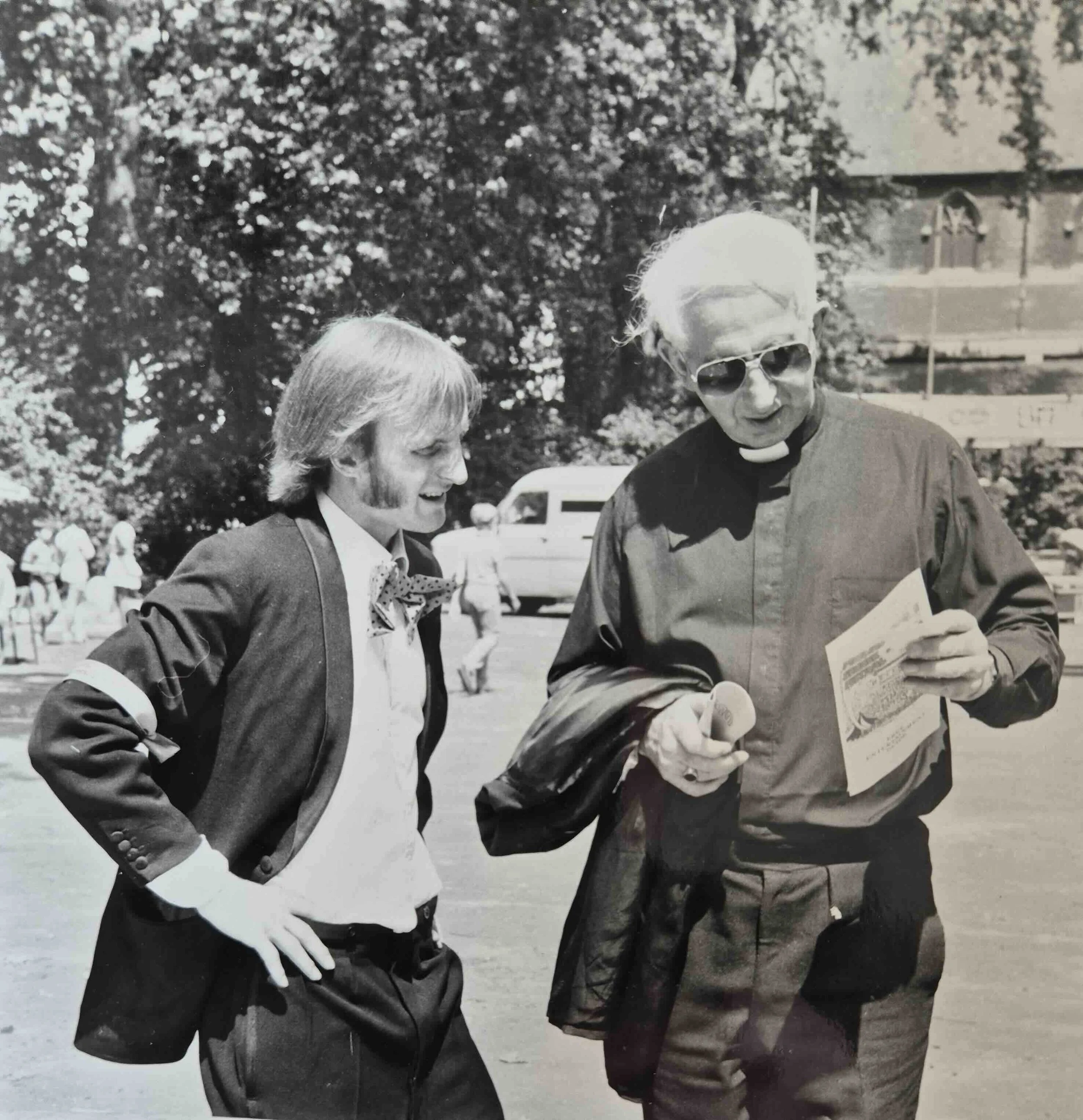
The free festivals and events that seemed to take place on a weekly basis on the South Bank and in London parks offered me the opportunity to see live bands like The Smiths, The Damned, Curtis Mayfield, Gill Scott-Heron, Misty in Roots, King Sunny Ade, The Style Council and The Fall. The local community organisation I directed in Pimlico received funding from the GLC for our summer festival and May Day Latin American Fiesta, aimed at the large South American migrant community in London at the time. Black and minority ethnic arts were foregrounded through exhibitions and live events, and community media groups were formed, including the one I founded and ran for a decade giving individuals from underrepresented sections of society a voice through video, photography, publishing and graphic design.
Beyond the arts, the GLC also laid out ambitious plans to address the housing crisis, unemployment, improving transport and public services, local democracy and tackling the climate emergency. This radical approach to cultural delivery, underpinned by the GLC’s clear political intent, was bound to be challenged by Margaret Thatcher, whose neo-liberal economics and infamous view that there was “no such thing as society” sought to privatise public services and entrust everything to ‘the marketplace’.
Thatcher gave the the job of yielding the axe to the equally despicable Shirley Porter, the Tesco empire heiress and committed Zionist, who had become Leader of Westminster City Council in 1983. Her determination to dismantle the GLC bore fruit in 1986, when an unelected ‘London Residuary Body’ was formed to redistribute the various responsibilities, properties, assets and archive of the GLC.
Somewhat ironically, and despite the loss of our GLC support, the arts and media centre I founded in Pimlico flourished for several more years due to funding from Greater London Arts, the European Social Fund, Westminster City Council and CENTEC (the Central London Training and Enterprise Council). I left London in 1992.
While she was Leader of Westminster City Council, Porter oversaw the ‘Building Stable Communities’ policy – later described as the ‘homes for votes’ scandal – and was subsequently accused of gerrymandering, selling off social housing and moving families and homeless people out of marginal local wards to be replaced by wealthier householders more likely to vote Conservative. The policy was judged illegal by the district auditor, and a surcharge of £27 million was levied on her in 1996. This was later raised to £42 million with interest and costs. She eventually settled in 2004, paying a final settlement of £12.3 million. Porter moved to Herzliya Pituah in Israel in 1994 during the inquiry into ‘homes for votes’. She bought a flat in Mayfair London in 2006, but continued to spend most of her time in Israel. She was a governor of Tel Aviv University until her death in May 2026, and, through the Porter Foundation, funded buildings and projects at the university.