Vestiges of Gulf Modernity: erasure of the Arab World’s late 20th Century history
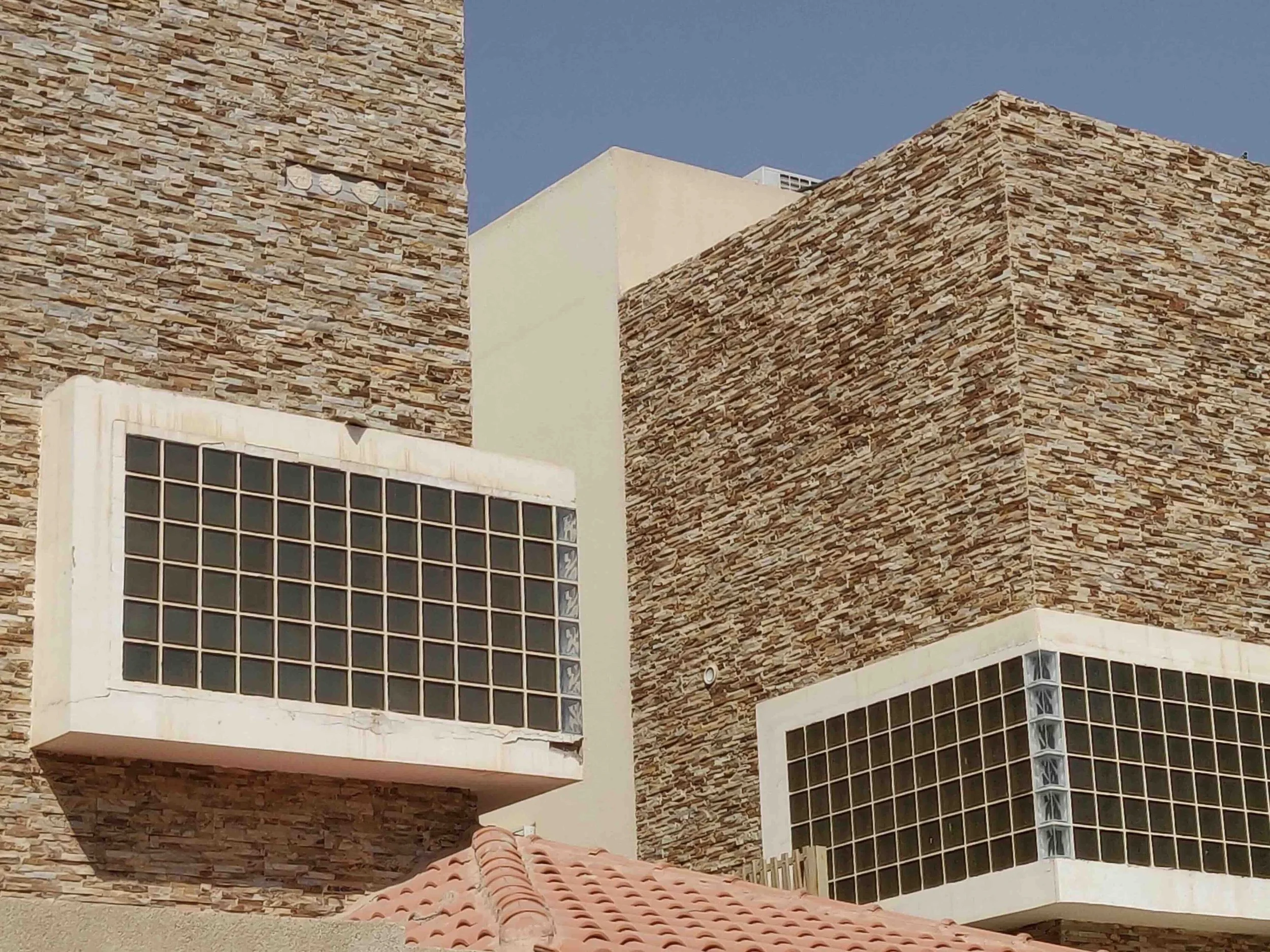
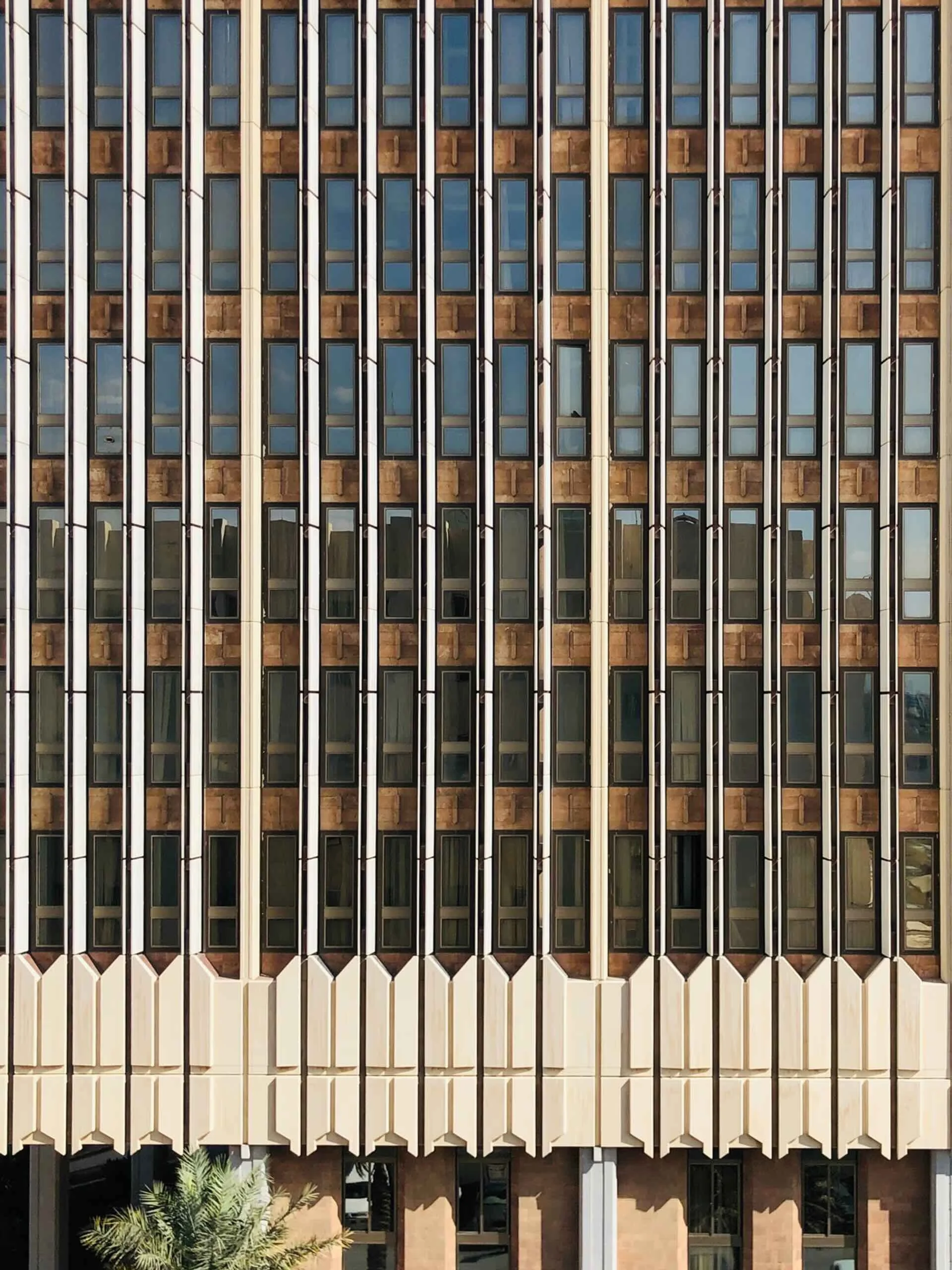
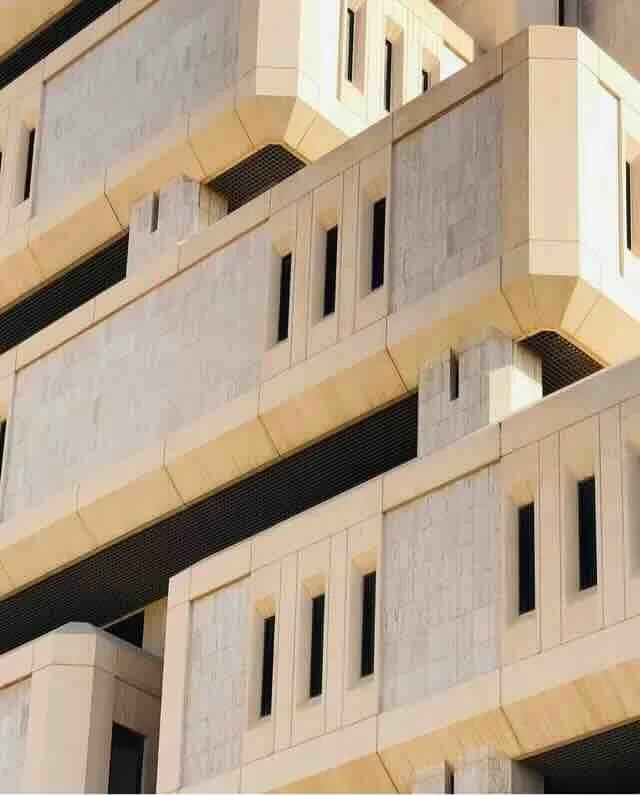
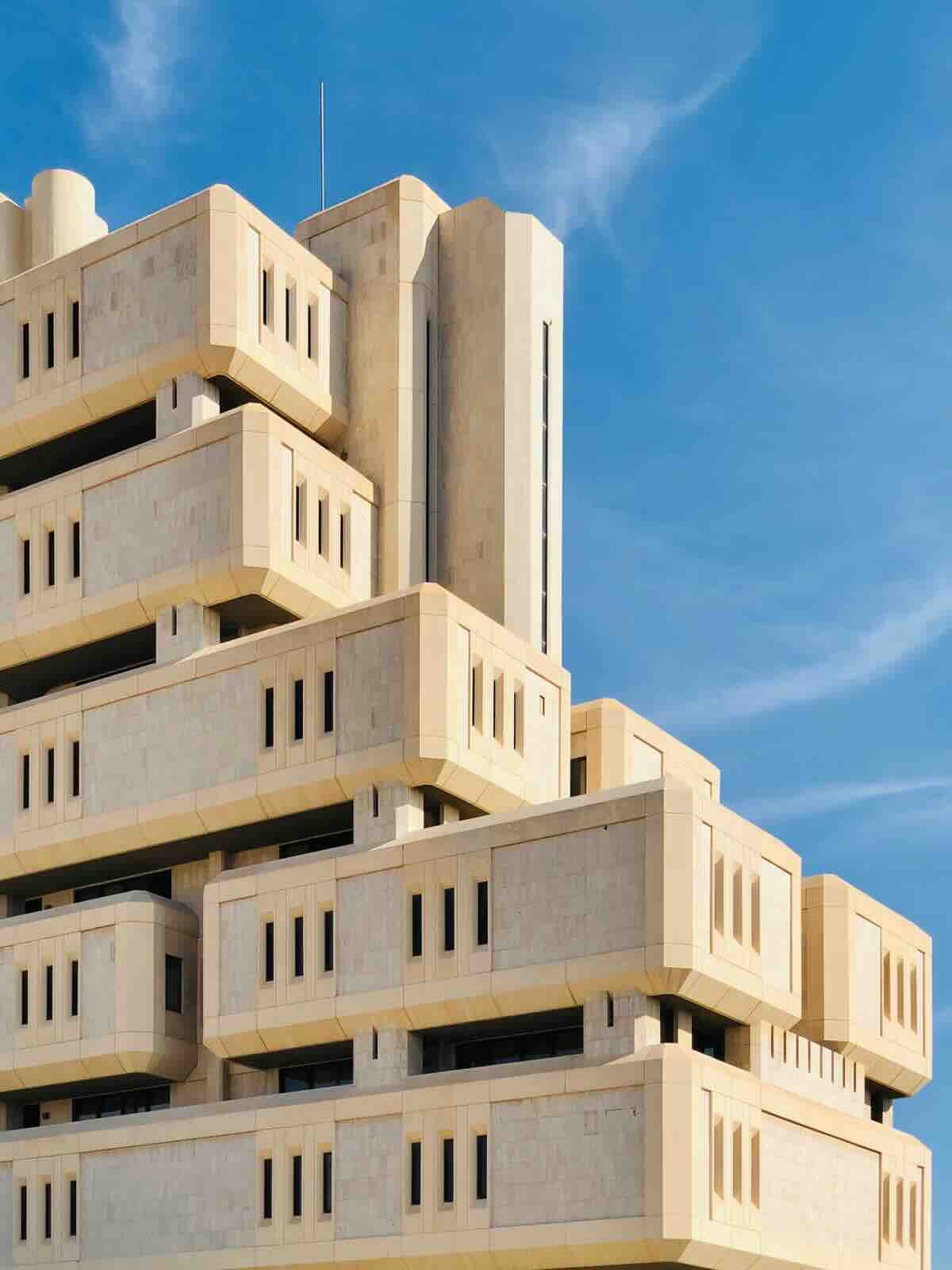
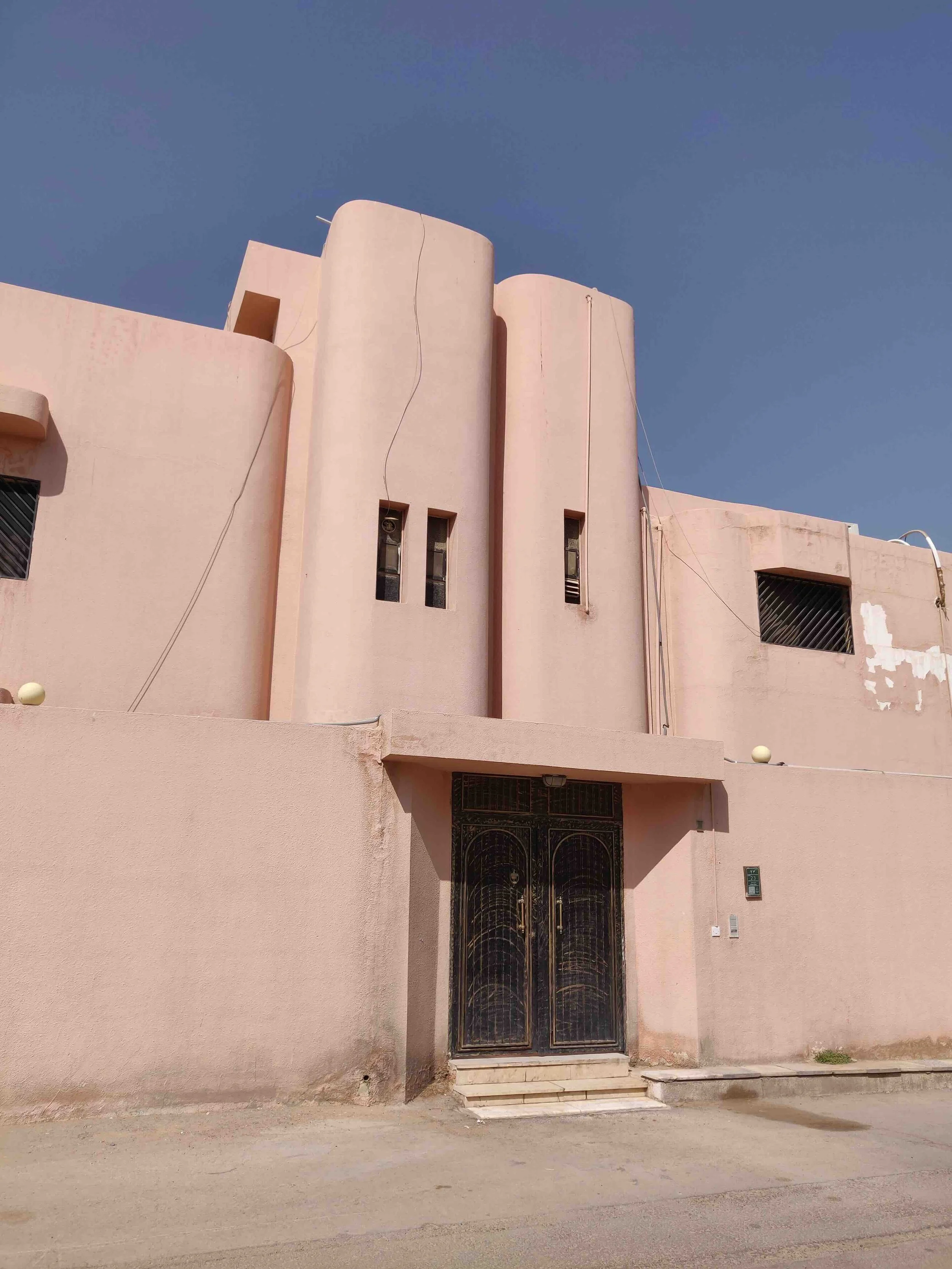
Riyadh building
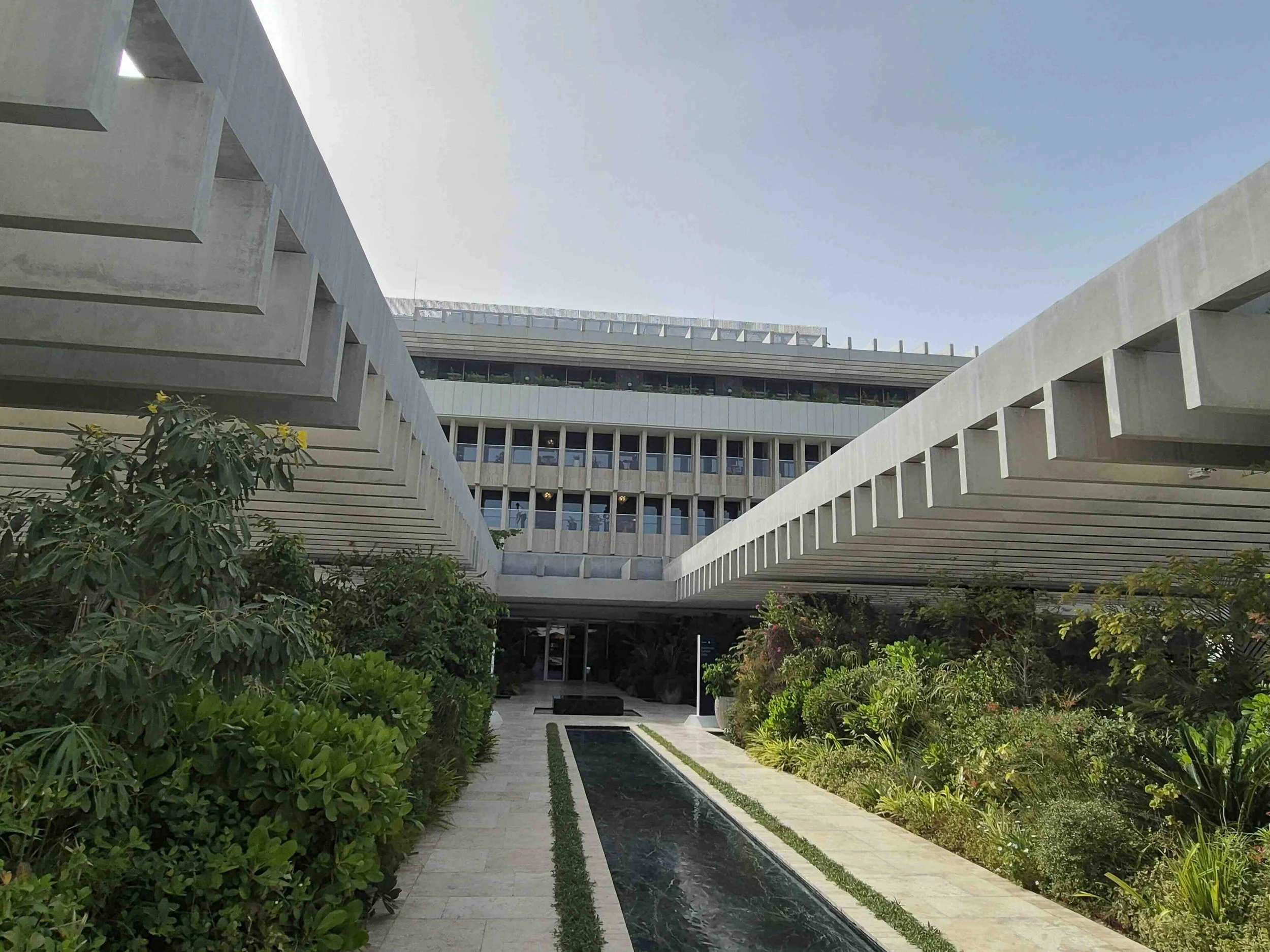
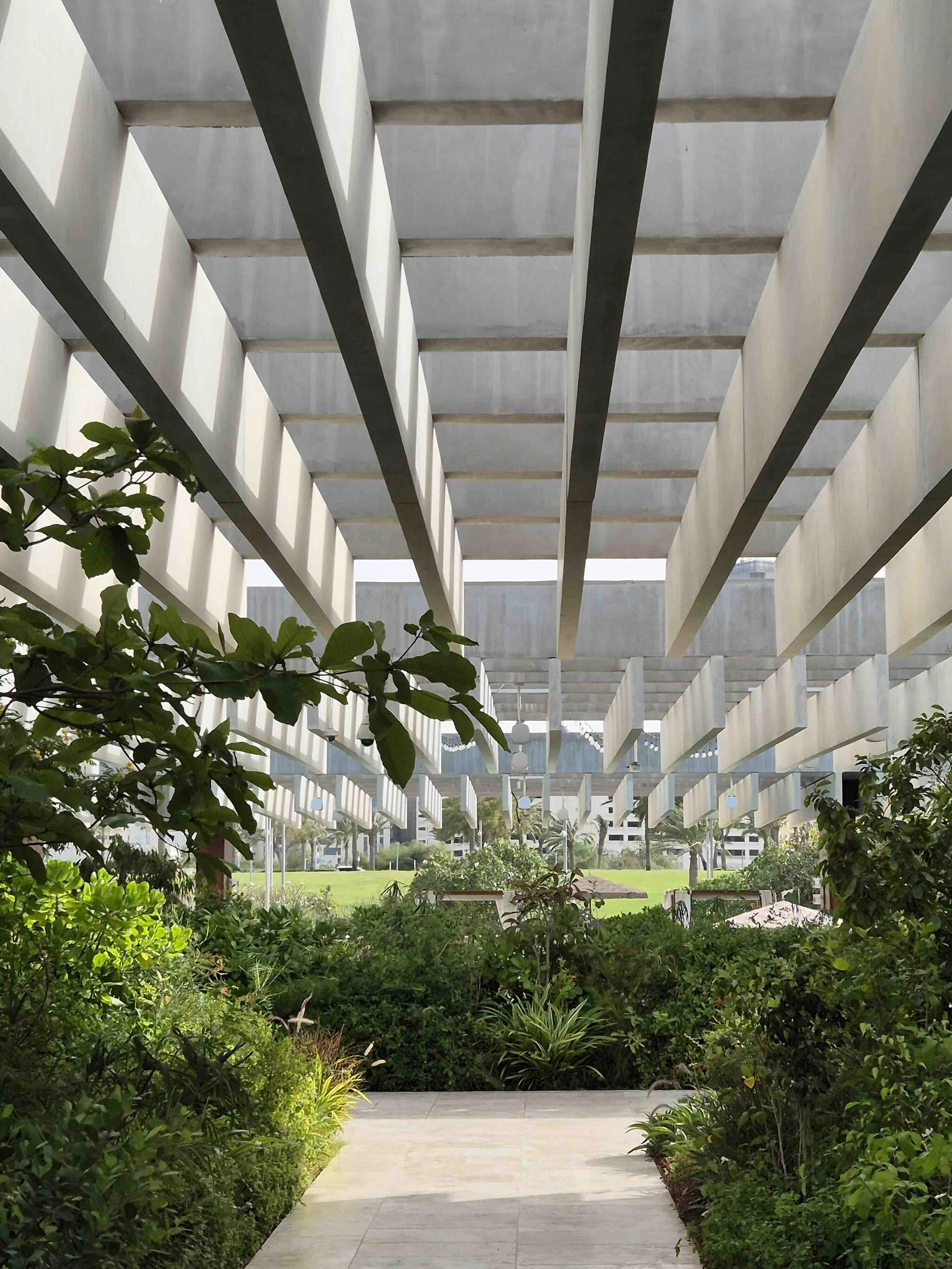
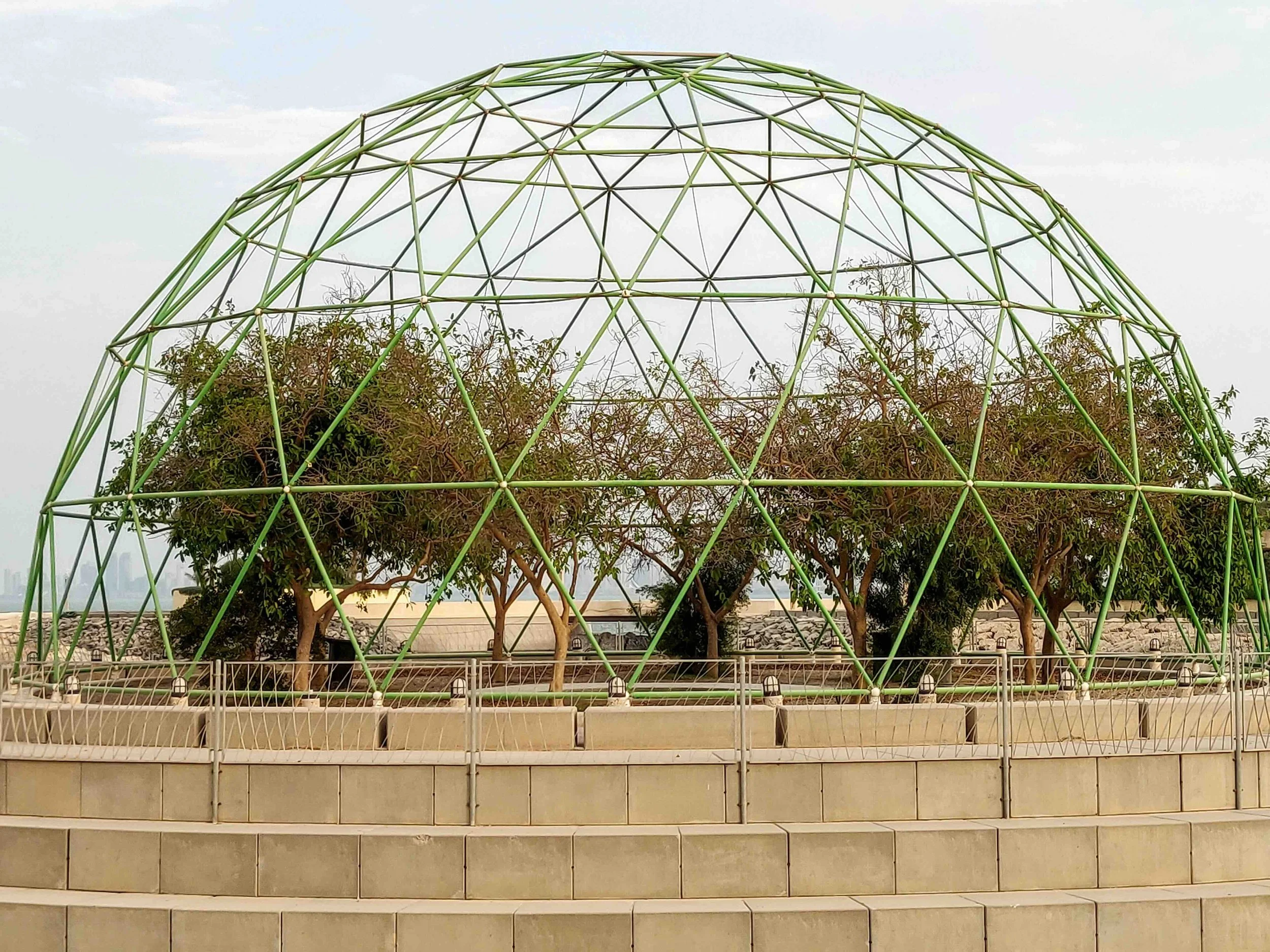
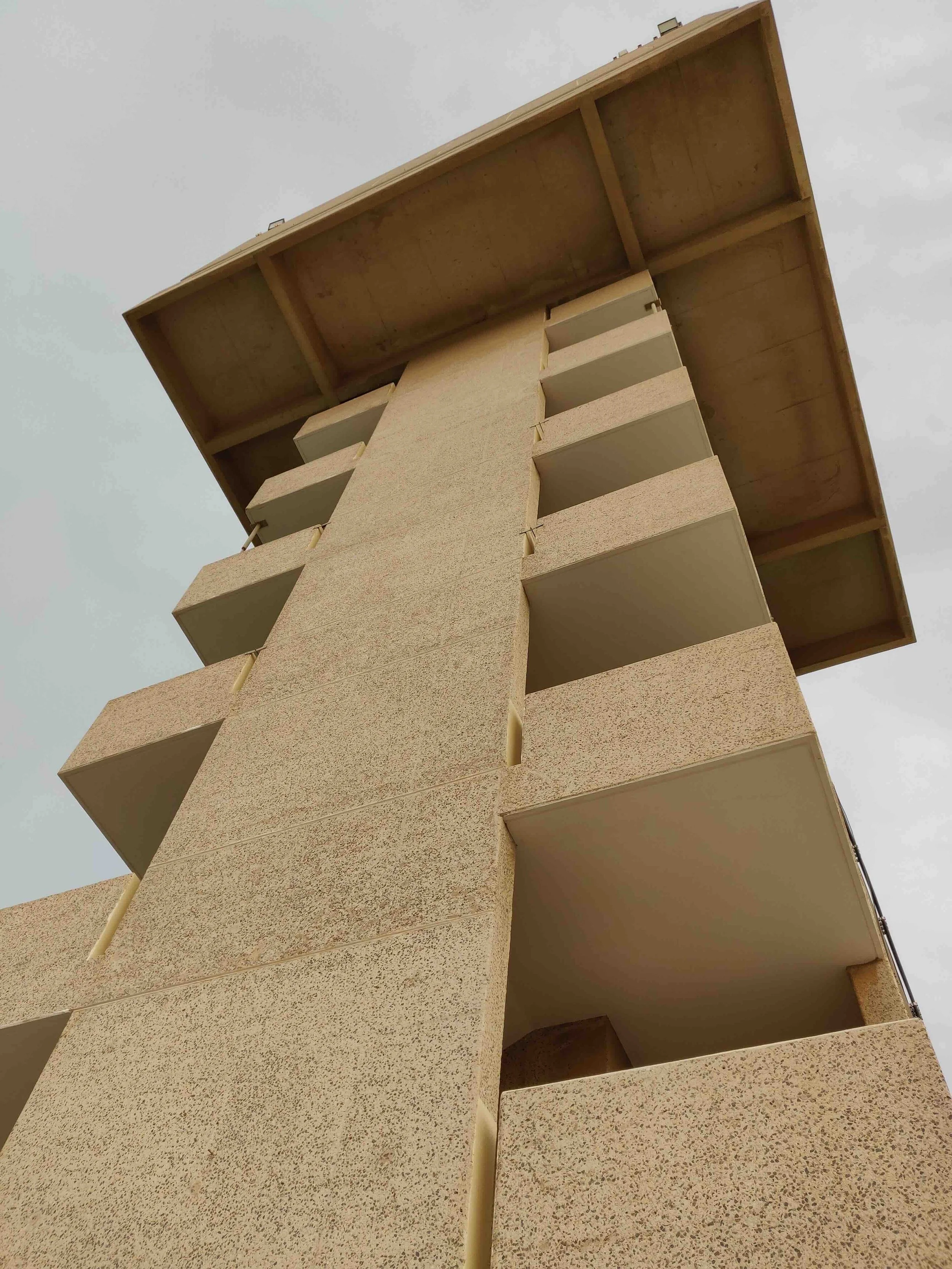
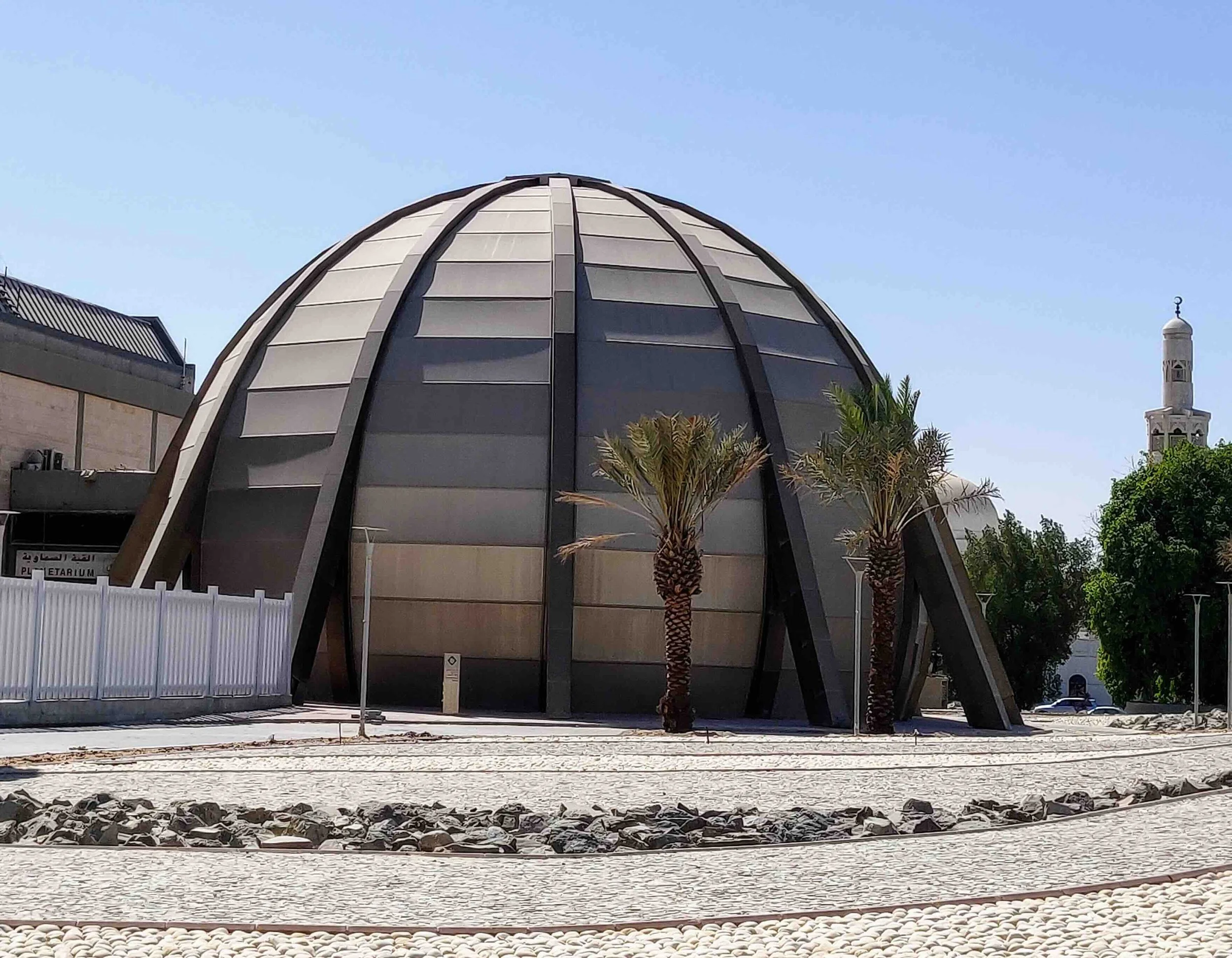
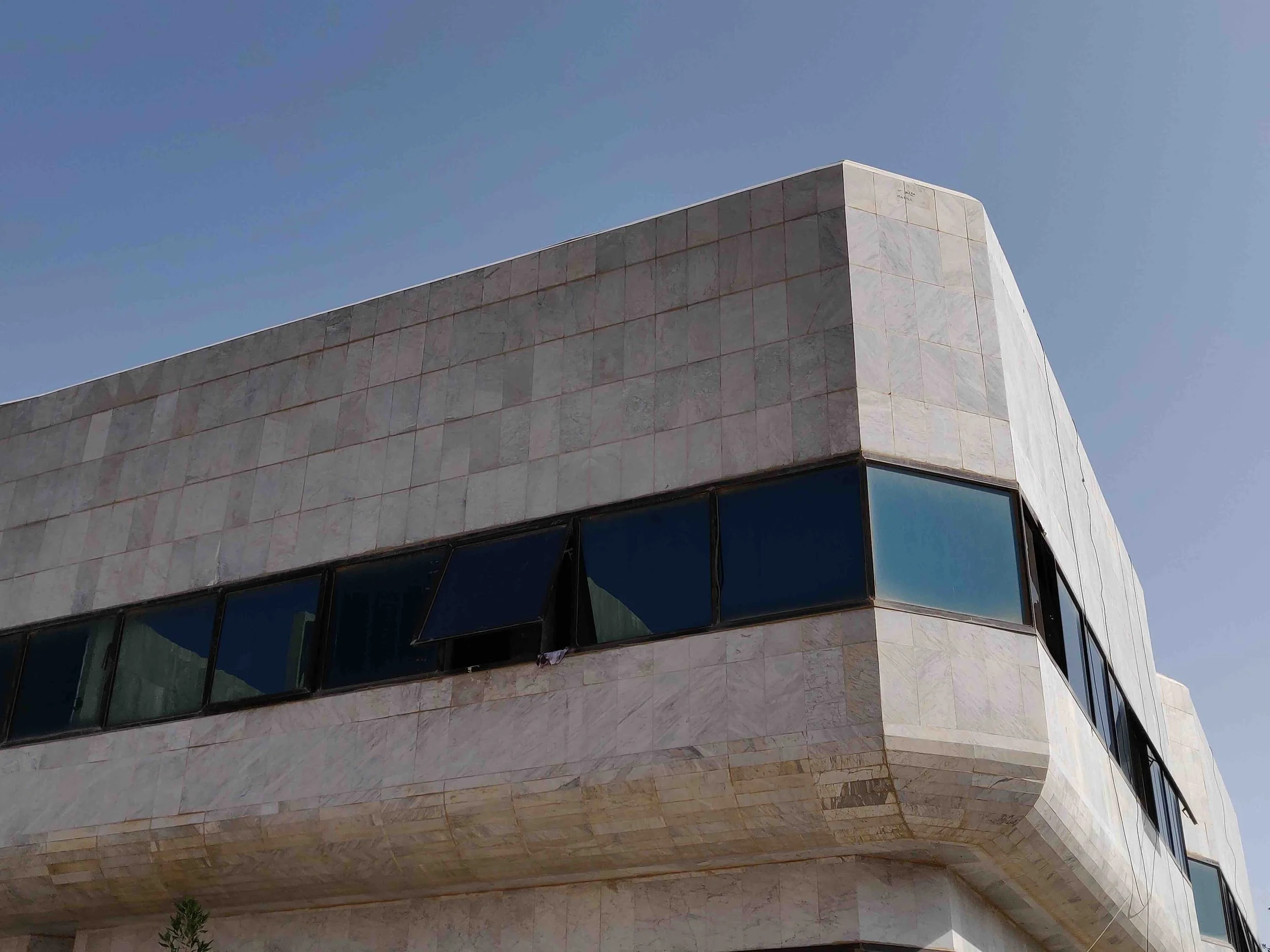
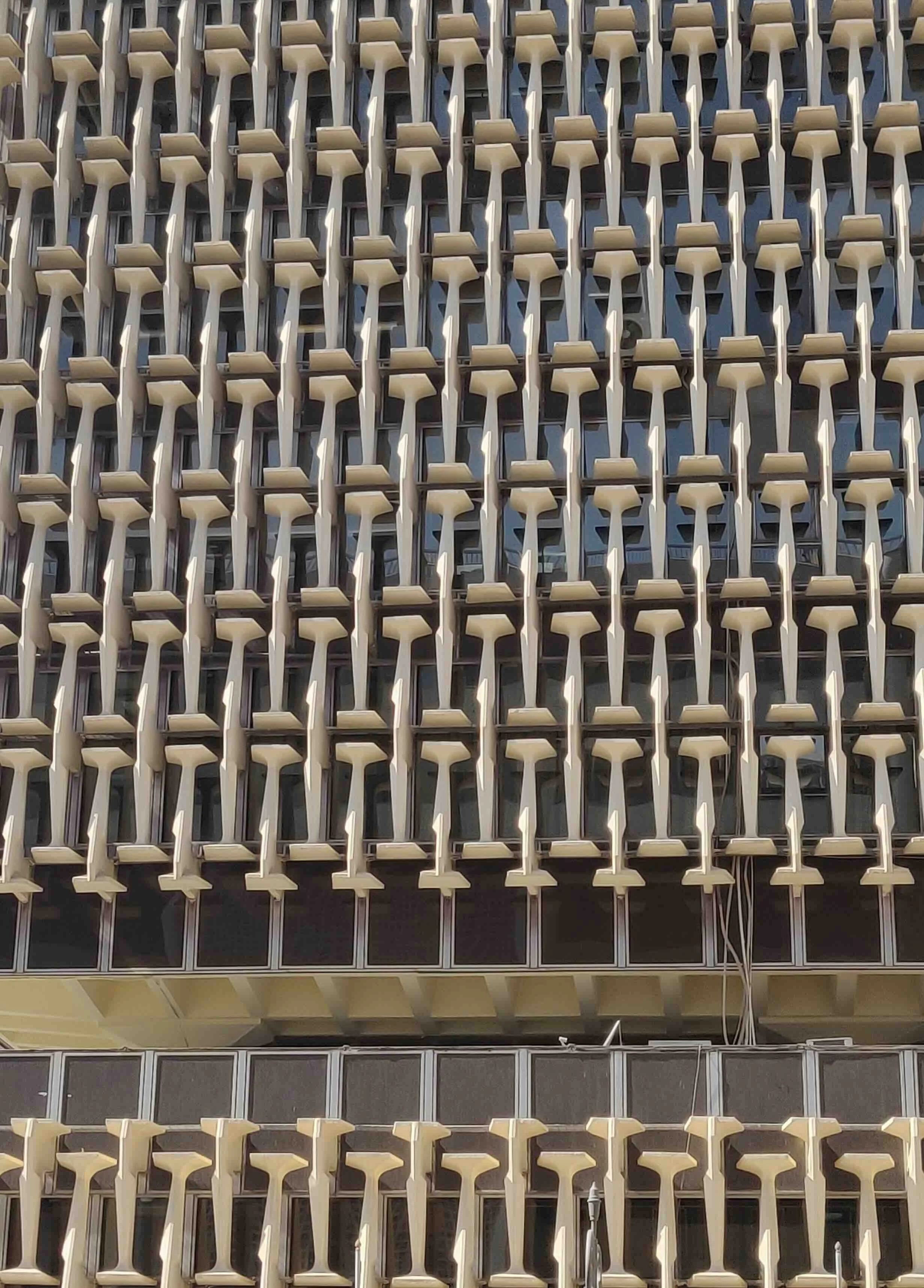
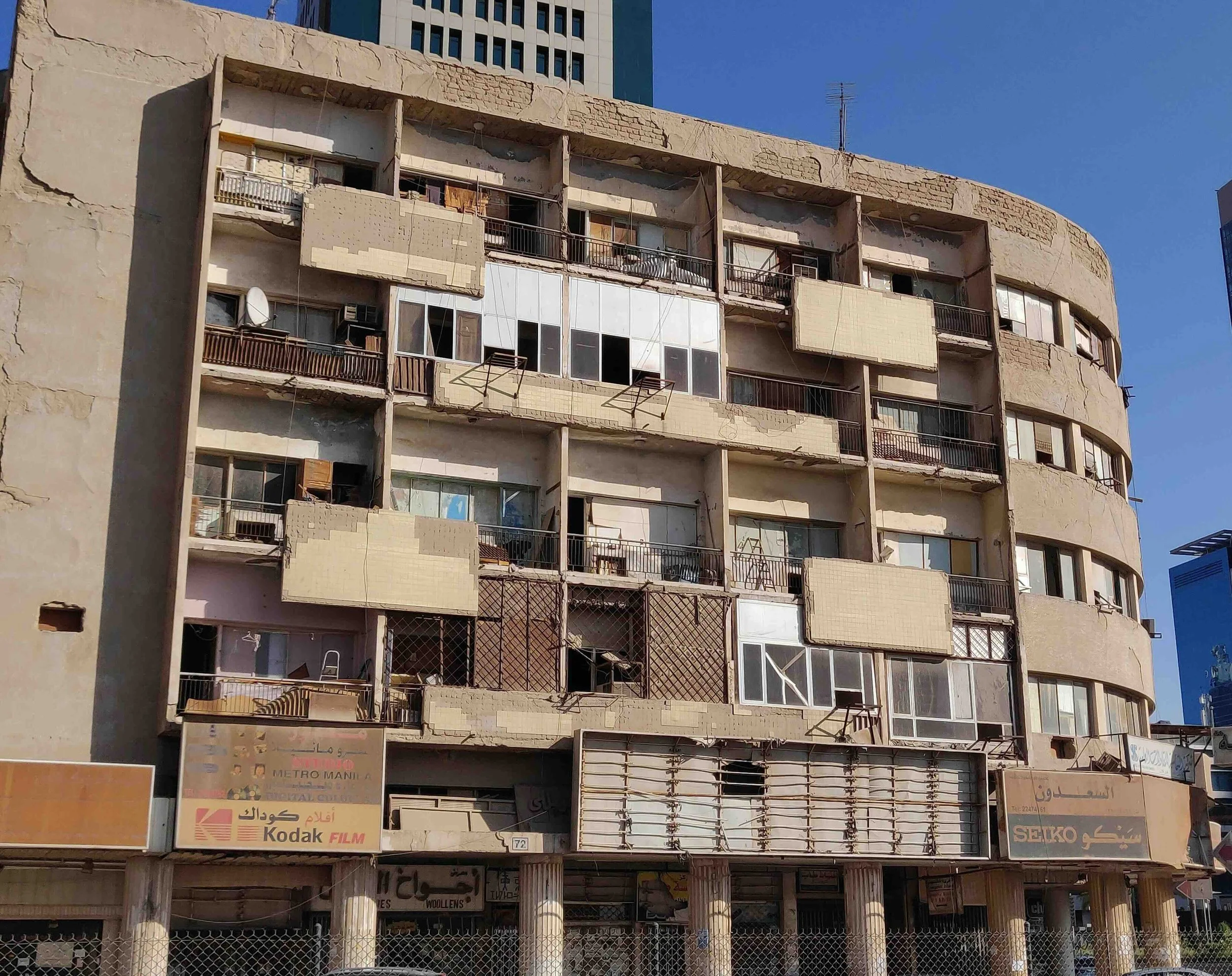
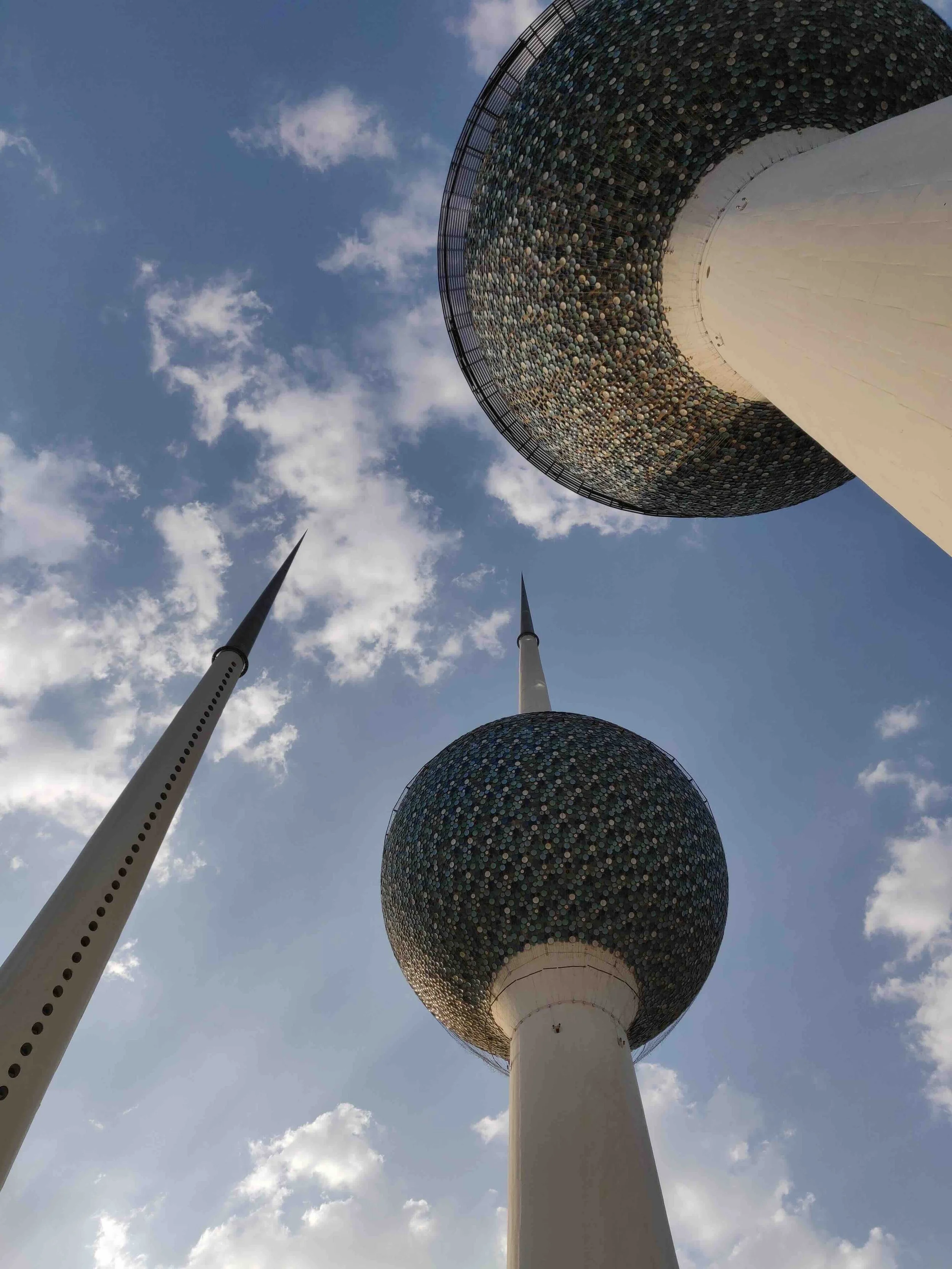
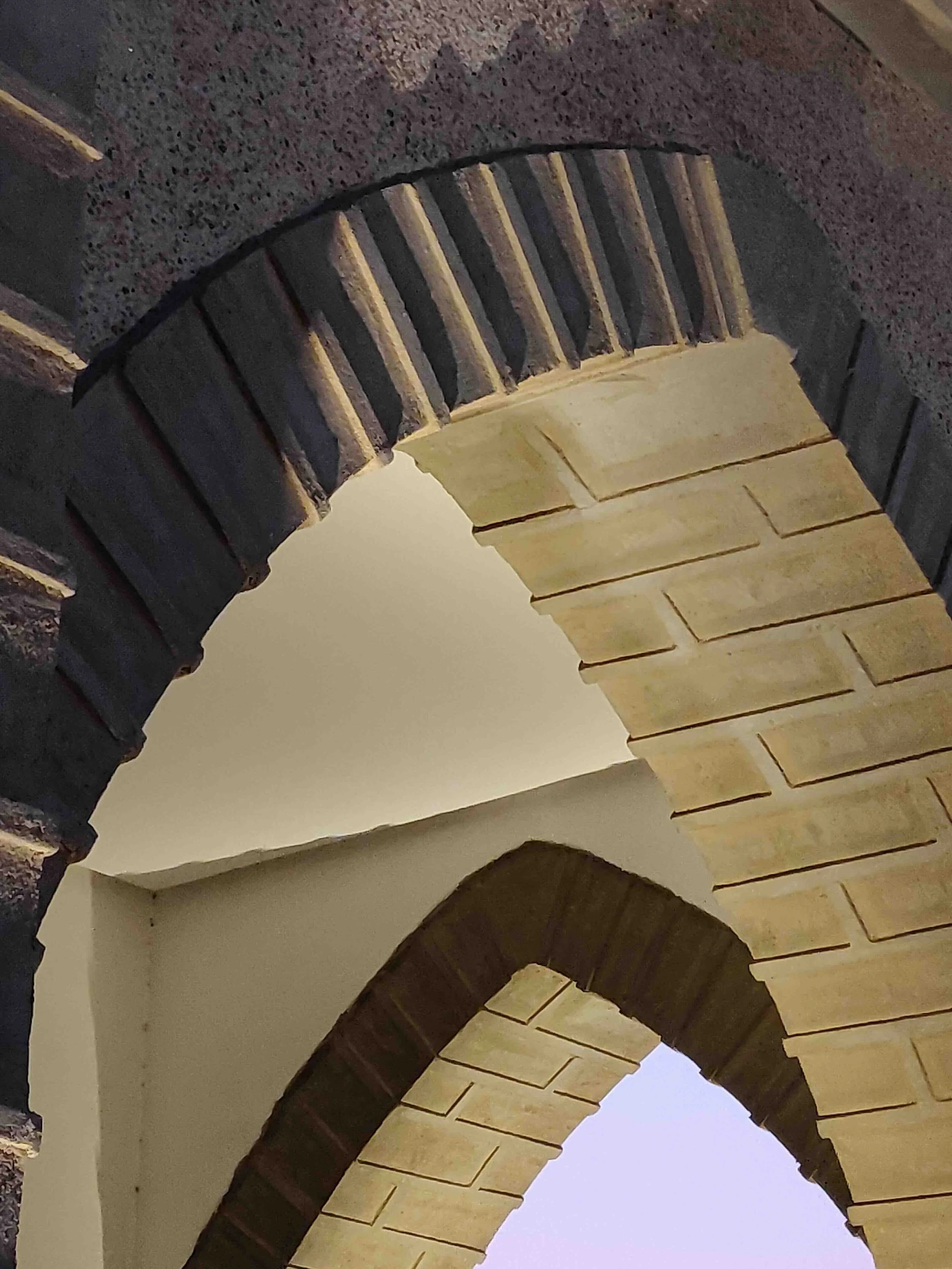
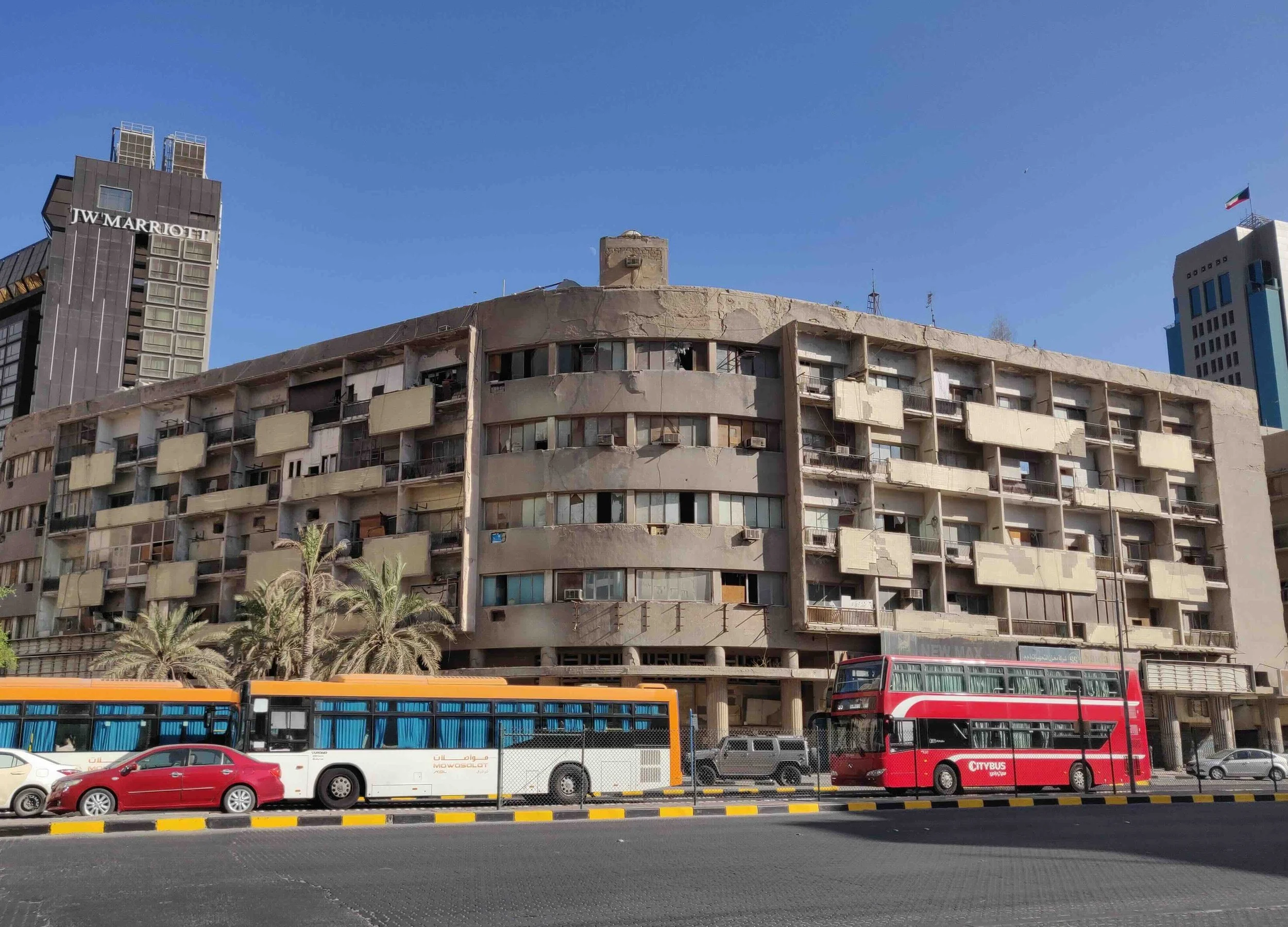
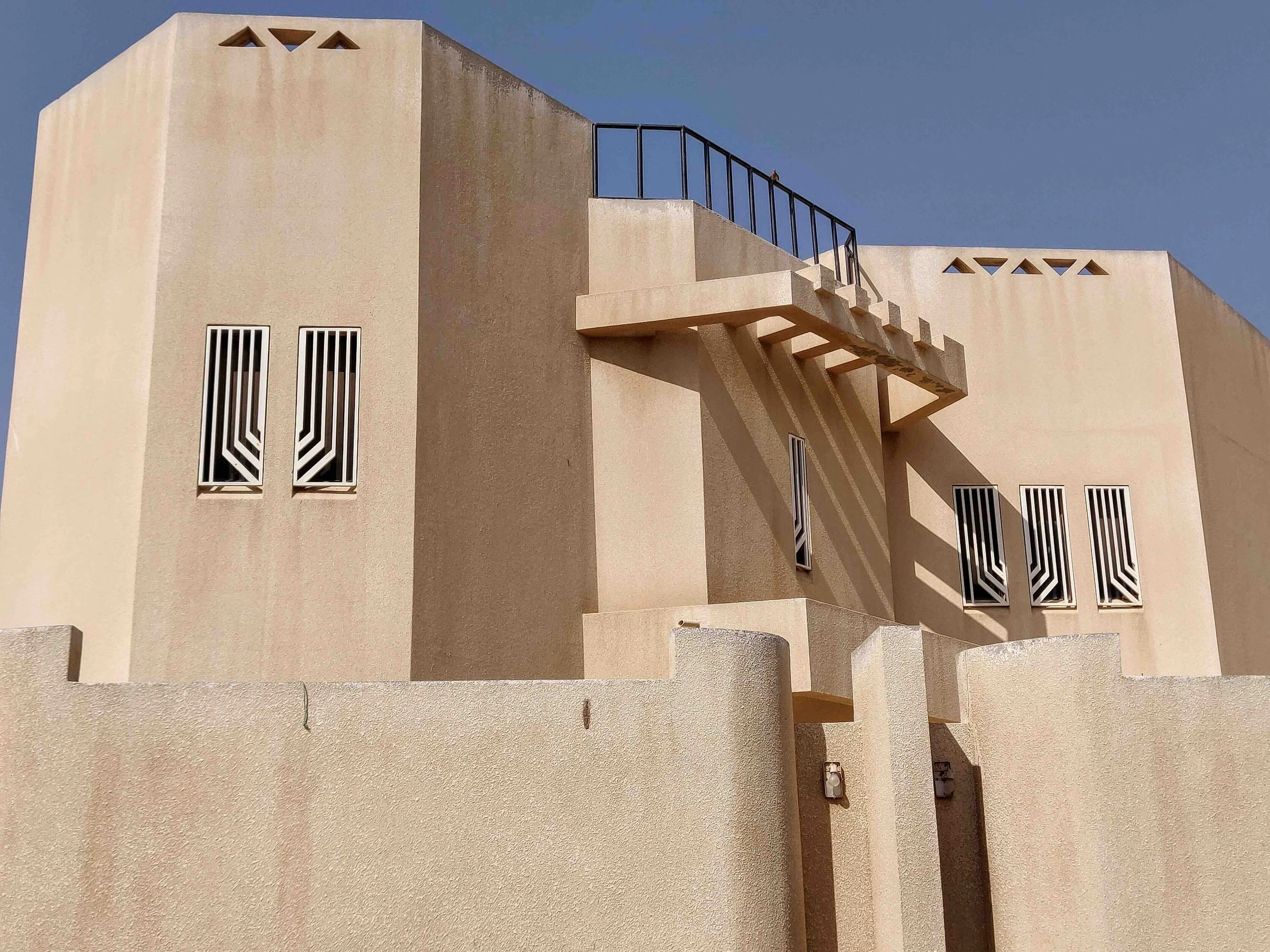
Gulf modernism is an architectural and cultural movement spanning the mid-to-late 20th century. It marks the rapid transformation of Arabian Peninsula states from pearl-diving and trading hubs into oil-financed urban landscapes. When I first worked in the Middle East, I found myself taking pictures of these distinctive buildings and structures, which reflect different Western modernist tendencies with Arabic flourishes.
In cities such as Riyadh, Kuwait and Doha, governments commissioned civic centres, ministries, cultural foundations and public housing as embodiments of national aspiration: instruments of governance and social contract. Architecture communicated stability, modernity and collective purpose. These buildings were highly influenced by the West - and predominantly Europe. As with other parts of the country, the buildings were often designed by European architects, or by Egyptians. Egypt acted as a counter-balance to the West in the Gulf region throughout much of the 1950s through the 70s, and they would often compete with the British colonial authorities and other countries in the West for influence in the region - often by sending teachers, doctors, and even architects to the region to offer their services for free, or heavily subsidised.
Across the Arab world, the physical fabric of mid-20th-century modernism is vanishing. Ministries are being cleared for mixed-use towers, early university campuses replaced with glass façades, housing estates razed for gated compounds. Such buildings, often dismissed as outdated concrete relics, represent the formative decades of state-building, welfare expansion and cultural assertion. At a time when the region finds itself again in a climate of instability, it is worth asking what endures.
Modernist heritage offers precisely what speculative mega-projects cannot: rootedness. It tells a story of national formation rather than perpetual reinvention, and signals continuity rather than volatility.