Finding Wales in South America
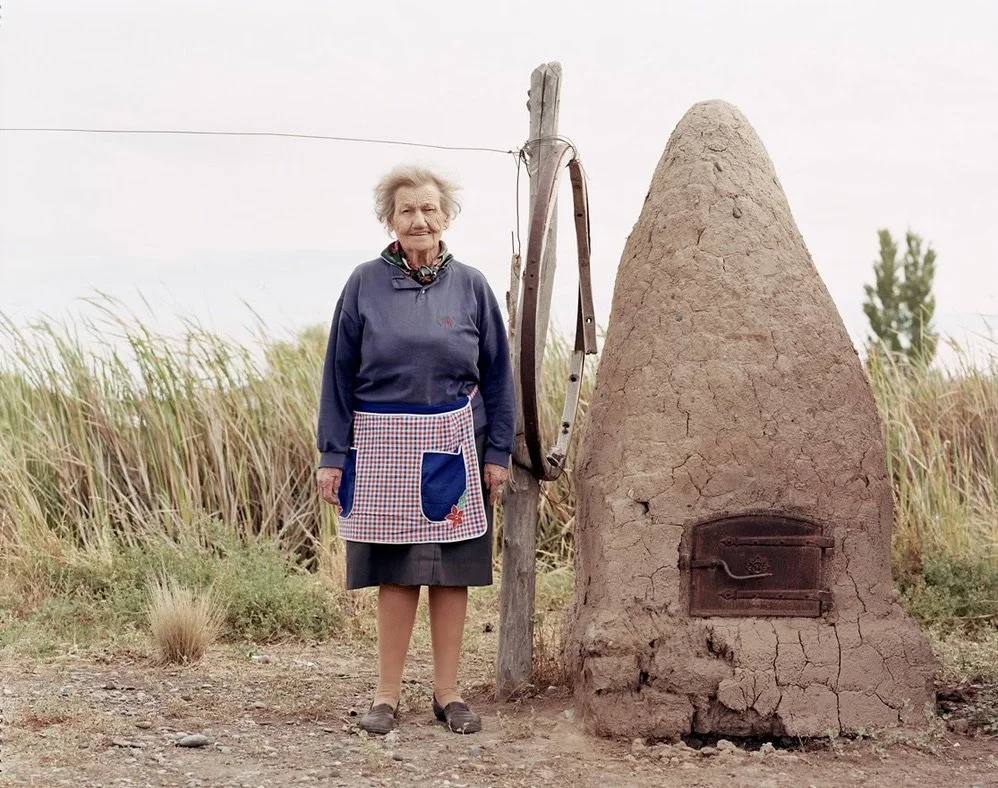
Woman and clay Oven © Ken Griffiths
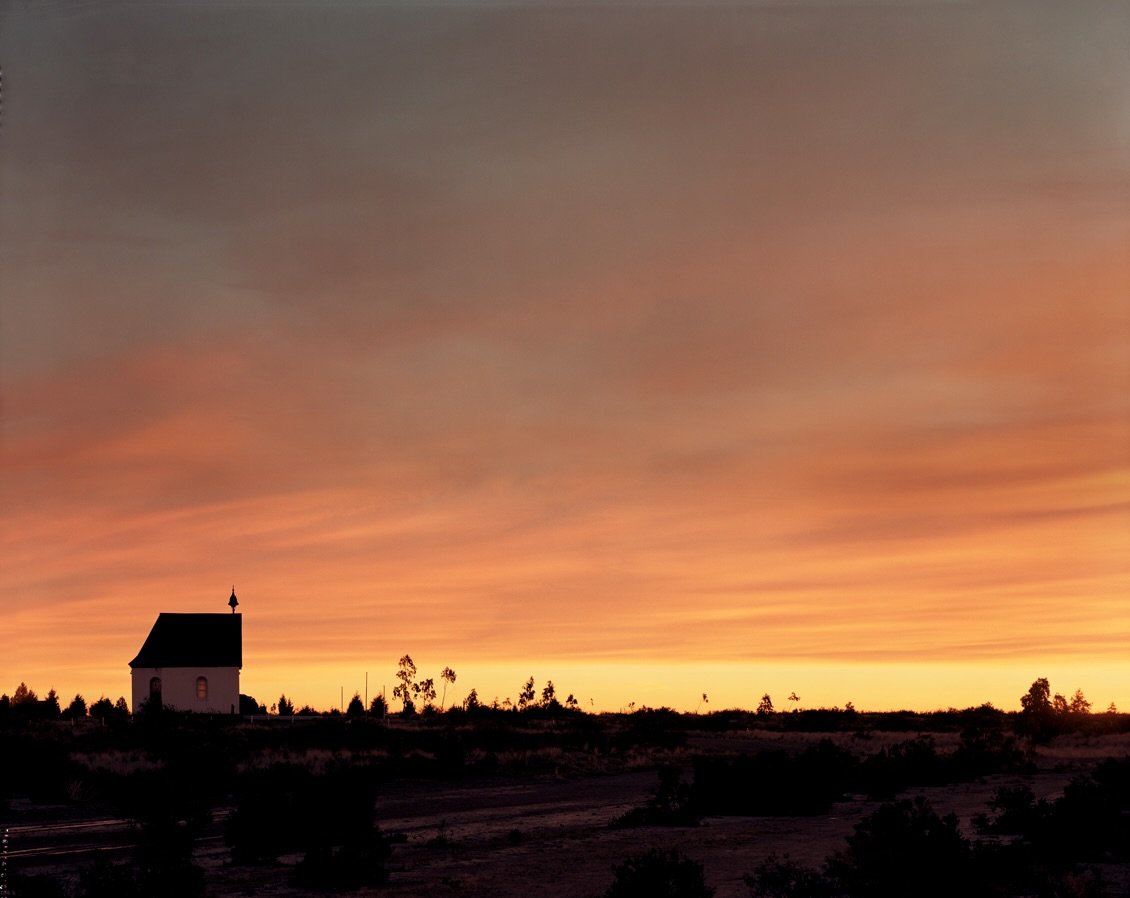
Patagonia holds a significant, often romanticised place in the Welsh imagination as Y Wladfa (The Colony)—a "little Wales beyond Wales" founded in 1865 to protect the Welsh language and culture from English influence. It is viewed as an exotic, remote outpost where Welsh culture has survived, adapted, and thrived in South America. Aside from Welsh being widely spoken alongside Spanish, other potent symbols are isolated chapels, folkloric dancing and the "torta negra galés" (black Welsh cake).
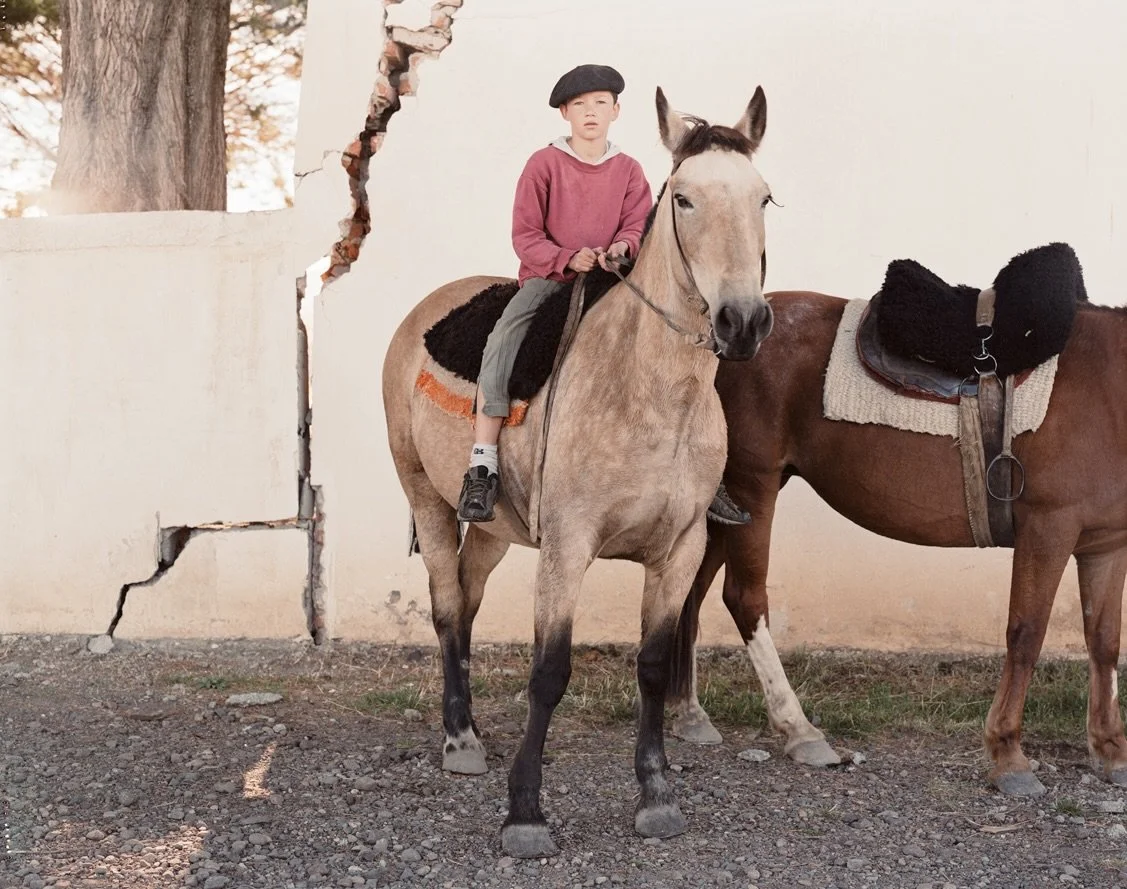
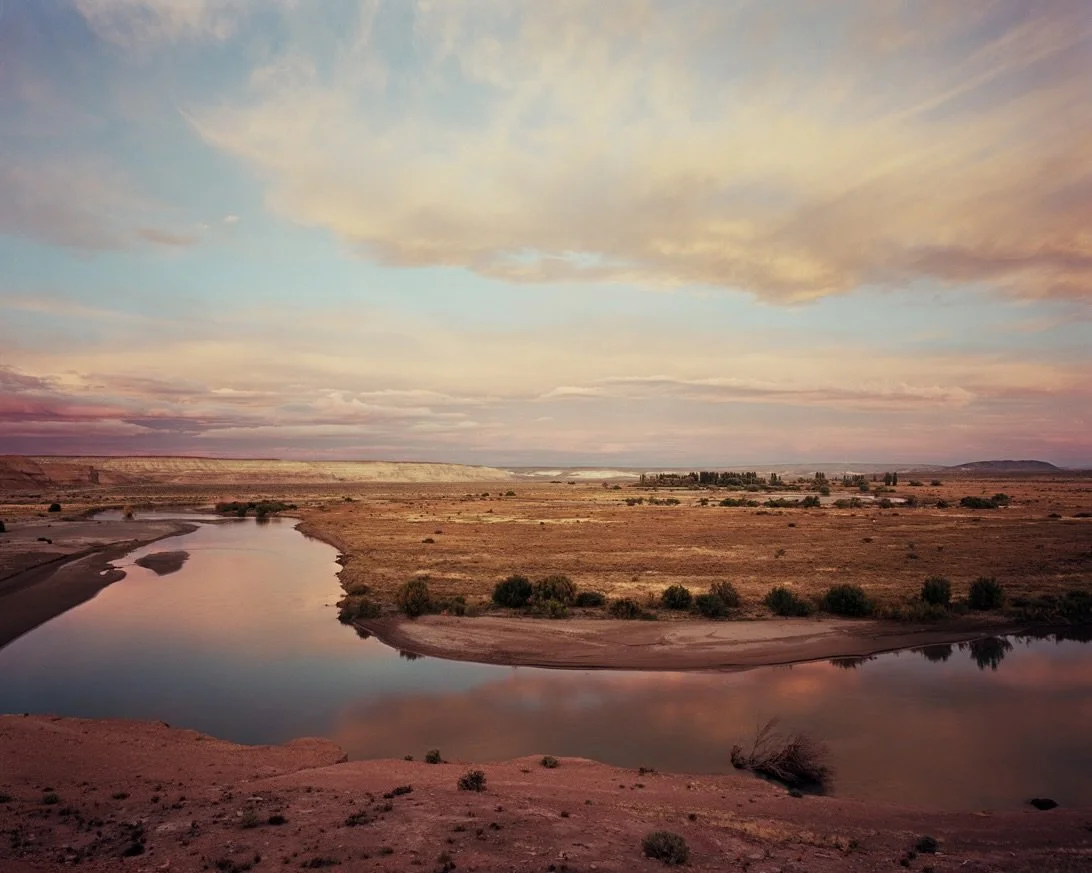
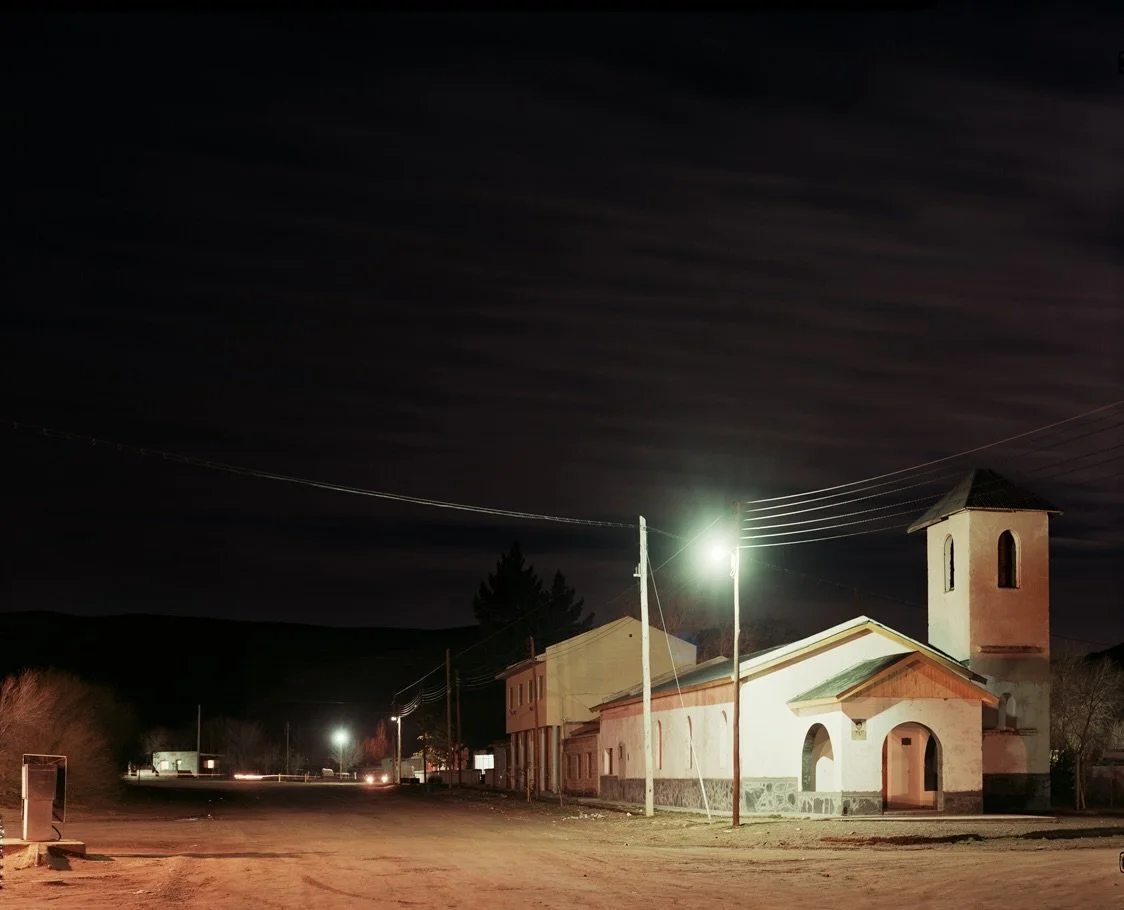
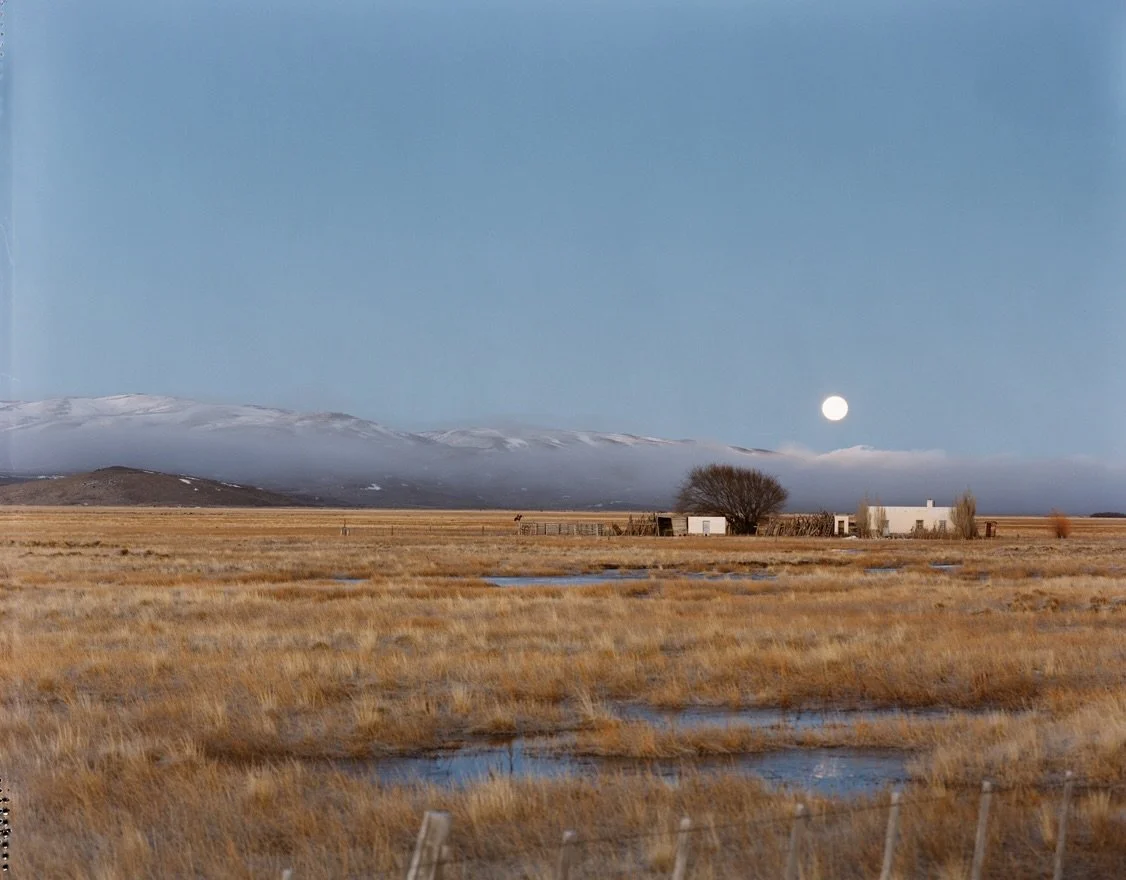
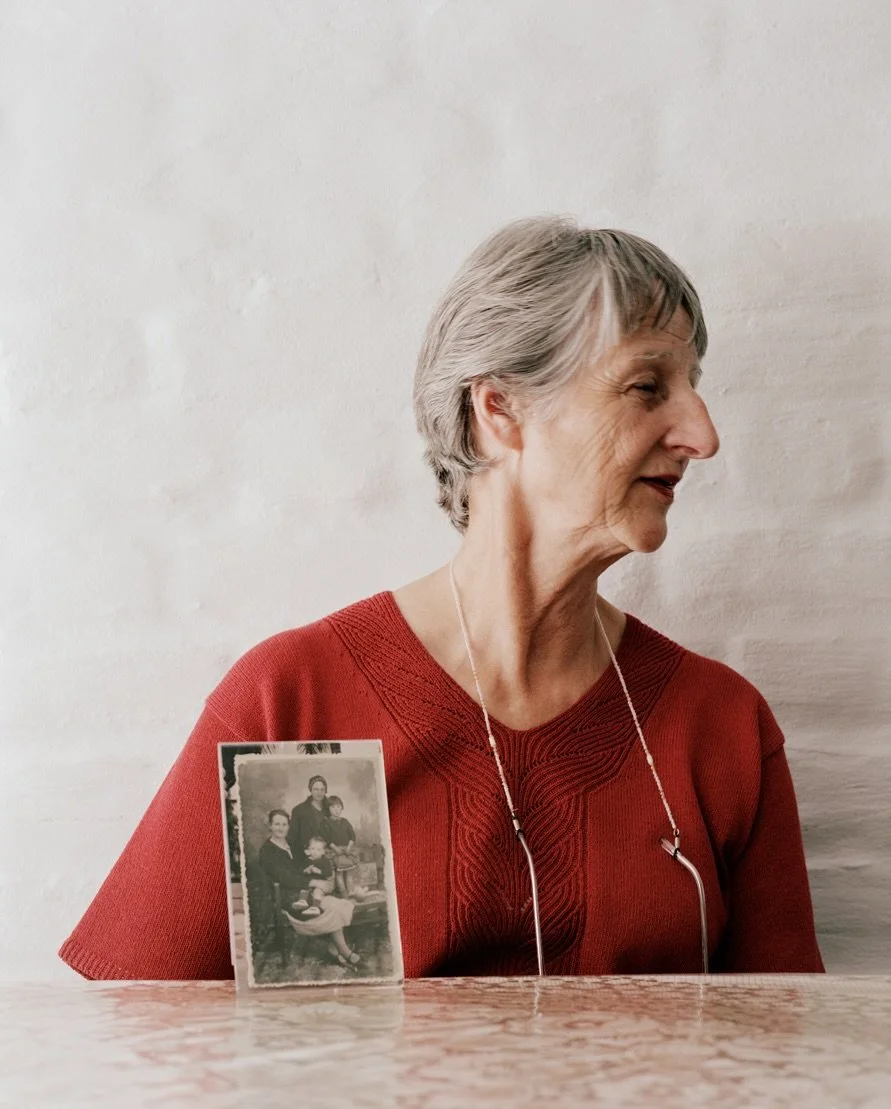
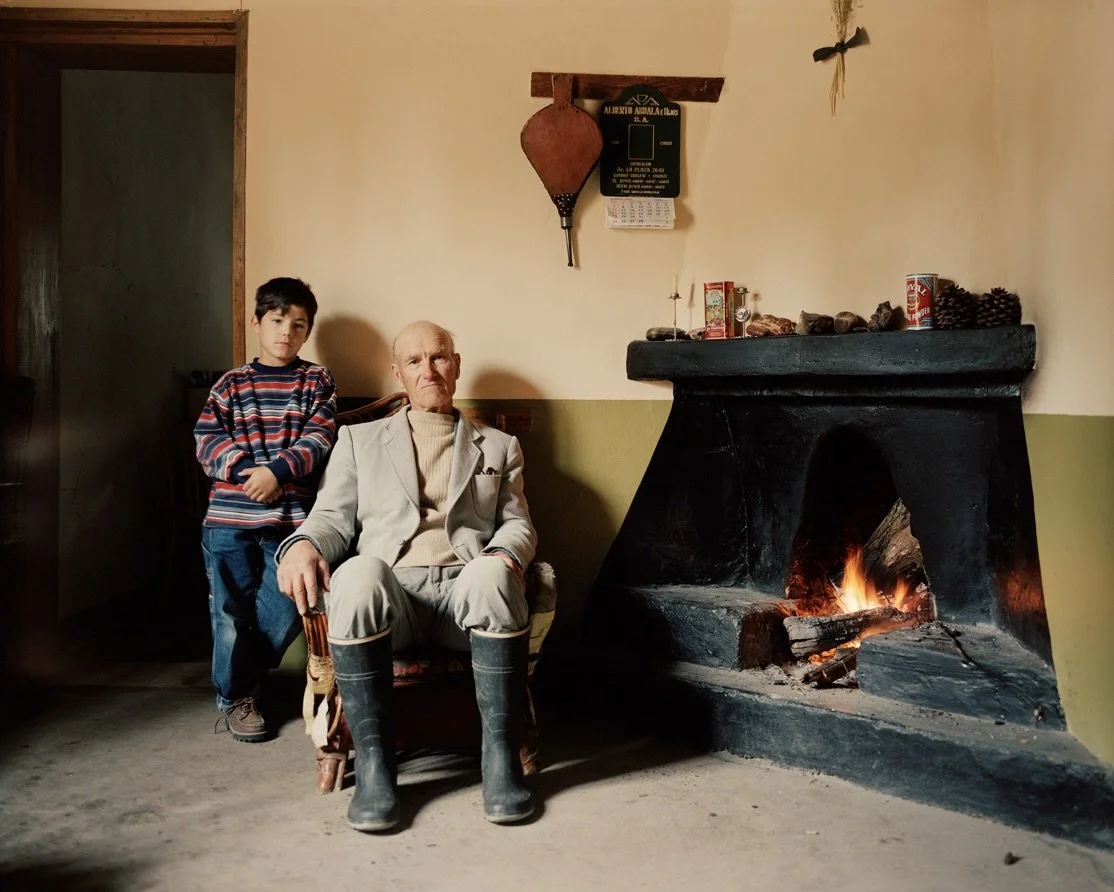
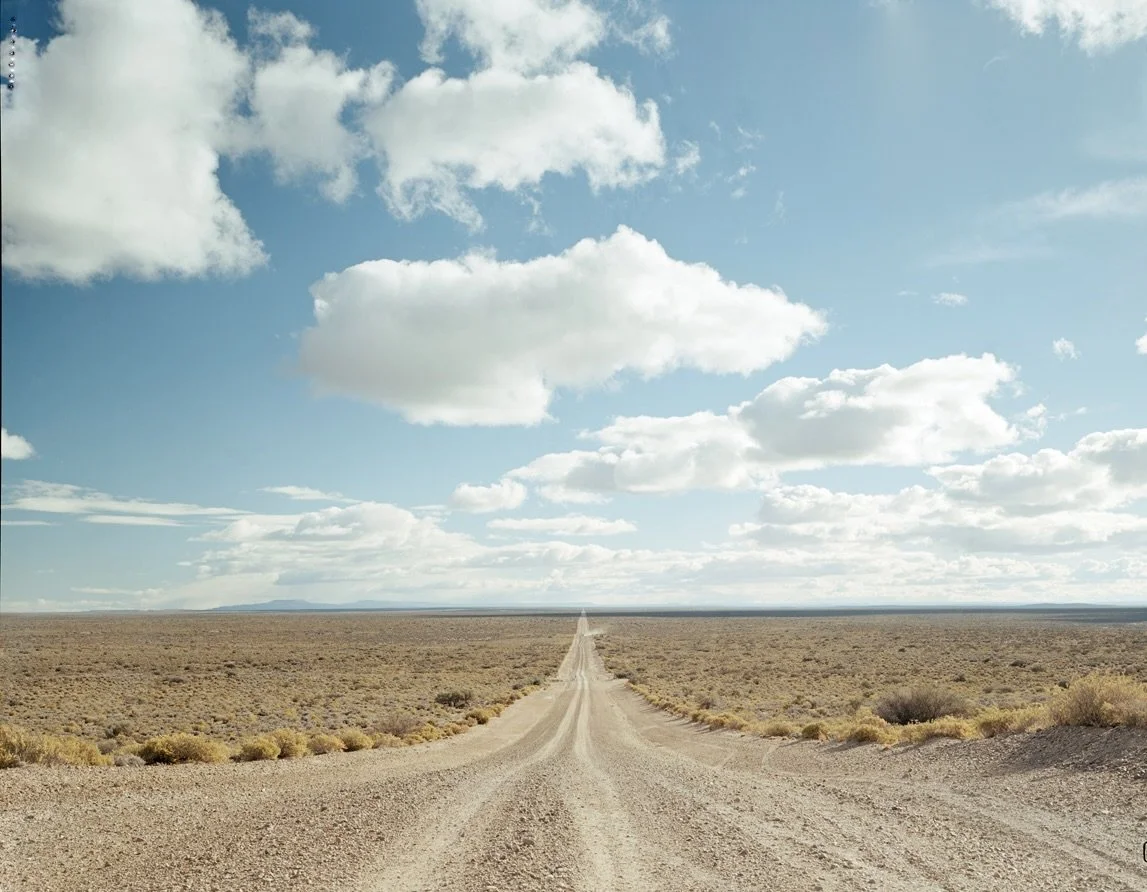
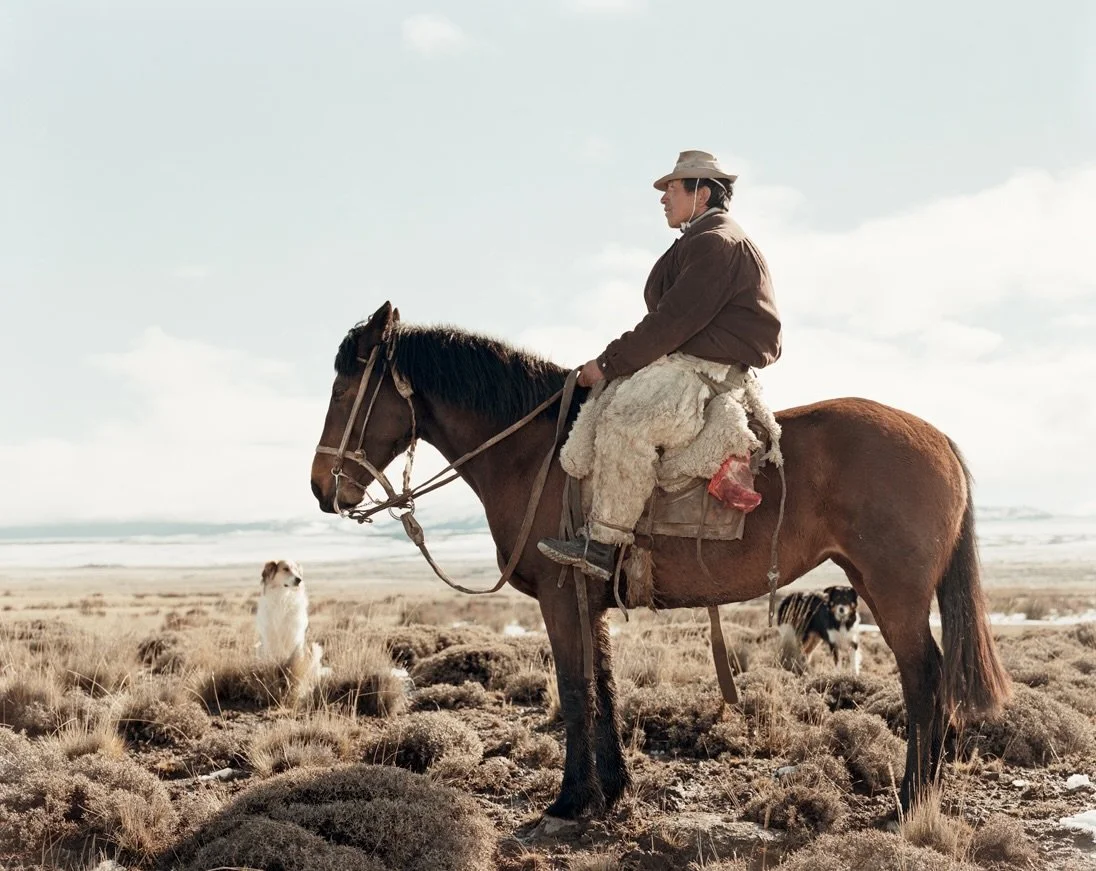
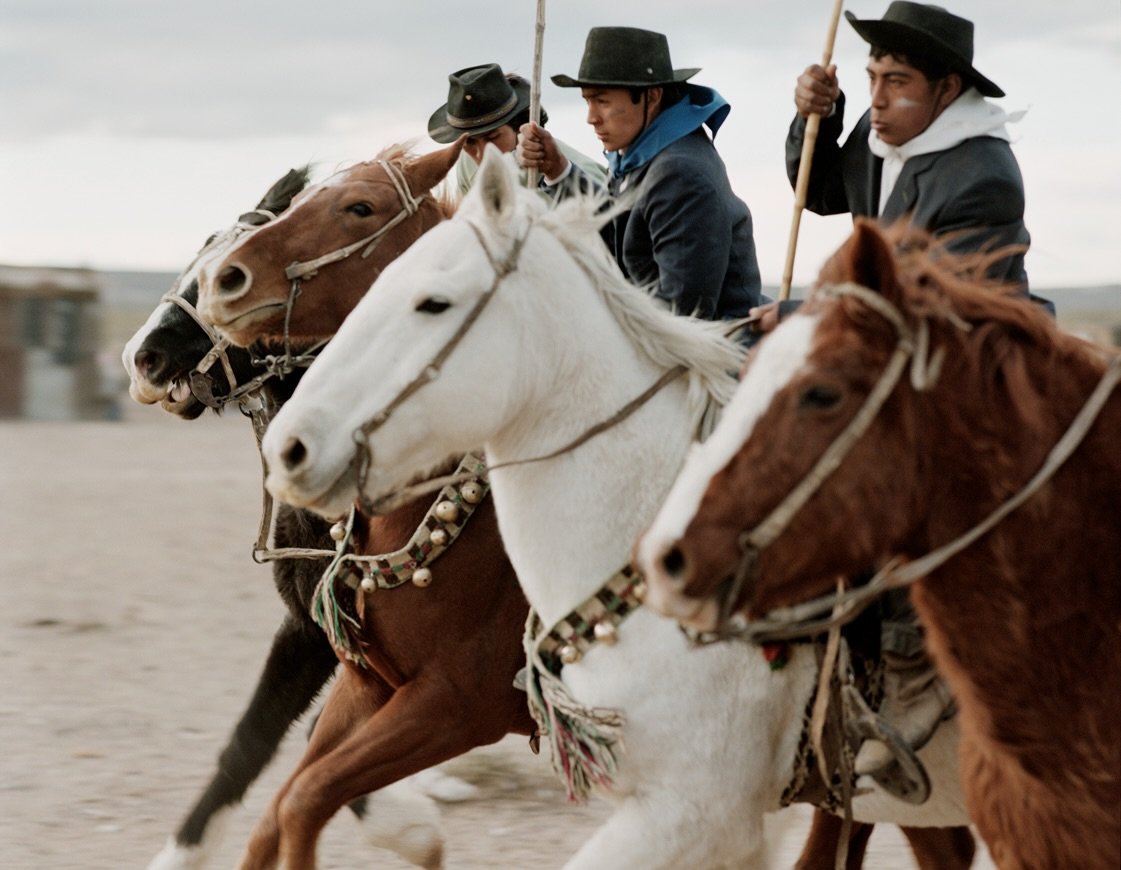
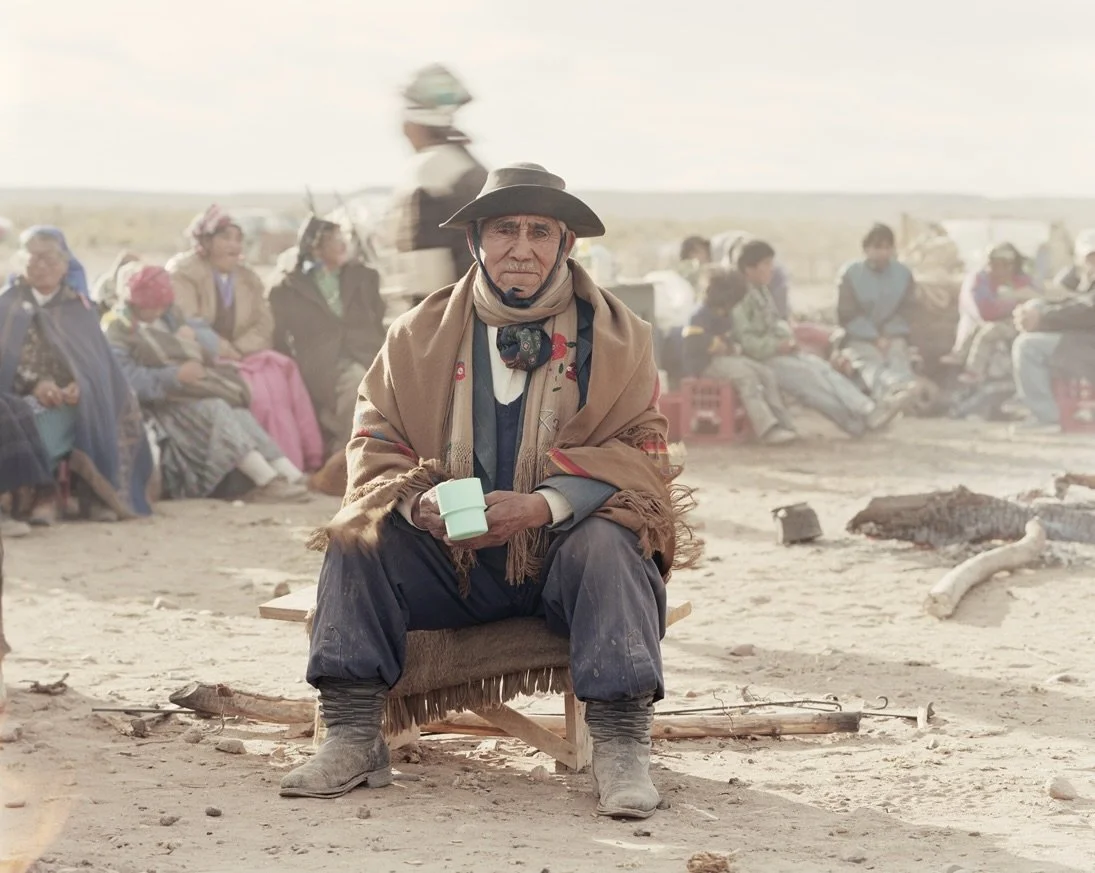
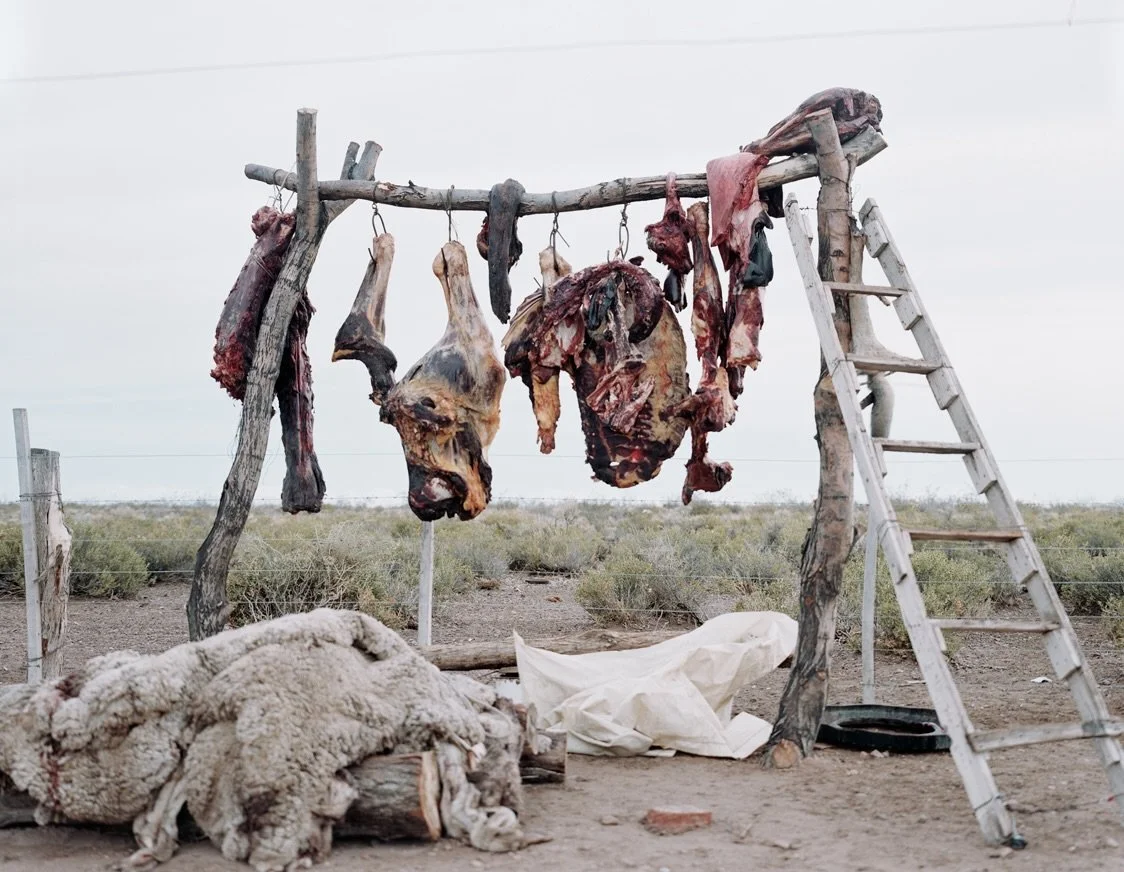
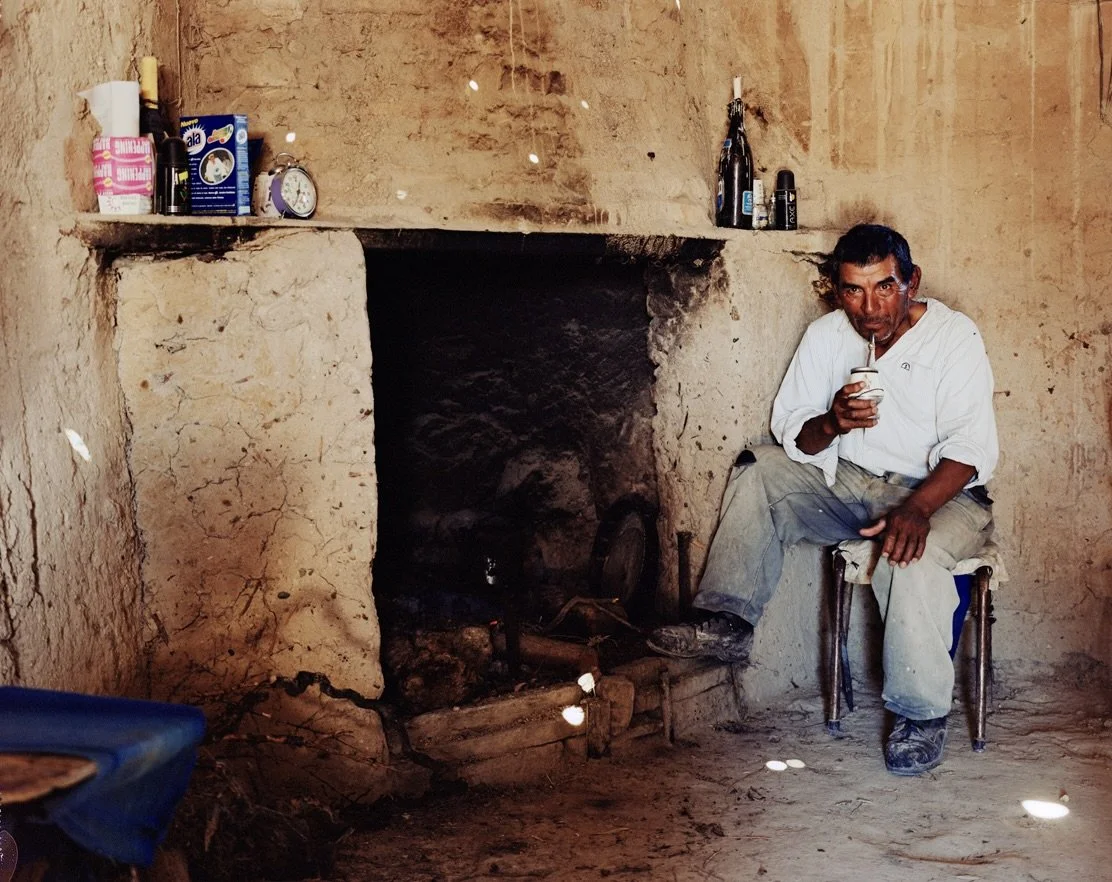
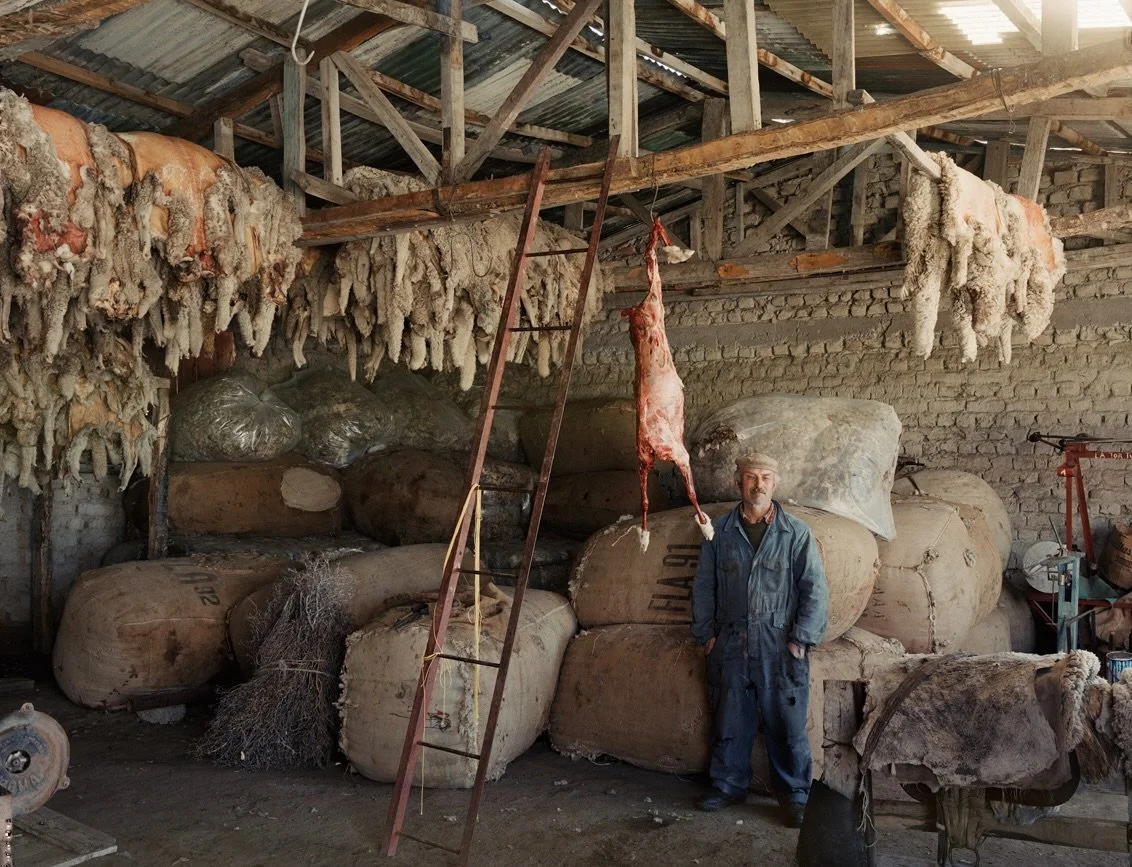
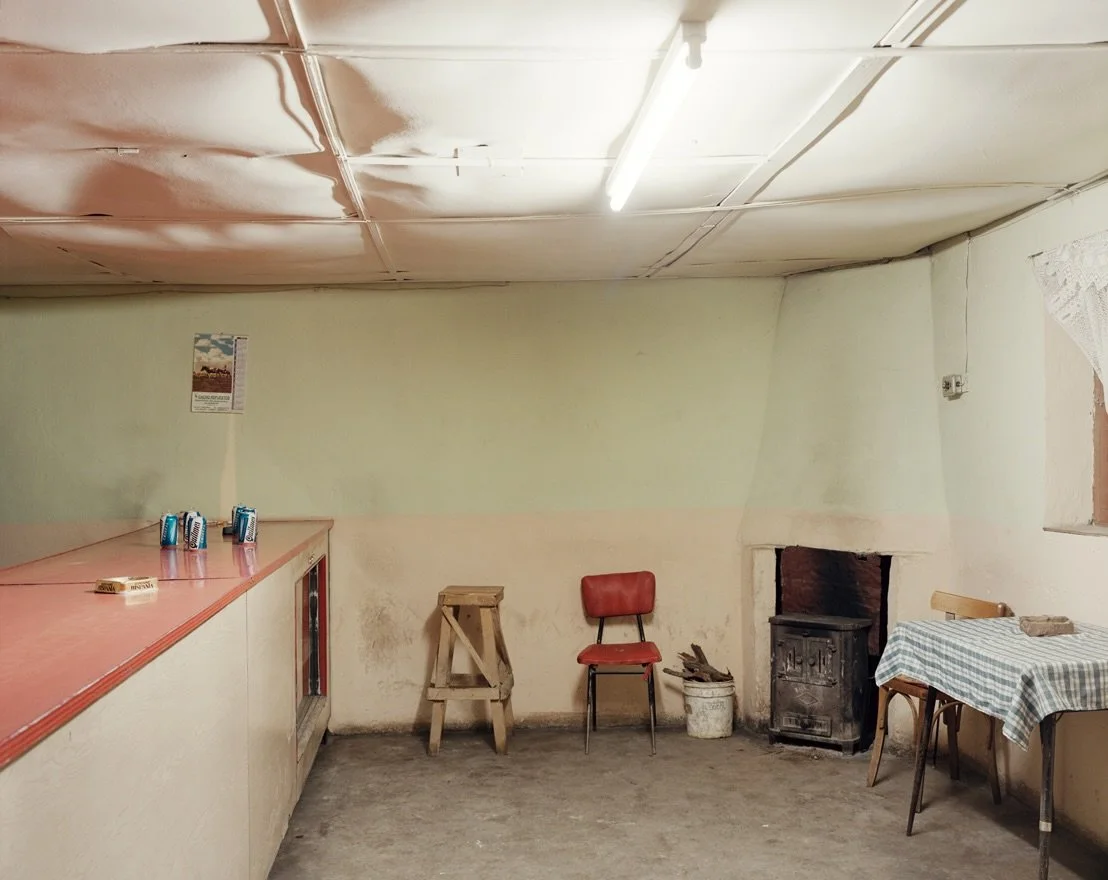
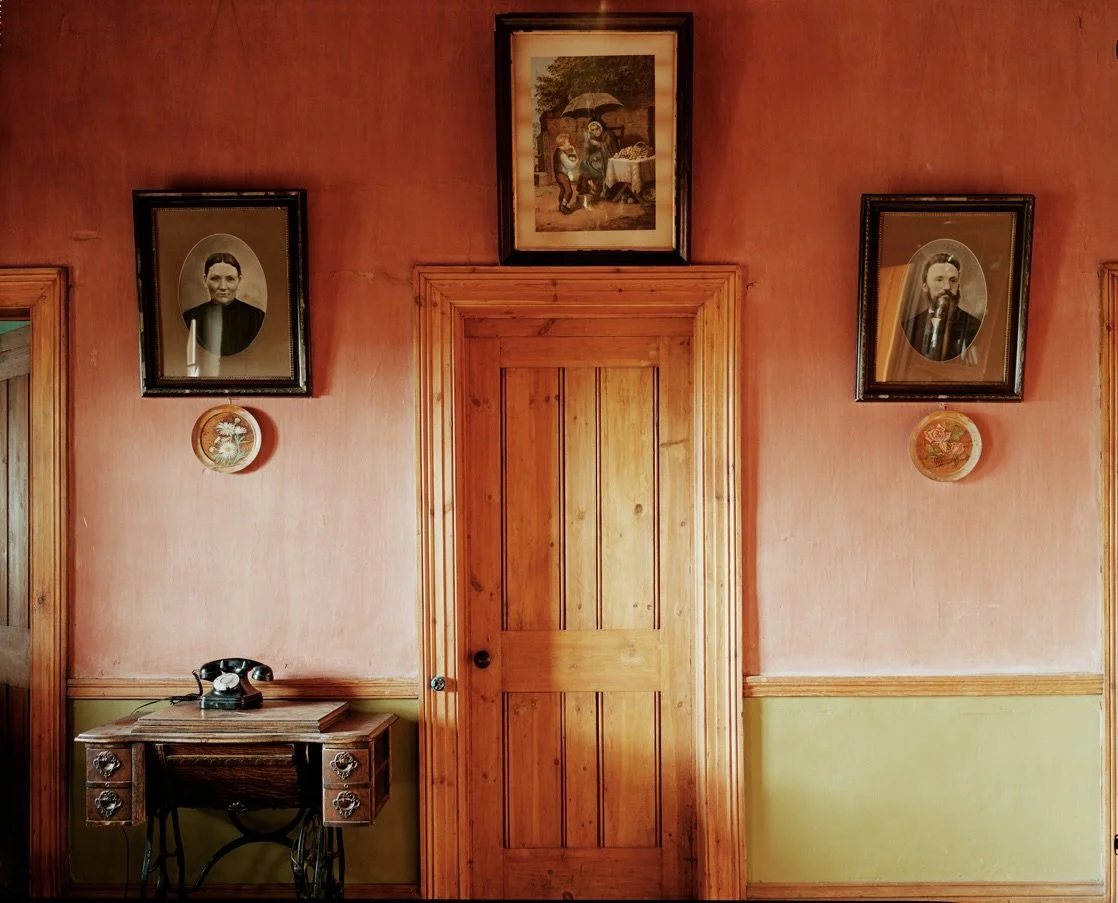
In the early 2000s, the photographer Ken Griffiths undertook three expeditions to Chubut in Patagonia, accompanied on those journeys by his friend Norman Thomas di Giovanni, a writer and translator of Argentina’s most famous writer Jorge Luis Borges. From the outset, Griffiths and di Giovanni were moved by the quest by the Welsh for a home where they could preserve their culture and their language. Nearly defeated in the first year by hardship and starvation, they succeeded through inexhaustible determination and their enlightened treatment of the native Indians, the Tehuelche, who made annual migrations to the area. Spearheading a route to the Andes and forming a new colony there, the journey of these ordinary Welsh settlers is now part of the mythic lore of Argentina and Wales. Griffiths’ photographs featured in the series Patagonia, came out of trips they made in different seasons of the year, retracing the routes of the Welsh early pioneers, as well from studying scores of early photographs by John Murray Thomas, one of the colony's founding fathers.
I curated two editions of the Patagonia exhibition, first at Ffotogallery in 2011 and secondly at the Norwegian Church in Cardiff Bay as part of Diffusion 2015 – Looking for America.