A Woman’s Work
Creative Europe project 2019 - 2021, lead partners in UK, Lithuania, Finland and France
The nature of work and the workplace is changing at a dizzying pace. It is being transformed by technological advances, automation, social movements, globalisation and various geopolitical factors. Personal values and aspirations, and how we define ourselves through our work, are also affected by our dynamic, intersectional identities. Race, class, and gender create overlapping systems of discrimination or privilege, which even at times of economic growth contribute to vast wealth disparities across society.
Commitment to gender equality at work has been a priority across Europe, at all levels, from the small company to large corporations and European institutions. At the United Nations Fourth World Conference on Women, which took place in Beijing in 1995, representatives of 189 nations agreed to an ambitious platform for action that called for ‘full and equal participation of women in political, civil, economic, social and cultural life’. Despite the attention given to the issue and such expressions of political intent, two decades into the 21st century gender inequalities in labour markets and at work stubbornly persist.
Progress has been especially slow in terms of creating full economic opportunity for women. Globally, the gap between men’s and women’s participation in the labour markets has not closed significantly over the last two decades. Around 100 countries still have laws which limit women’s participation in professions designated for male workers only. In European countries, where such legislative barriers do not exist, regressive cultural norms and their associated gender stereotypes, a lack of flexible scheduling and affordable childcare, and other discriminatory practices inhibit the move towards gender equity in the workplace.
There are more women than men in Europe, yet only 16% of European start-up businesses are founded or co-founded by women. Challenging this situation is critical to achieving gender parity, as more female leaders means more role models for girls and young women, especially in professions which remain male-dominated. The Organisation for Economic Co-operation and Development (OECD), Europe’s most trusted and influential policy group, found in a 2017 report that
“The gendered segregation of work limits women’s entry into sectors traditionally associated with ‘male’ capabilities, such as the engineering, science and technology. These sectors have notably better working conditions, from higher pay to social protection”
Even in ‘feminised’ areas of work predominated by women workers, such as the service sector which constitutes 80% of women’s employment in Europe, women mainly occupy low paid positions.
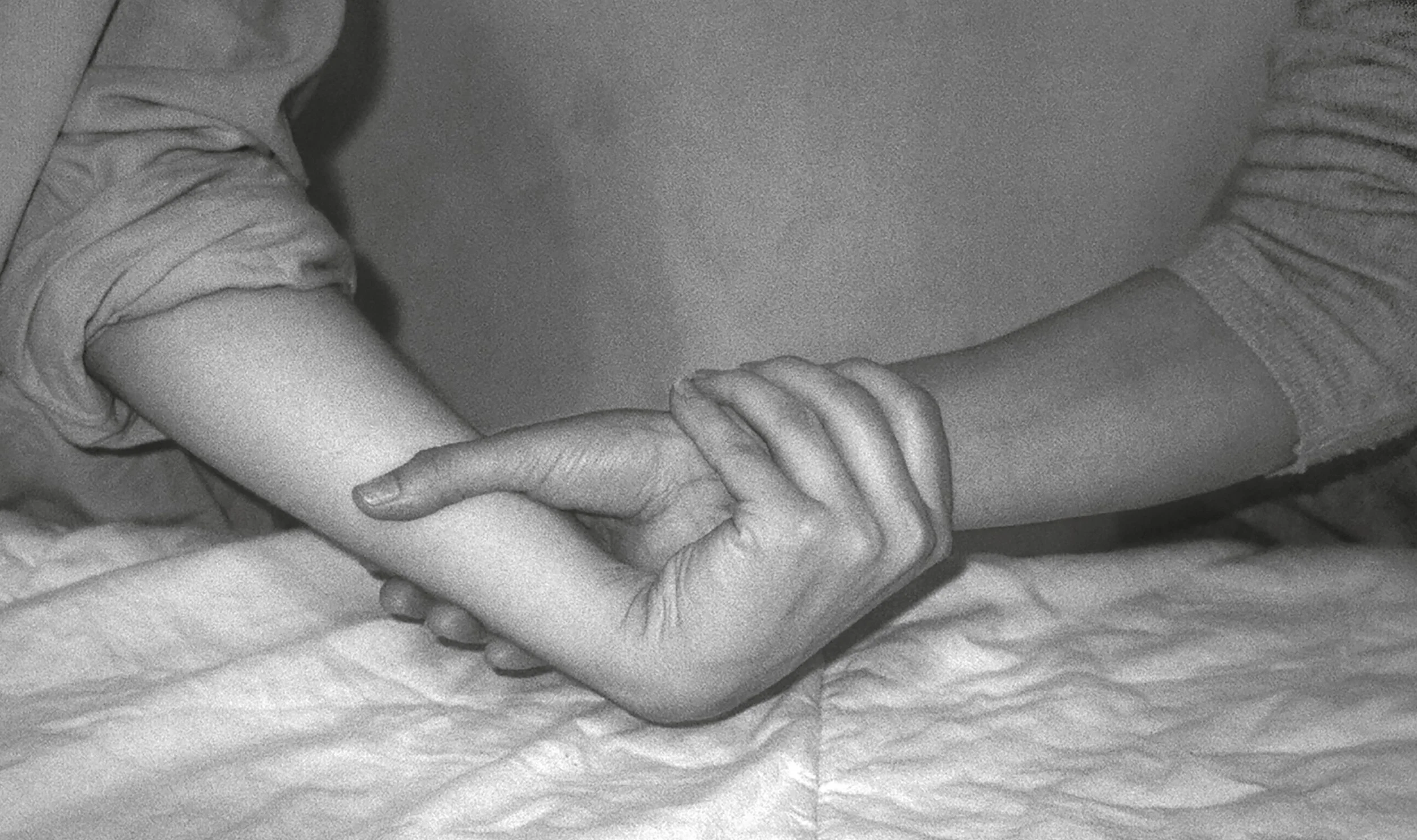
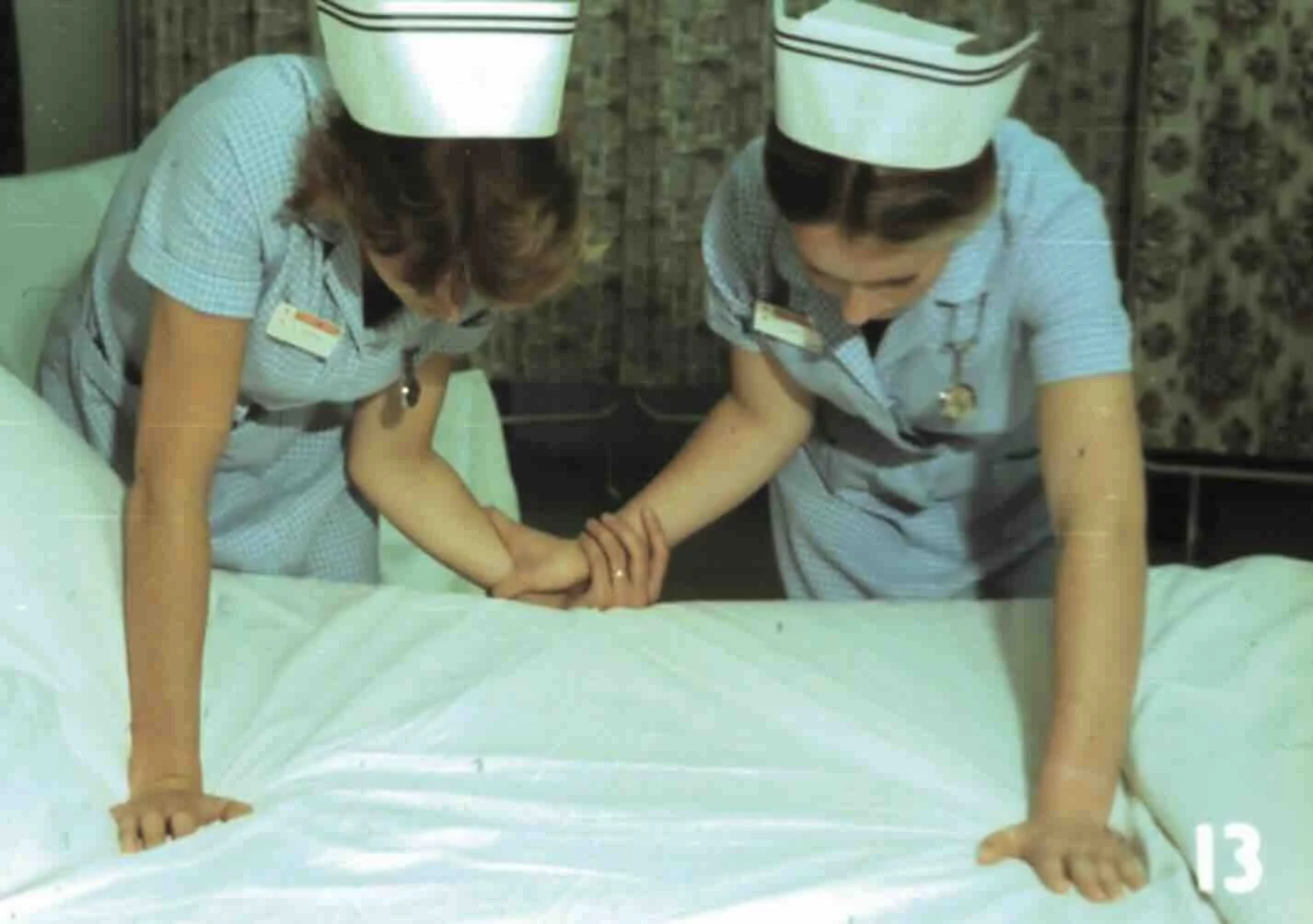
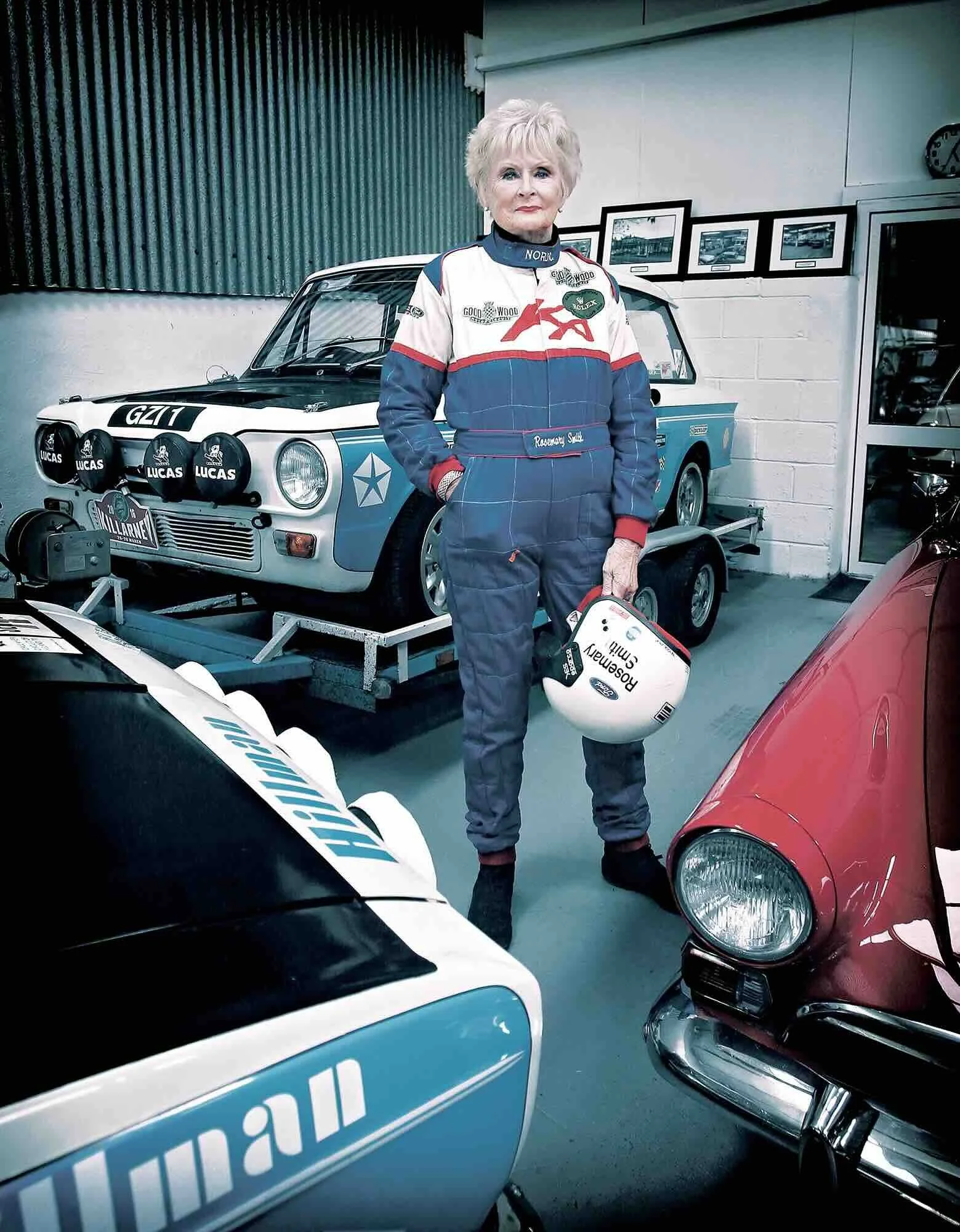
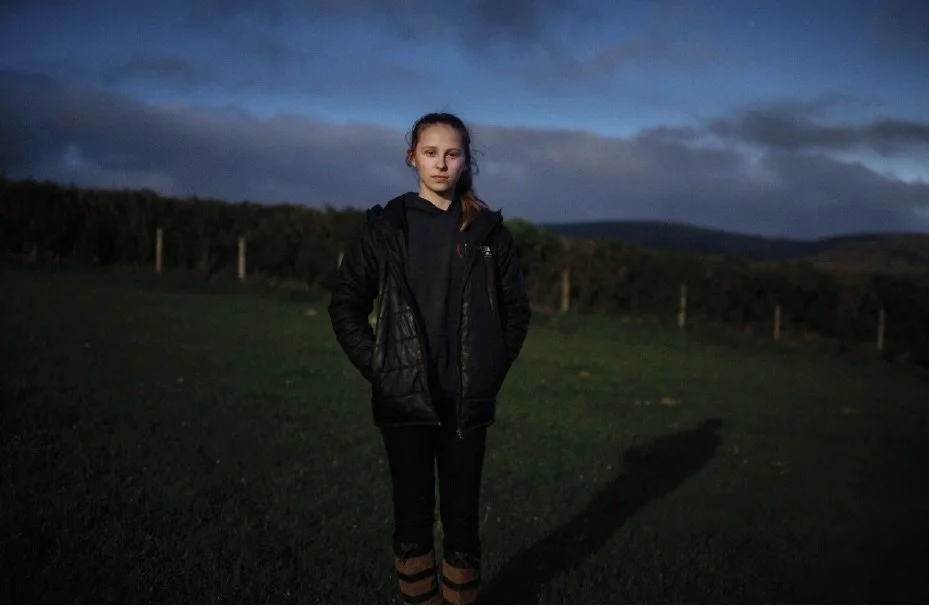
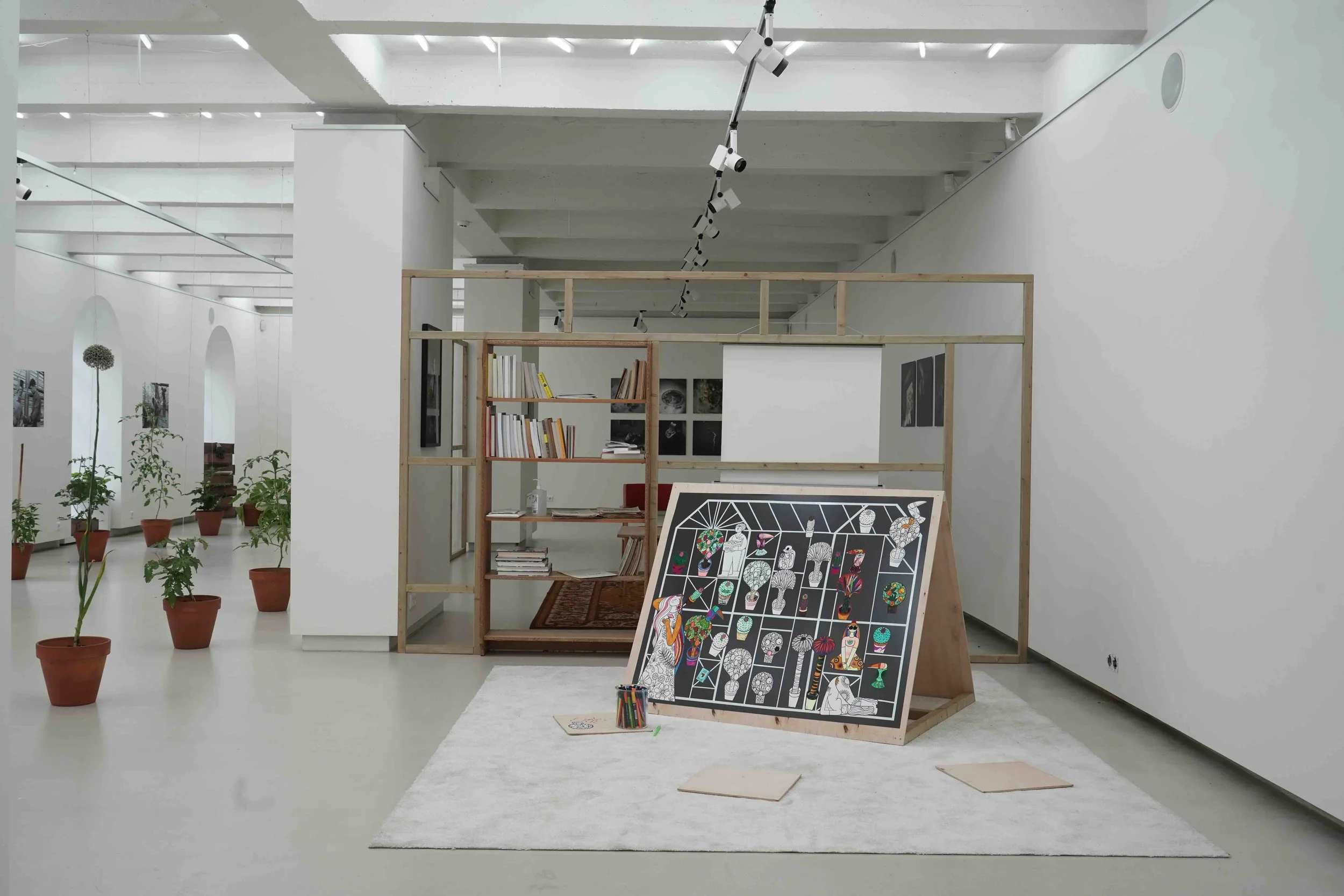
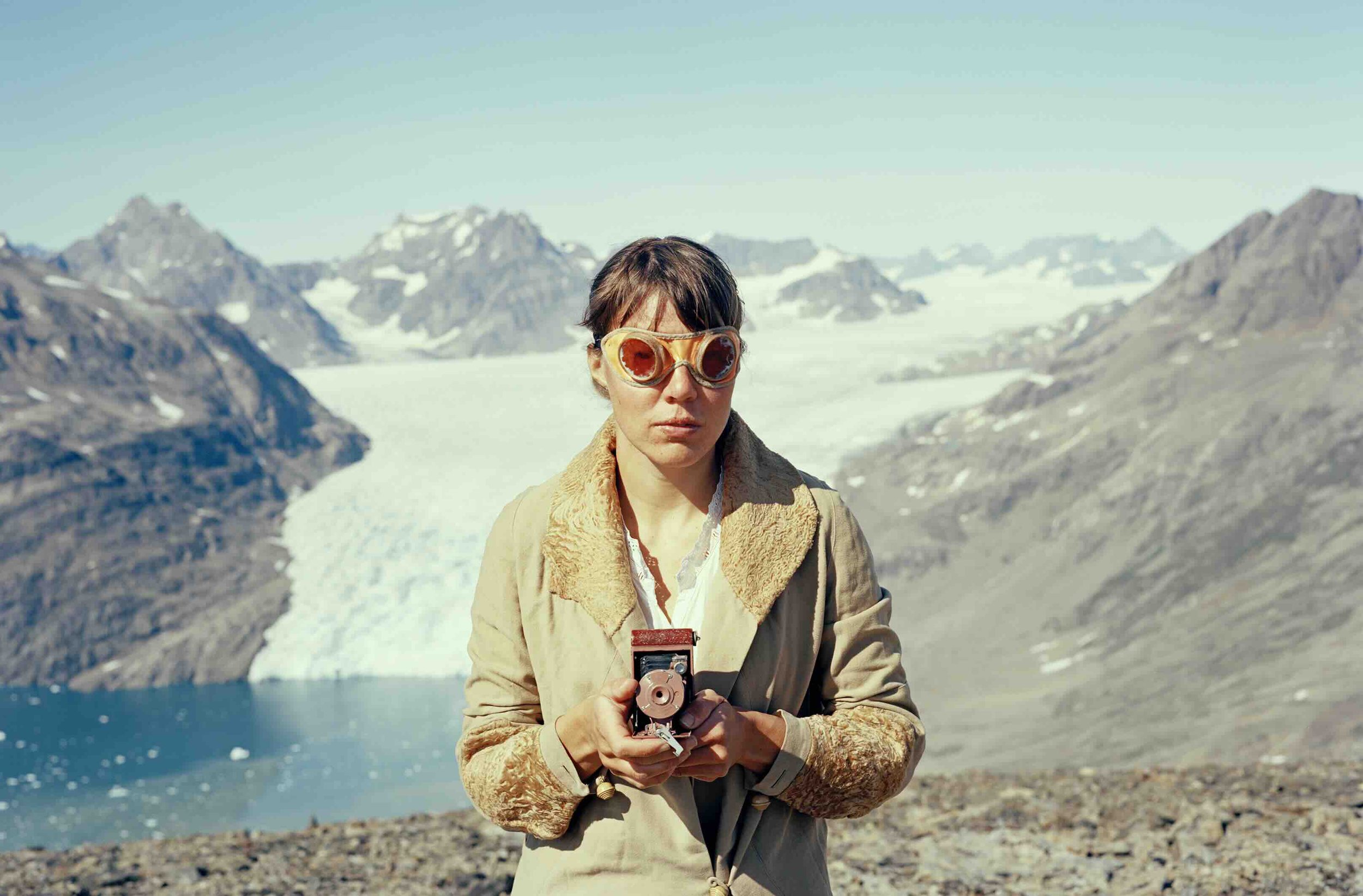
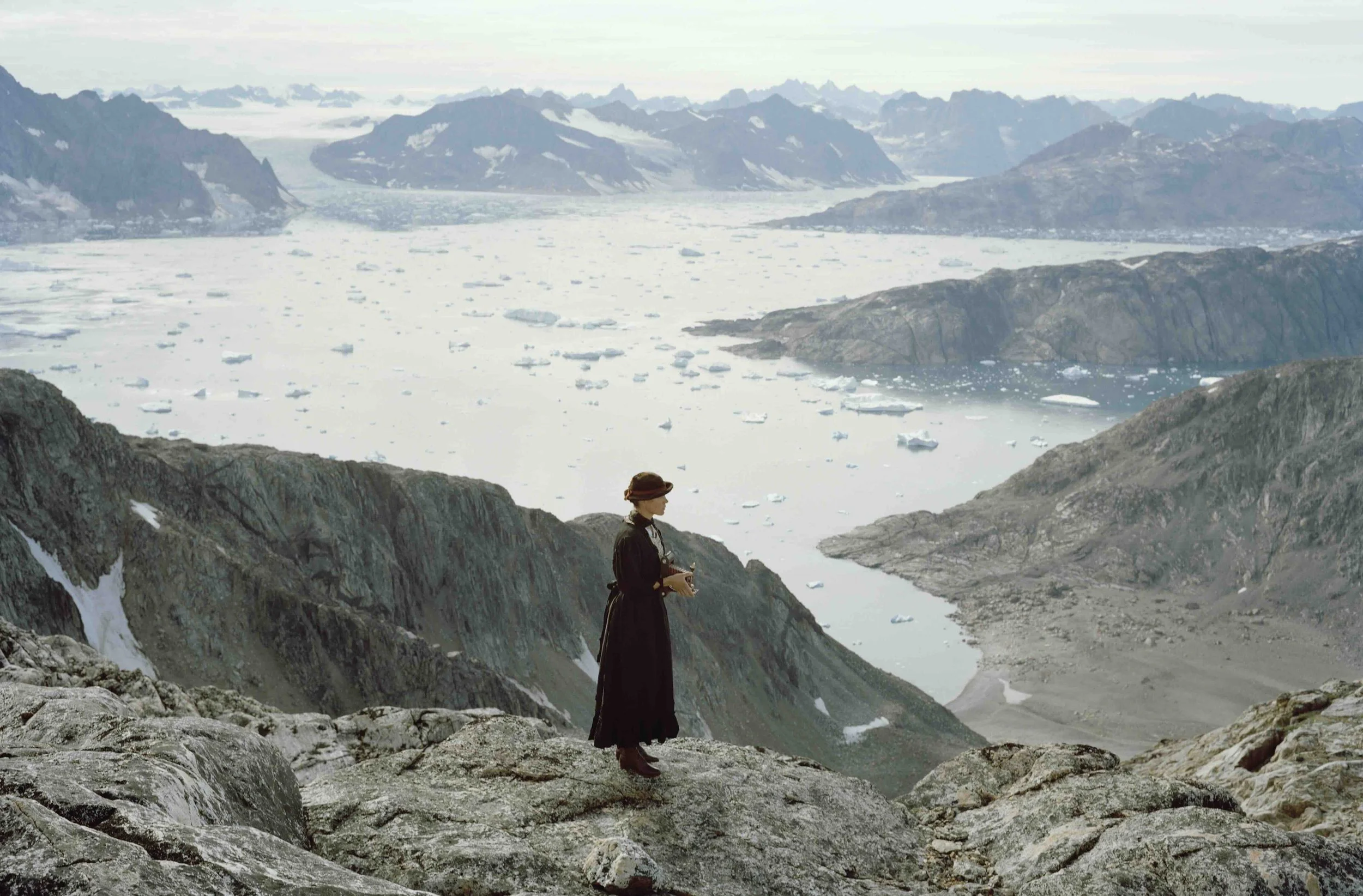
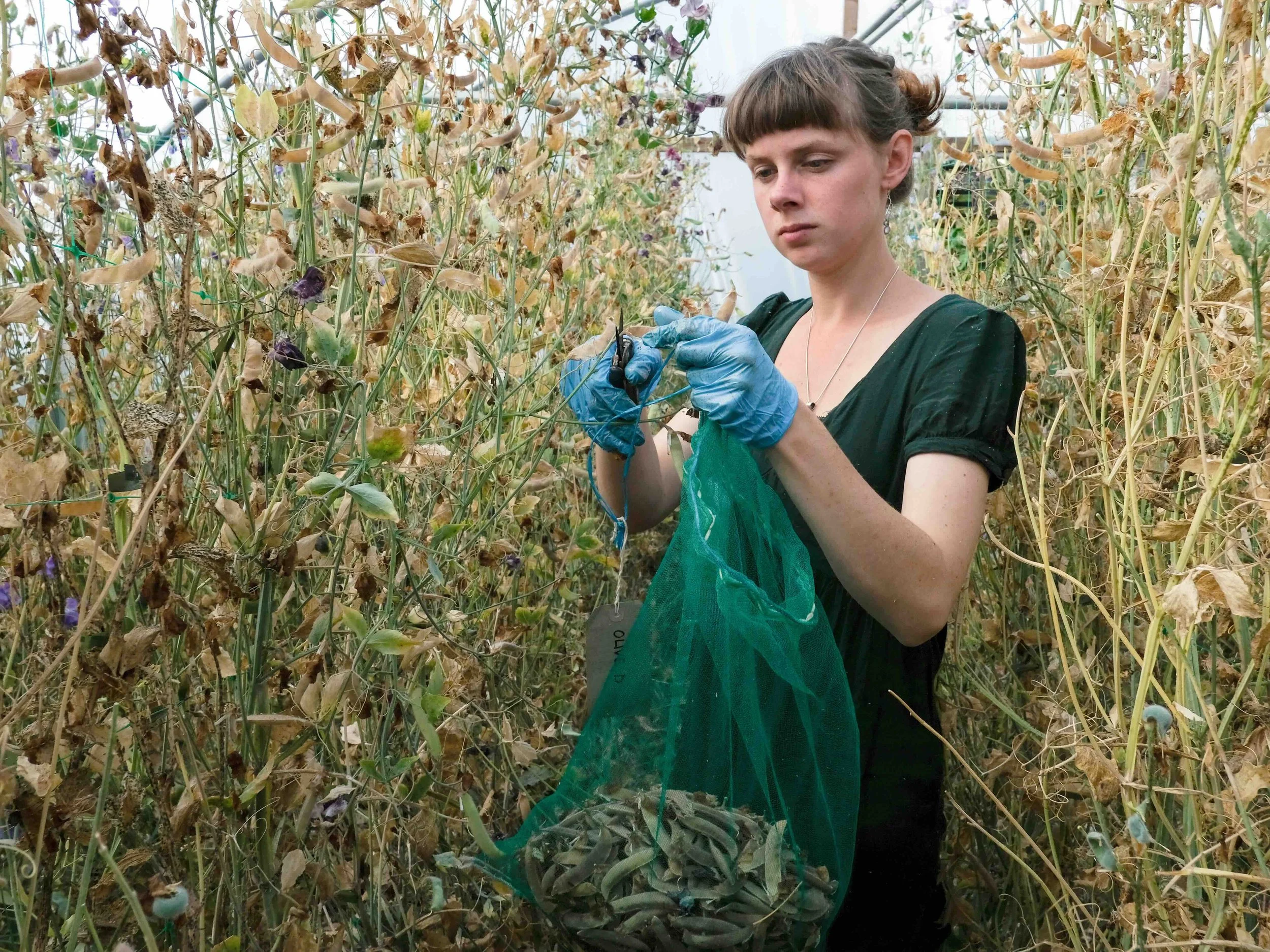
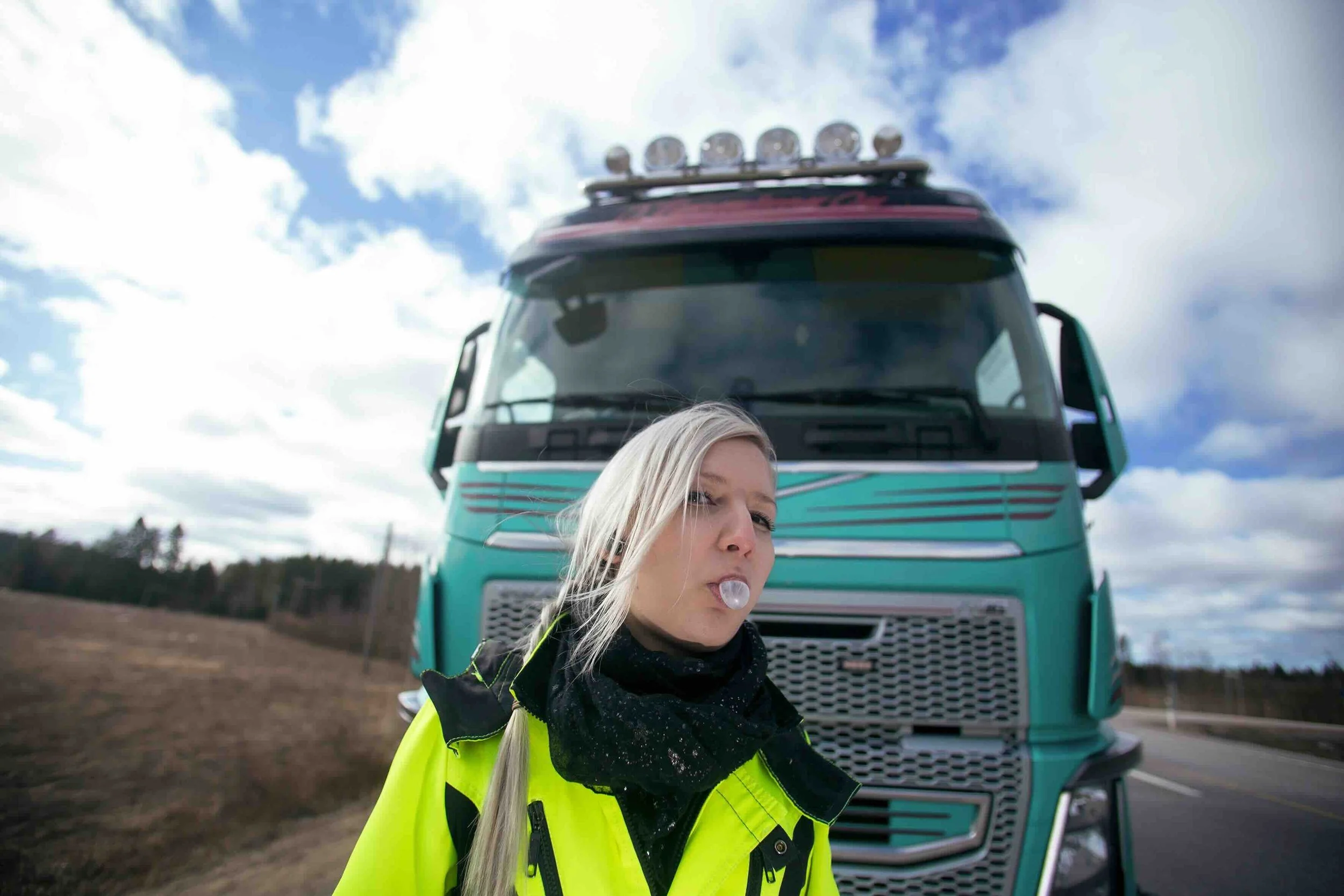
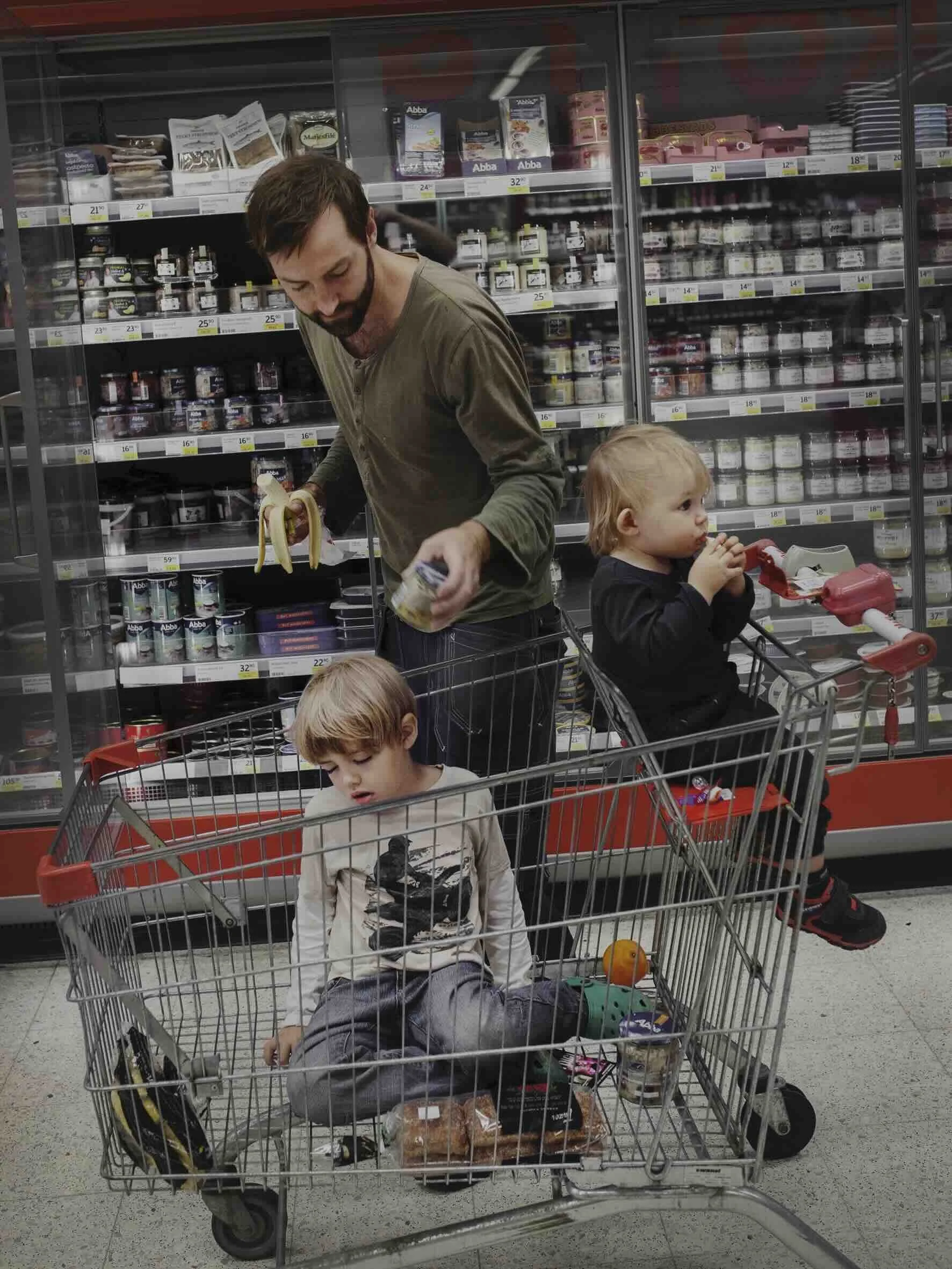
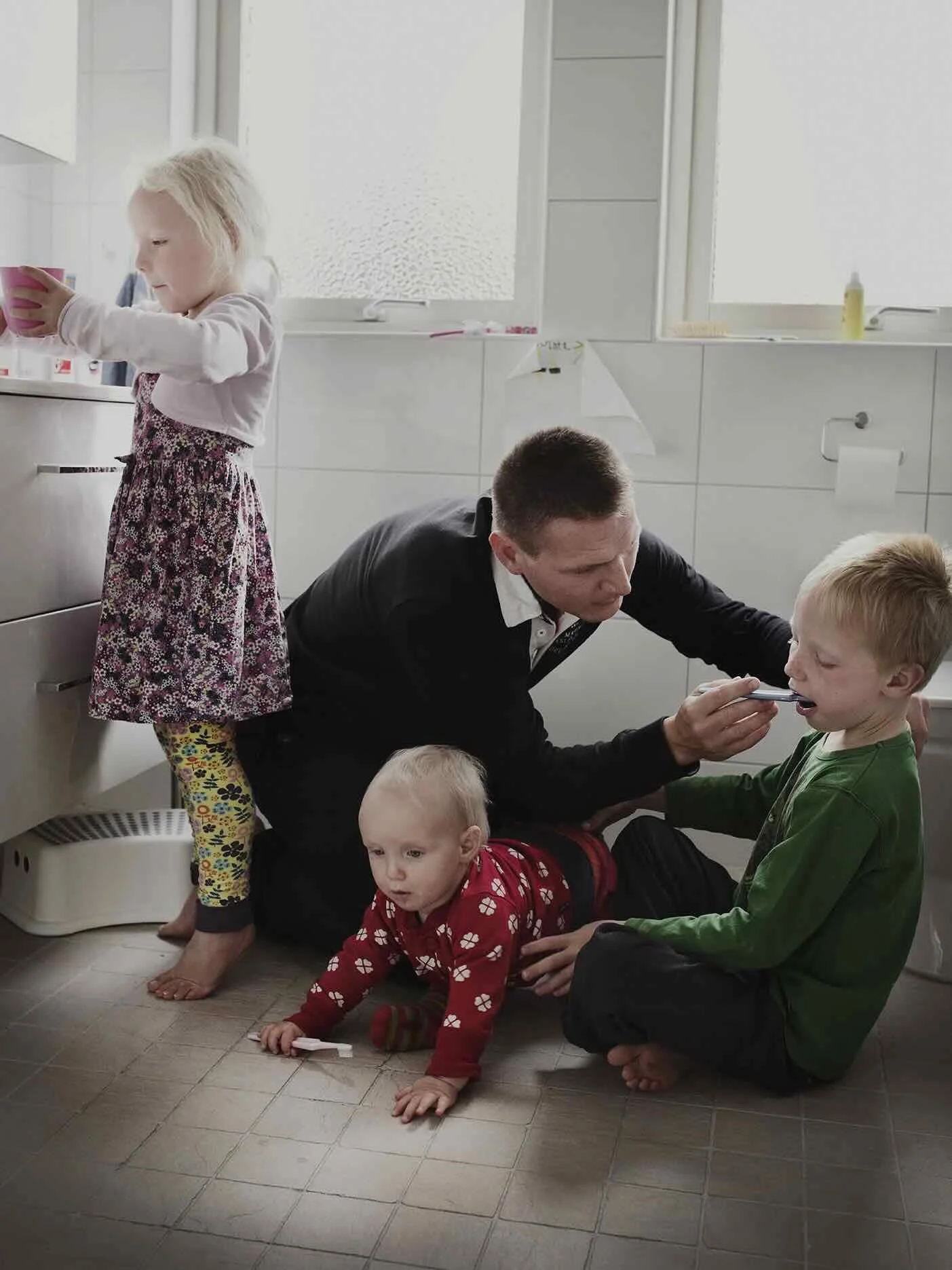
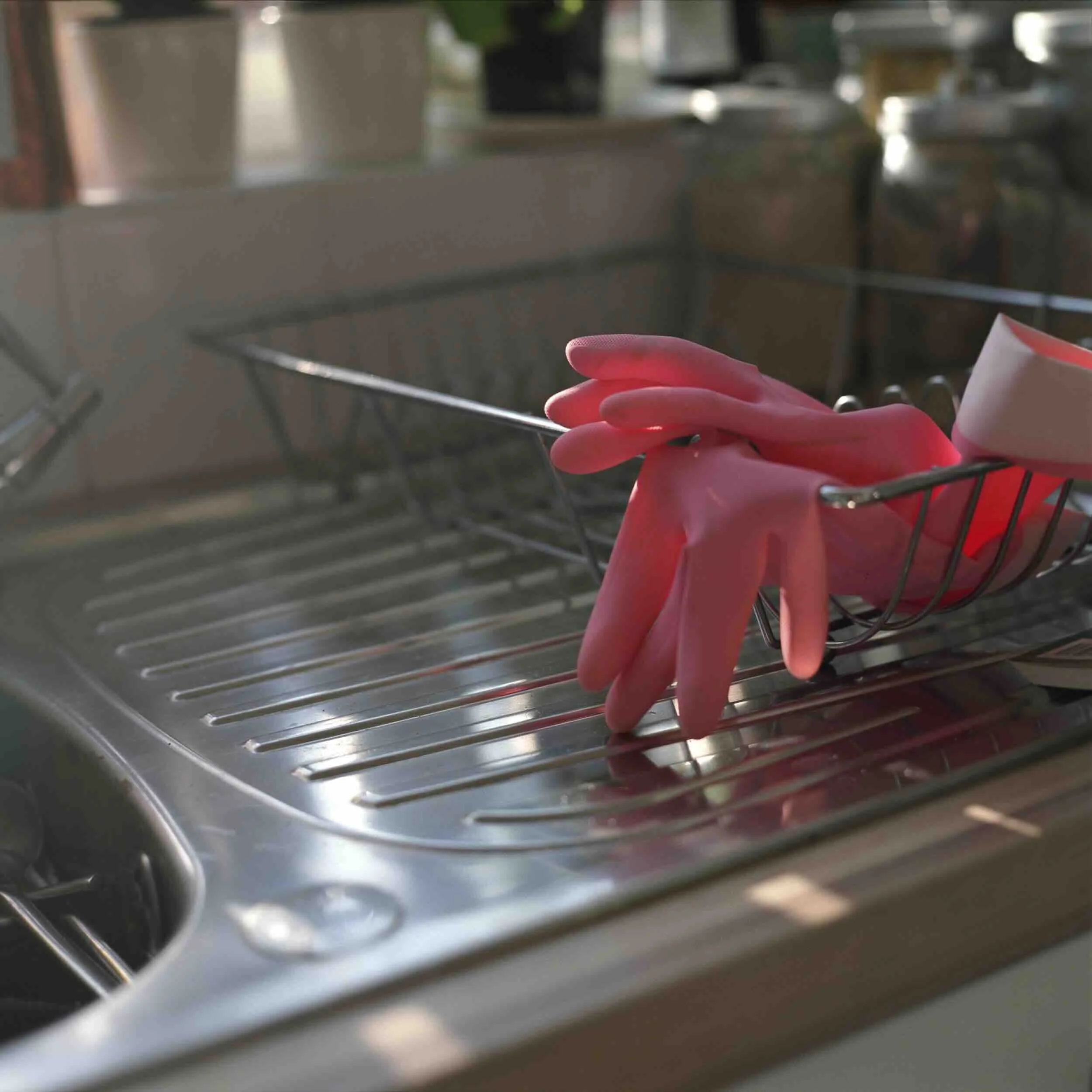
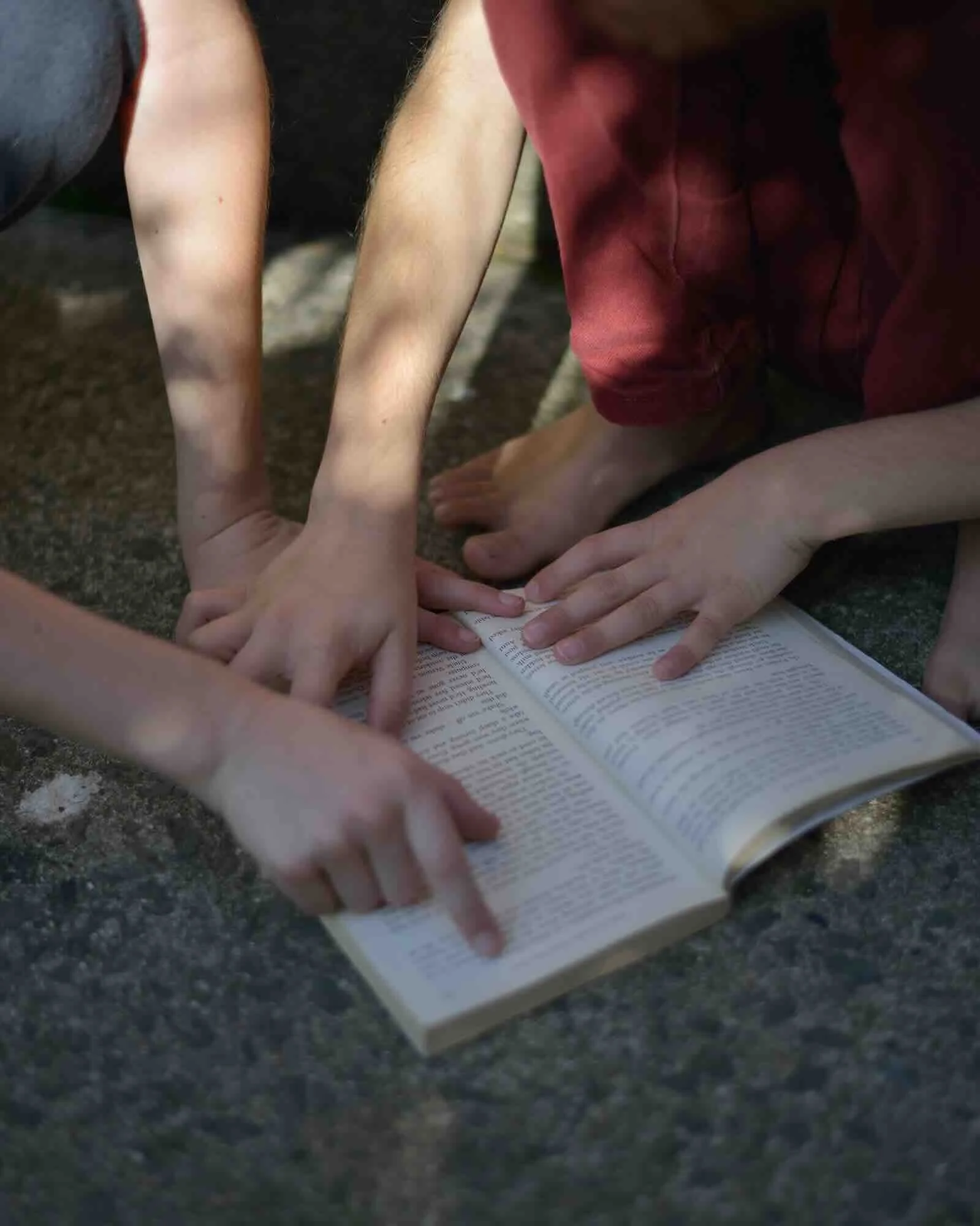
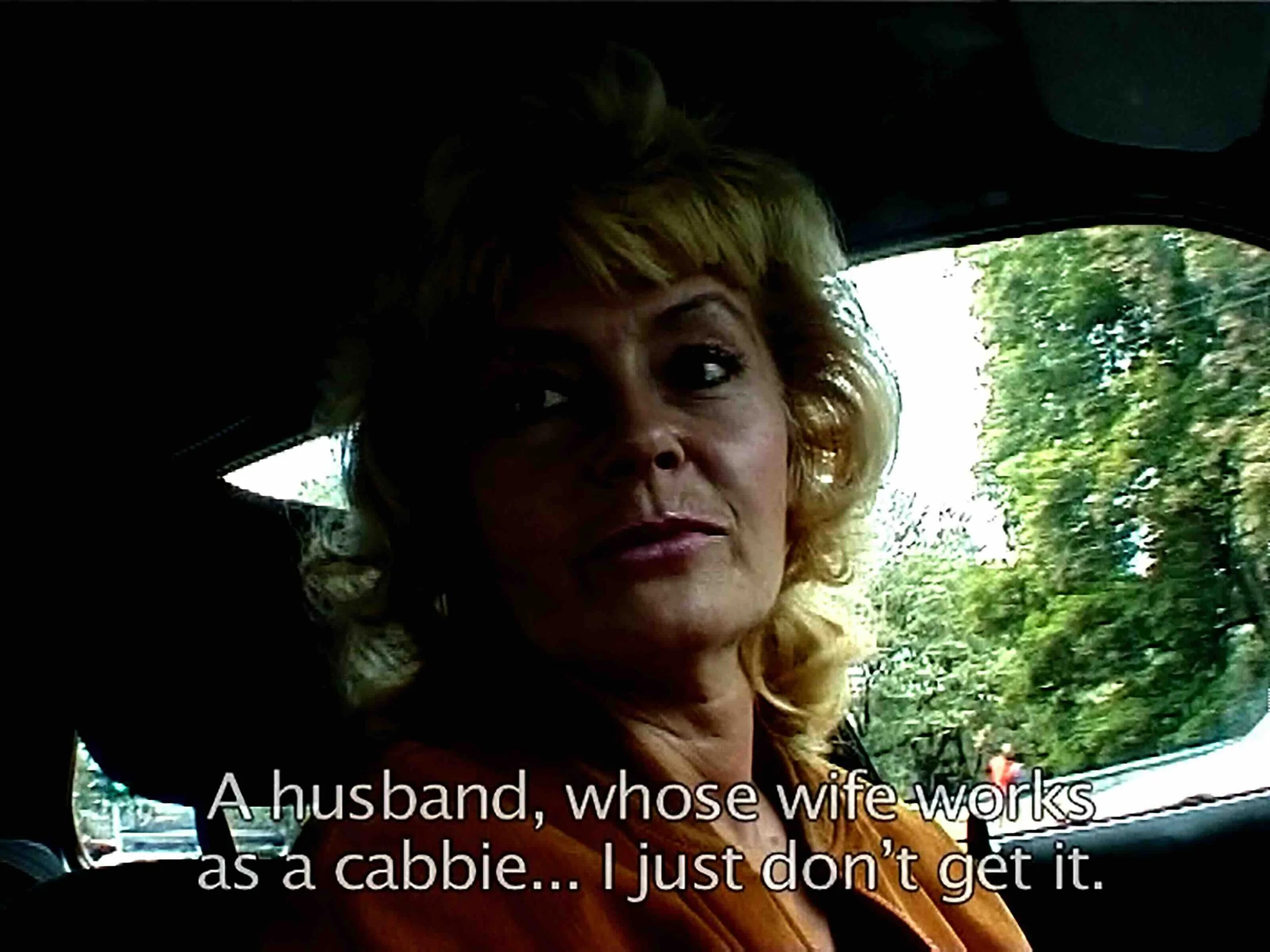
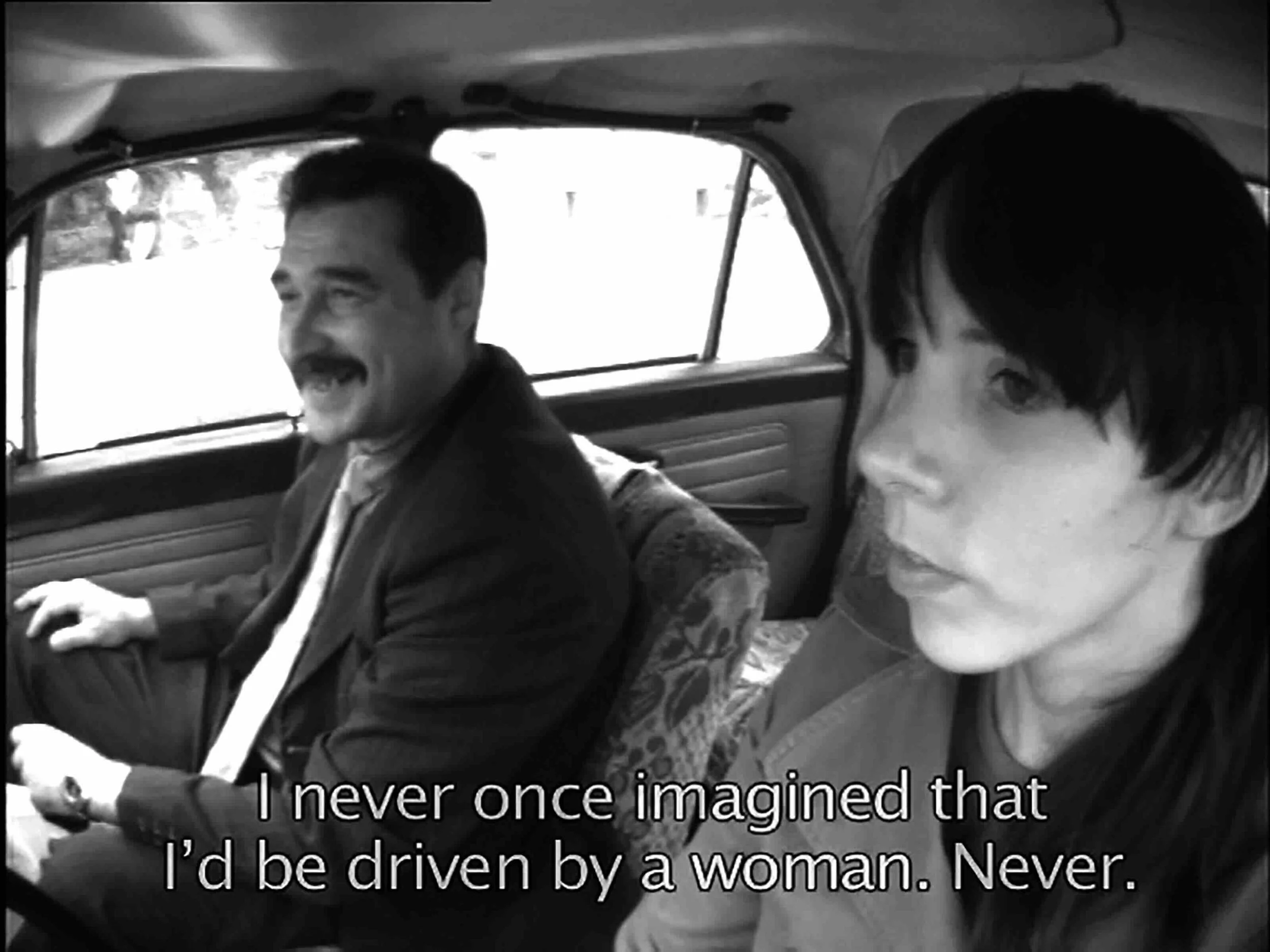
A Woman’s Work challenged the dominant visual representation of women at work and showed how the picture is changing in contemporary Europe. This two-year project sought to uncover new insights, to document the social and cultural processes at work and to share individual perspectives with a wider audience, stimulating debate and dialogue about the issues facing Europe.
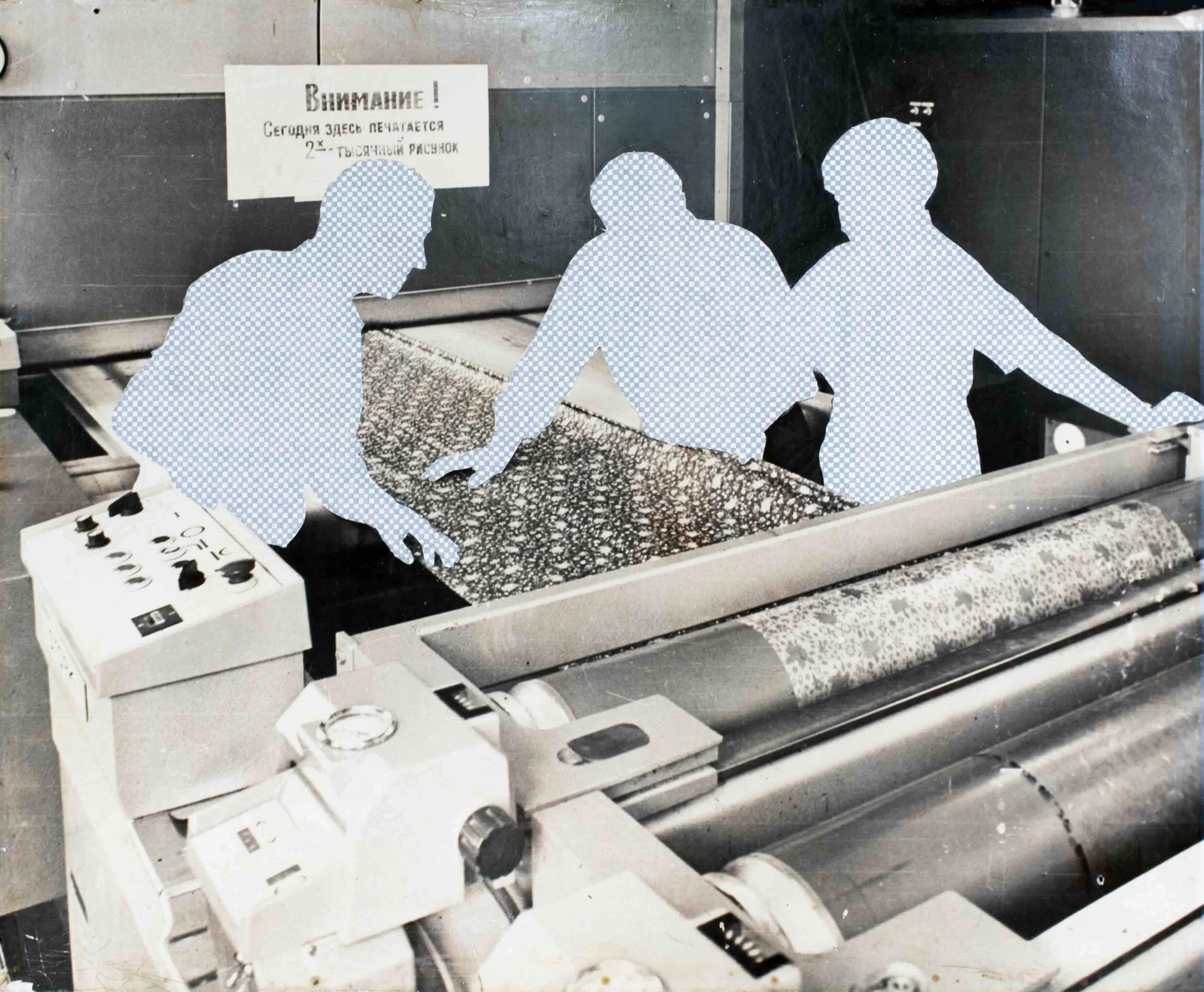
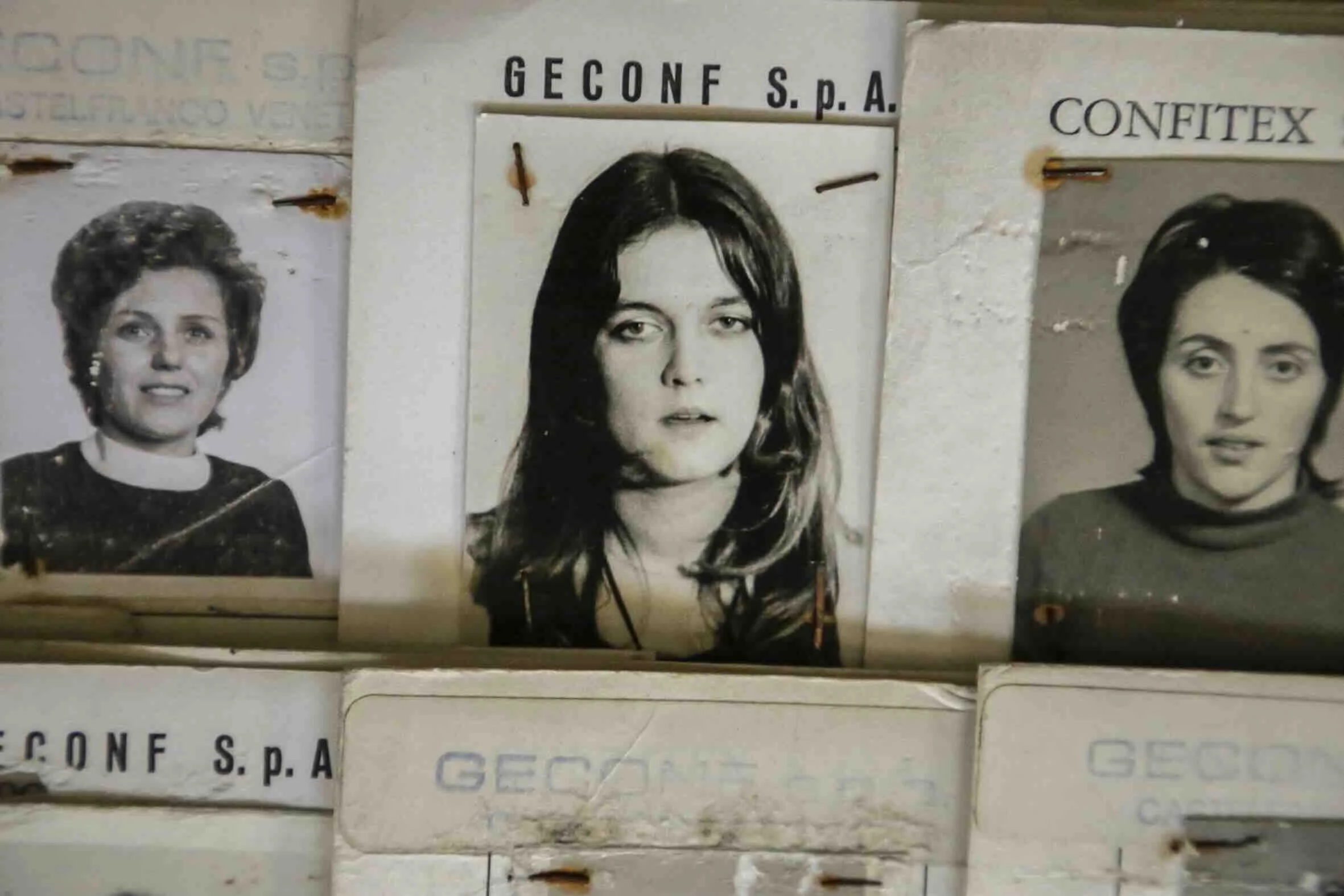
Women’s role in industrial and technology-based work in post-war Europe is hitherto an untold story. Audiovisual archives have tended to focus on male-orientated ‘heavy industries’ such as coal mining and steel production, or large-scale engineering sectors such as shipbuilding, construction, aerospace and car manufacture. Yet women have continued to play a key role in many industries – for example, textiles, agriculture, electronics, food and drinks, plastics and pharmaceuticals – a reality which is neither acknowledged nor strongly represented in European cultural archives.
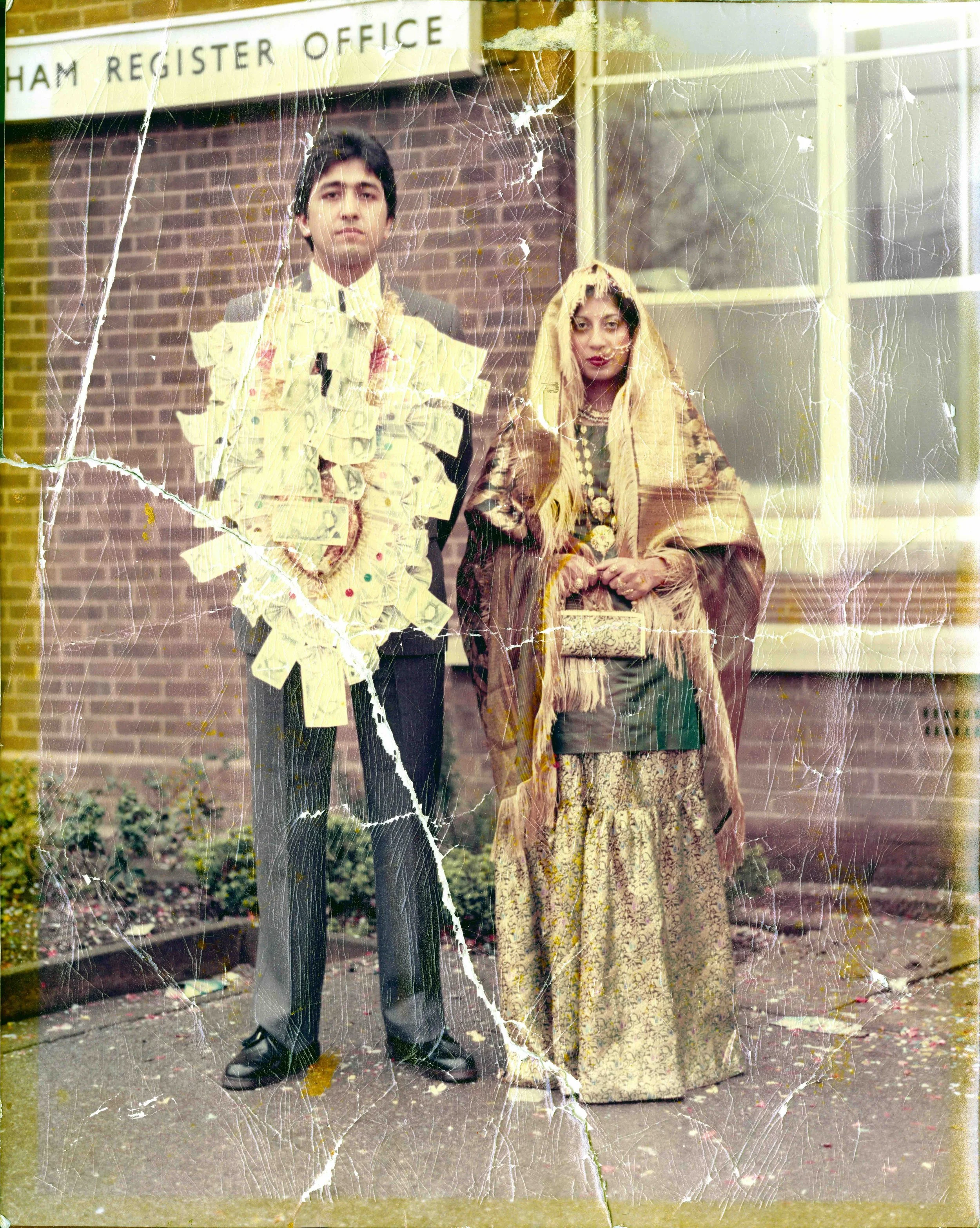
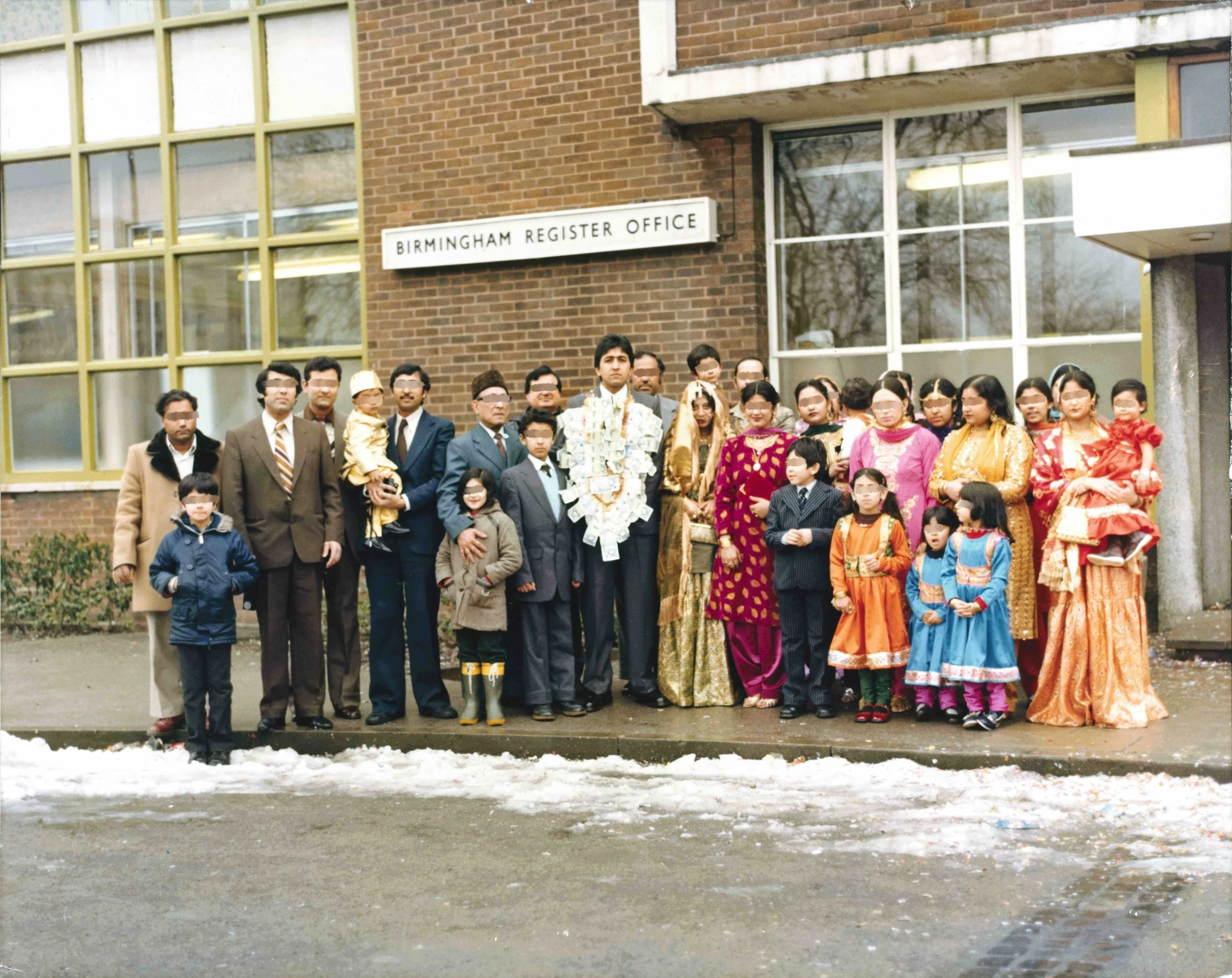
Migration has been a significant factor in shaping women’s work in Europe for several centuries. Sustaining worker mobility and well-managed immigration policies remain key to meeting the needs of the labour market, and to ensuring social cohesion, inclusion and equity across Europe. Many European countries are experiencing serious skill shortages, particularly in the areas of healthcare, information technology, engineering, education and the hospitality sector. Women migrant workers can fill that gap, in both the highly qualified and lower skilled professions.
The artists featured in A Woman’s Work highlight areas of gender inequality, but also how the work done by women is being re-defined through technological developments, new social and economic models and post-globalism. Indeed, it could be argued that women are playing the leading role in shaping the future landscape of work in Europe.
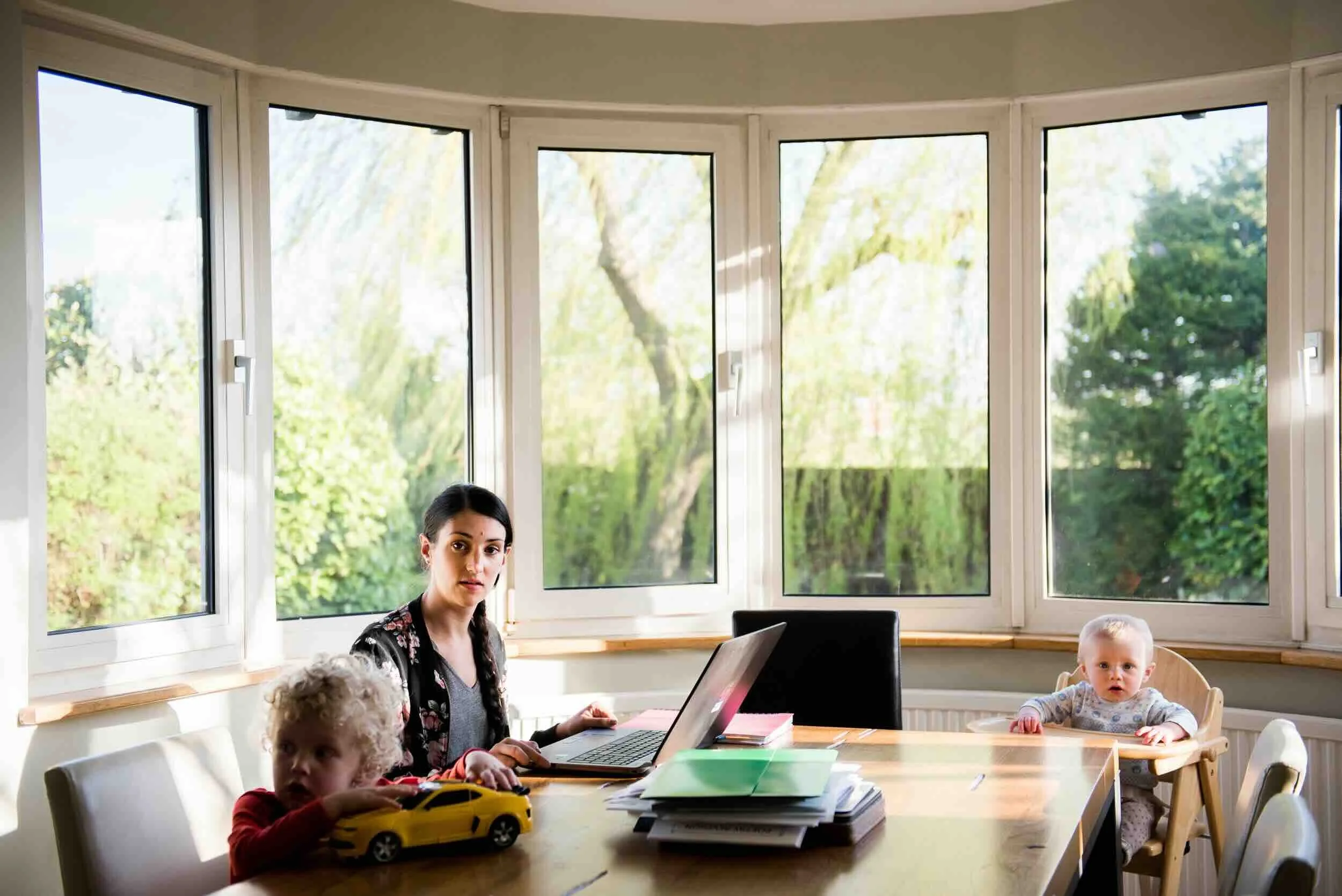
If anything, the global pandemic has accelerated the forces revolutionising work. It offers us a glimpse of what is possible if re-appraise the nature of work, and in the process ensure gender parity. Artificial intelligence and other innovations are integrated into almost every aspect of society. With remote working it seems likely that the conventional boundaries between our lives at home and in the workplace have been irrevocably altered.
From digital networks and file sharing to conference calls and video chats, technology makes it increasingly feasible for employees to be productive without being physically present in an office or other workplace. Indeed, the pandemic was notable for the relative ease with which millions of workers switched to working from home, using both existing and relatively new digital tools and platforms.
The challenge now is to imagine new ways of working that are technologically orientated, economically viable and socially valuable, ensuring that all our futures become more equitable, sustainable and liveable.
Participating artists:
Beta Bajgart
Brent Meistre
Caroline Prange
Clare Gallagher
Csilla Klenyánszki
Elina Braslina
Emma Bäcklund
Gemma Willis
Hannah Modigh
Irena Giedraitienė
Jaana Kokko
Johan Bävman
Katrīna Neiburga
Margarida Correia
Maria Kapajeva
Maternal Fantasies
Maryam Wahid
Mikko Suutarinen
Miriam O’Connor
Natalia Poniatowska
Nella Nouara
Olivia Gay
Tessa Bunney
Tonje Bøe Birkeland
Zillah Bowes
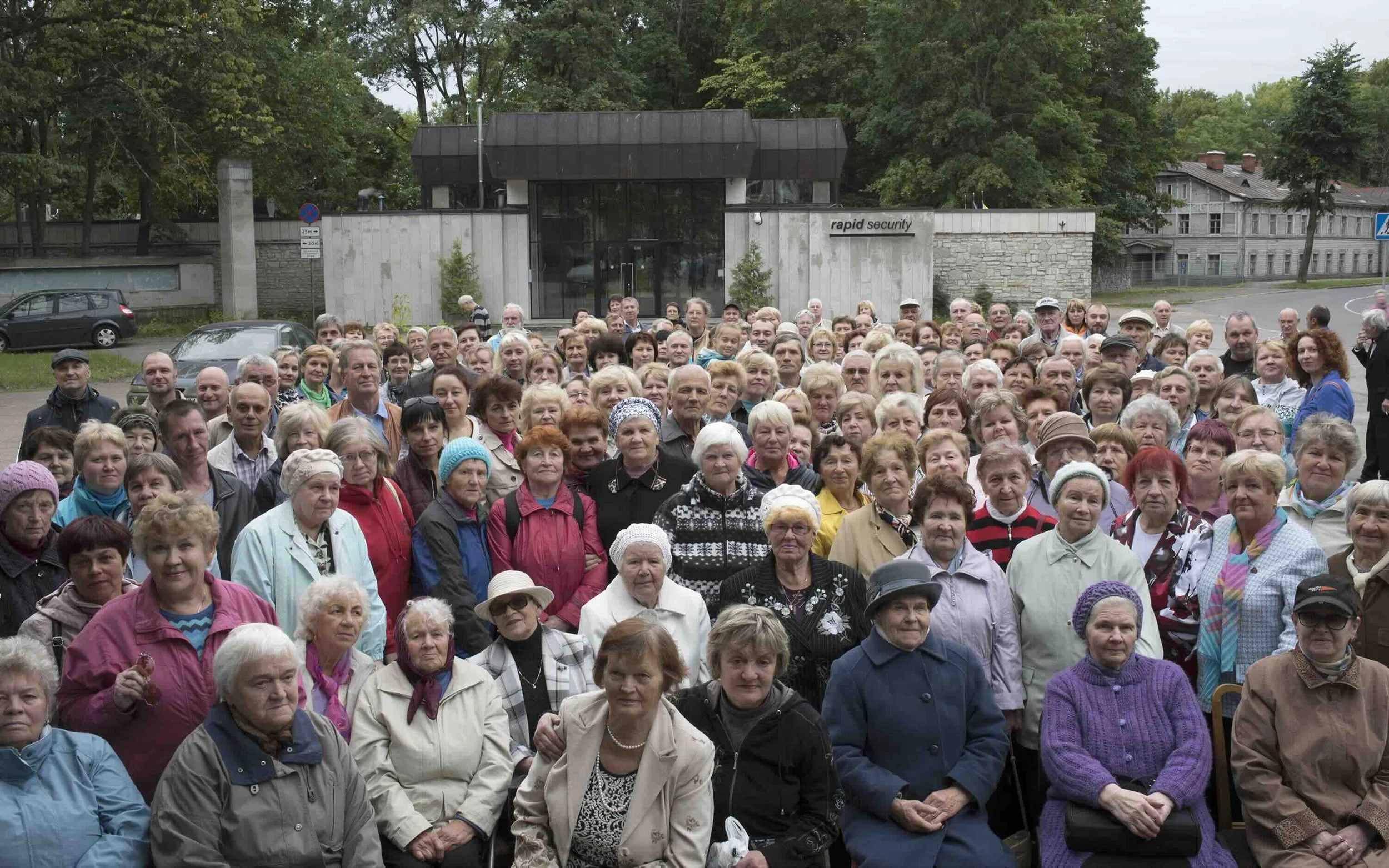
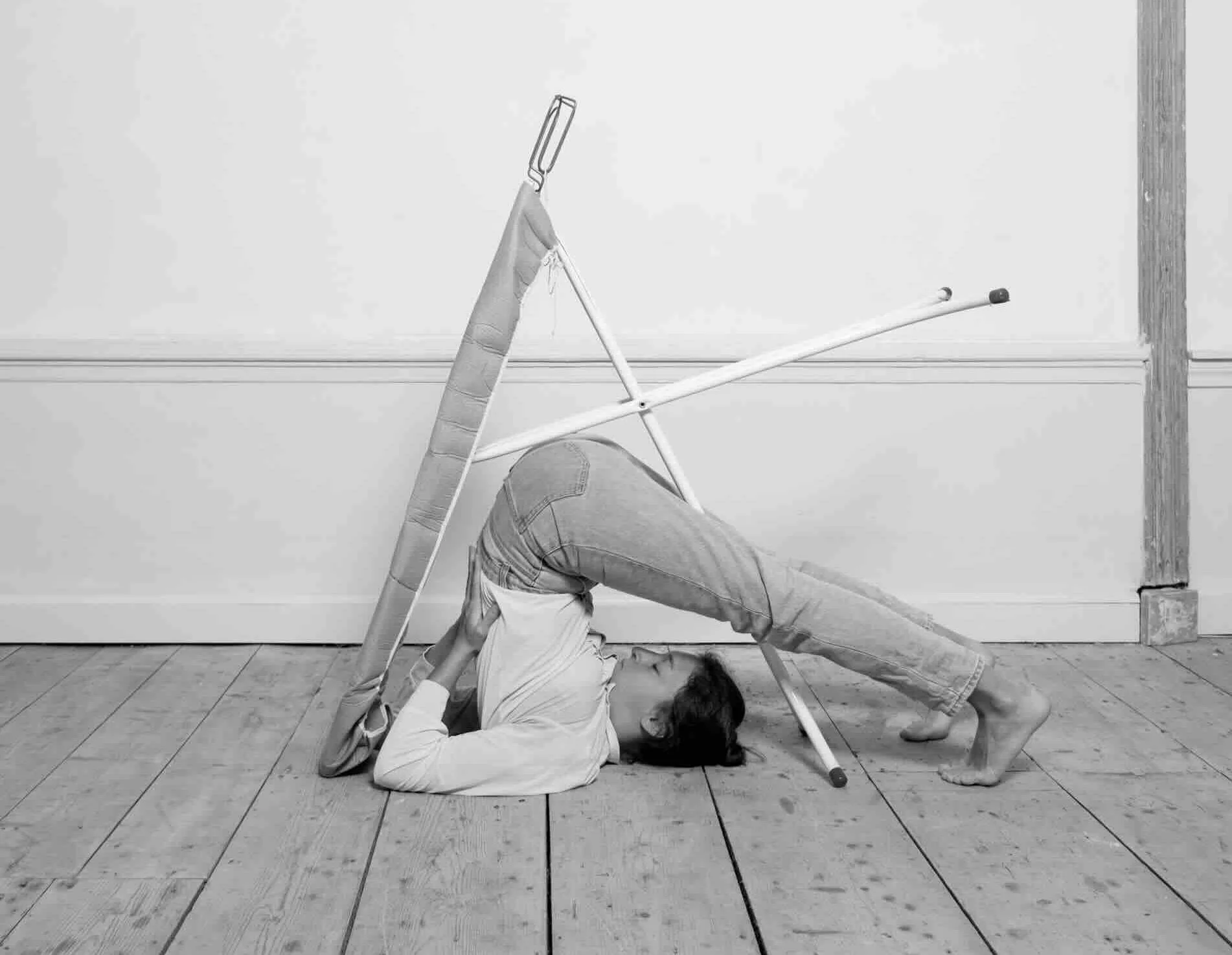
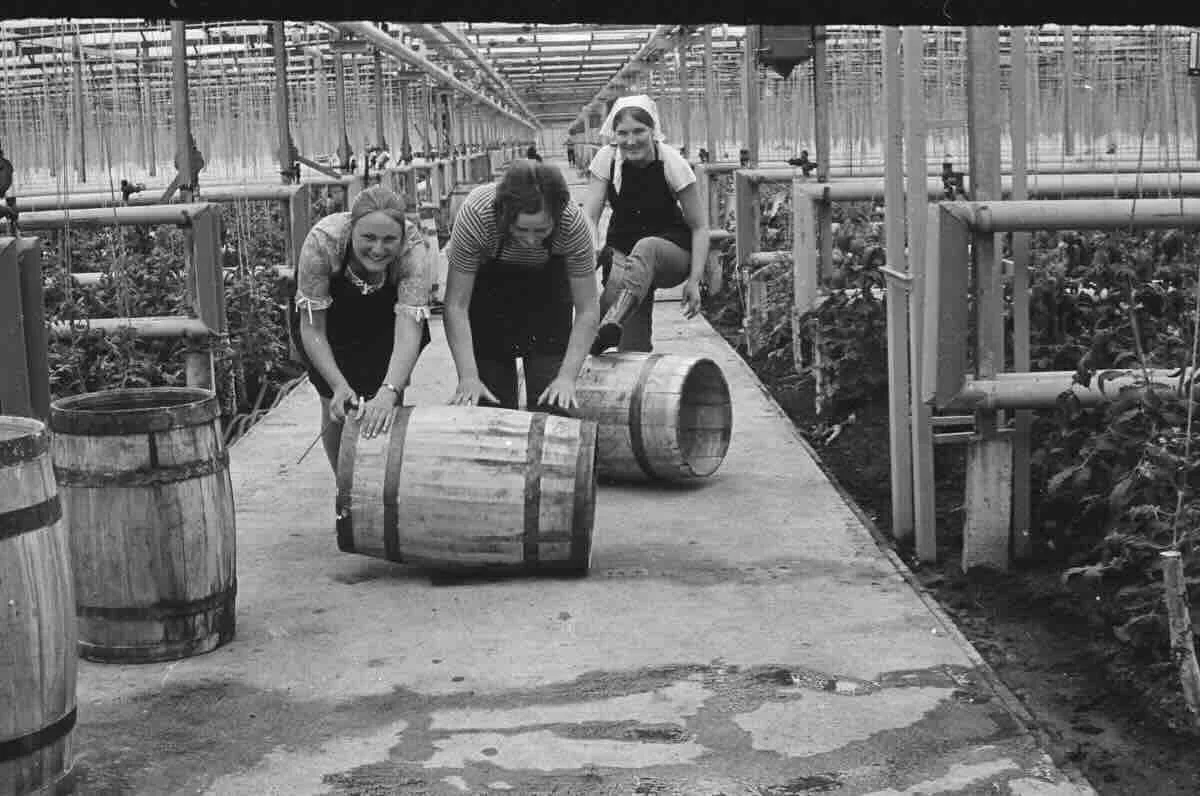
Image by Irena Giedraitienė