Britwell Stories
Britwell Stories is a multigenerational project initiated by Slough Museum, uncovering and collecting objects and stories reflecting hidden histories of this area of Slough. The project involved the relatives of those pioneers who survived the Blitz to become the first tenants on the housing estate in the late 1950s, to the new arrivals from abroad finding sanctuary from war and conflict here today. I curated the project for Slough Museum, working with the diverse communities of this ward in Slough to explore how life has changed since the creation of the Britwell Estate.
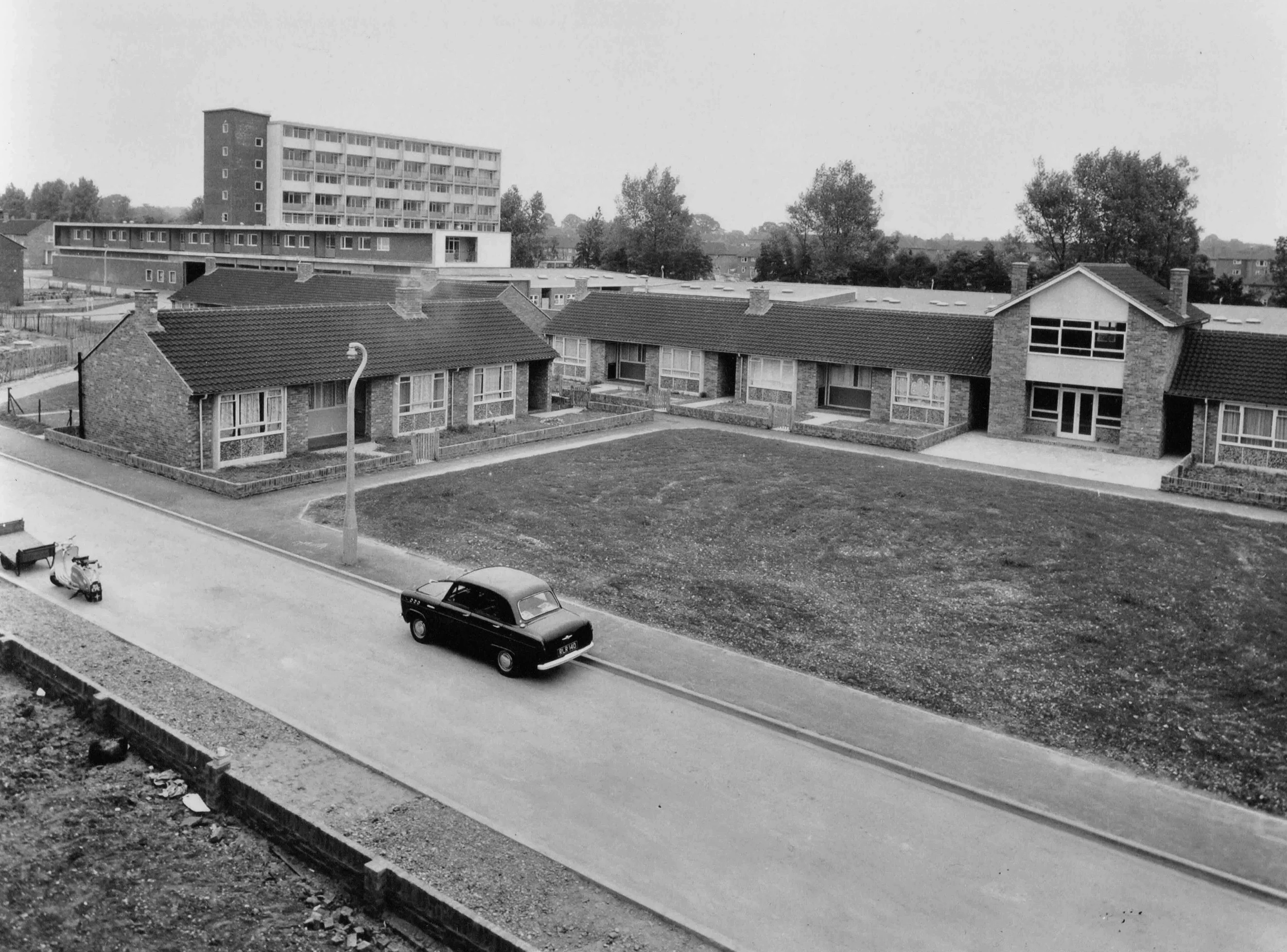
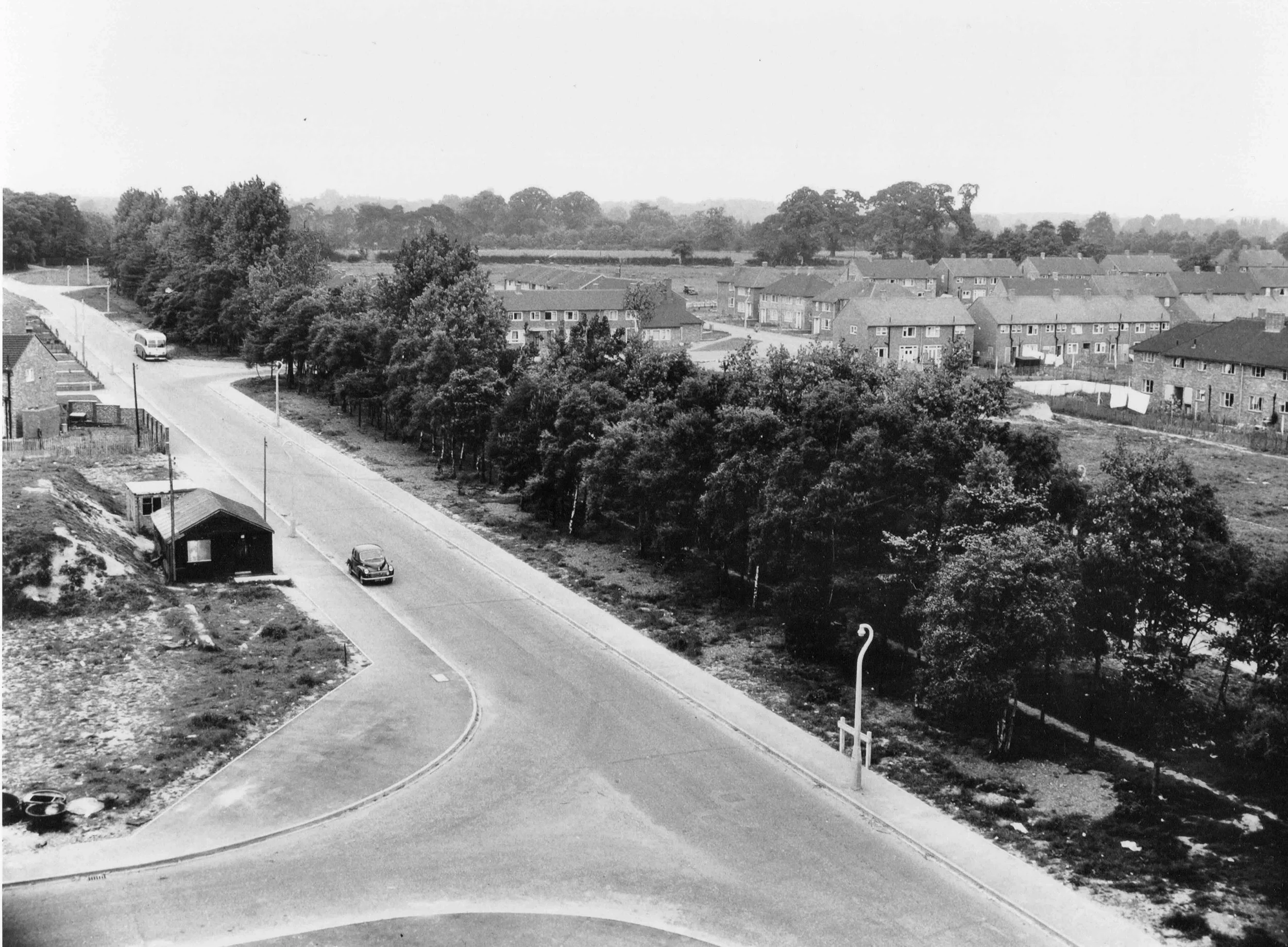
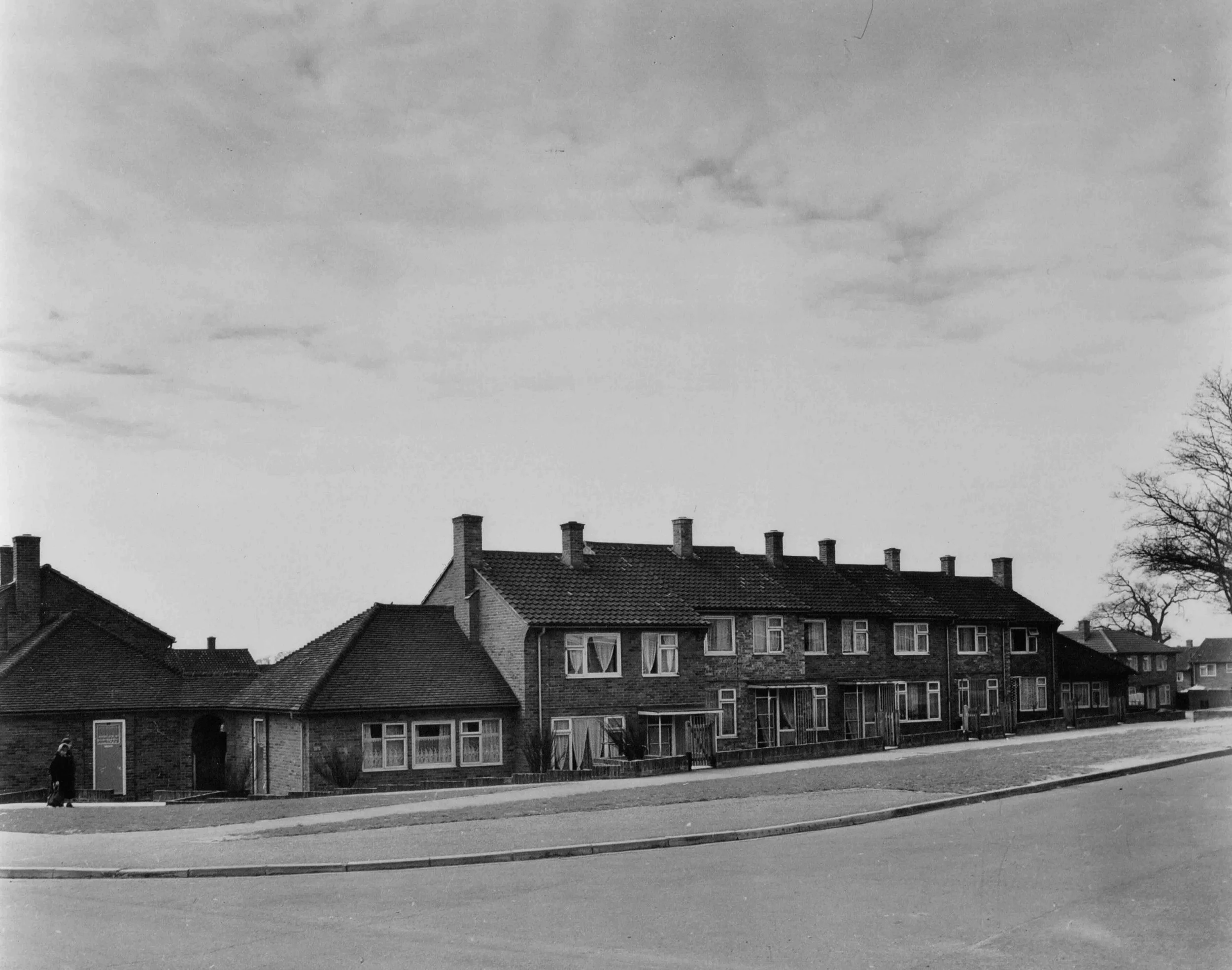
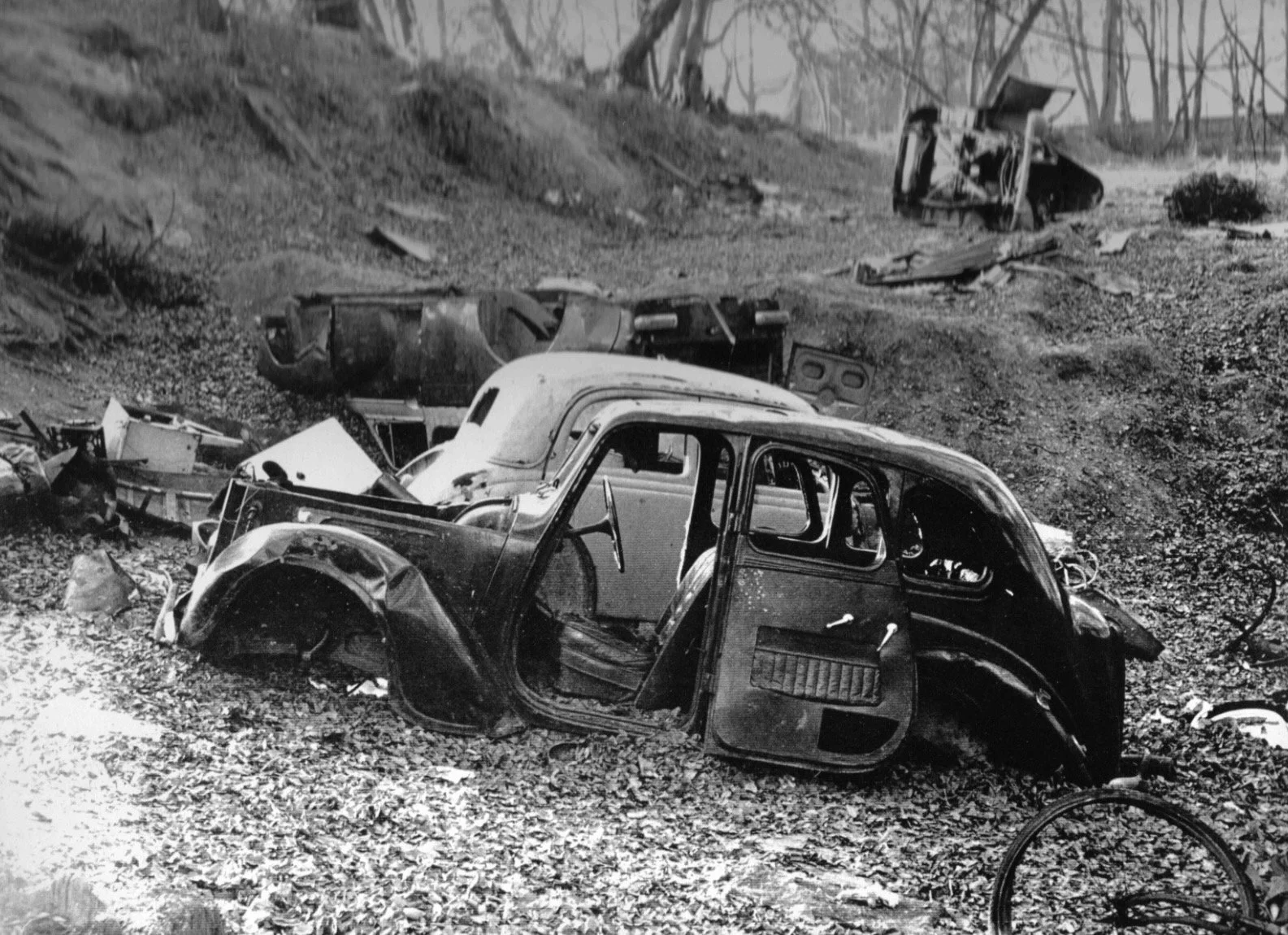
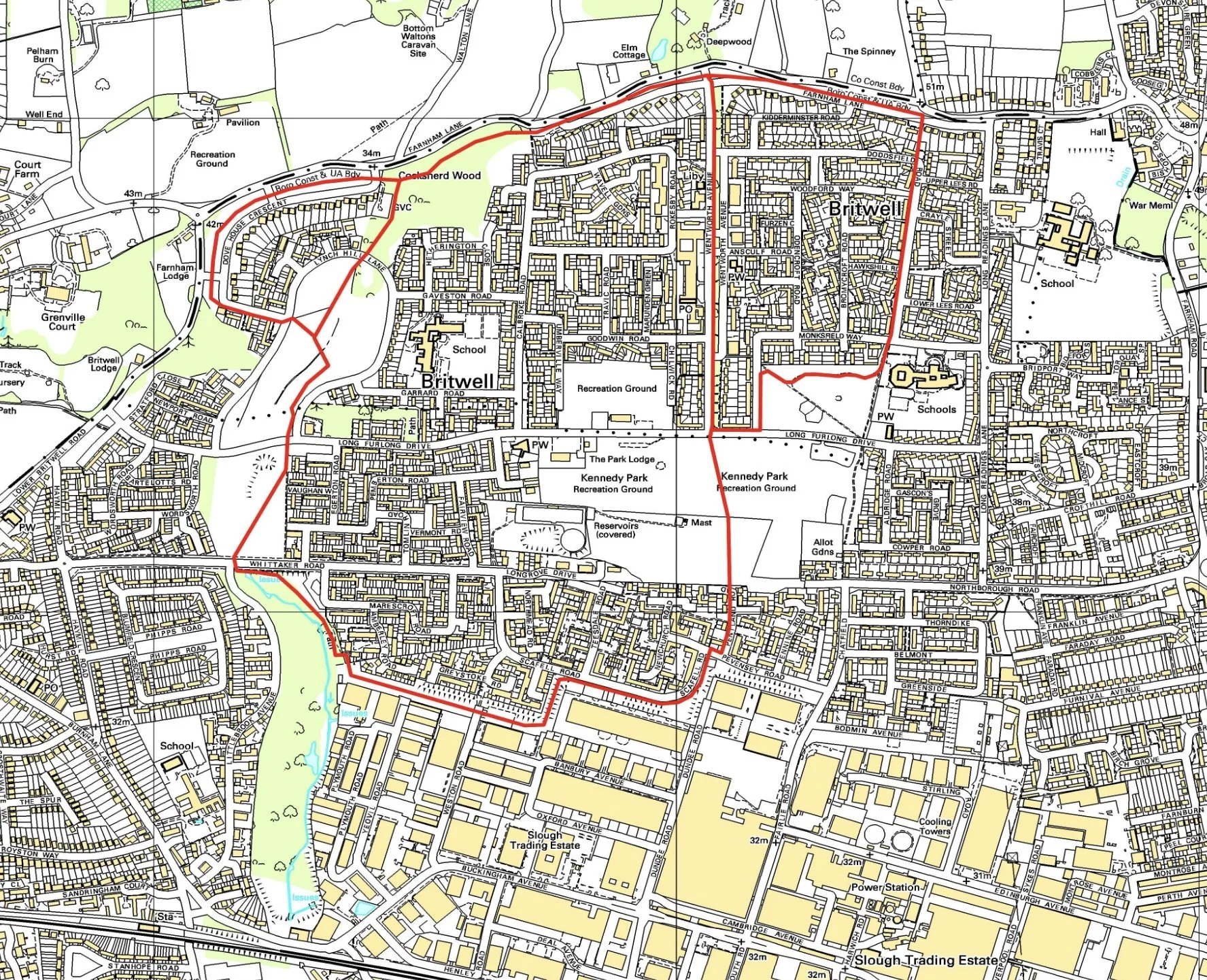
During the Second World War many areas of London were devastated by bombing raids, and thousands of Londoners lost their homes. The problem was compounded by poor quality housing, overcrowding, limited opportunities for work and lack of open space in the urban centre. Located immediately north of the Slough Trading Estate, with construction starting the mid-1950s, Britwell became the fourteenth new estate to be built by the London Council Council on some 350 acres of previously agricultural land split between Slough Borough and Eton Rural District.
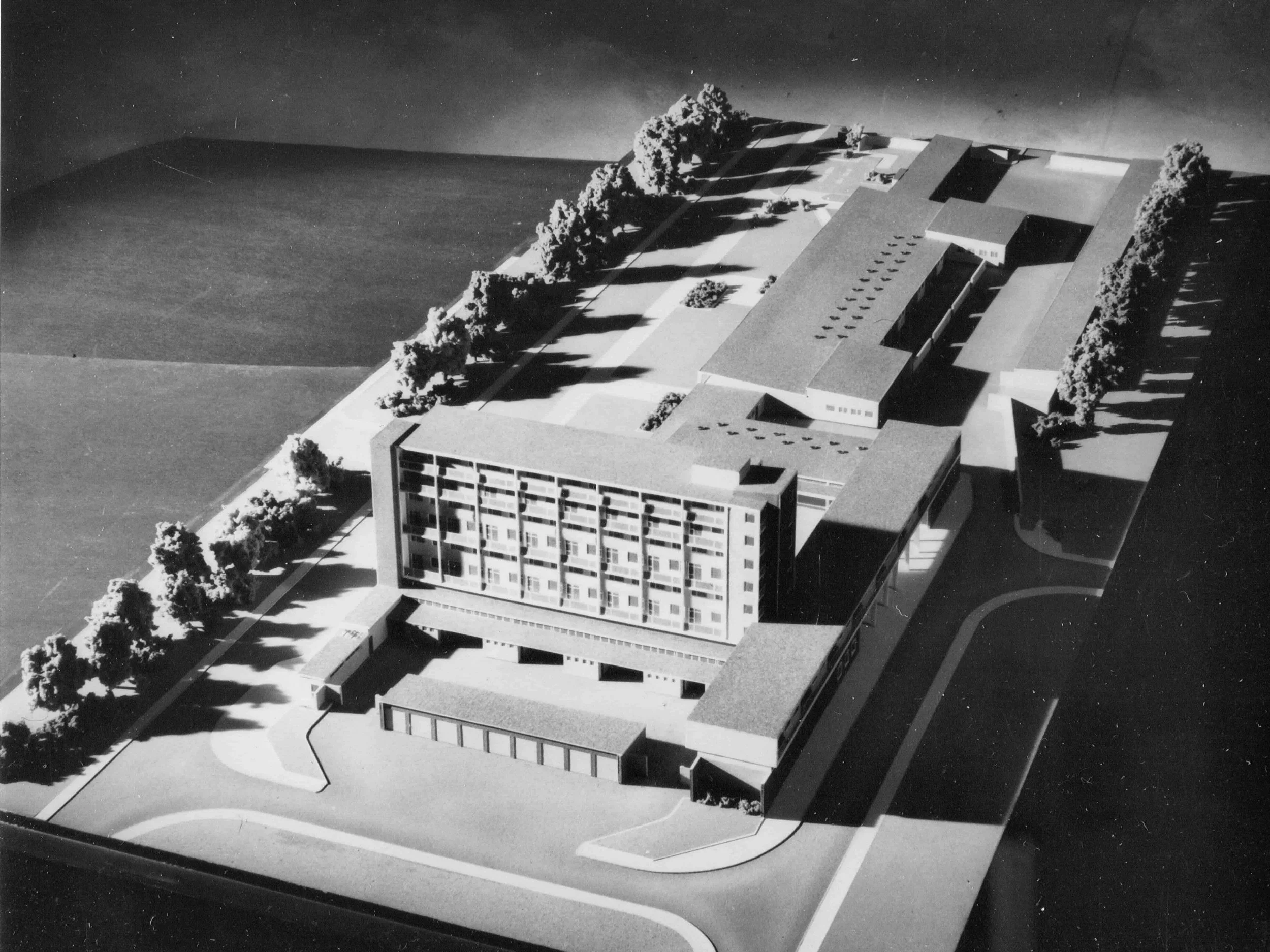
Plans for the Britwell Estate were ambitious and reflected the prevailing ideas about modern living for the growing family. They included tree-lined roads, landscaping and provision of ample green spaces. The London County Council would build 2,900 dwellings and Slough Borough 300. There would be schools, shops, churches, health clinics and community centres, a library and ‘refreshment houses’.
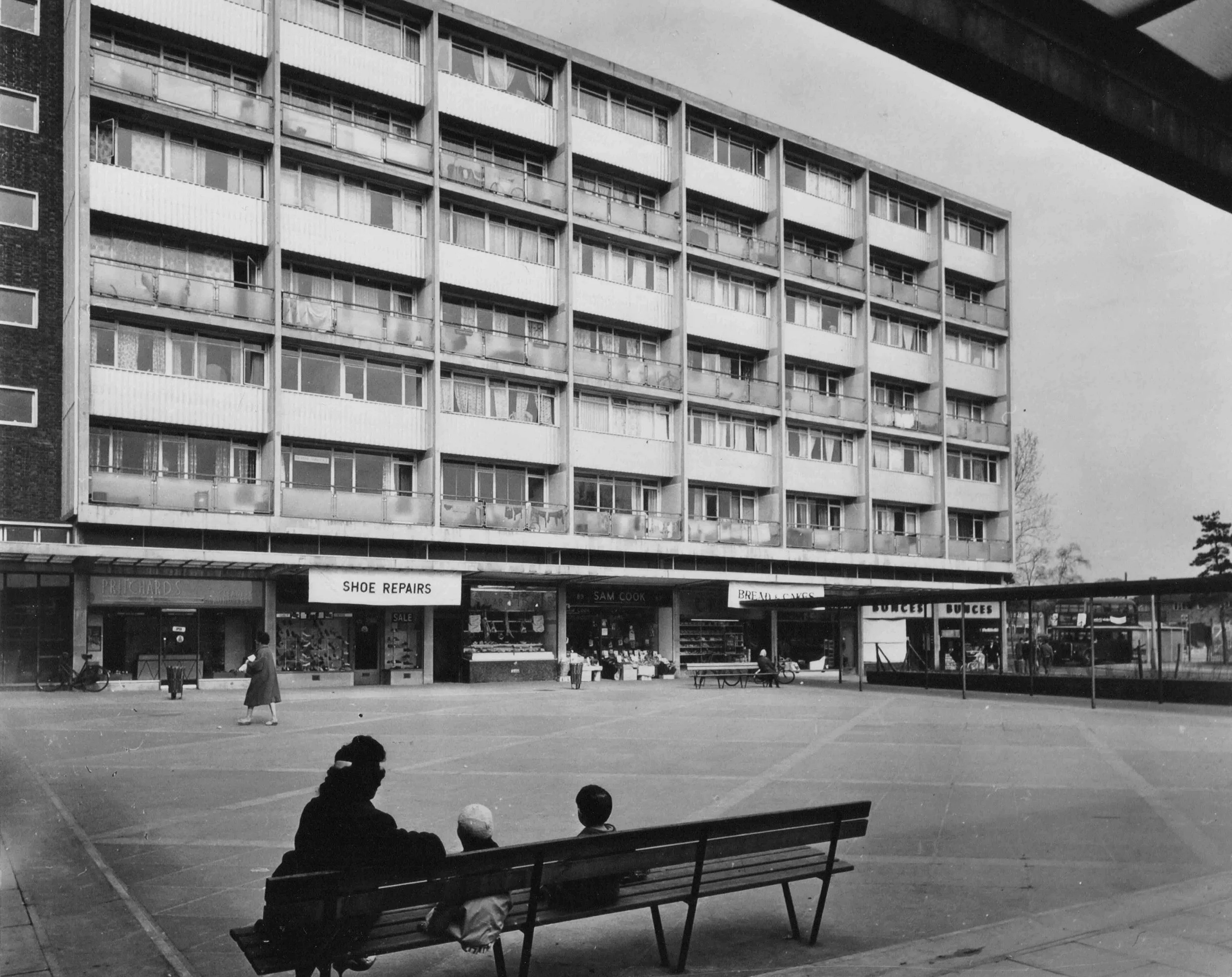
Built around a block of flats, the central plaza had shops along two sides, with others extending south into Wentworth Avenue. These included variously a post office, bakery, butcher, greengrocer, florist, launderette, chemist and general grocers. In the early days, the shopping precinct provided a meeting place and social hub for local residents, along with providing for their daily shopping needs.
When the estate was built, as expected most people would find employment in the Training Estate where there were many vacancies in skilled and semi-skilled professions such as manufacturing and engineering. At the time, relatively few people on the estate owned cars so there was the added convenience of being able to walk to work, or they could take the bus to neighbouring areas.
The early 1980s was a challenging period for residents of the Britwell Estate, as was the case in working class communities up and down the United Kingdom. Rising unemployment, poverty and industrial turmoil was accompanied by an increase in crime and antisocial behaviour, especially amongst younger people. Moreover, the Thatcher government’s Housing Act 1980 gave council tenants the right to buy their houses, and many Britwell residents took up this option and then sold and moved away. The character of the area was changing, and the previously cohesive nature of Britwell’s community was under threat by wider social and economic forces.
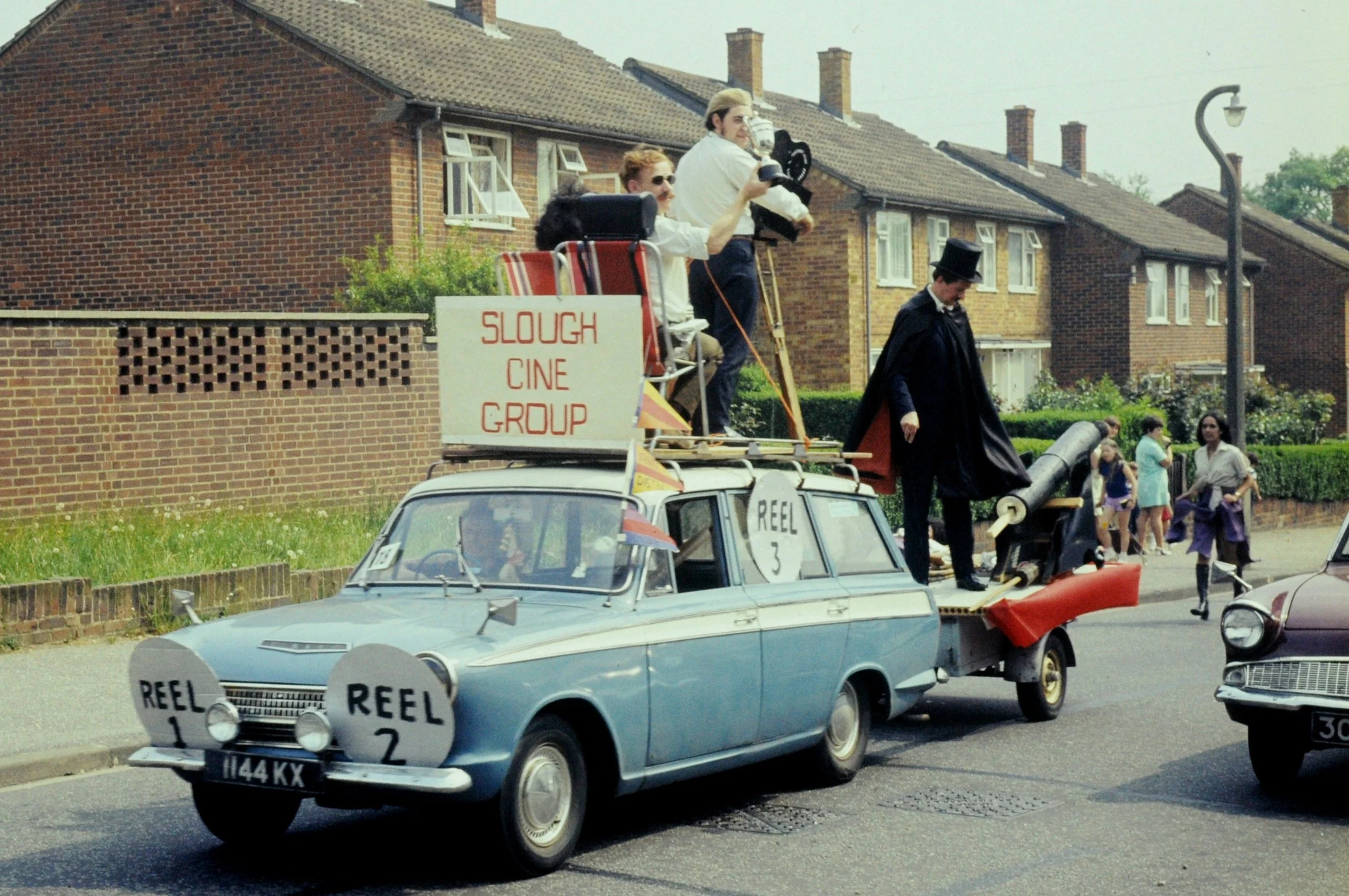
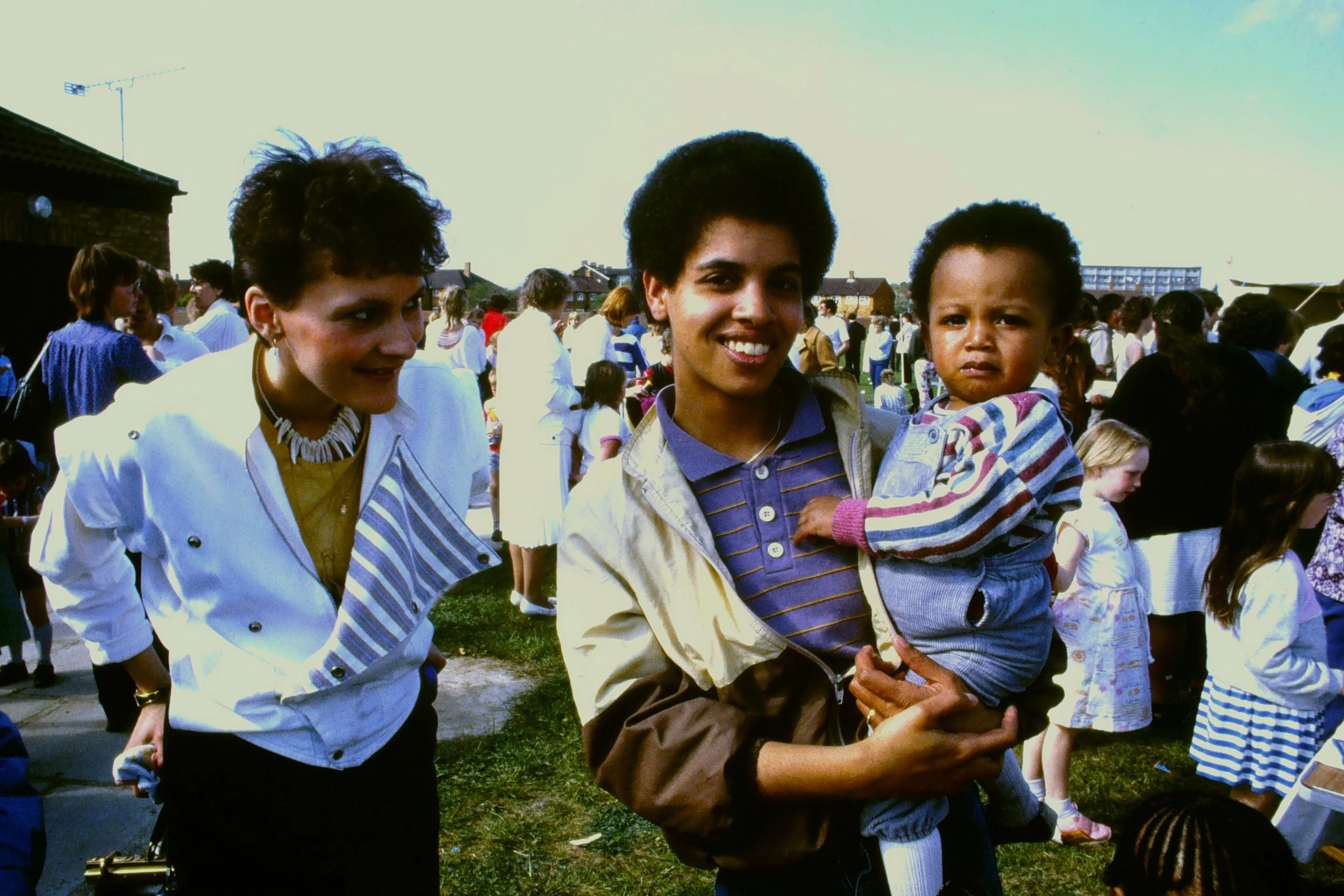
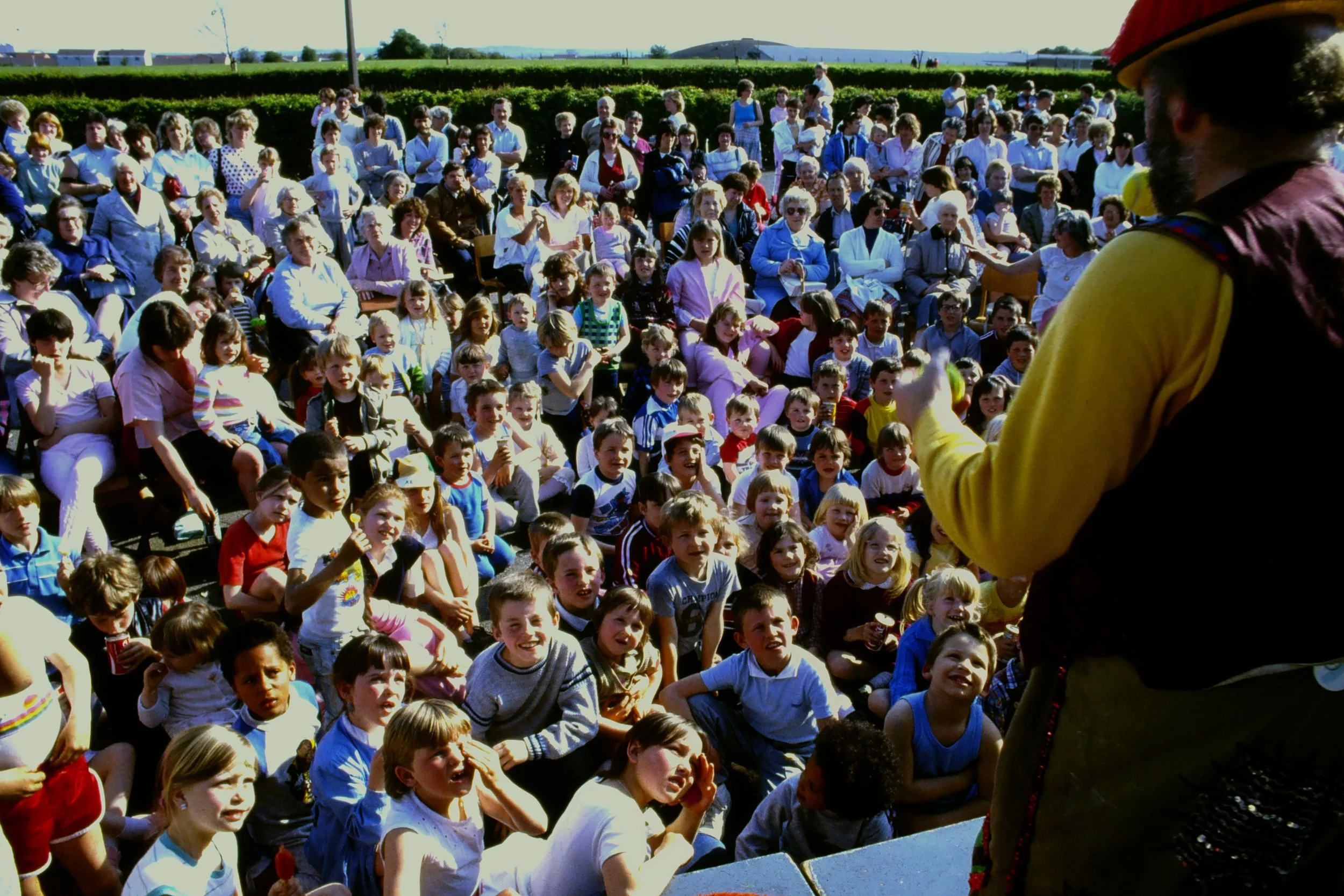
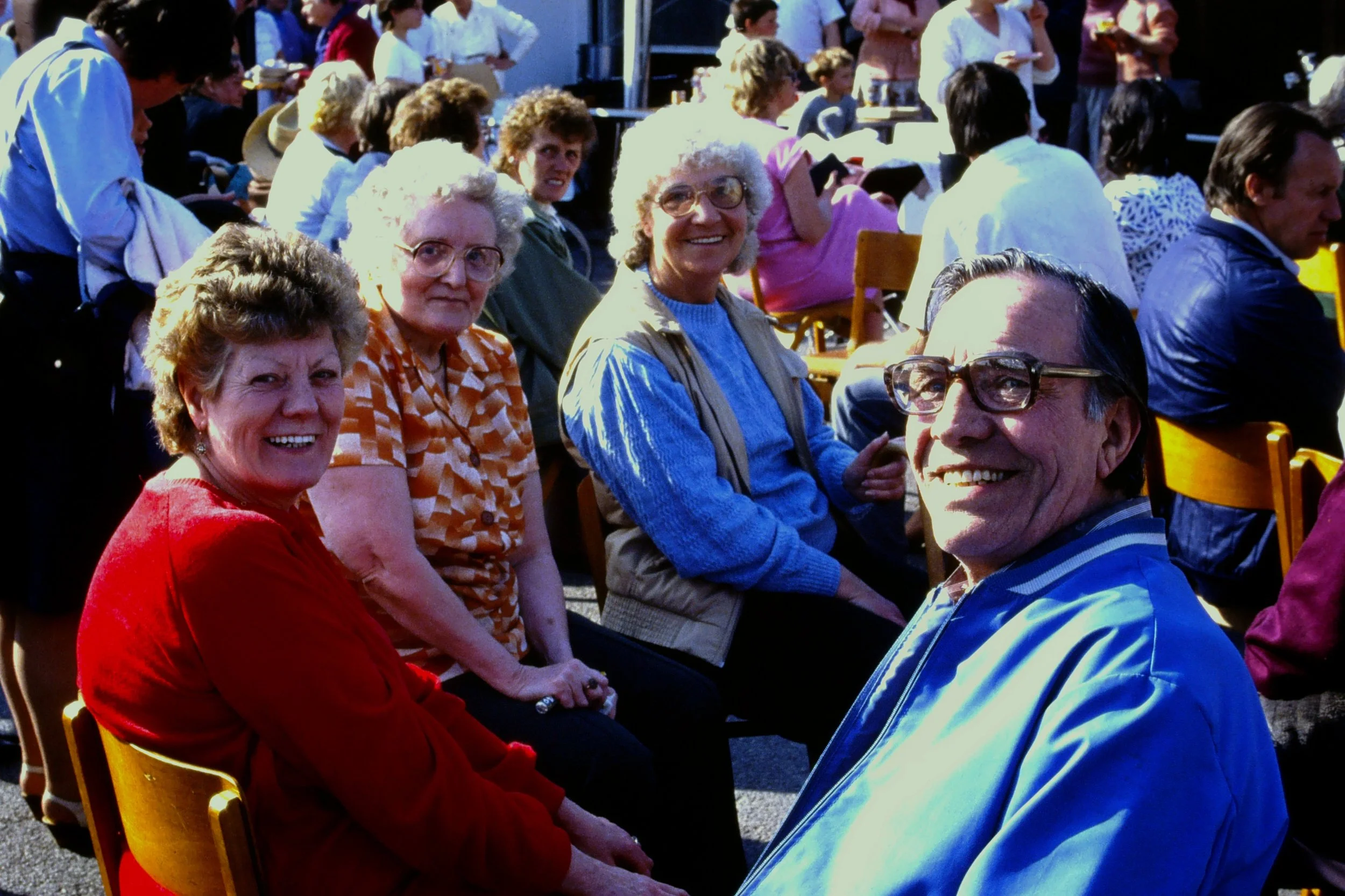
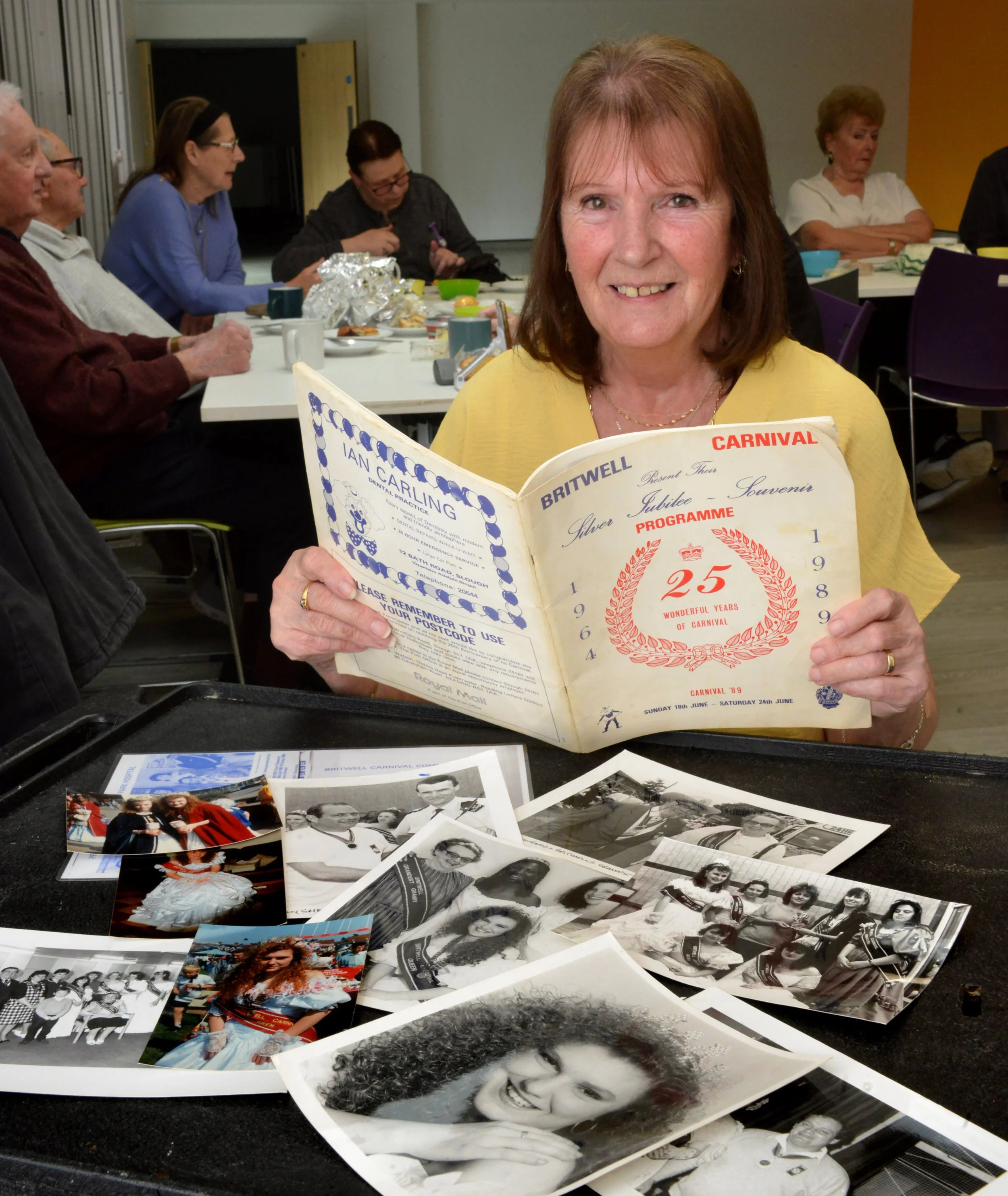
However, the bond between residents remained strong and Britwell Carnival continued to provide an opportunity for the whole community to come together, as did other occasions such as the VE Day 40th anniversary Celebration Party at Britwell Parish Hall in 1985.
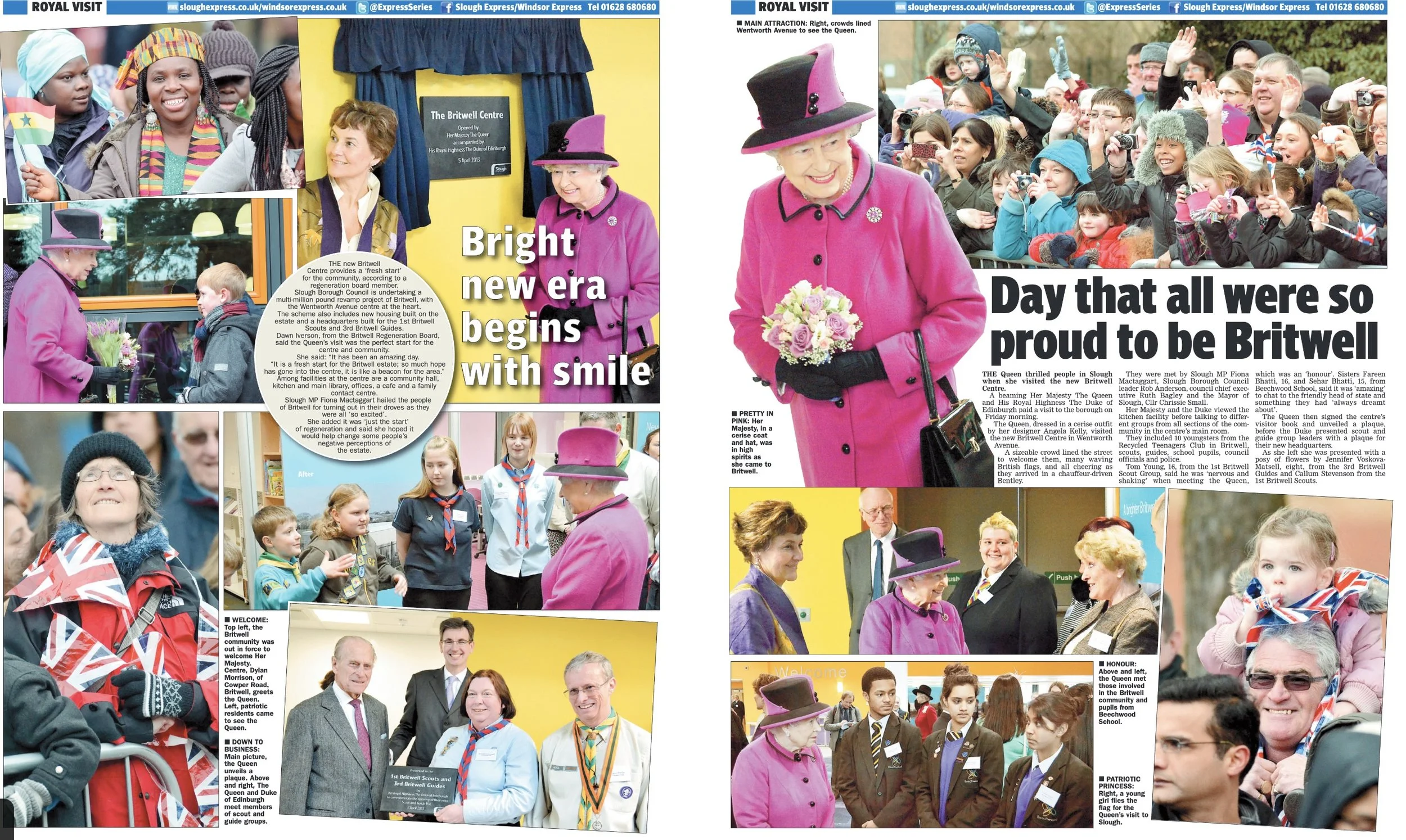
In April 2013, Queen Elizabeth II officially opened The Britwell Centre, a new community building for local residents and will house the new library, catering and learning kitchens, offices and meeting space, a cafe and the family contact centre.
The Britwell Stories exhibition tells the story of Britwell through the eyes and voices of residents who relate their experiences growing up and living on the estate, from the original pioneers who arrived in the early sixties to those who more recently settled here.
Accompanying the exhibition is a 28 page Britwell Stories booklet and the Britwell Voices video. The video reflects a diversity of perspectives on life in Britwell, affirming that although the estate has had its problems, like many urban areas, it is a good place to live and work and residents feel a strong sense of local pride..