Diffusion 2021 - Turning Point.
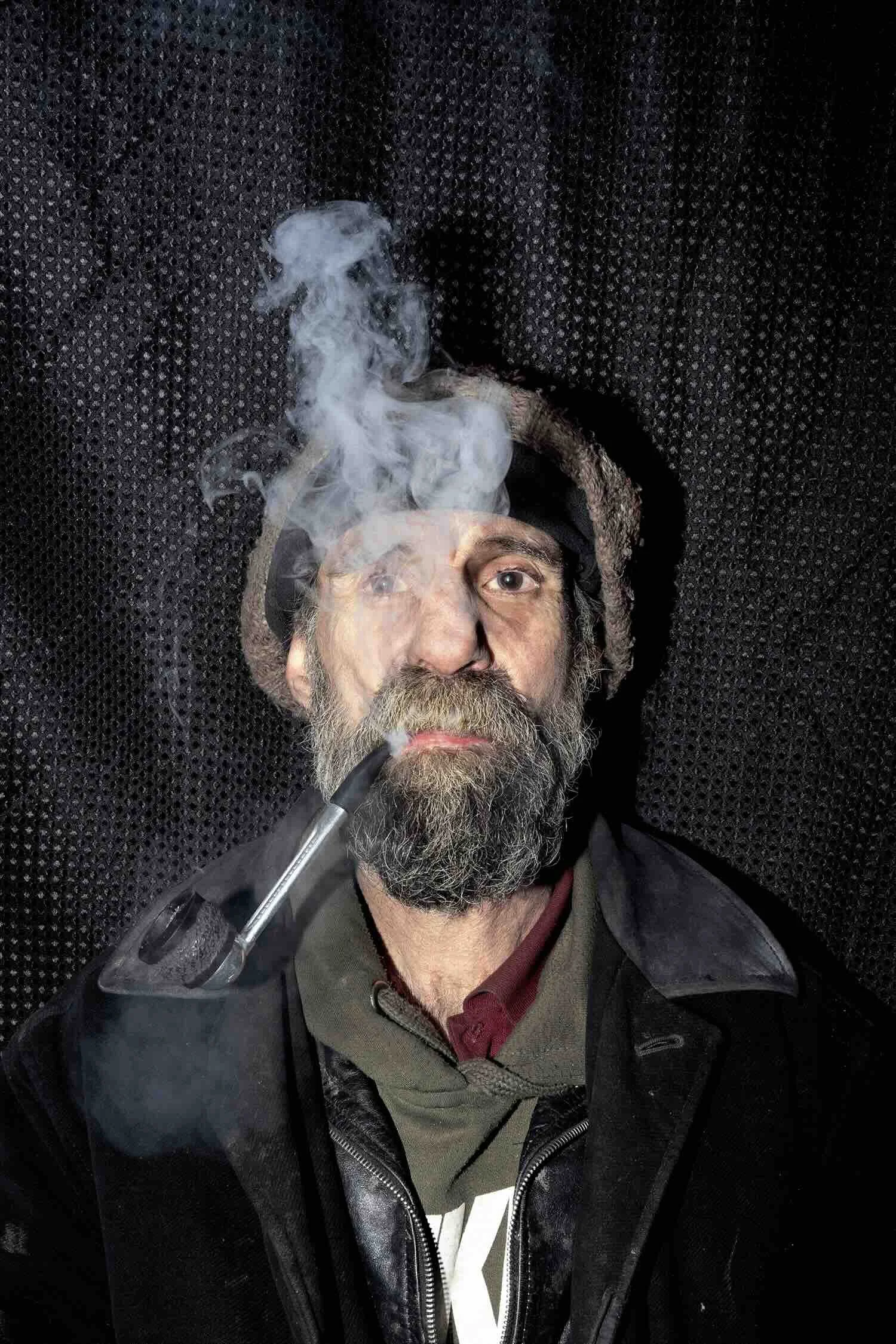
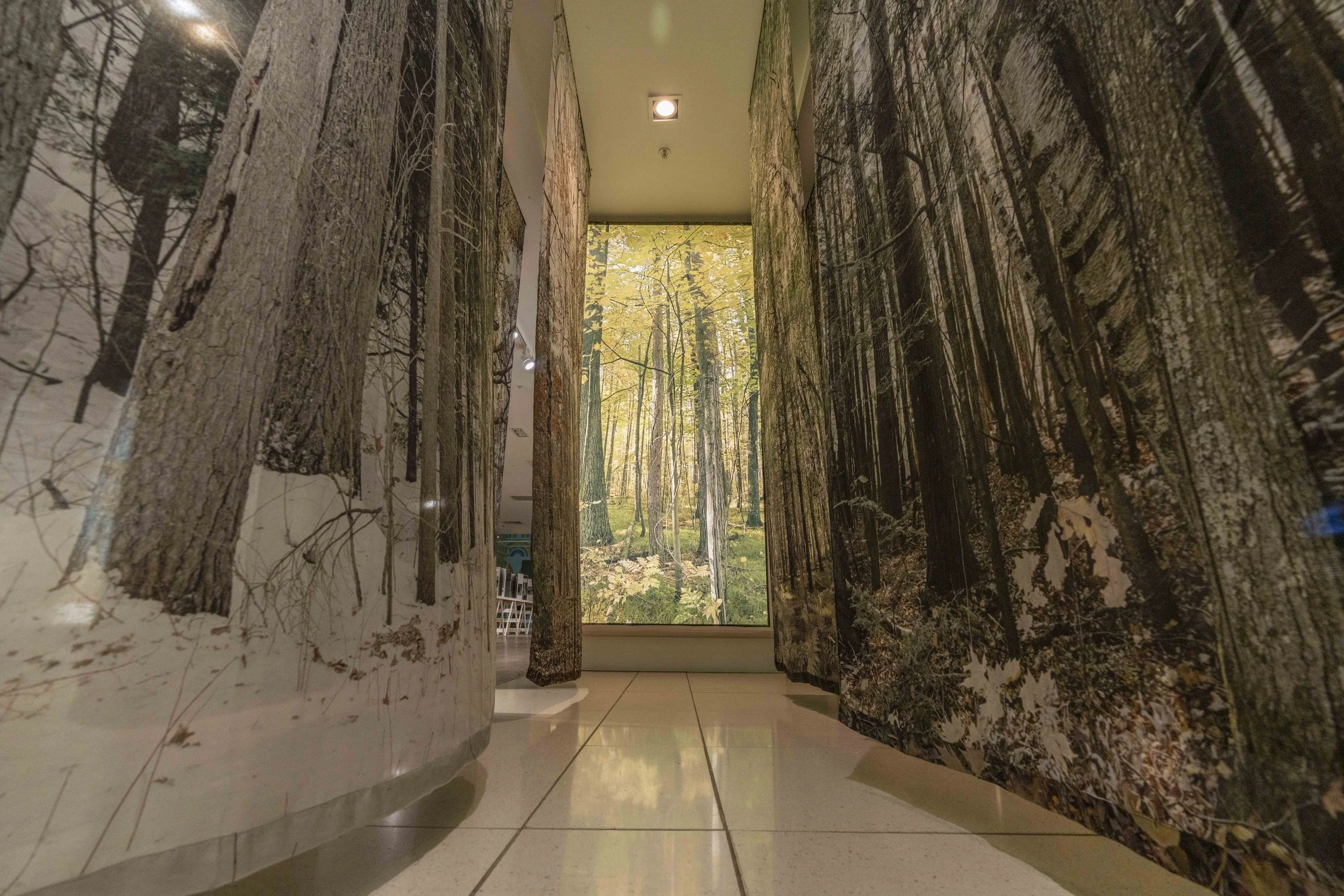
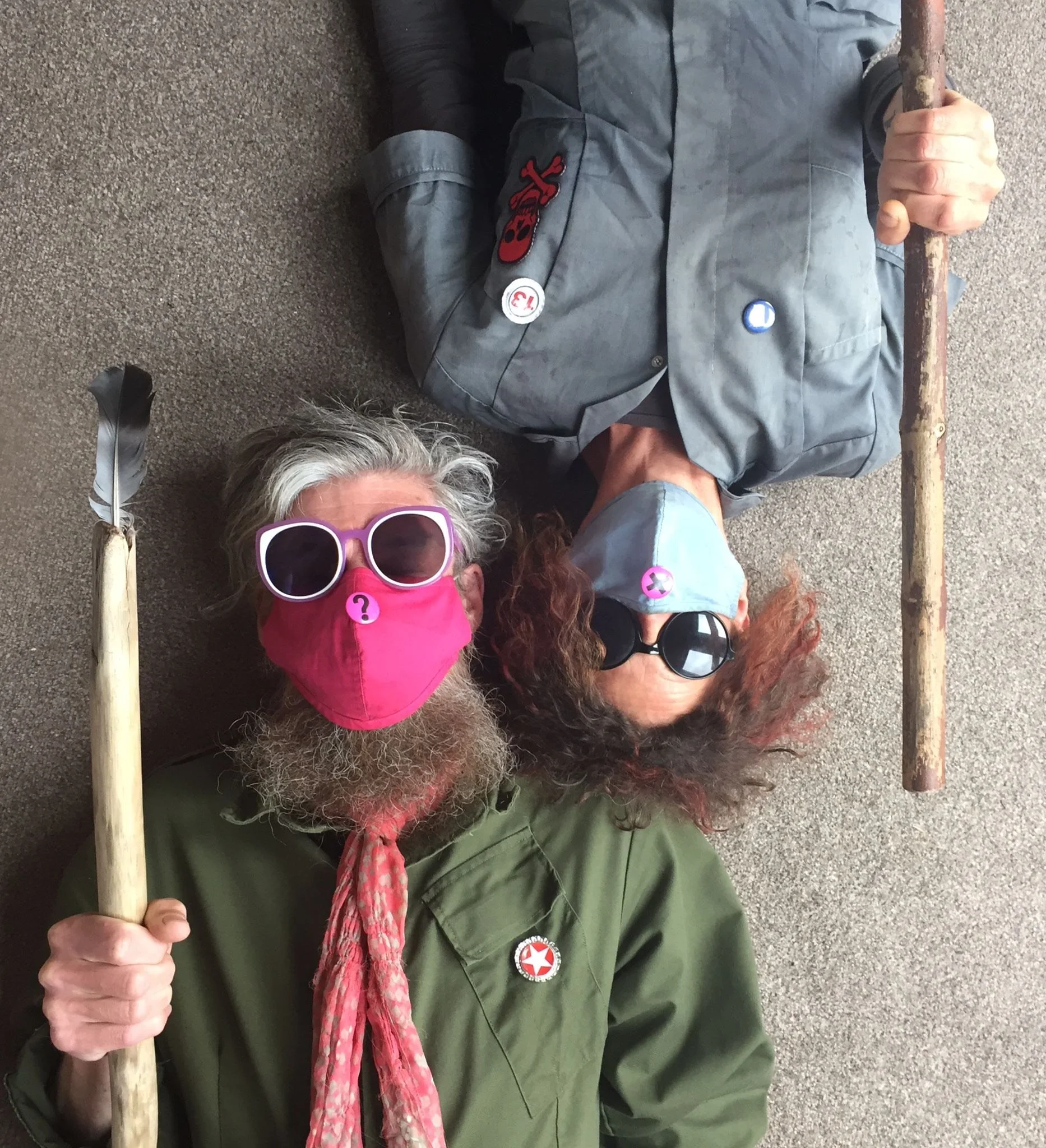
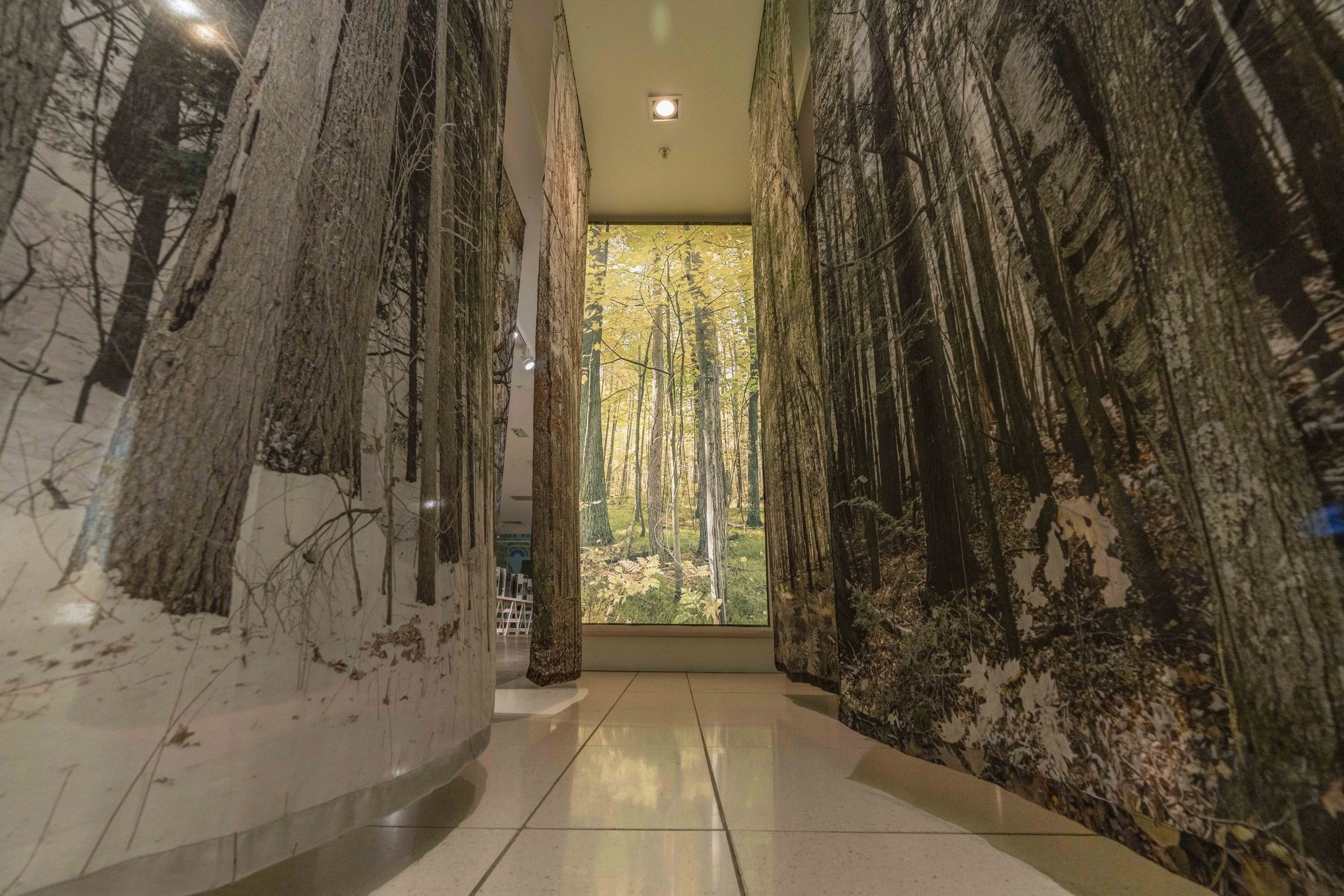
Image: from Mary Farmilant’s Natura Consonat installation
We stand now at the turning point between two eras. Behind us is a past to which we can never return Arthur C. Clarke
Maryam Wahid, Lydia Panas, Allie Crewe, Mary Farmilant, Nik Roche, John Crerar, Richard Jones, Kamila Jarczak, Sunil Gupta, Ink Collective, Paul John Roberts, Hilary Powell, Tim Georgeson, Janire Najera, Gareth Phillips, Nana Kofi Acquah, Jacque Nkinzingabo, Amina Kadous, Salih Basheer, Wafaa Samir, Sarah Waiswa, Brian Otieno, Maheder Haileselassie Tadese, Fatoumata Diabaté, Yoriyas Yassine Alaoui, Tom Saater, Steven Chikosi, Huw Davies, Tarun Bhartiya, Sebastian Bustamante, Palani Kumar, Dipanwita Saha, Abby Poulson, Gilbert Sabiti, Nancy ‘Chela’ Cherwon, Rhys Webber, Ron McCormick, Richard Jones, John Rea, Huw Talfryn Walters.
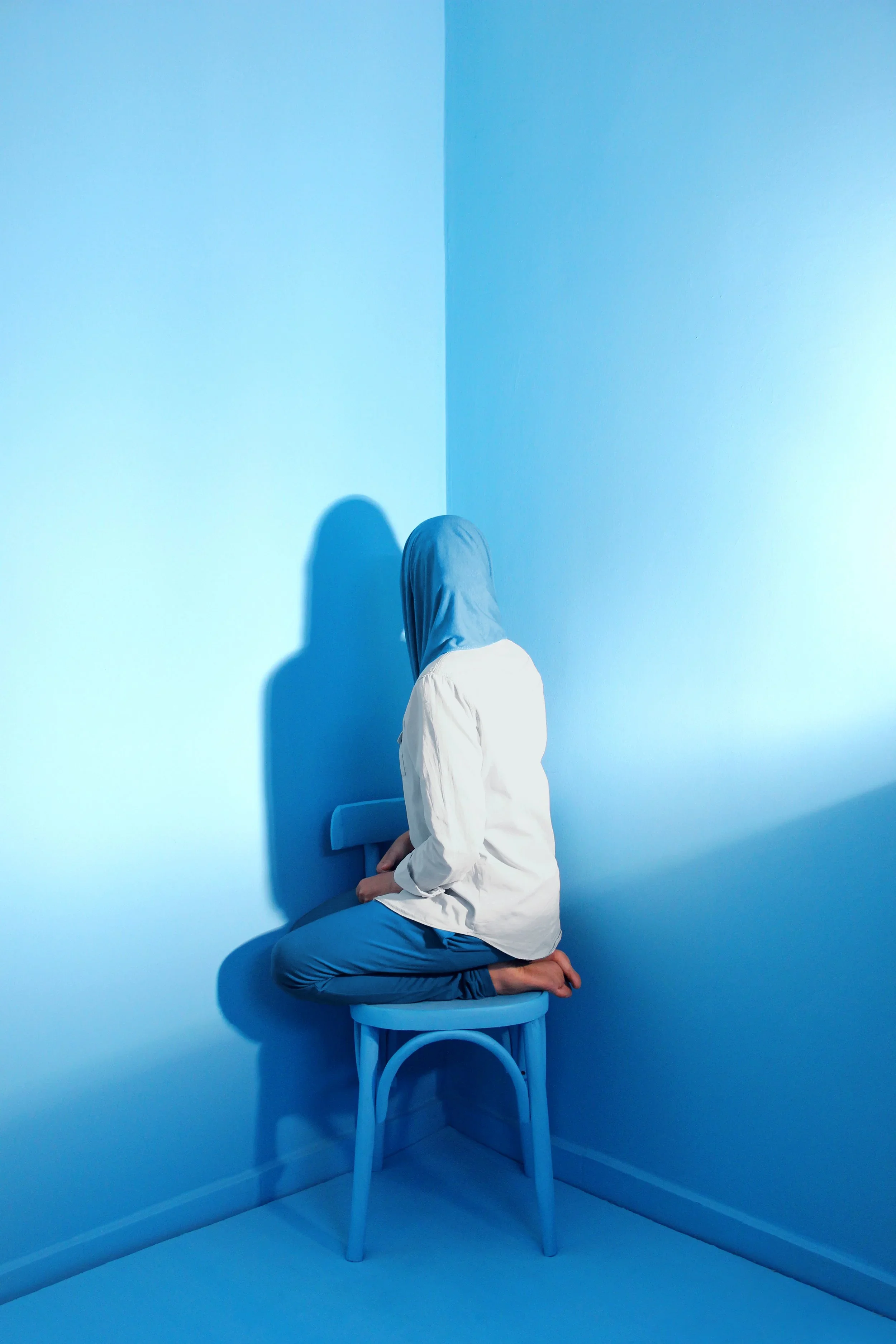
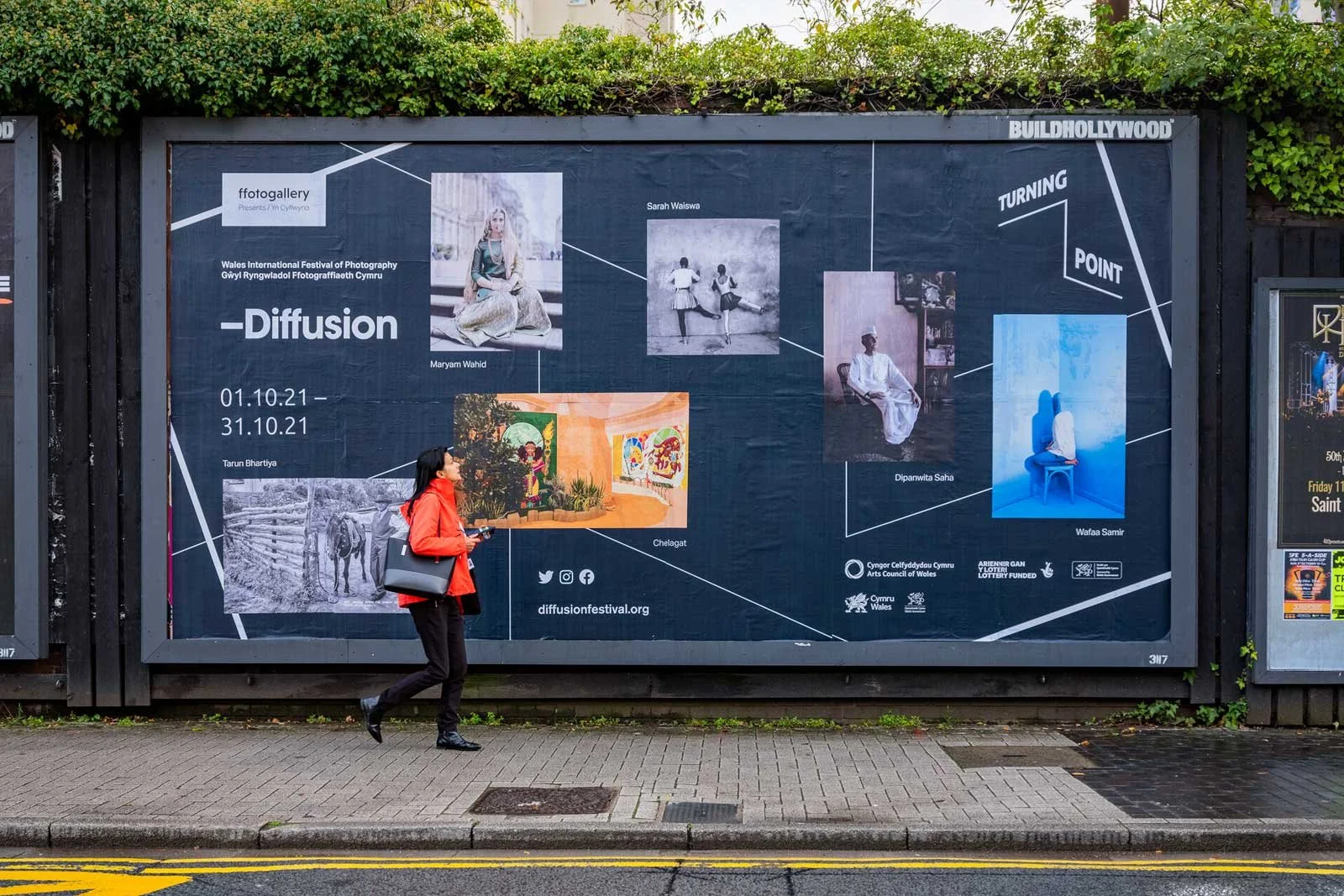
The 2021 Diffusion Festival was the fifth edition of the biennial Wales International Festival of Photography, taking place throughout October 2021 in Cardiff and Newport with the theme ‘Turning Point’. Focused on a post-pandemic future, it featured city-wide exhibitions, street poster showcases, and workshops, aiming to highlight diverse, new voices in photography
The theme I chose as the Festival Director and overall curator, Turning Point, referred to the shifts in thinking and doing which the pandemic has imposed on the world at large, and how this might be a catalyst for more inclusiveness and diversity in the photographic medium. The impact of lockdown, and its unknowable, fluctuating nature, made this the most challenging edition of the festival yet, and I had to adapt my curatorial approach accordingly to deal with the real possibility that physical presentation of work at indoor venues would be prohibited.
In the end, we met that challenge successfully with presentations in multiple venues and outdoor spaces across the two cities, along with interventions in the public realm, performances and participatory events. We were determined to maintain Diffusion’s international scope for this edition, despite travel restrictions, and this was reflected in the choice of work.
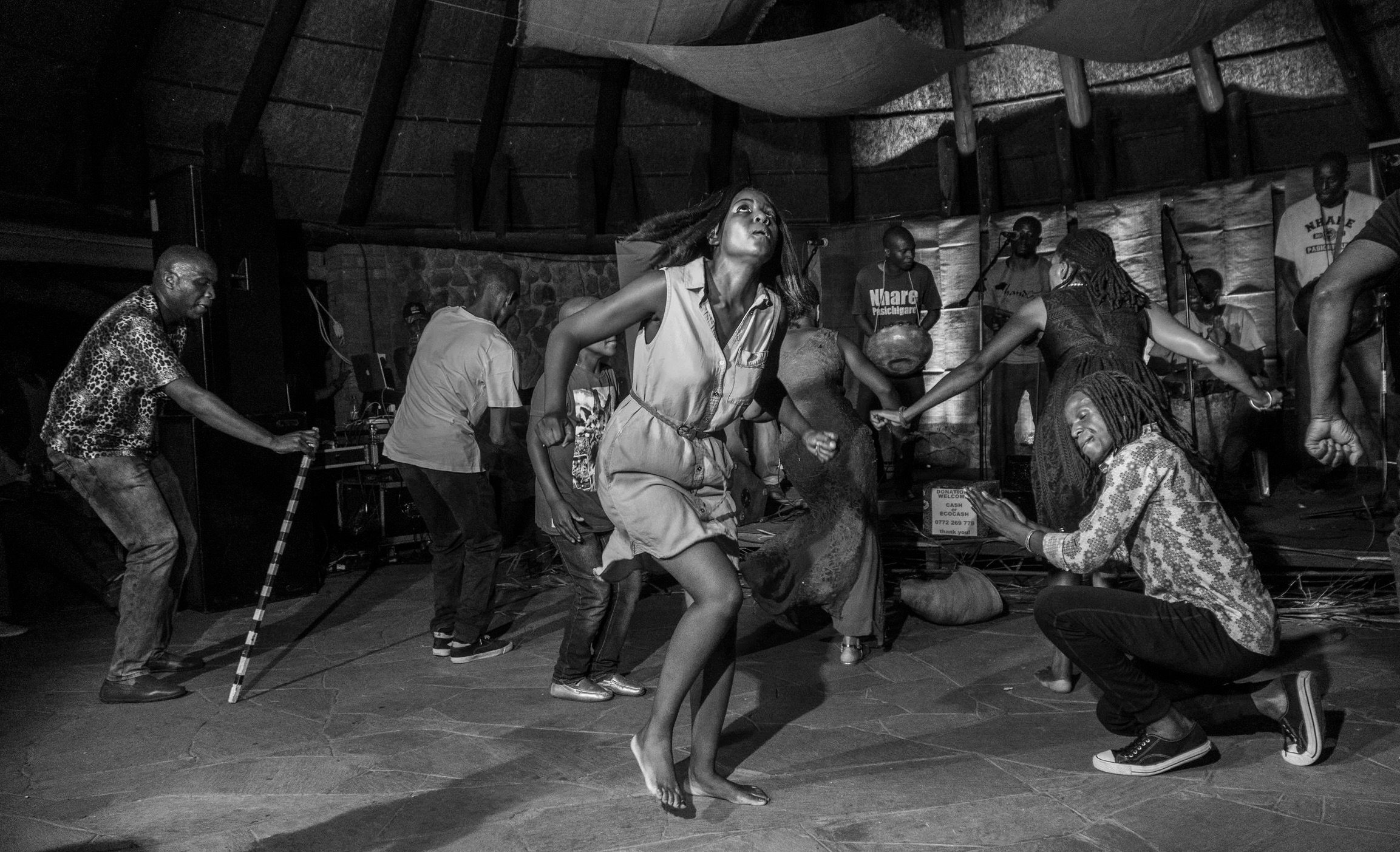
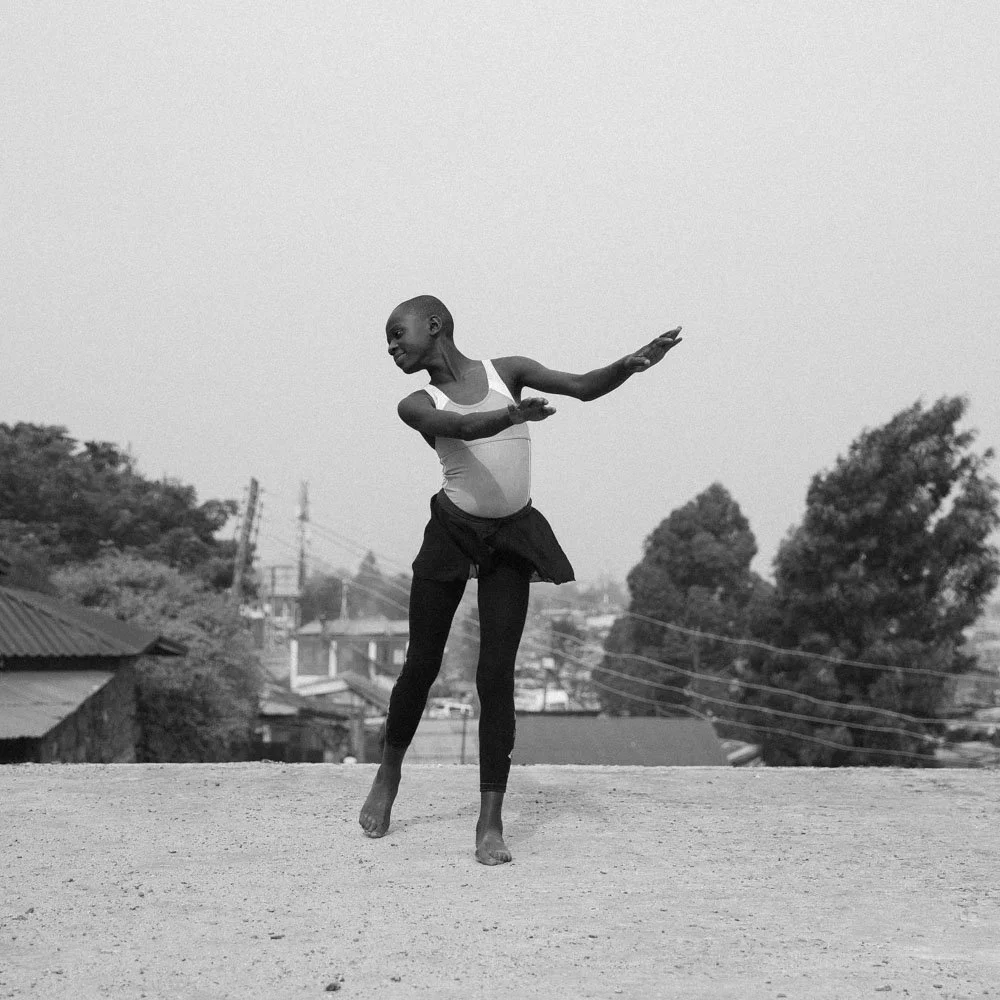
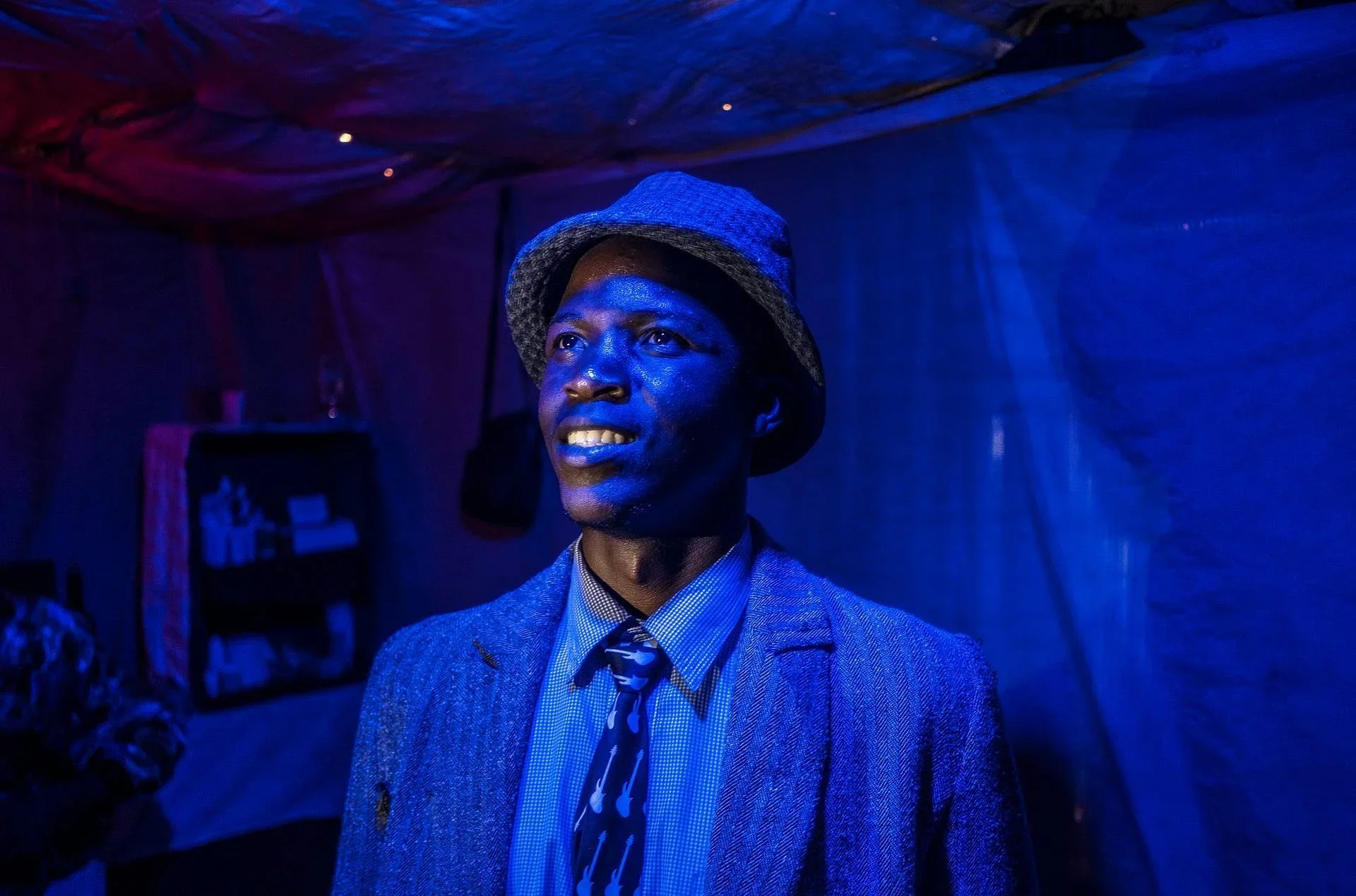
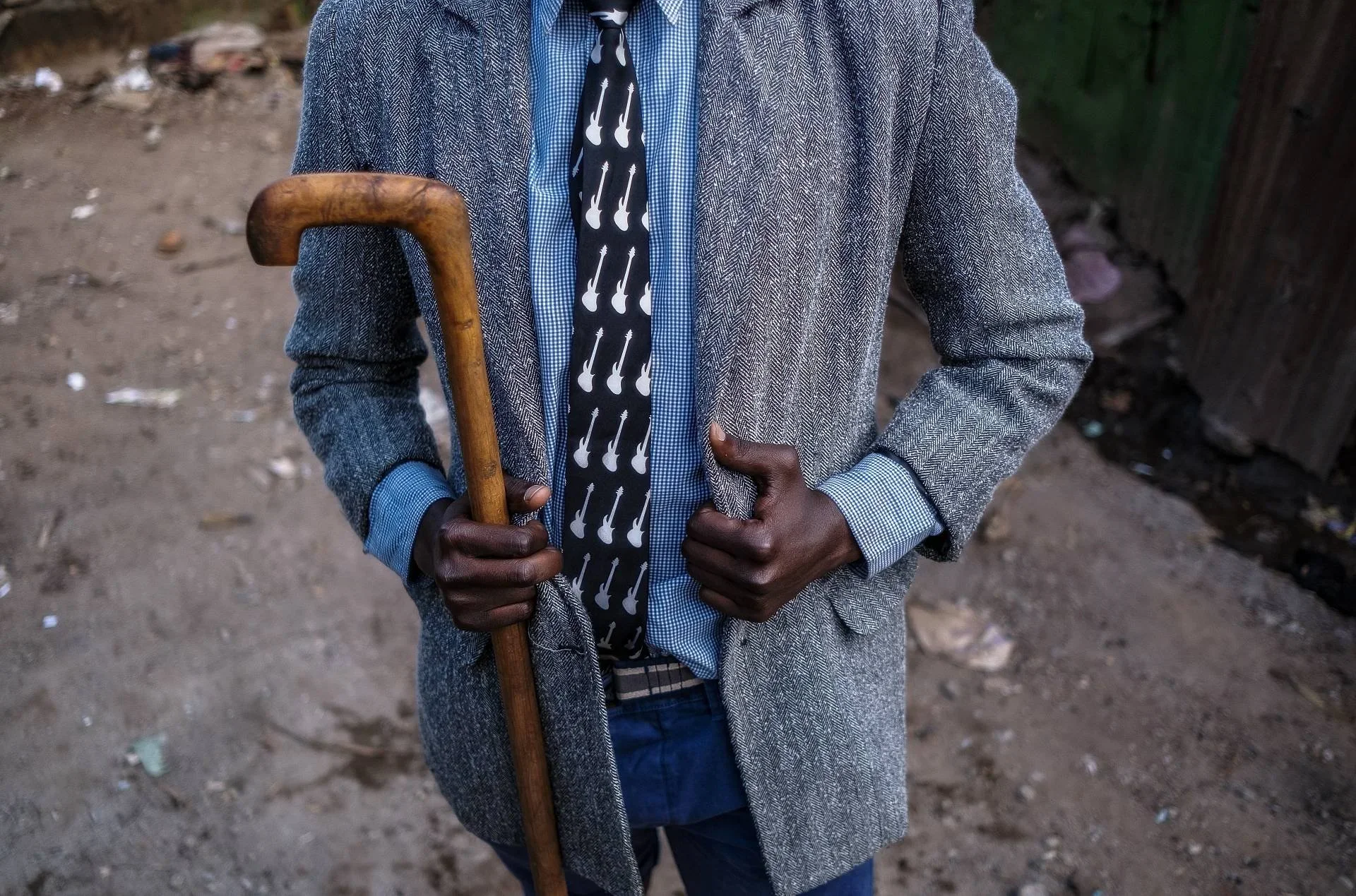
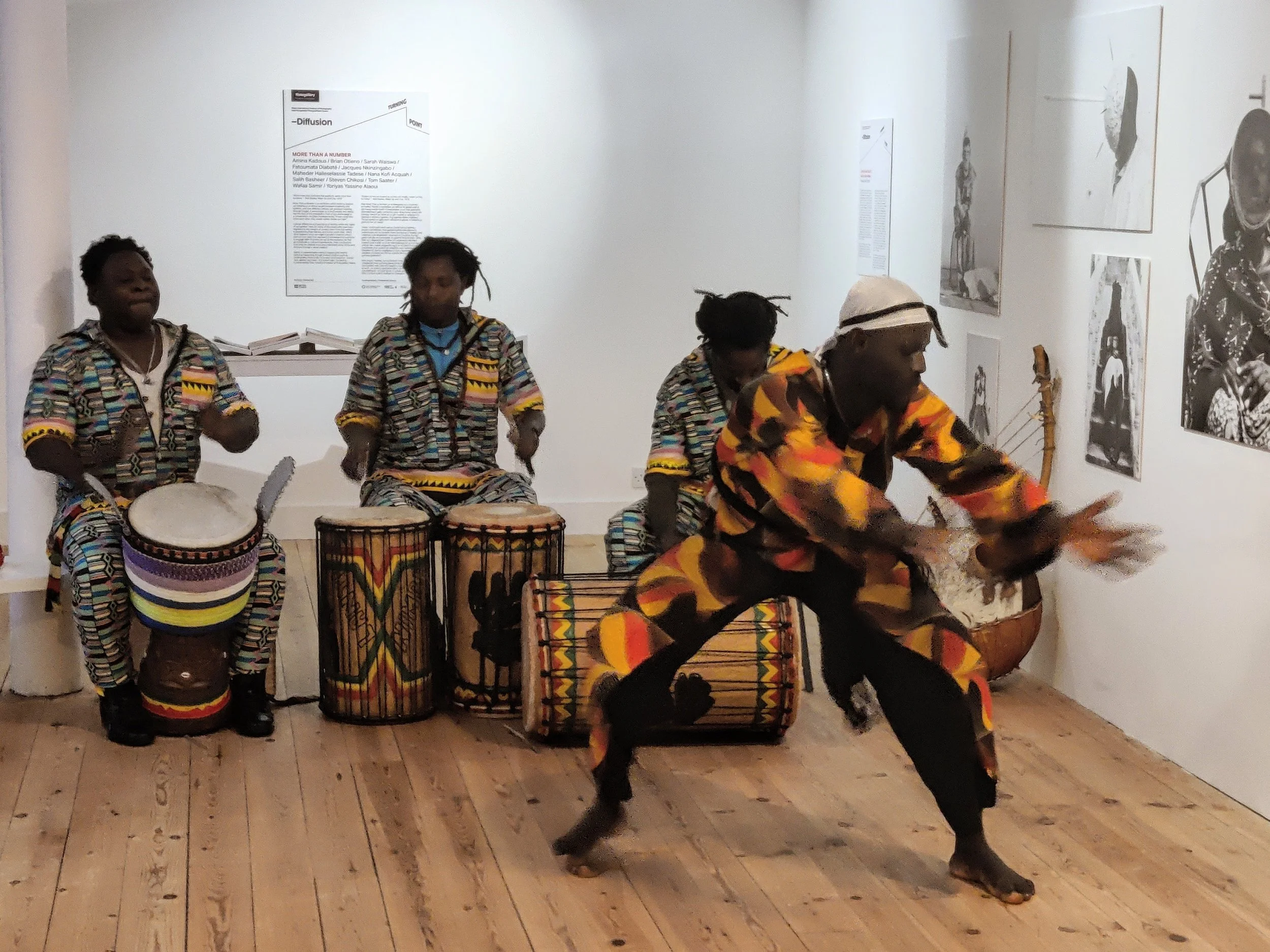
The More Than A Number exhibition, curated by Cynthia Sitei, comprised 12 sub-exhibitions by African documentary photographers, their common factor being the transitions – social, technological, cultural – within the specific nations featured, if not the continent in general. In doing so, we sought to explore how Western curators can best use their position and privilege to deliver such cross-cultural projects.
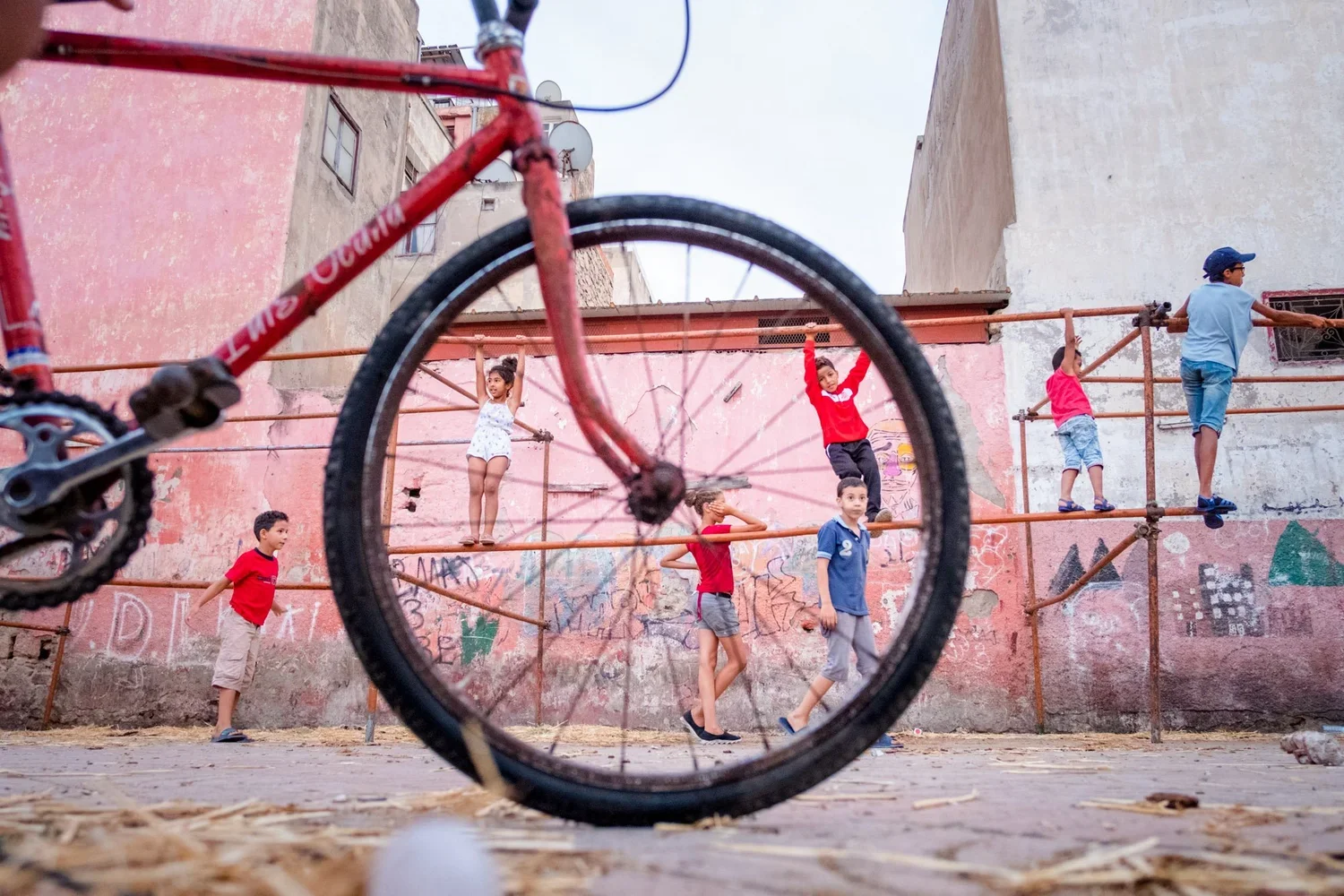
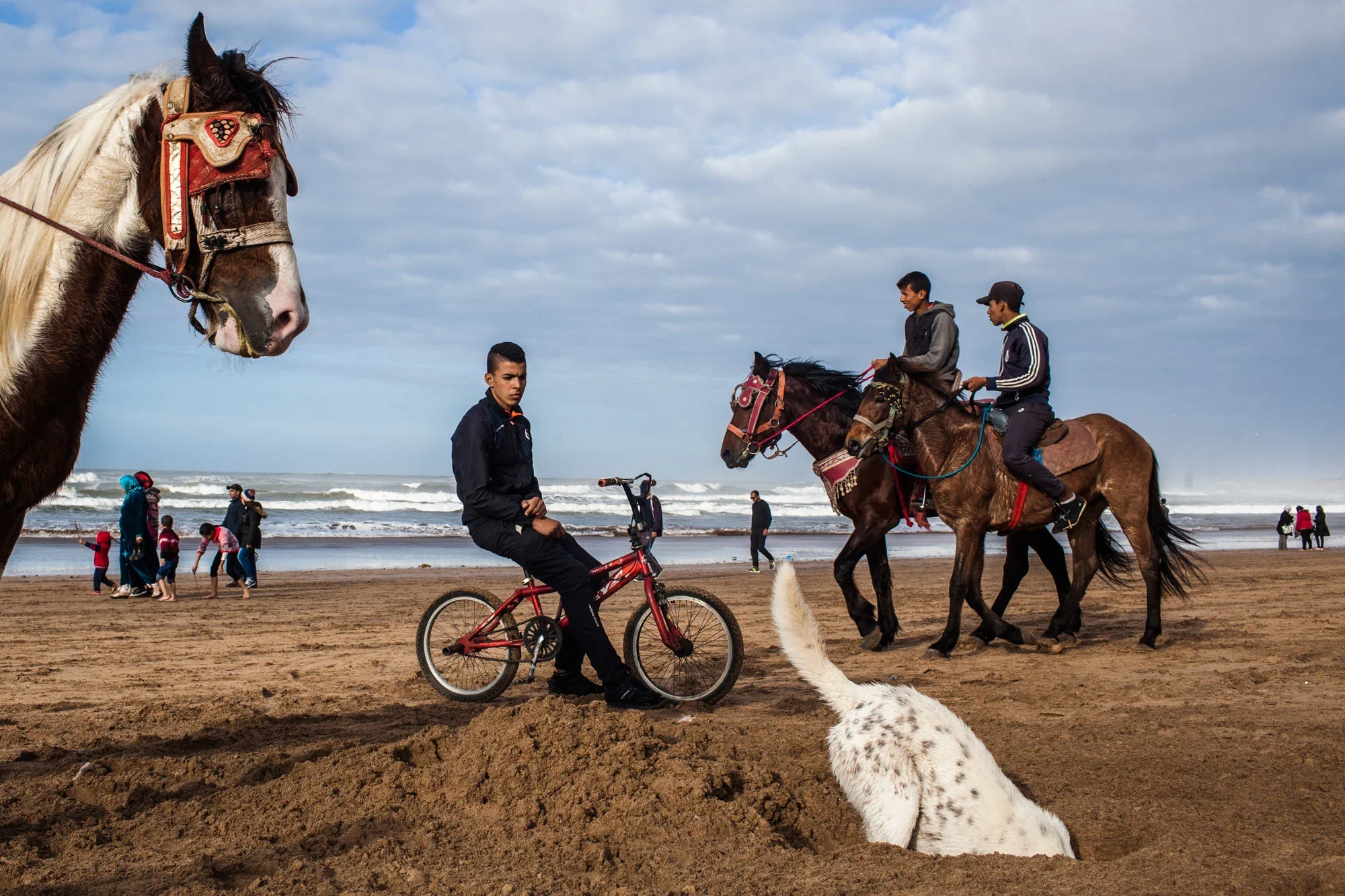
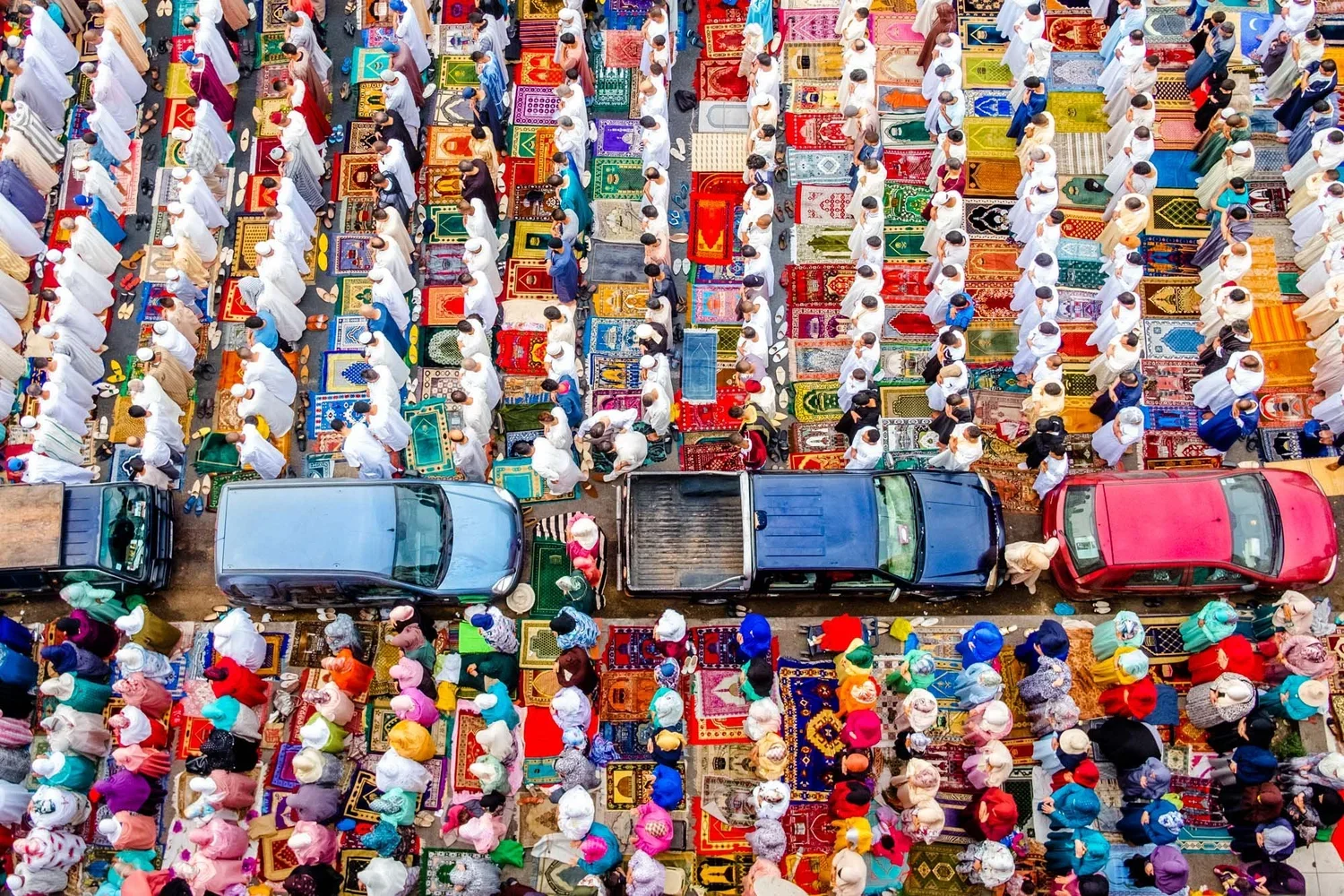
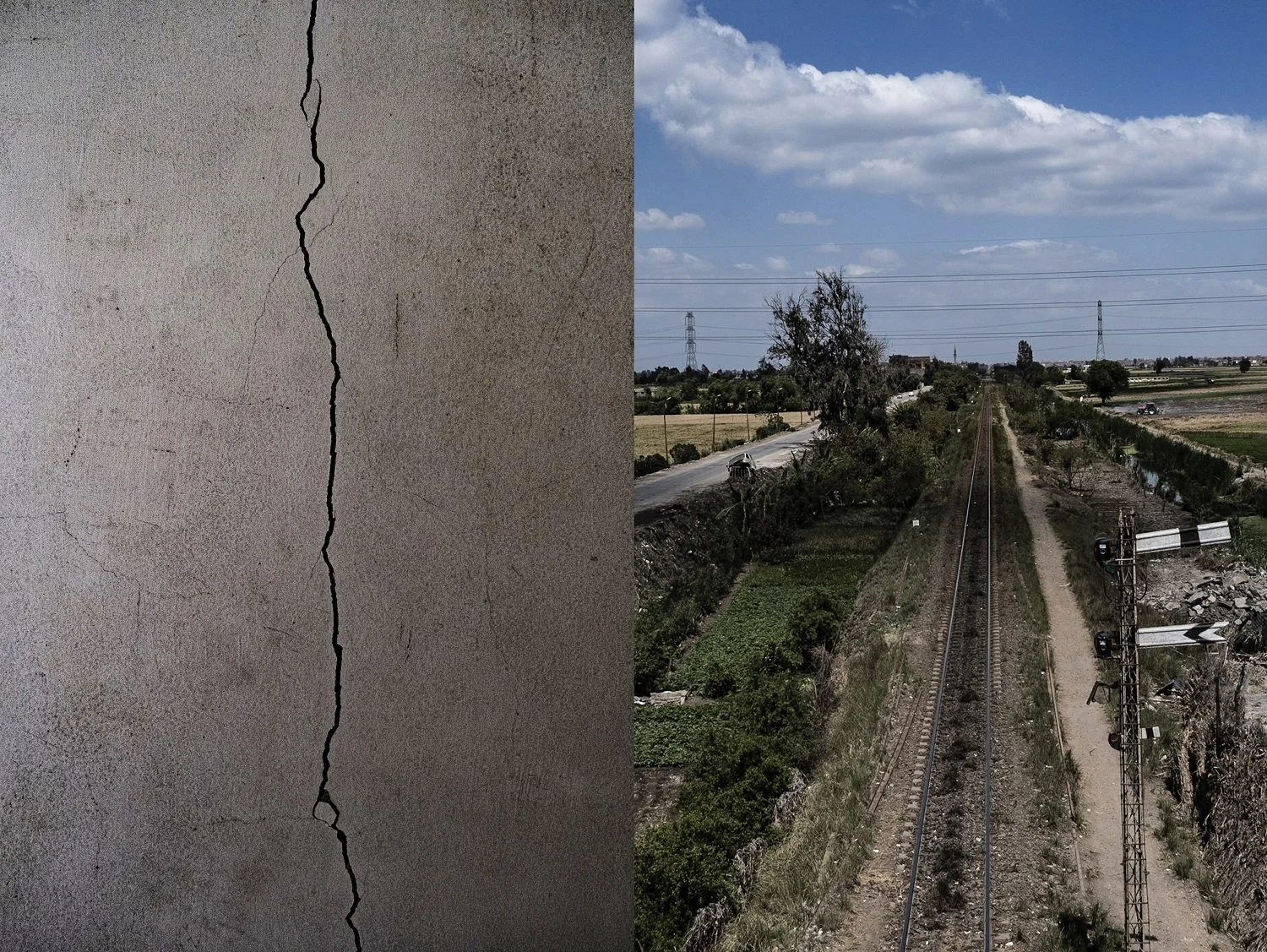
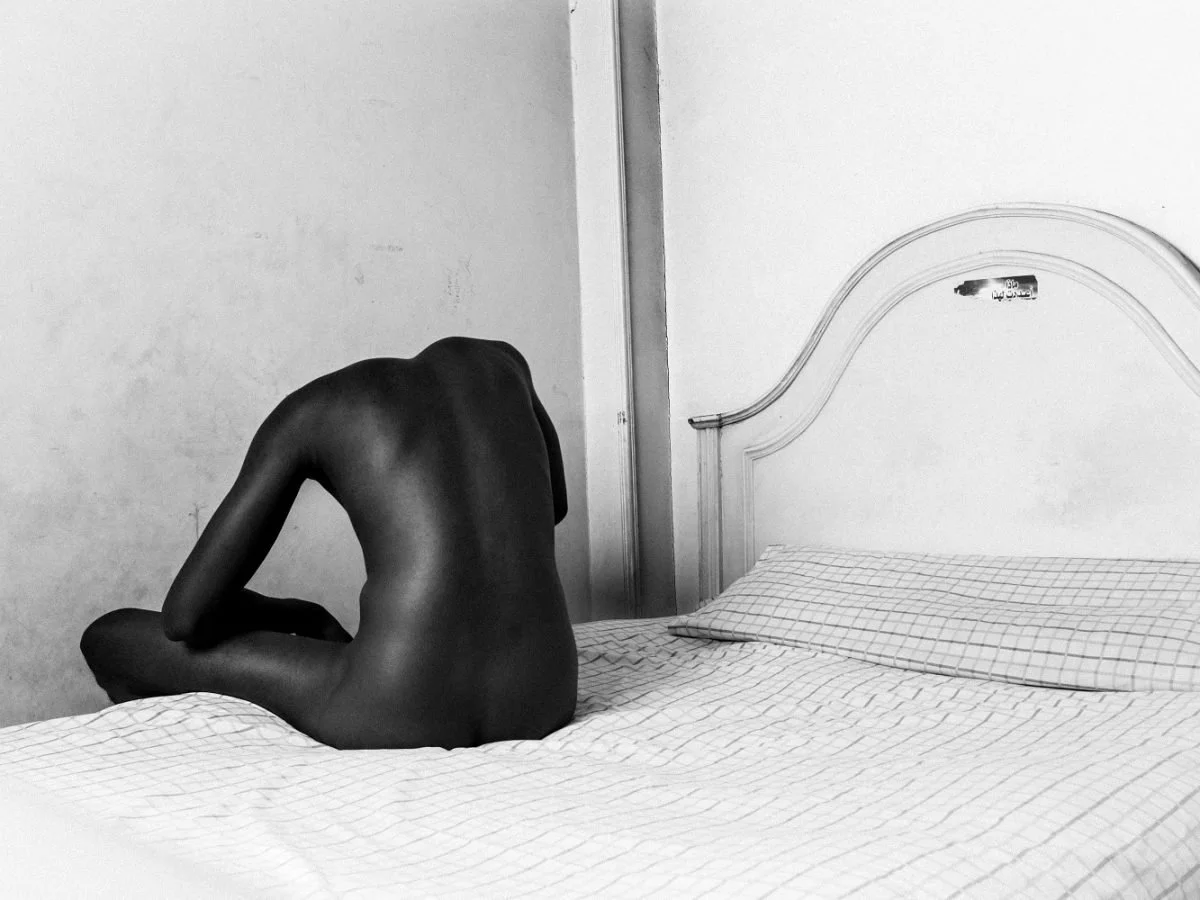
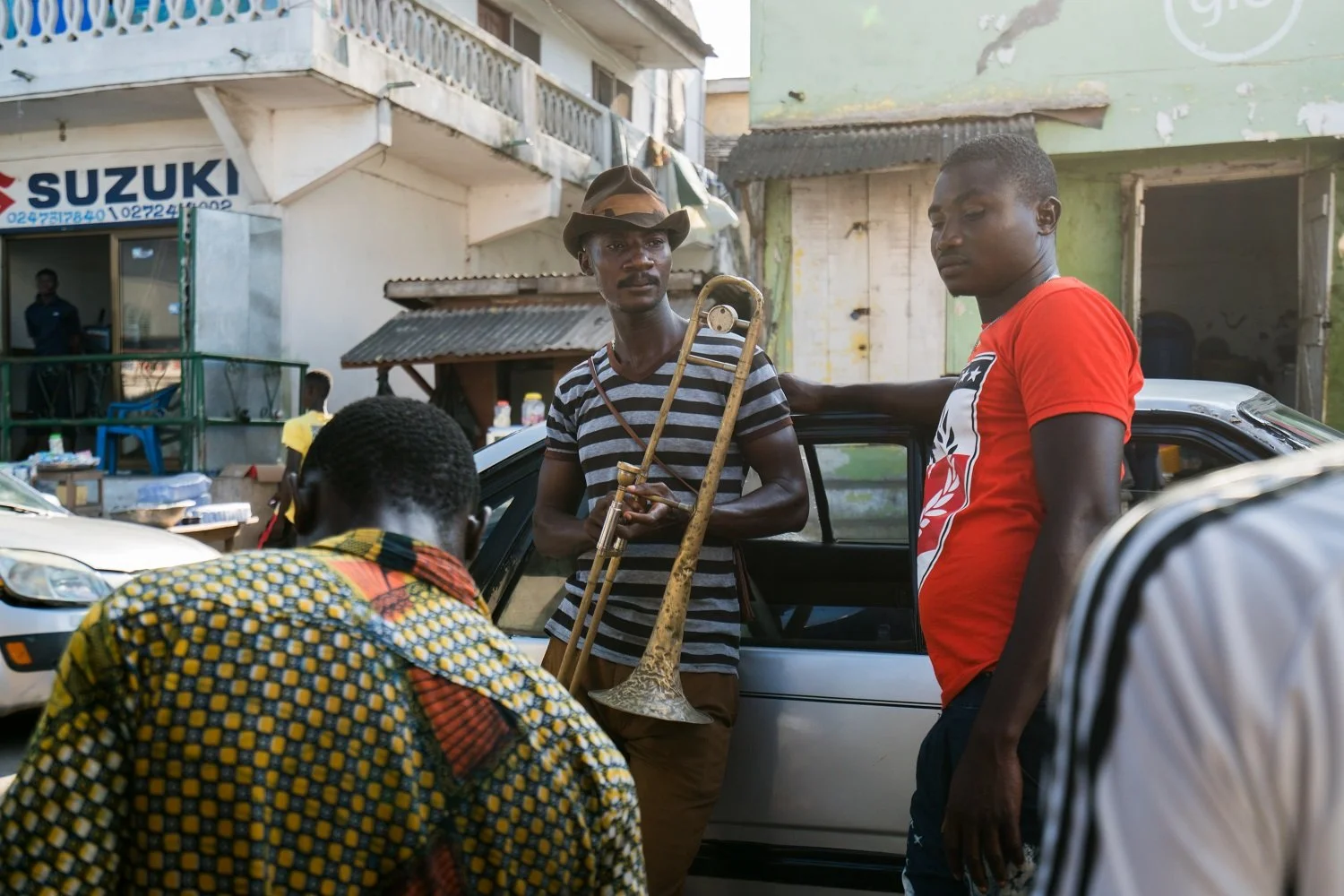
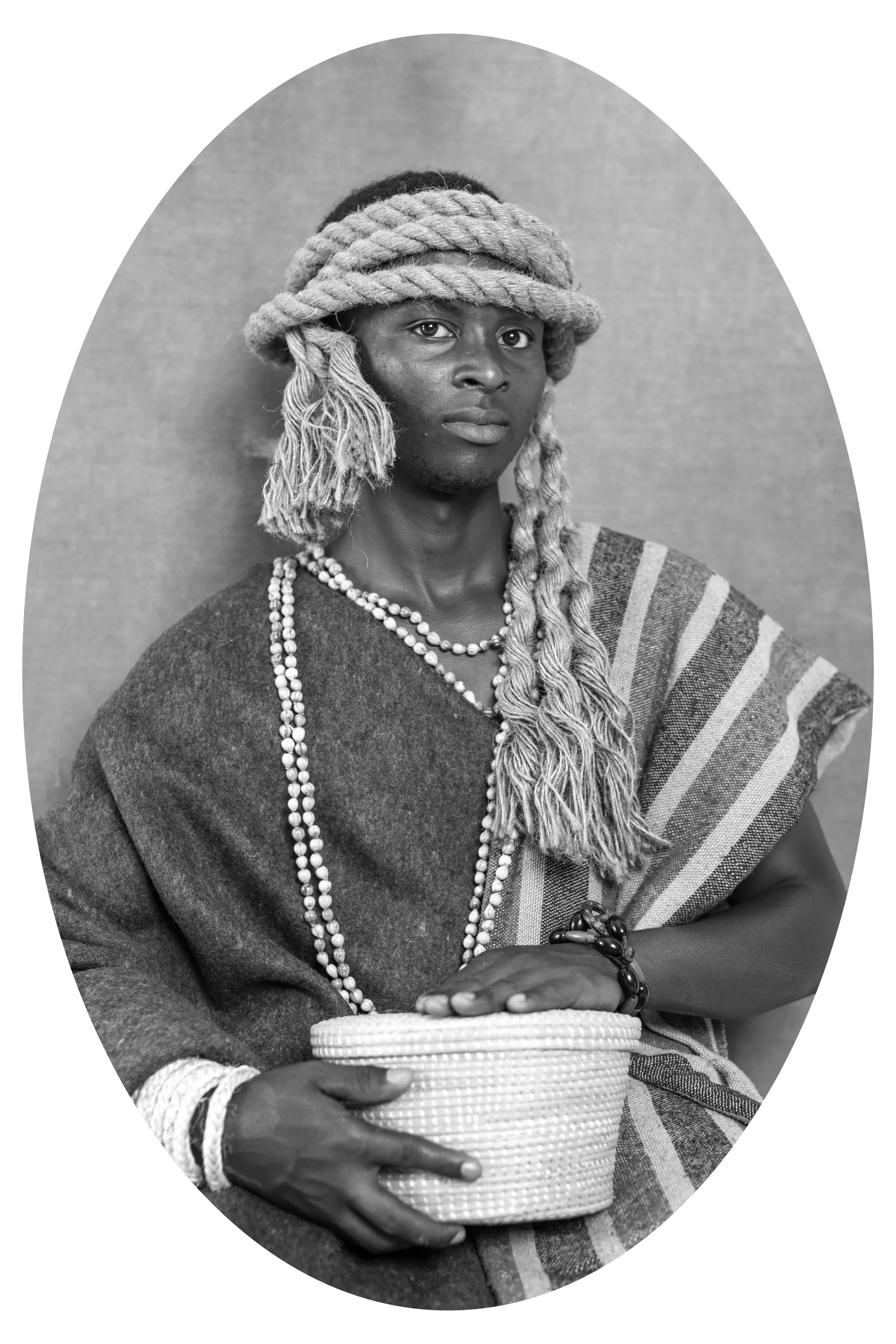
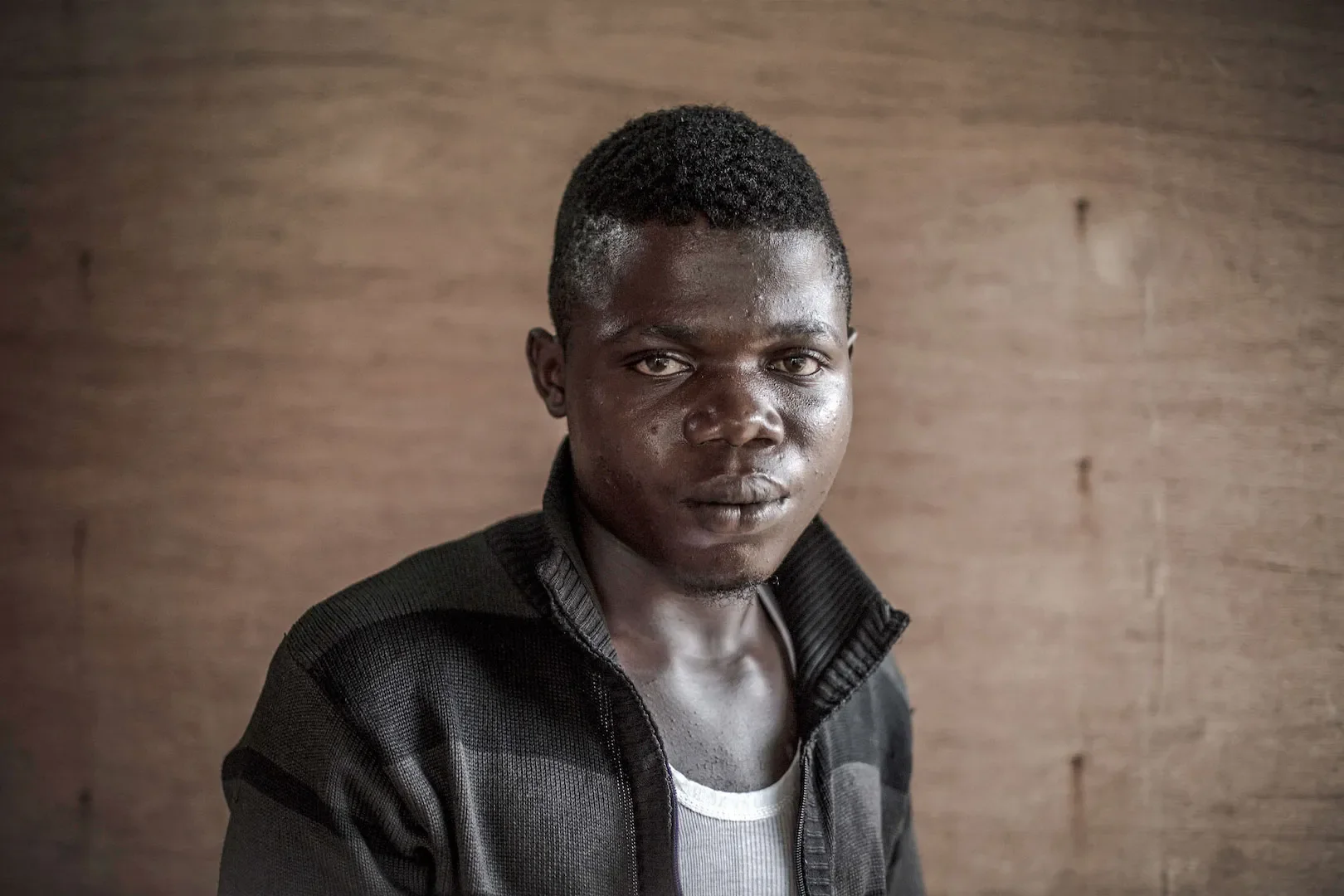
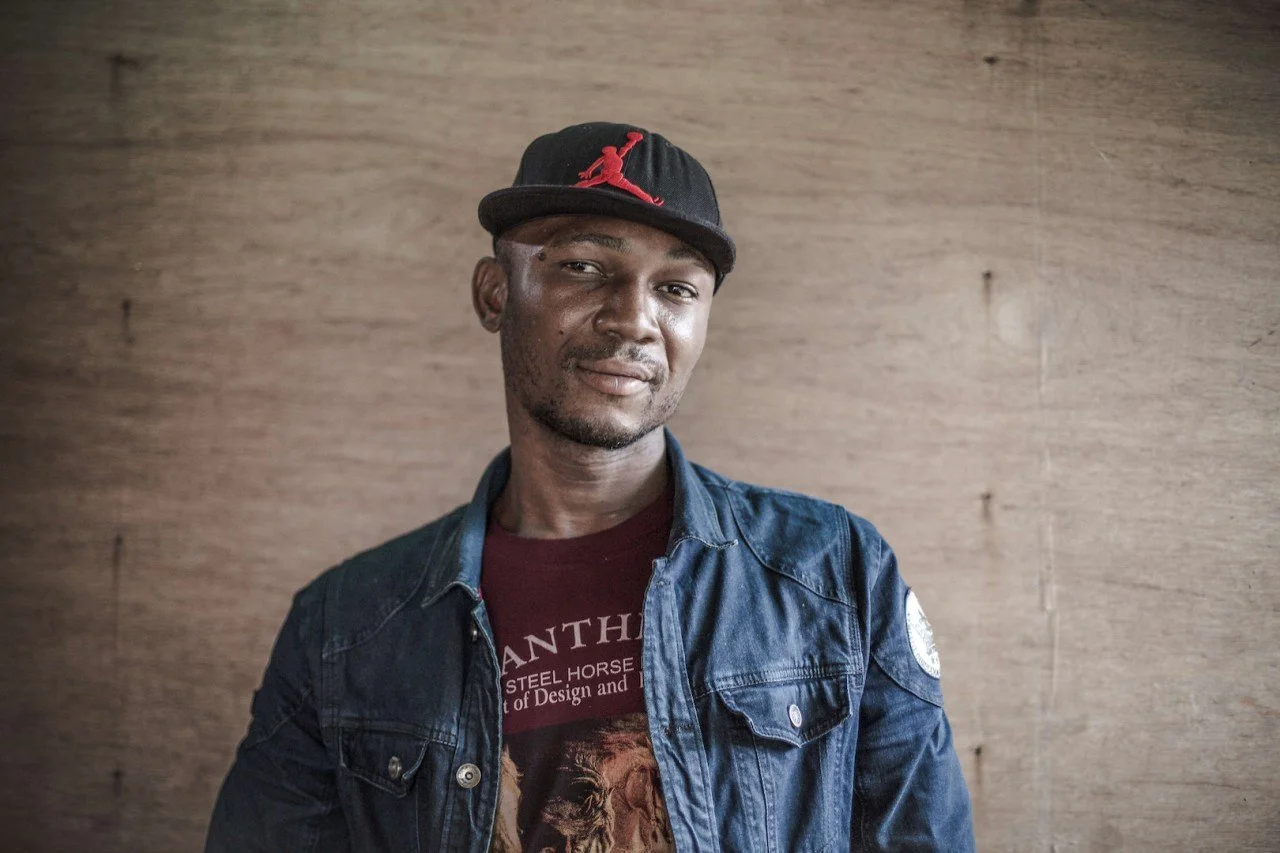
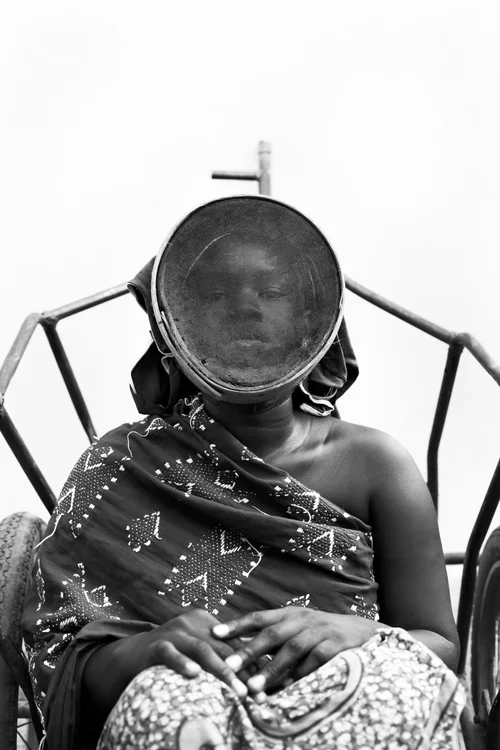
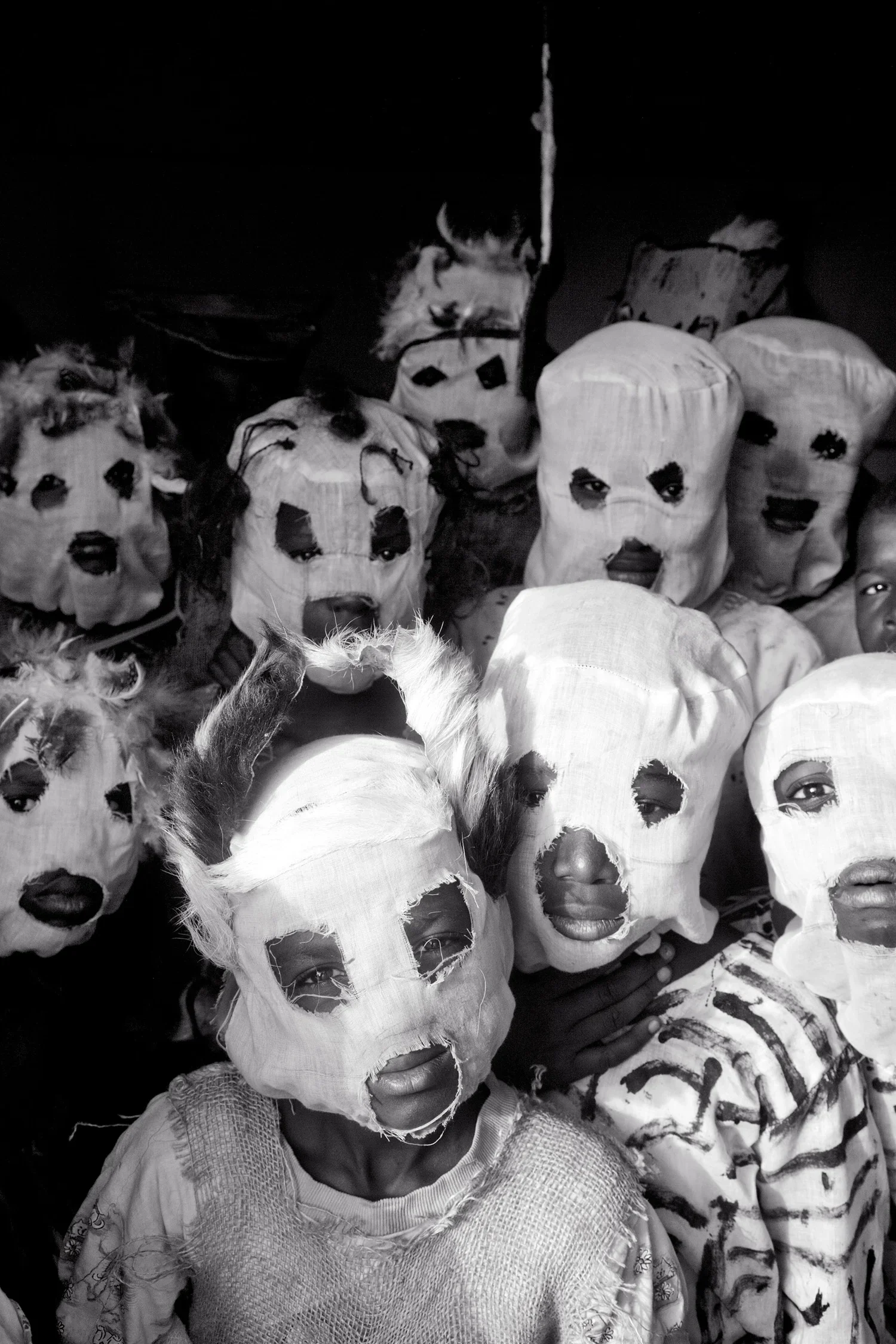
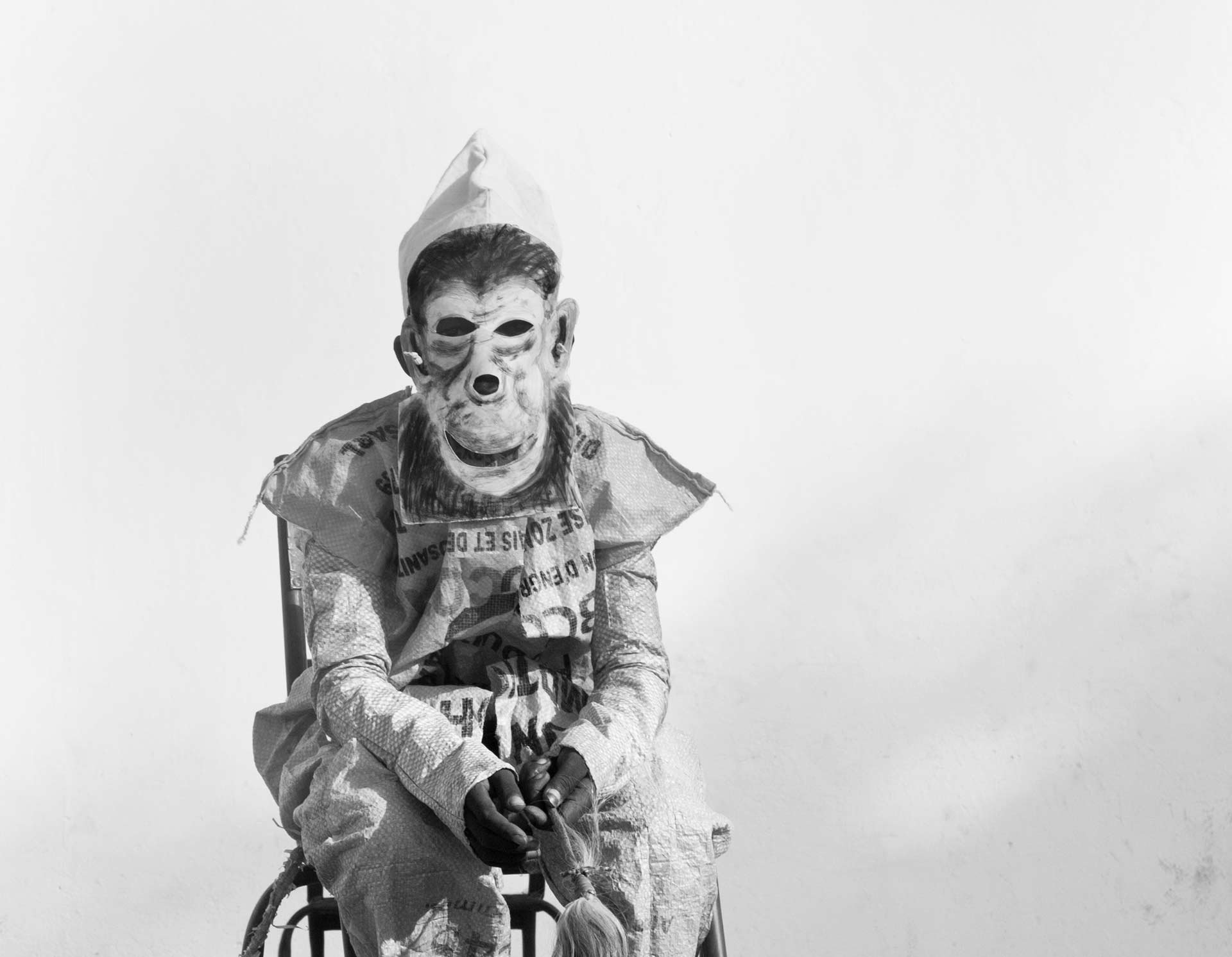
Highlights from More Than A Number included Nana Kofi Acquah’s Elmina, titled after and depicting his Ghanaian birthplace – which, half a millennium before, was an early outpost of Portuguese colonial slavery. Yoriyas Yassine Alaoui’s Casablanca Not the Movie is both a love letter to his home city and a corrective to the way that Western photographers have depicted contemporary Moroccan life. Jacques Nkinzingabo’s I Am A Survivor project: comprises a series of analogue portraits of people born during the Rwandan genocide of 1994, as was he. Egypt’s capital city is studied in Amina Kadous’ A Crack In The Memory Of My Memory, an evolving project based on a lengthy stretch of Cairo road, and The Home Seekers by Salih Basheer, which addresses the racism the Sudanese photographer has experienced living there. And Fatoumata Diabate’s Man As An Object / Man As An Animal sees the renowned Malian photographer referencing stories learned in her childhood and the myths and symbolisms behind traditional African masks, which feature in her pictures to striking effect.
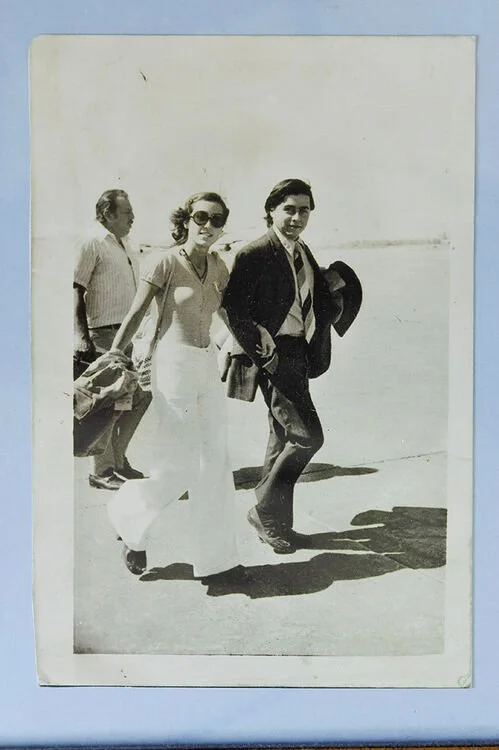
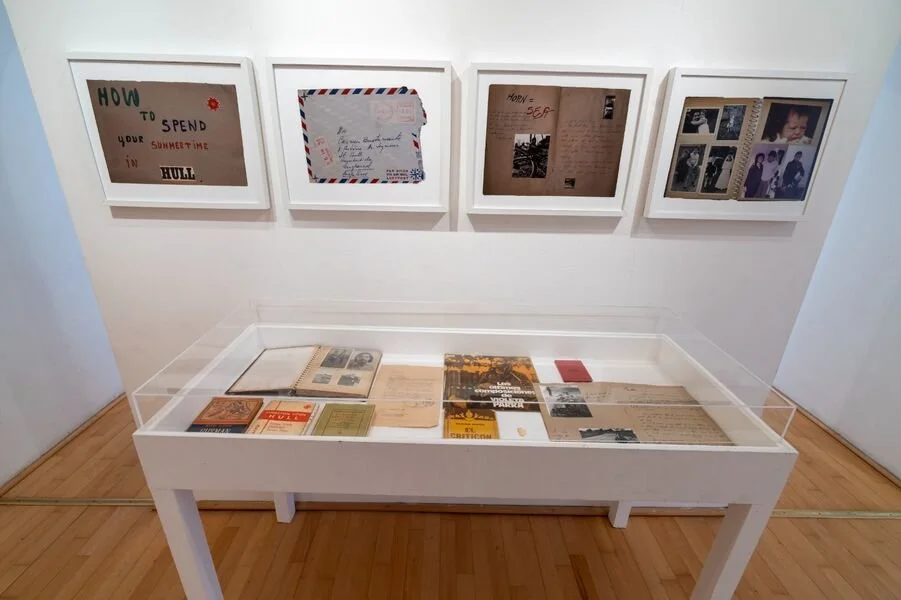
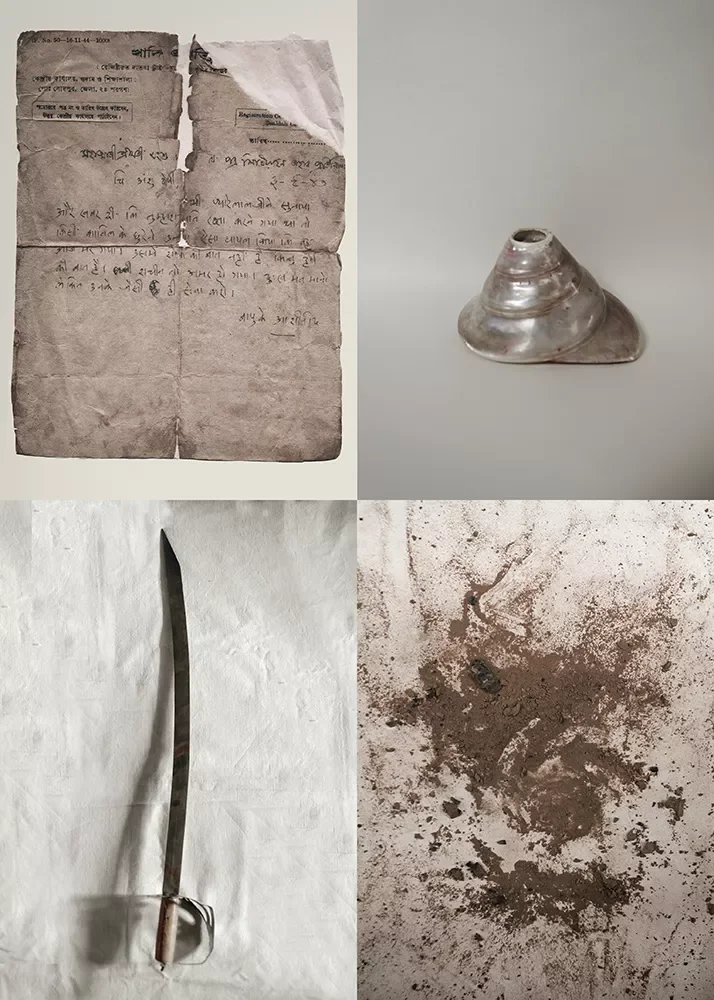
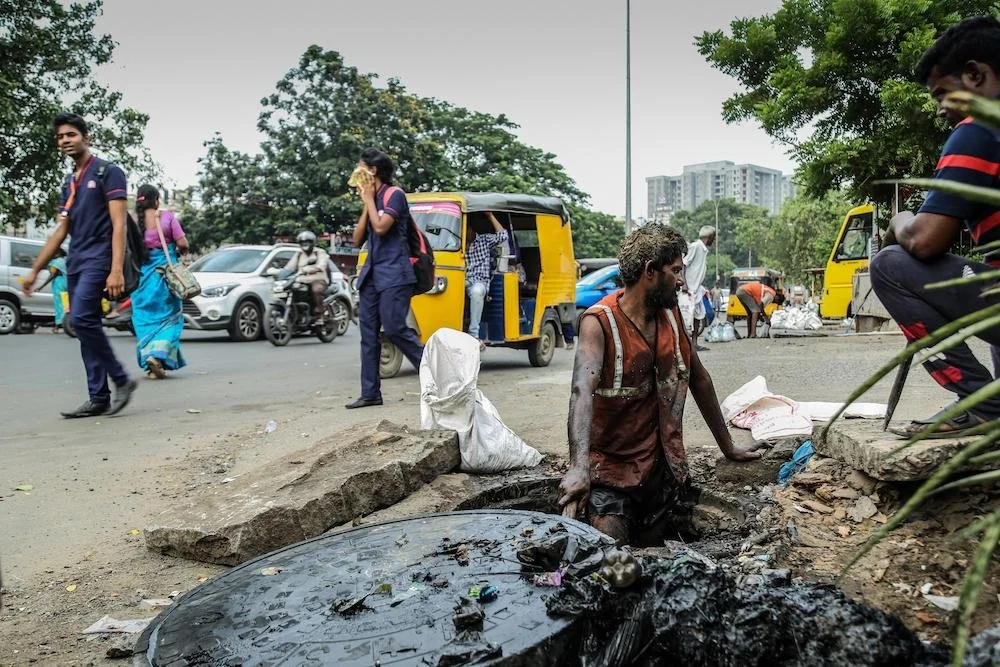
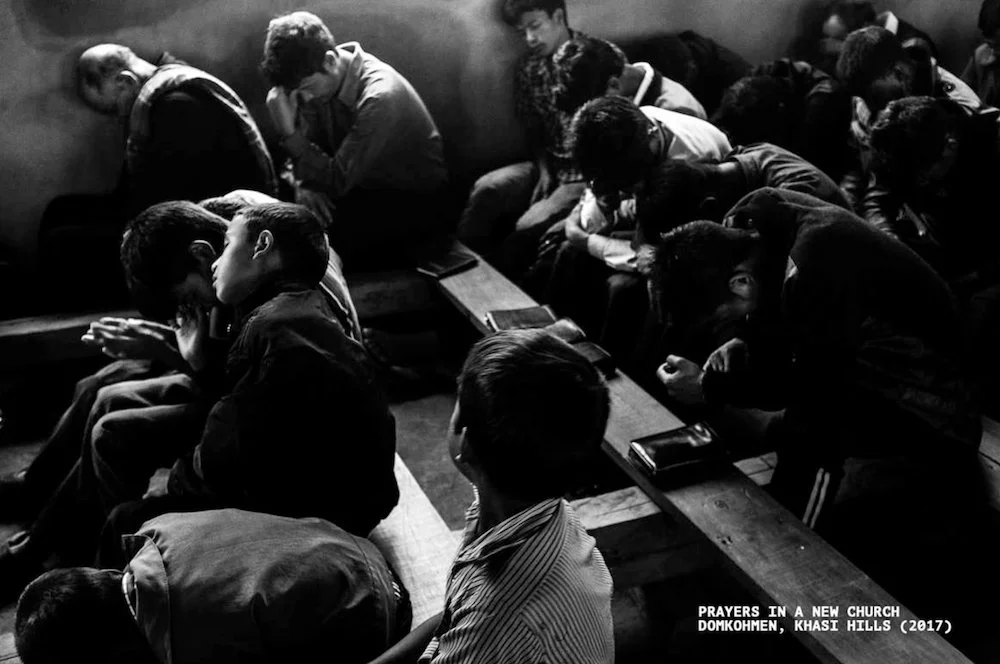
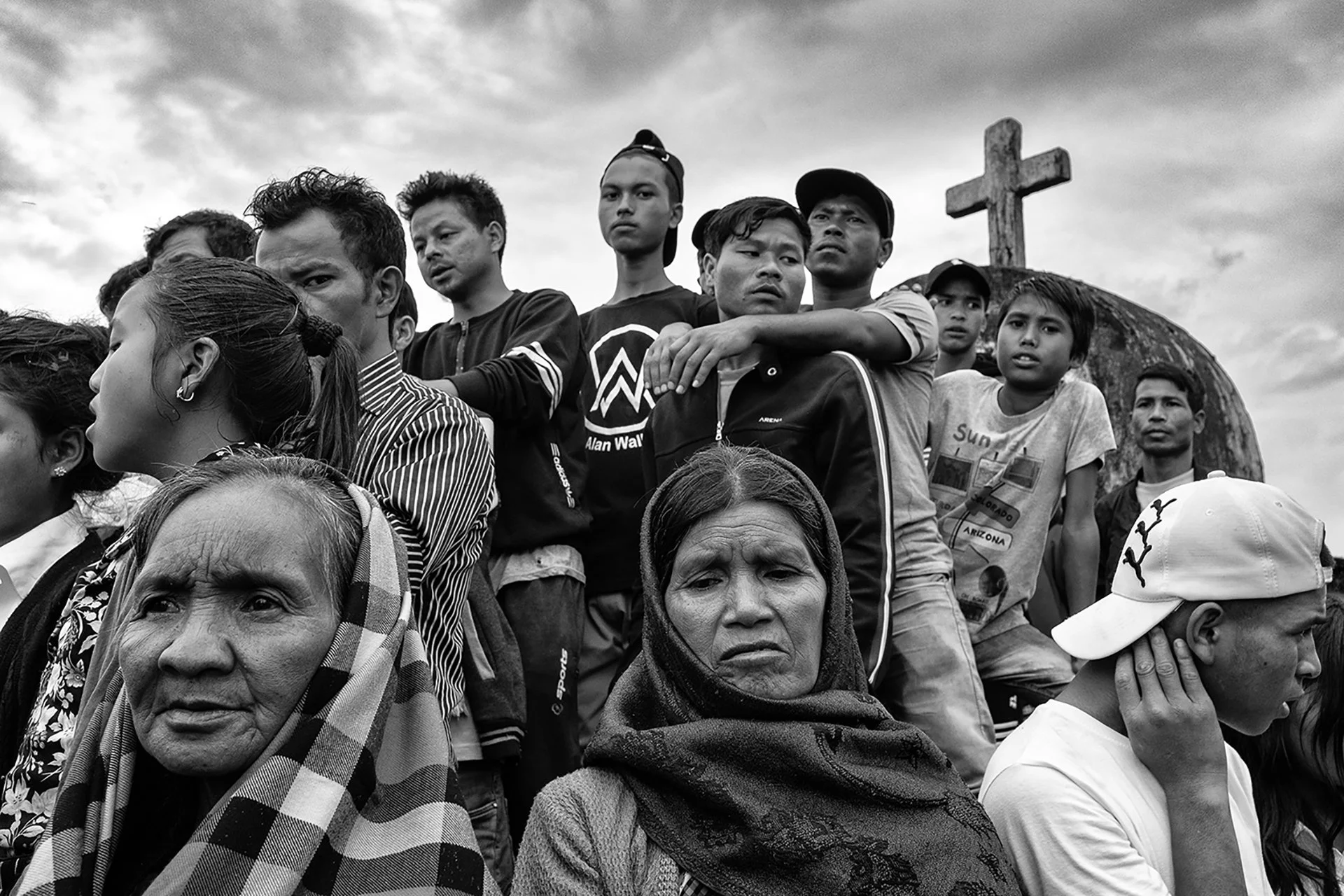
The exhibition Imagining the Nation State at Bay Art featured five artists commissioned from an Open Call launched by Ffotogallery and Chennai Photo Biennale, supported by the British Council and Wales Arts International. These were Huw Davies, Tarun Bhartiya, Sebastian Bustamante, Palani Kumar and Dipanwita Saha.
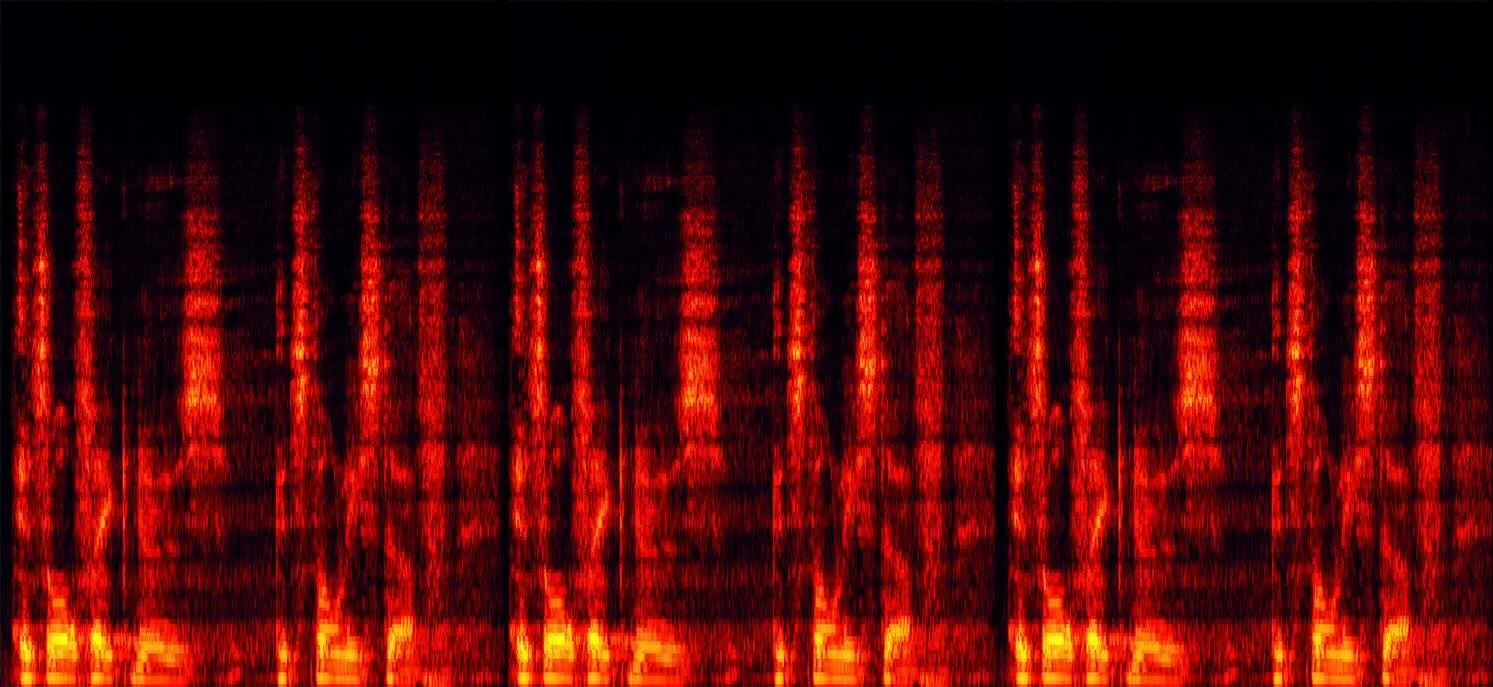
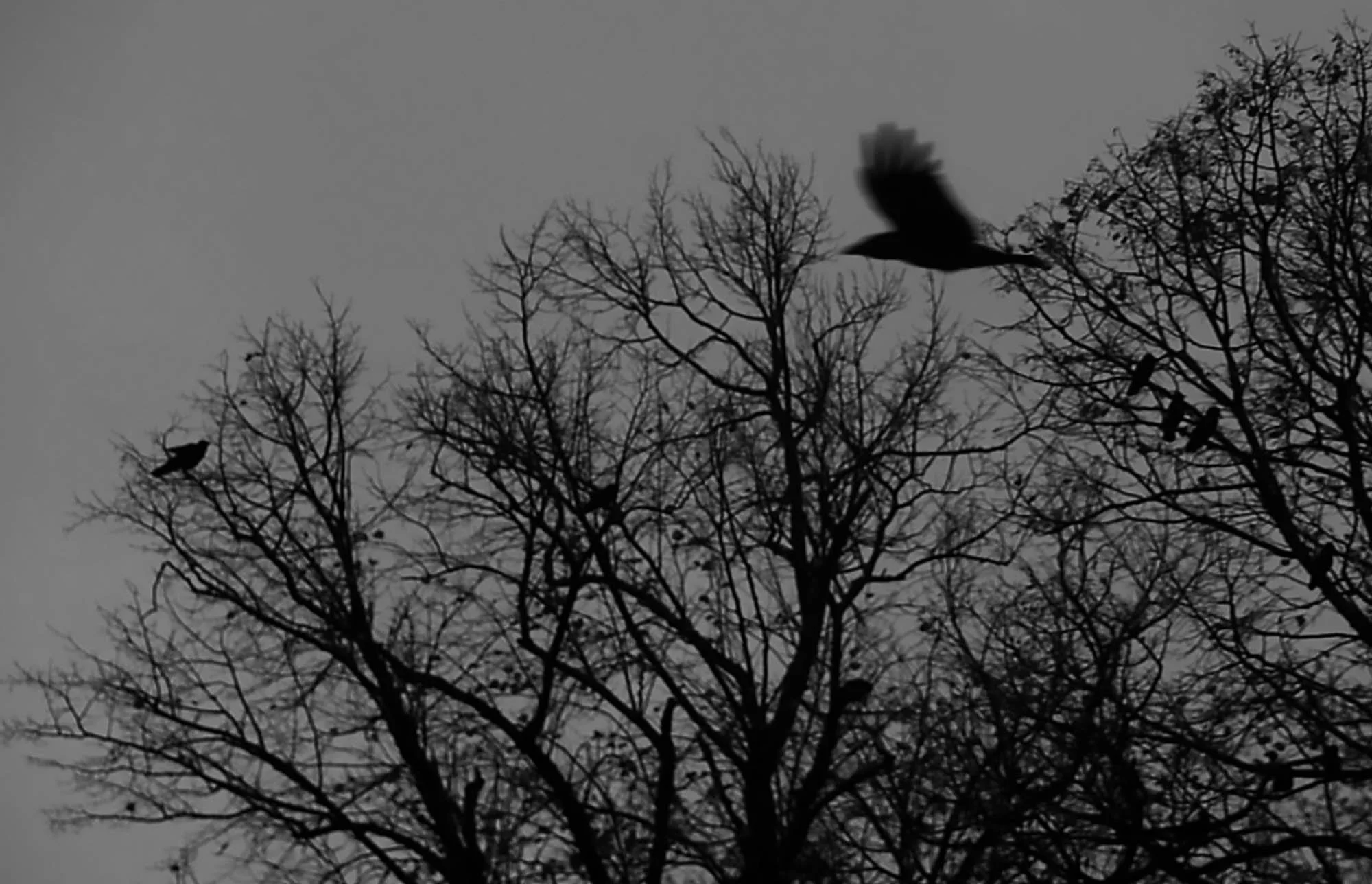
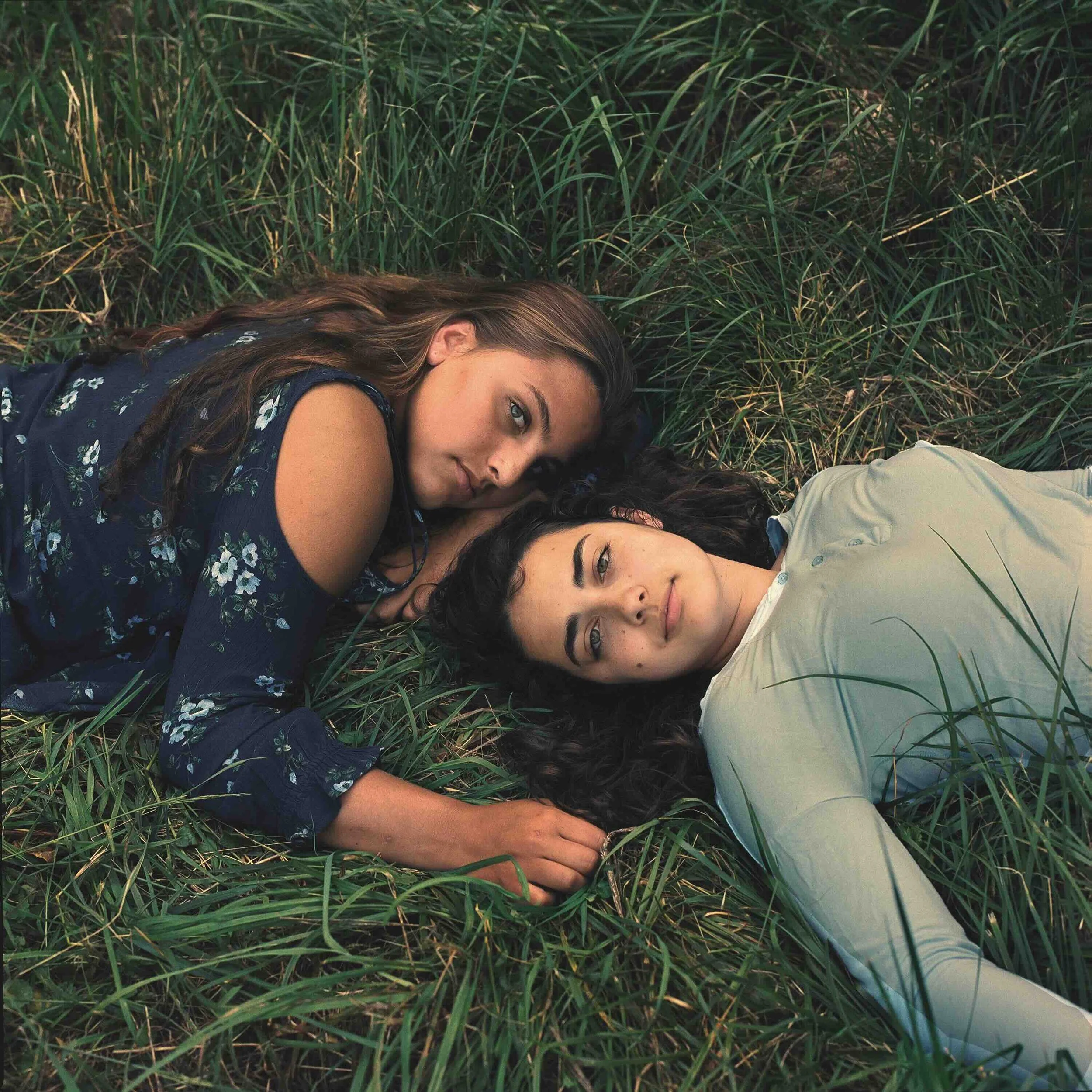
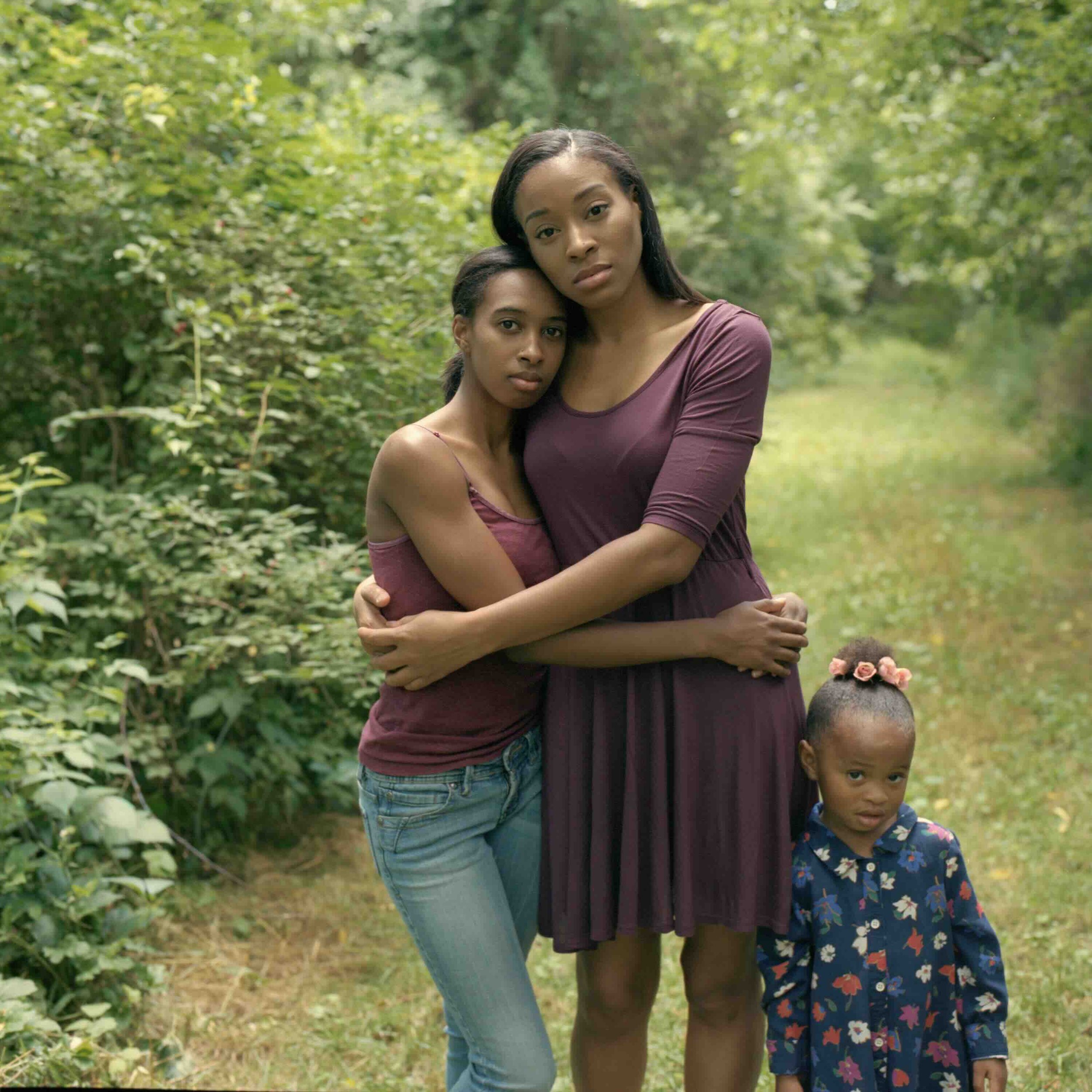
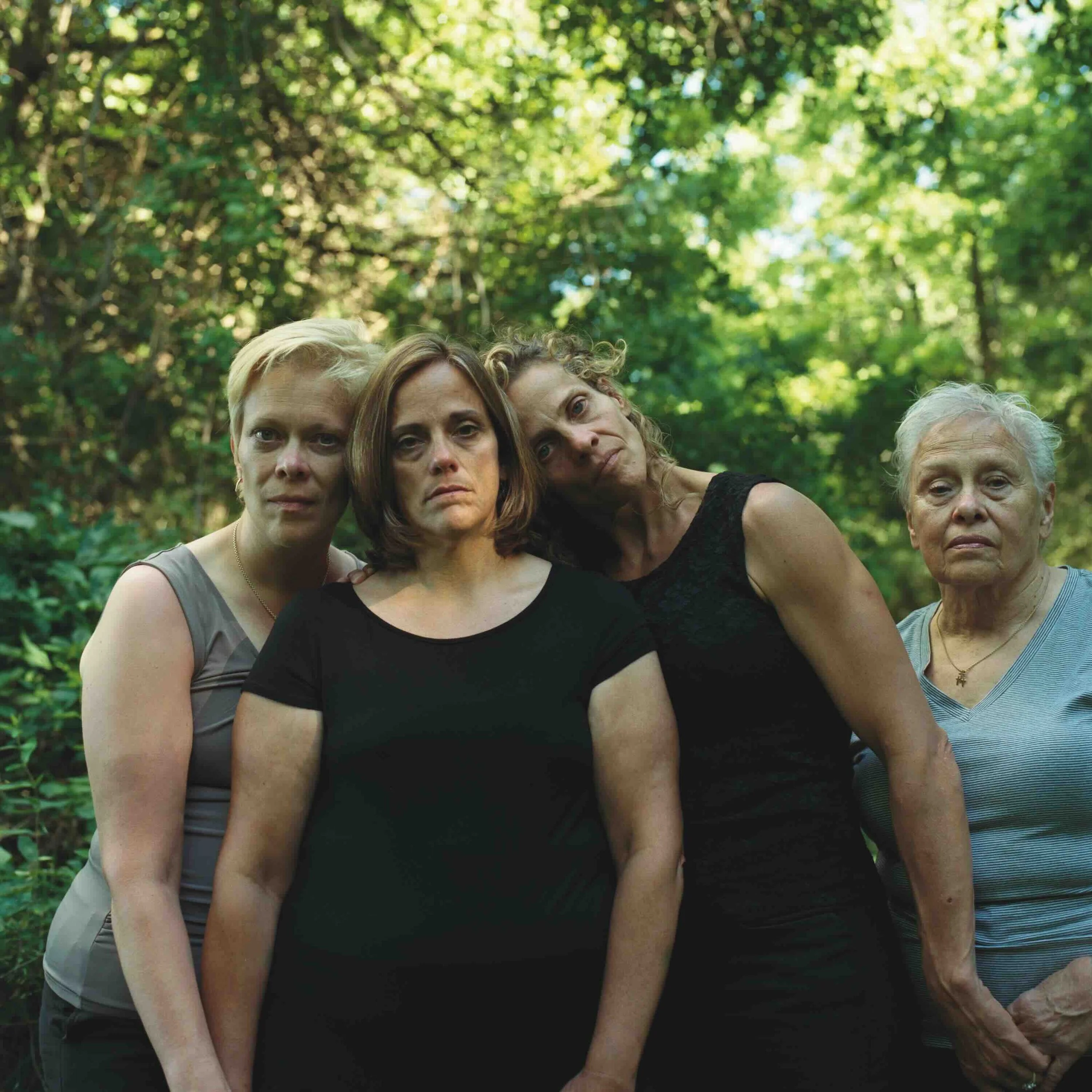
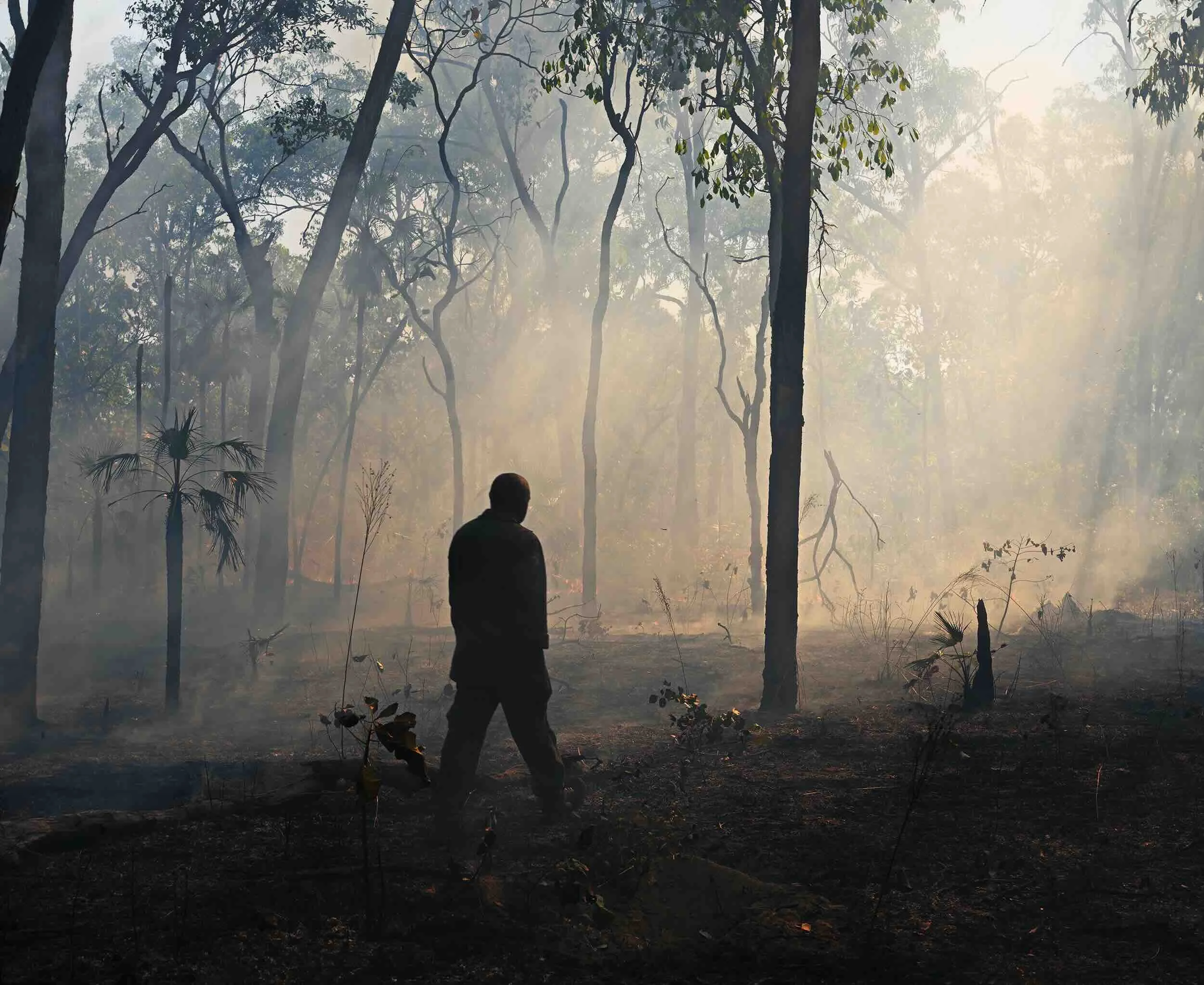
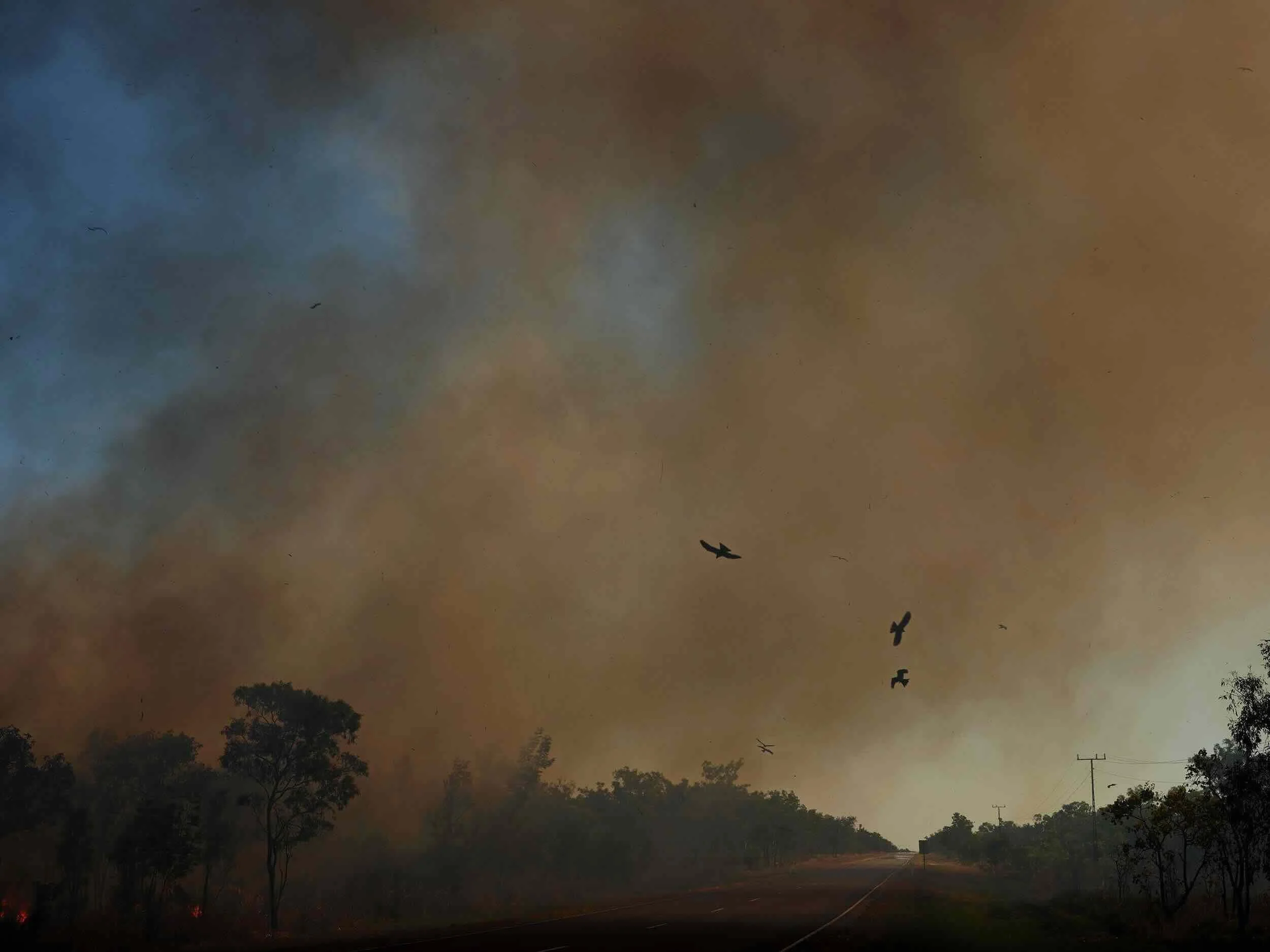
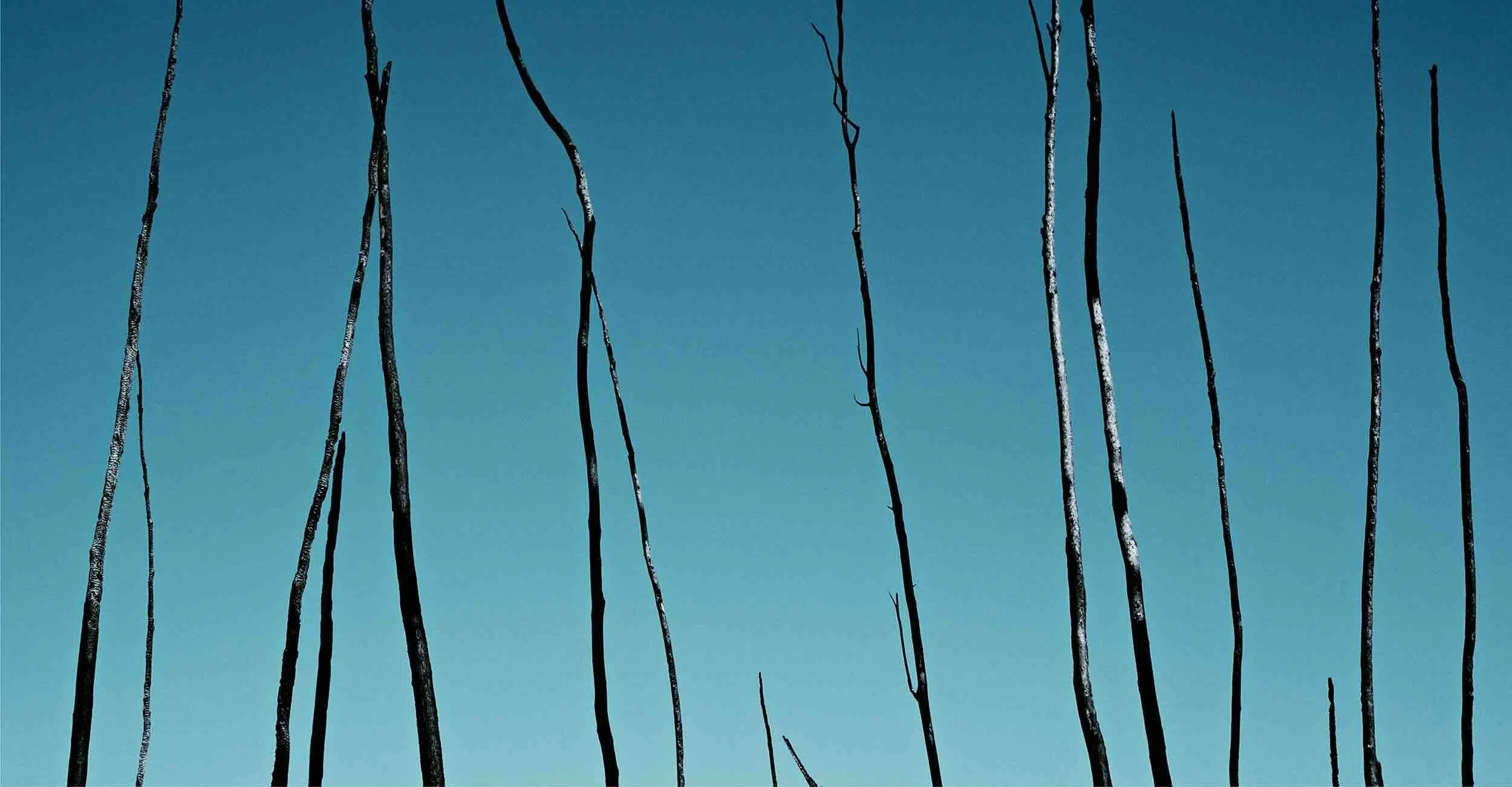
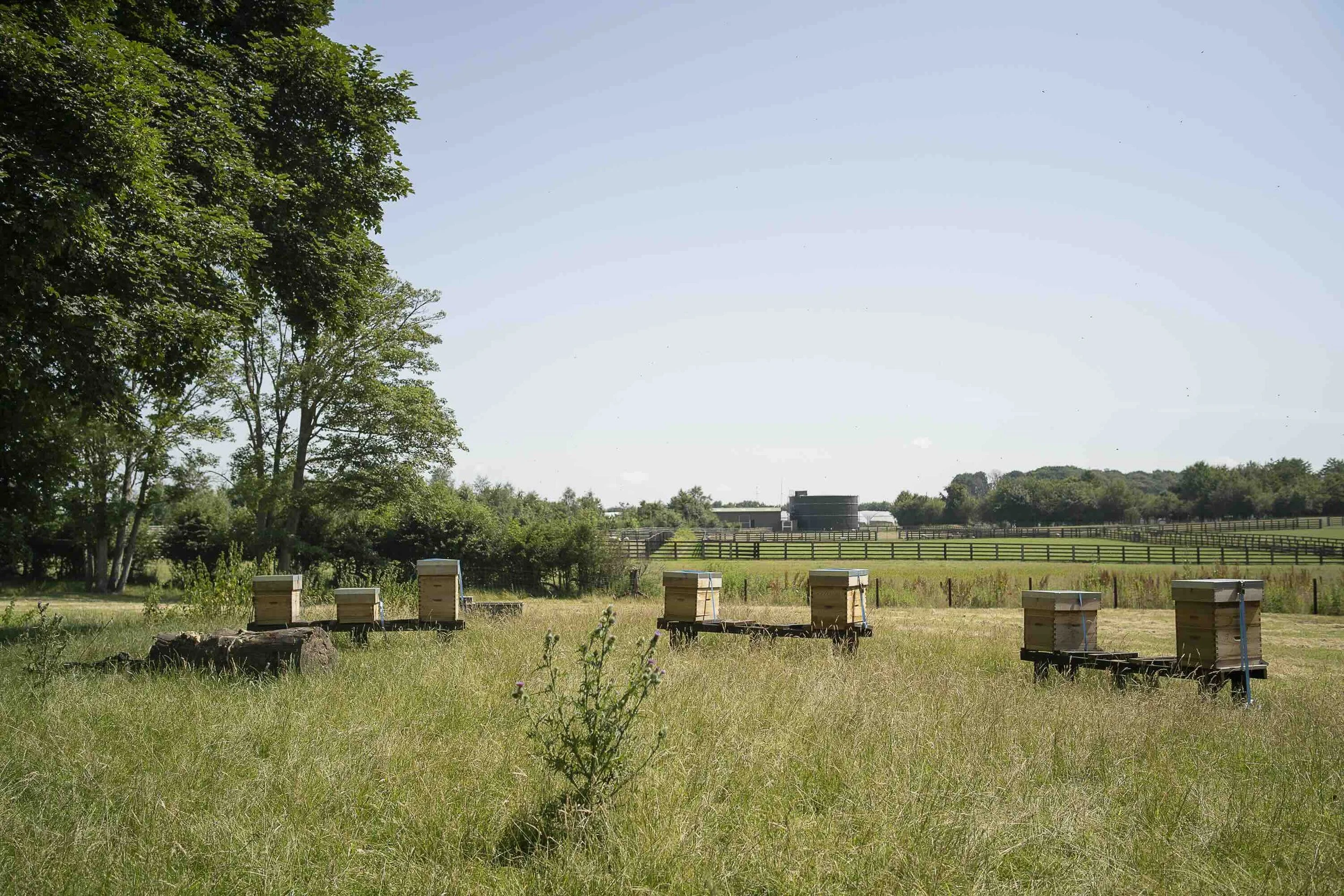
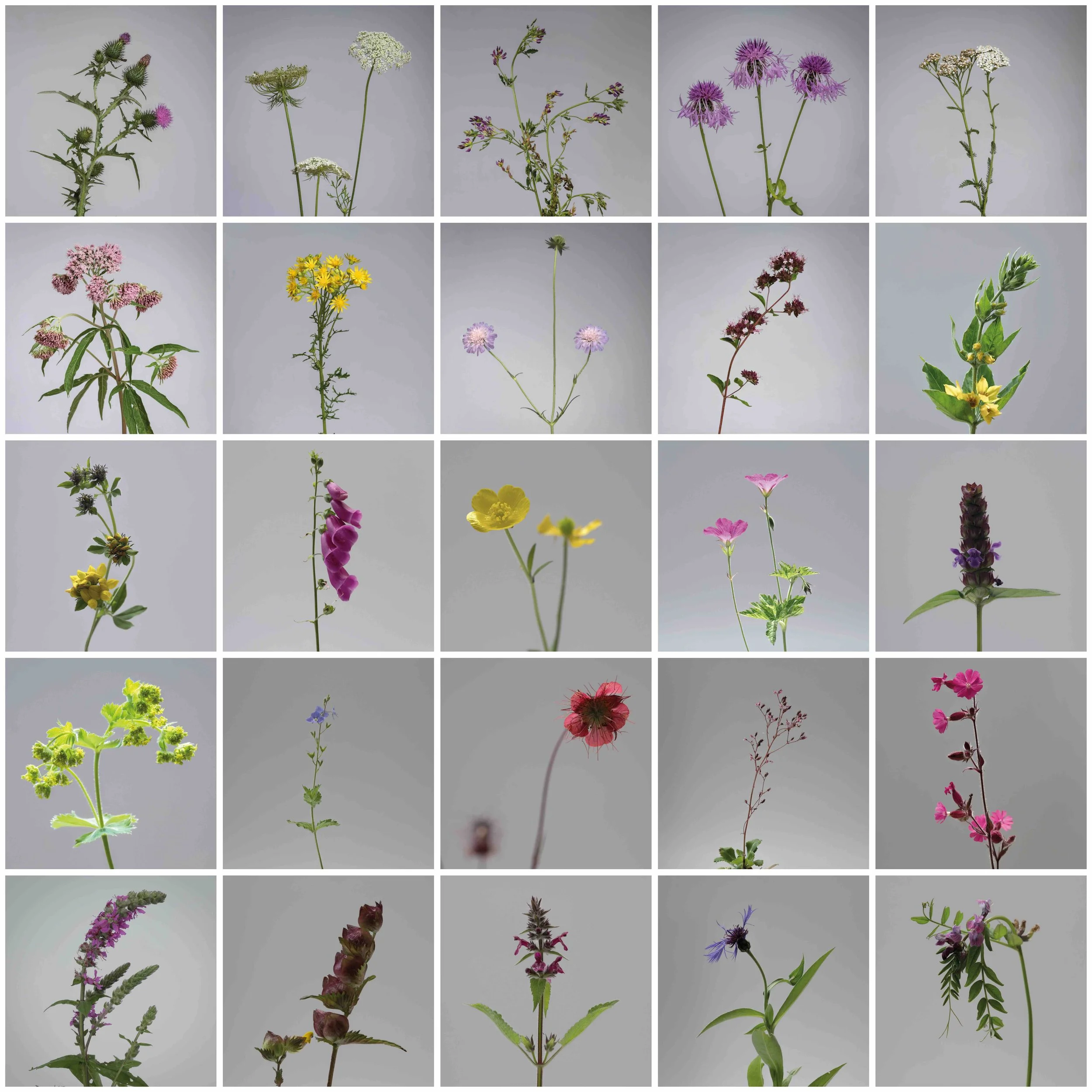
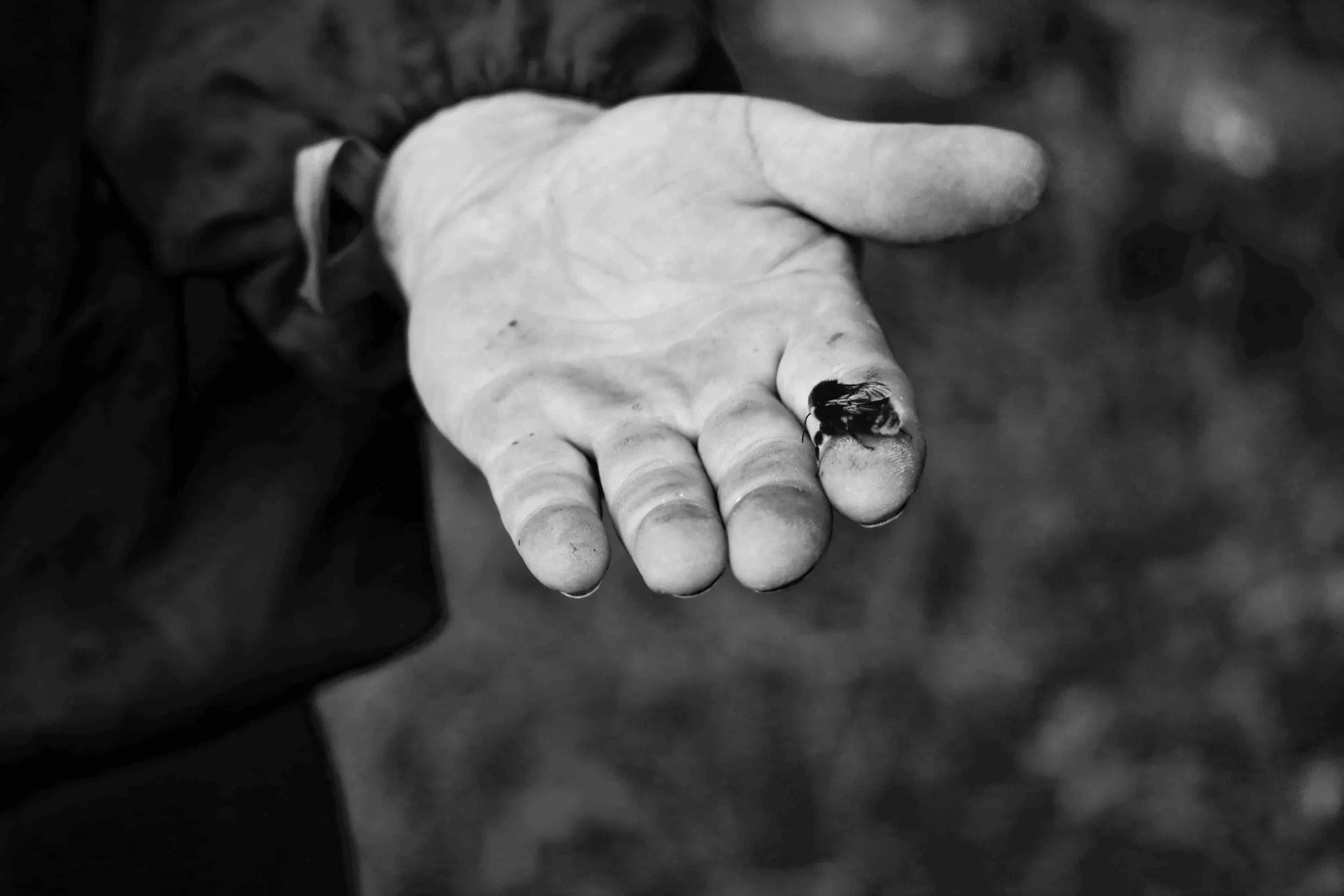
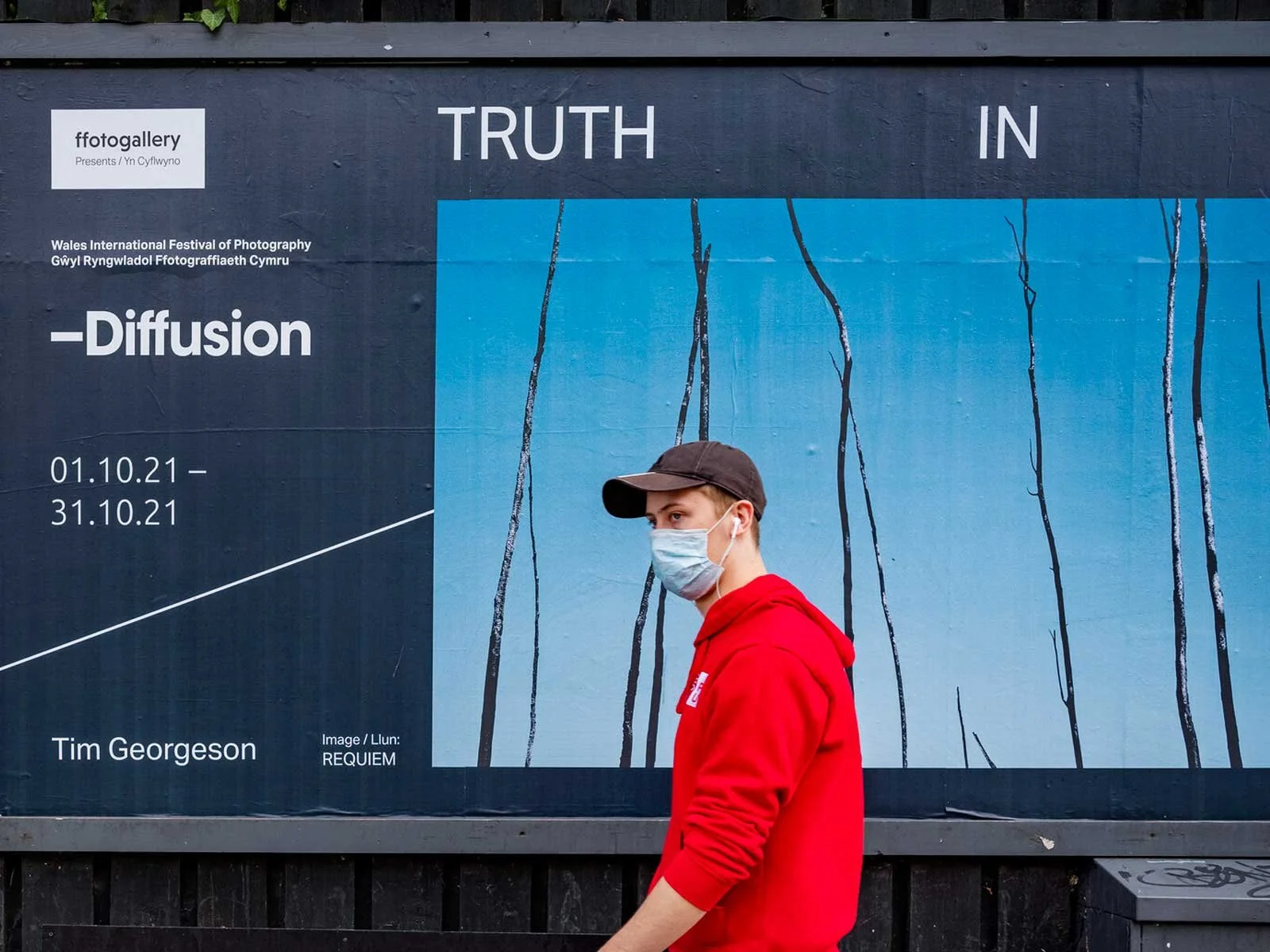
American artist Mary Farmilant’s installation Natura Consonat addressed the importance of maintaining harmony with nature and the British-based Ink Collective examined its fragility in a project that looked at the relationship between bees, humans and meadows. The intimacy between family and friends was highlighted by Lydia Panas’ Holding On series of portraits, an intimacy that was denied to so many during the pandemic. Another featured international project, Truth in Fire, is a response by the filmmaker and photographer Tim Georgeson to the catastrophic bushfires of the South East Coast of Australia. Georgeson captured the environmental impact of an unprecedented number of fires initiated by thunderstorms across the Yuin Nation, conveying the use of fire in maintaining and revitalising an ecological balance, as well as its role in the regeneration of plant species.
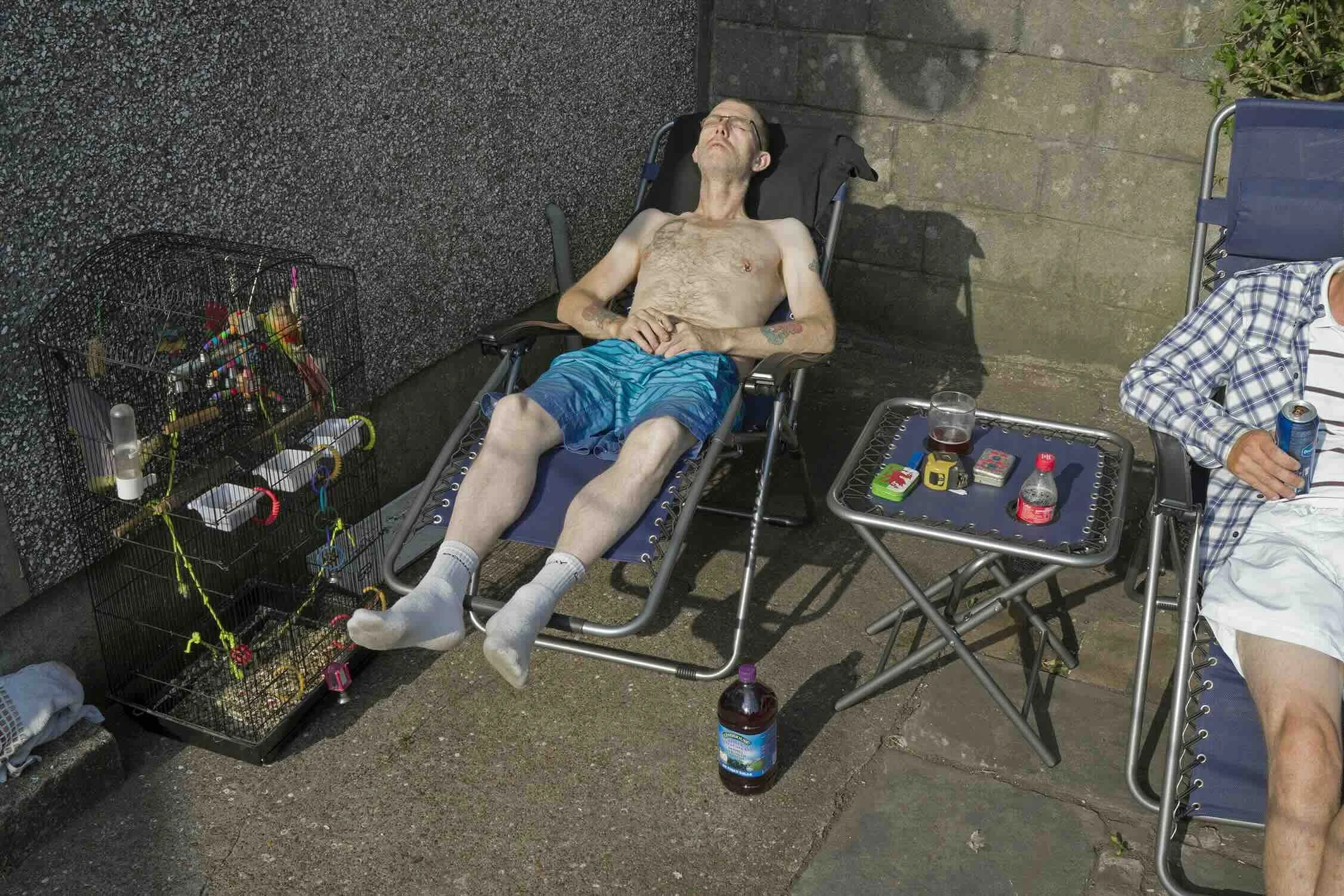
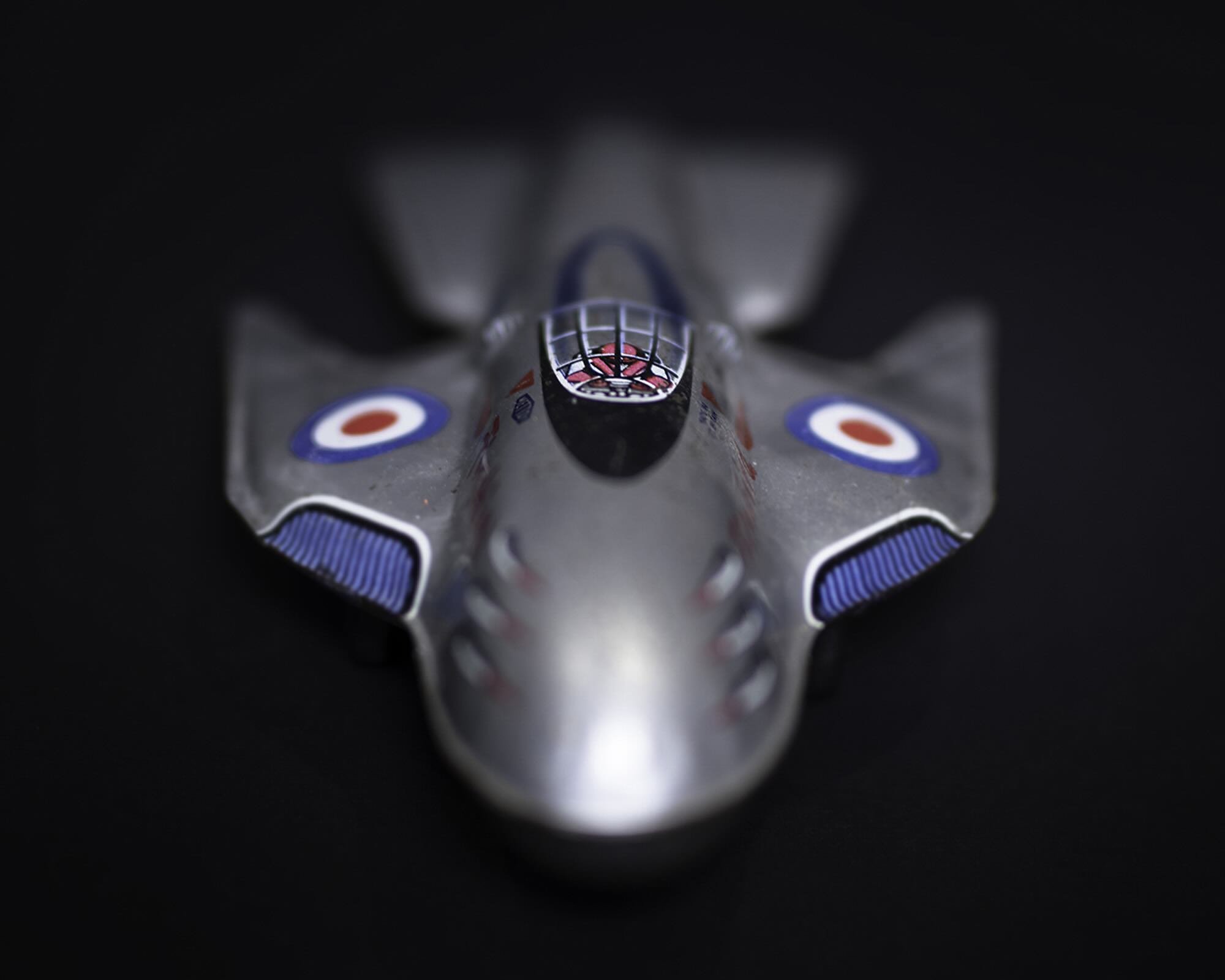
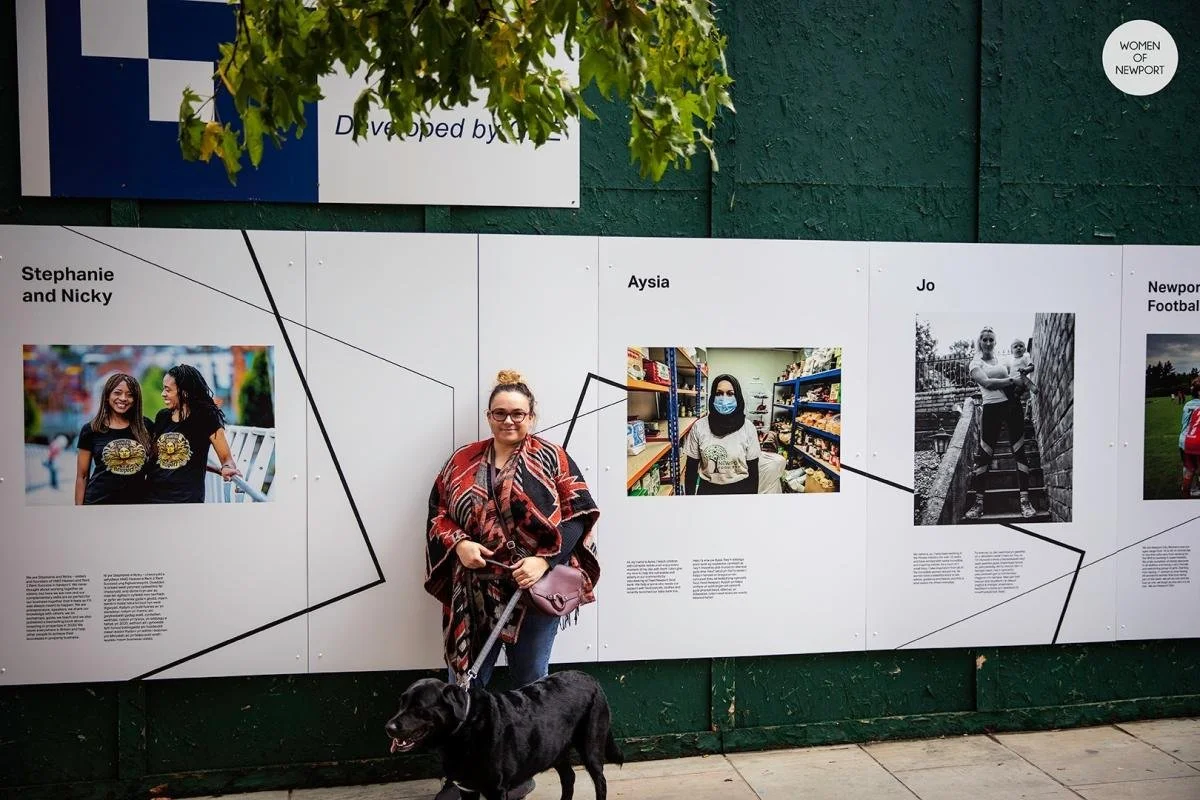
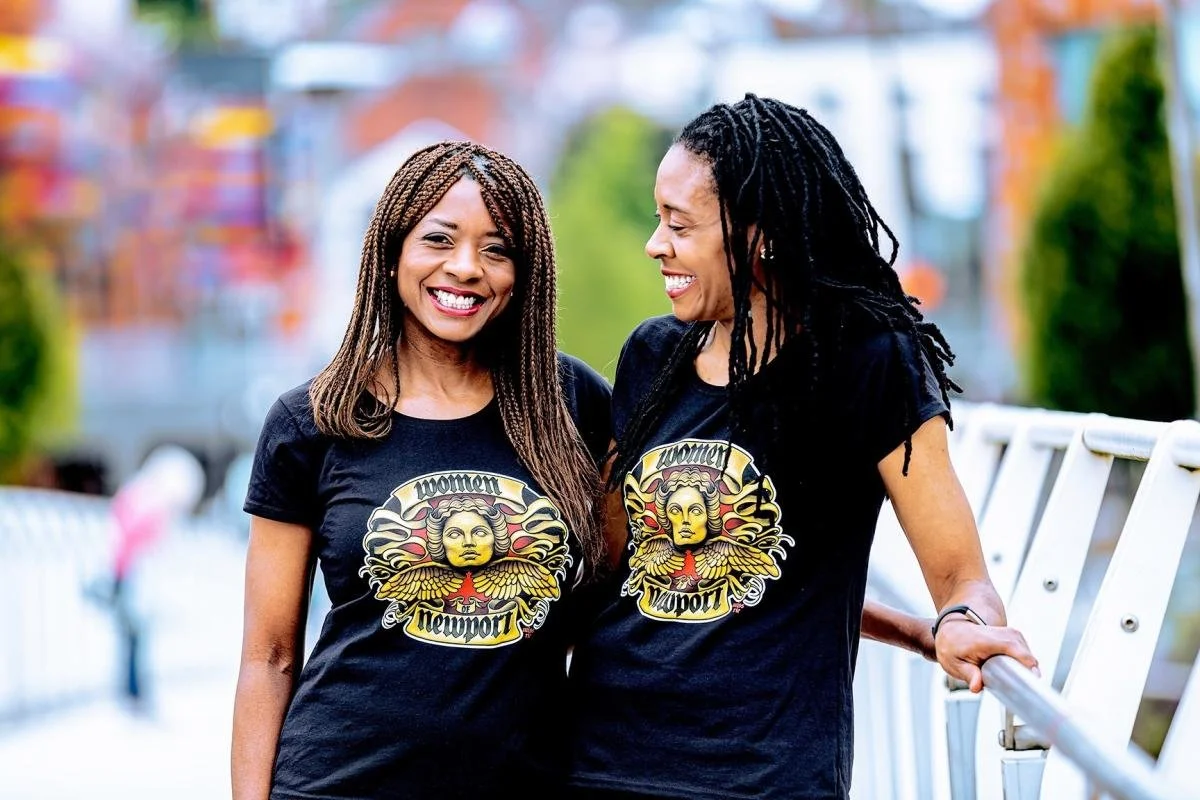
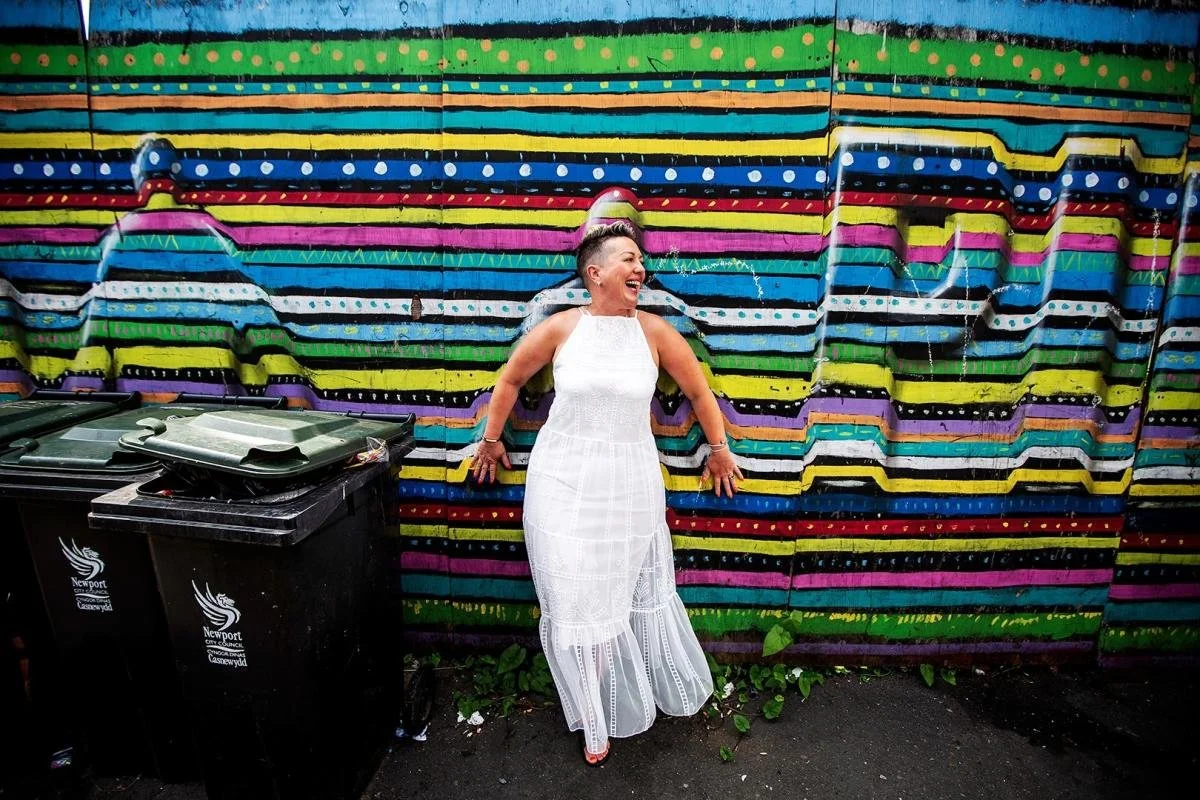
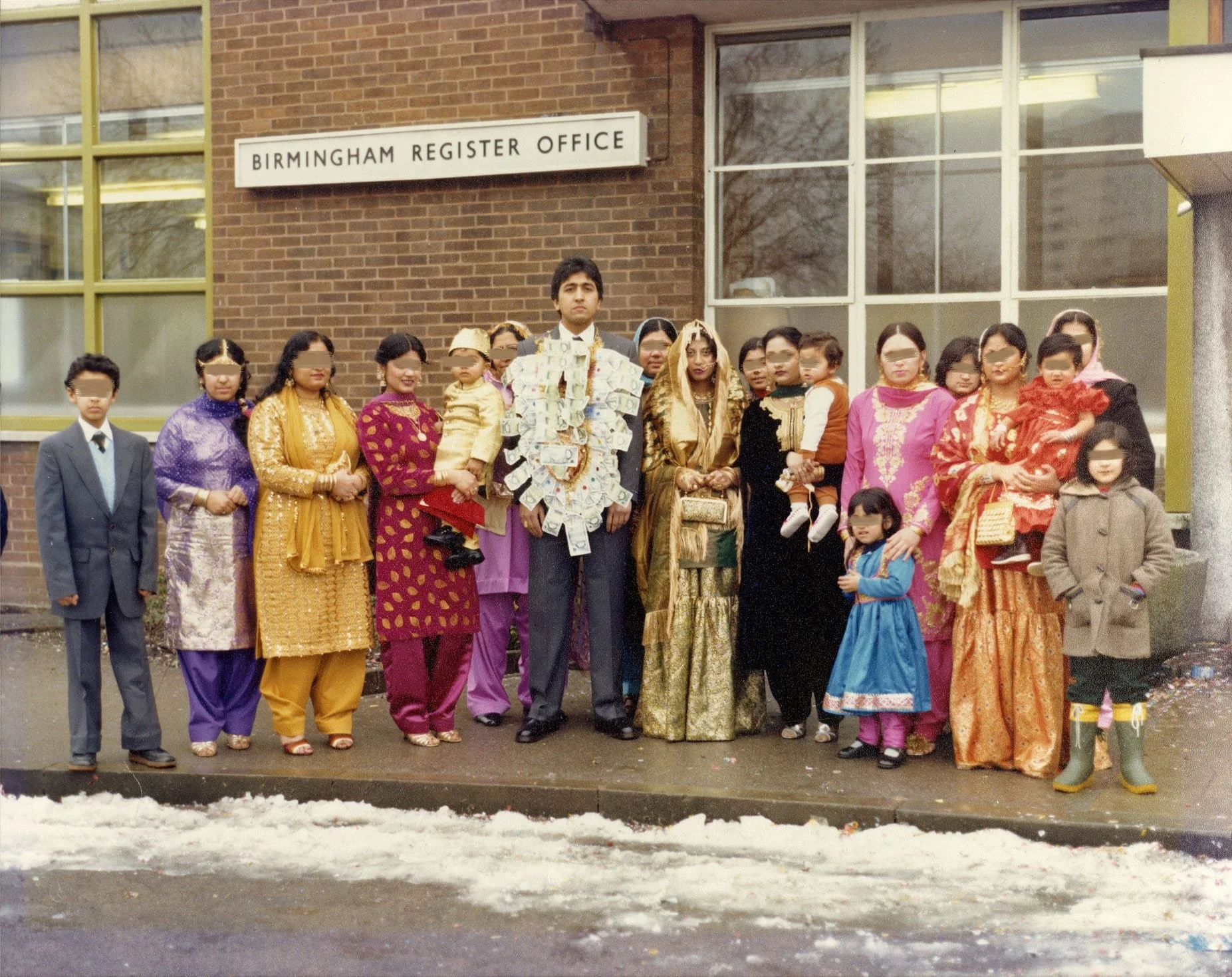
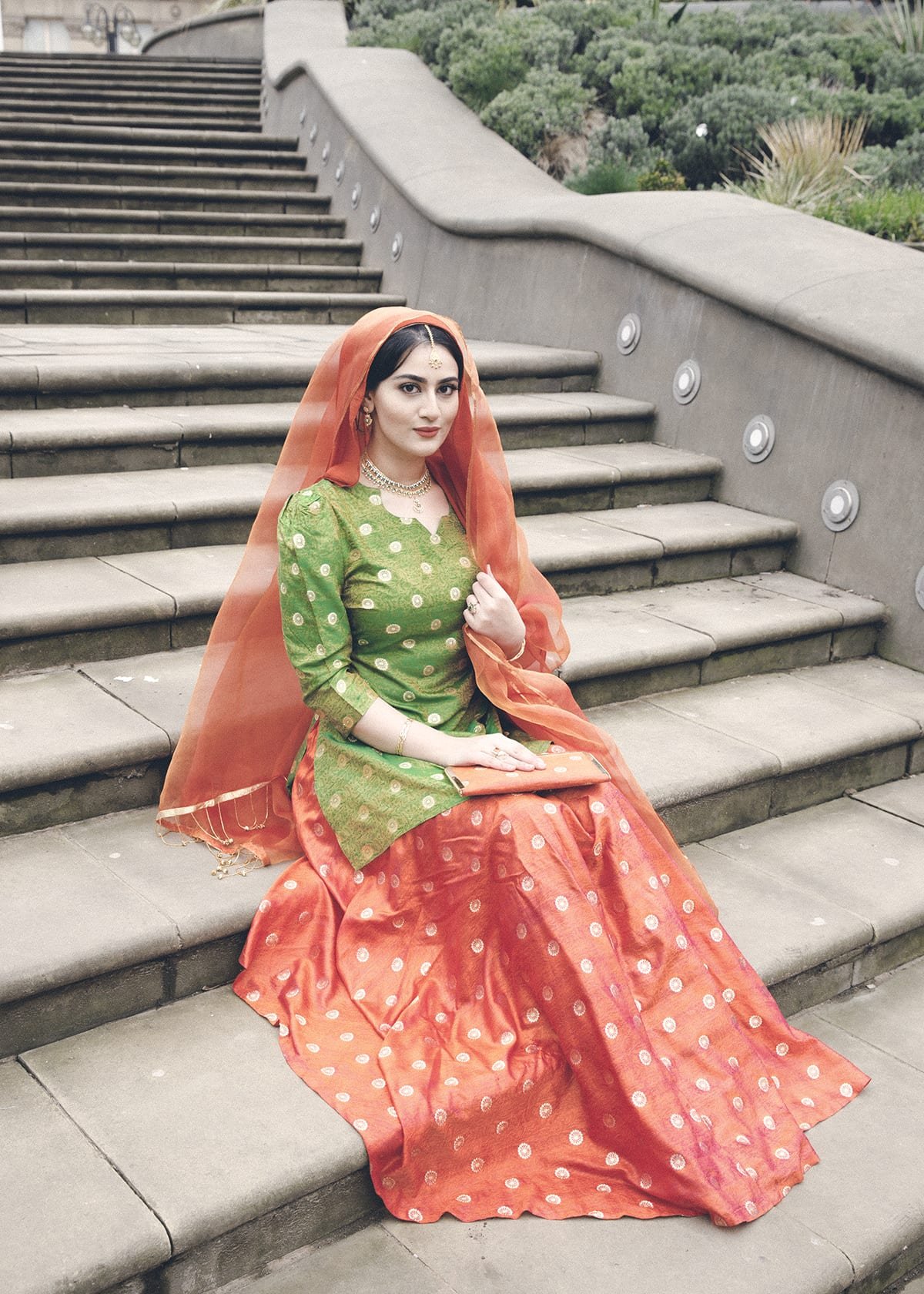
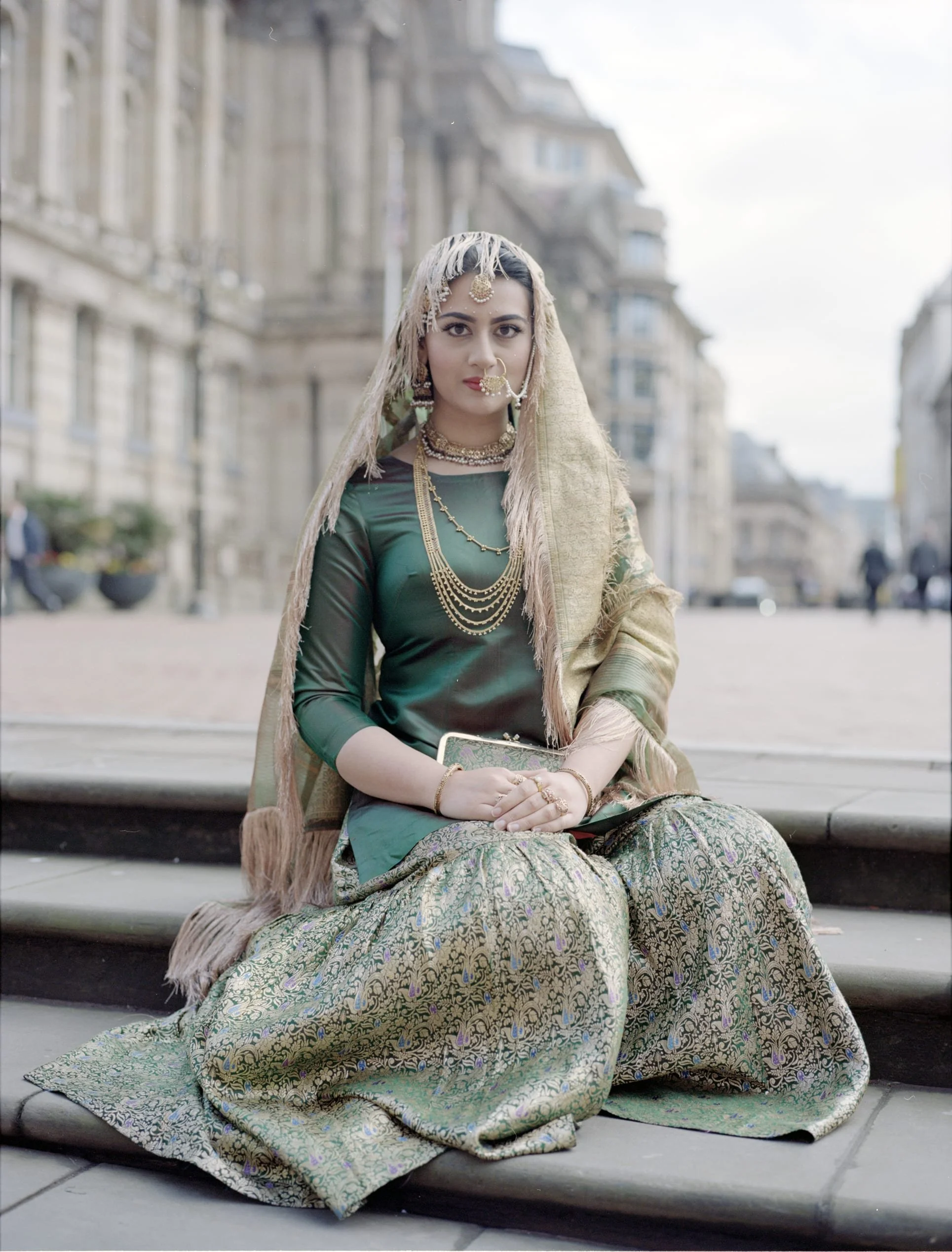
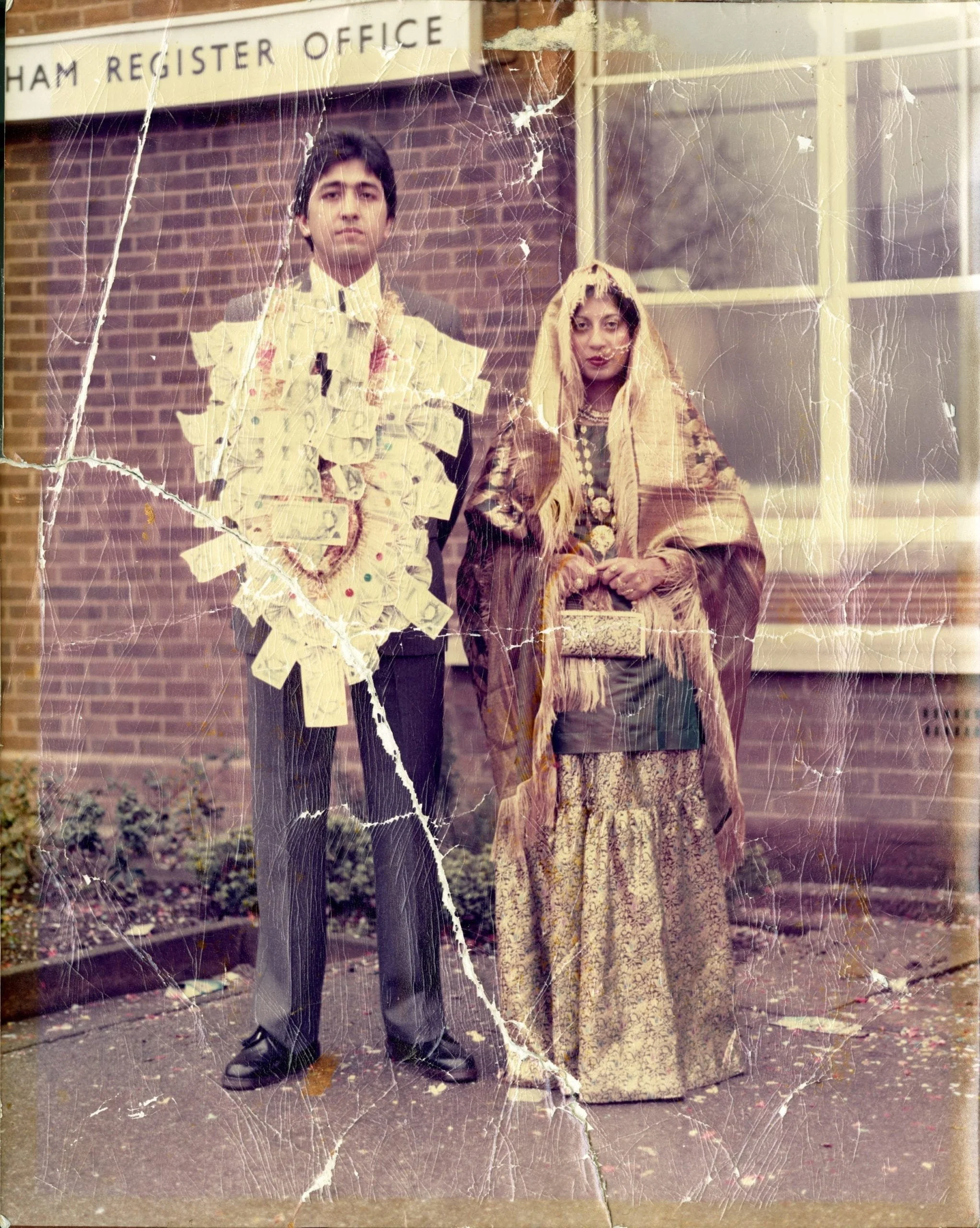
Amidst all this, Diffusion did not lose sight of its own region, with many other exhibitions magnifying the Welsh landscape and people, circa 2021. One such project was Women Of Newport, by Kamila Jarczak, from Poland but resident in the city. Jarczak aimed to highlight not only some great work by local women but also the possibility of fostering support networks through this. For fellow Newport-based photographer John Crerar, the Festival of Britain in 1951 was seen as a significant turning point for British identity, marking the end of Empire and the birth of a new modernity. Maryam Wahid’s Motherland portraits, responding to the story of her parents journey from Pakistan to settling in the UK, were exhibited in Cardiff and she undertook a short residency in Newport during the festival.
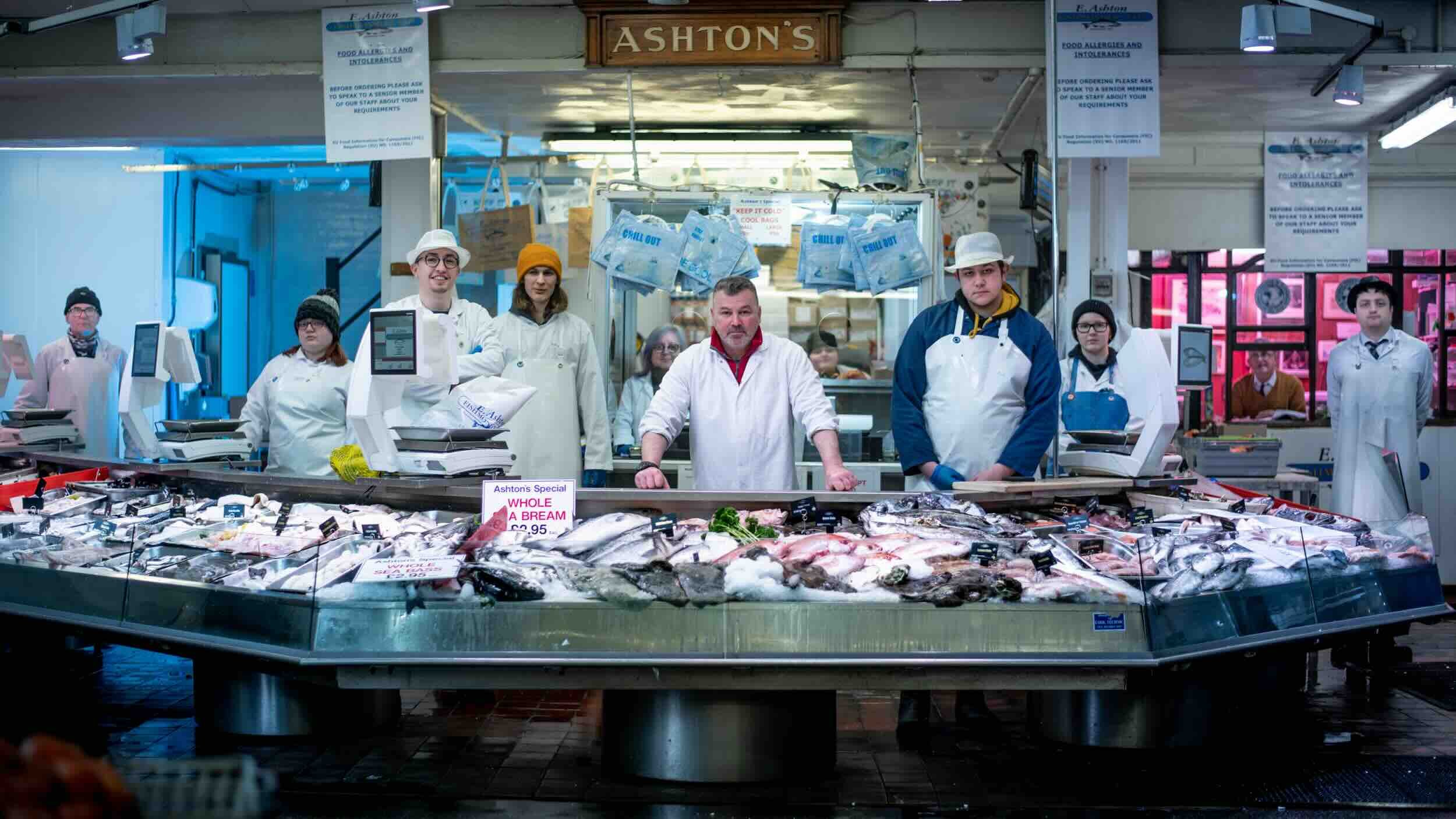
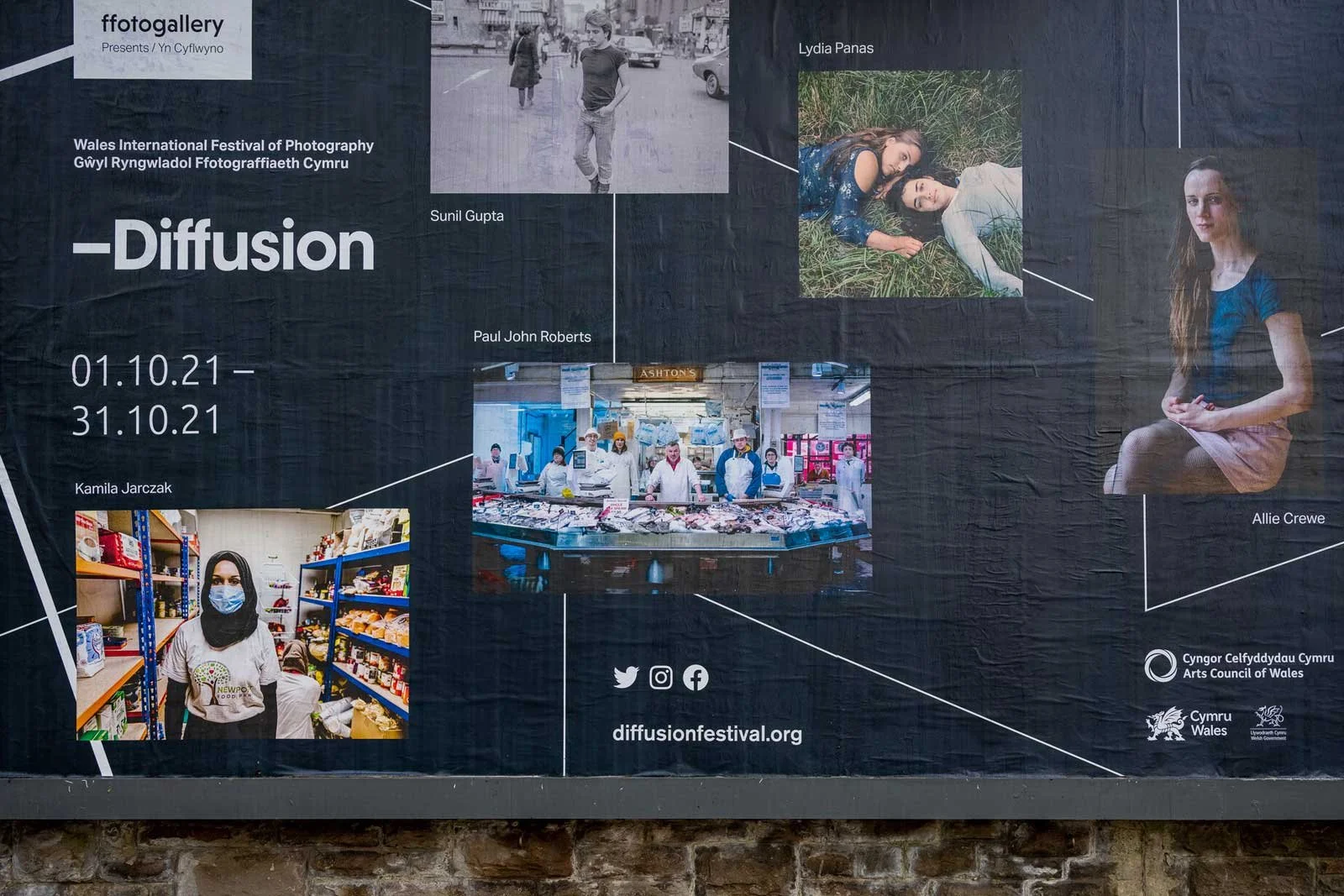
Cardiff Central Market, by Paul John Roberts, celebrated this Victorian-era structure’s existence in light of its lockdown-period closure and consequent struggle. It was uniquely displayed: outdoors, on a giant billboard beside the Motorpoint Arena Cardiff. From a time-honoured method of display to more technologically radical ideas, Richard Jones’ <Truth DeQay> explored the dark heart of social media algorithms and lives lived digitally via a multimedia display whose centre point is a “floral wreath composed of a dense point cloud made from 40 million data points”.
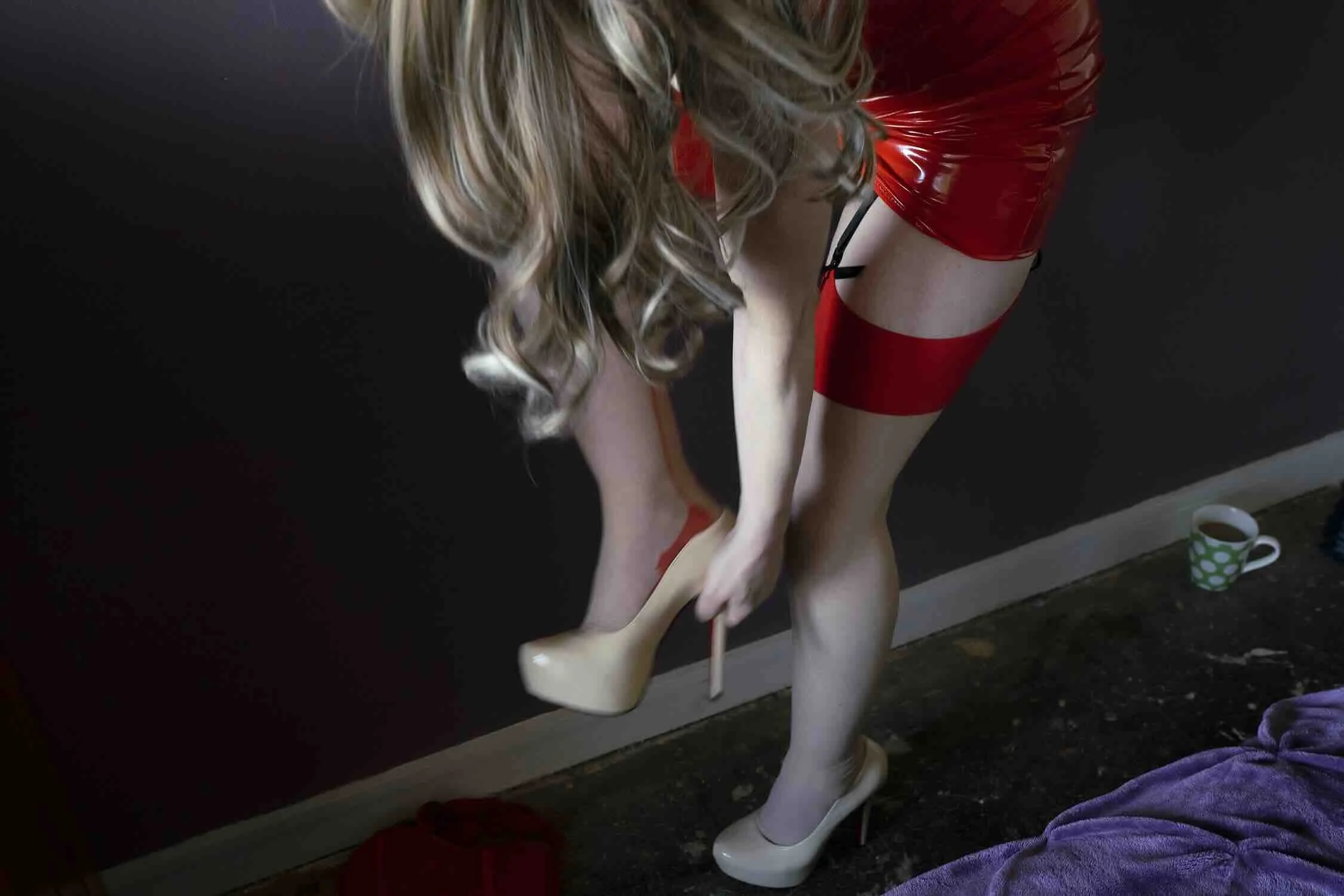
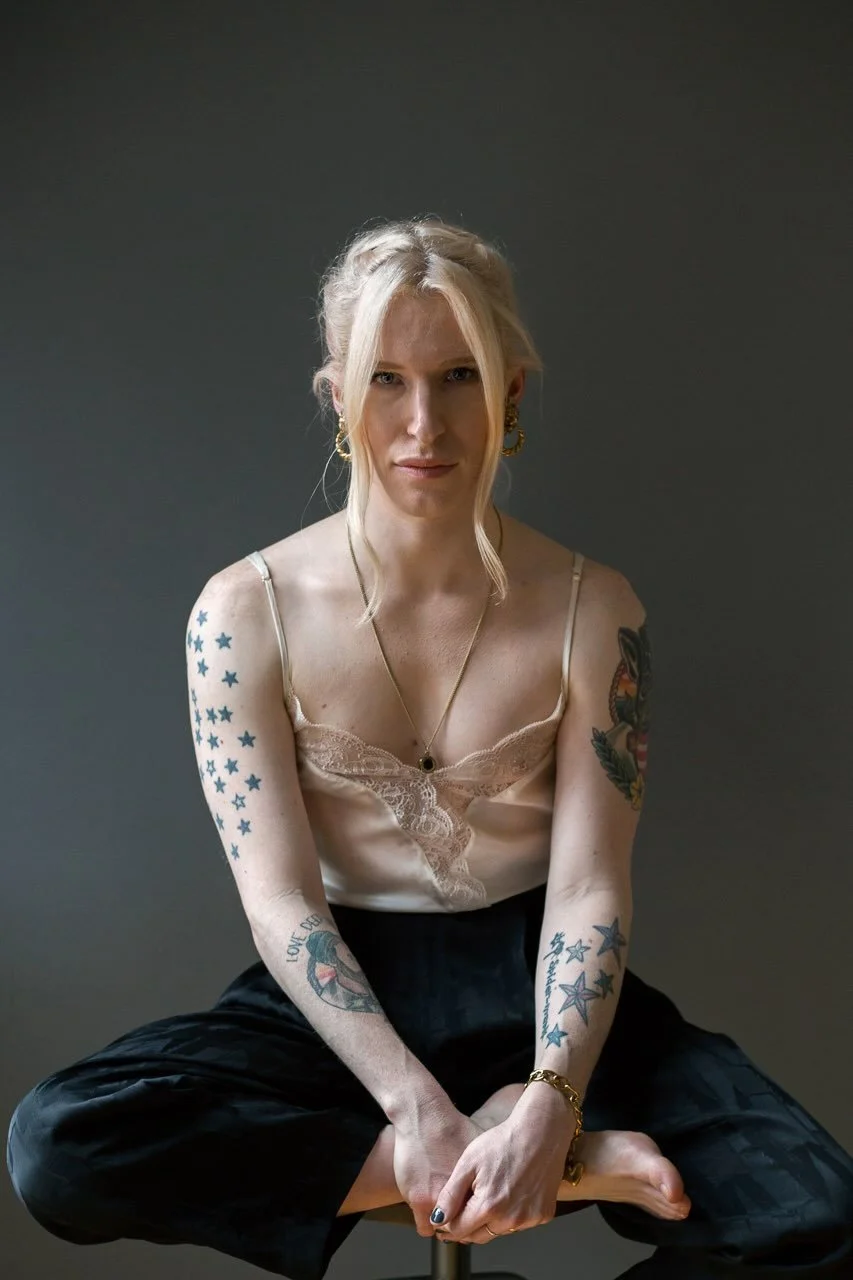
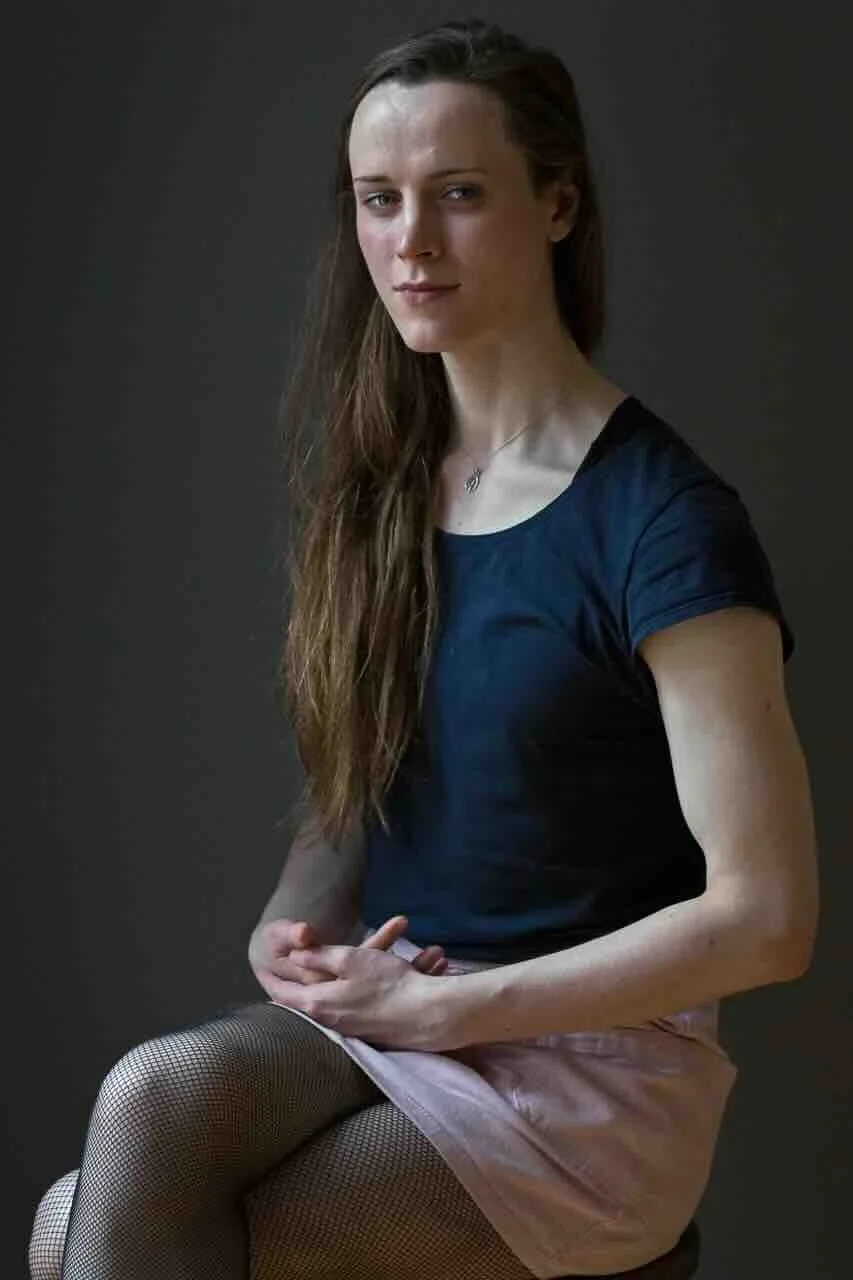
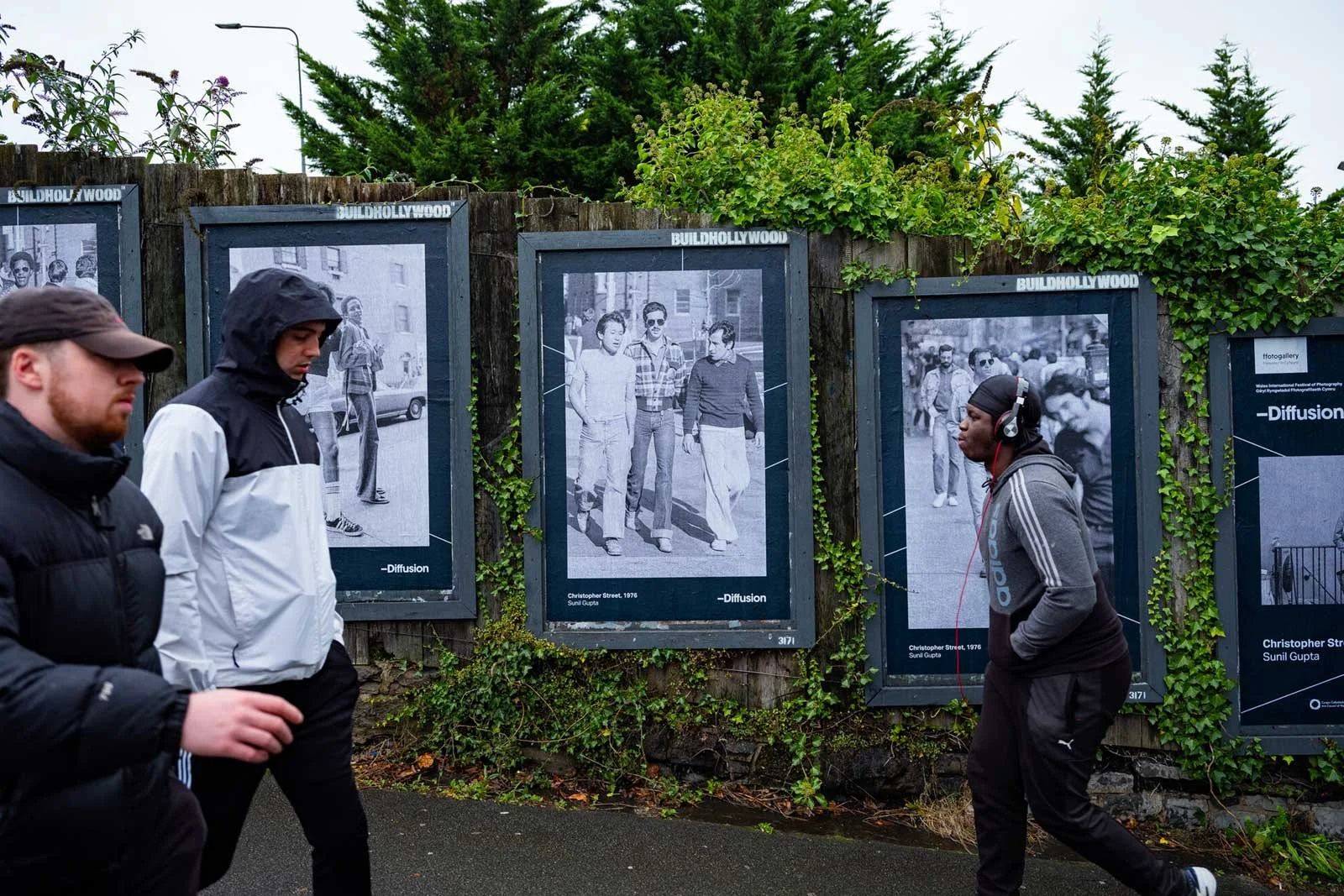
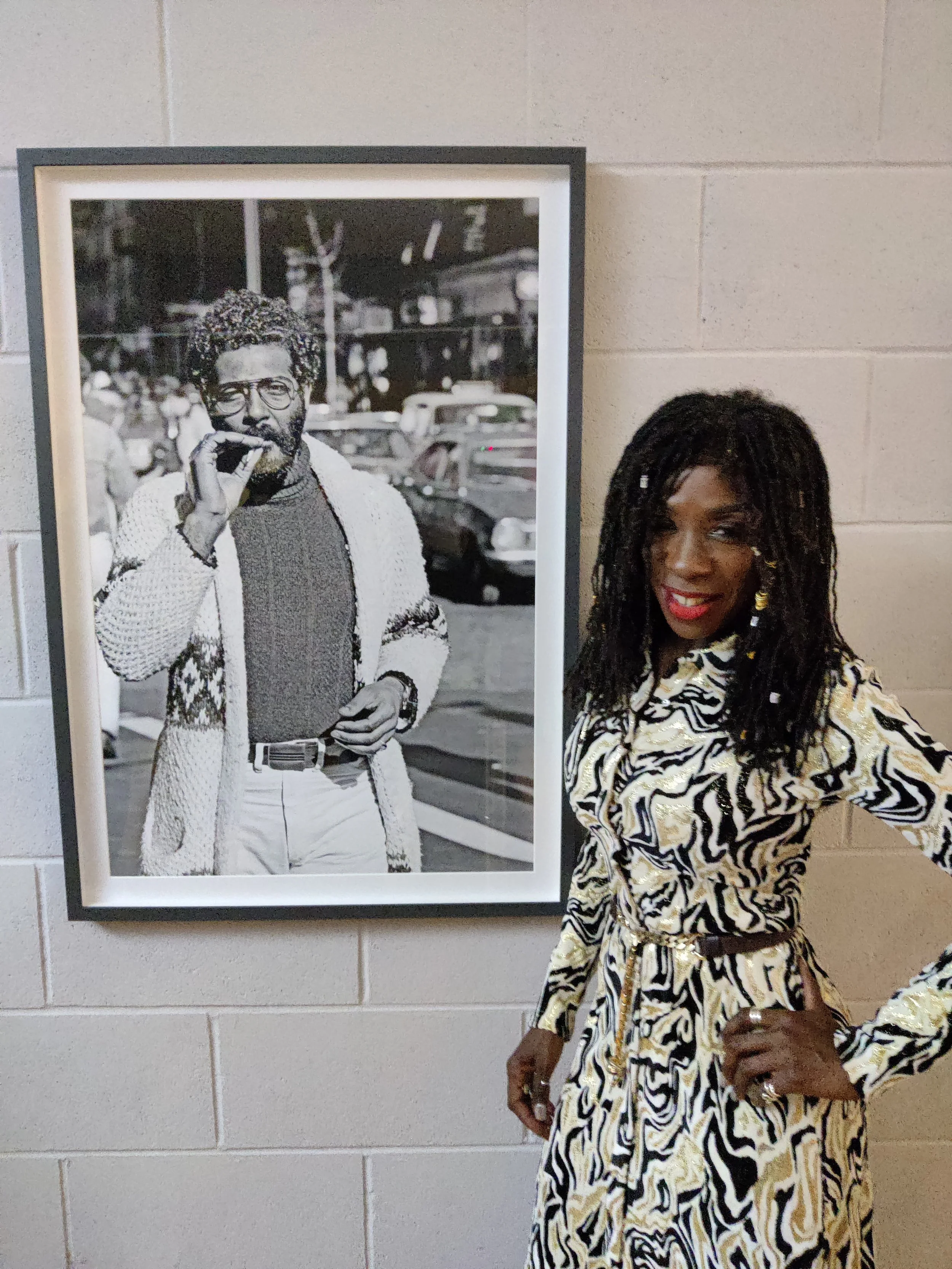
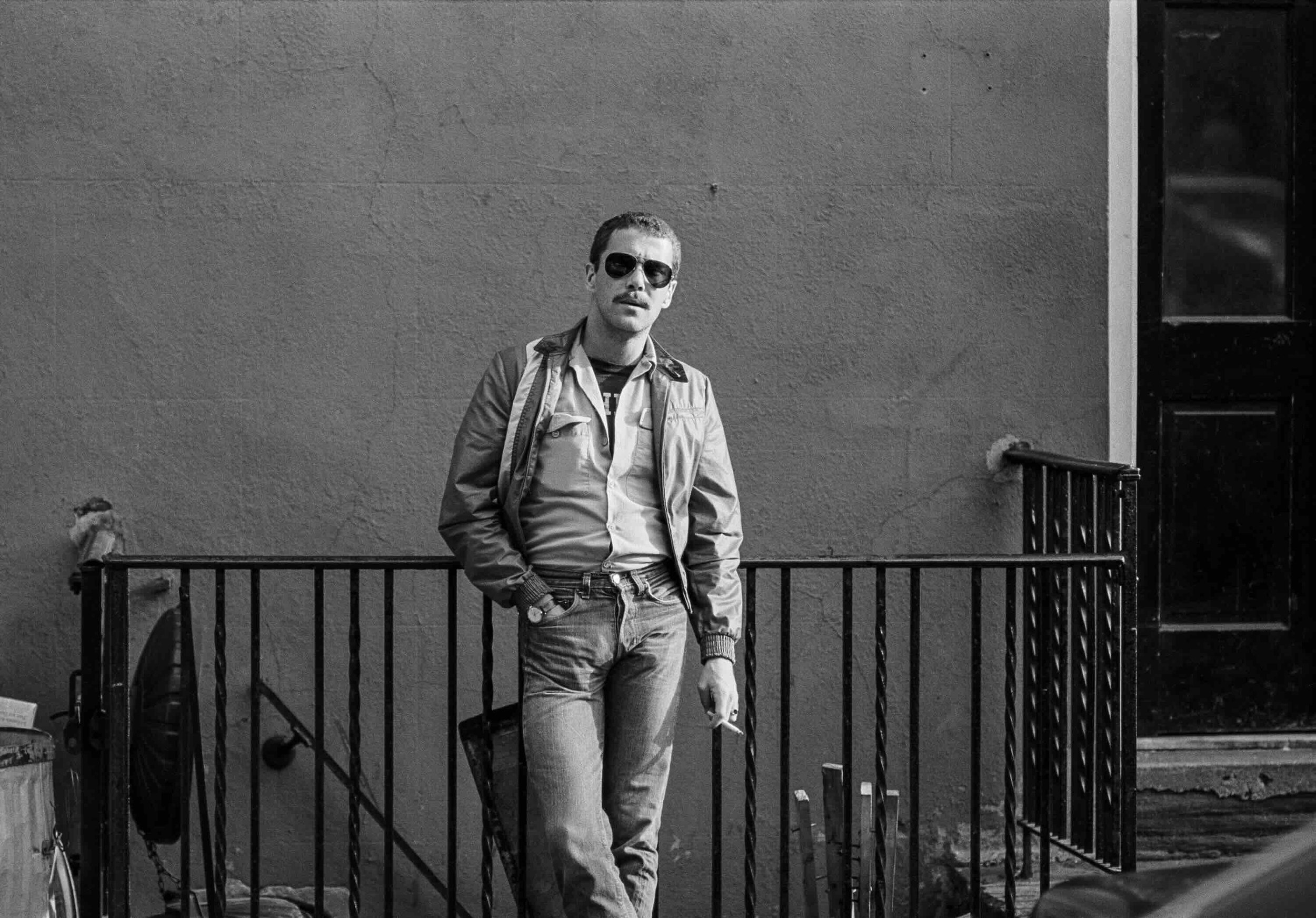
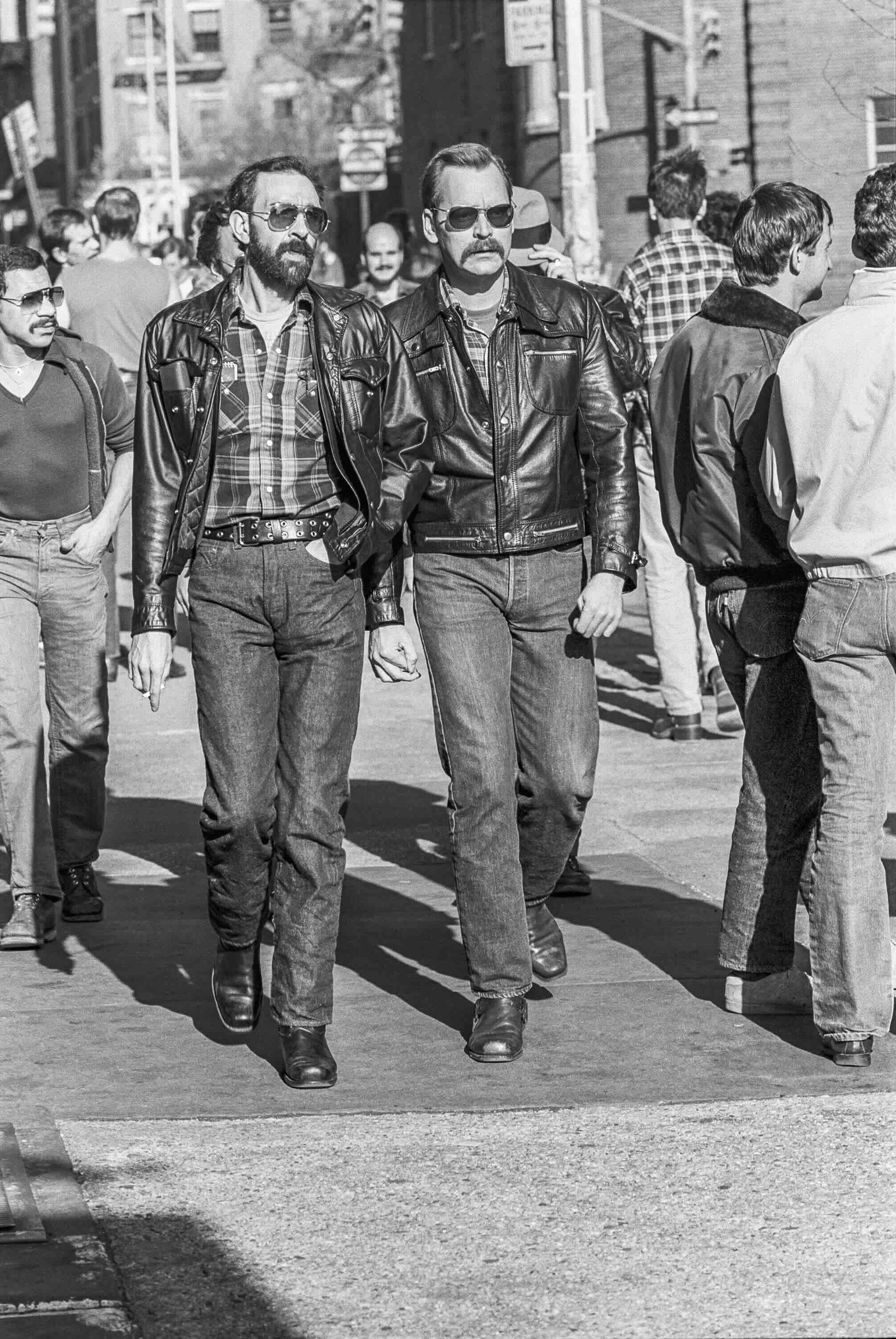
Though back in the realm of traditional portraiture, the message conveyed by Allie Crewe in You Brought Your Own Light shares ground with Jones’ work: a demonstration of people’s basic humanity in the face of a nefarious media campaign. Showing in Cardiff’s Queens Arcade, having debuted in Manchester three years ago, it featured trans and non-binary people and their individual stories; the title refers to Crewe’s intentional reliance on natural light only when shooting. In the same venue, Sunil Gupta’s Christopher Street captured the New York gay cruising scene in 1976, after the Stonewall riots in 1969 had proved to be a turning point in gay liberation, and before the advent of AIDS in the 1980s changed everything.
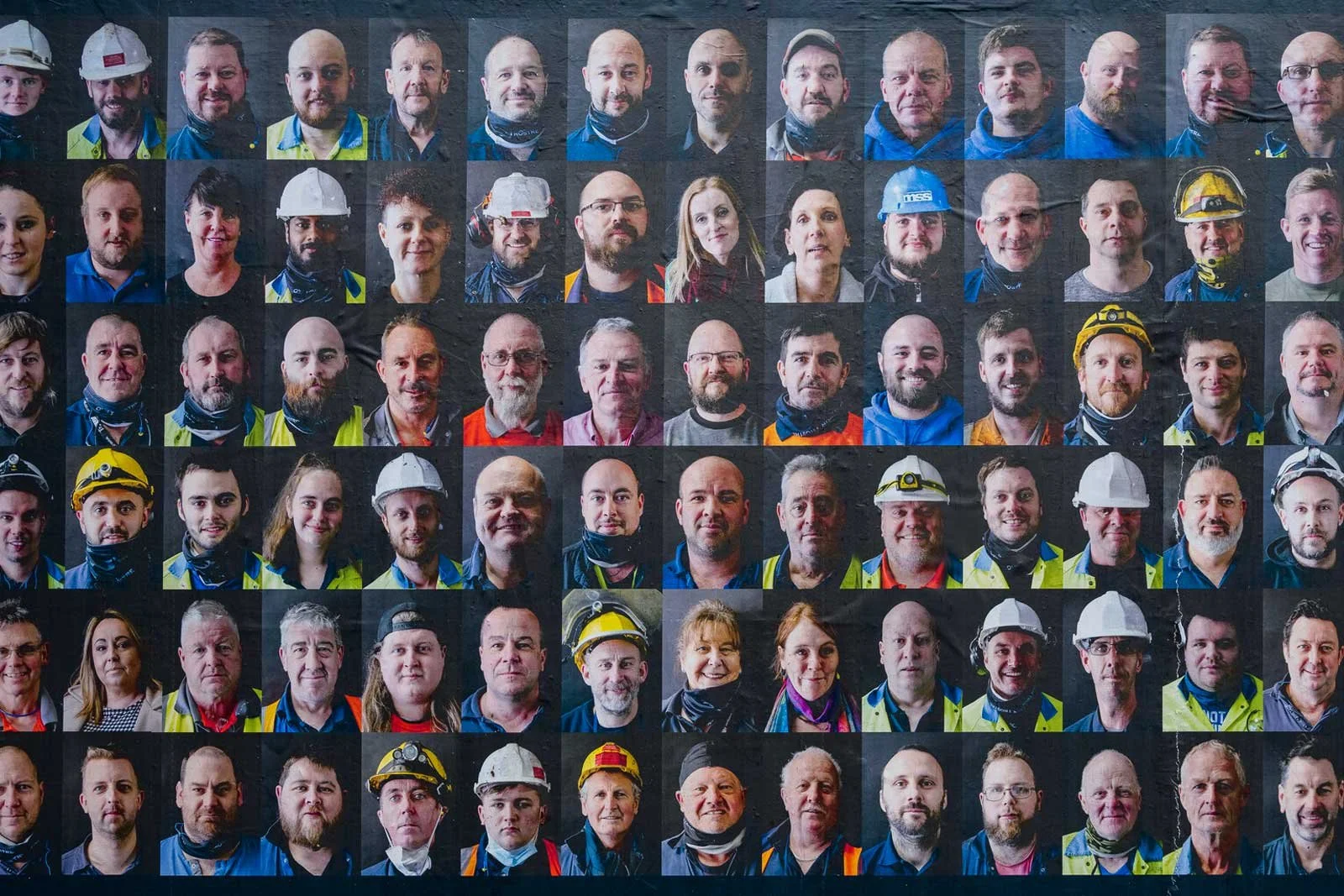
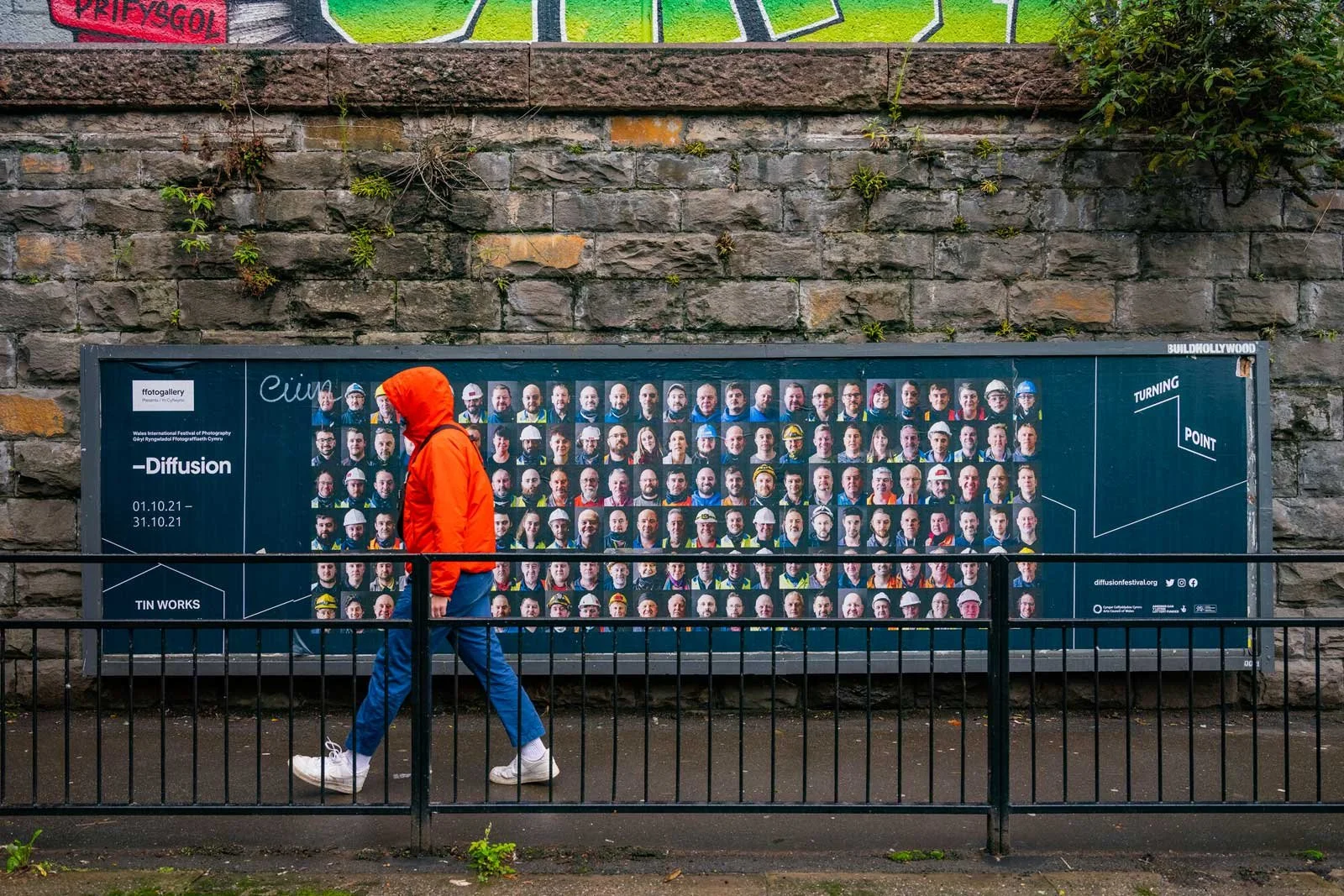
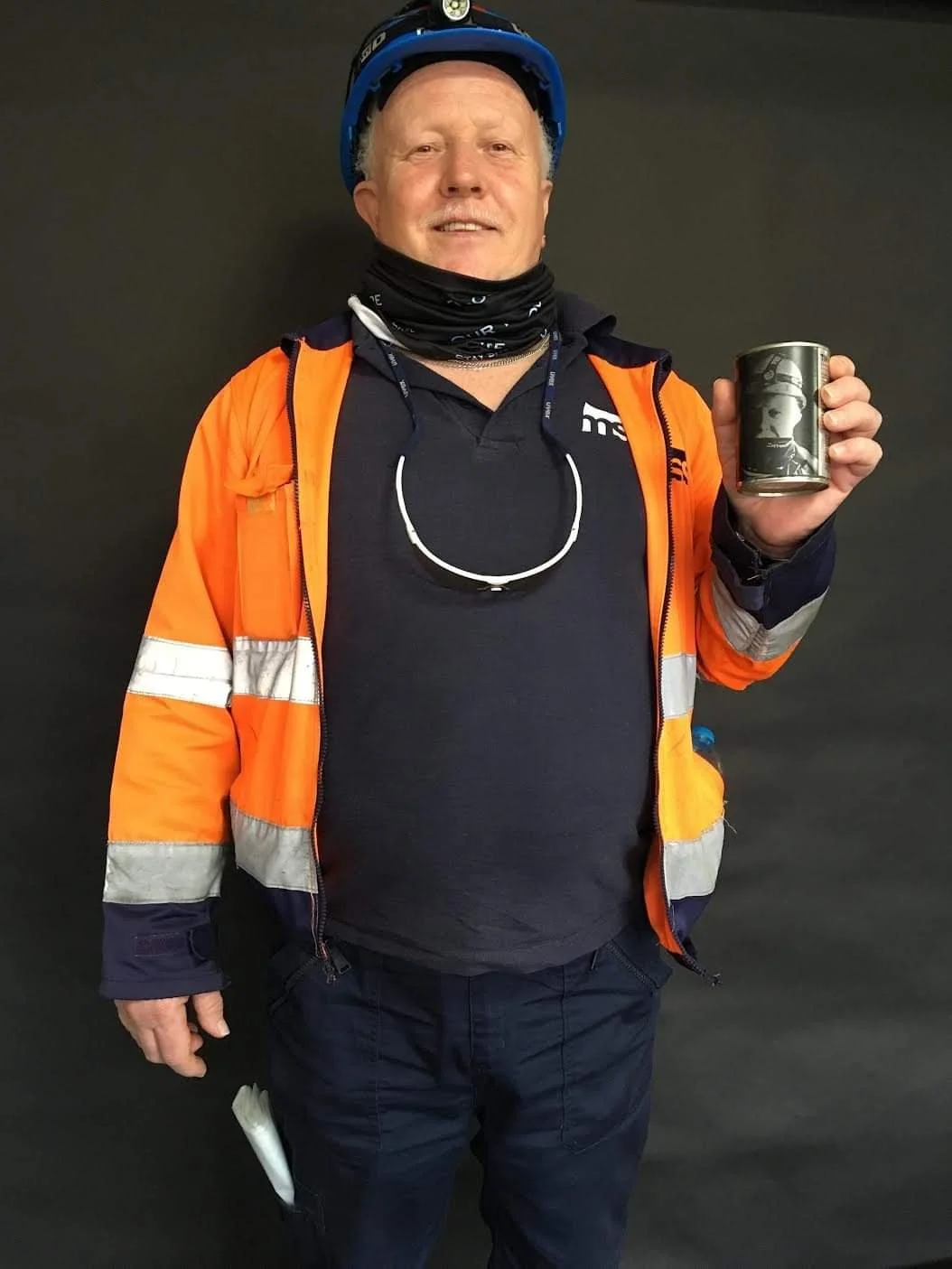
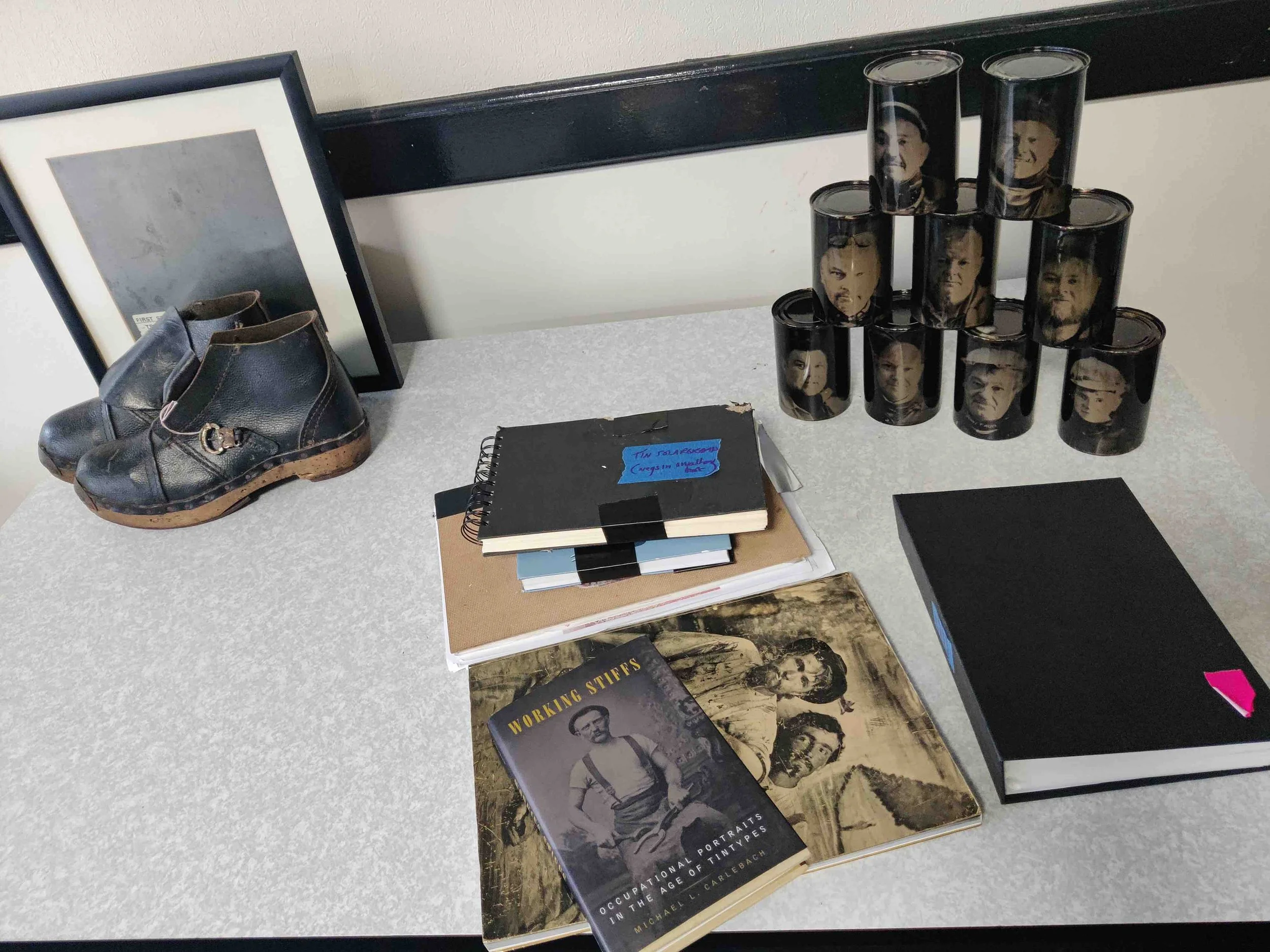
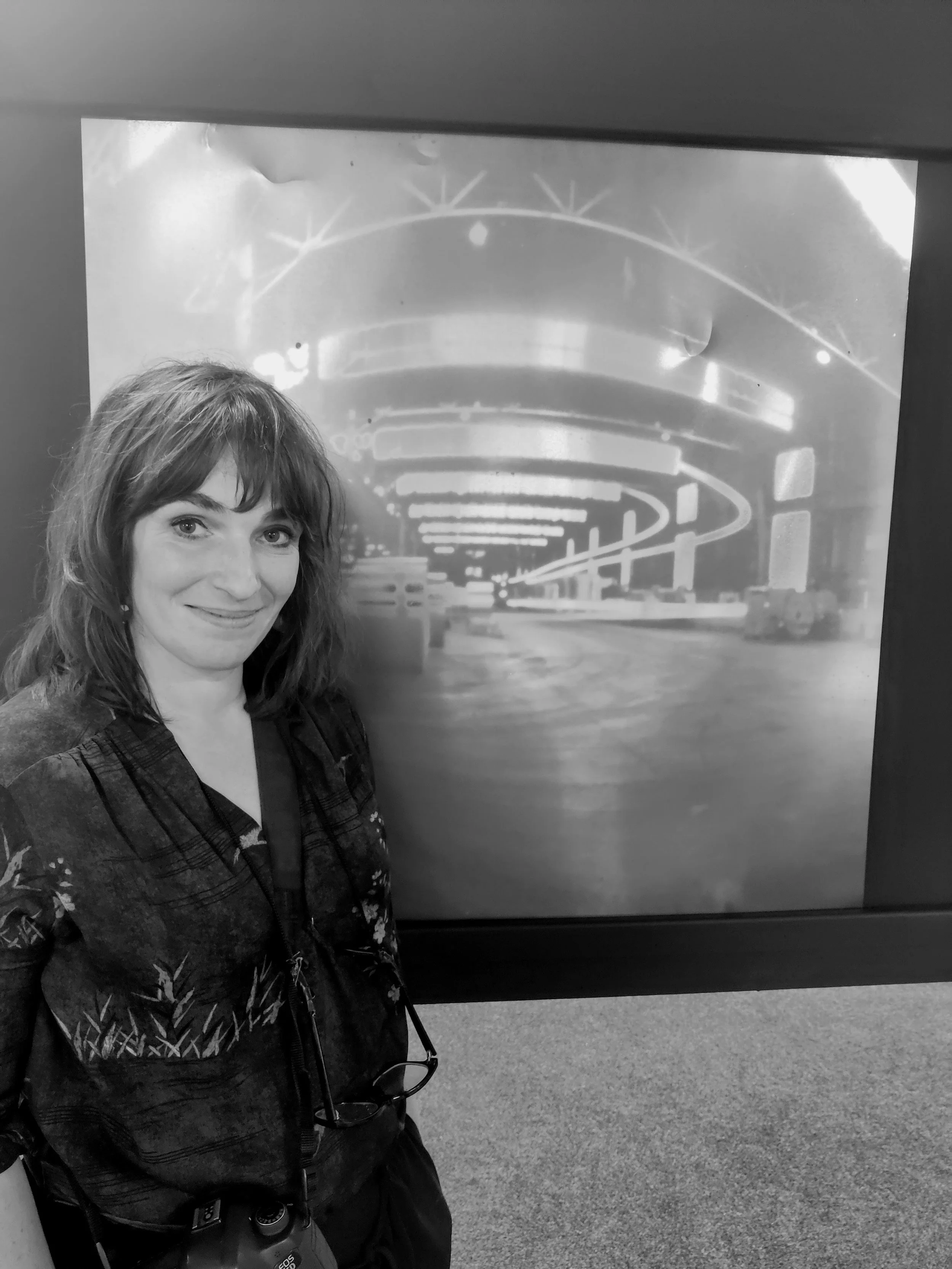
Hilary Powell’s Tin Works, presented at the Trostre Works, Llanelli, celebrated the ancestry of welsh tinworkers, the science of photography and metal. Material and meaning came together in a project exploring the labour and social history of manufacturing.
Where’s my space?, a collaboration between PAWA254 in Kenya and Ffotogallery, gave young creatives Abby Poulson, Gilbert Sabiti and Nancy ‘Chela’ Cherwon the opportunity to create their own virtual space. A space that they will resonate with physically, although reinvented and reimagined in the digital world, creating a lasting legacy of shared experiences across cultures and borders as we gradually emerged from the worst effects of the Covid-19 pandemic.