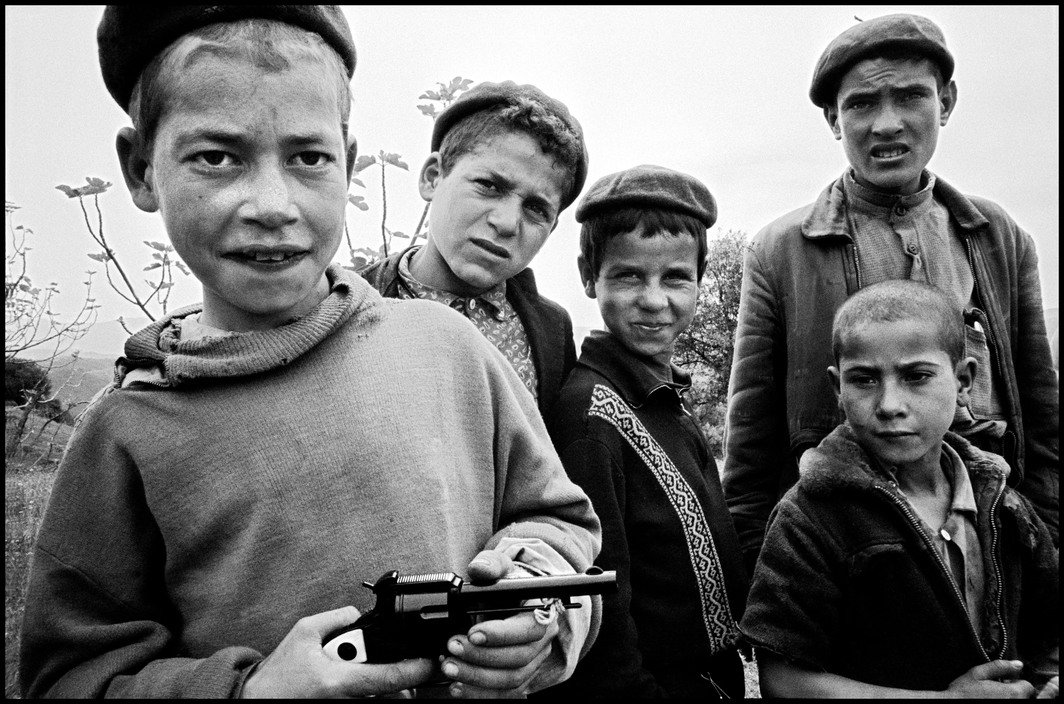
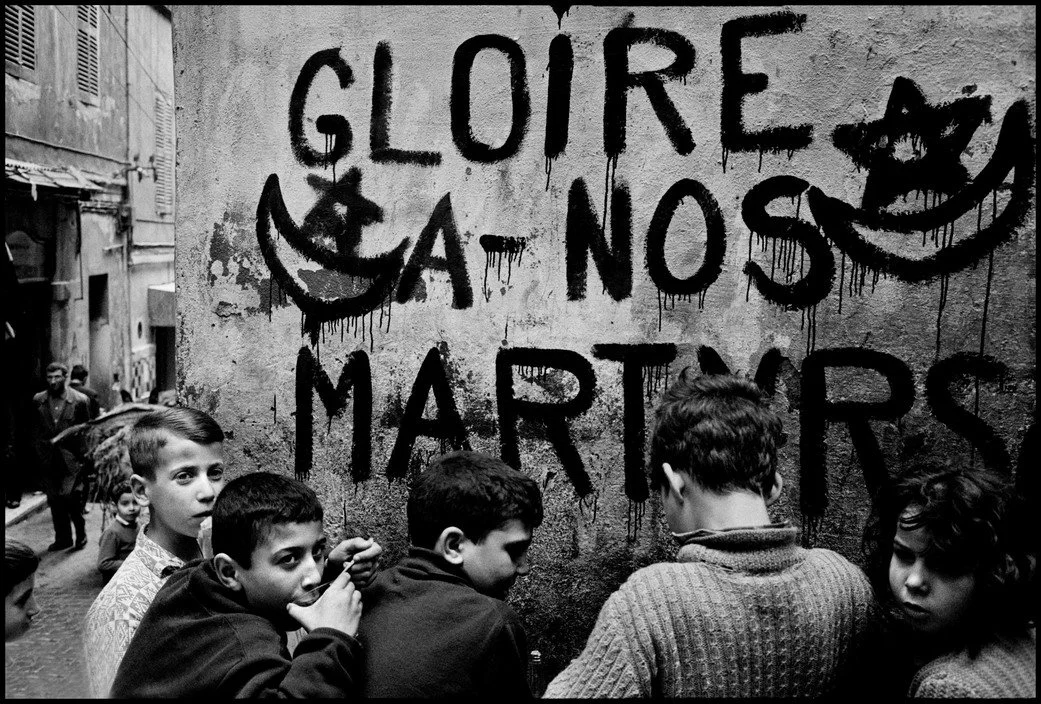
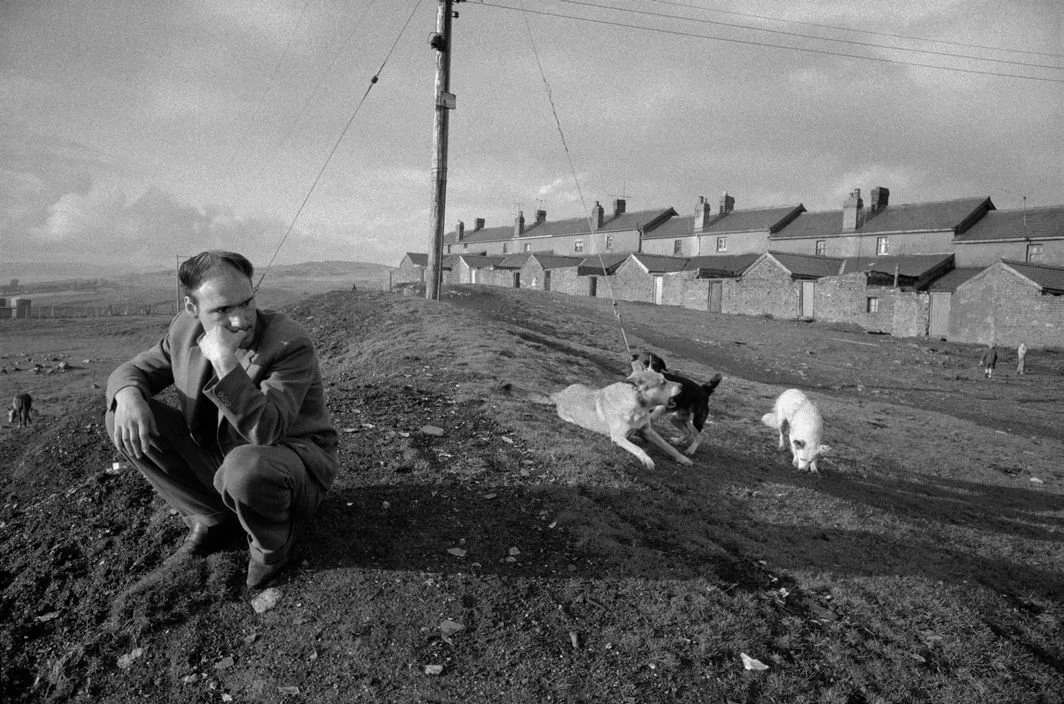
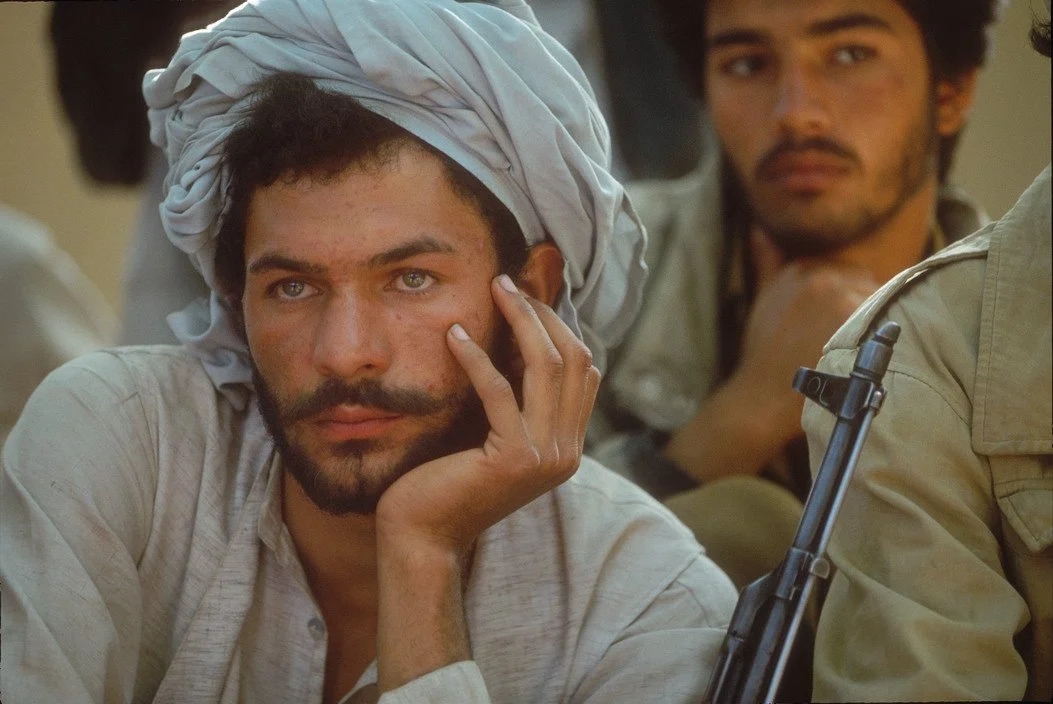
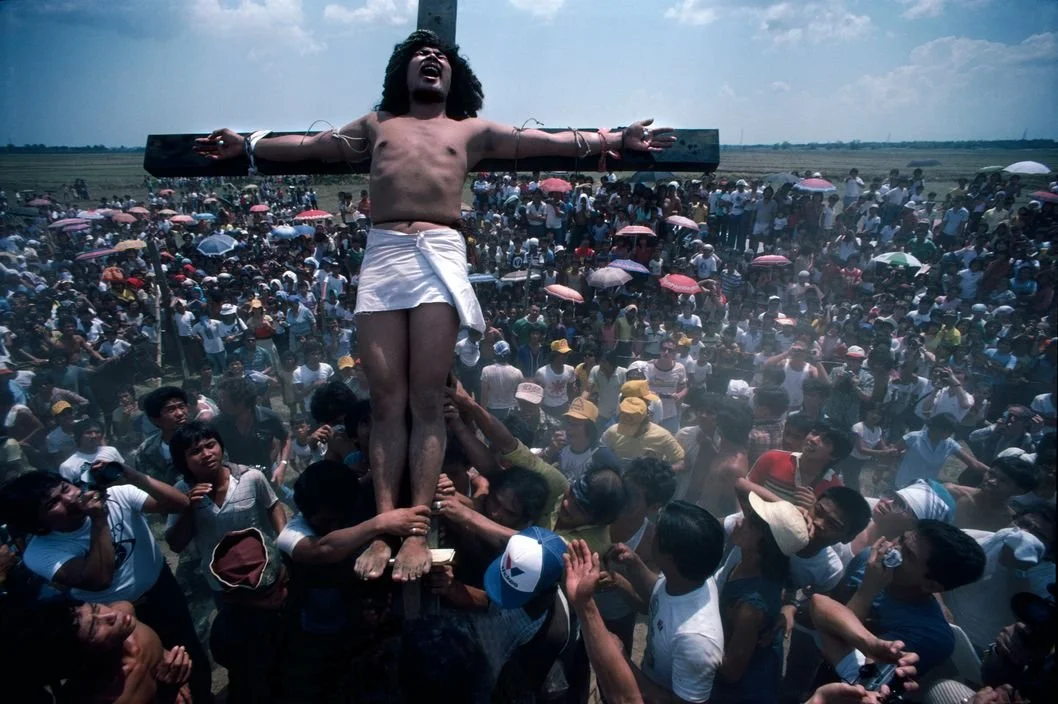
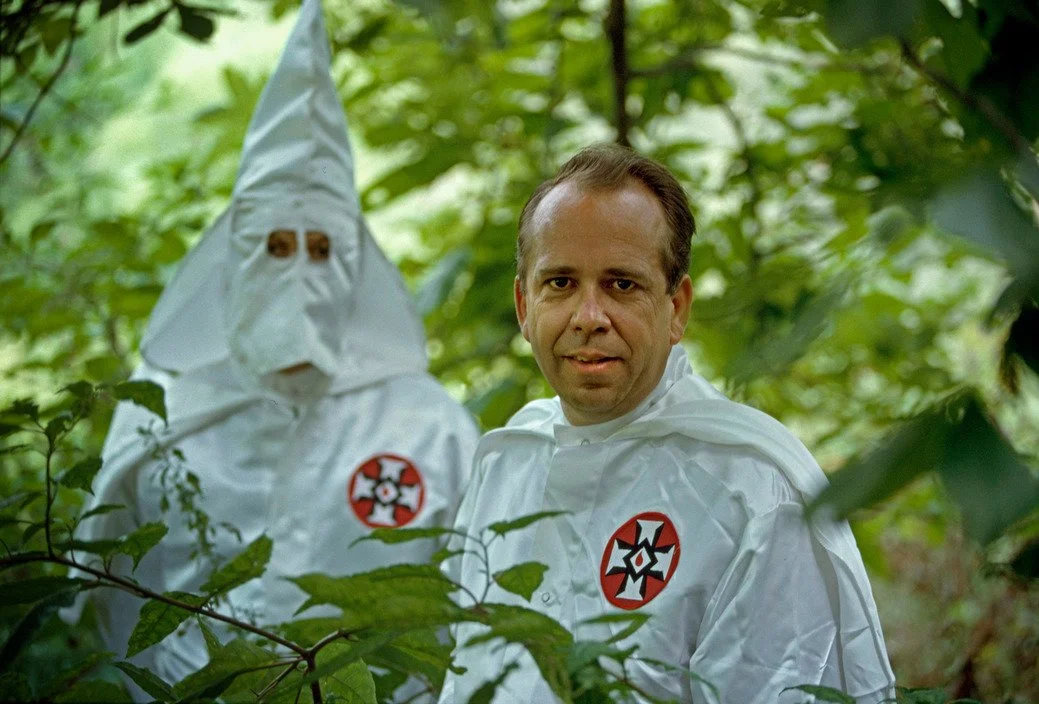
The second half of the 20th century saw post-war austerity and reconstruction in Europe, the Cold War, nuclear proliferation, religious extremism and sectarian violence, mass migration and brutal conflicts in South-East Asia, the Middle East, the Balkans and Africa. In the West, communities built around traditional industries such as coal mining and steel manufacture faced a loss of their prosperity and social cohesion with the emergence of a new technological era and increasing globalisation.
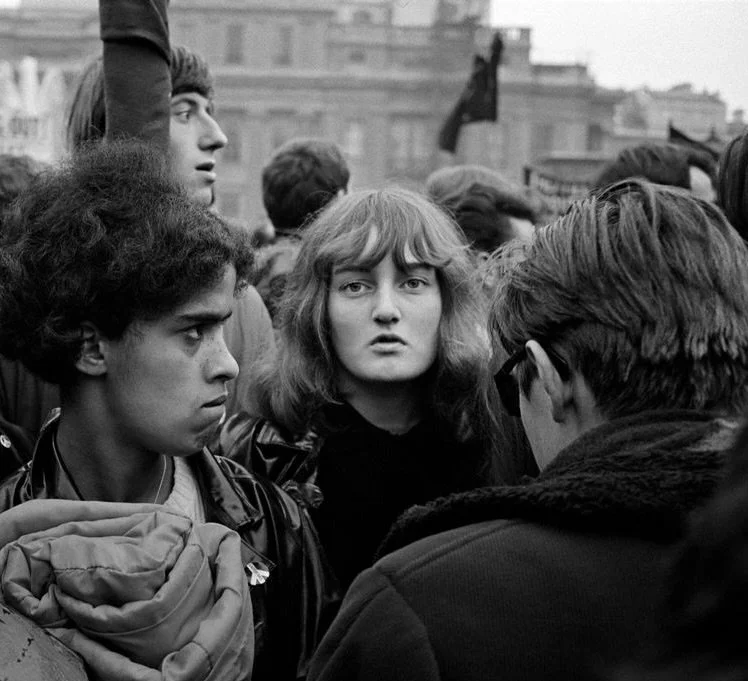
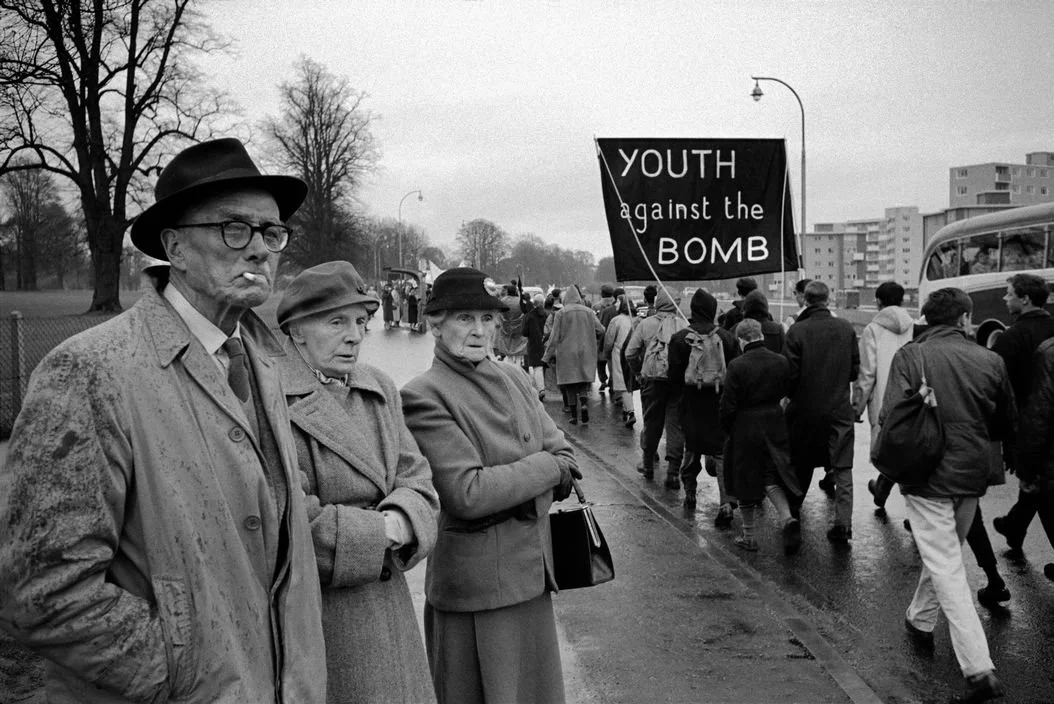
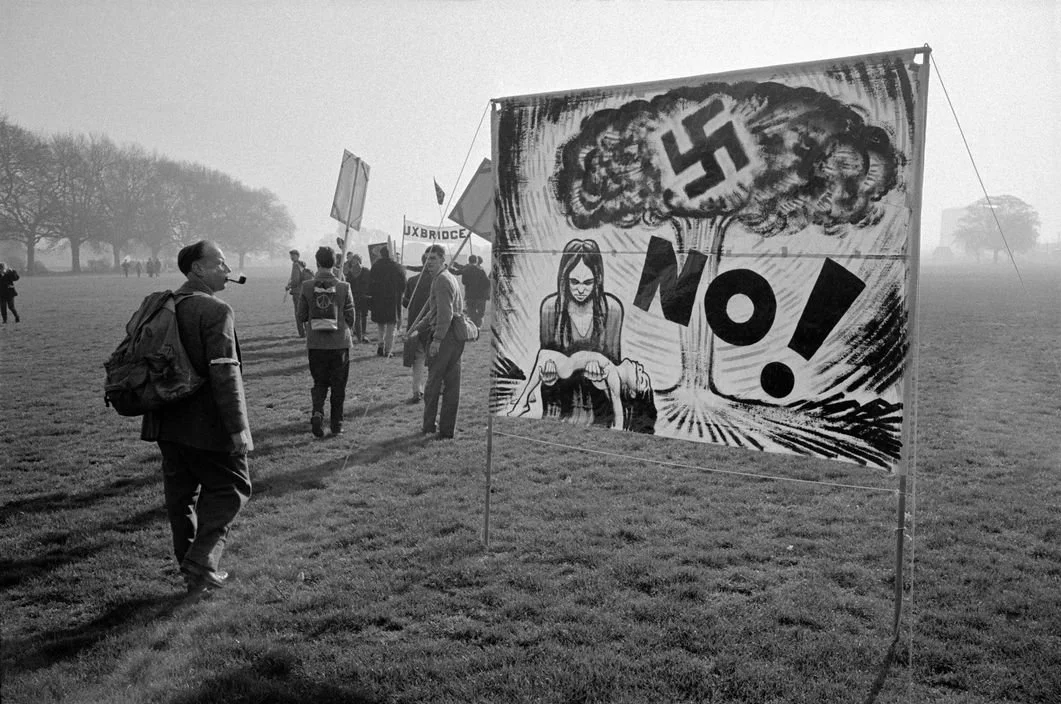
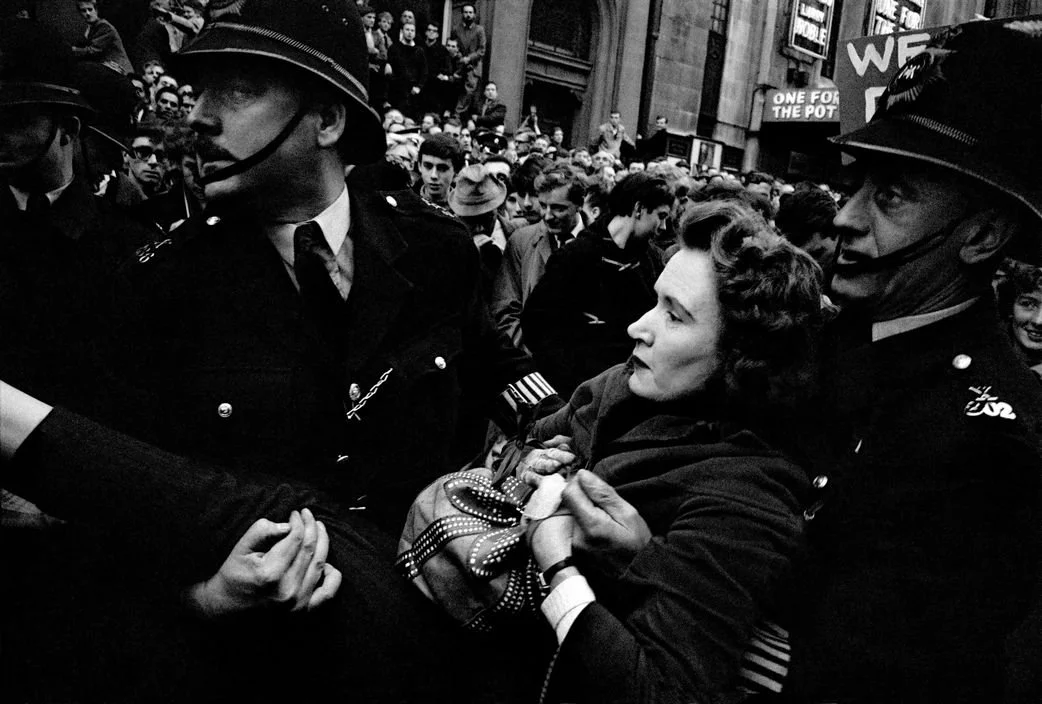
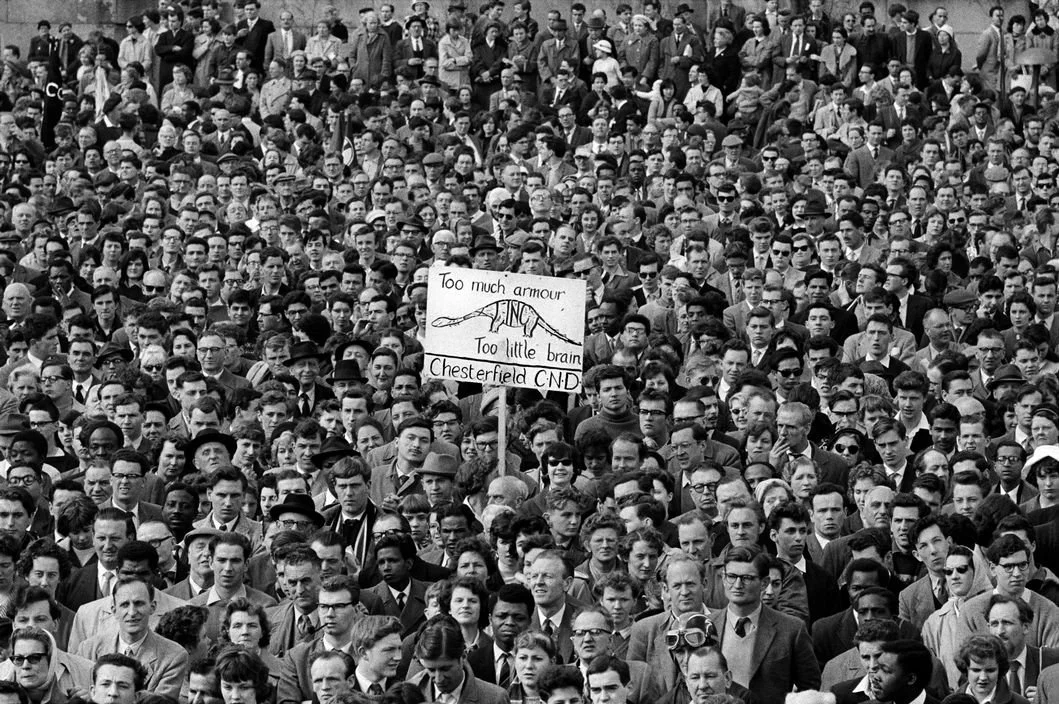
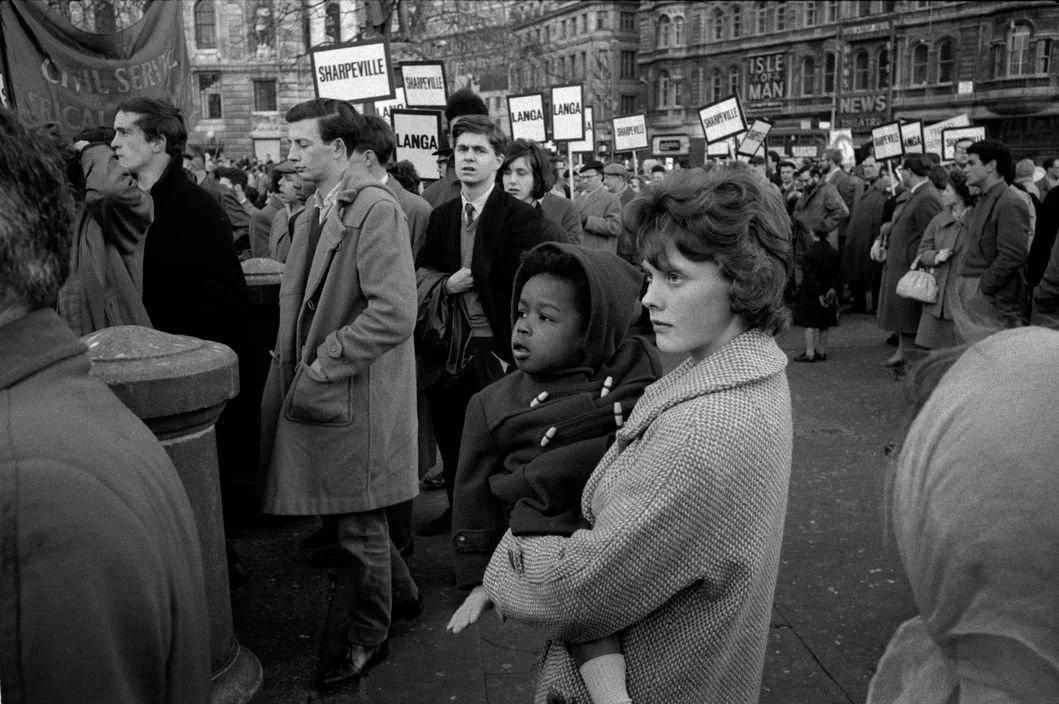
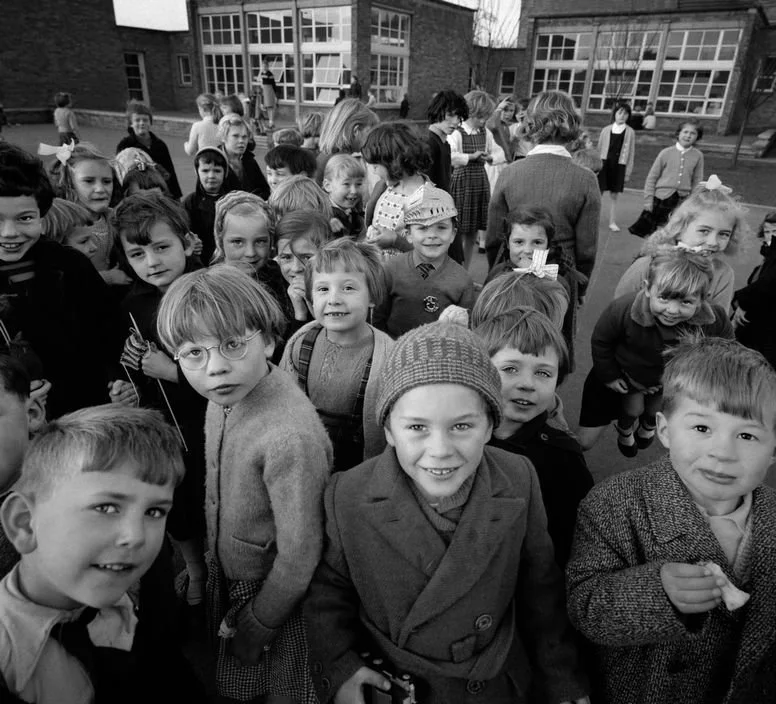
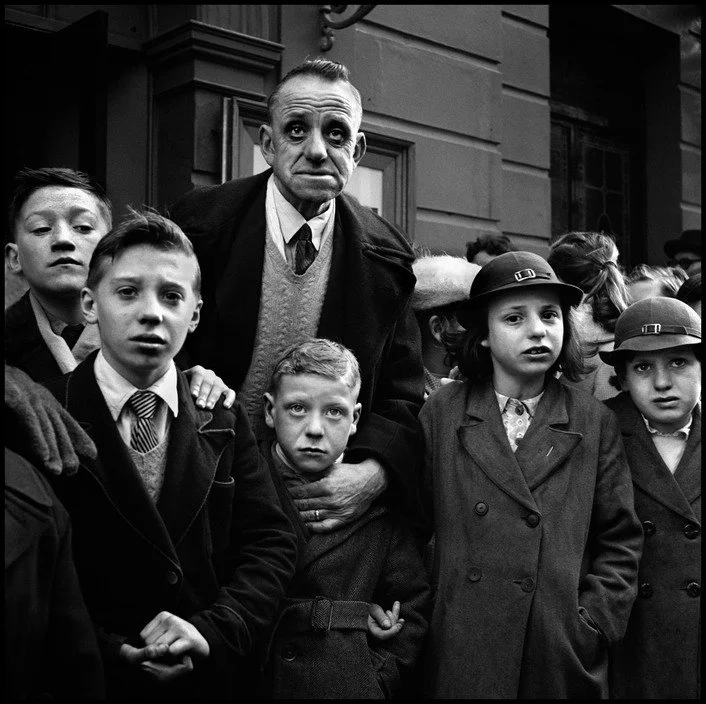
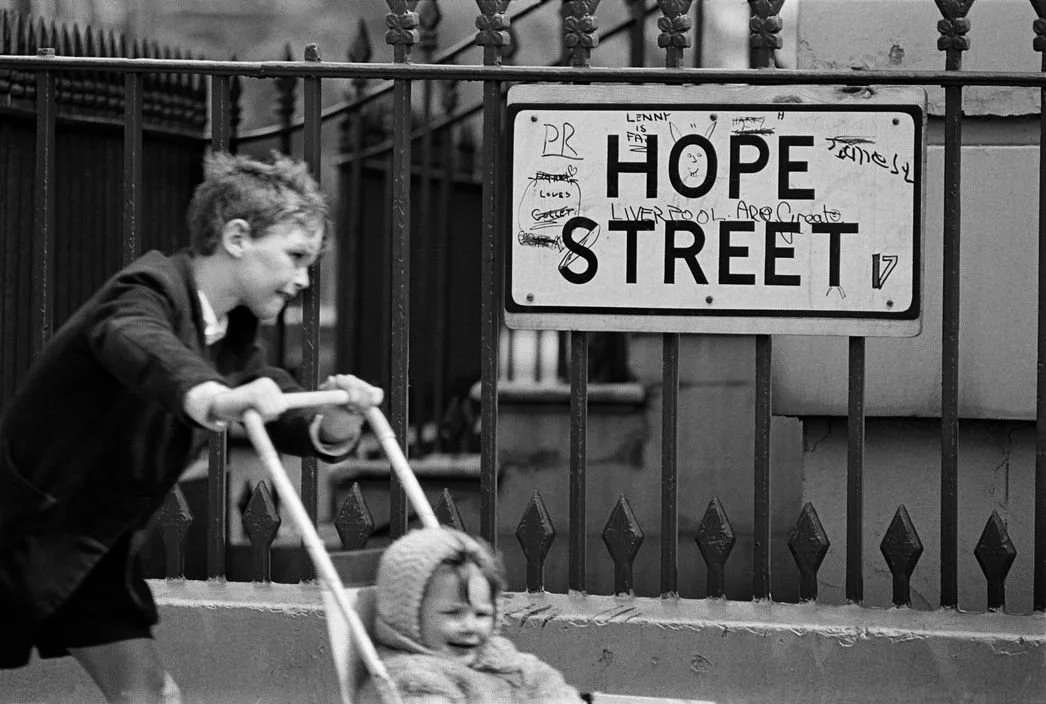
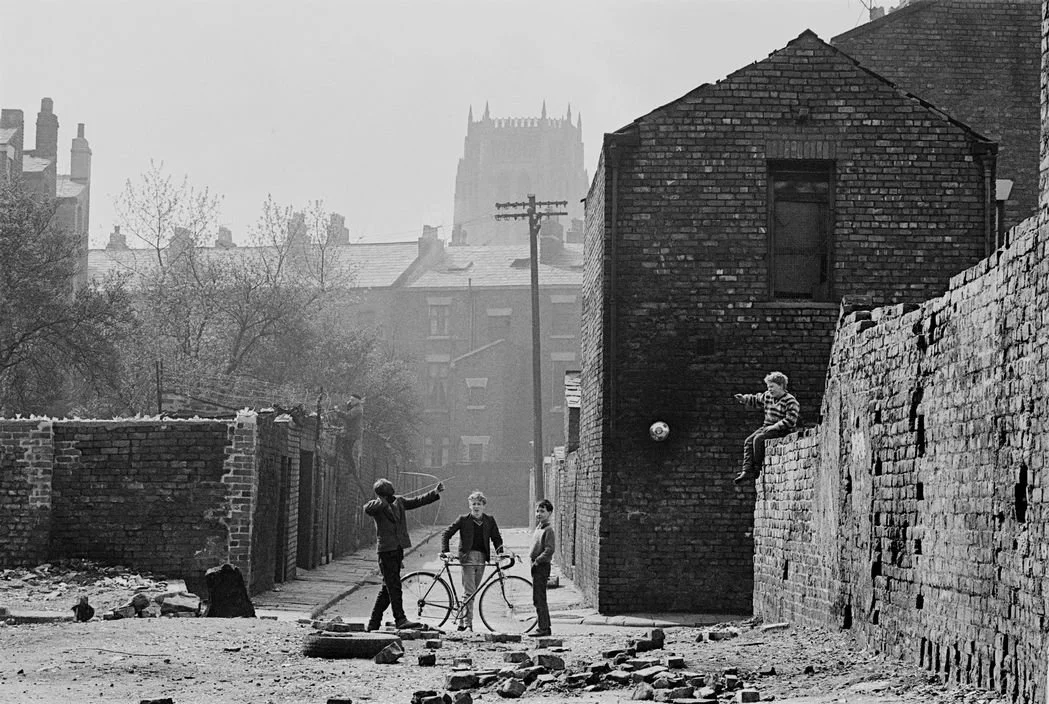
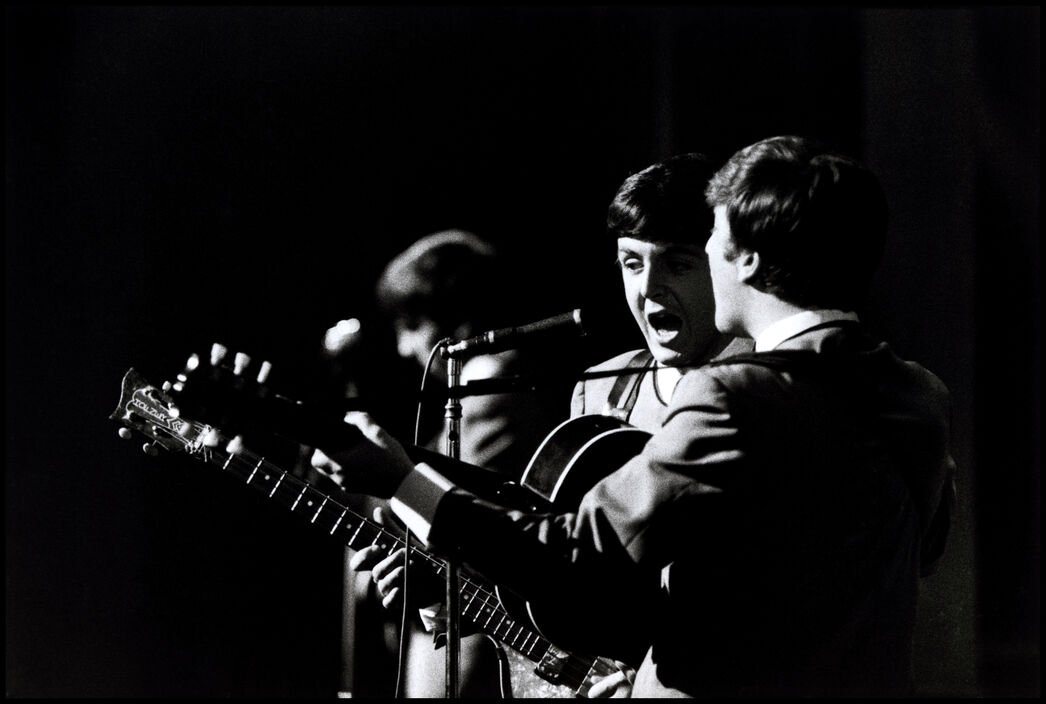
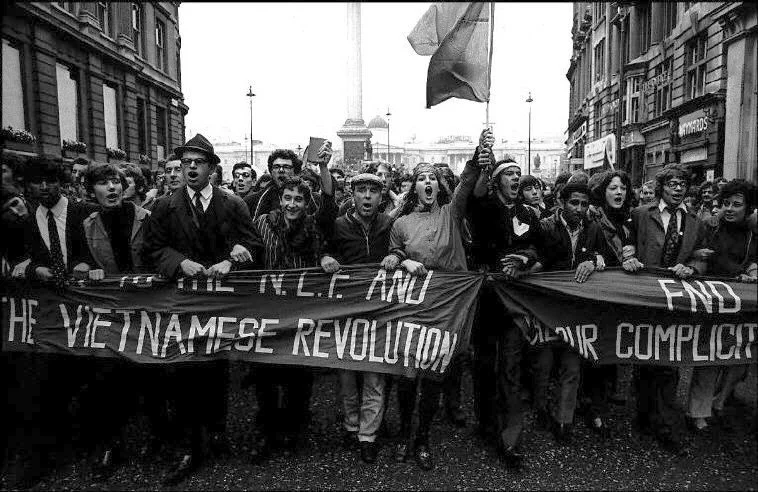
Those five decades also gave rise to youthful rebellion, civil rights and peace marches, sexual liberation, feminism, environmentalism, radical politics and countercultural movements. From the 1950s onwards, the Welsh photographer Philip Jones Griffiths aligned himself with these radical shifts, taking an independent and resolutely anti-establishment stance on the prevailing sociopolitical issues. He documented Britain’s first Campaign for Nuclear Disarmament and Anti-Apartheid demonstrations, pop concerts and political gatherings, and the various art ‘happenings’ in Liverpool and London. He cast a keen and somewhat cynical eye on the idiosyncrasies of English life, capturing their nuances in a series of humorous and telling images. He used photography to challenge the dark legacies of colonialism, and disparities of class and wealth in post-war Britain.
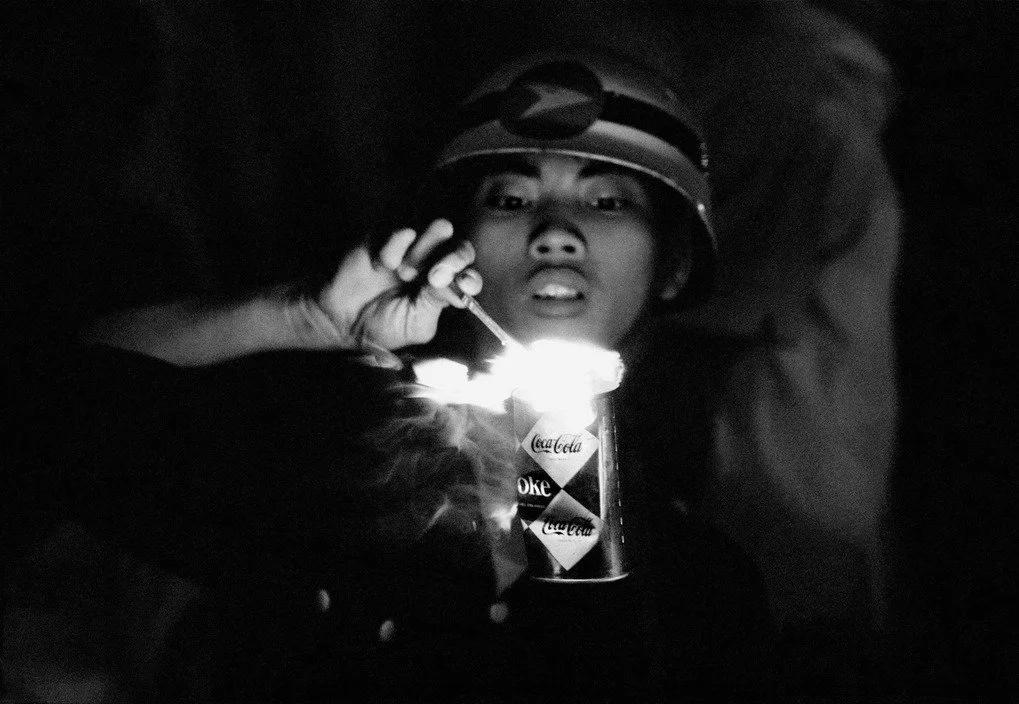
In his five decade-long photographic career Jones Griffiths visited 130 countries, exposing social injustice, the horrors and suffering of war and the evils of fascism and authoritarian regimes. A particular target of his work was the political subterfuge and hypocrisy that lay at the heart of the United States’ overseas affairs, which he felt were driven by an insatiable desire to impose on others a way of life rooted in consumer capitalism. He described his mission in life as being ‘to spread light on the dark shadows of the world’. In doing so, Jones Griffiths was articulate and outspoken on many matters, fearless in speaking truth to power and calling to account the misdeeds of those in authority.
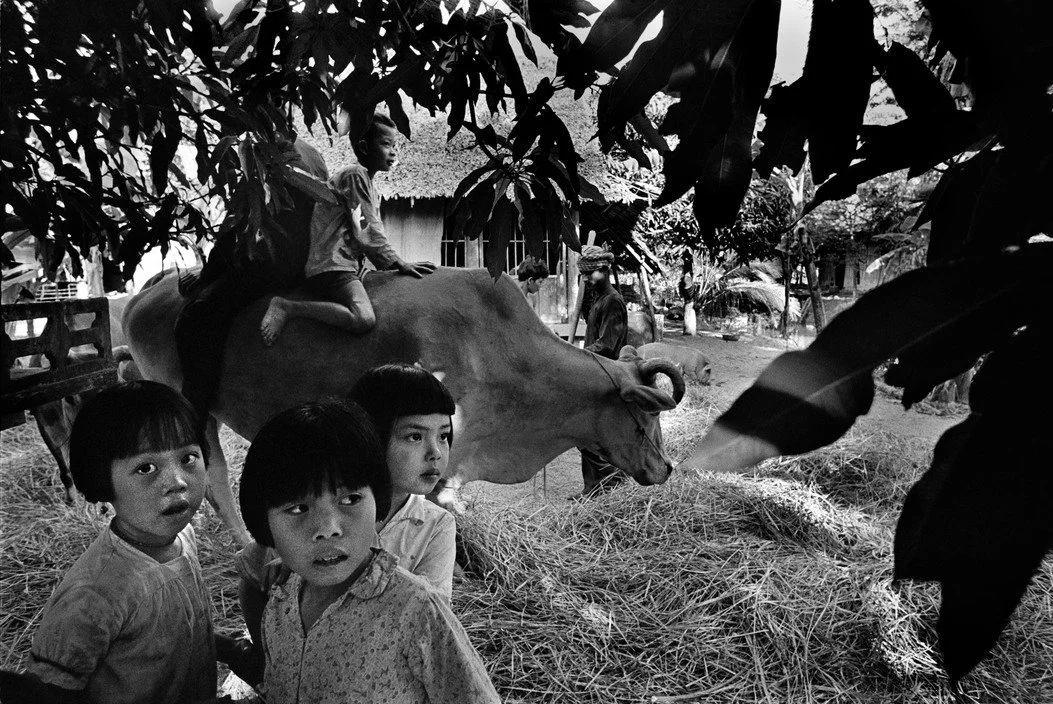
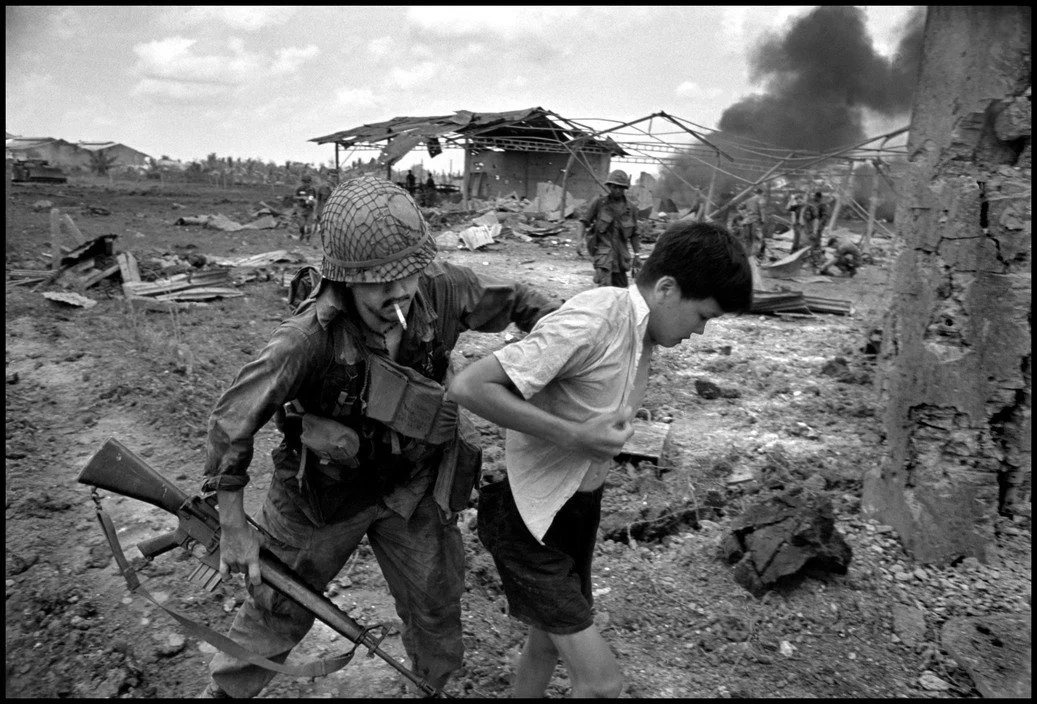
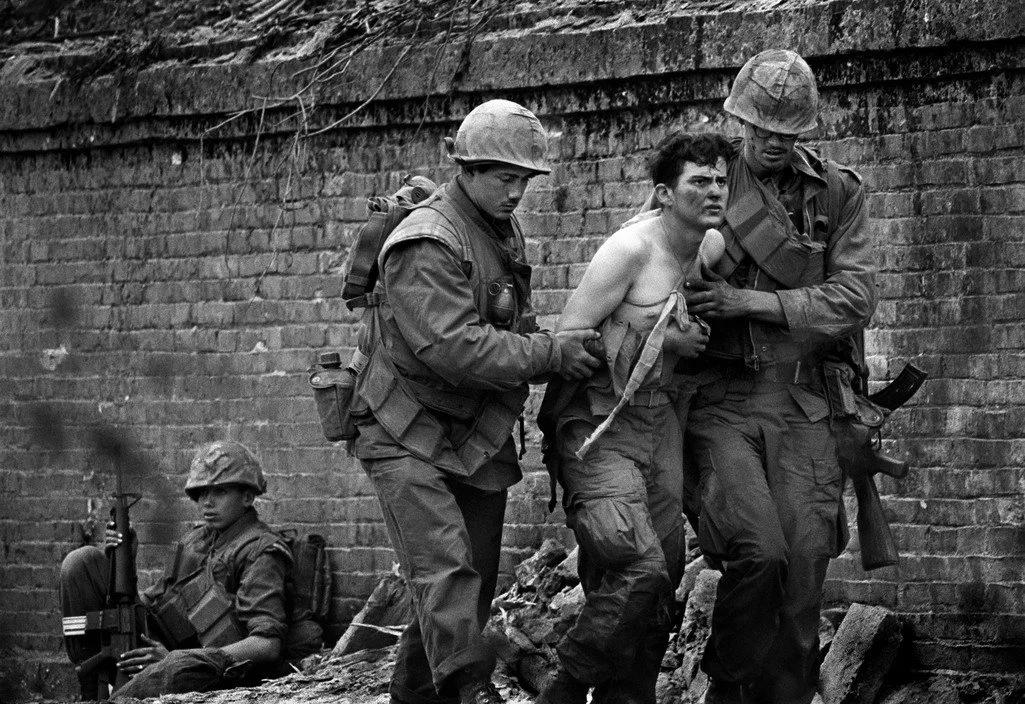
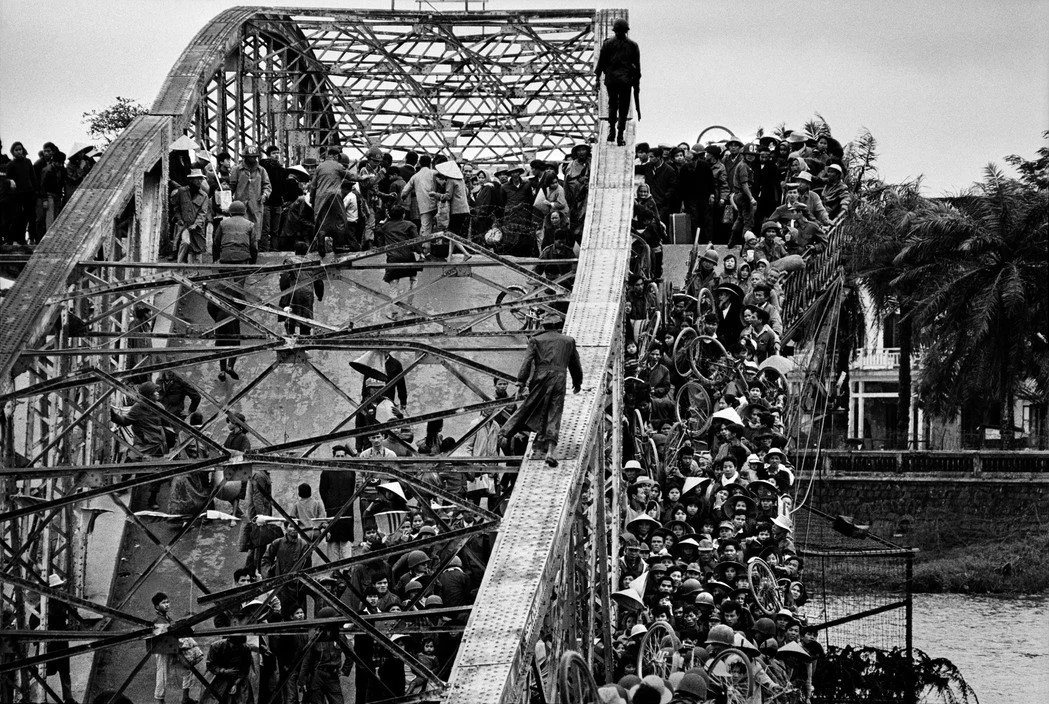
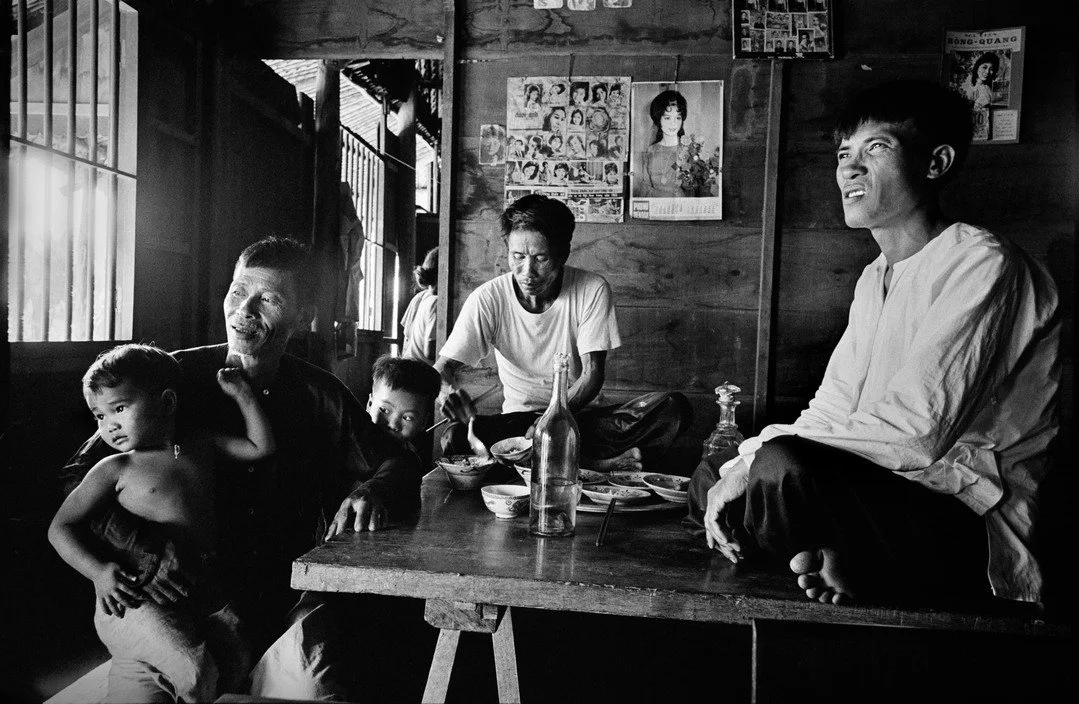
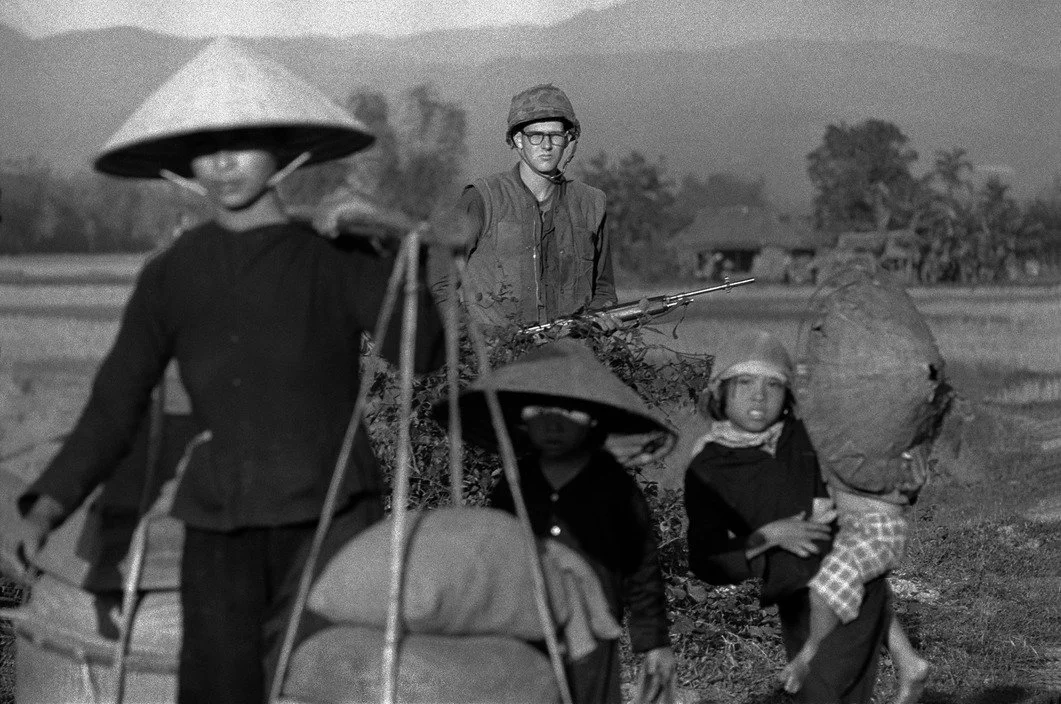
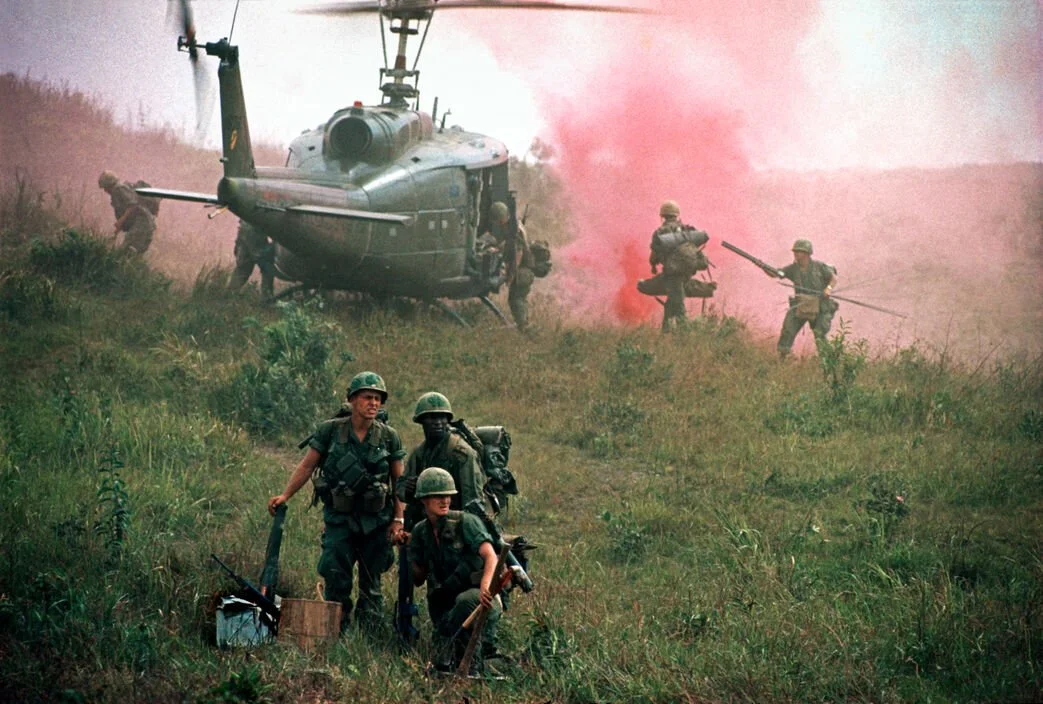
Jones Griffiths has hitherto been remembered primarily for the iconic book Vietnam Inc. His photographs of the Vietnam War contributed to changing the attitude of the American people towards the war. “Not since Goya has anyone portrayed war like Philip Jones Griffiths” said Magnum co-founder Henri Cartier- Bresson. However, Jones Griffiths refused to be labelled as a war photographer, indeed he always described himself as an ‘anti-war photographer’. He saw it as his duty “to understand the nature of the war, and reveal the truth about it, with photographs providing the visual proof. The photographs are the evidence.” Such was his commitment to that cause that he continued to photograph in Vietnam for a further thirty years, addressing the aftermath of the Vietnam War and the reconstruction of the country after the United States military withdrawal in 1975.
Jones Griffiths possessed formidable technical and composition skills, but at the heart of his work was humility, his love for people and his intuitive sympathy with those being oppressed by more powerful forces. Australian journalist and film director John Pilger said,
"I never met a foreigner who cared as wisely for the Vietnamese, or about ordinary people everywhere under the heel of great power, as Philip Jones Griffiths. He was the greatest photographer and one of the finest journalists of my lifetime, and a humanitarian to match."
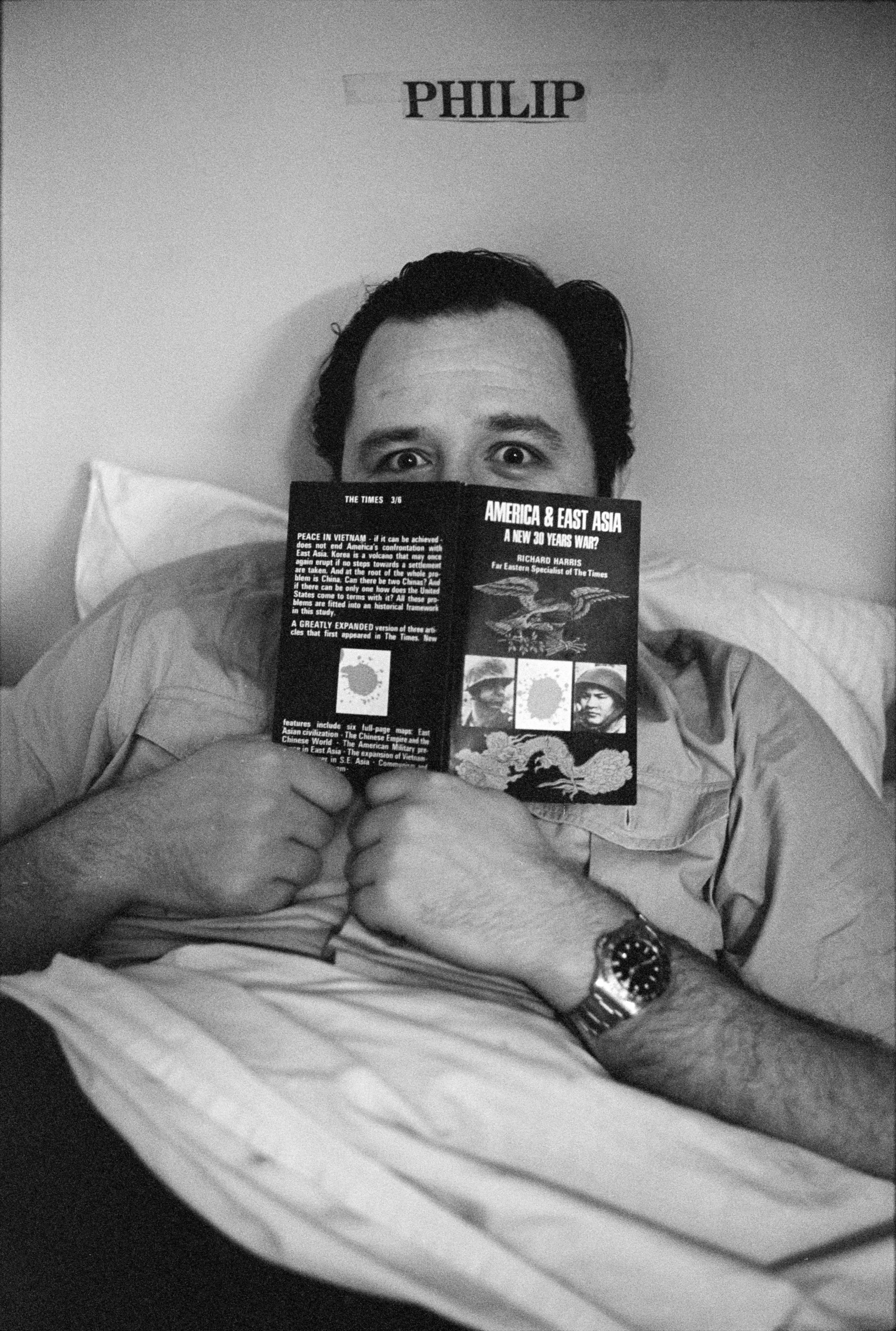
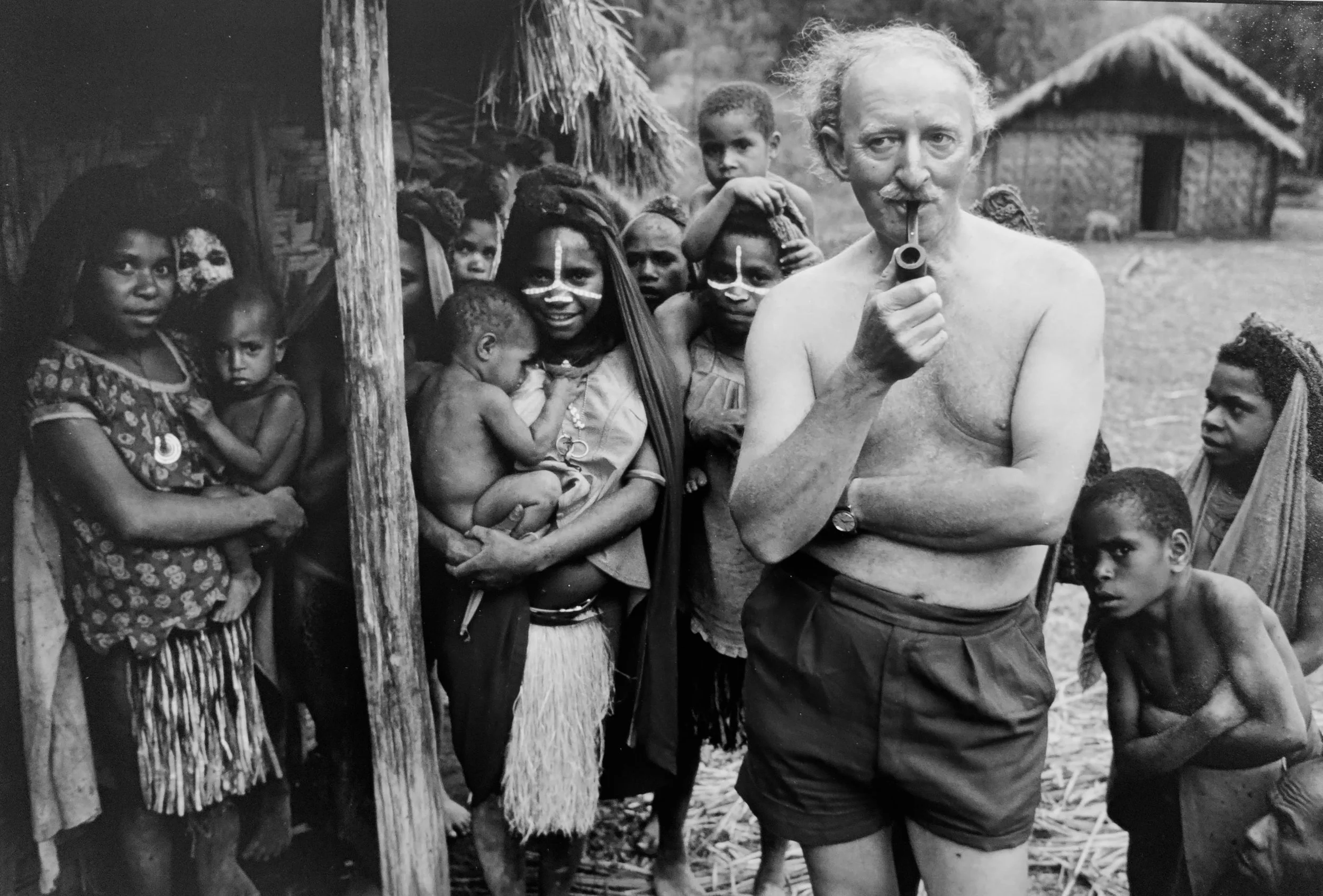
Philip Jones Griffiths – A Call to Action brings together, for the first time, a selection of images from his immense photographic output between 1952 and 2004. The book contains many previously unpublished images from long-forgotten assignments, and candid photographs of the photographer taken by family and friends. It includes an insightful new essay by the award-winning Vietnamese writer Nguyễn Phan Quế Mai.
The book has been made possible through the support of the Philip Jones Griffiths Foundation, and the access given to Jones Griffiths’s extensive archive of photographic prints, slides, notebooks, cameras and ephemera which are housed at the National Library of Wales in Aberystwyth. We are also indebted to Magnum Photos, the world-renowned photographic cooperative, to which Jones Griffiths became an associate member in 1966, full member in 1971, and between 1980 – 1985 held the presidency of Magnum for a record five years.
Philip Jones Griffiths recognized that without understanding how things occur, one cannot hope to effect change. His humour was often barbed, and he was certainly not afraid to speak his mind, yet what shines through is his compassionate nature and enduring belief in the power of photography to make a difference in the world. As well as his skill and integrity as a documentary photographer, he was a gifted storyteller able to captivate an audience with a compelling narrative. For that reason, Jones Griffiths’s work, and the light it sheds on the human condition, has a contemporary resonance, especially in these troubled times.