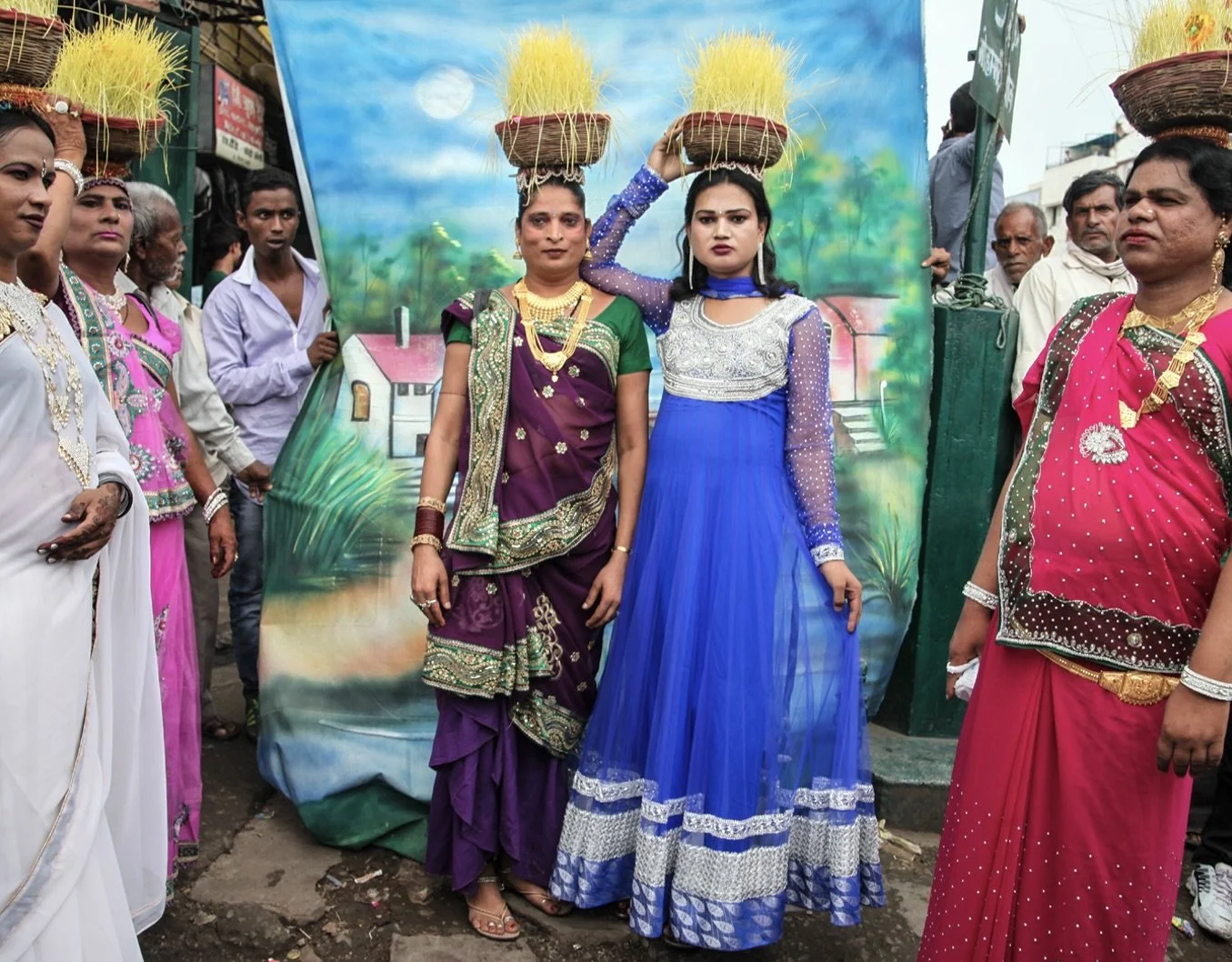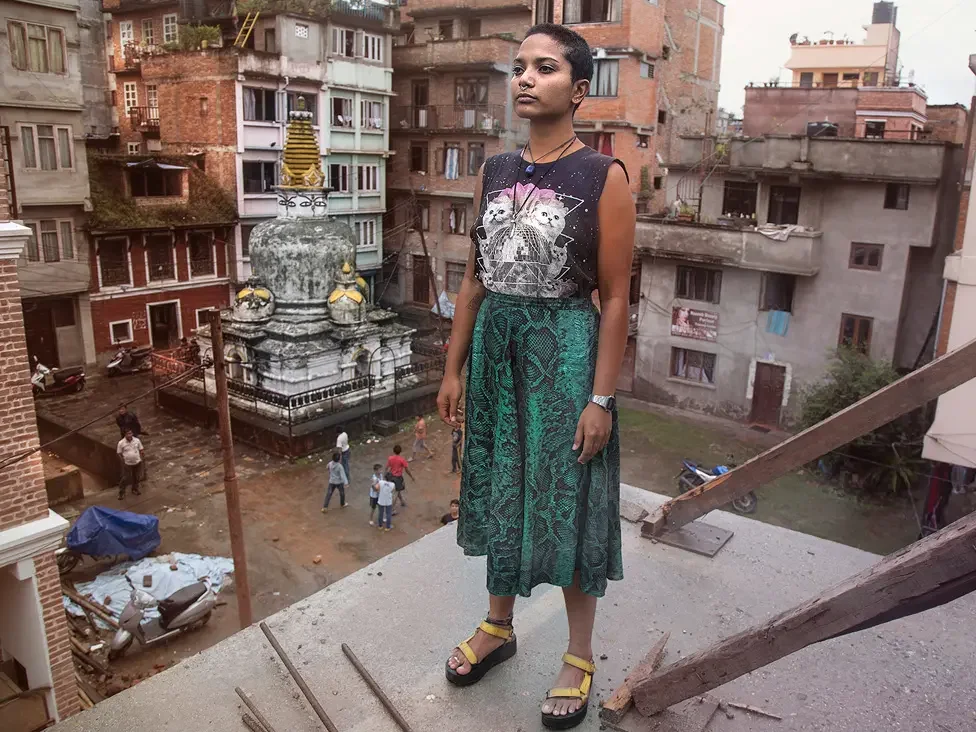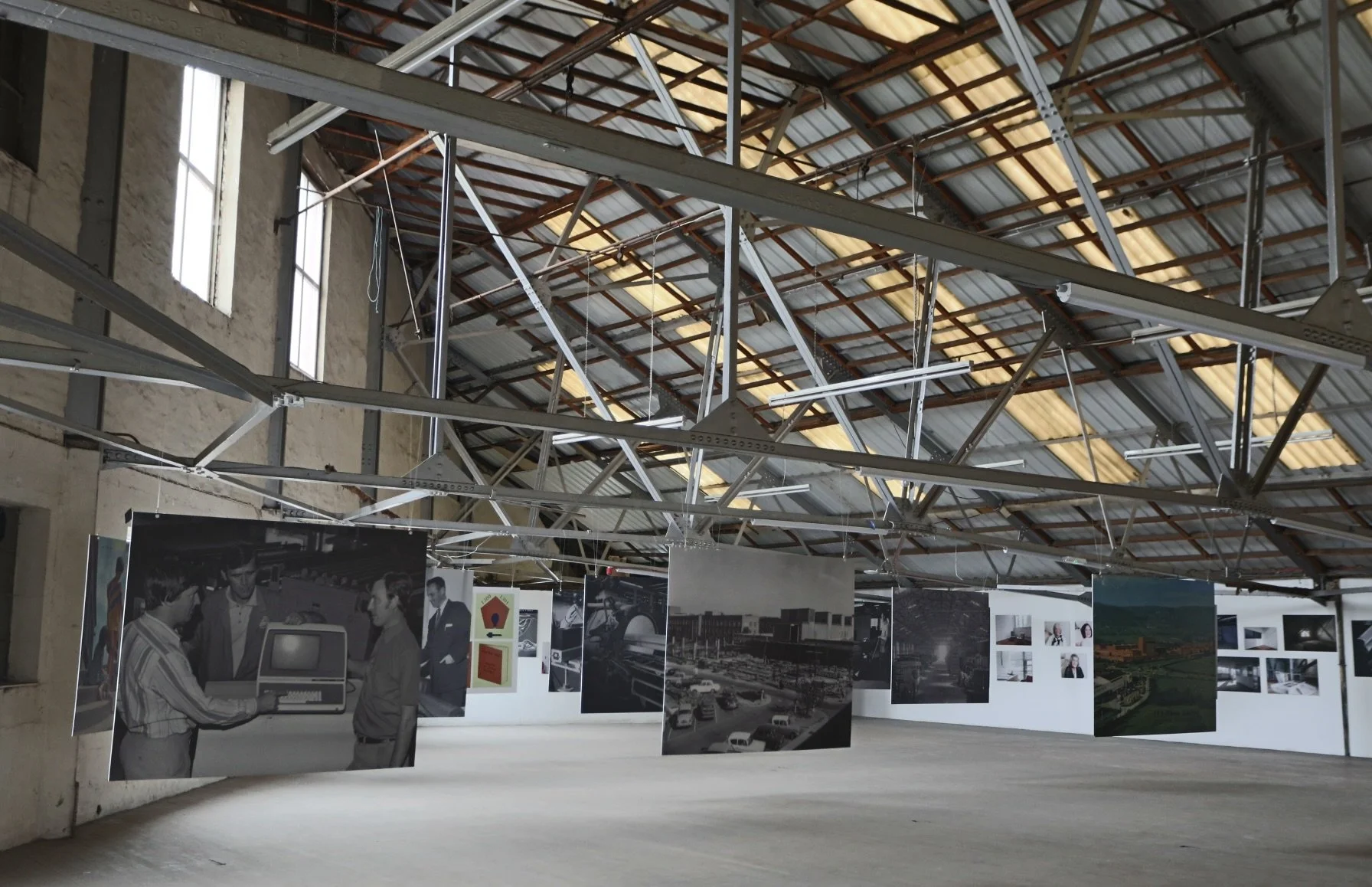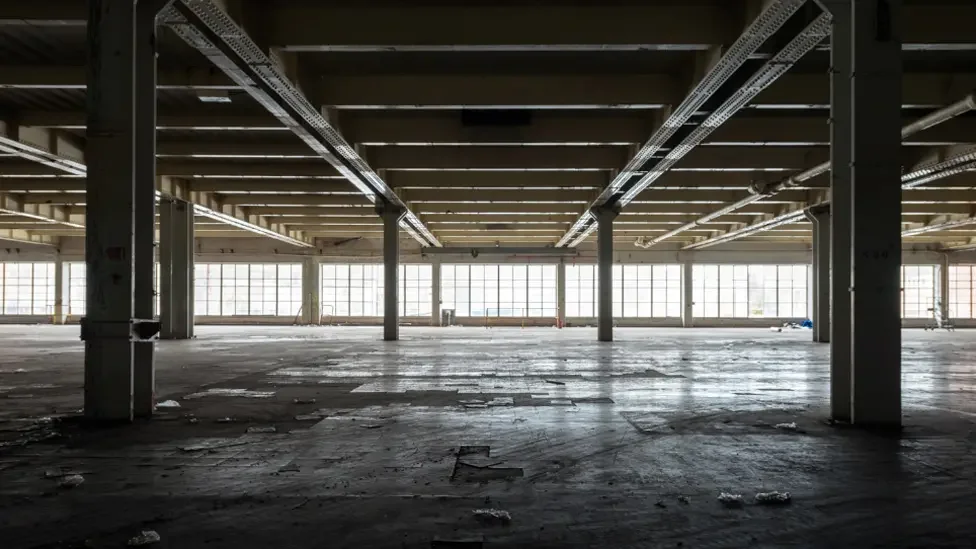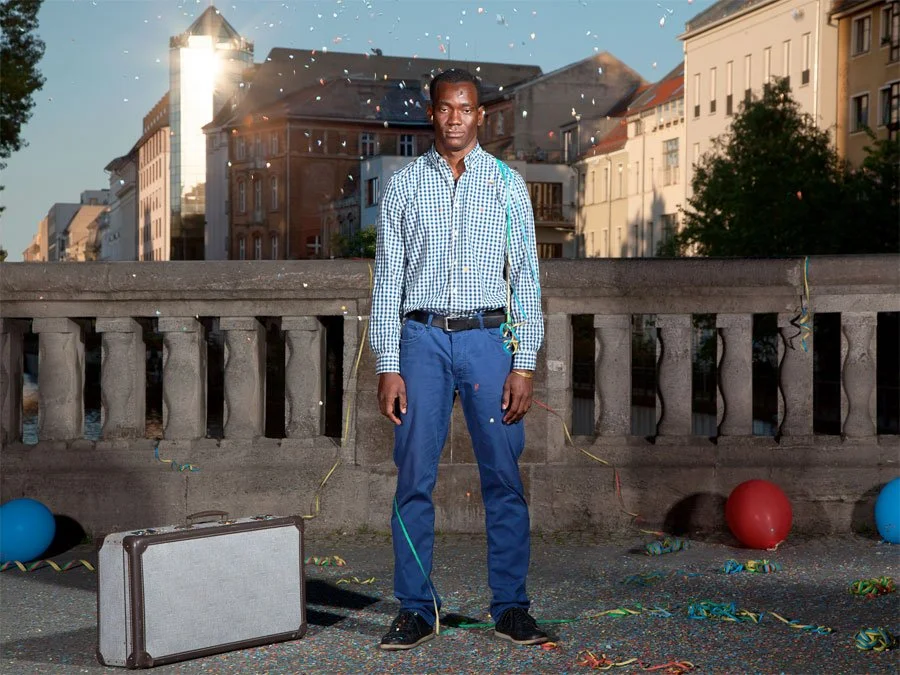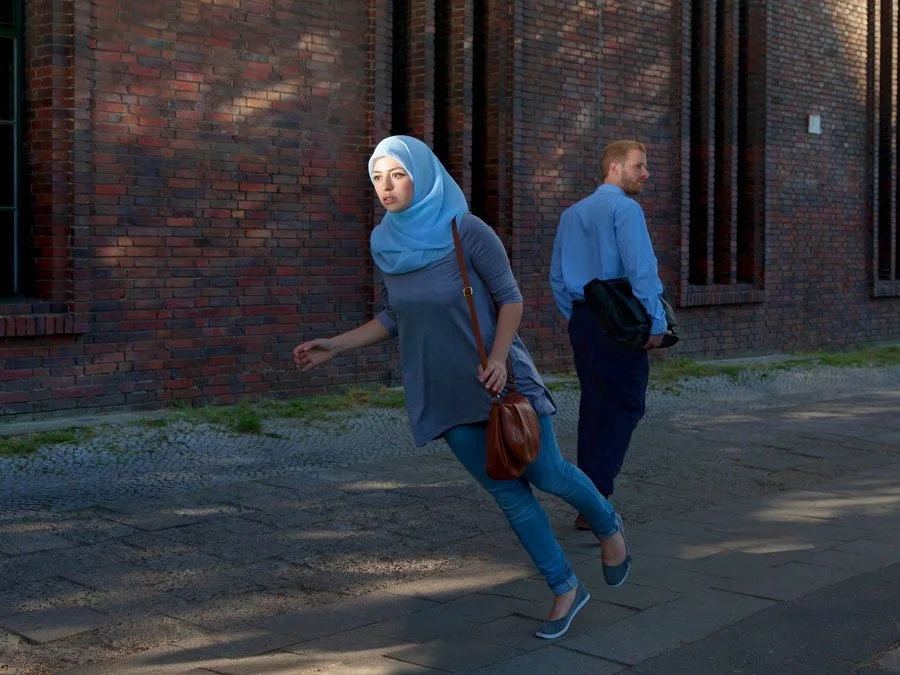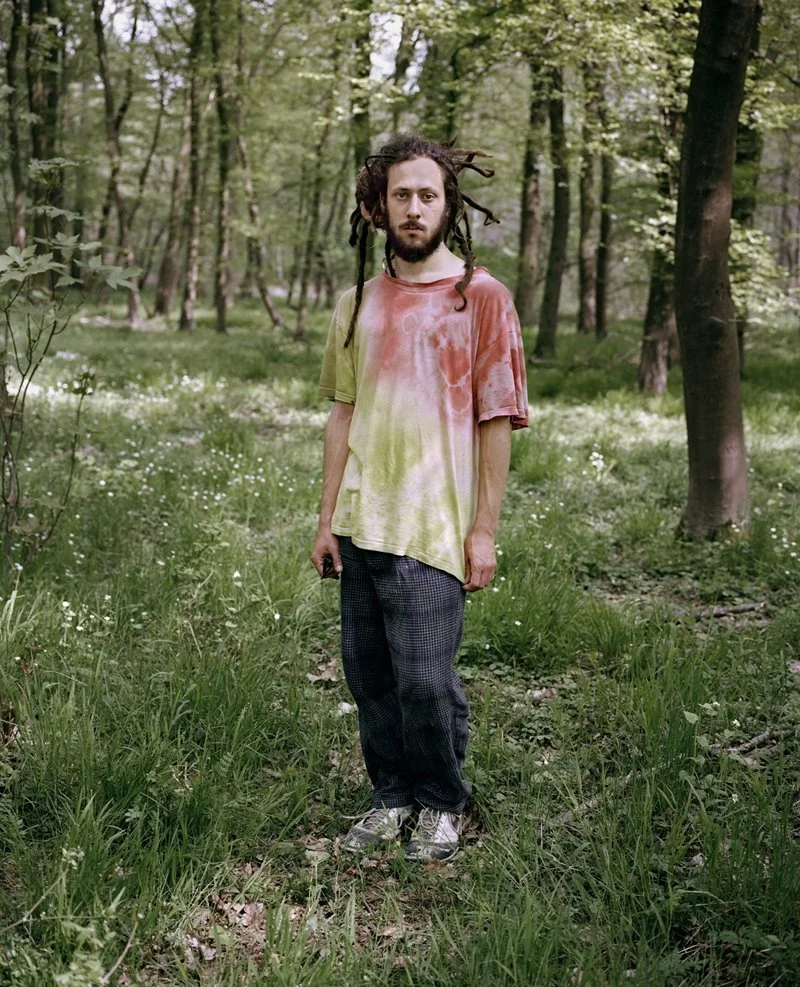
Diffusion 2017 looked at ‘revolution’ in its widest context, moments of social change, the pursuit of utopias and movements around freedom of expression, human rights, gender and identity.
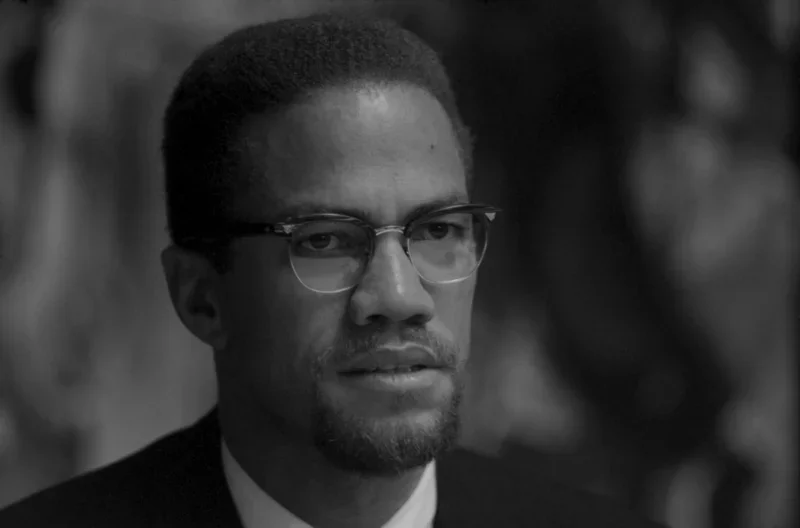
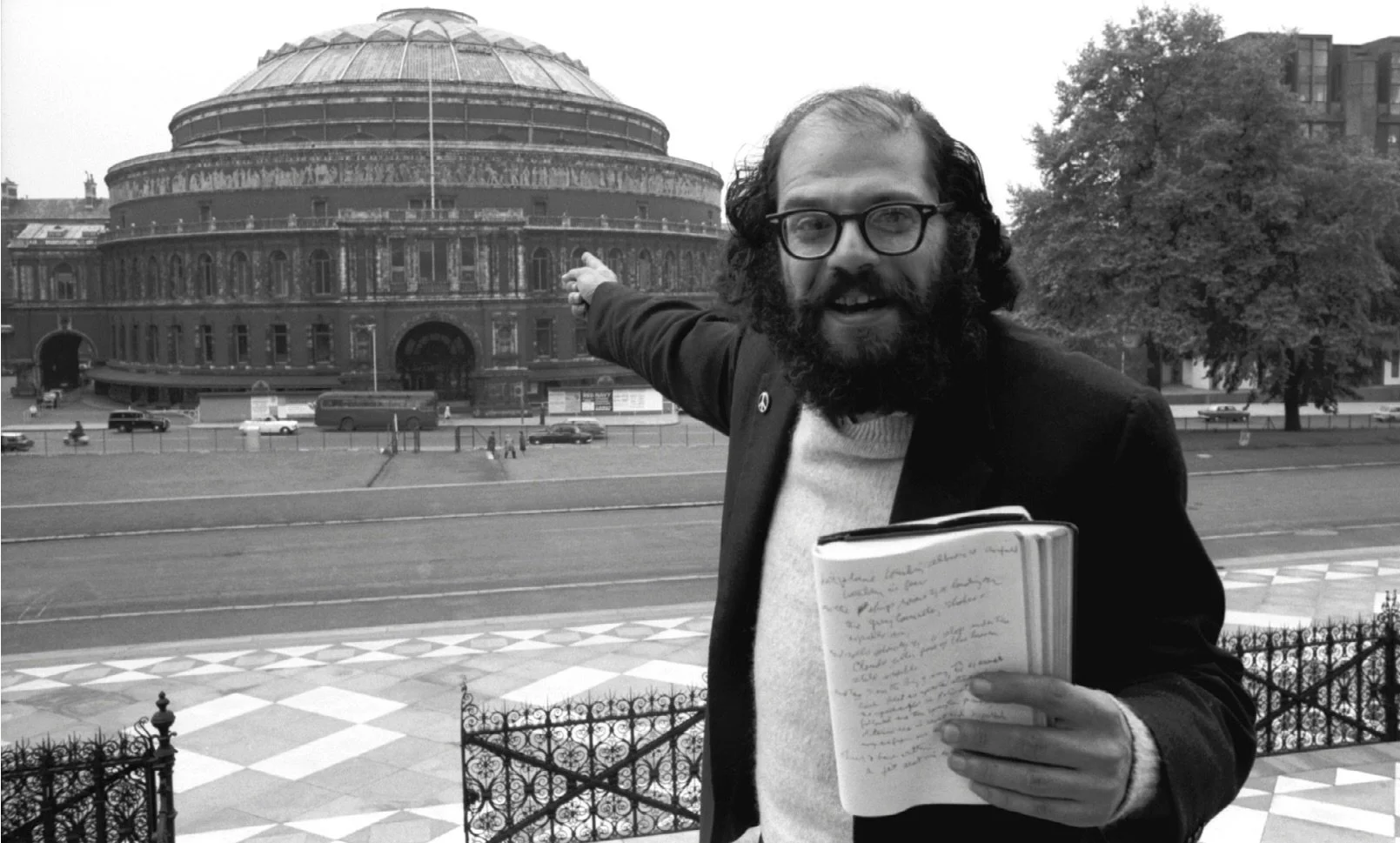
Allen Ginsberg outside the Albert Hall by John ‘Hoppy’ Hopkins
Picturing the Revolution.
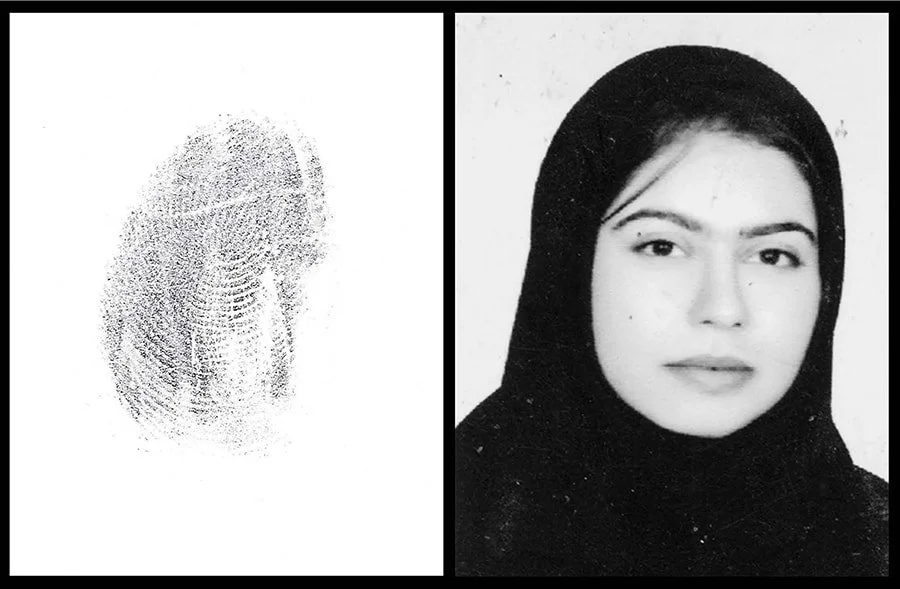
Amak Mahmoodian, Marcelo Brodsky, Ed Barber, Vanley Burke, kennardphillipps, Lais Pontes, Sebastian Bruno, Phil Hatcher-Moore, Bojan Radovic, Sunil Gupta + Charan Singh, Tatiana Vinogradova, Catrine Val, David Garner, Marc Wendelski, Evocation Collective, Cassi Alexandra, Peter Finnemore, Robert Smith, John Rea, Rab Harling, Paolo Ciregia, George Blair, Walter Waygood, Manuel Bougot, Danila Tkachenko, Akshay Mahjan, Hilary Powell, Esther Hovers, Diane Meyer, Marta Mak, Cesar Dezfuli, John Hoppy Hopkins, Alexander Anufriev, Blazej Marczak, Demetris Koilalus, Hiro Tanaka, Isaac Blease, James Hudson, Kiki Streitberger, Kristian Buus, Marisa Culatto, Mehdi Bahmed, Nick Paton, Patricia Ackerman, Phillipa Kleiber, Sion Jones, Verona Palmer and Wytske Van Keulen.
Revolutionary change requires a challenge to the established order, protest, insurgency, new ideas and ideologies and transformational processes.
Photography itself is a revolutionary medium, both because of the technological and creative possibilities it affords, and for its accessibility. In the early 20th century, the medium offered a transformative vision for artists, and new ways to represent the rapidly changing world around them. Digital technology has dramatically changed ordinary people’s relationship with photography and we now consume and process on a daily basis a vast quantity of image-based information on our computers, mobile phones and other devices.
Diffusion 2017 examined how photography and digital imaging have advanced revolutionary ideas, and played a key role in popular protest, bearing witness to societal injustices and bringing them to public attention, from the perspective of professional artists and photographers, and latterly citizen photojournalism.
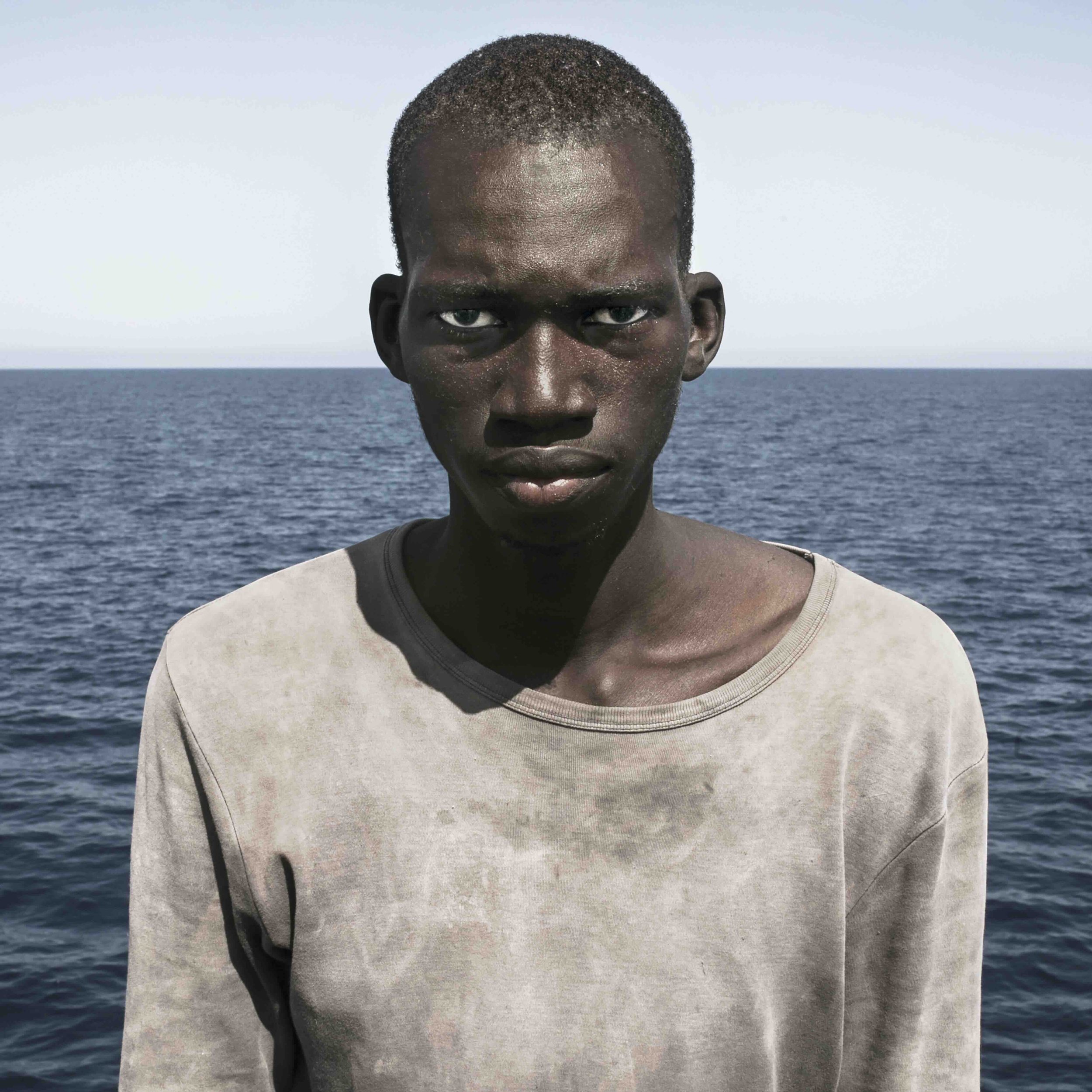
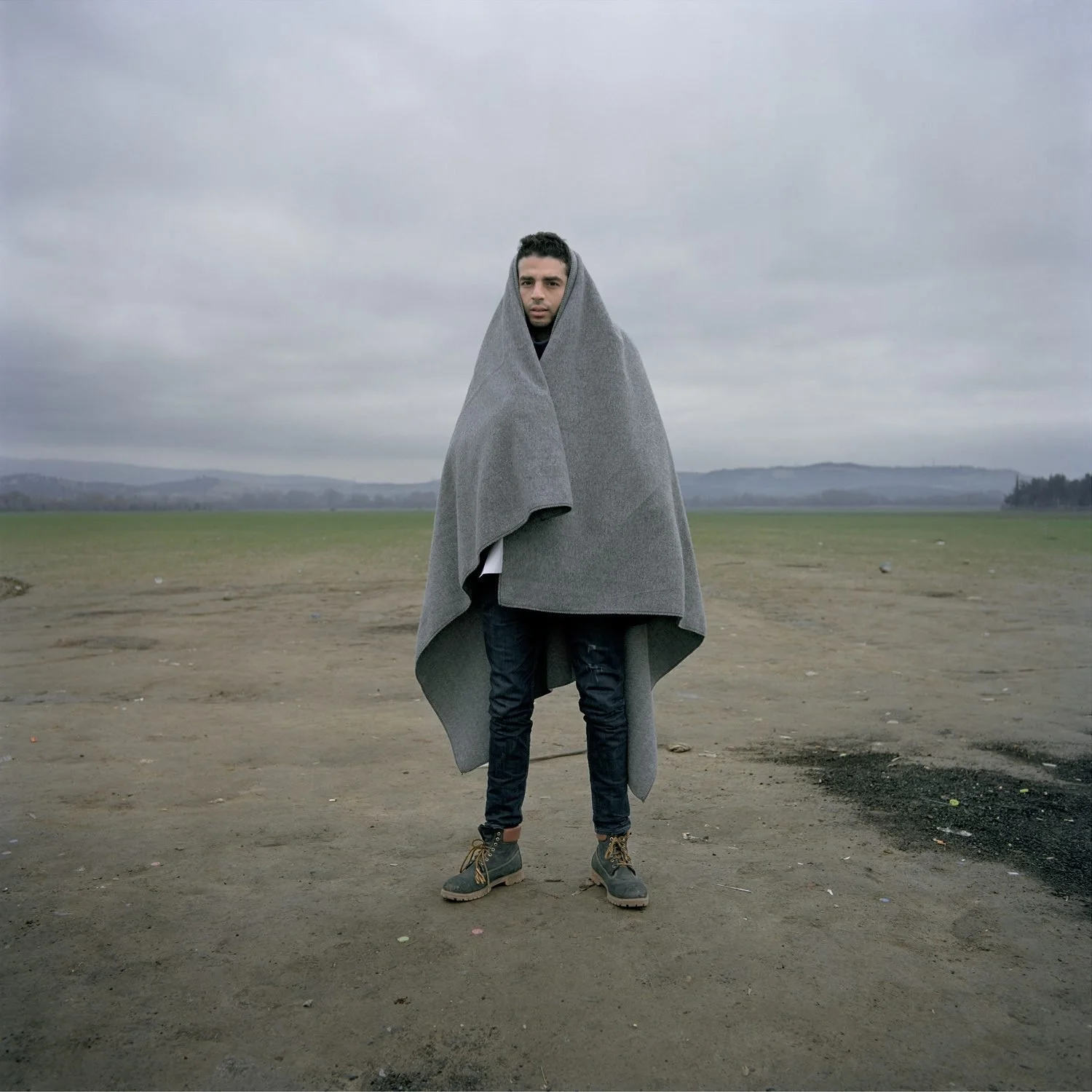
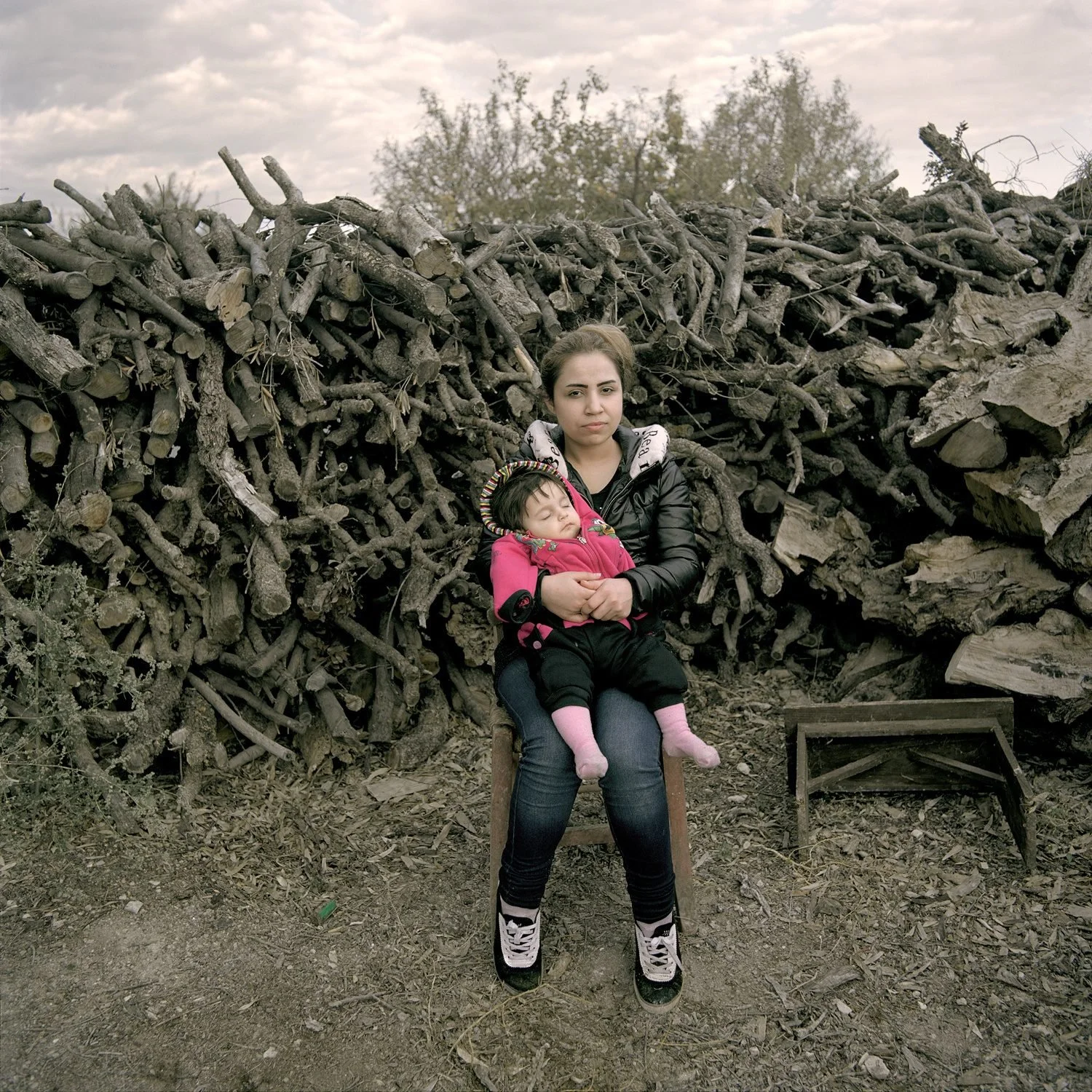
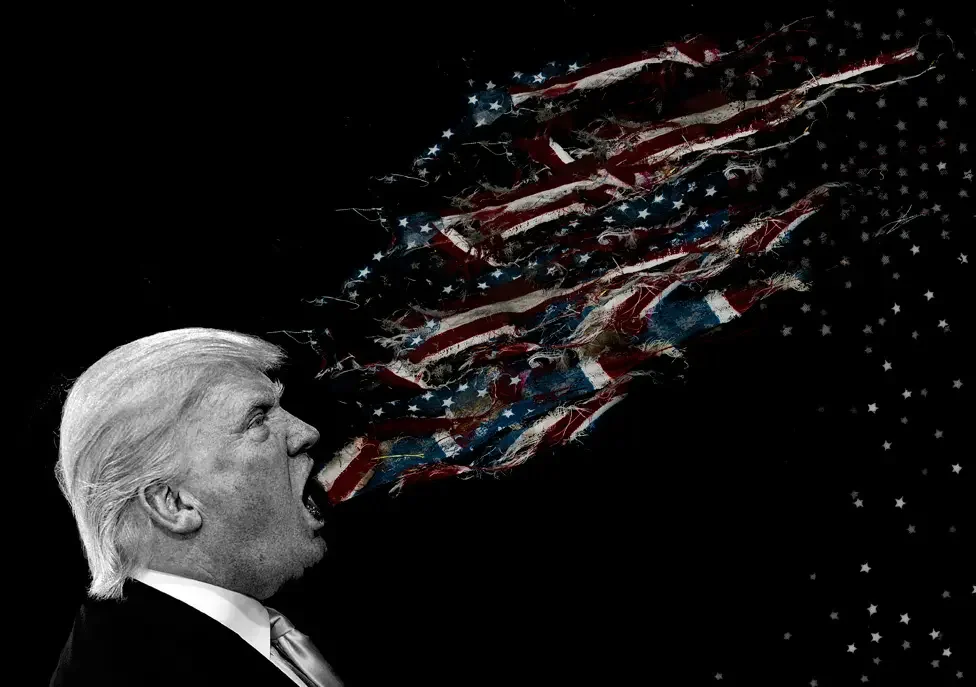
A special exhibition, Zeitgeist, captured through the perspectives of 18 artists from five continents how the news feeds at the time were dominated by Trumpism, Brexit, the climate emergency, the migrant and refugee crisis, border control, poverty and religious intolerance.
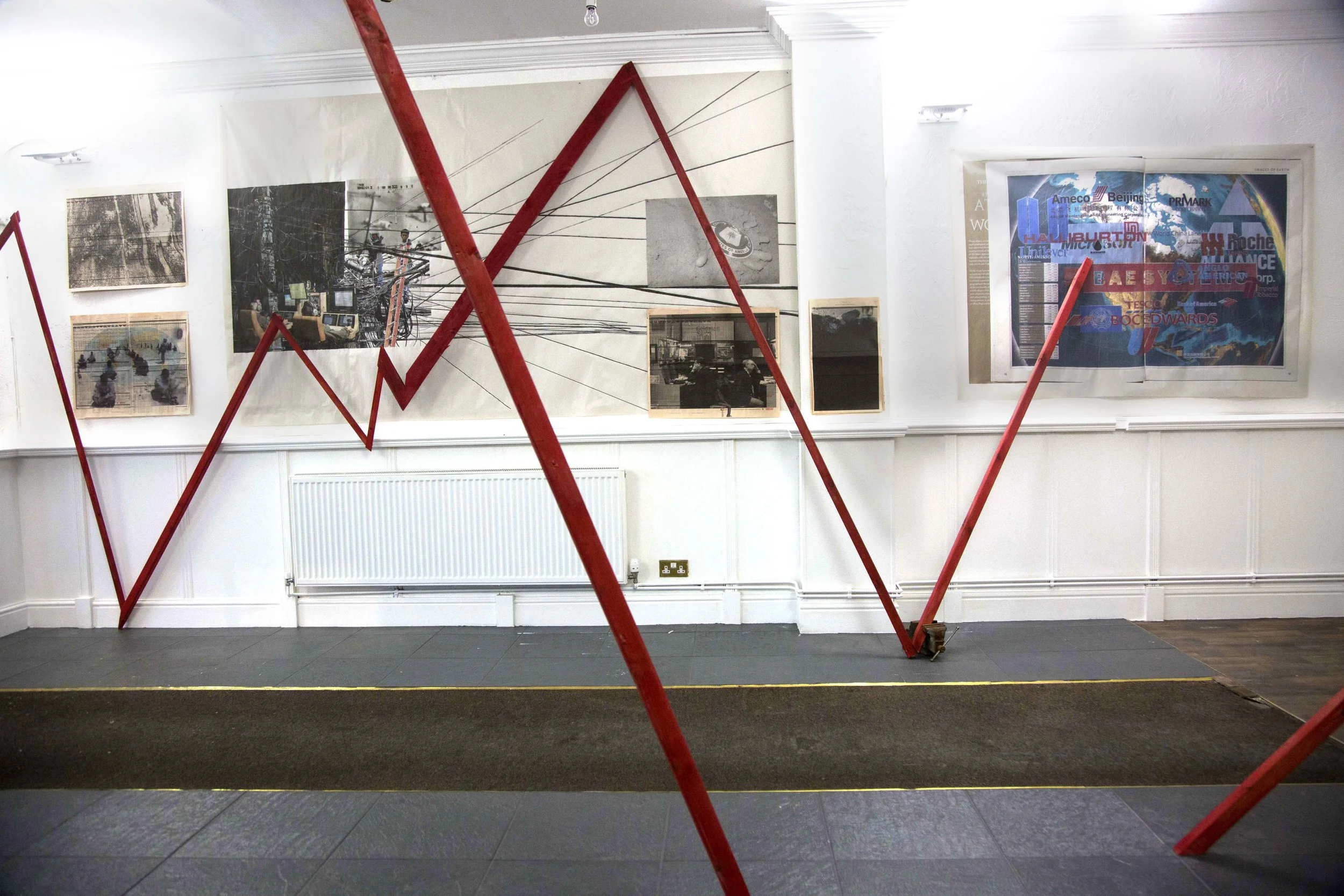
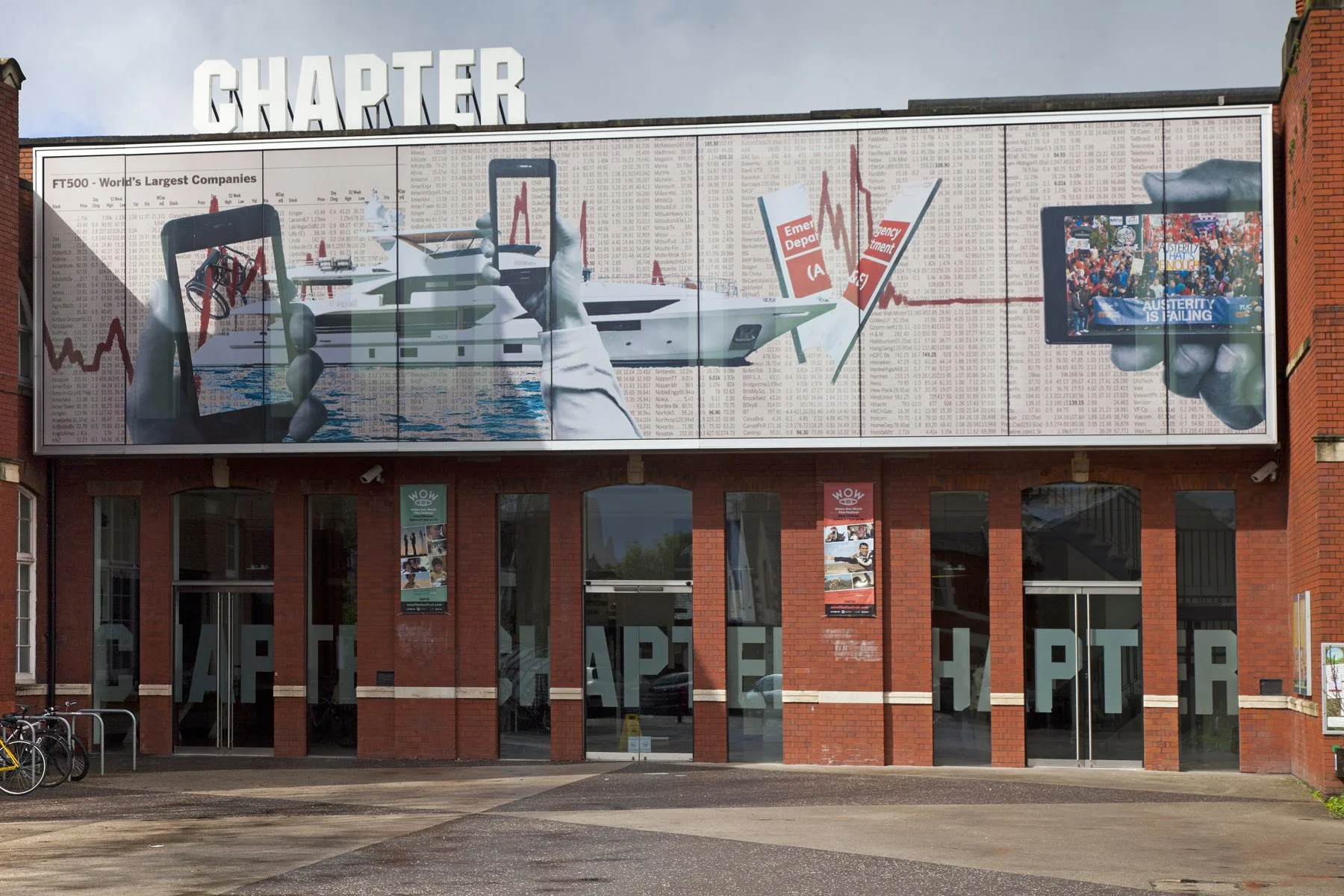
Highlights included State of the Nations, a special commission for Diffusion by Peter Kennard, Britain’s most important political artist, working in collaboration with artist Cat Phillipps. Resistance to the status quo is embedded in their deconstruction of news images and narratives built from everyday materials, photomontage and text. Kennardphillipps dig into the surface of words and images, remixing earlier work and creating new artwork addressing contemporary issues.
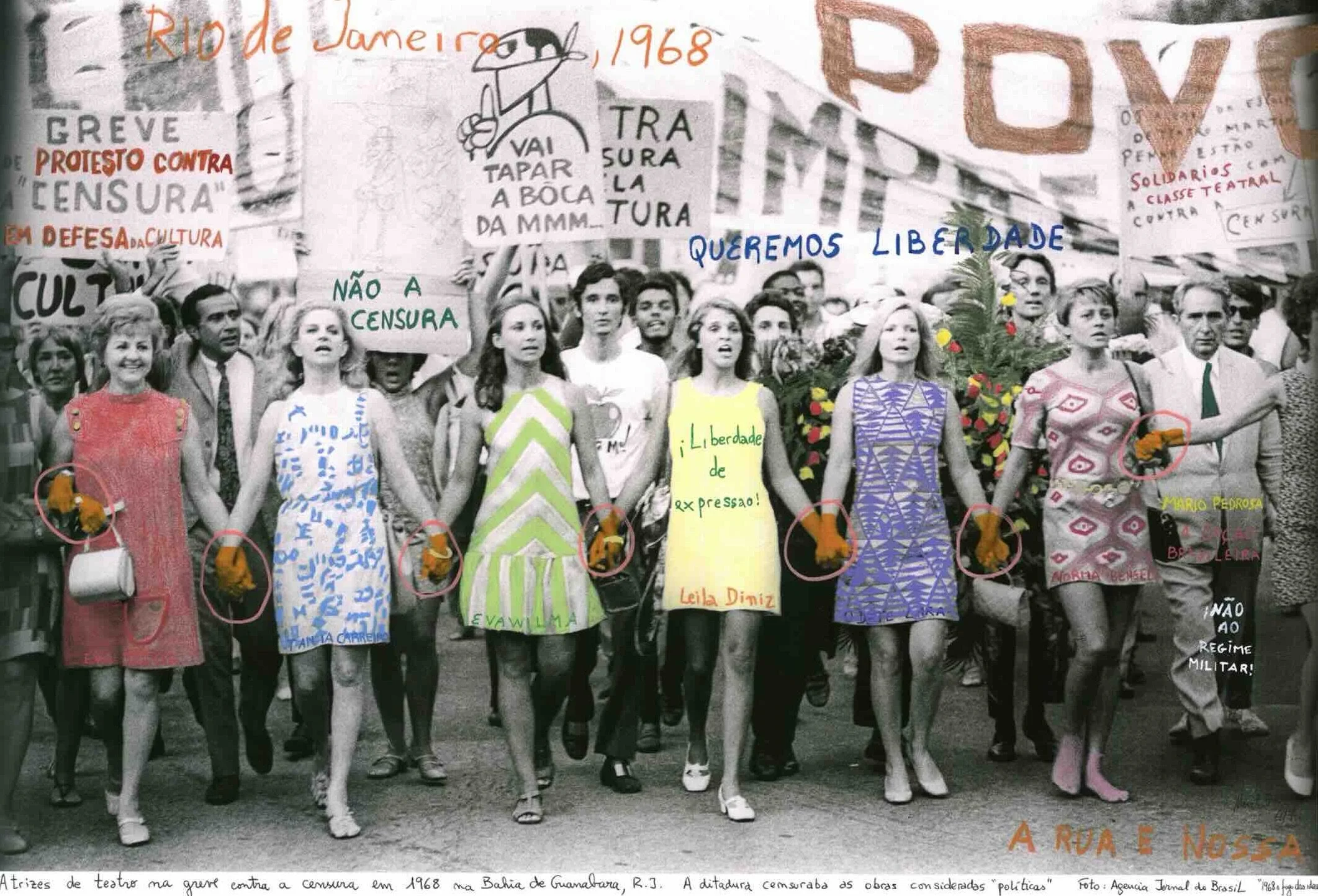
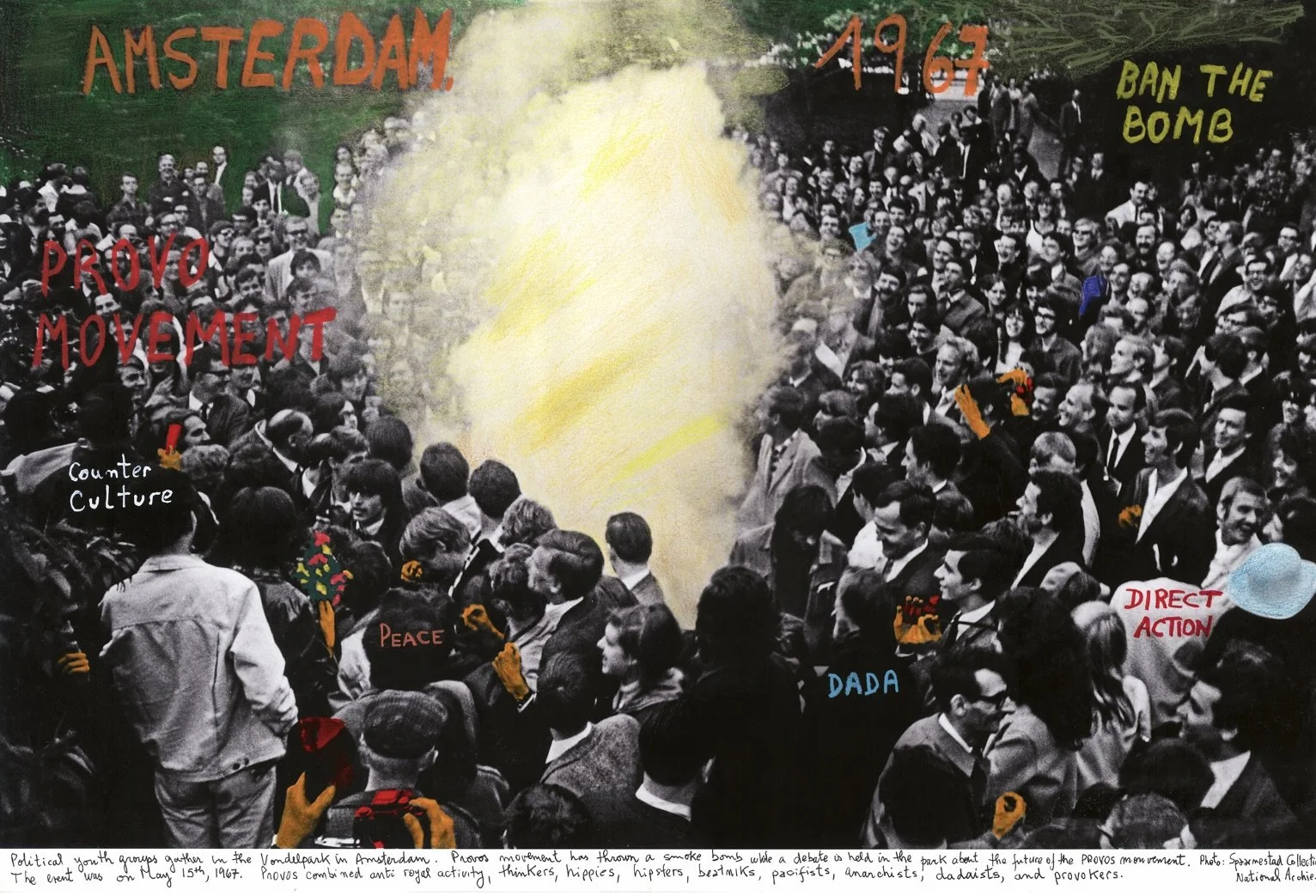
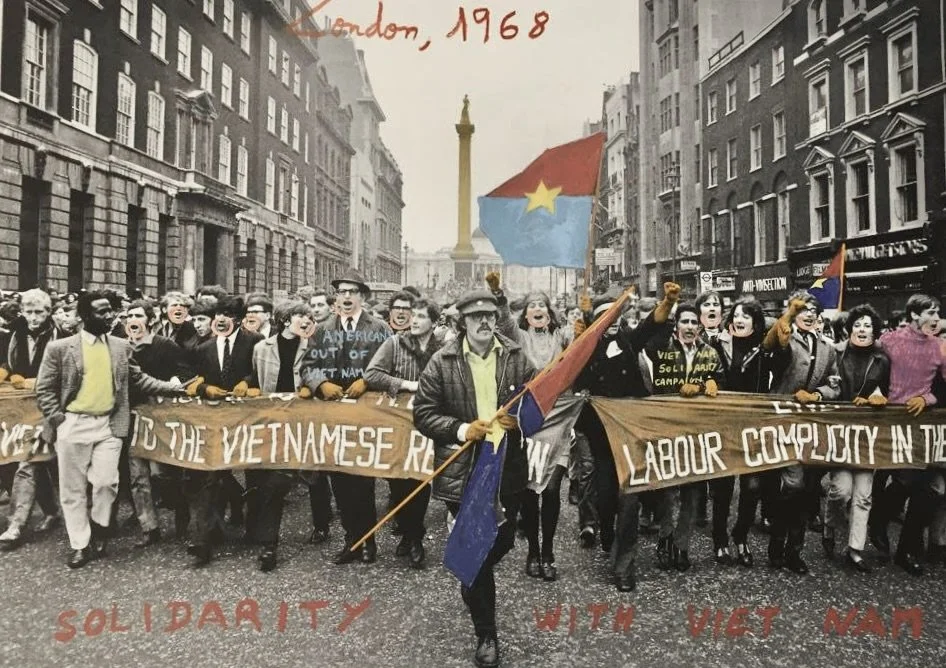
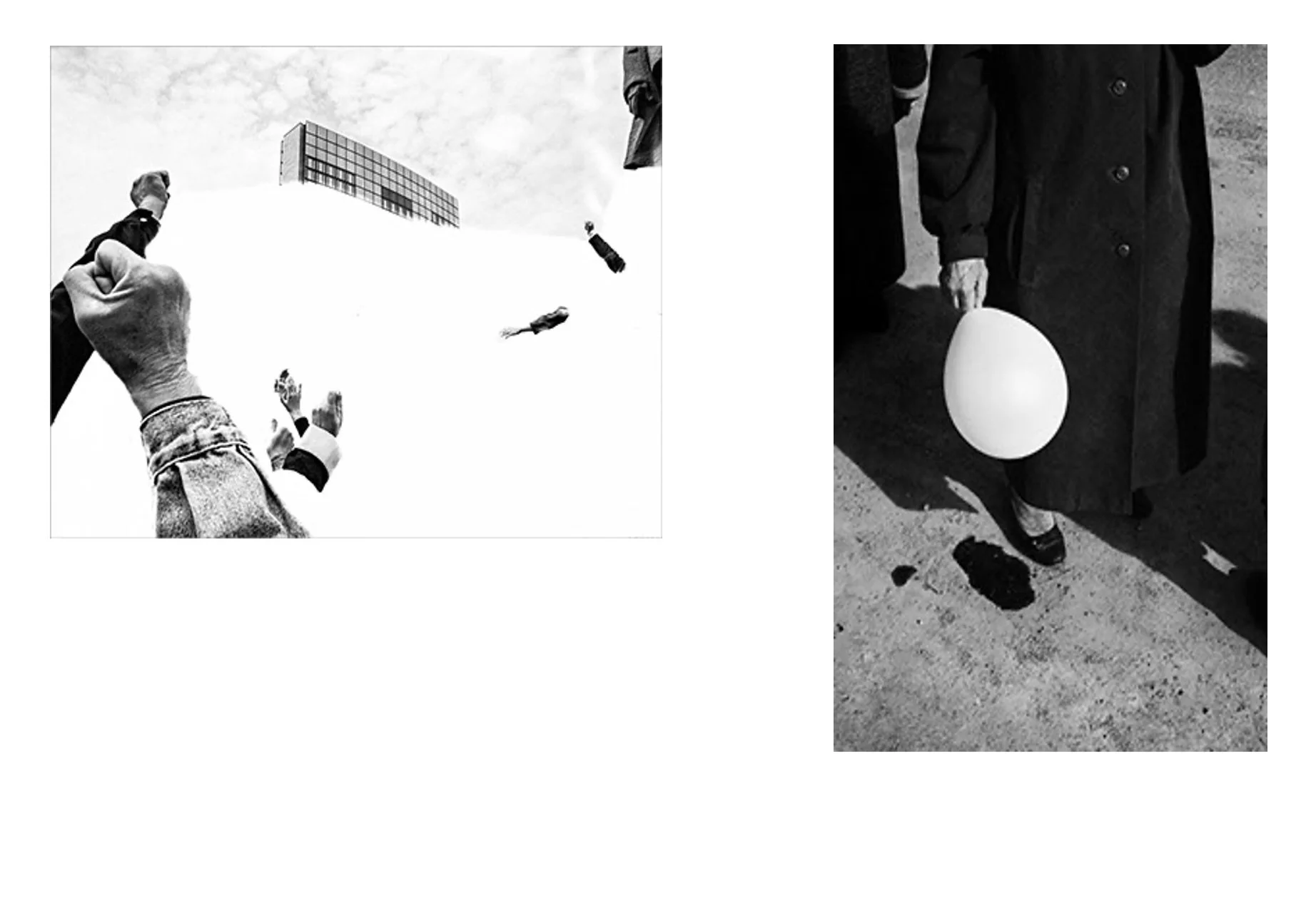
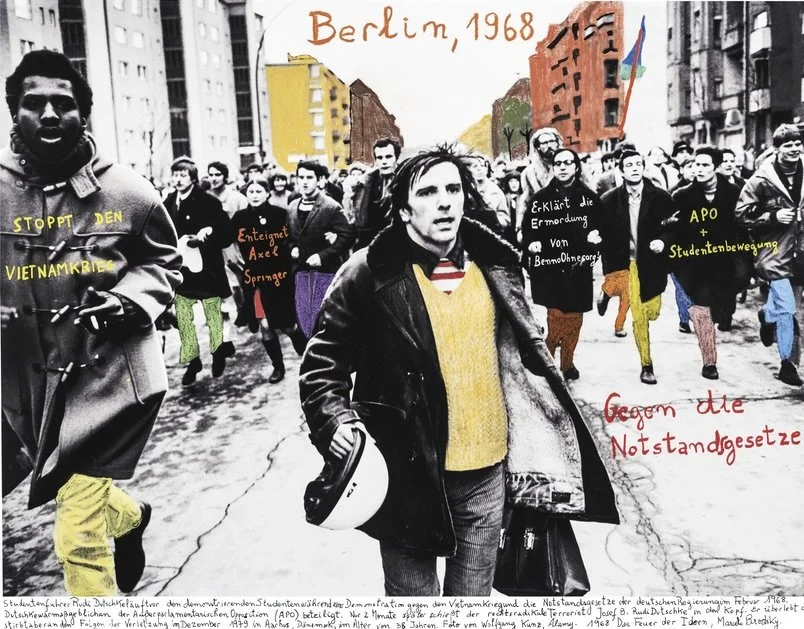
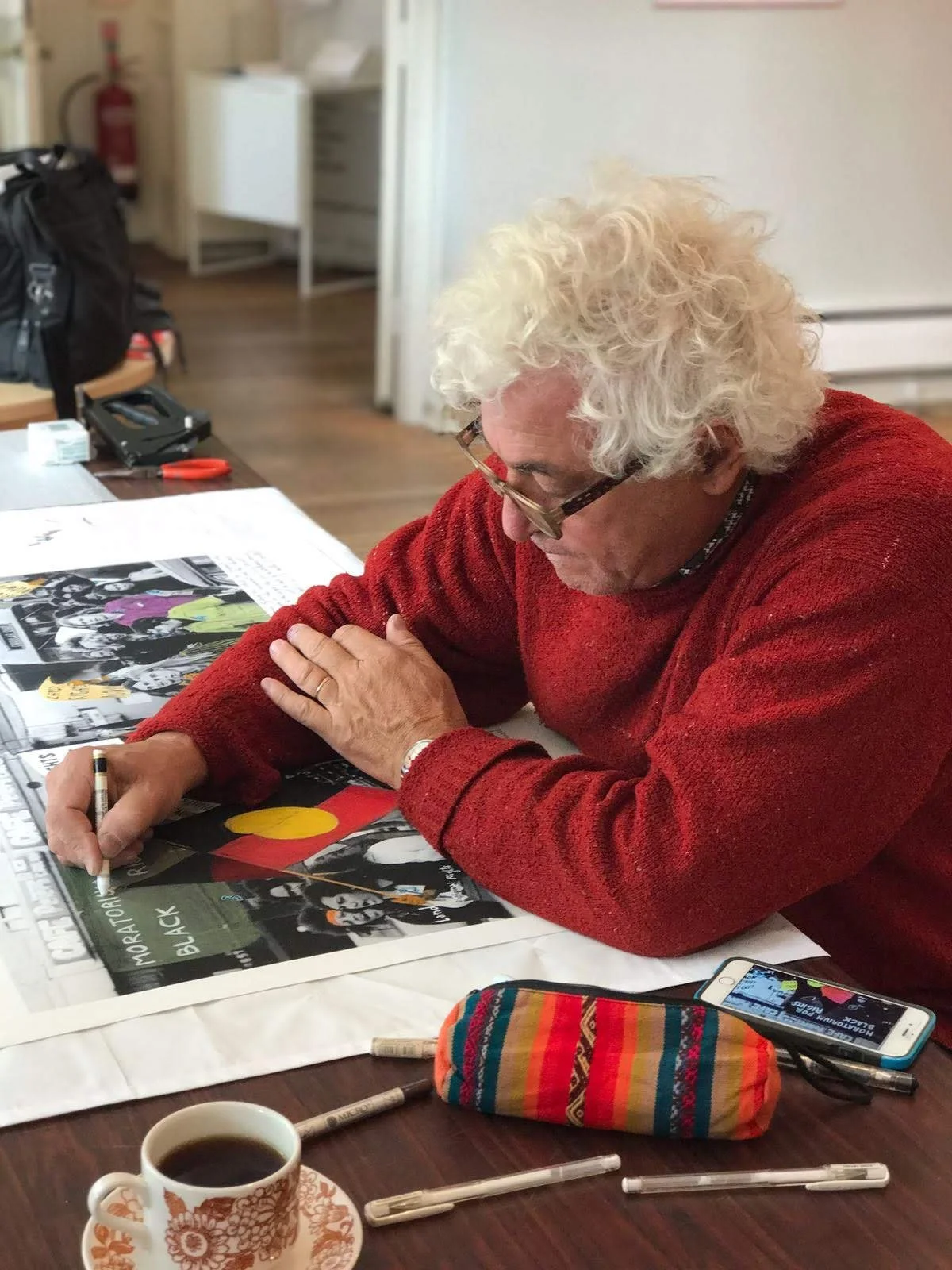
Diffusion also presented the work of Marcelo Brodsky, a leading Argentine artist and human rights activist. In the UK premiere of 1968 – the Fire of Ideas Brodsky features archival images of anti- Vietnam War, student and worker demonstrations around the world, carefully annotated by hand in order to deconstruct what lay behind worldwide social turbulence in the late 1960s.
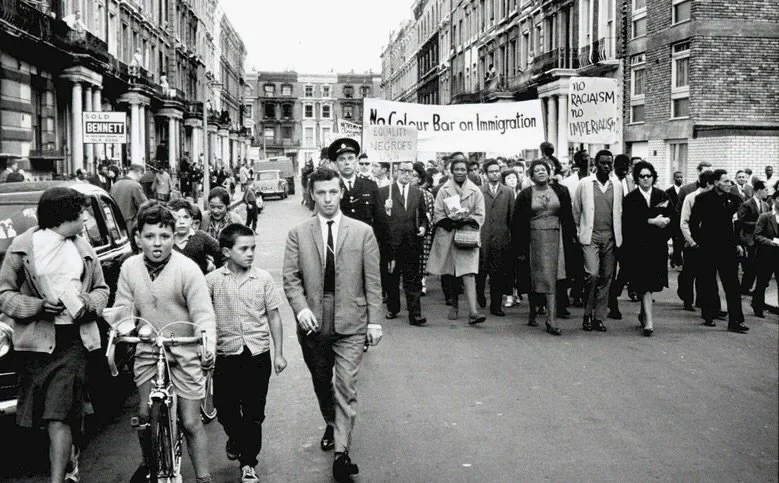
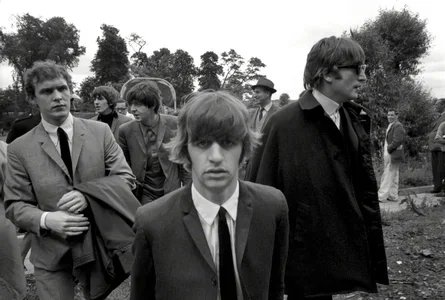
Taking Liberties by John ‘Hoppy’ Hopkins captures the vibrancy of the emerging counter-culture in 1960s Britain, expressed through music, protest and art. This exhibition brings together a selection of images never seen before from the photographers archive alongside others included in the very few public exhibitions of his work to date. Captured here is the historic poetry convention at The Albert Hall in 1965, Malcolm X and Martin Luther King’s first visits to London, Committee of 100 and CND marches, and early anti-racist and pro-Civil Rights demonstrations illustrating the power of popular protest.
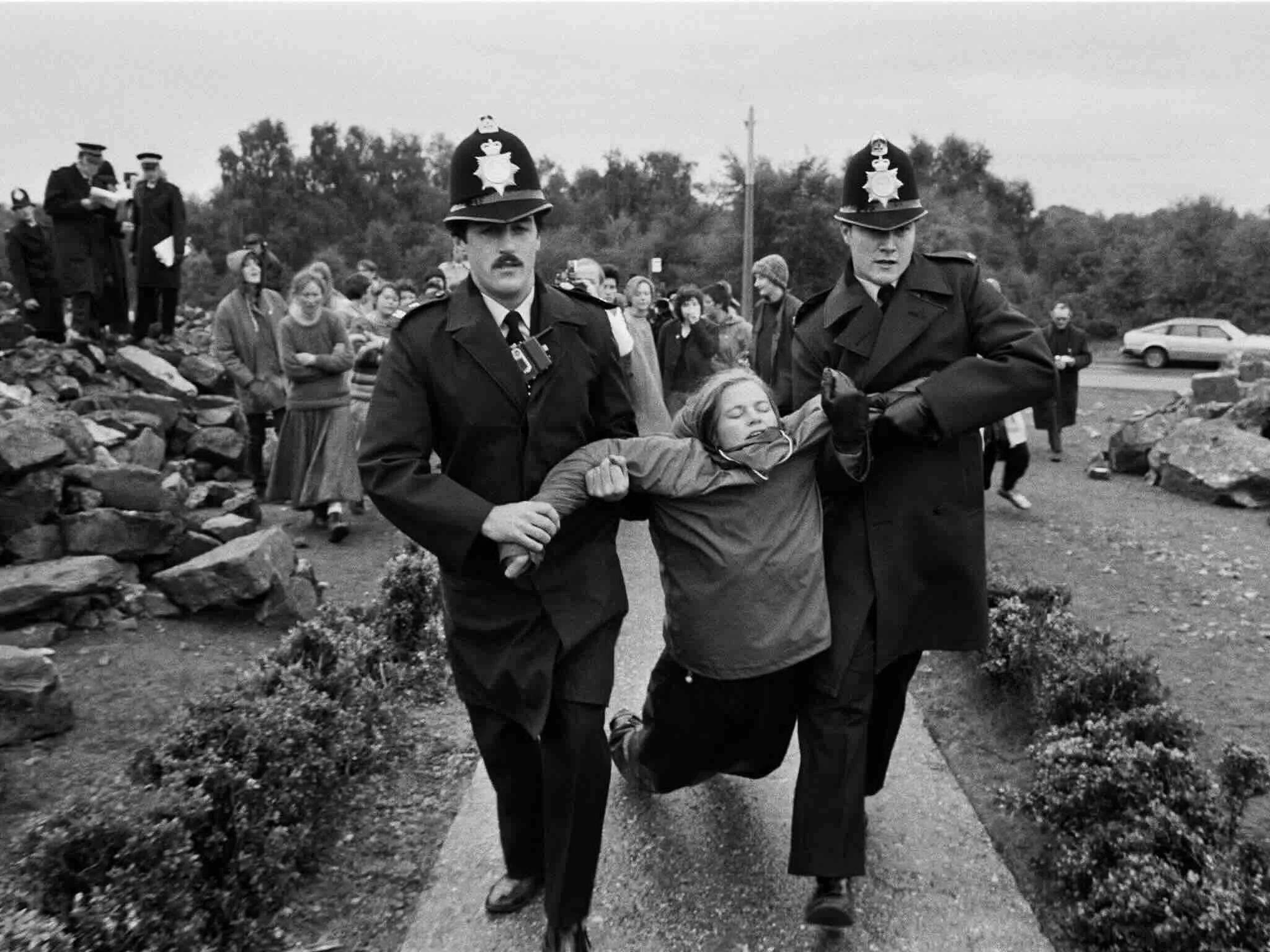
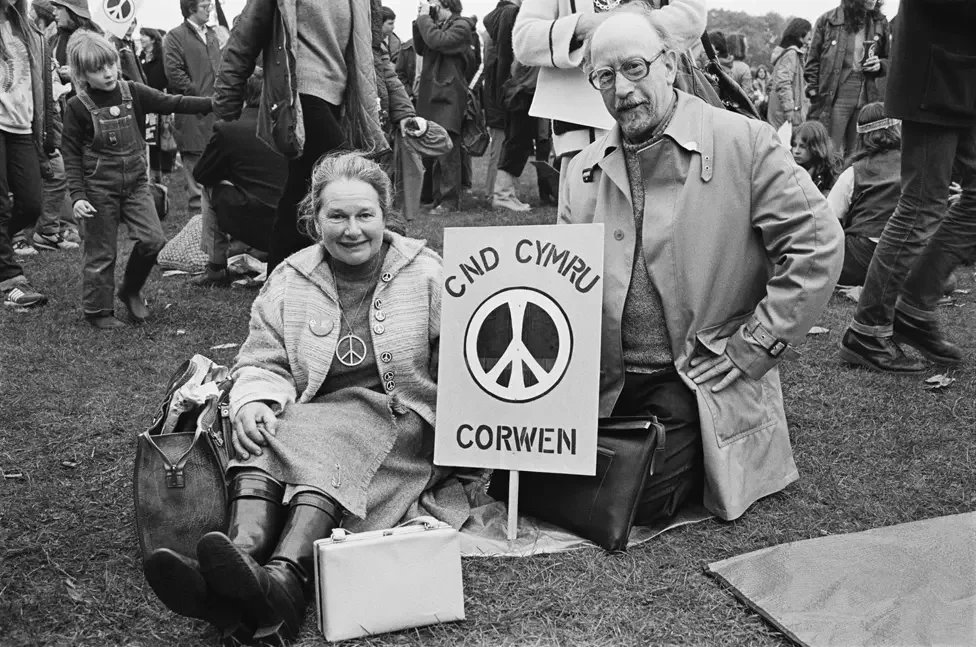
We were also delighted to be showing Edward Barber’s Peace Signs chronicling the Peace Movement between 1980 and 1984, including his iconic images of the Greenham Common peace camps and protests. Photographs of hand-made signs, badges, make-up and costumes reflect activists’ creativity and humour while illustrating the role of performance, theatre, folk art and fashion in popular protest.
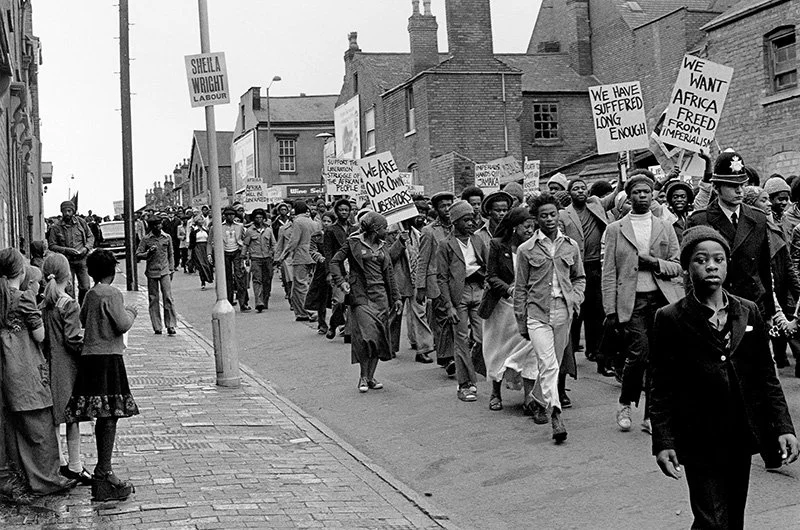
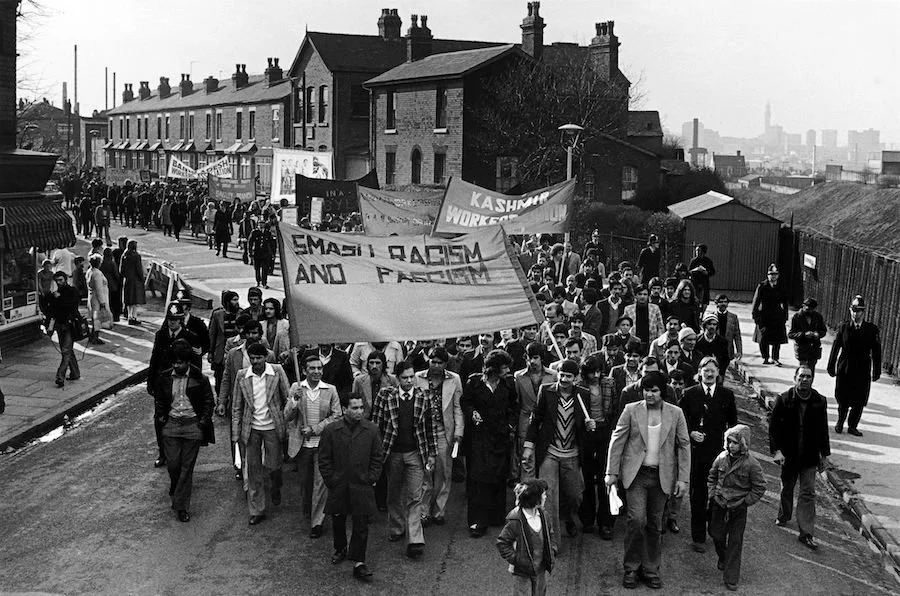
Vanley Burke’s iconic pictures of Black communities in Birmingham and various pressure points and uprisings were shown alongside his portraits of Nelson Mandela and other activists in South Africa at the time of Mandela’s release and the emergence of a post-apartheid nation.
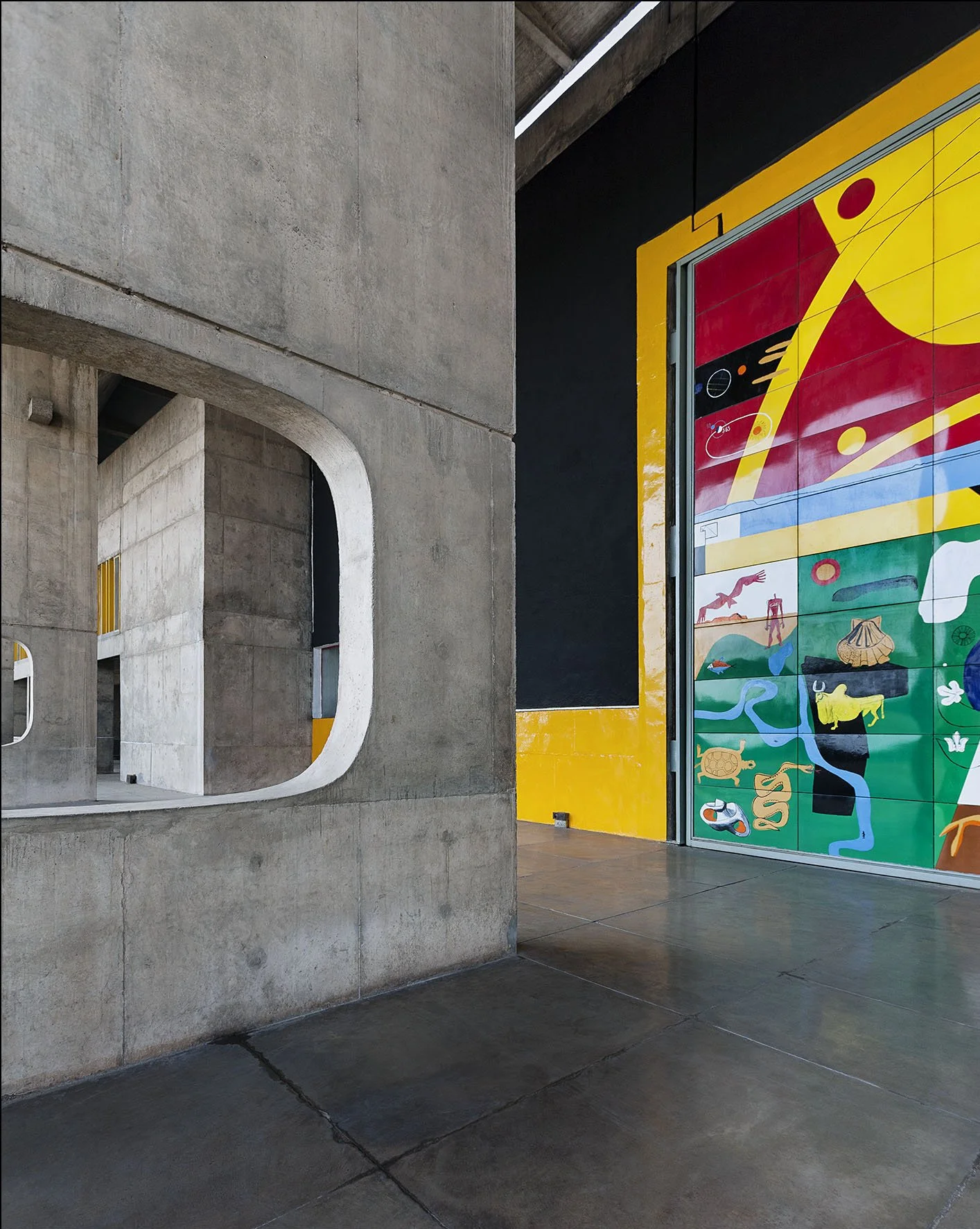
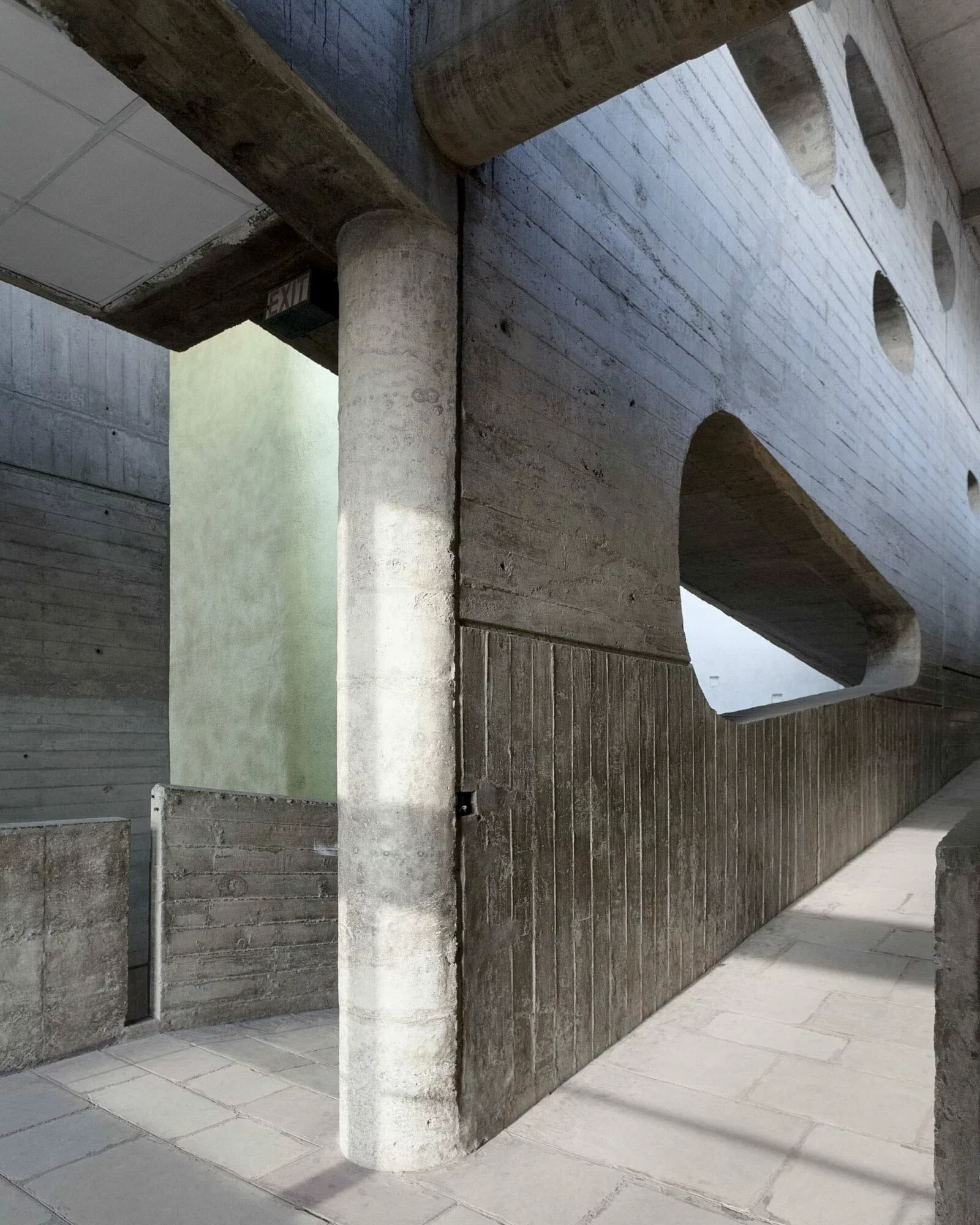
Photography’s role in recording utopian architecture and design and its legacy can be seen in images of the Indian city of Chandigarh by French photographer Manuel Bougot. With the whole design and construction of the city being true to Le Corbusier’s radical modernist vision, Chandigarh is regarded as one of the most progressive cities of the world in terms of architecture, cultural growth and modernisation.
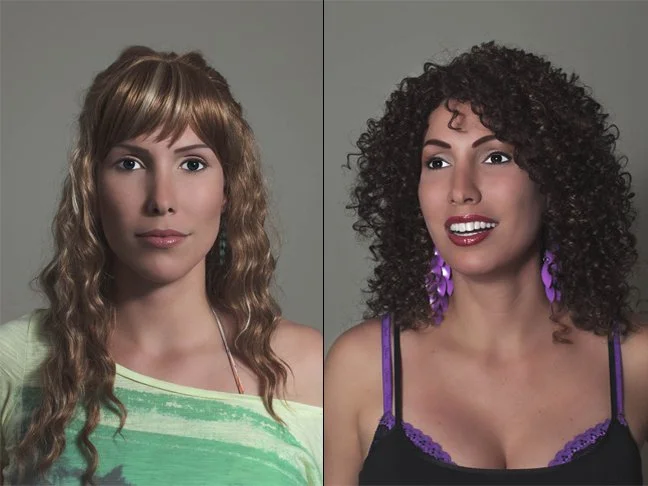
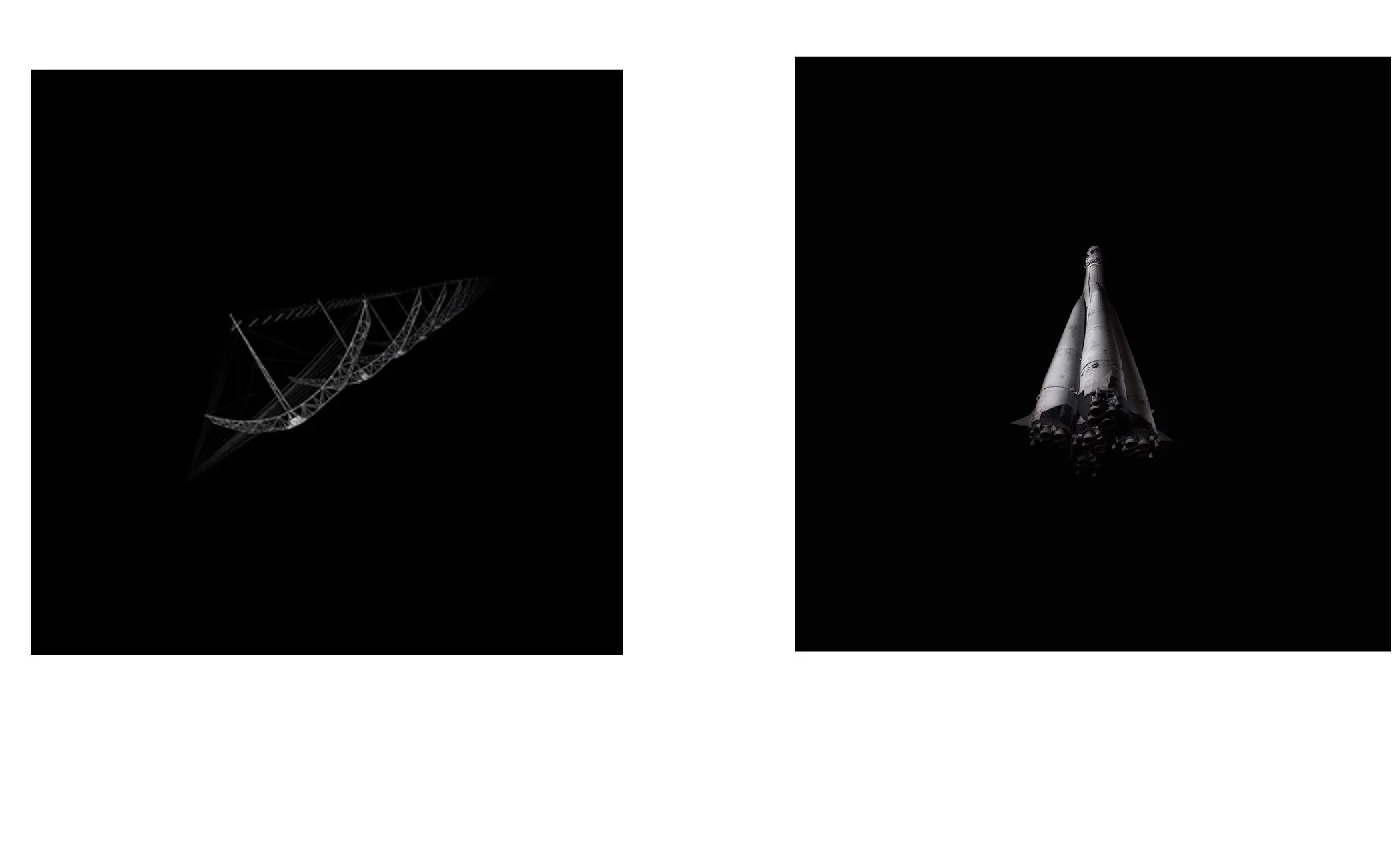
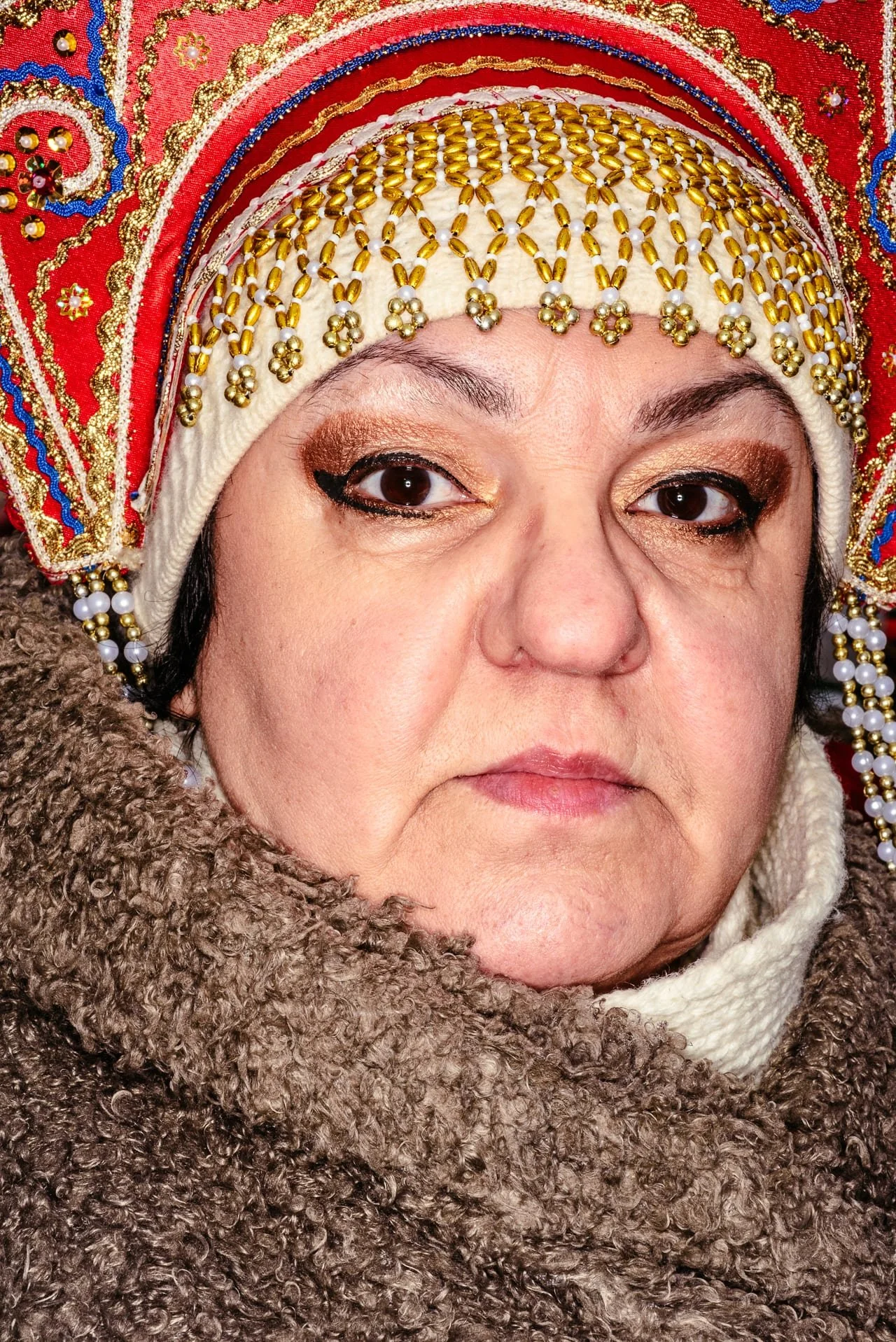
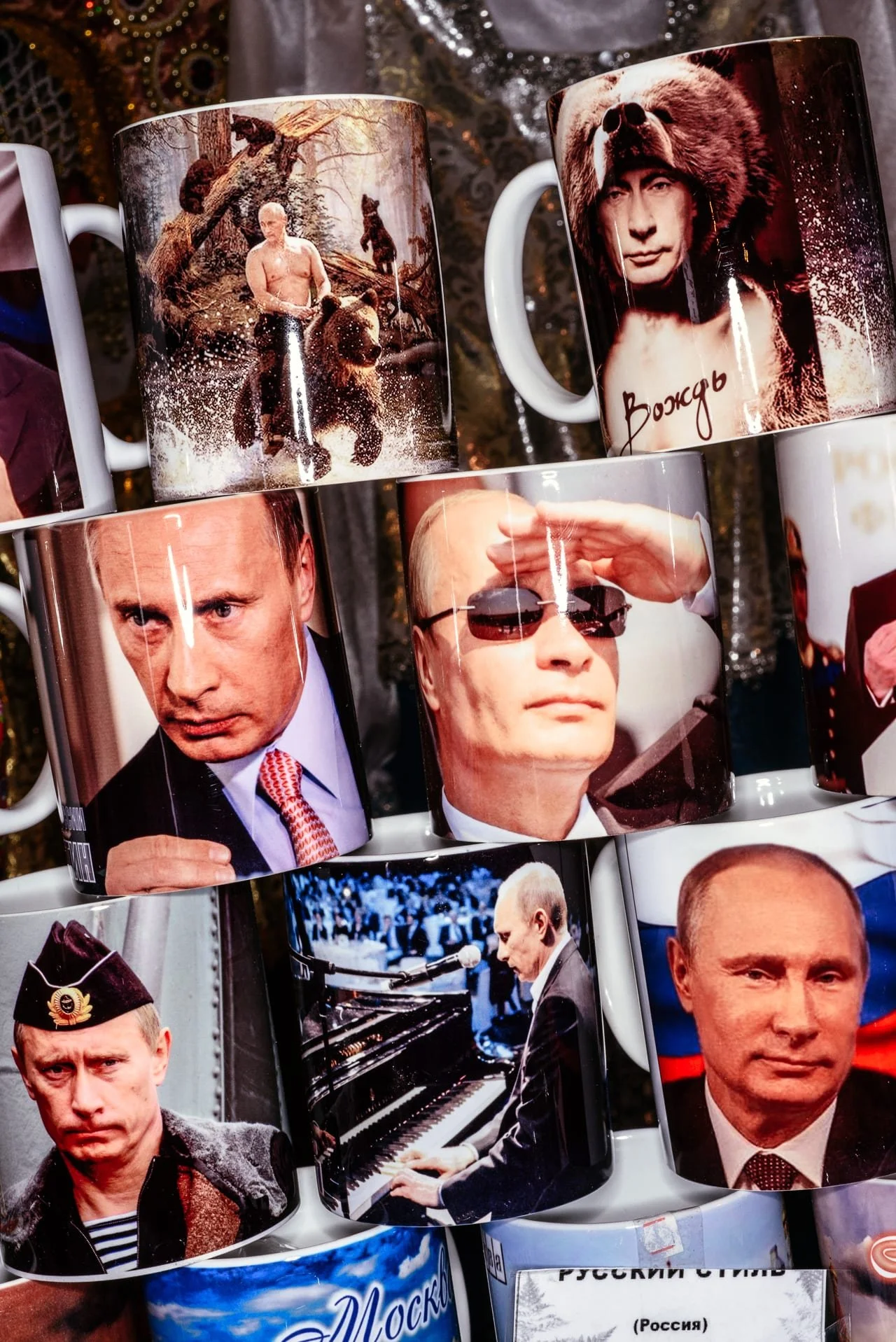
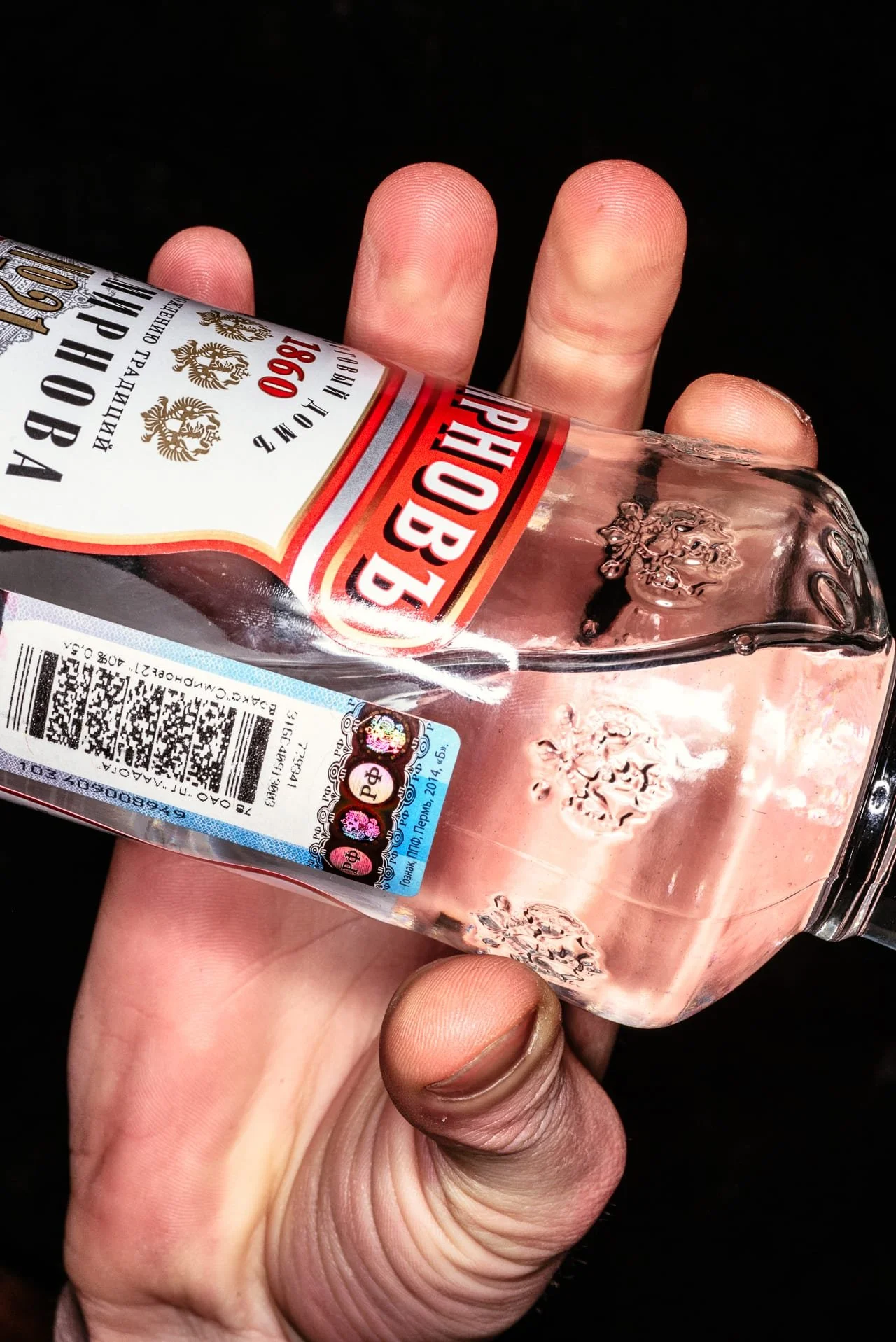
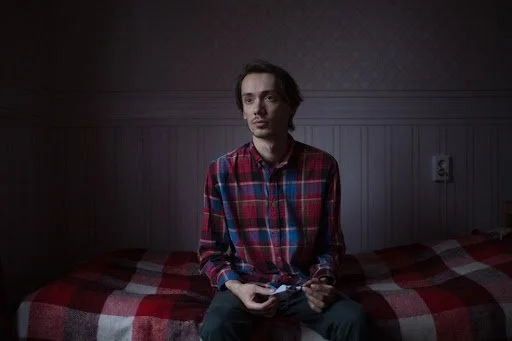
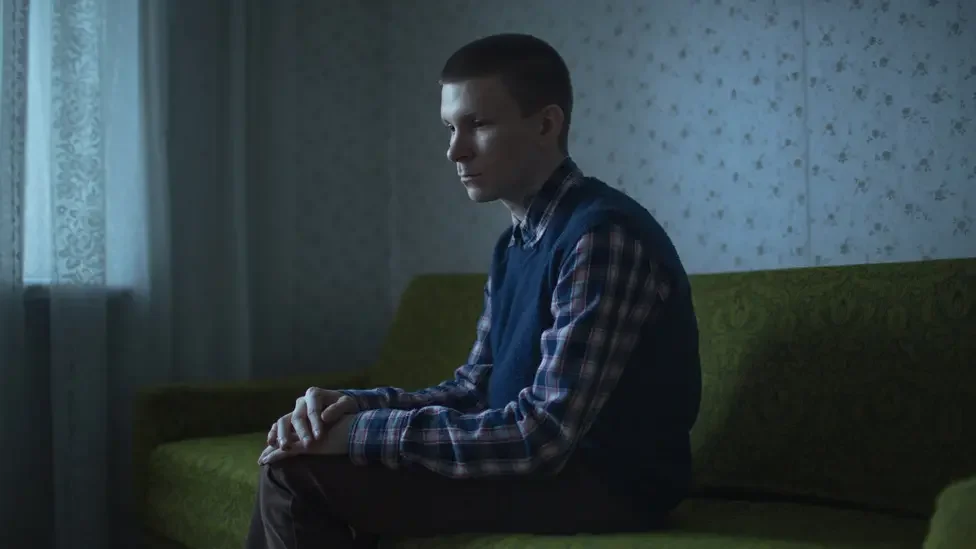
Coinciding with the 100th anniversary of the Russian Revolution, Diffusion 2017 also featured a number of younger Russian artists, including Danila Tkachenko, whose project Lost Horizon focuses on the futurist pursuit of space travel by the Soviet Cosmonauts. Tatiana Vinogradova’s Days of Melancholy focuses on the life of gay people in Russia. Her intimate portraits suggest loneliness and uncertainty in a country where the level of intolerance toward homosexuality has been rising sharply.
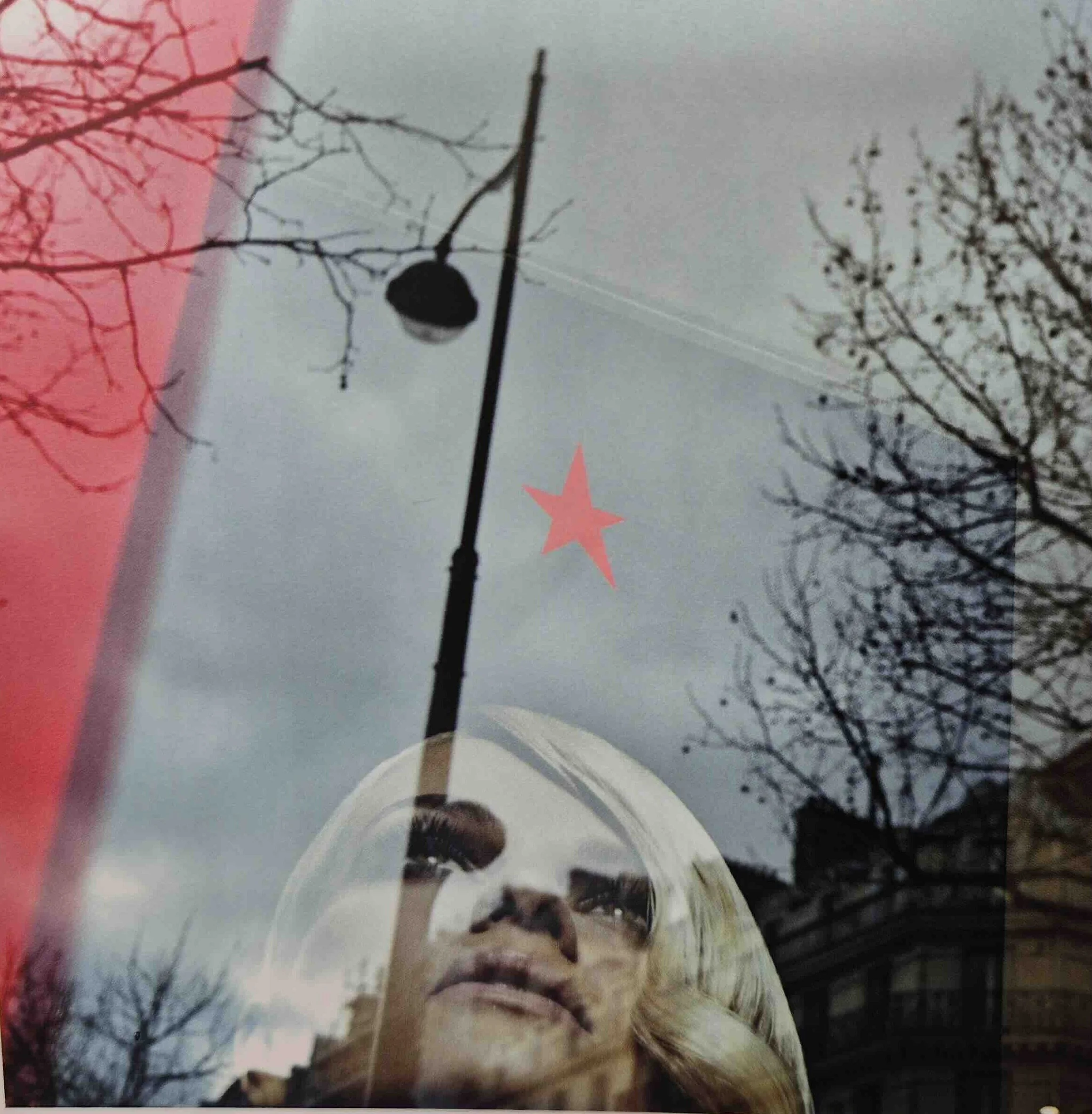
In The Icon/The Star Slovenian artist Bojan Radovič has created a series of photographic works that examine how the five-pointed star, a revolutionary symbol, has been appropriated and re-used. We see images of stars on t-shirts, beer bottles and music posters showing how the star has been progressively divested of its historical and revolutionary power.