Ken Griffiths: Patagonia
The idea of a Welsh colony in South America was originally proposed in the 1860s by Professor Michael D. Jones, a Welsh nationalist non-conformist preacher based in Bala who had called for a new "little Wales beyond Wales". He spent some years in the United States, where he observed that Welsh immigrants assimilated very quickly compared with other peoples and often lost much of their Welsh identity. He proposed setting up a Welsh-speaking colony away from the influence of the English language. He recruited settlers and provided financing; Australia, New Zealand and even Palestine were considered, but Patagonia was chosen for its isolation and the Argentines' offer of 100 square miles of land along the Chubut River in exchange for settling the still-unconquered land of Patagonia for Argentina.
Towards the end of 1862, Captain Love Jones-Parry and Lewis Jones left for Patagonia to decide whether it was a suitable area for Welsh emigrants. On their return to Wales they declared the area to be very suitable for colonisation.
The permanent European settlement of the Chubut Valley and surrounding areas began on 28 July 1865 when 153 Welsh settlers arrived aboard the converted tea-clipper Mimosa. The Mimosa had cost £2,500 to hire for the voyage and convert to passenger use, and the fare from Liverpool to Patagonia was £12 for adults and £6 for children, although anyone willing to travel was taken on the journey regardless of ability to pay. The Mimosa settlers, including tailors, cobblers, carpenters, brickmakers, and miners, comprised 56 married adults, 33 single or widowed men, 12 single women (usually sisters or servants of married immigrants), and 52 children; the majority (92) were from the South Wales Coalfield and English urban centres.
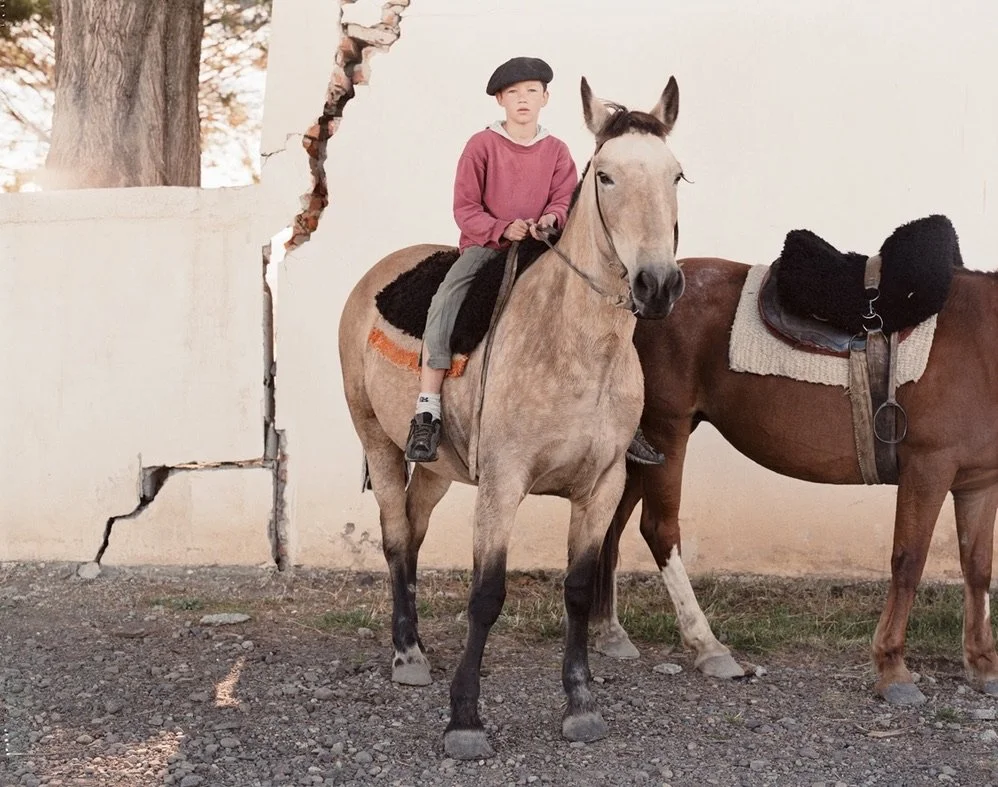
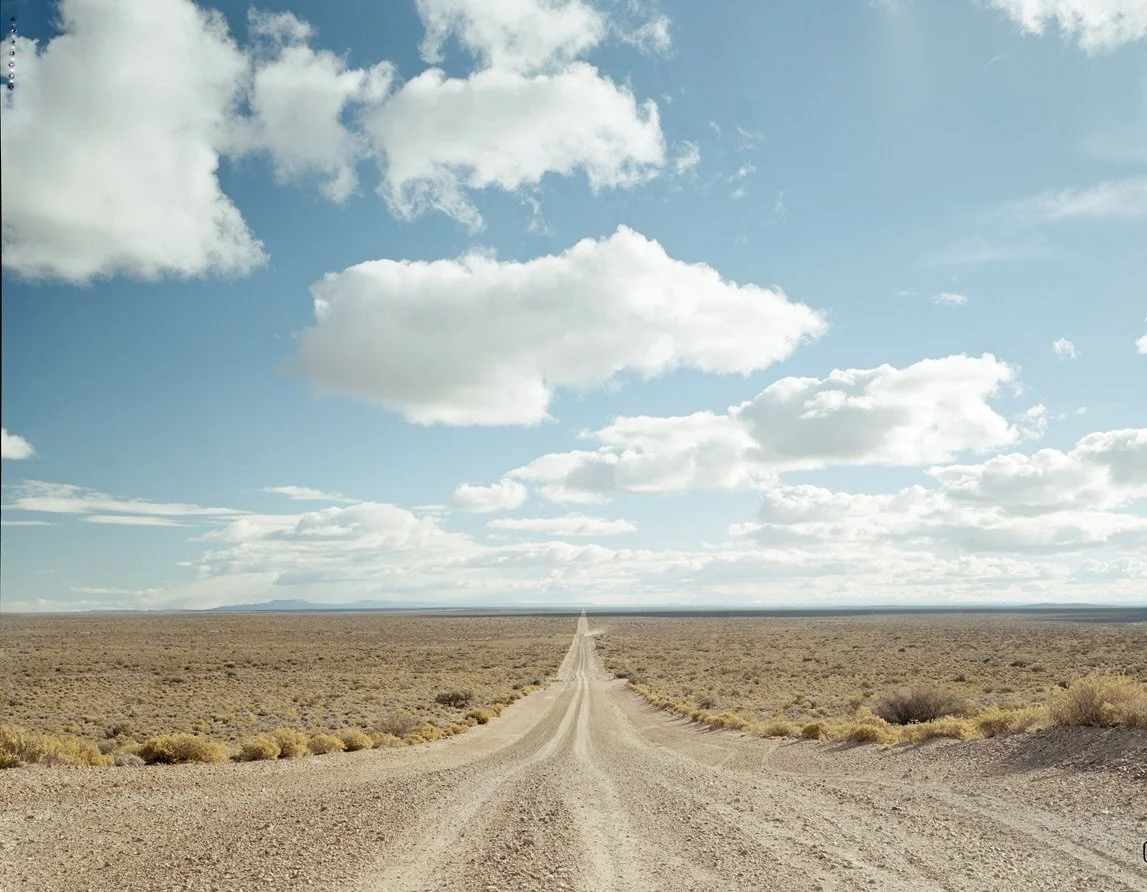
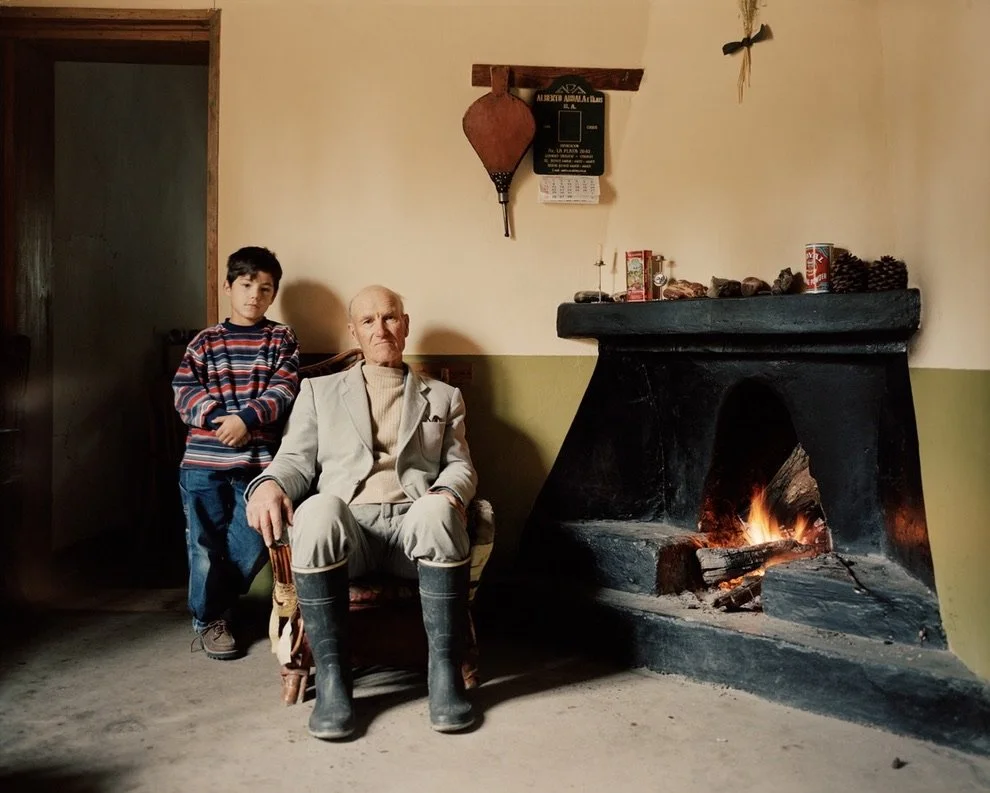
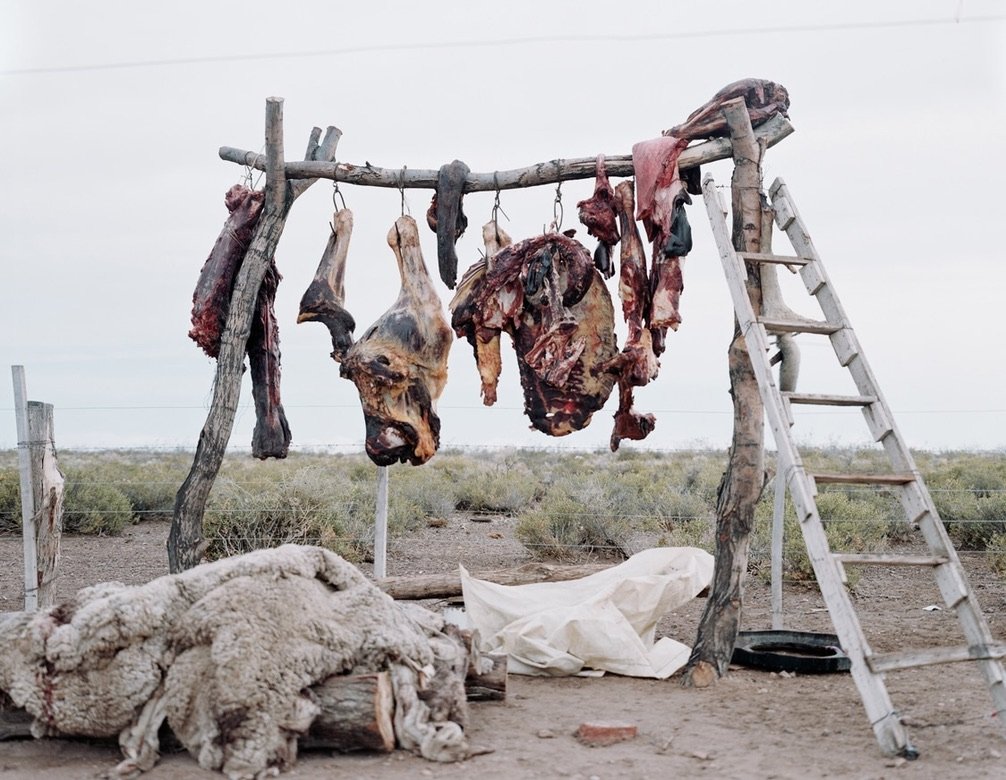
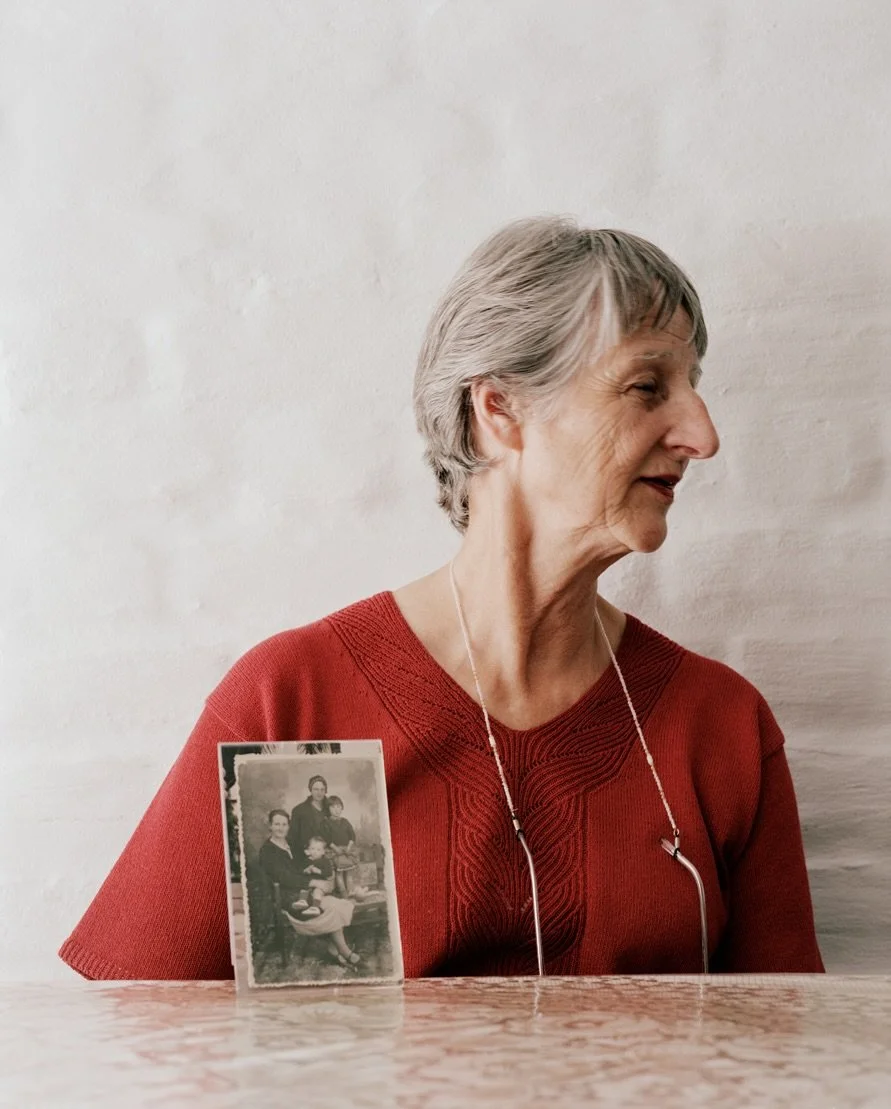
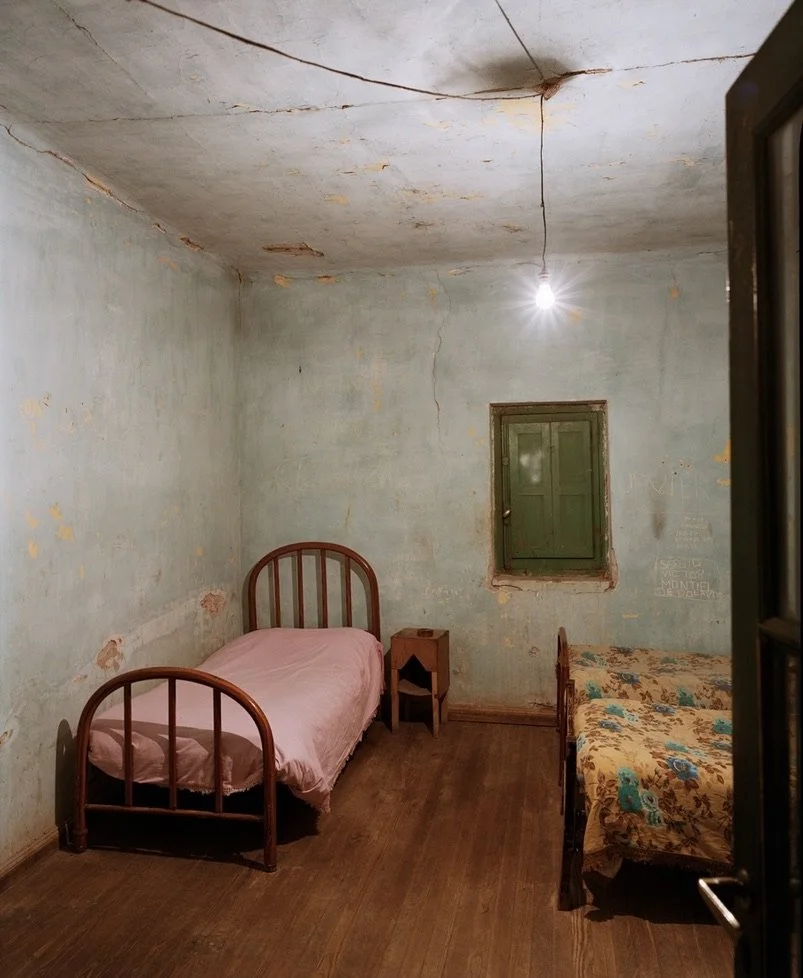
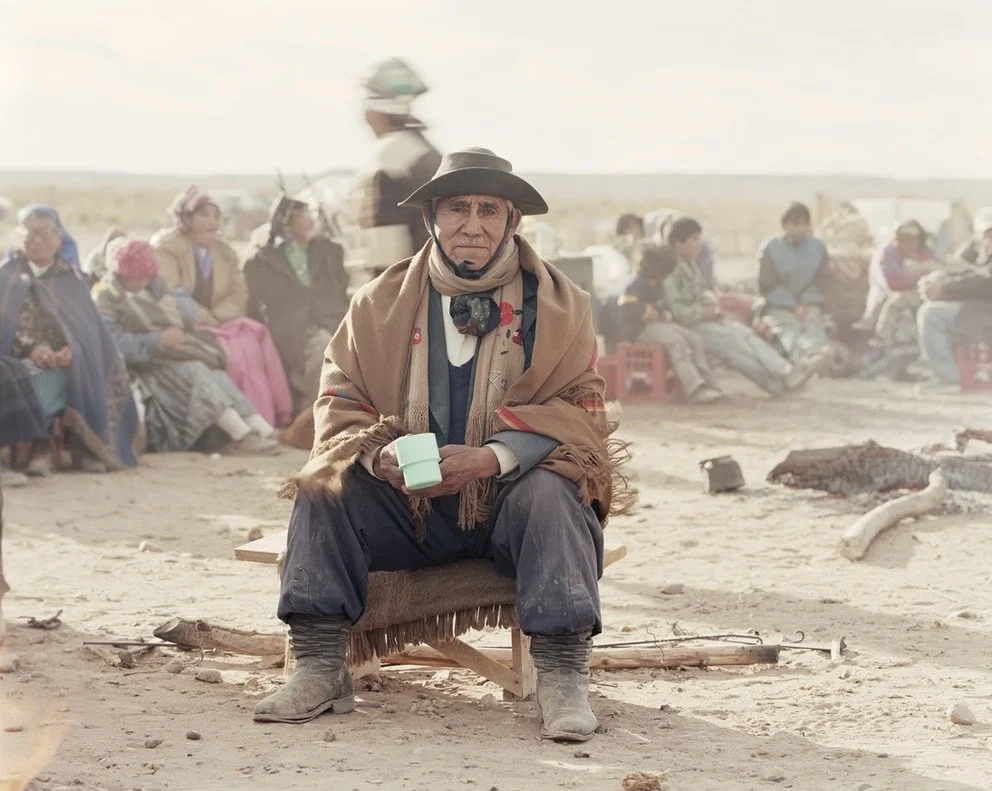
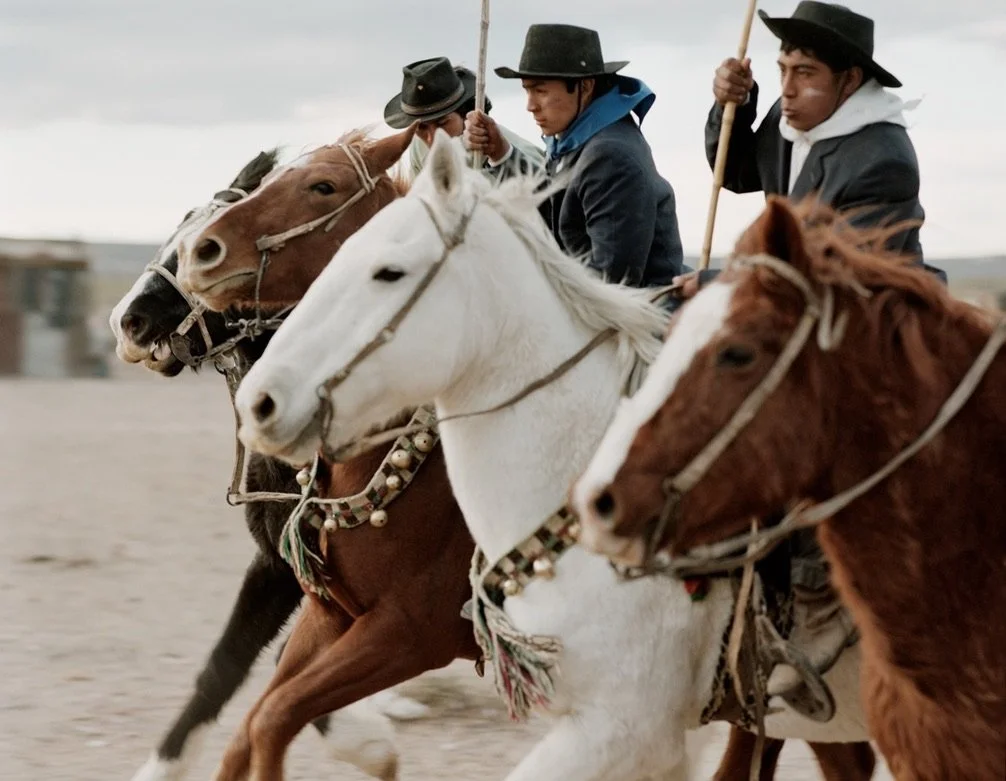
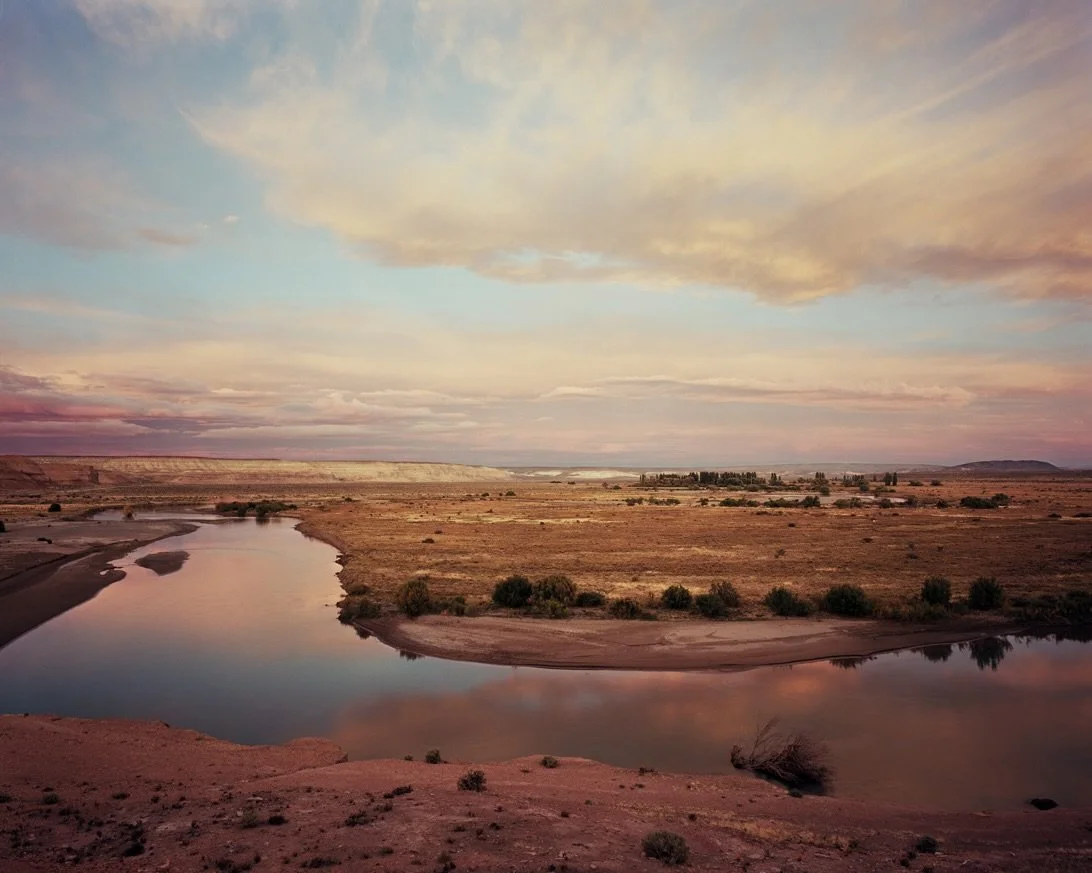
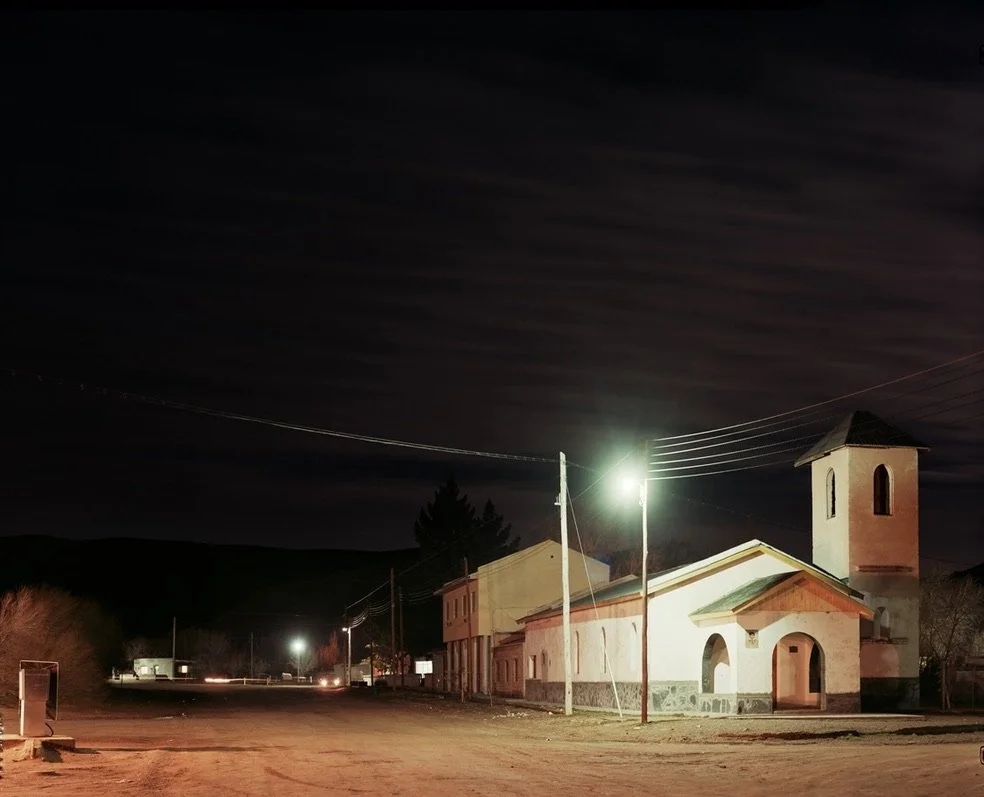
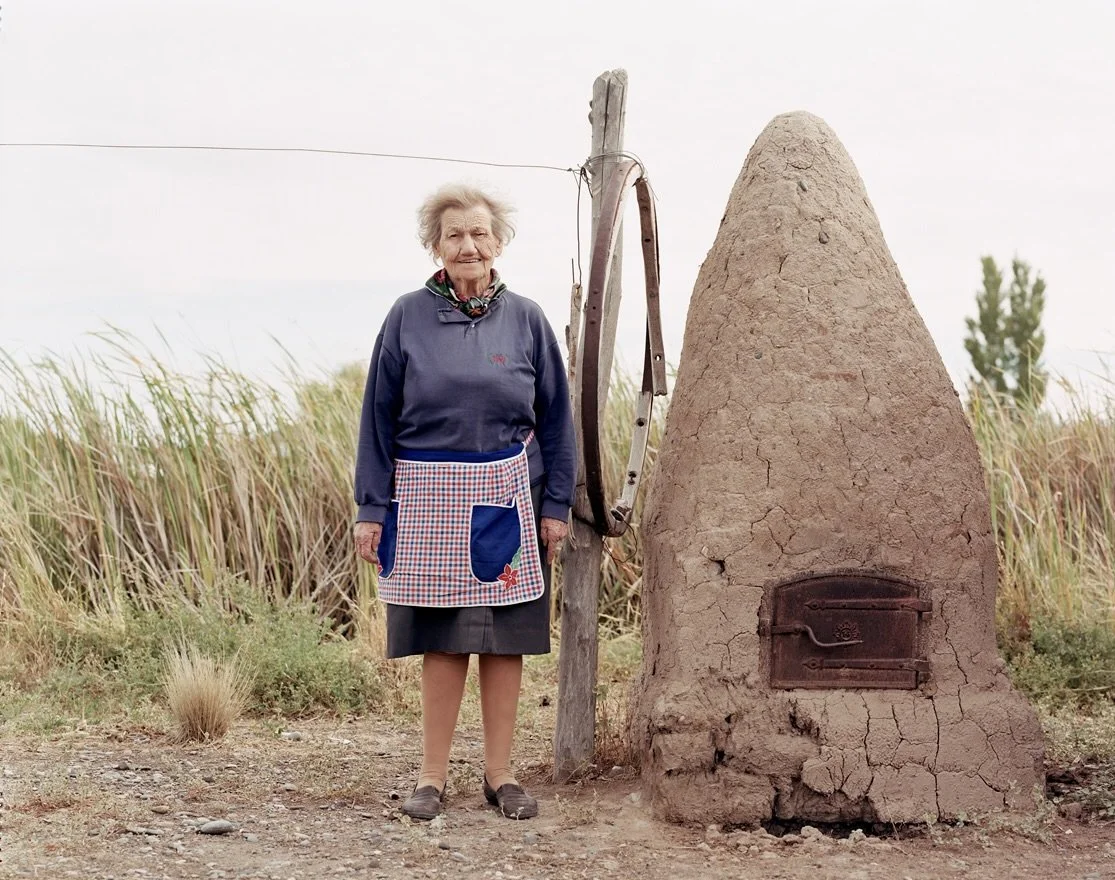
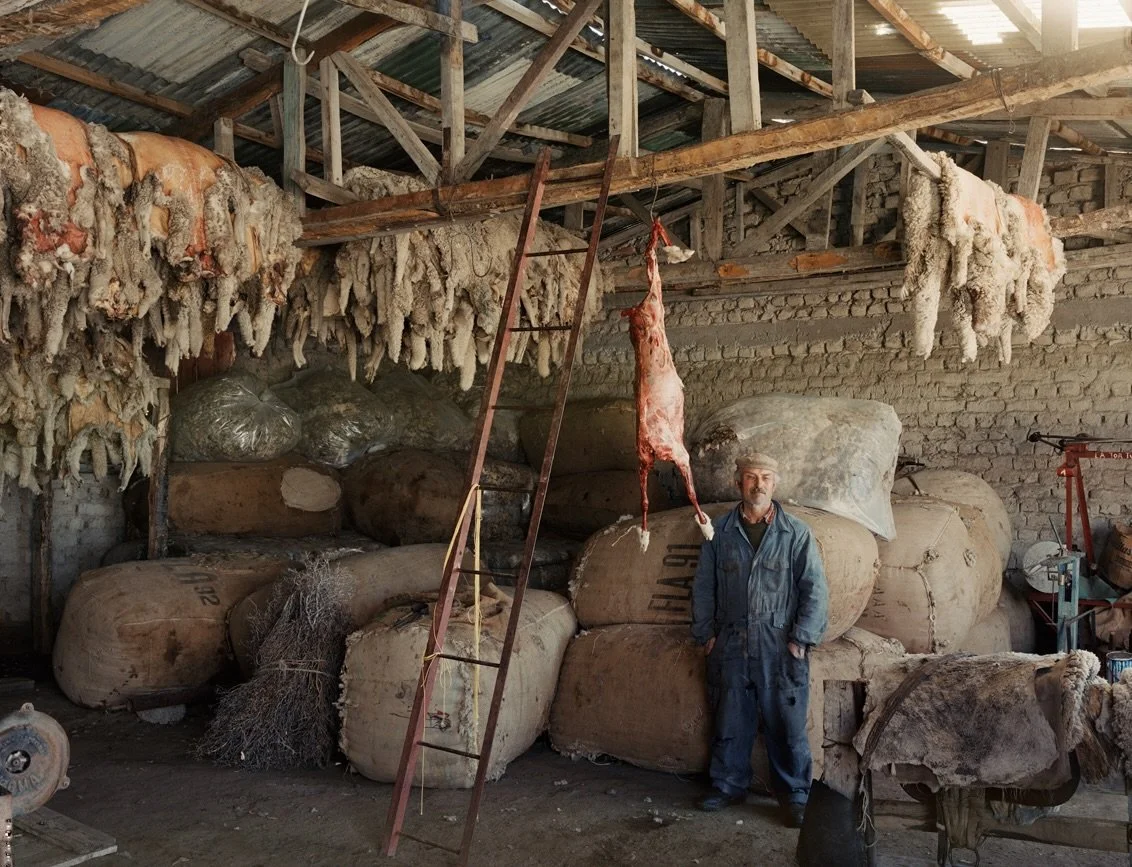
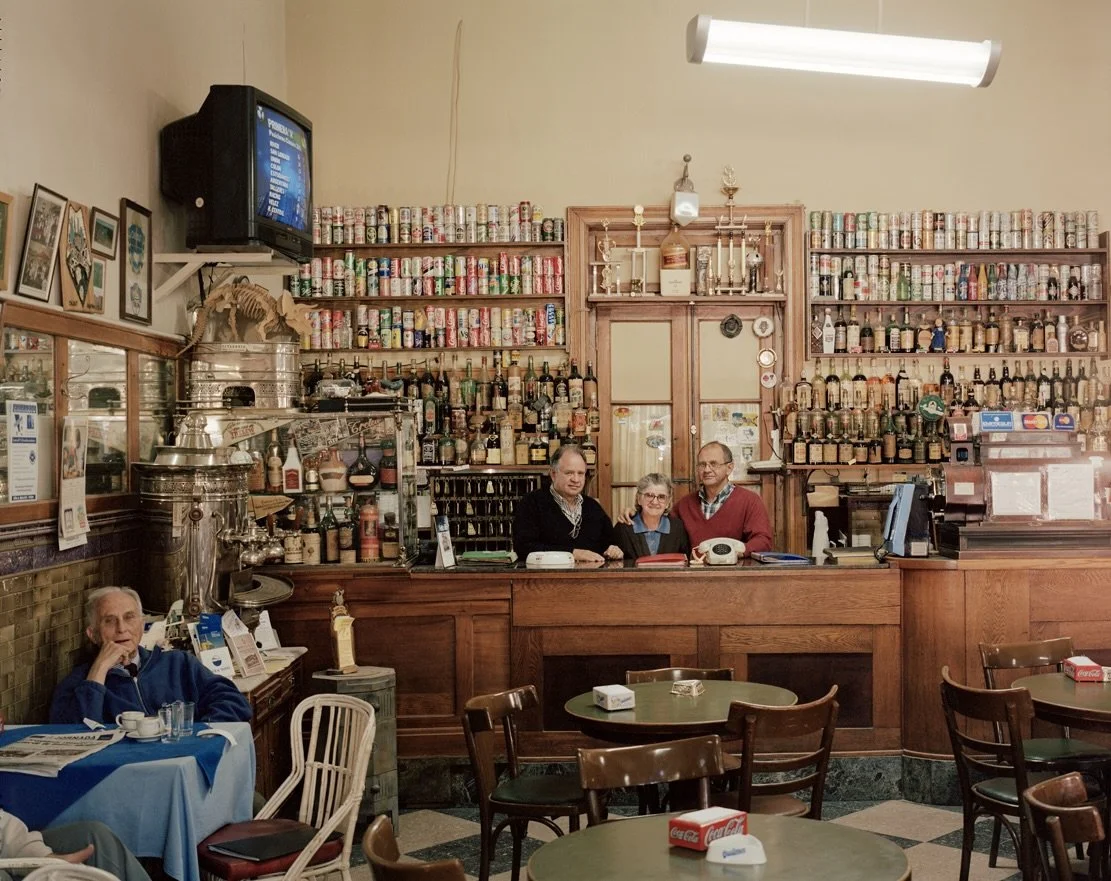
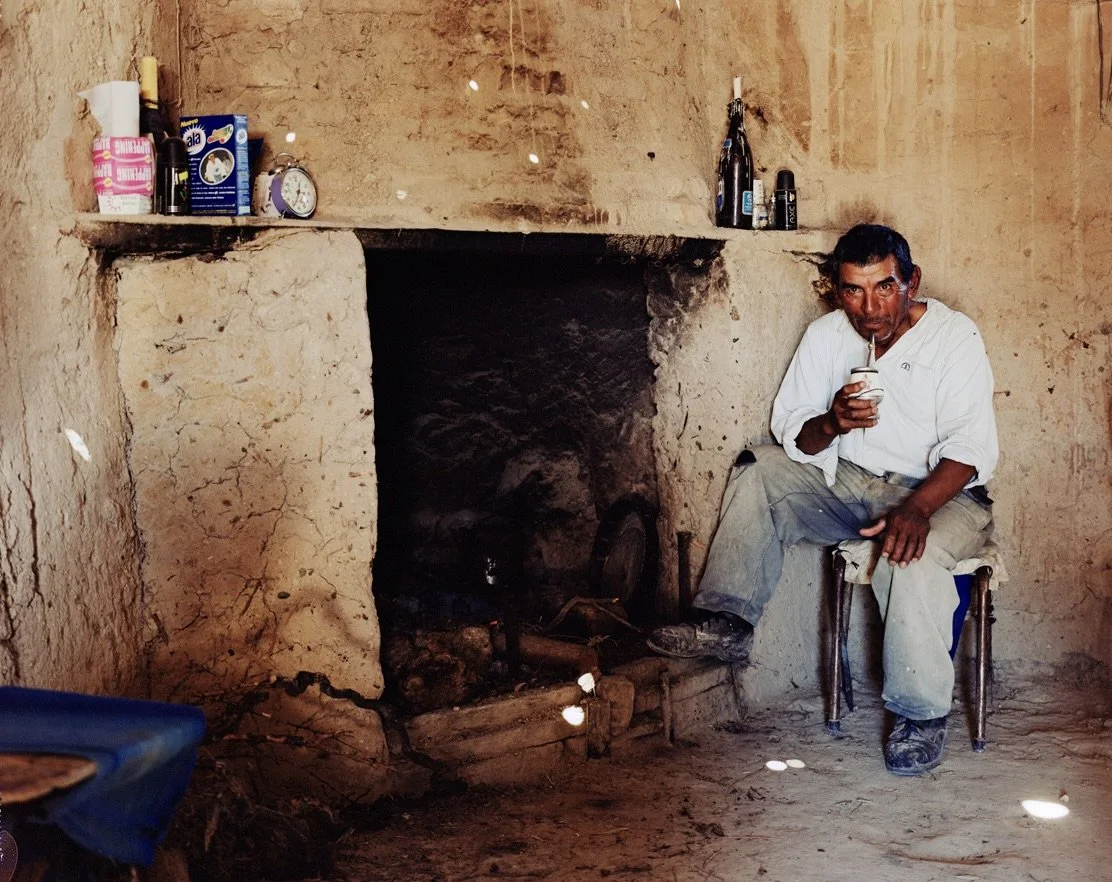
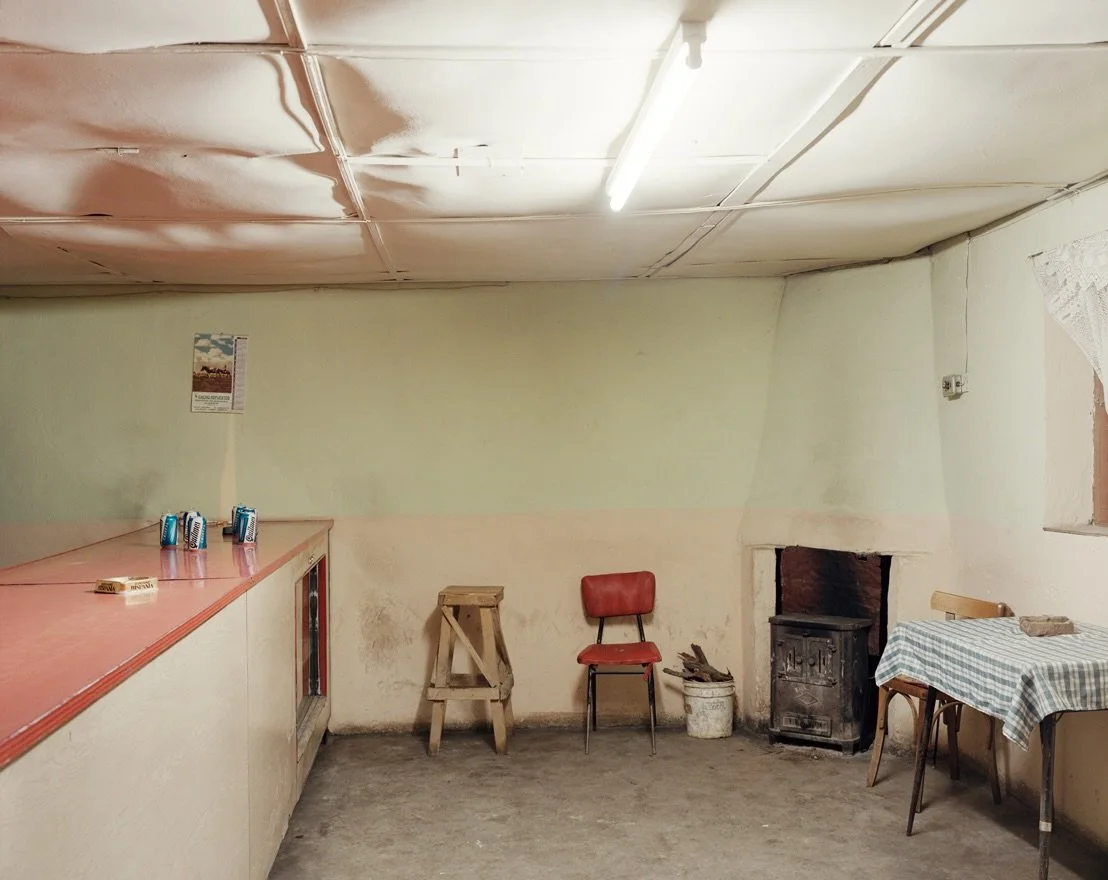
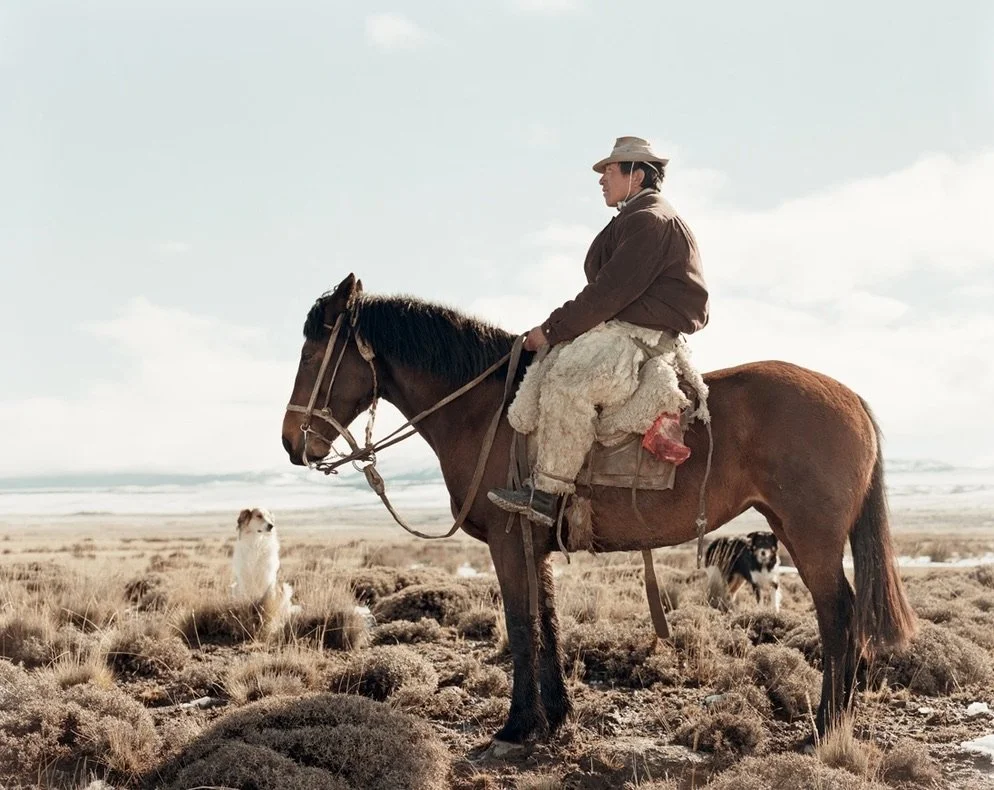
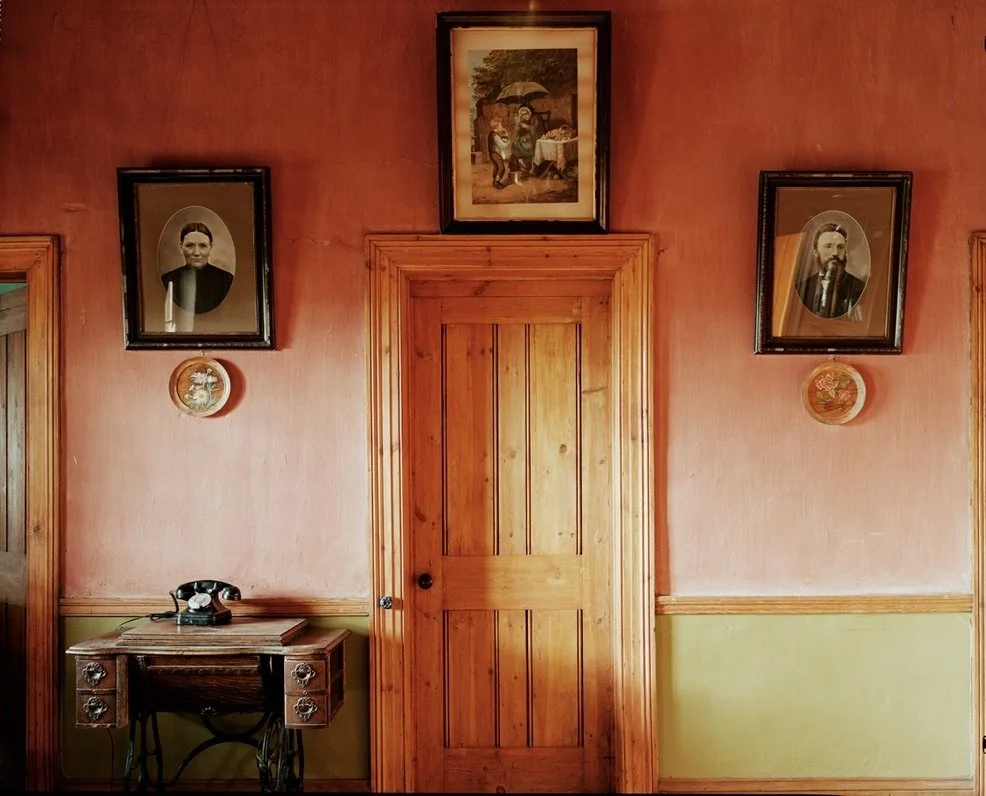
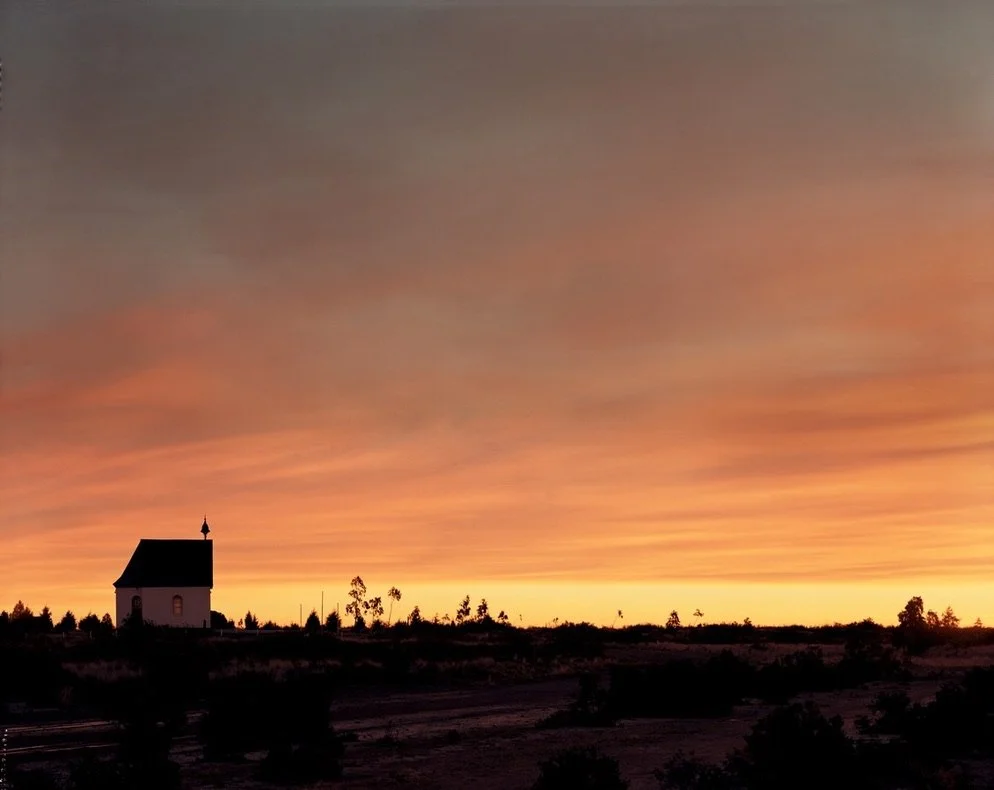
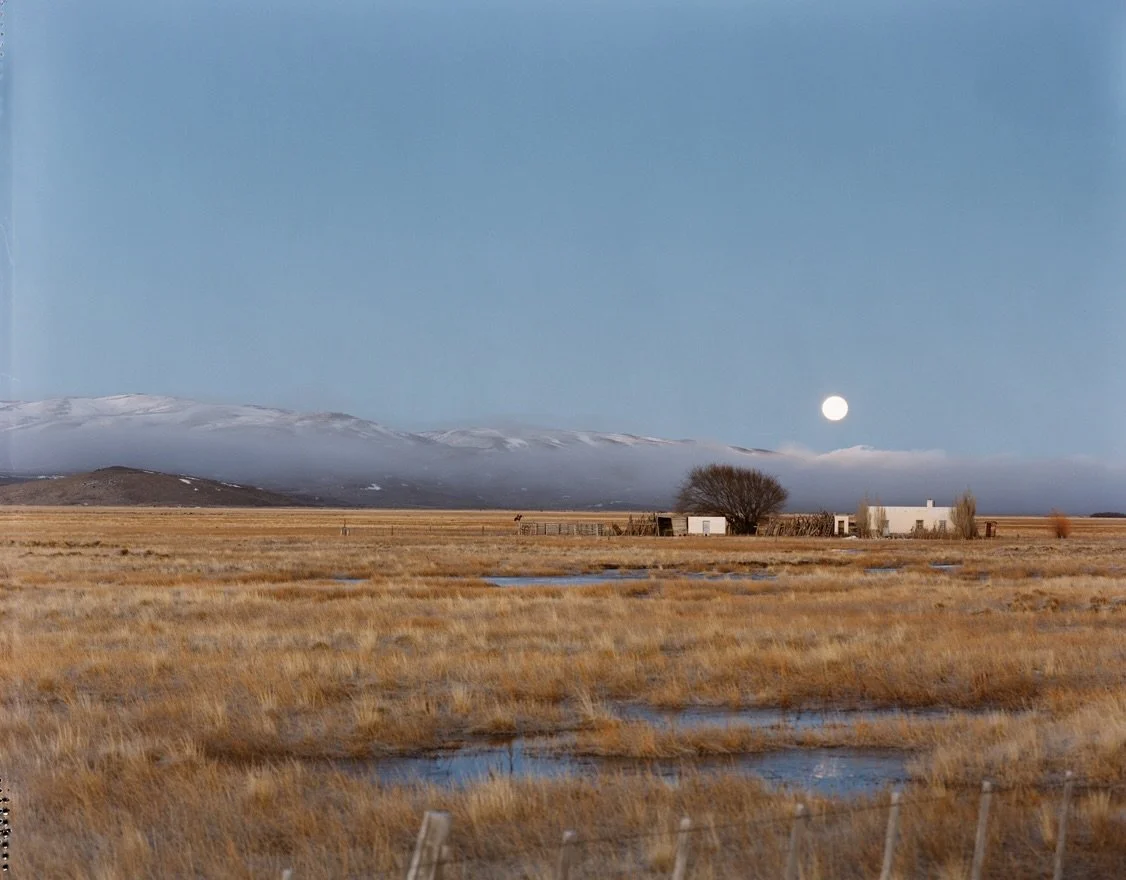
In the early 2000s, the photographer Ken Griffiths undertook three expeditions to Chubut in Patagonia, accompanied on those journeys by his friend Norman Thomas di Giovanni, a writer, one-time resident of Argentina, and translator of their most famous writer Jorge Luis Borges. From the outset, Griffiths and di Giovanni were moved by the quest by the Welsh for a home where they could preserve their culture and their language. Nearly defeated in the first year by hardship and starvation, they succeeded through inexhaustible determination and their enlightened treatment of the native Indians, the Tehuelche, who made annual migrations to the area. Spearheading a route to the Andes and forming a new colony there, the journey of these ordinary Welsh settlers is now part of the mythic lore of Argentina. Griffiths’ photographs featured in the series Patagonia, came out of trips they made in different seasons of the year, retracing the routes of the Welsh early pioneers, as well from studying scores of early photographs by John Murray Thomas, one of the colony's founding fathers.
I curated two editions of the Patagonia exhibition, first at Ffotogallery in 2011 and secondly at the Norwegian Church in Cardiff Bay as part of Diffusion 2015 – Looking for America.
Patagonian Landscape by Ken Griffiths